
Mall of the Emirates opened in 2005 as a shopping destination that joined retail with leisure under one roof. Its signature indoor snow attraction makes the building a useful case study in Dubai’s approach to climate-controlled public entertainment.
Guide preview
A shopping centre in the desert might seem an ordinary Dubai scene now, but Mall of the Emirates made a striking proposition when it opened in 2005: retail could share space with a full-scale winter environment.
Continue exploring
Discover the full story
Keep reading with a travel pass and explore every full guide and tour.
UpgradeQuick facts
- Mall of the Emirates opened in 2005.
- It is operated by Majid Al Futtaim.
- Ski Dubai is located inside the mall.
More places in Dubai
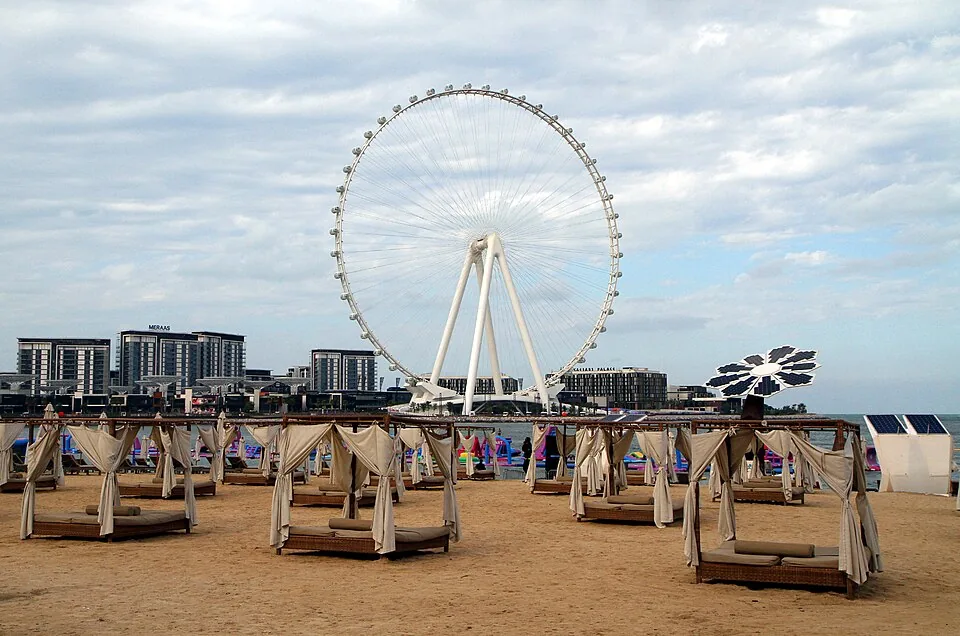
Ain Dubai
Ain Dubai rises 250 metres above Bluewaters Island, its cabins arranged around one of the world’s largest observation wheels. The structure’s scale makes the island a visible landmark while offering a moving panorama of Dubai’s coastline and urban expansion.
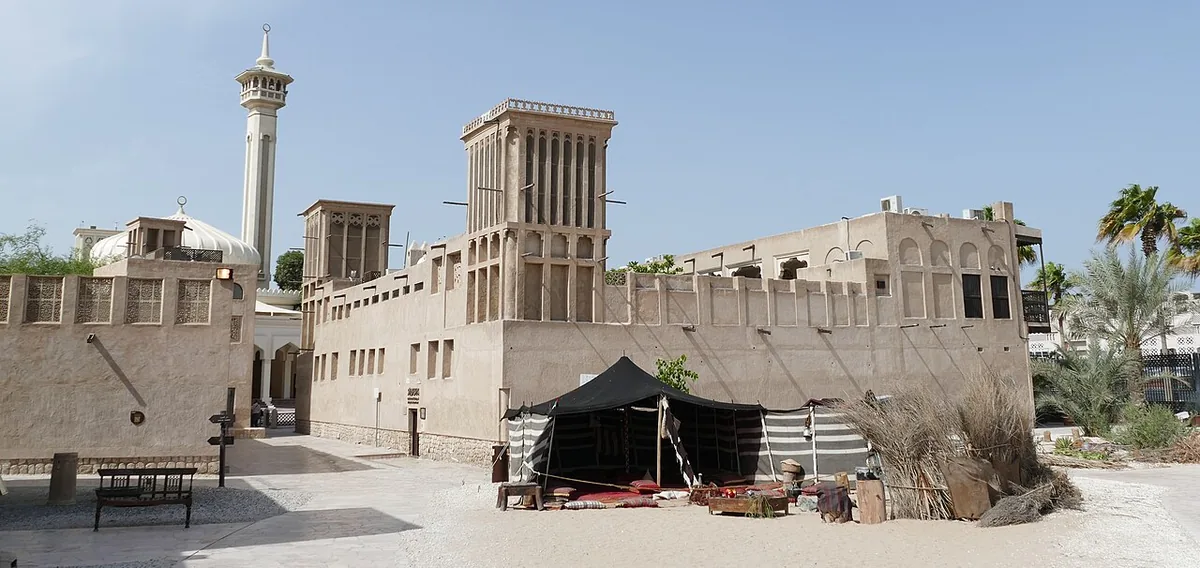
Al Fahidi Historical Neighbourhood
Al Fahidi preserves a historic neighborhood near Dubai Creek, where narrow lanes and wind towers reveal earlier ways of building for heat and airflow. The district’s houses now host museums, galleries, and cultural spaces within the old urban fabric.
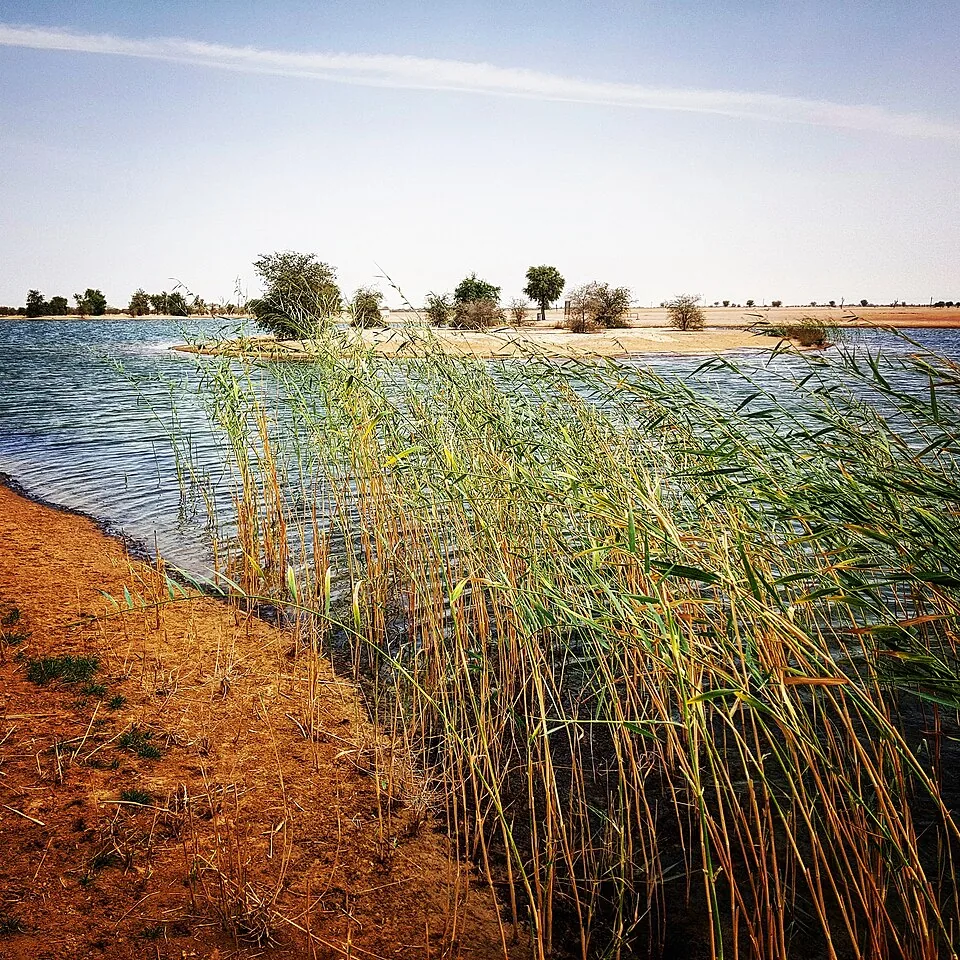
Al Qudra Lakes
Al Qudra Lakes are artificial lakes within the desert landscape of Al Marmoom, where water supports habitats used by native and migratory wildlife. Their presence creates a visible meeting point between designed recreation and conservation in Dubai’s desert reserve.
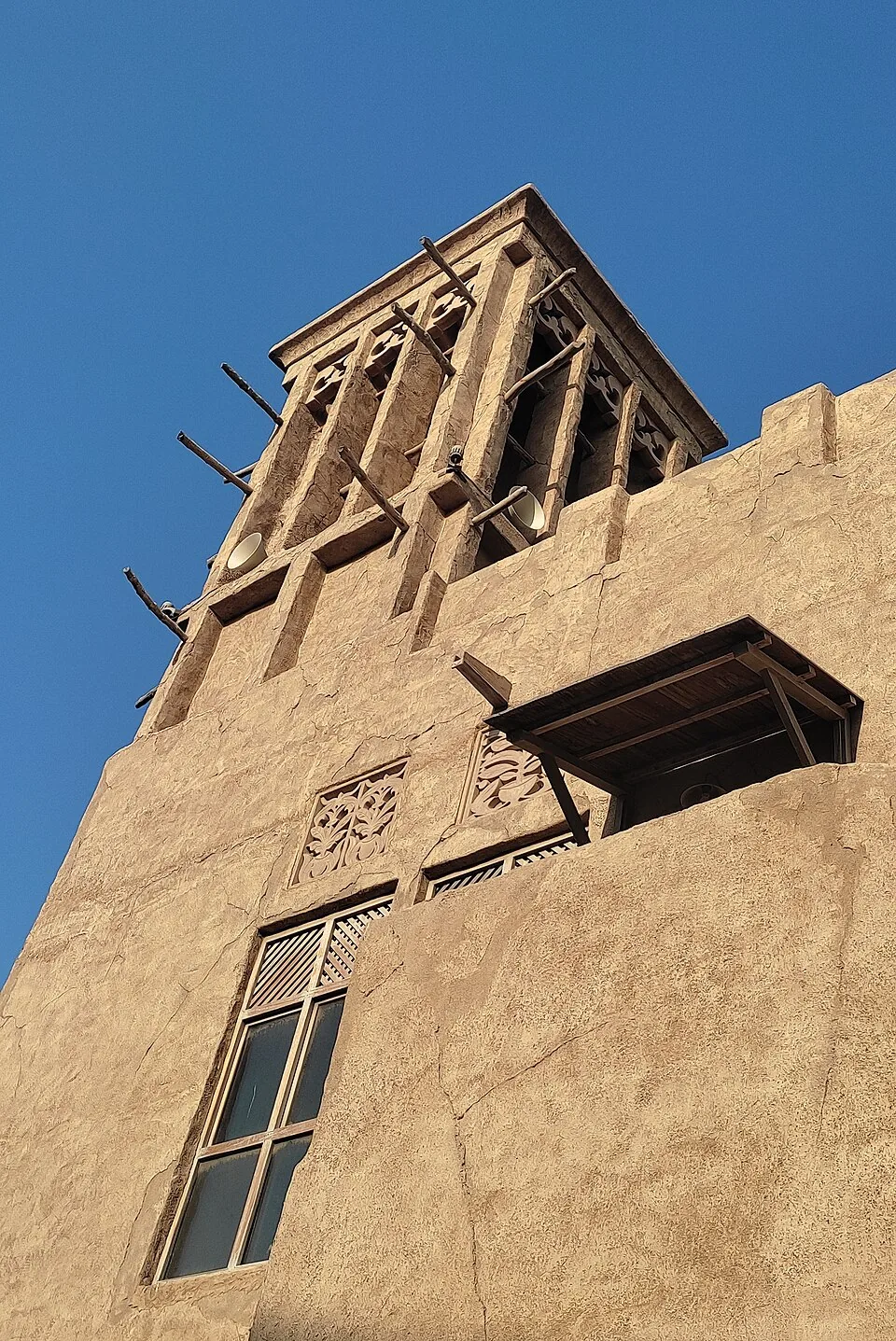
Al Seef
Al Seef follows Dubai Creek with a deliberately layered streetscape: heritage-inspired lanes meet contemporary buildings along a long waterfront promenade. The district’s design invites visitors to compare visual references to older Dubai with the modern commercial uses that now occupy the creekside
Alserkal Avenue
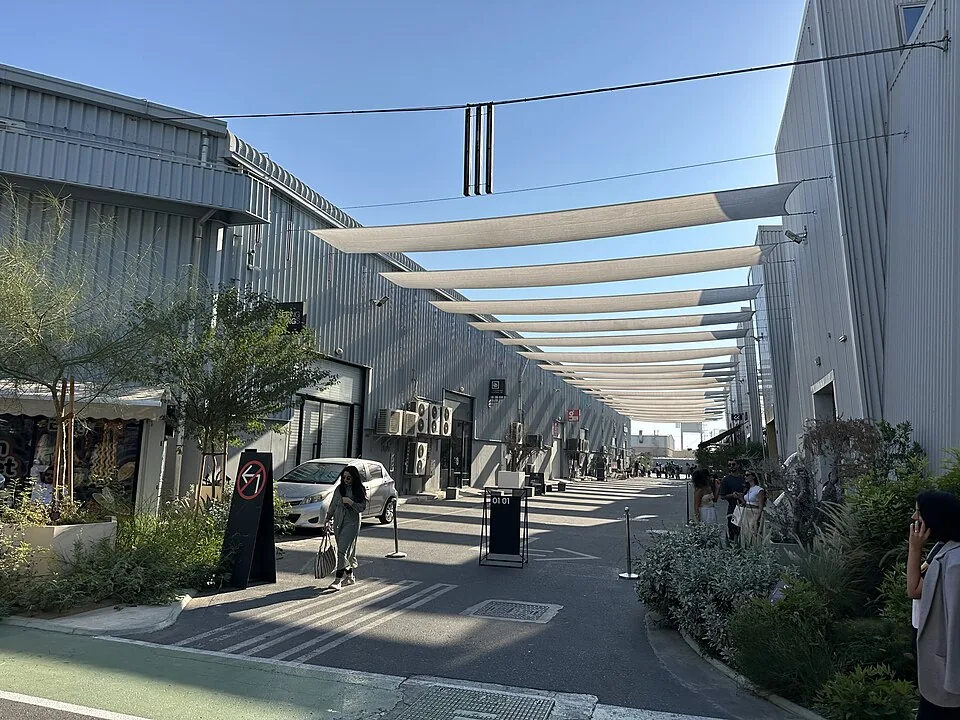
Alserkal Avenue transformed a former industrial site into a cultural district for galleries, studios, performances and public programmes. The warehouses remain part of its character, giving contemporary art a setting shaped by Dubai’s practical industrial past.
Al Shindagha Museum
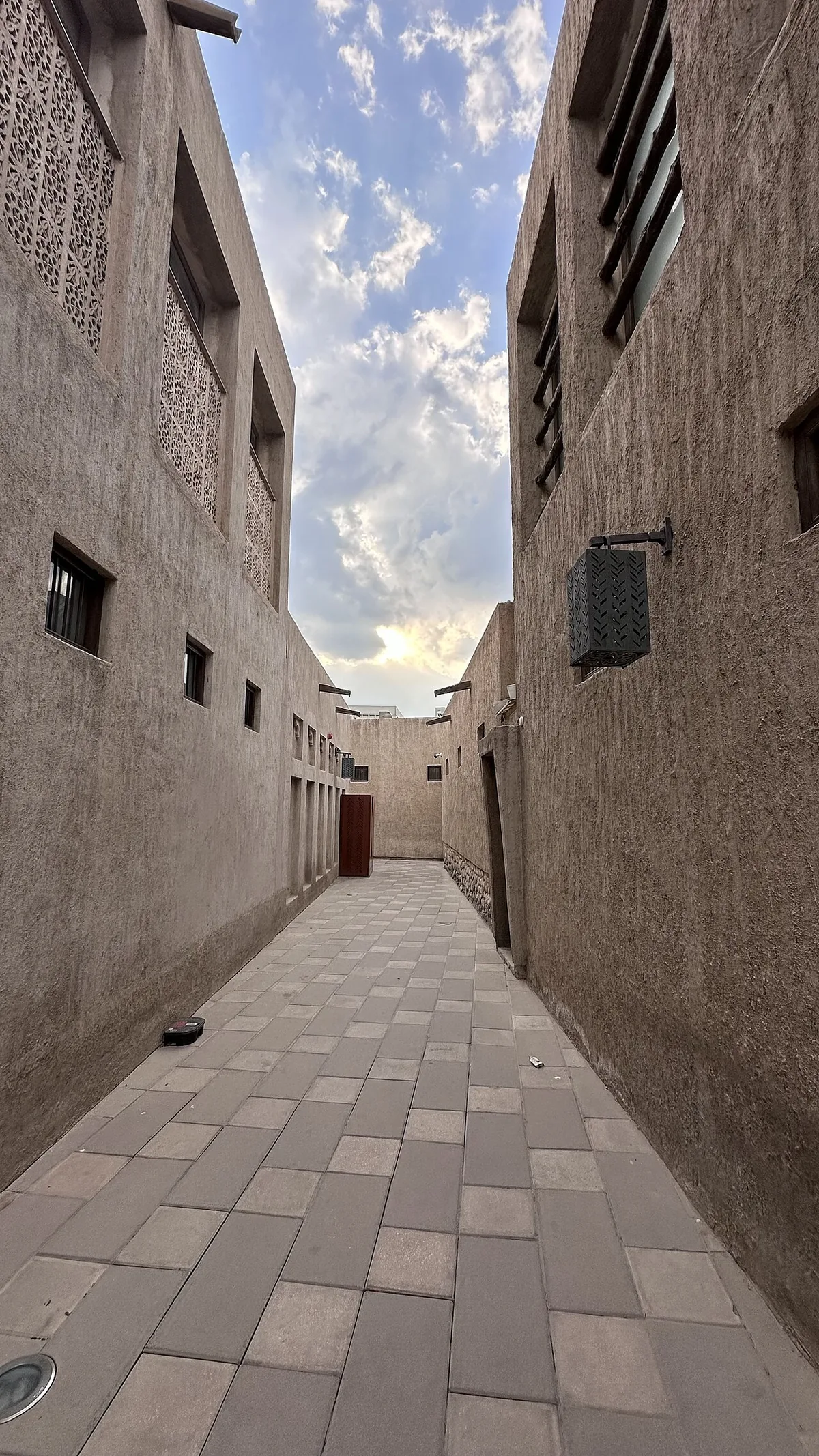
Al Shindagha Museum occupies a historic district along Dubai Creek, where restored homes and museums interpret life shaped by trade, craft and the waterfront. The setting itself is part of the story: narrow lanes link domestic architecture to the working creek.