Explore locations
Browse places by name, city, country or category.
All locations
1624 locations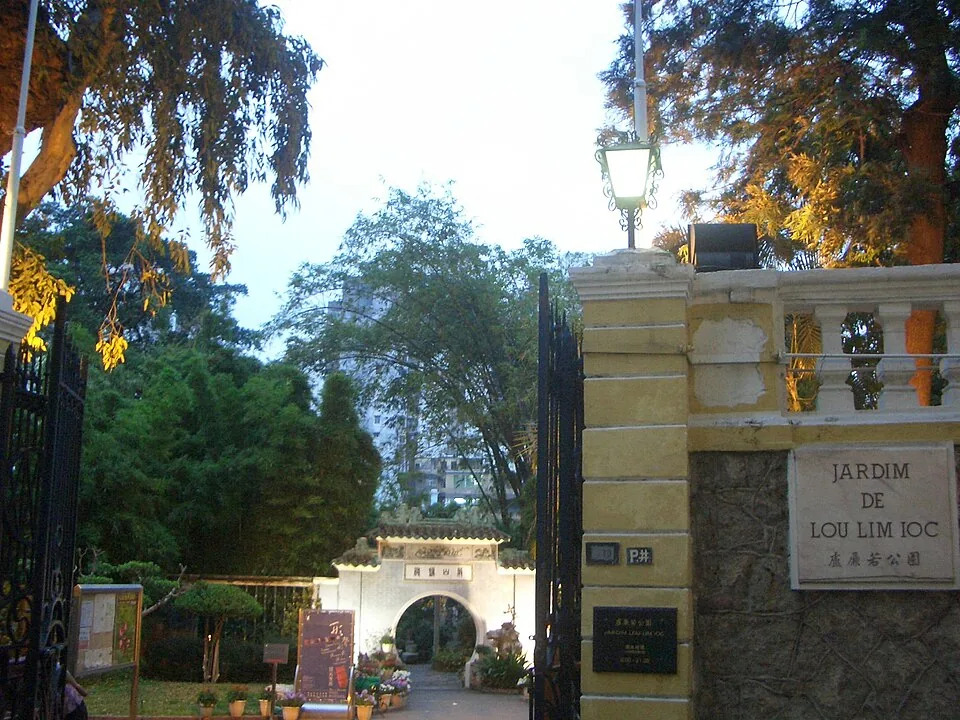
Lou Lim Ieoc Garden
Lou Lim Ieoc Garden is a compact Chinese-style landscape in central Macao, where a pond, curved bridge, pavilions and dense planting make a quiet counterpoint to the city. Its surviving grounds recall a much larger private estate.
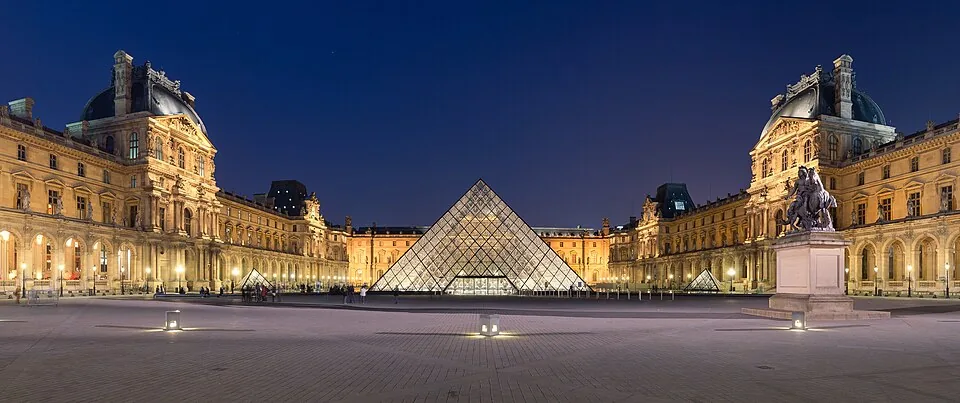
Louvre Museum
The Louvre’s palace façade reflects eight centuries of transformation, from defensive fortress to royal residence and public museum. Its 1793 opening made collections accessible in a former seat of power; later additions reshaped how visitors enter.
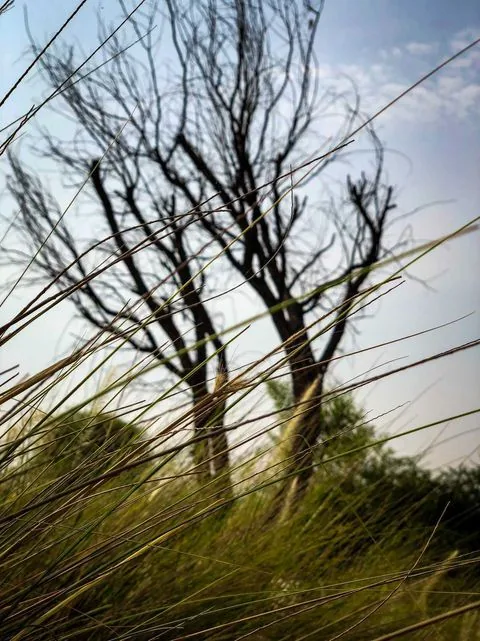
Love Lake
Love Lake is a pair of interconnected heart-shaped lakes set within Dubai’s Al Qudra desert landscape. The designed outline is a striking intervention in a broad, open environment; nearby desert vegetation and wildlife offer a reminder that the place is both a recreation destination and an ecologica
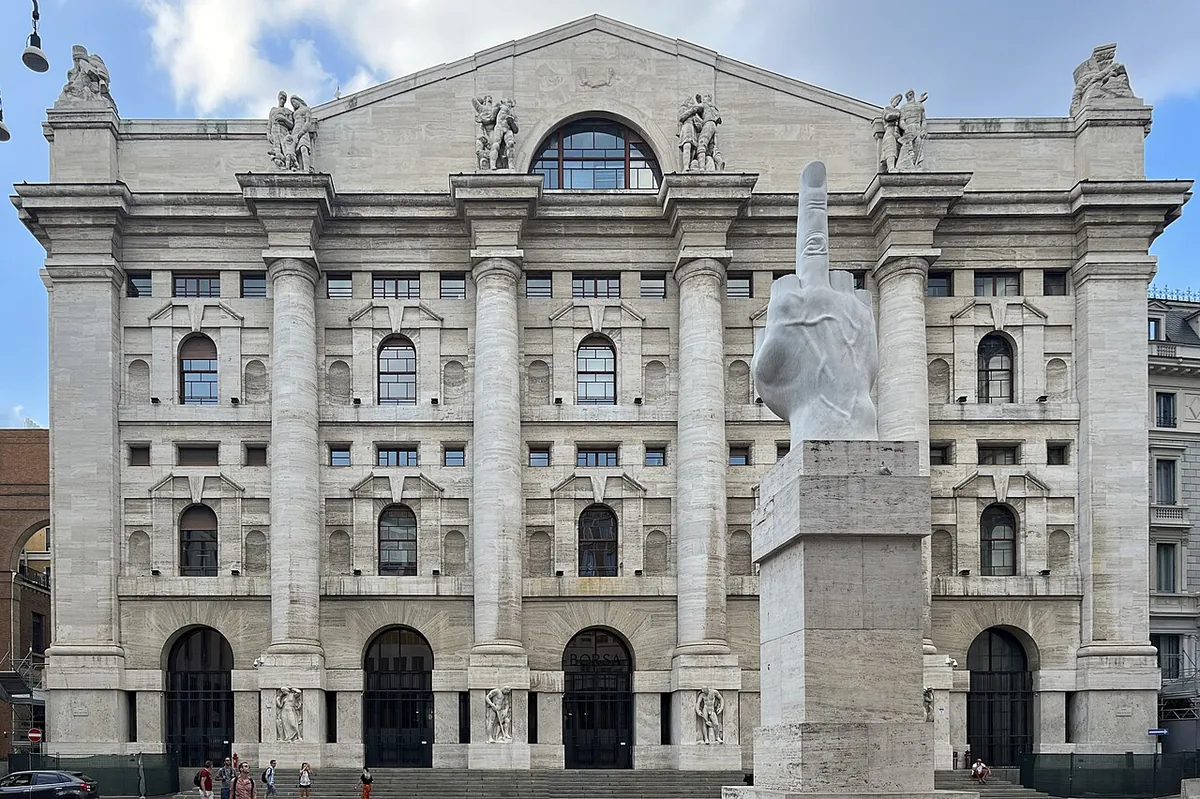
L.O.V.E. sculpture
Maurizio Cattelan’s marble hand stands in front of Milan’s stock exchange, a pointed gesture set against the sober architecture of finance. Installed in 2010, L.O.V.E. has remained in the square as a public artwork whose title holds a second, less sentimental meaning.
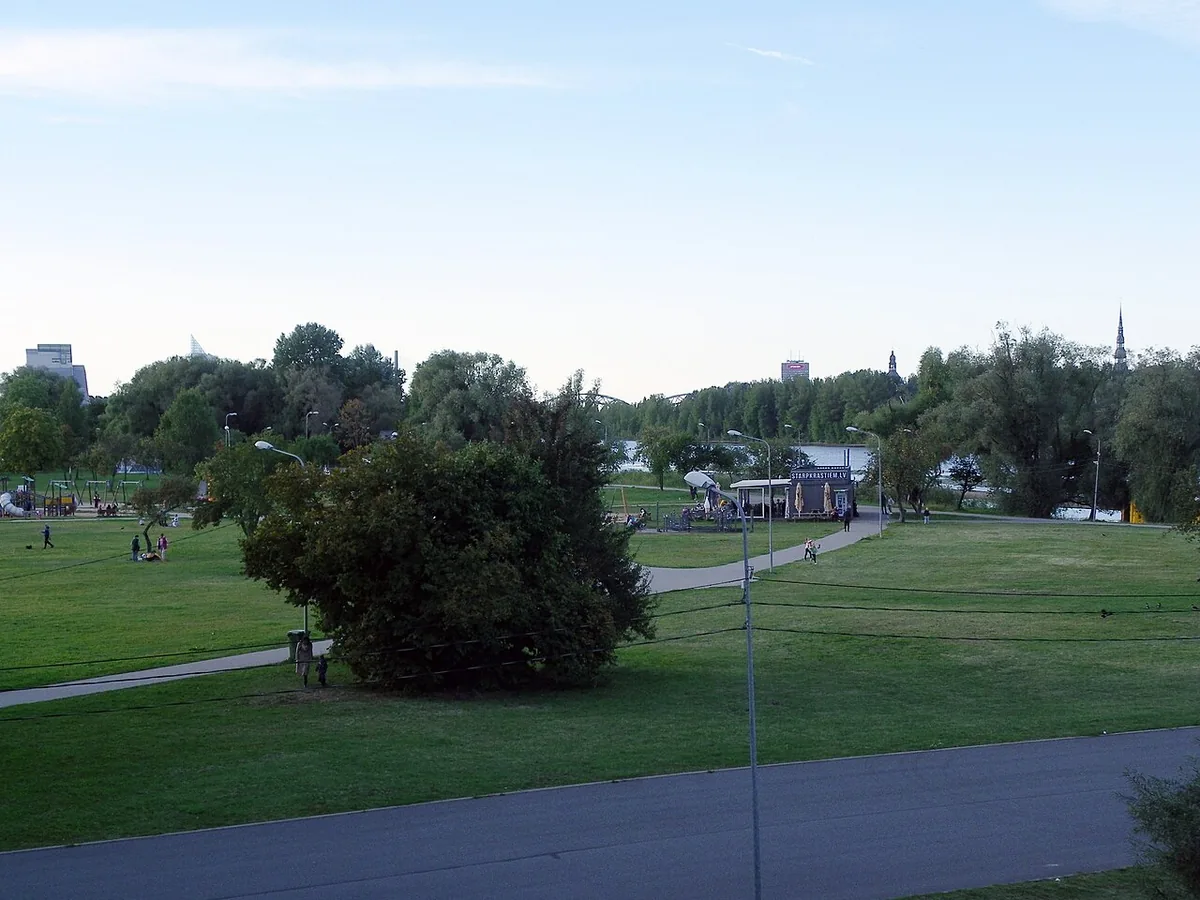
Lucavsala Recreational Park
Lucavsala Recreational Park occupies the northern part of a Daugava island close to central Riga. Its shore, play areas and paths sit within a wider island landscape shaped by river channels, long-standing family gardens and changing ideas about public space.
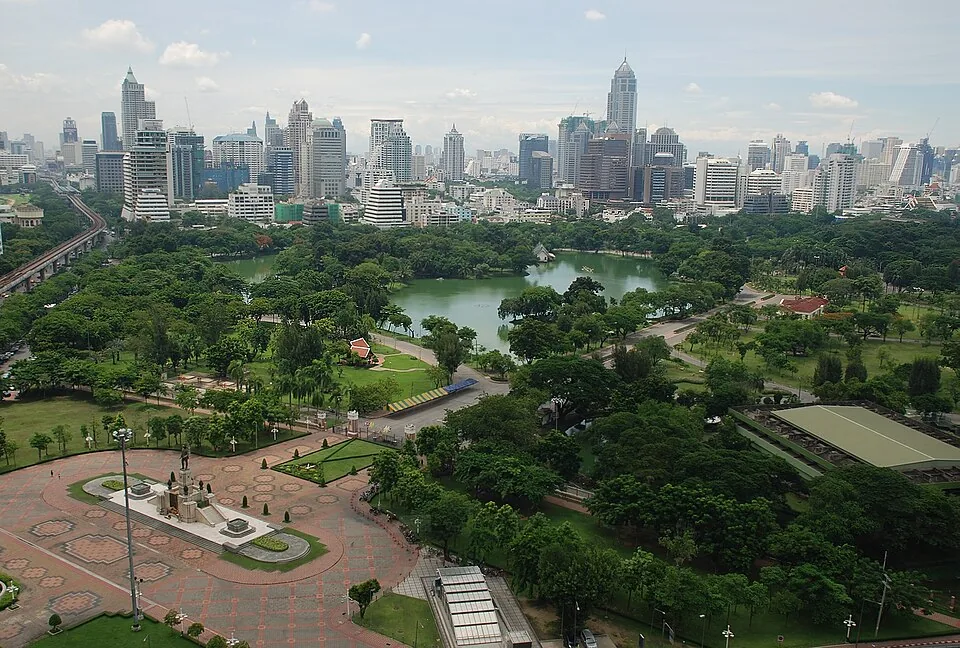
Lumphini Park
Lumphini Park is a large public green space within central Bangkok. Its lawns, paths, lake, and gathering areas provide room for exercise and rest while preserving a shared civic landscape amid dense commercial districts.
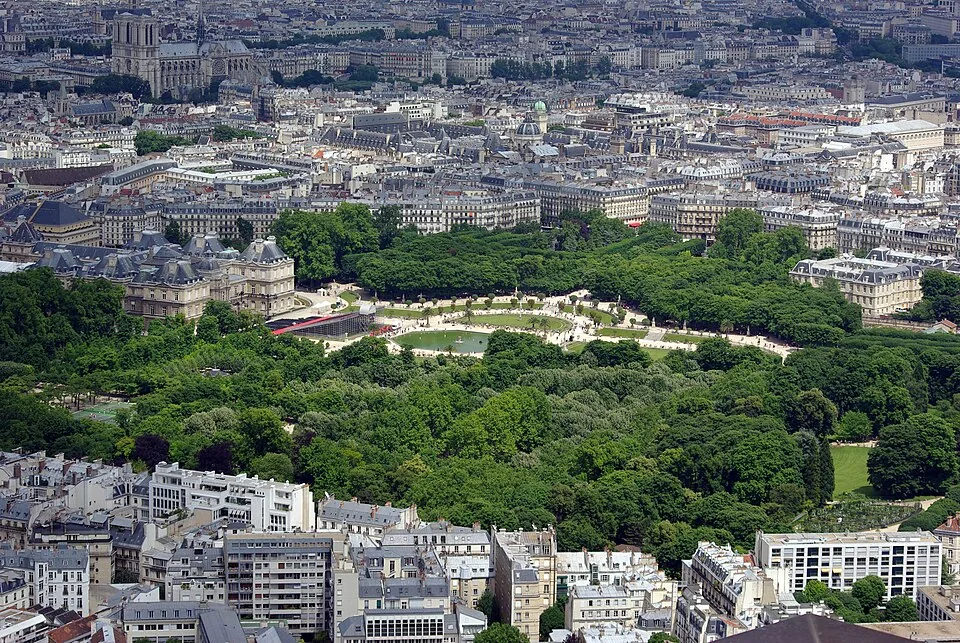
Luxembourg Gardens
Luxembourg Gardens blend formal parterres, lawns, fountains, and shaded paths around the French Senate. Marie de’ Medici acquired the estate in the early seventeenth century, and later city works repeatedly reshaped its boundaries.
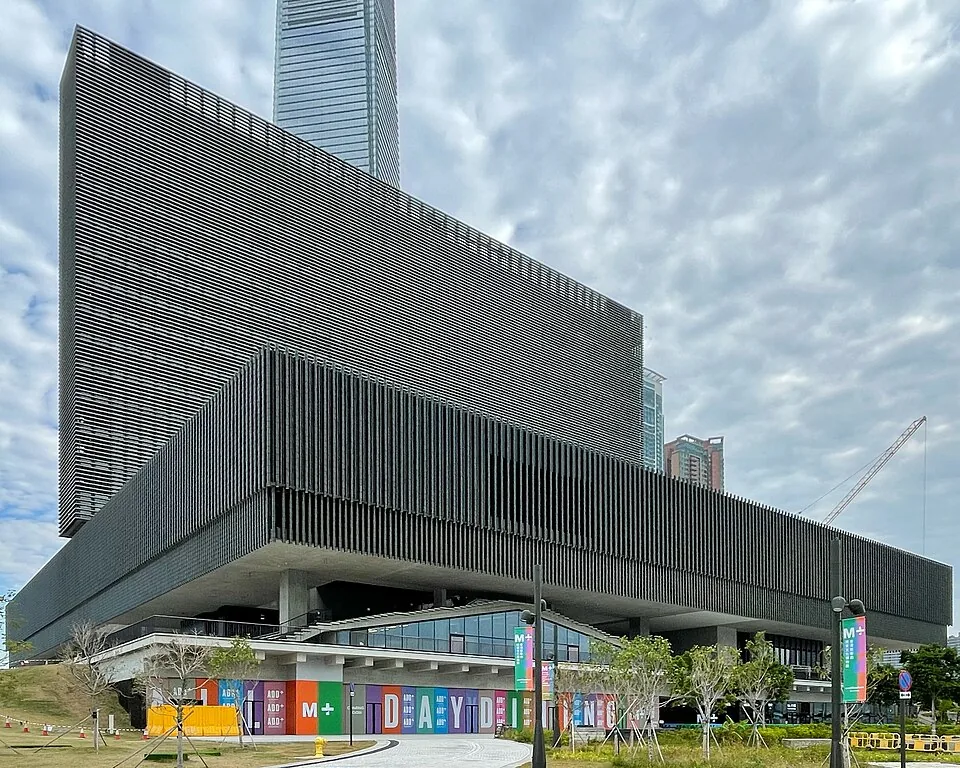
M+
M+ is a museum of modern and contemporary visual culture in West Kowloon, housed in a distinctive inverted-T building. Its harbour-facing LED façade extends the museum’s program into the city’s night-time skyline.
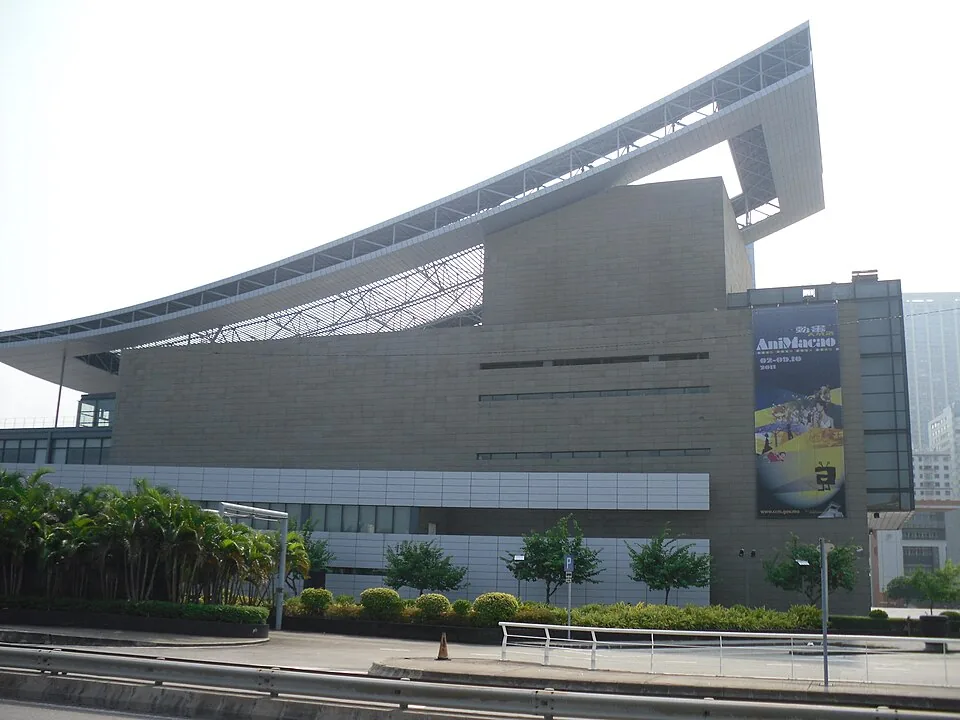
Macao Cultural Centre
The Macao Cultural Centre is a performing-arts complex opened in 1999 on Xian Xing Hai Avenue. Its auditoriums, rehearsal spaces, and related cultural venues support performances and creative work, giving the waterfront district a civic stage.
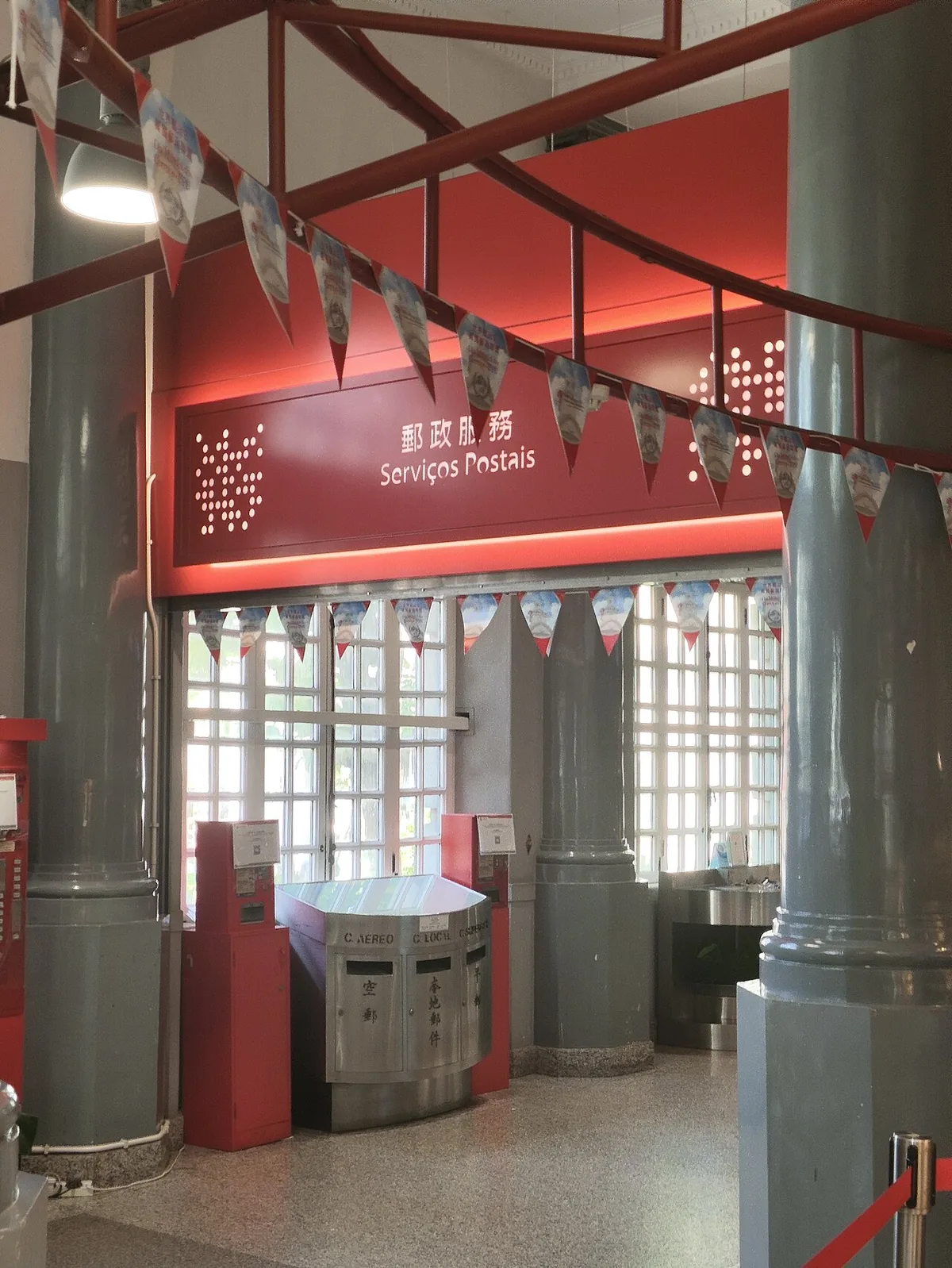
Macao General Post Office
Macao General Post Office occupies a classical-style building beside Senado Square. Completed in 1929, the former charity headquarters became a postal landmark, linking public communications with the civic architecture of the historic center.
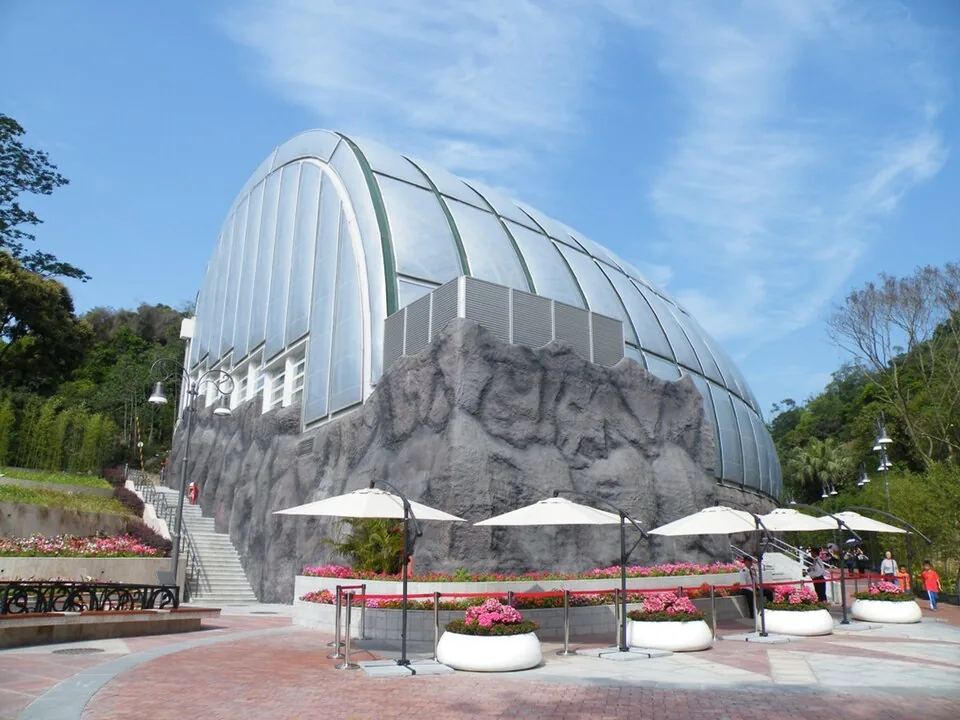
Macao Giant Panda Pavilion
The Macao Giant Panda Pavilion sits within Seac Pai Van Park in Coloane. Its fan-shaped plan follows the hillside and organizes indoor and outdoor spaces for the pandas, while nearby interpretation introduces visitors to the species and conservation.
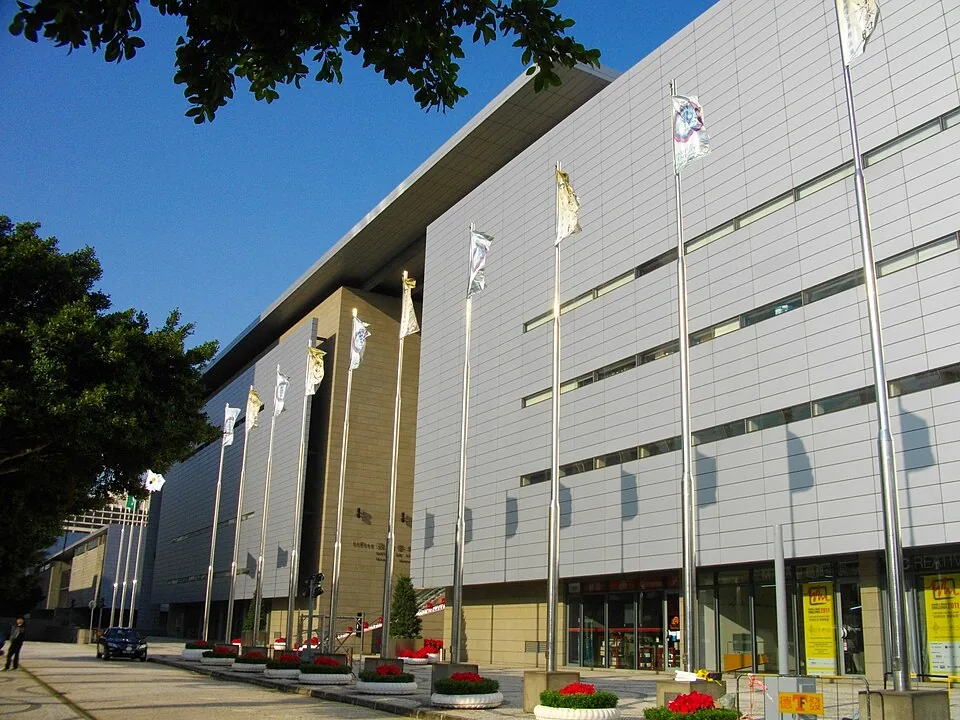
Macao Museum of Art
The Macao Museum of Art stands beside the waterfront with spacious galleries devoted to Chinese, Macao and international art. Its collection gives visitors a way to read the city through objects, images and changing artistic traditions.
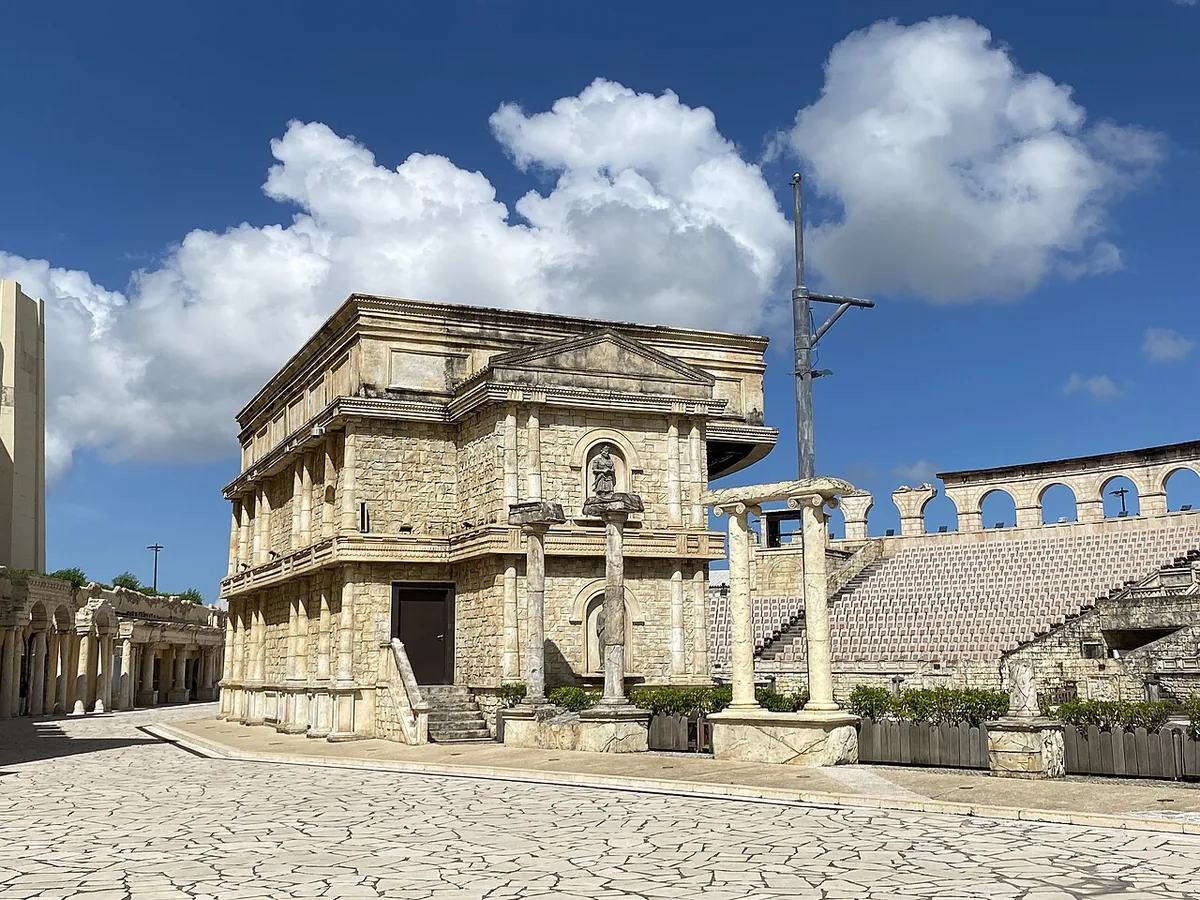
Macau Fisherman's Wharf
Macau Fisherman’s Wharf is a large waterfront leisure and convention complex beside the Outer Harbour. Its themed architecture, dining and entertainment spaces sit close to the ferry terminal, combining commercial activity with views across the harbour.
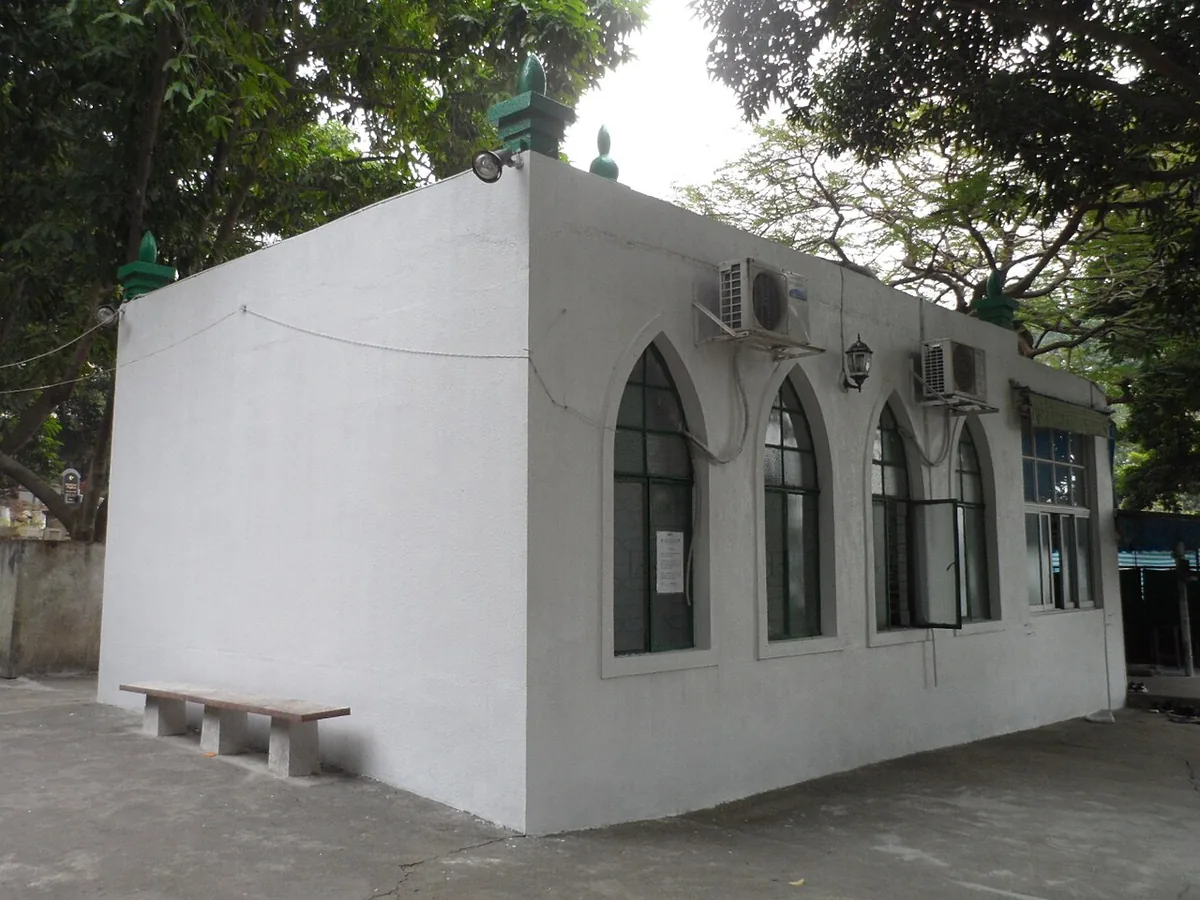
Macau Islamic Mosque and Cemetery
Macao’s Islamic Mosque and Cemetery serves the city’s Muslim community in a historic quarter overlooking the reservoir and harbor. The mosque is a place of worship and communal life, while the cemetery honors generations of Muslim residents.
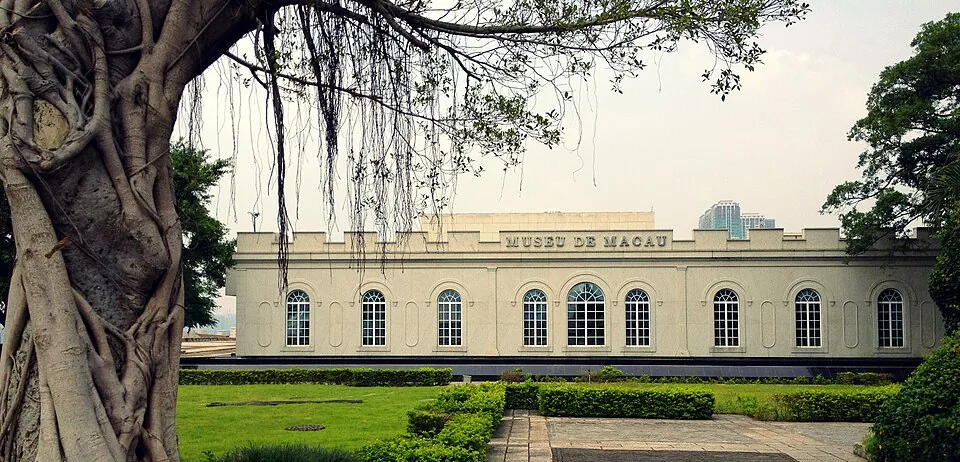
Macau Museum
Macao Museum occupies part of Monte Fortress, placing galleries about the city within a site that once served military defense. Its location lets visitors read cultural history and the peninsula’s changing urban landscape together.
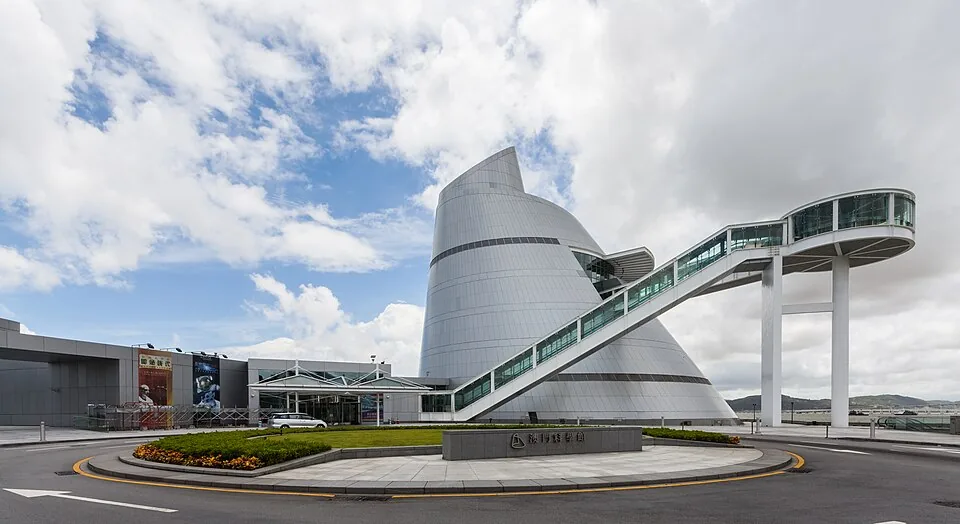
Macau Science Center
Designed by I. M. Pei and Pei Partnership Architects, Macao Science Center brings exhibitions, a planetarium and convention spaces together in a striking waterfront complex. Interactive displays make science accessible through observation and hands-on exploration.
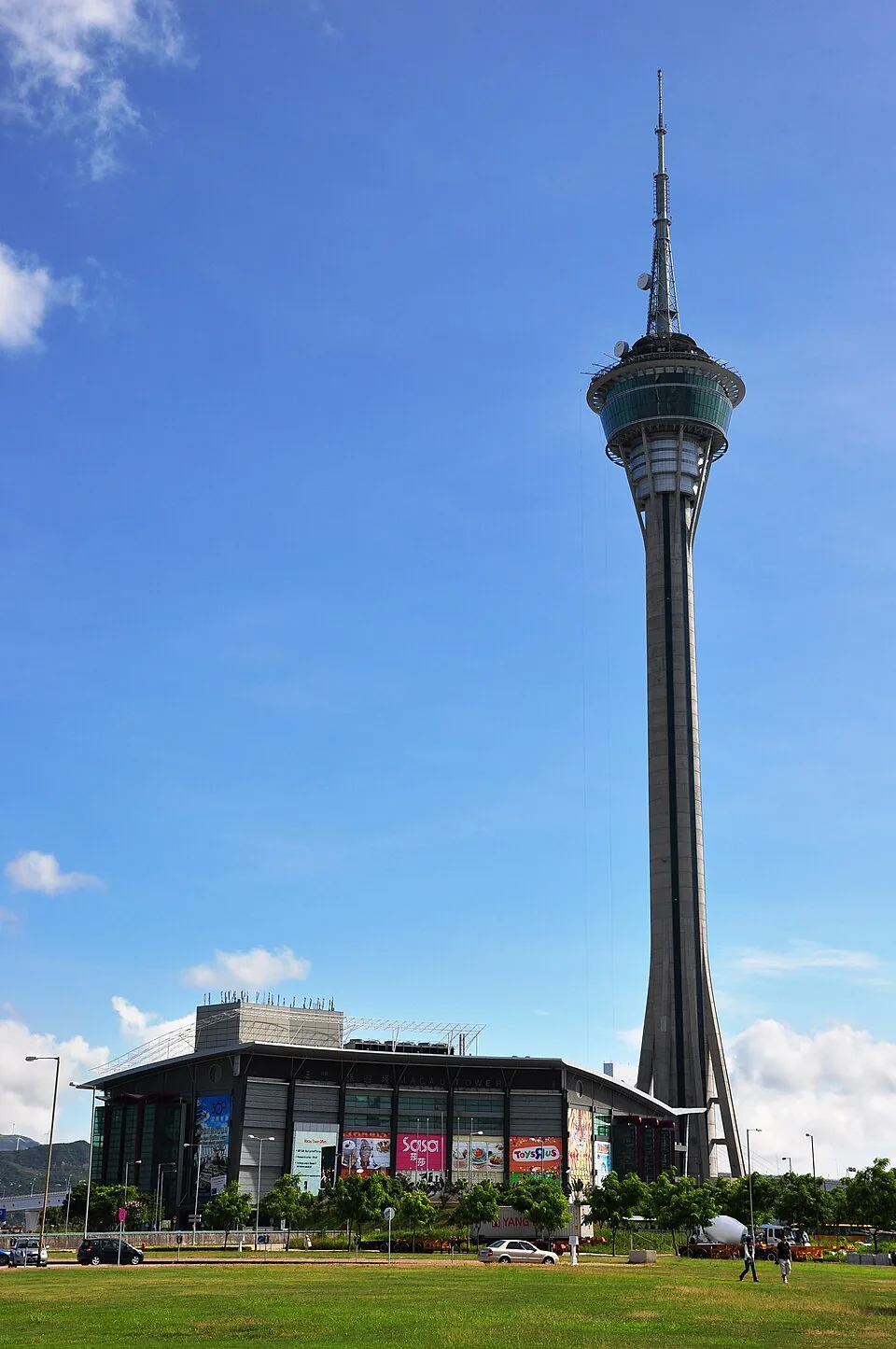
Macau Tower
Macau Tower’s slender shaft and broad observation levels rise above the waterfront, turning a communications structure into a public vantage point. Its height makes the surrounding islands and Pearl River Delta visible as one connected landscape.
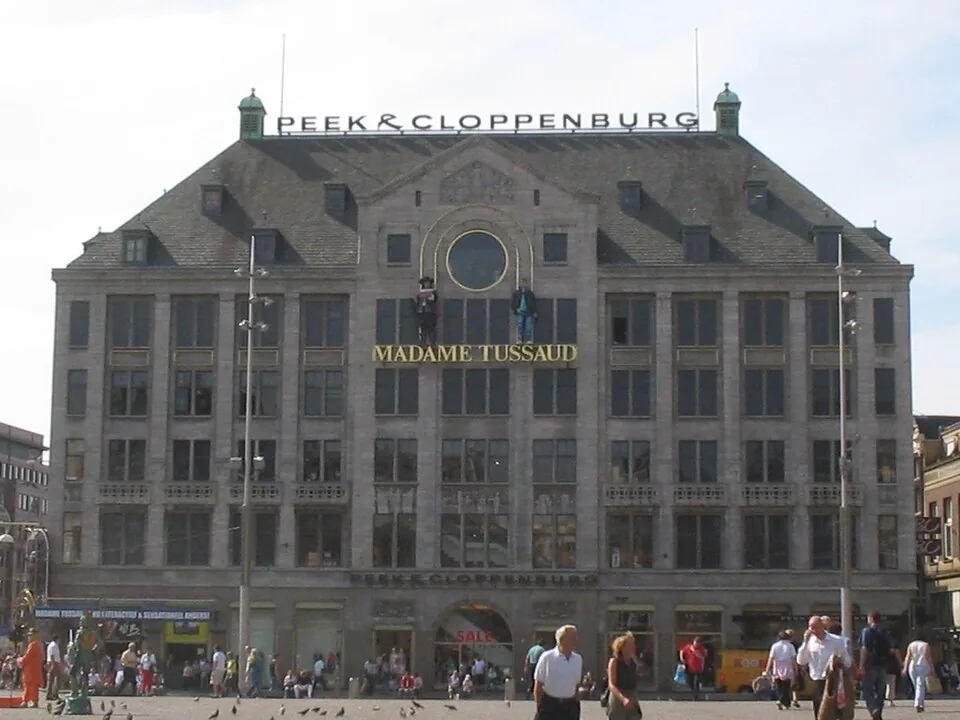
Madame Tussauds Amsterdam
Madame Tussauds Amsterdam brings a traveling craft tradition to Dam Square: wax portraiture that began with Marie Tussaud and her mentor Philippe Curtius. The Amsterdam branch opened in 1970 and moved to its present central location in 1991, extending a history of modelling public figures across cha
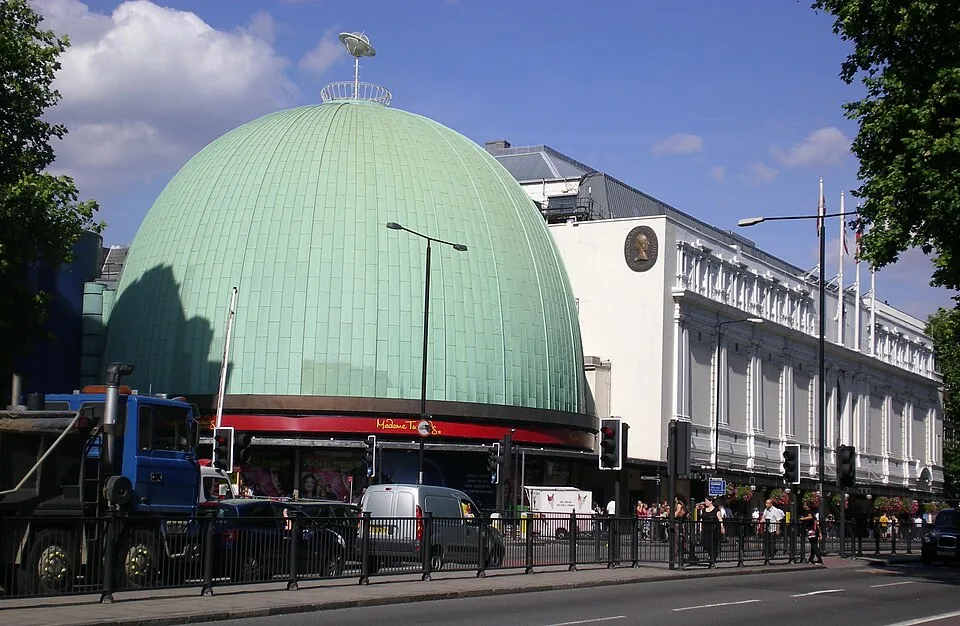
Madame Tussauds London
Madame Tussauds London began as a travelling wax exhibition and became a permanent Baker Street attraction in the nineteenth century. Its figures sit at the intersection of portraiture, popular history, and celebrity, extending Marie Tussaud’s original craft into an evolving public spectacle.

Madame Tussauds Orlando
Madame Tussauds Orlando presents wax figures in staged environments that invite visitors to step into celebrity and fictional scenes. The experience plays with likeness, performance, and the way public figures become recognizable through images.
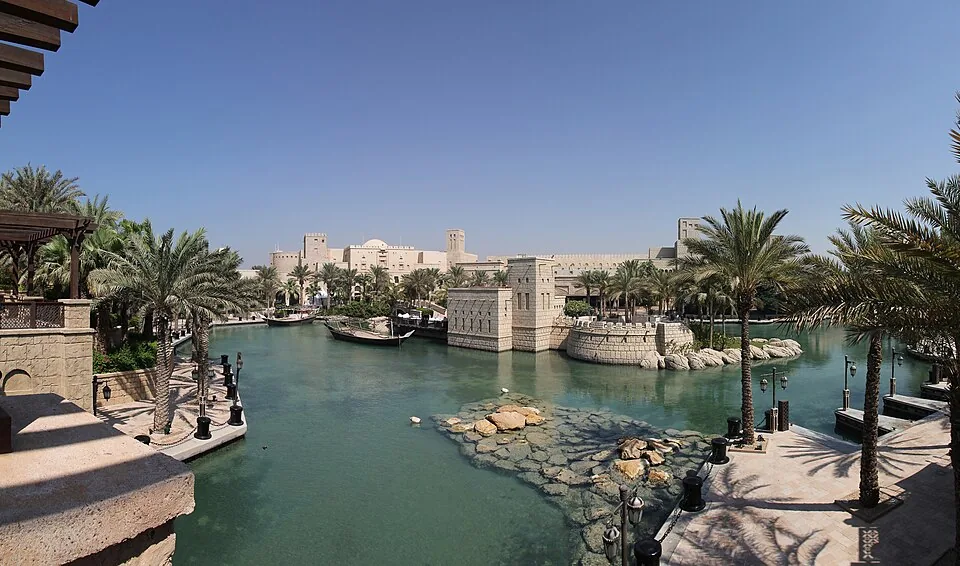
Madinat Jumeirah
Madinat Jumeirah combines hotels, waterways, and Souk Madinat’s shaded lanes in a contemporary interpretation of Arabian architectural references. Wind towers and carved arches evoke older forms while the resort’s connected canals create a new waterfront landscape.

Madrid History Museum
The Madrid History Museum occupies the former Hospice of San Fernando, a Baroque building whose monumental portal introduces a collection about everyday life as well as political change. Maps, models, furnishings, and images chart the city’s transformation.
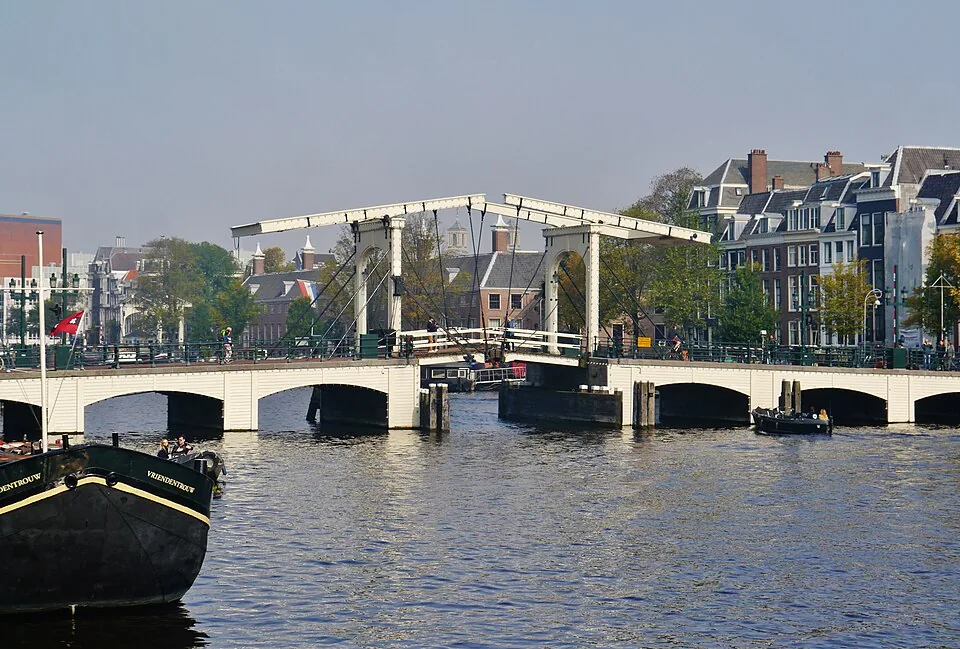
Magere Brug
The Magere Brug’s pale timber and repeated arches make a graceful crossing over the Amstel. Its name means “Skinny Bridge,” a practical nickname for an unusually narrow predecessor; the familiar sisters’ legend is a later story, not documented history.
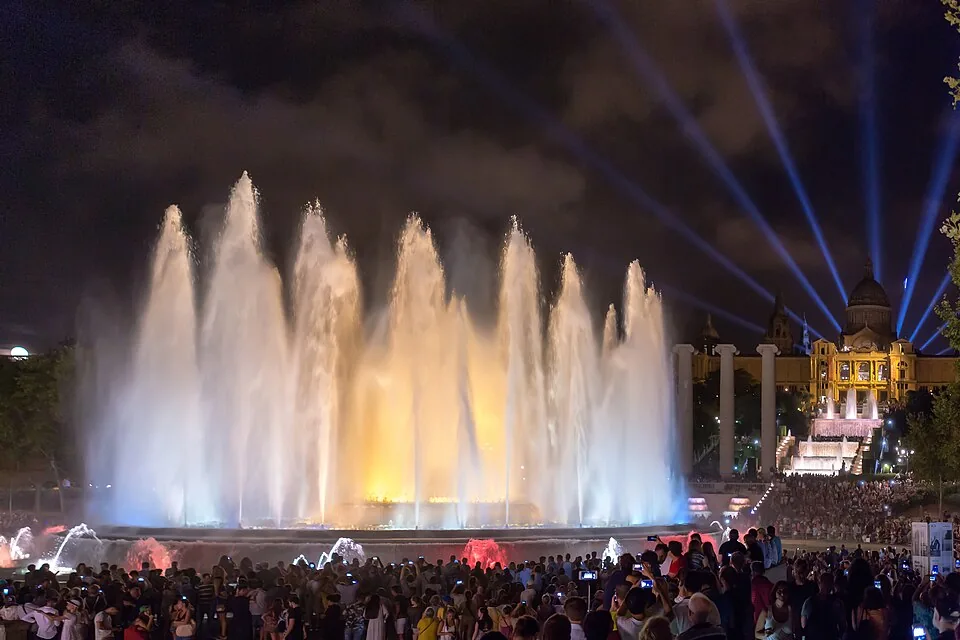
Magic Fountain of Montjuïc
The Magic Fountain of Montjuïc was designed to make water, colored light, and the approach to the 1929 International Exposition feel like one spectacle. Its engineering ambition was initially doubted, but Carles Buïgas completed the project in less than a year.