Explore locations
Browse places by name, city, country or category.
All locations
1624 locations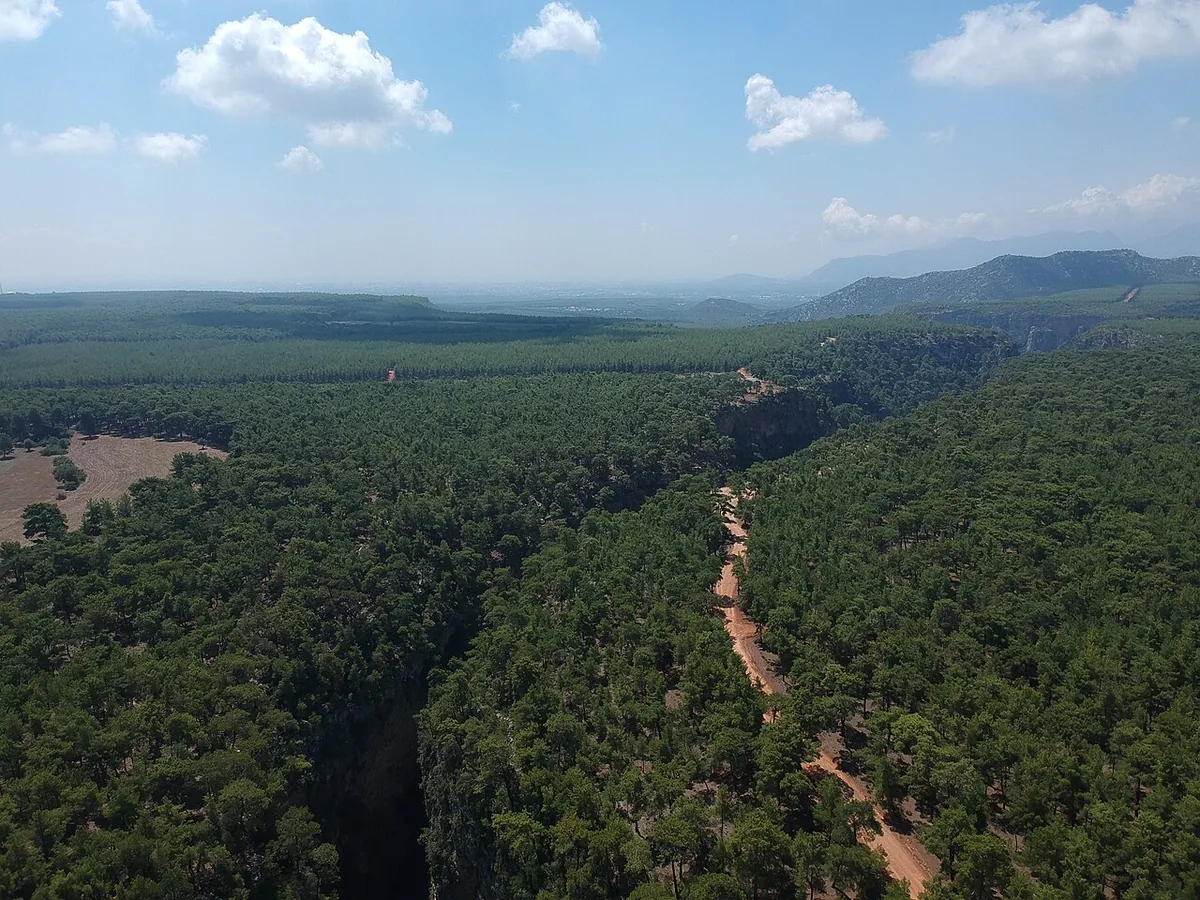
Güver Canyon Viewpoint
Güver Canyon Viewpoint overlooks a deep limestone gorge within Güver Canyon Nature Park near Antalya. The protected landscape combines steep rock, Mediterranean forest, and plant diversity, offering a vantage point where geology and habitat meet.
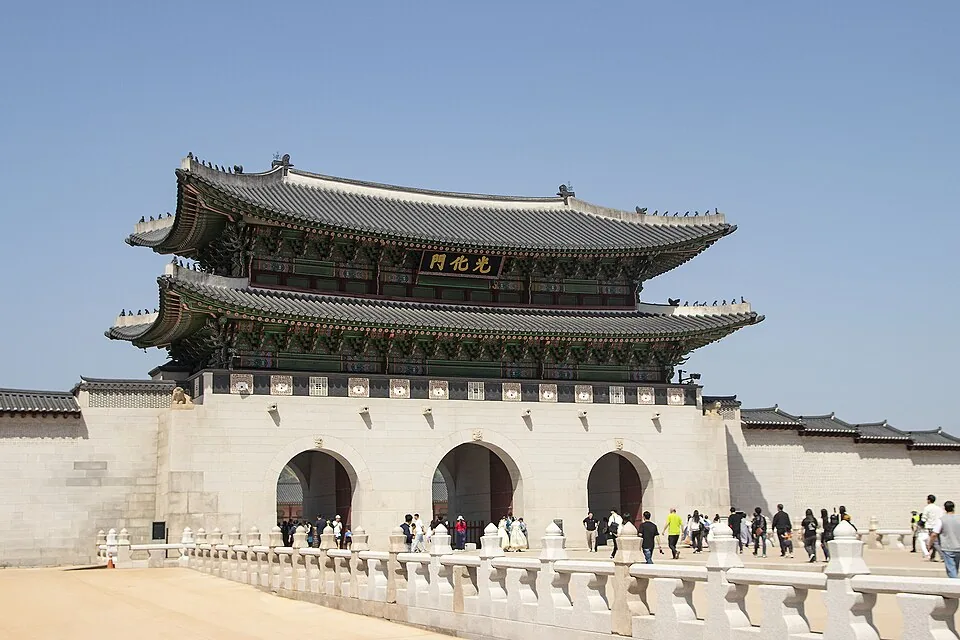
Gwanghwamun Gate
Gwanghwamun is the main southern gate of Gyeongbokgung Palace, with three arched passages beneath a wooden pavilion. Its position has repeatedly shifted and been rebuilt through war and colonial rule; the present reconstruction returned the gate to its historic site and timber form in 2010.
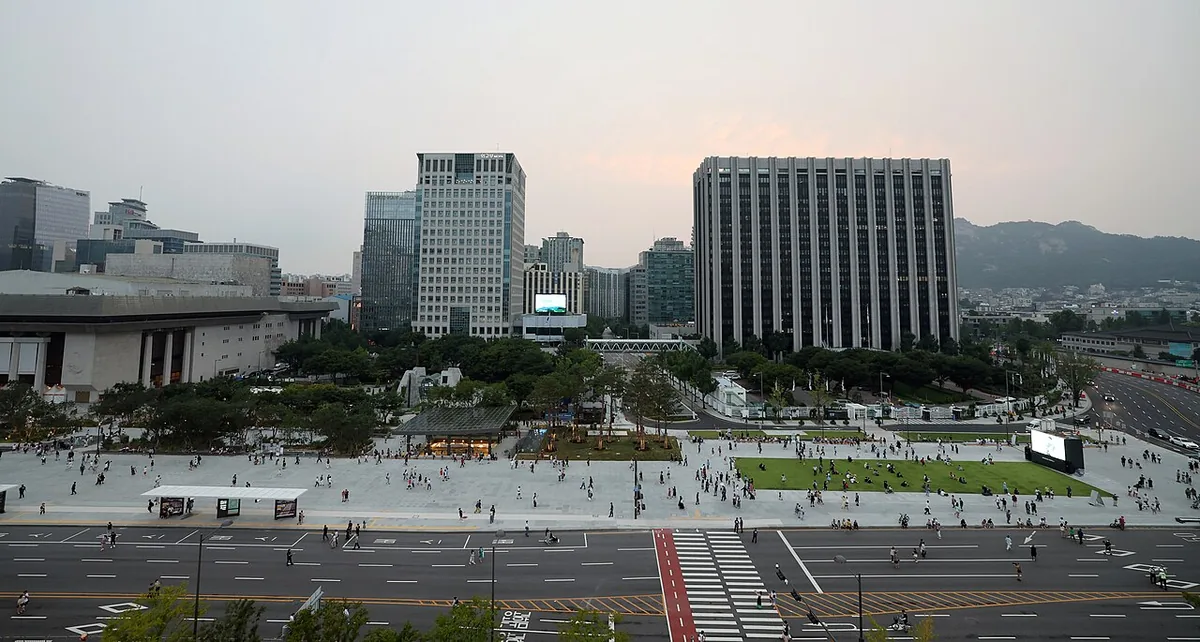
Gwanghwamun Square
Gwanghwamun Square stretches south from the palace gate, combining open civic space with gardens, fountains, and traces of the old Six Ministries Street. Its recent redesign brought buried history back into view while making room for daily rest and large public gatherings.
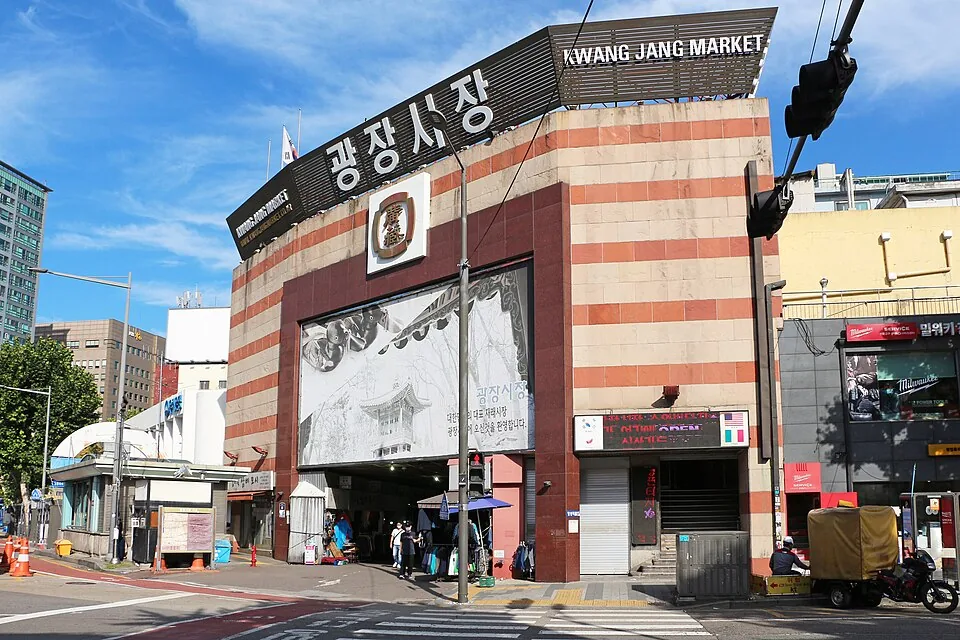
Gwangjang Market
Gwangjang Market’s covered aisles bring together fabric merchants, food stalls, and shoppers in a dense indoor street. The market’s present-day variety rests on a longer story of merchants creating a permanent marketplace and rebuilding it as Seoul changed around them.
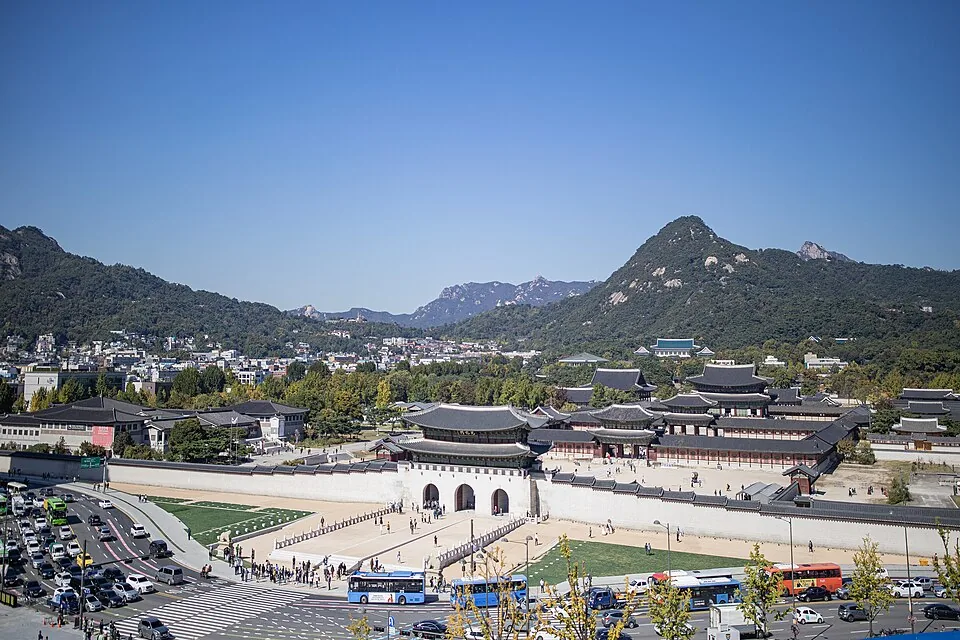
Gyeongbokgung Palace
Gyeongbokgung’s central halls and broad axis express its role as the Joseon dynasty’s primary palace. Founded in 1395, the complex was destroyed during the 1592 invasion and rebuilt in the nineteenth century; its present form also reflects later damage and restoration.
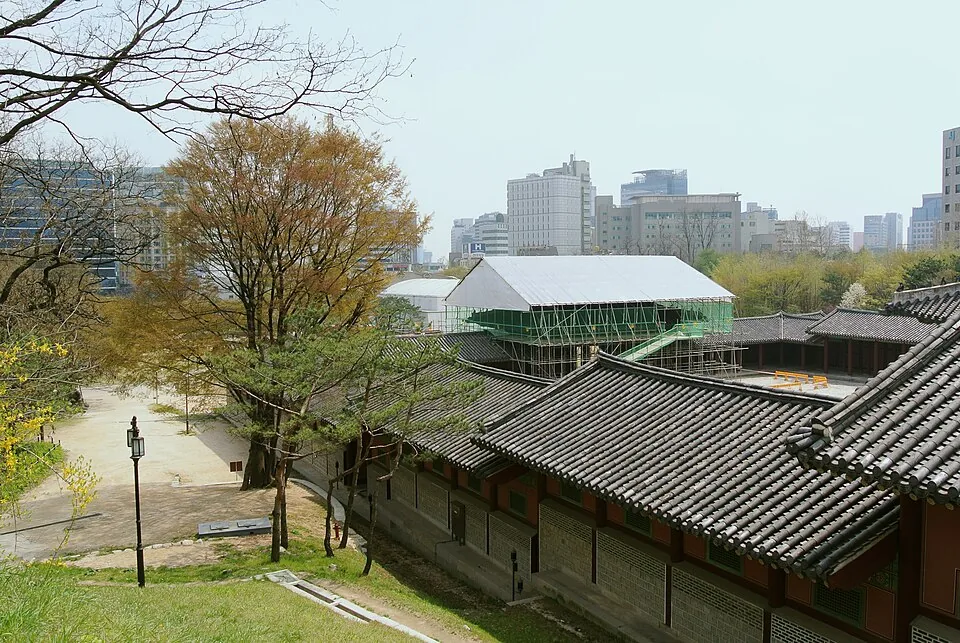
Gyeonghuigung Palace
Gyeonghuigung was once one of Seoul’s royal palaces, but only a small portion of its former complex survives. Its remaining gate and halls make the palace’s diminished footprint part of the story of urban change and restoration.
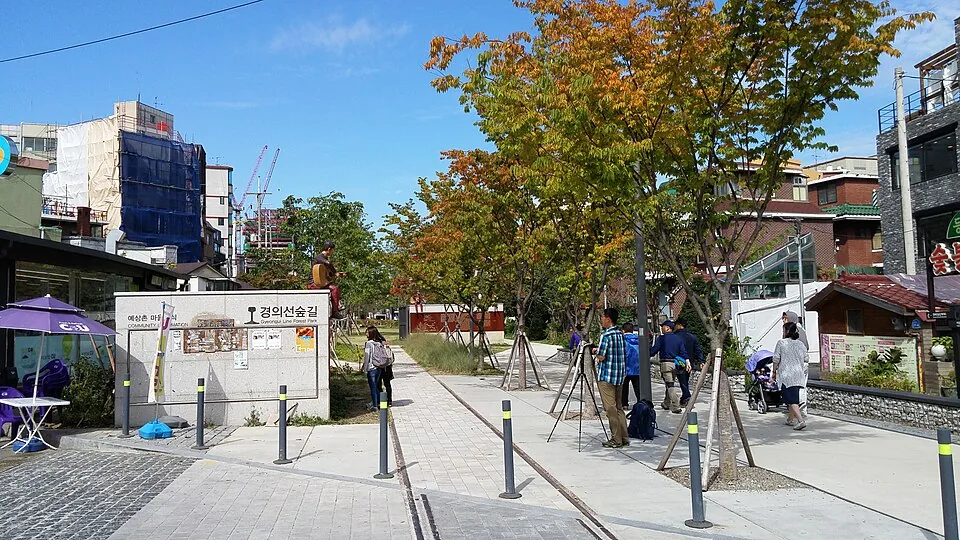
Gyeongui Line Forest Park
Gyeongui Line Forest Park follows the former railway corridor through several western Seoul neighborhoods. Its linear shape links local streets and green spaces, making the old transport route visible as a new public walking landscape.
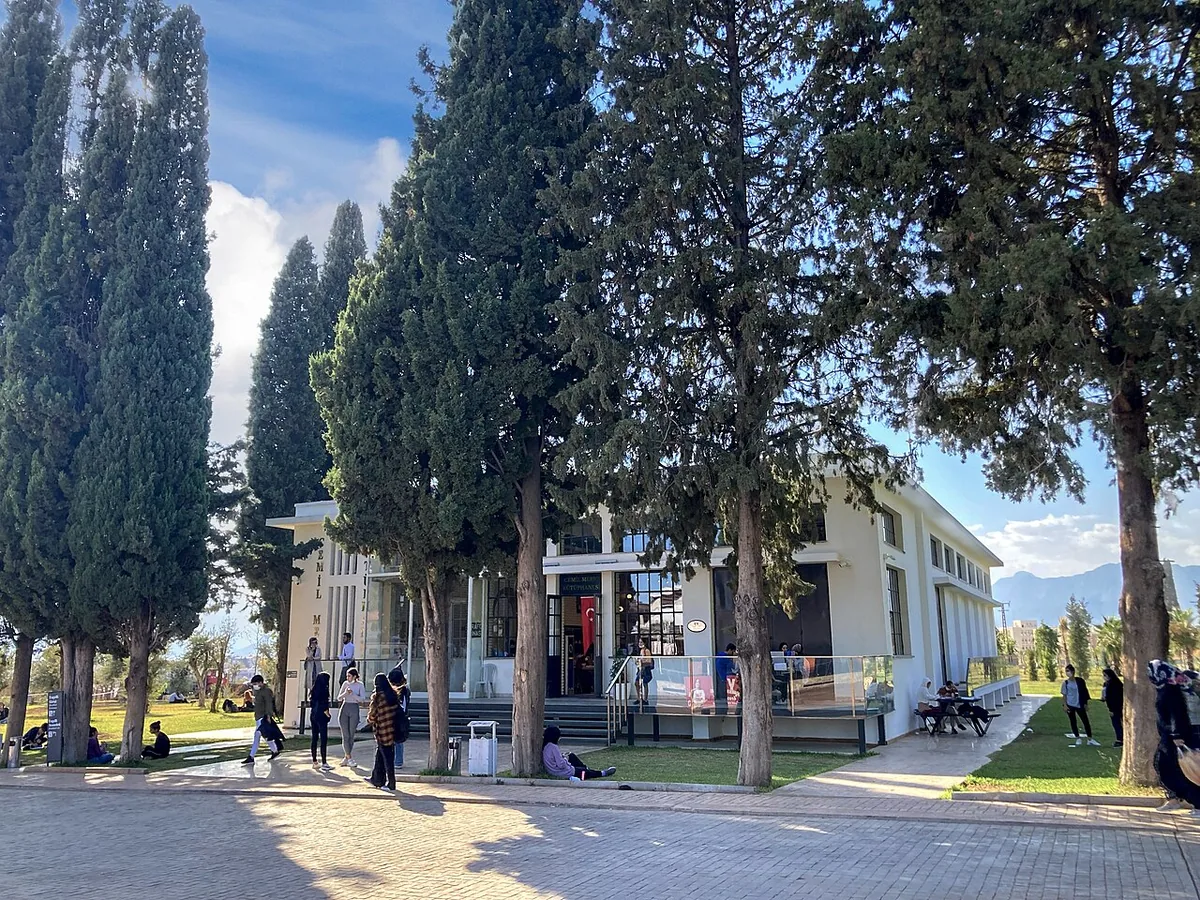
Hababam Sınıfı Room
The Hababam Sınıfı Room at Dokumapark preserves costumes, props, and set objects from a beloved Turkish film series. Located in a former factory cafeteria converted into a modern arts gallery, it connects popular cinema with a reused industrial setting.
Hackesche Höfe
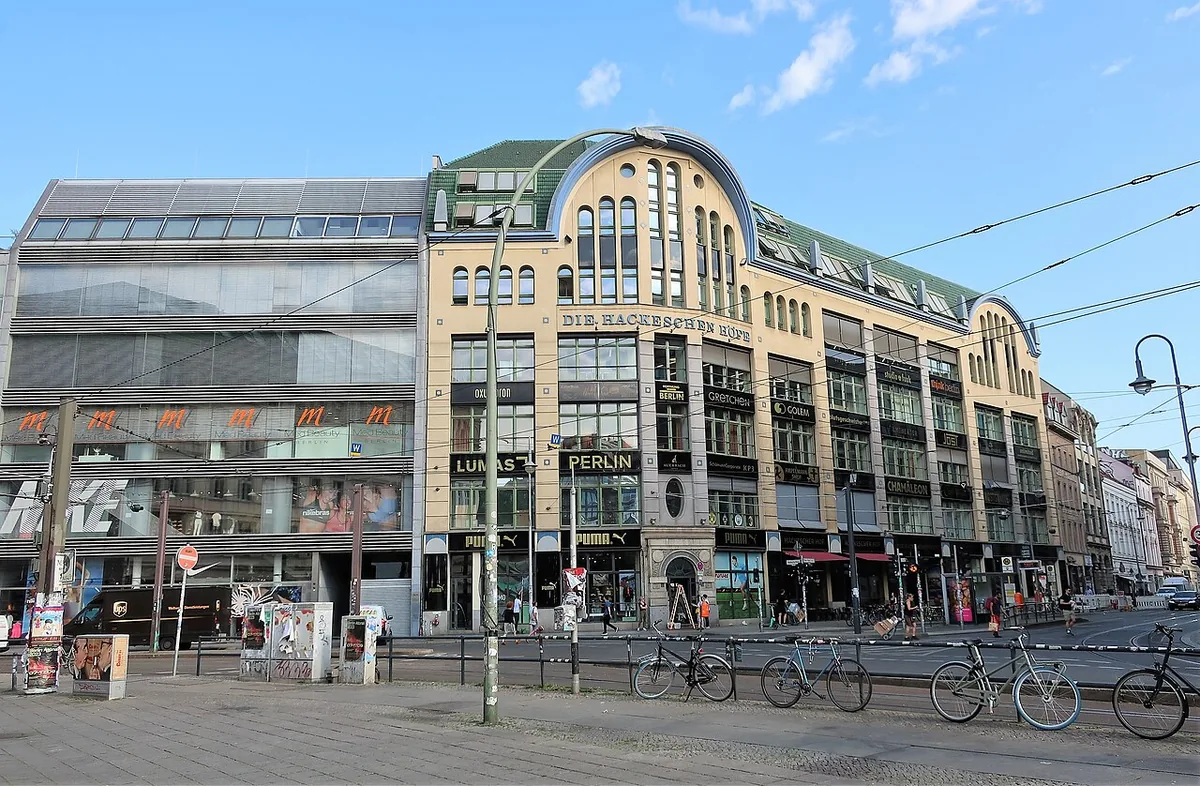
Eight connected courtyards make Hackesche Höfe a small city within a city block. Opened in 1906, the complex deliberately mixed cultural, commercial, and residential uses, a design that brought work, housing, and public life into close contact behind the street façade.
Hackescher Markt
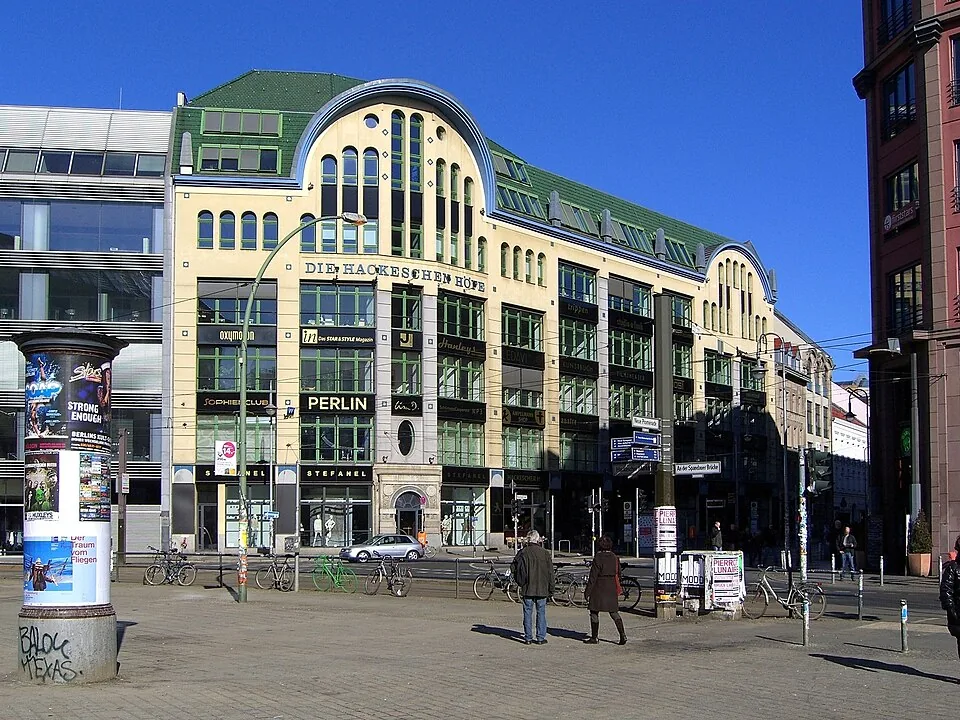
Hackescher Markt developed at the edge of an expanding Berlin, then became a meeting point for neighborhoods shaped by migration and commerce. Its history links the former city wall, a planned market, and a diverse district whose streets continue to connect daily movement and public life.
Hac Sa Beach
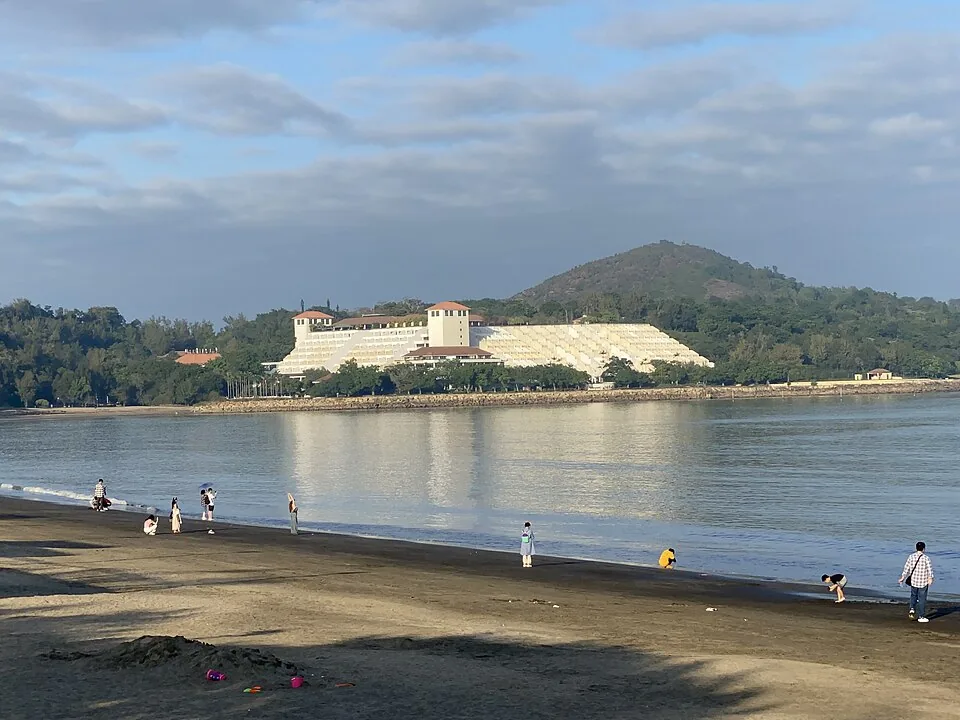
Hac Sa Beach is a coastal landscape on southern Coloane, known for its dark sand and broad shoreline. Its open horizon and gentle slope offer a change of pace from the built-up peninsula and connect visitors with Macao’s quieter southern coast.
Hadrian’s Gate
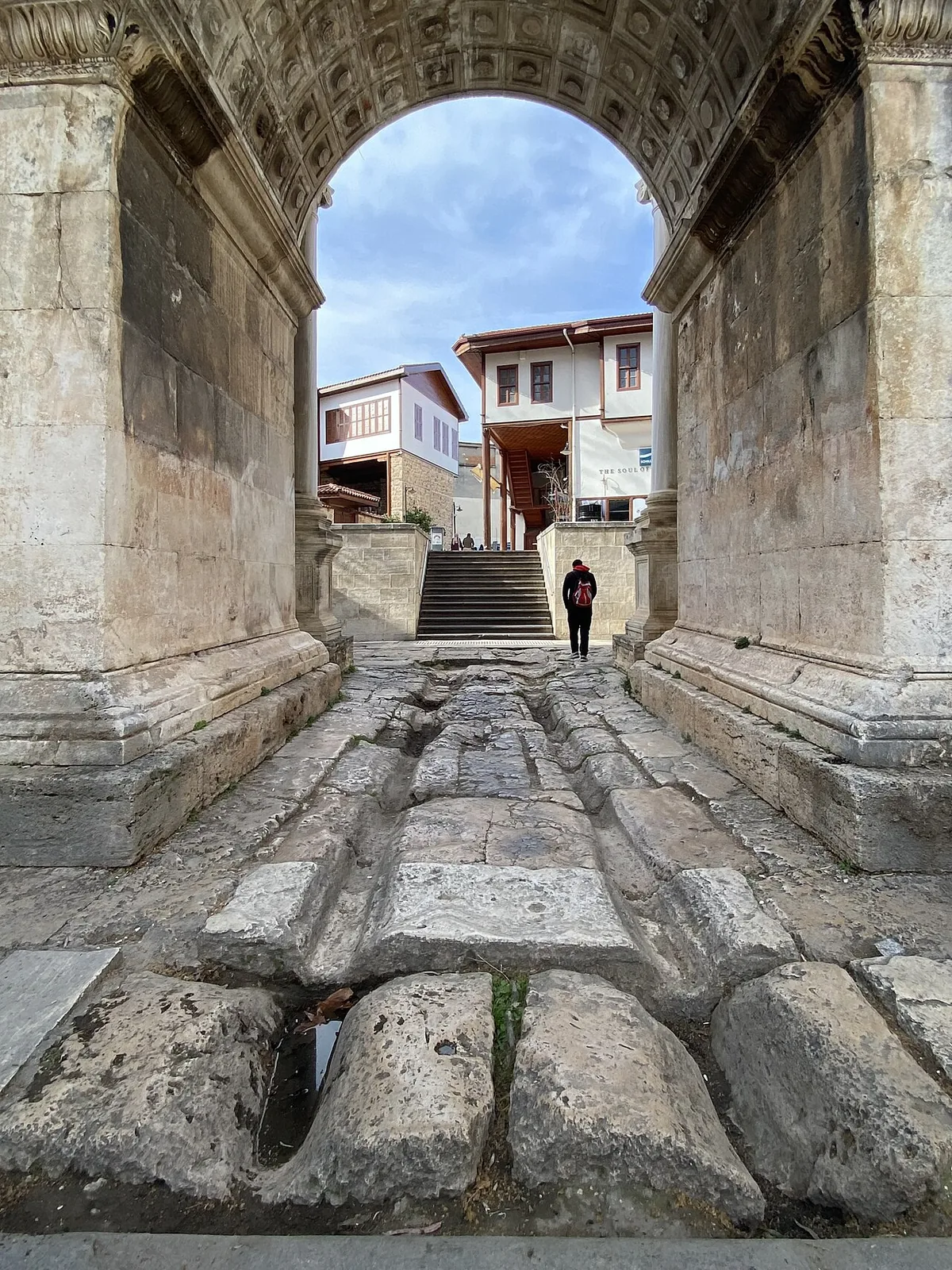
Three marble arches mark the old entrance to Kaleiçi, but the gate also preserves traces of later defenses. Built in honor of Emperor Hadrian’s visit, the monument was eventually hidden by city walls before reappearing when those walls were removed.
Hagia Irene
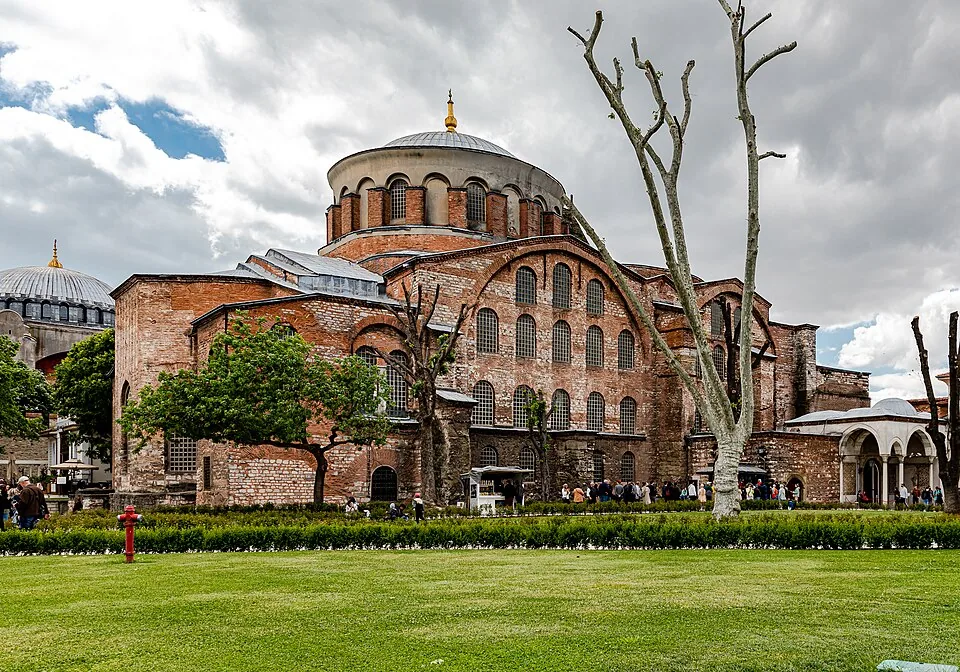
Hagia Irene stands within the outer grounds of Topkapı Palace, a quieter Byzantine church whose plain exterior conceals a long history of changing use. Its survival helps explain how the city’s sacred buildings outlasted the institutions that first built them.
Hagia Sophia
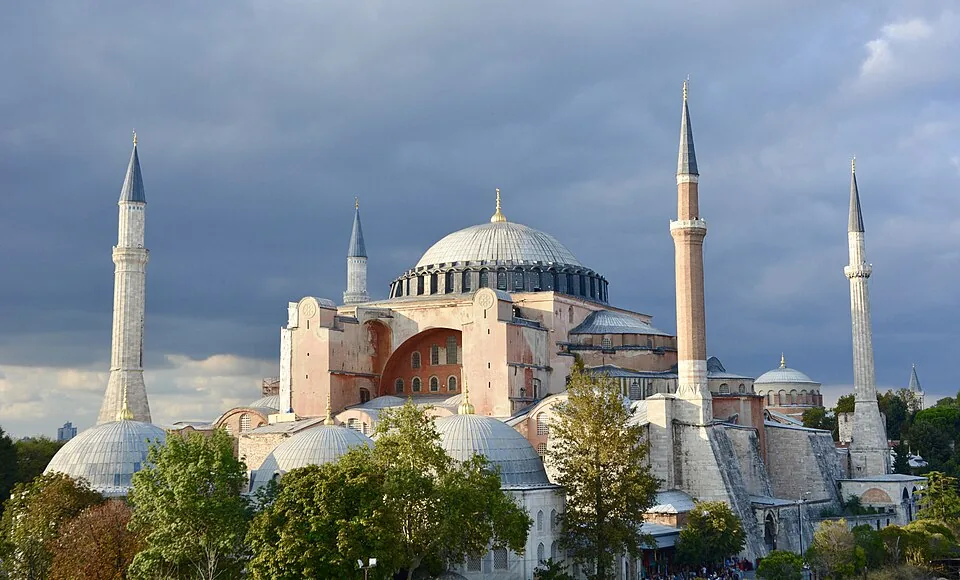
Hagia Sophia’s immense dome gathers the eye upward, while mosaics, calligraphy, and layered architectural changes reveal centuries of religious and political life. The building has served as a church and mosque, then museum, and again as a mosque.
Haji Lane
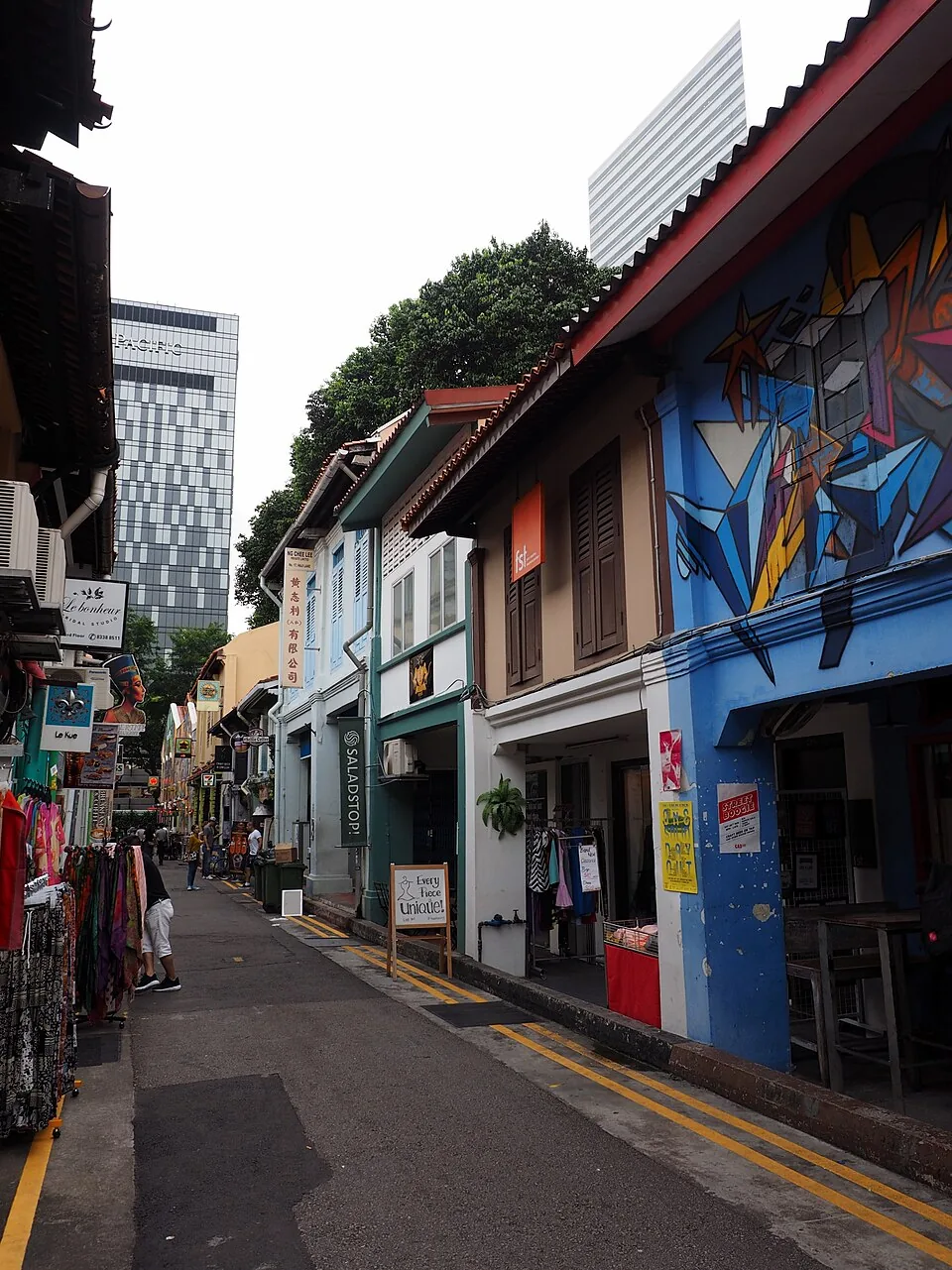
Haji Lane’s early two-storey shophouses are narrow and simply ornamented, a different scale from the grand mosque and palace nearby. The street’s name recalls its historic connection to Muslim pilgrims, within Kampong Glam’s wider trading and residential life.
Hallett Nature Sanctuary
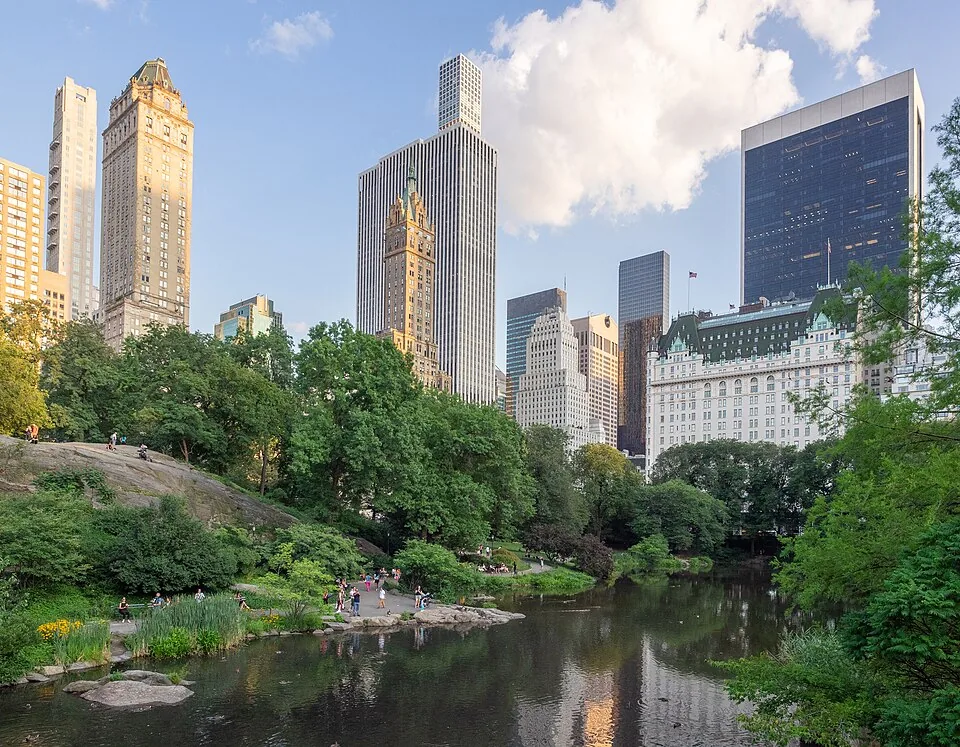
Hallett Nature Sanctuary is a four-acre woodland peninsula at Central Park’s southeast corner, overlooking the Pond. Its protected history and later restoration reveal how an urban park can preserve habitat while carefully reopening a landscape for visitors.
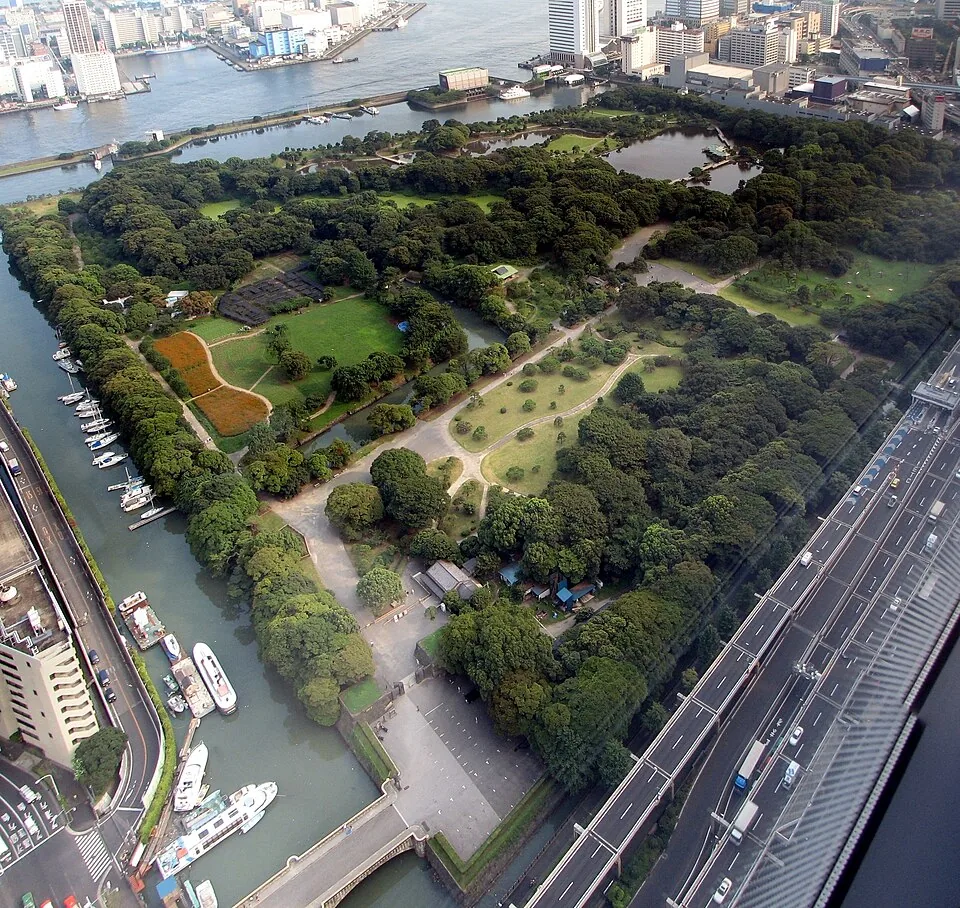
Hamarikyu Gardens
Hamarikyu Gardens pairs a traditional strolling garden with a seawater pond whose level follows the tide. Once a Tokugawa family residence, the grounds hold traces of shogunal leisure beside Tokyo’s modern waterfront skyline.
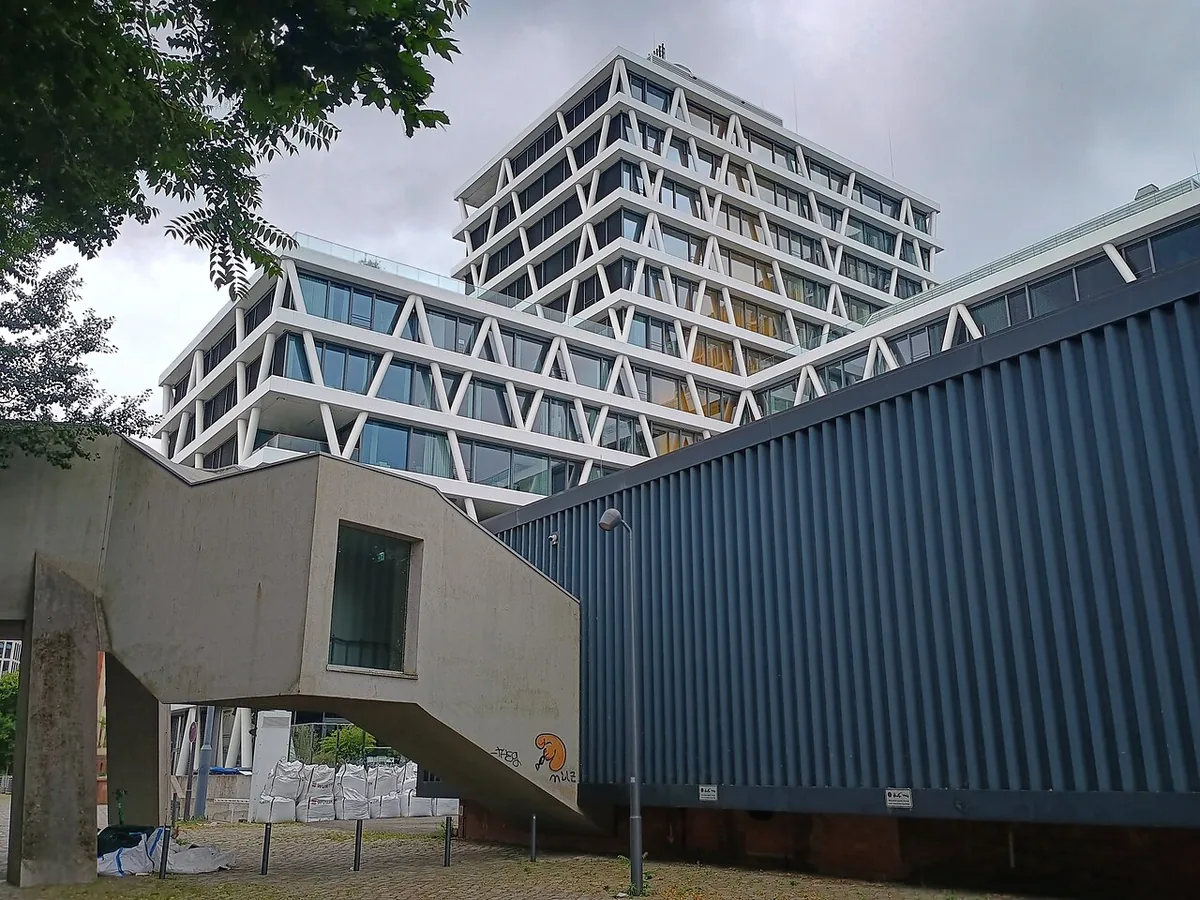
Hamburger Bahnhof
Hamburger Bahnhof began as a railway terminus linking Berlin with Hamburg and now presents contemporary art inside its surviving station halls. Its changing use—from transport, to exhibition, to a museum after reunification—makes the building a physical record of the city’s political and cultural tr
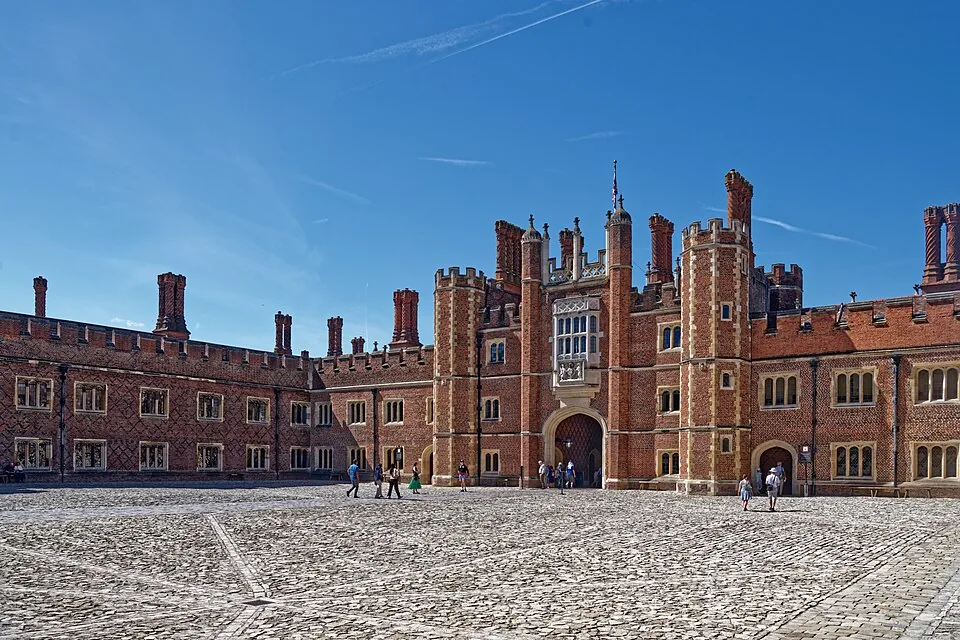
Hampton Court Palace
Hampton Court Palace began as Cardinal Wolsey’s ambitious residence before Henry VIII took it over and made it a centre of Tudor court life. Tudor brickwork and later Baroque additions preserve two royal visions side by side, reflecting the palace’s long sequence of changing occupants.
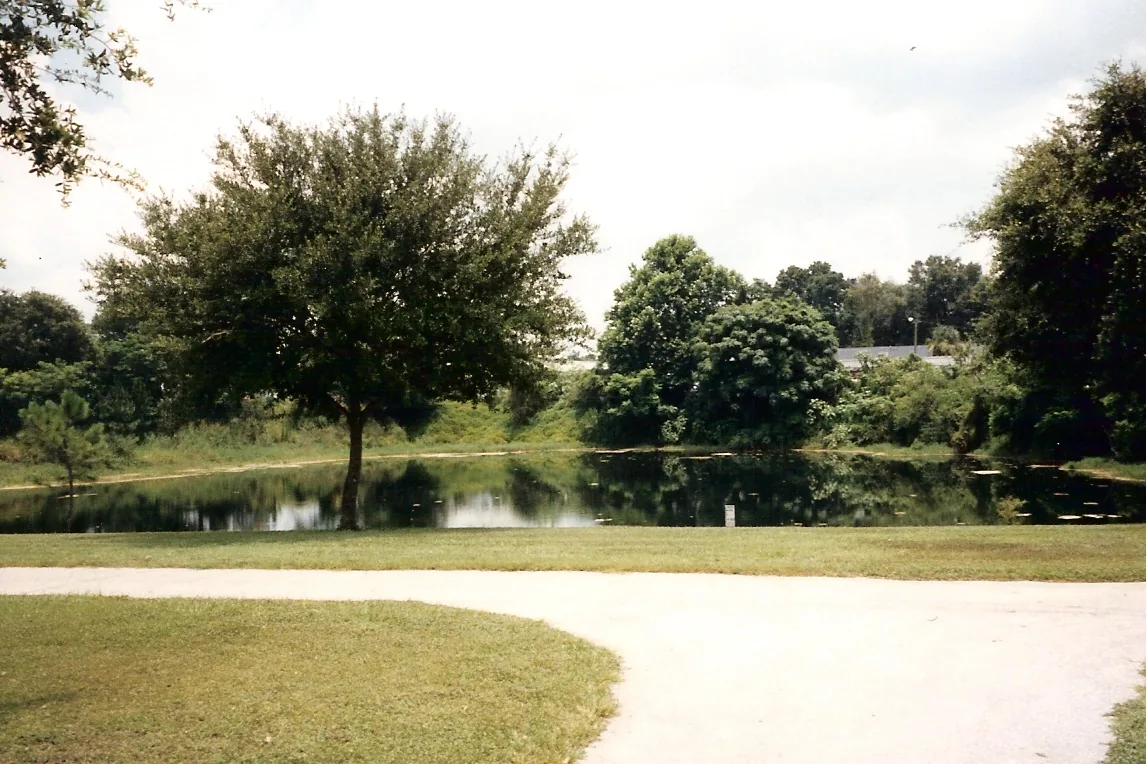
Hannibal Square Heritage Center
Hannibal Square Heritage Center in Winter Park gathers photographs, oral histories, and community memory from a historically Black neighborhood. Its exhibits connect personal accounts to the wider story of African-American life in Central Florida, showing how local history is preserved through resid
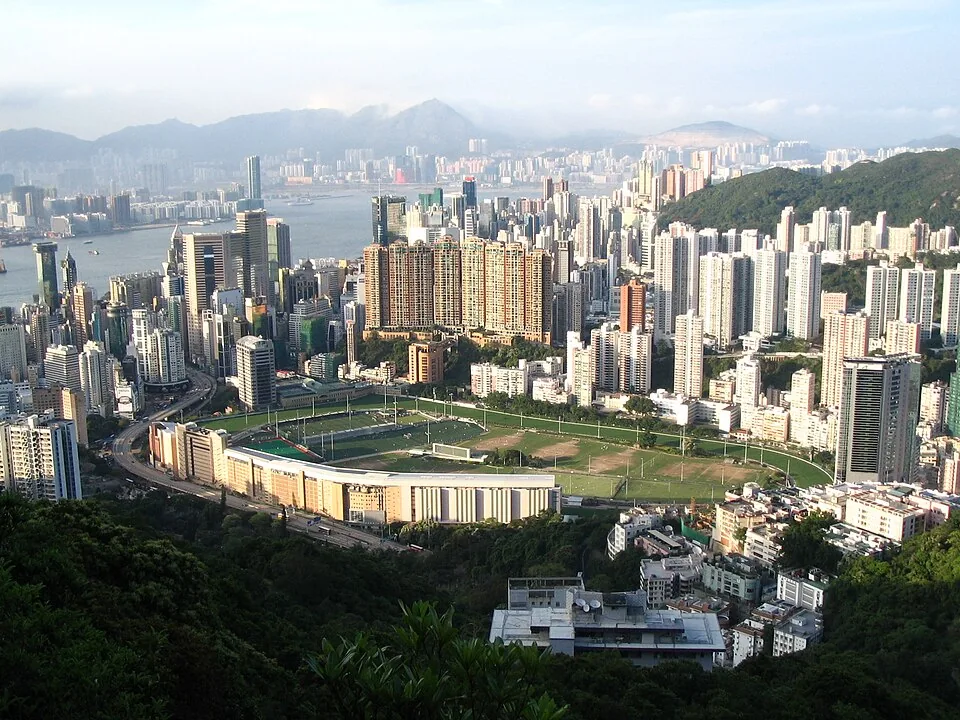
Happy Valley Racecourse
Happy Valley Racecourse is a long-running horse-racing venue set within Hong Kong Island’s dense urban landscape. Its illuminated oval track and surrounding grandstands create a striking contrast between the rhythm of racing and the city streets close beyond it.
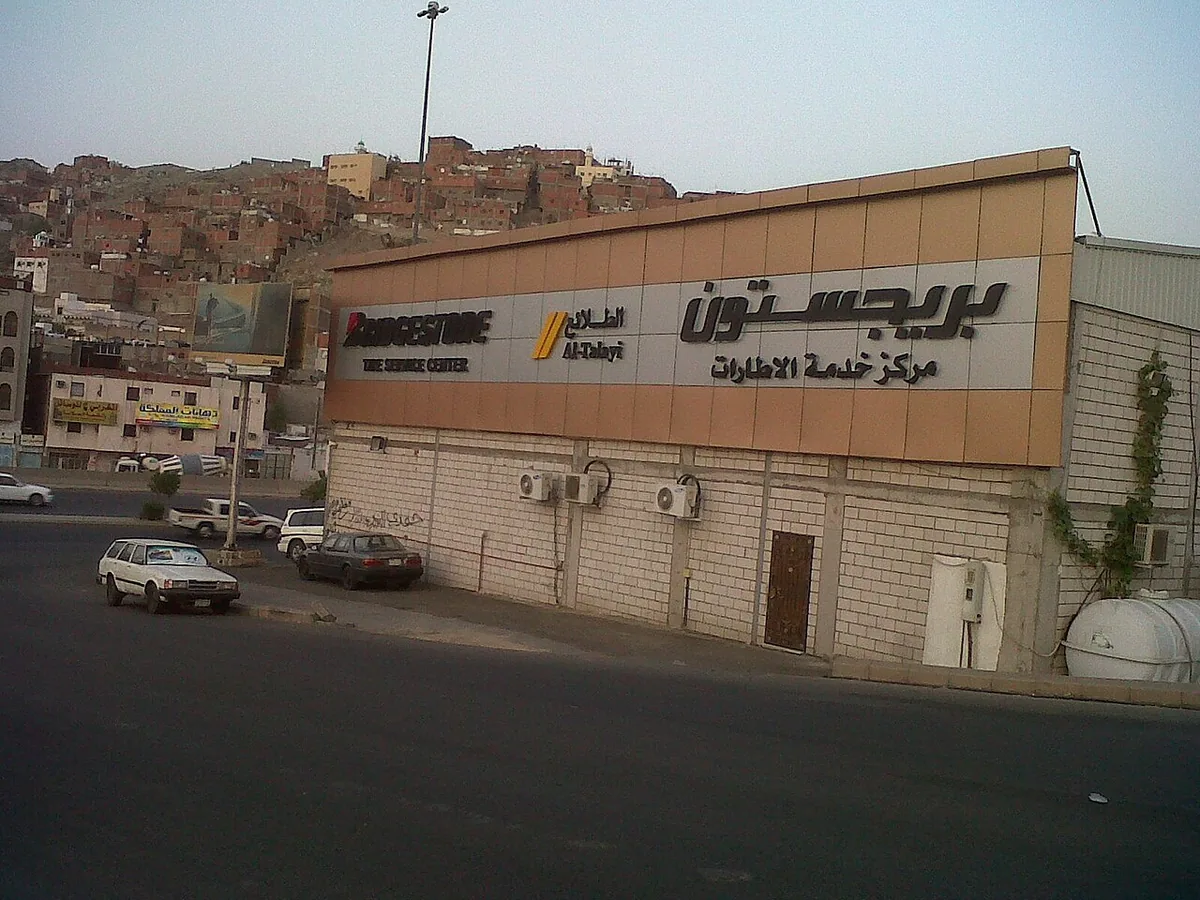
Harf Al-Oulain Museum
Harf Al-Oulain Museum presents traditional crafts through tools, garments, weapons, models, and objects from daily life in Makkah. Its collection emphasizes the skills and trades that supported households and pilgrimage journeys across generations.
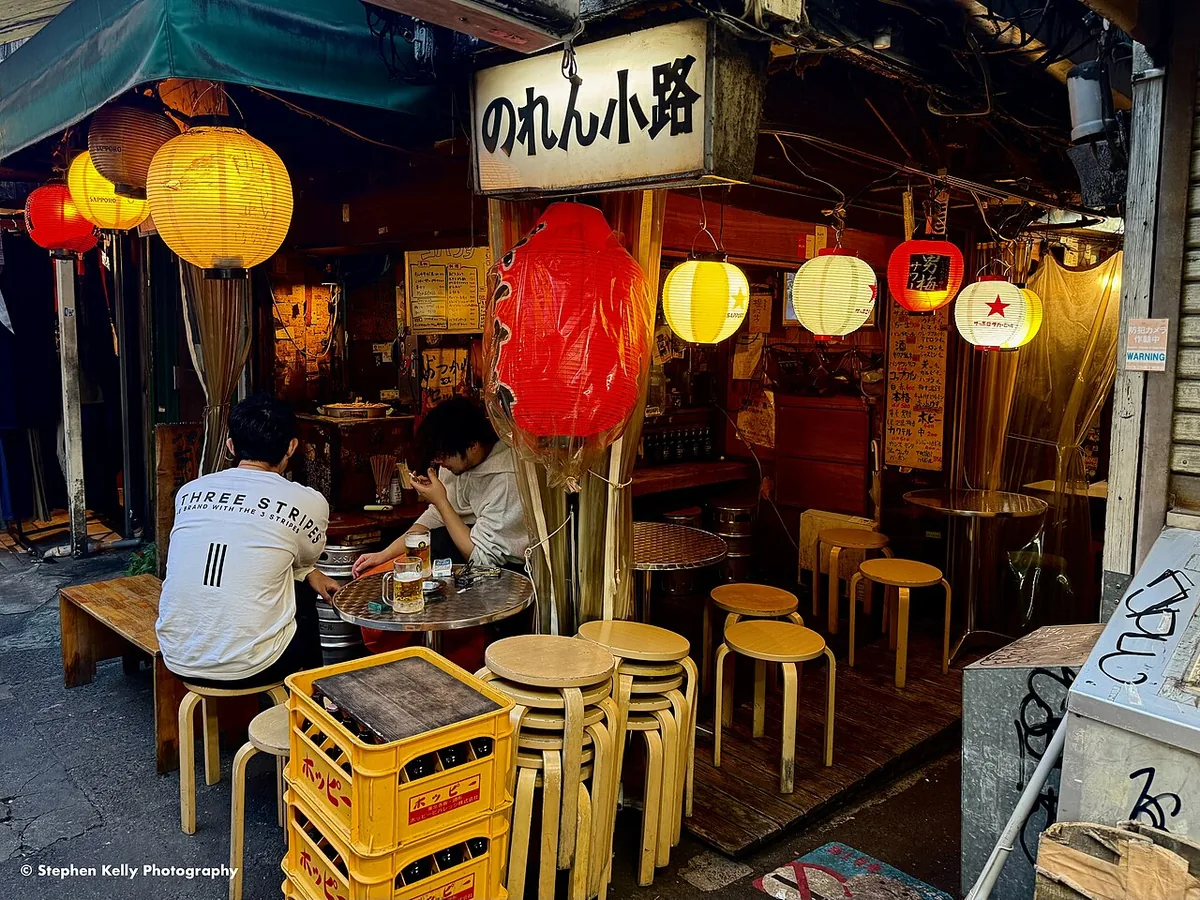
Harmonica Yokocho
Harmonica Yokocho is a compact web of covered lanes beside Kichijoji Station, named for the close-set shopfronts that resemble harmonica reeds. Its postwar flea-market origins remain legible in the narrow layout, now shared by long-running shops, small eateries, and bars.
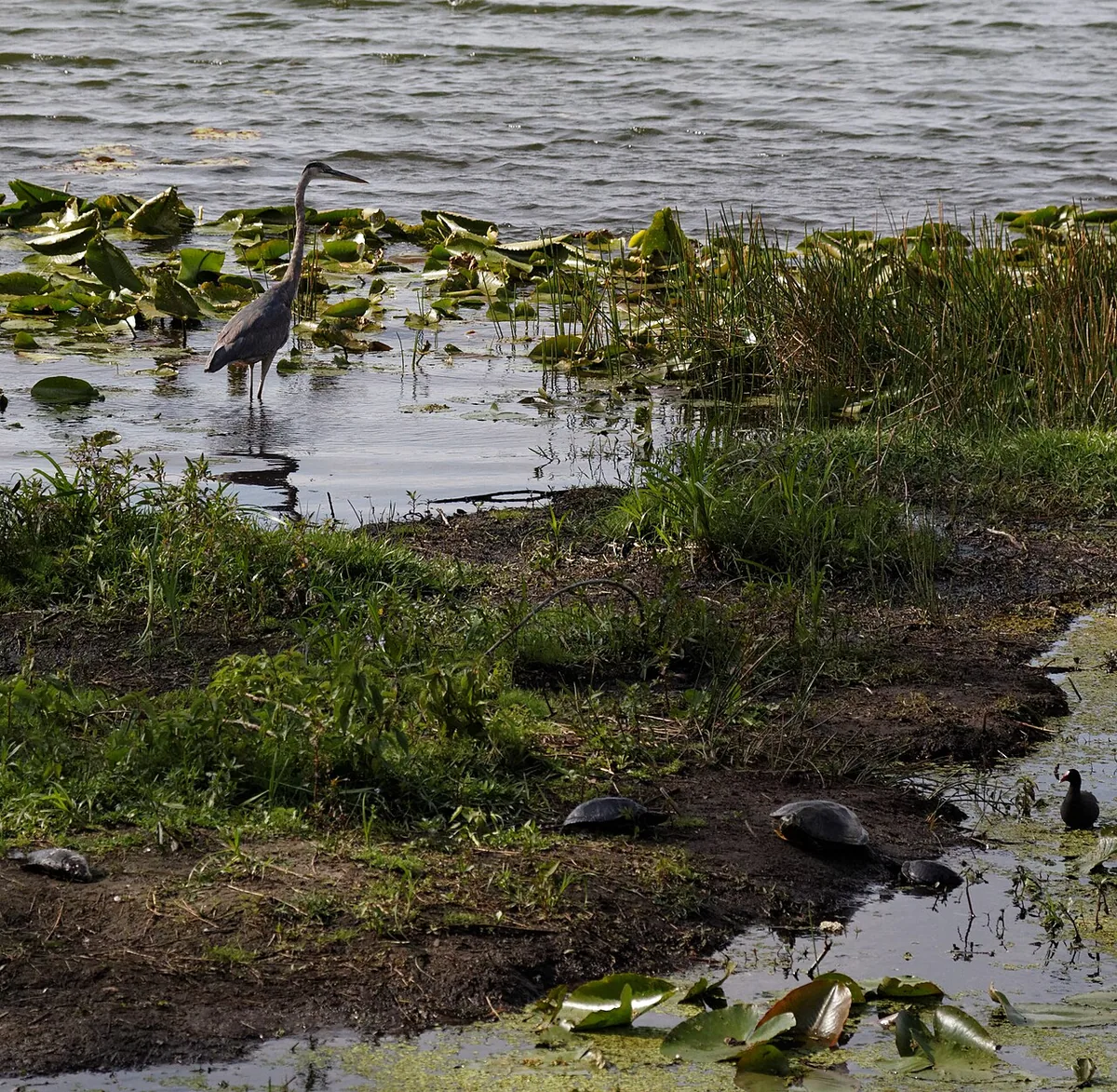
Harry P Leu Gardens
Harry P. Leu Gardens turns a historic estate into a 50-acre botanical landscape. Its collections and paths invite visitors to notice how a garden combines human selection, local climate, and living change across seasons.