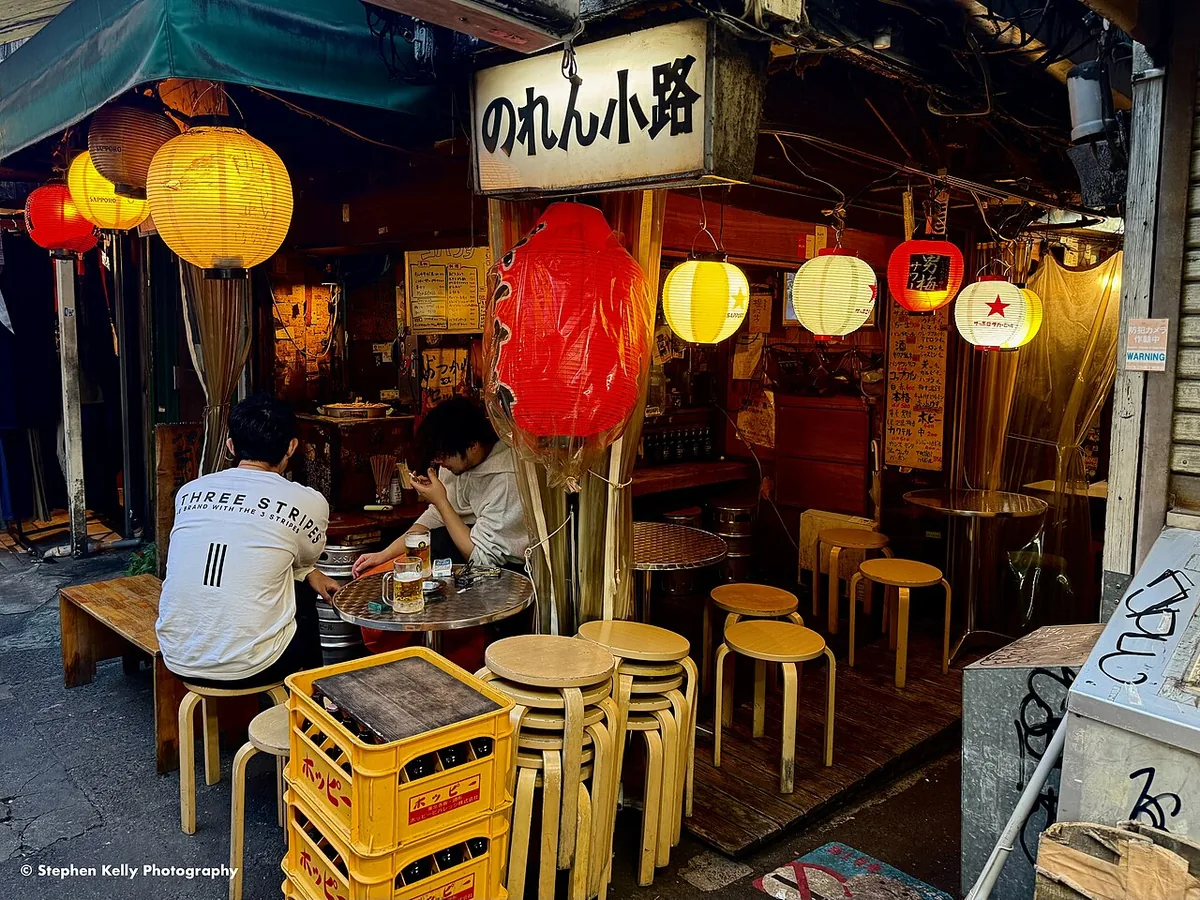
Harmonica Yokocho is a compact web of covered lanes beside Kichijoji Station, named for the close-set shopfronts that resemble harmonica reeds. Its postwar flea-market origins remain legible in the narrow layout, now shared by long-running shops, small eateries, and bars.
Guide preview
The alleyways are so narrow that the neighborhood feels assembled from individual doorways. Harmonica Yokocho began as a flea market in the years after World War II, when small stalls filled the area beside Kichijoji Station. Its name compares the rows of close-set shops to the reeds of a harmonica.
Continue exploring
Discover the full story
Keep reading with a travel pass and explore every full guide and tour.
UpgradeQuick facts
- The area began as a postwar flea market.
- Its name refers to the resemblance of the lanes to harmonica reeds.
- The district sits beside Kichijoji Station’s north side.
More places in Tokyo
Akihabara
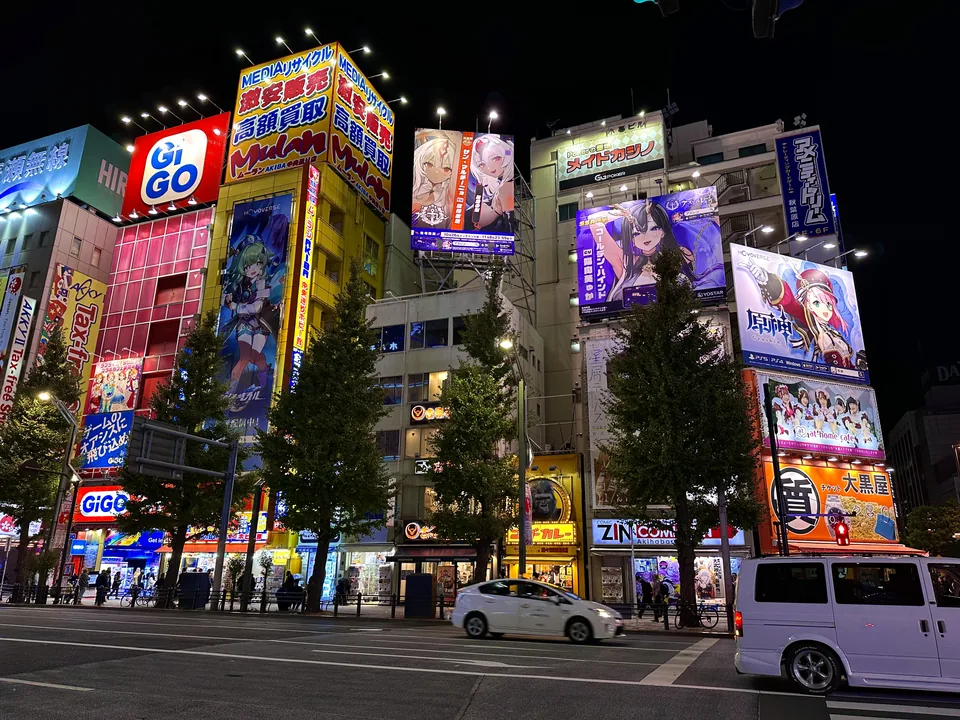
Akihabara’s present anime, game, and electronics shops grew from a postwar trade in electrical parts. The district’s small specialist stores and large retailers preserve traces of a neighborhood that repeatedly reinvented itself alongside Japan’s consumer technology.
Ameya-Yokocho
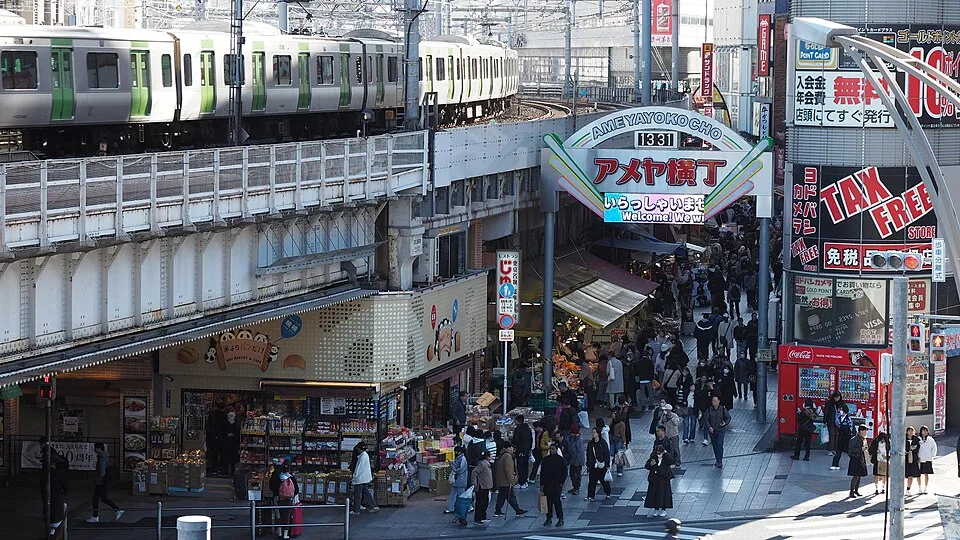
Ameya-Yokocho runs beneath and beside railway lines between Ueno and Okachimachi. The market’s postwar history as a black-market selling American goods helps explain why today’s crowded street still feels international, improvised, and intensely commercial.
Daikanyama
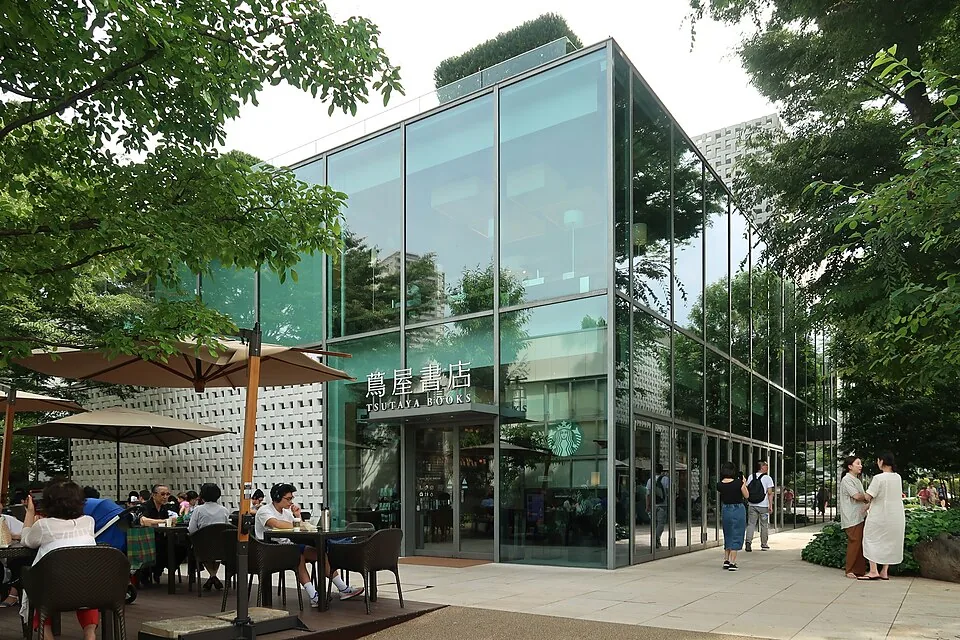
Daikanyama’s low-rise streets make room for a rare long experiment in city building: Hillside Terrace grew in phases over more than two decades, mixing homes, shops, offices, galleries, and small public spaces.
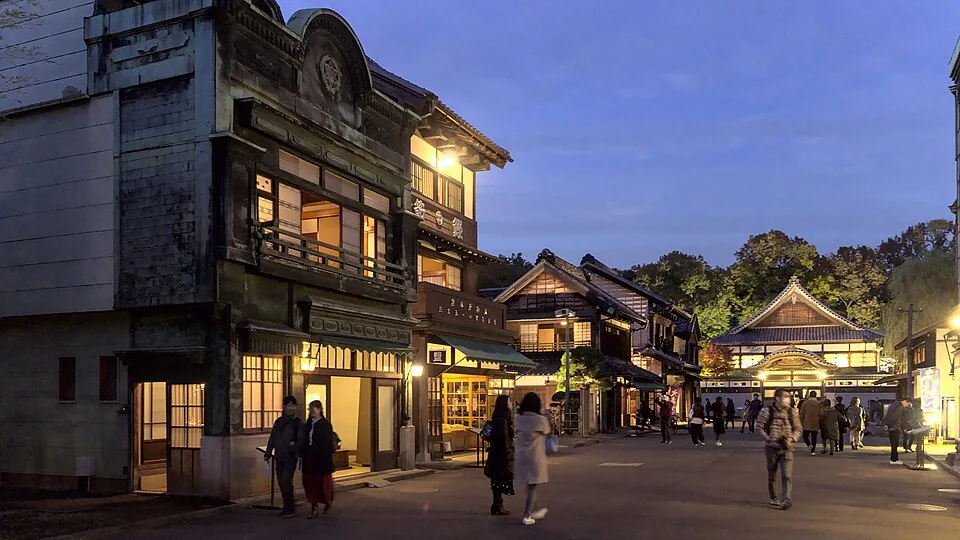
Edo-Tokyo Open Air Architectural Museum
The Edo-Tokyo Open Air Architectural Museum preserves buildings by moving them out of vulnerable original settings and arranging them in walkable groups. Streets, shops, and homes make changes in Tokyo’s everyday architecture visible at human scale.
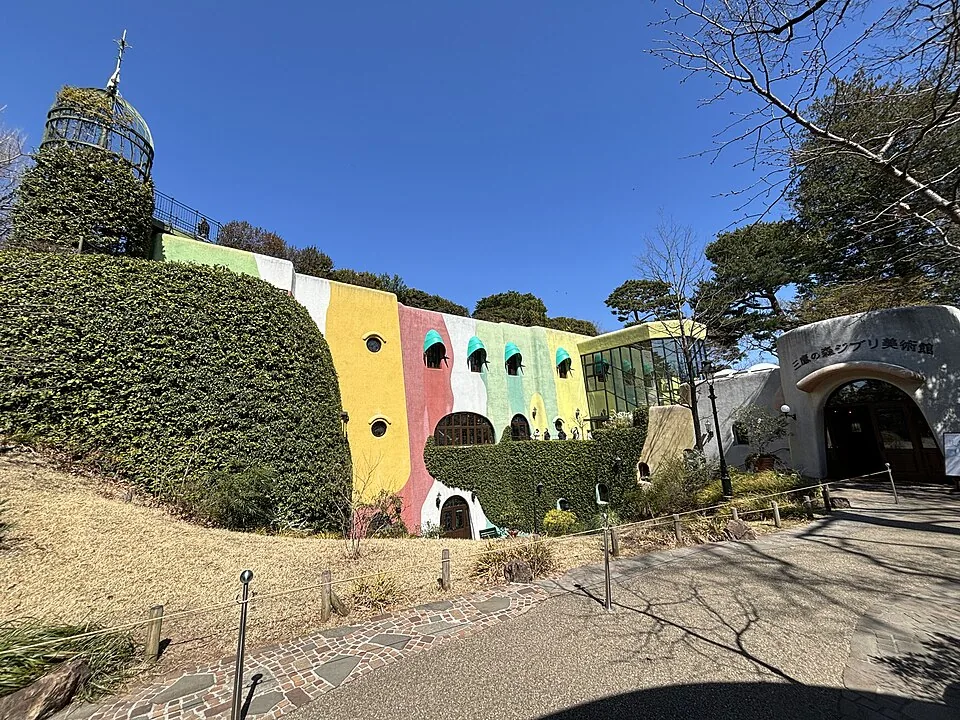
Ghibli Museum
The Ghibli Museum’s compact, garden-set building hides its rooms behind colored glass, curved passageways, and changing levels. Its design asks visitors to discover how a museum works by moving through it rather than following a fixed gallery sequence.
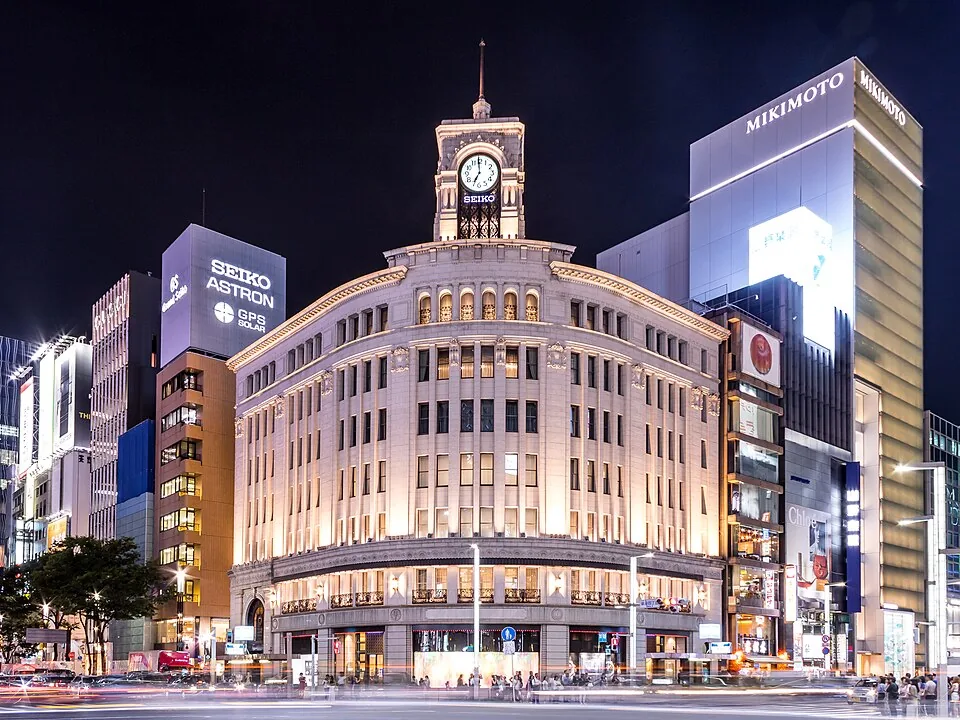
Ginza
Ginza’s broad central streets emerged from an ambitious post-fire rebuilding scheme in the Meiji era. Today’s department stores and historic retailers occupy a district whose grid, sidewalks, and commercial identity were shaped by that nineteenth-century transformation.