Explore locations
Browse places by name, city, country or category.
All locations
1624 locations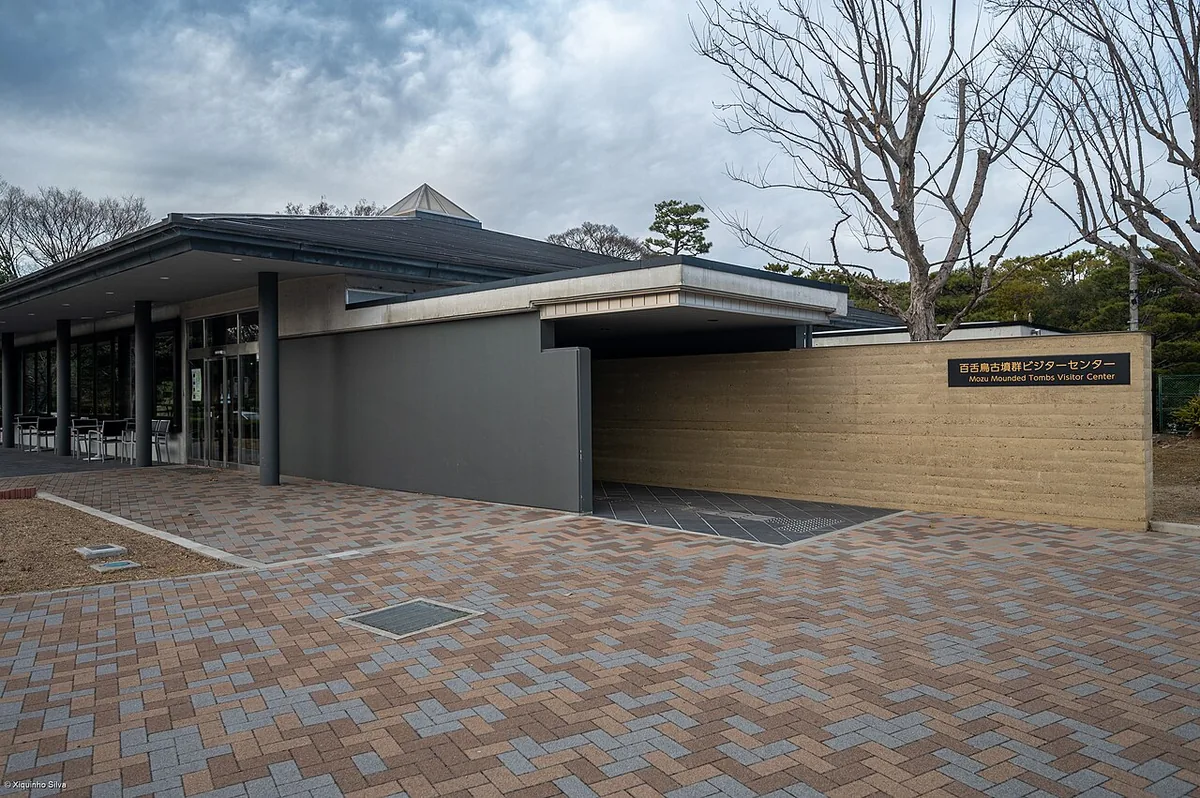
Daisen Kofun (Nintoku Tomb)
Daisen Kofun is an immense keyhole-shaped burial mound in Sakai, surrounded by a triple moat and dense greenery. The site is traditionally identified as Emperor Nintoku’s mausoleum, though the wooded mound itself is not open for entry.
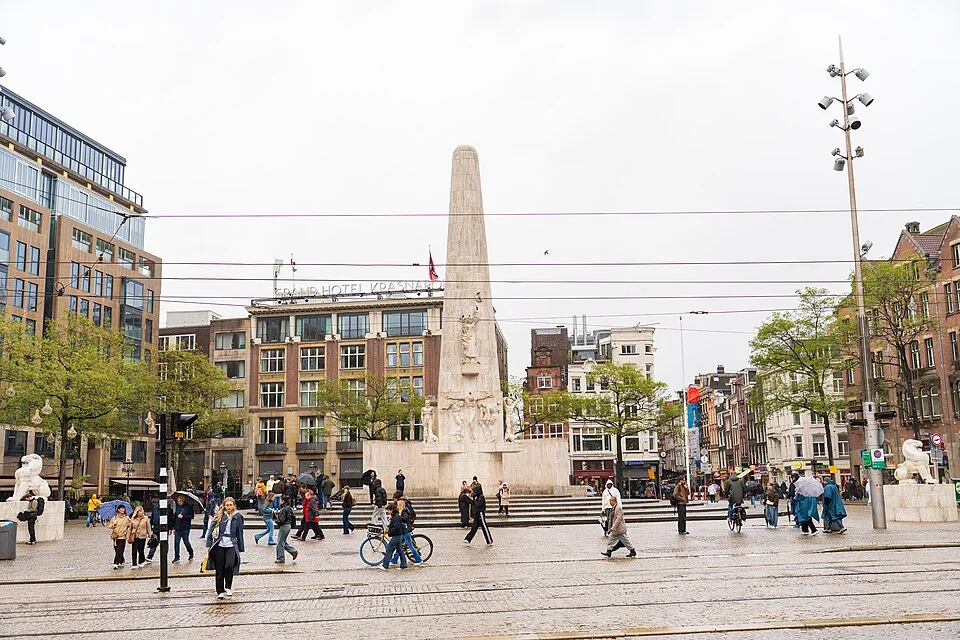
Dam Square
Dam Square began as a practical crossing and trading point on the Amstel, then became the city’s civic stage. From the Palace to the National Monument, the square brings together commerce, government, ceremony, protest, and everyday movement.
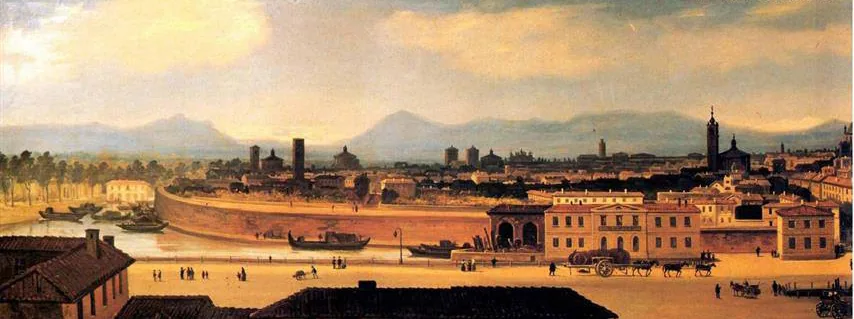
Darsena di Milano
Darsena di Milano is the historic dock where the Naviglio Grande and Naviglio Pavese meet near Porta Ticinese. Once a working port, it is now an open waterfront whose edges still reveal the city’s long relationship with canals, trade, and movement of goods.
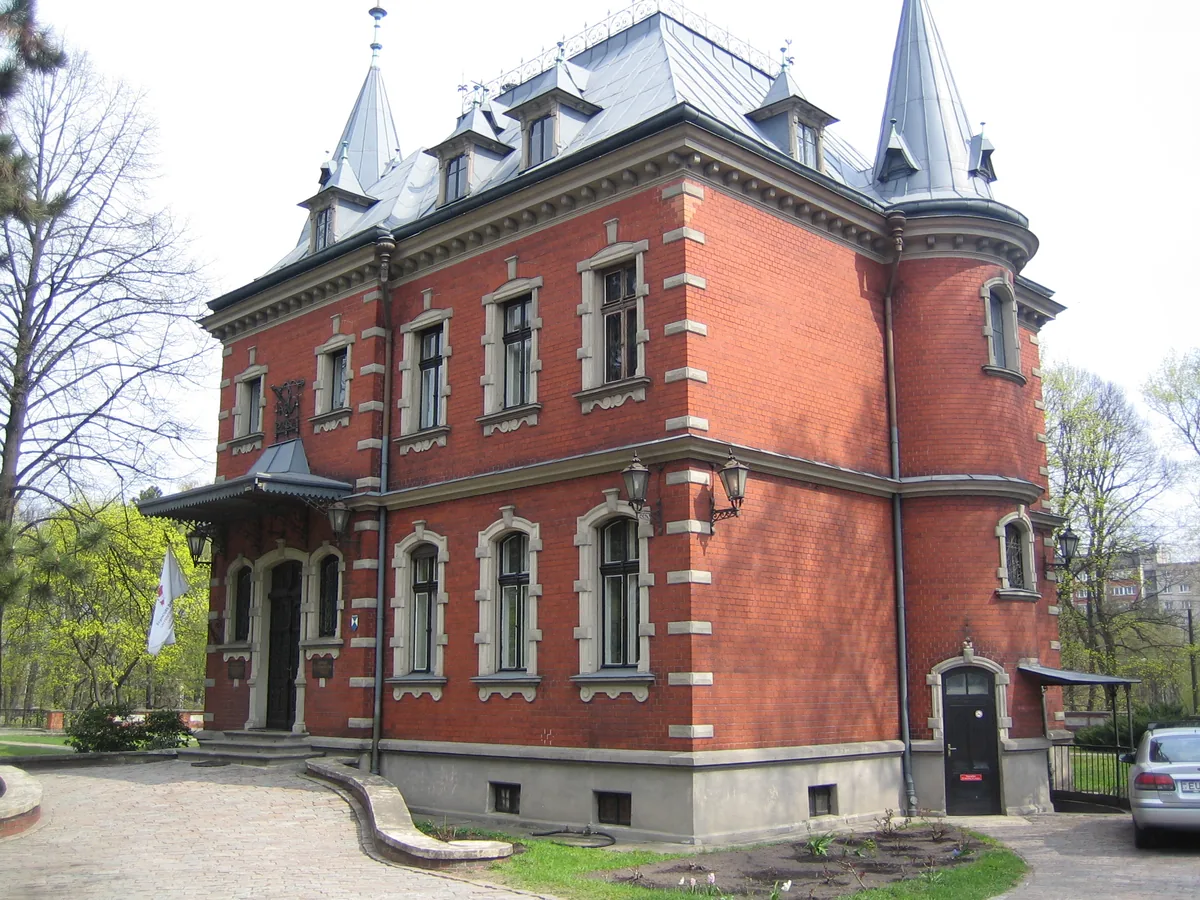
Dauderi Museum
Dauderi is a historic villa and museum in Riga’s Sarkandaugava neighbourhood. Its changing uses—from brewery owner’s home to state residence, kindergarten and museum—frame a collection of Latvian cultural heritage assembled partly in exile.
Daugavgrīva Fortress
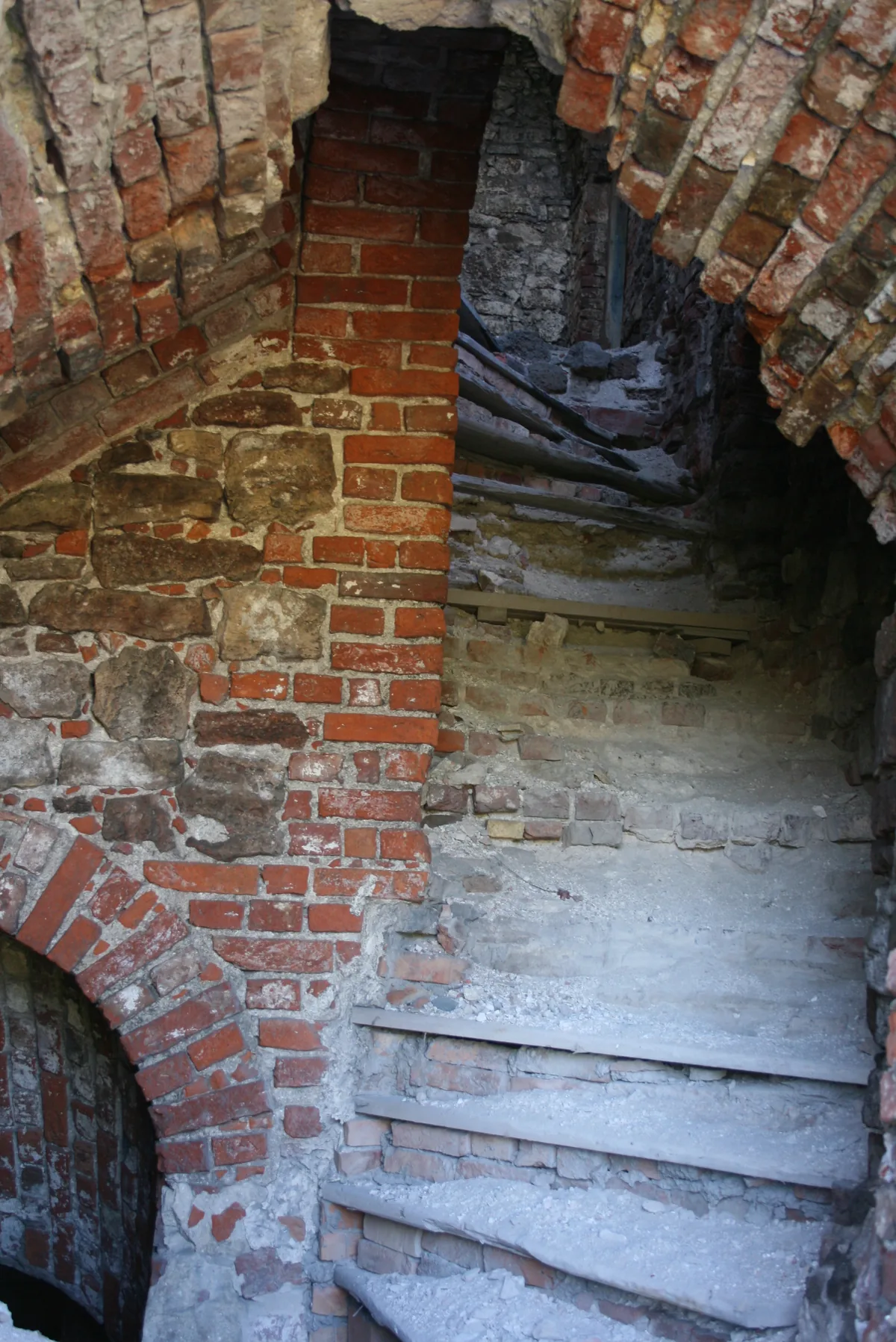
Daugavgrīva Fortress guards the Daugava’s approach to Riga. Its earthworks and bastions grew from a seventeenth-century Swedish redoubt, while later military uses and community stewardship have left further layers on the site.
DDR Museum
The DDR Museum uses everyday objects and reconstructed rooms to examine life in the German Democratic Republic. Its hands-on approach shifts attention from abstract state history to how housing, work, travel, shopping, and surveillance shaped ordinary routines.
Democracy Monument
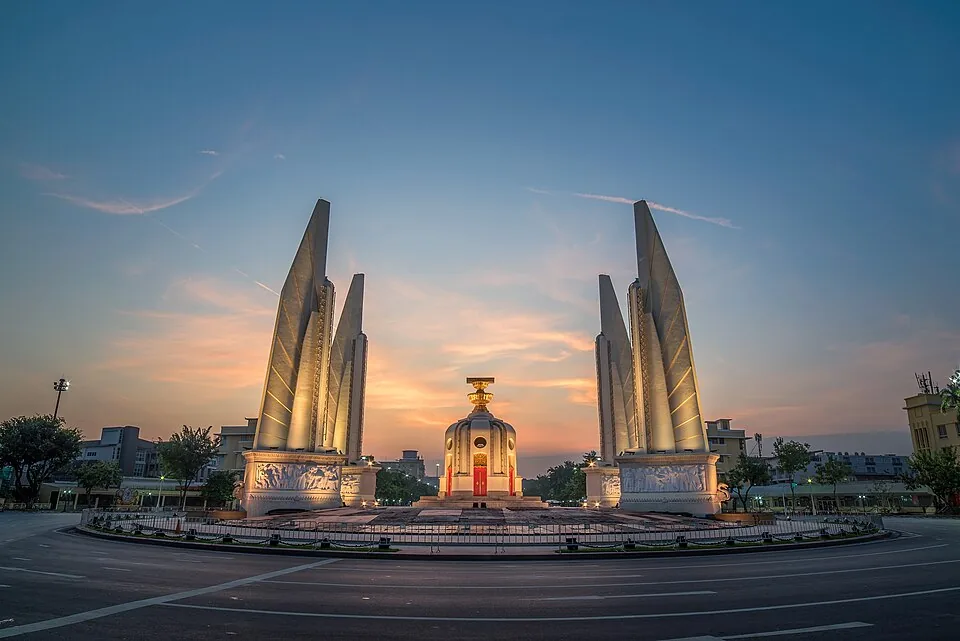
Democracy Monument anchors Ratchadamnoen Avenue with four wing-like forms around a constitution motif. Designed as a political memorial and a city-planning center, its proportions and sculpted symbols turn a busy road junction into a public statement about Thailand’s 1932 constitutional change.
De Negen Straatjes
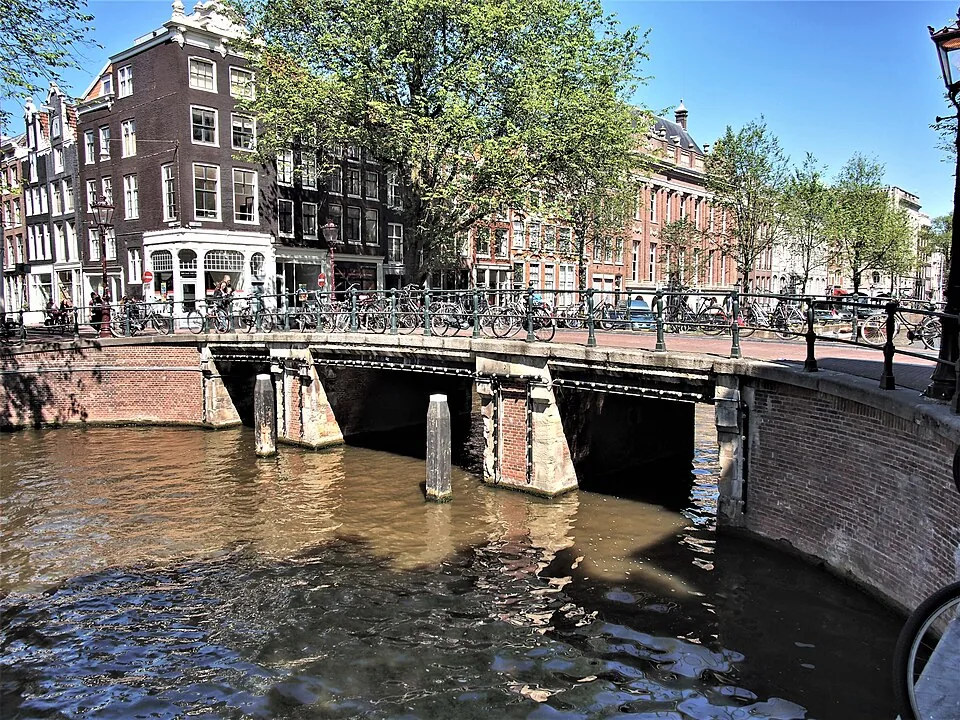
The Negen Straatjes form nine small cross streets through the canal belt, where workshops and shops historically occupied the links between residential canals. Their fine-grained layout offers a close-up view of the larger plan.
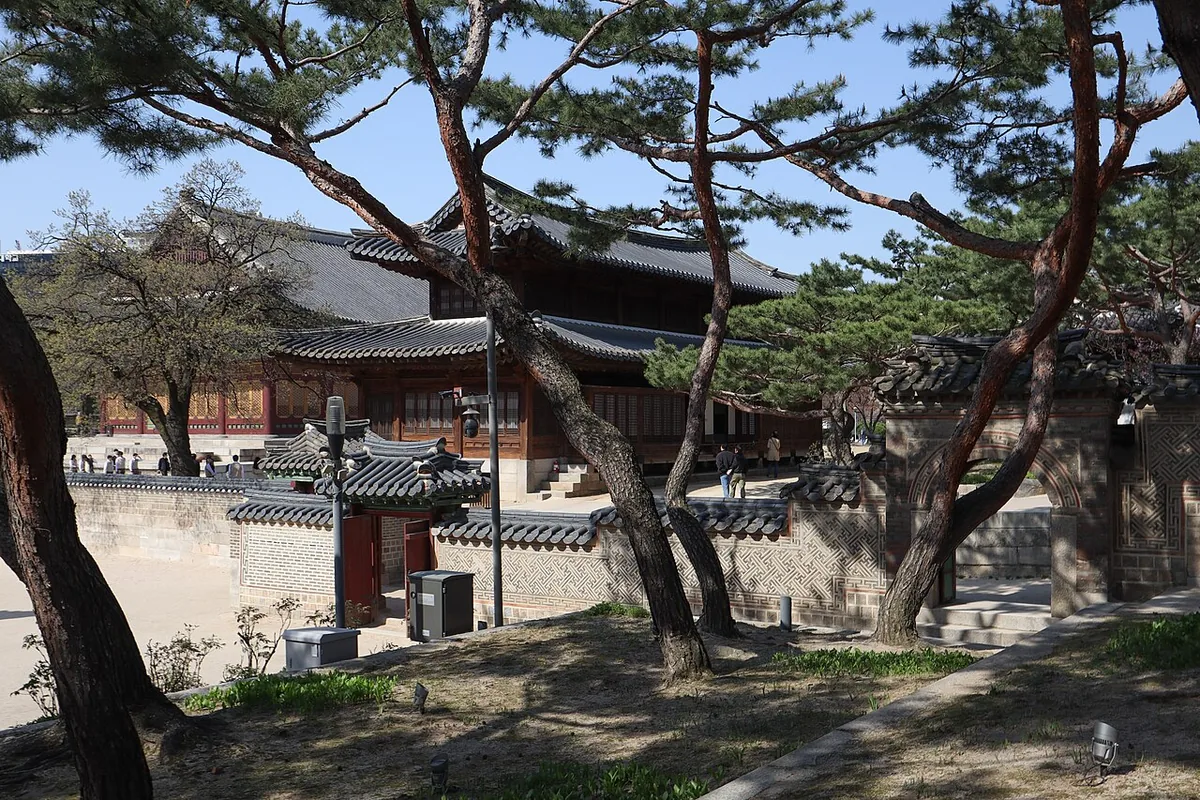
Deoksugung Palace
Deoksugung places traditional palace halls beside Western-style buildings, reflecting Korea’s transition into the Korean Empire. Its changing name and mixed architecture record the reign of Emperor Gojong and the pressures that transformed the palace.
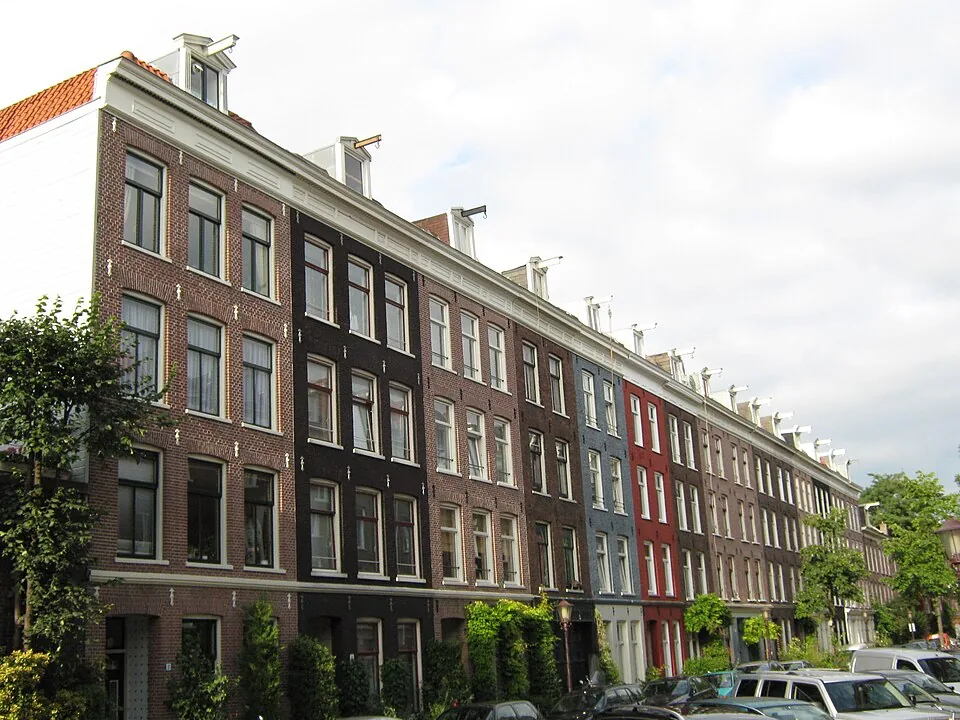
De Pijp
De Pijp’s busy streets grew as housing for workers during Amsterdam’s nineteenth-century expansion. Its compact blocks, Sarphatipark, and the Albert Cuypstraat market show how a residential district became a lively center of daily exchange.
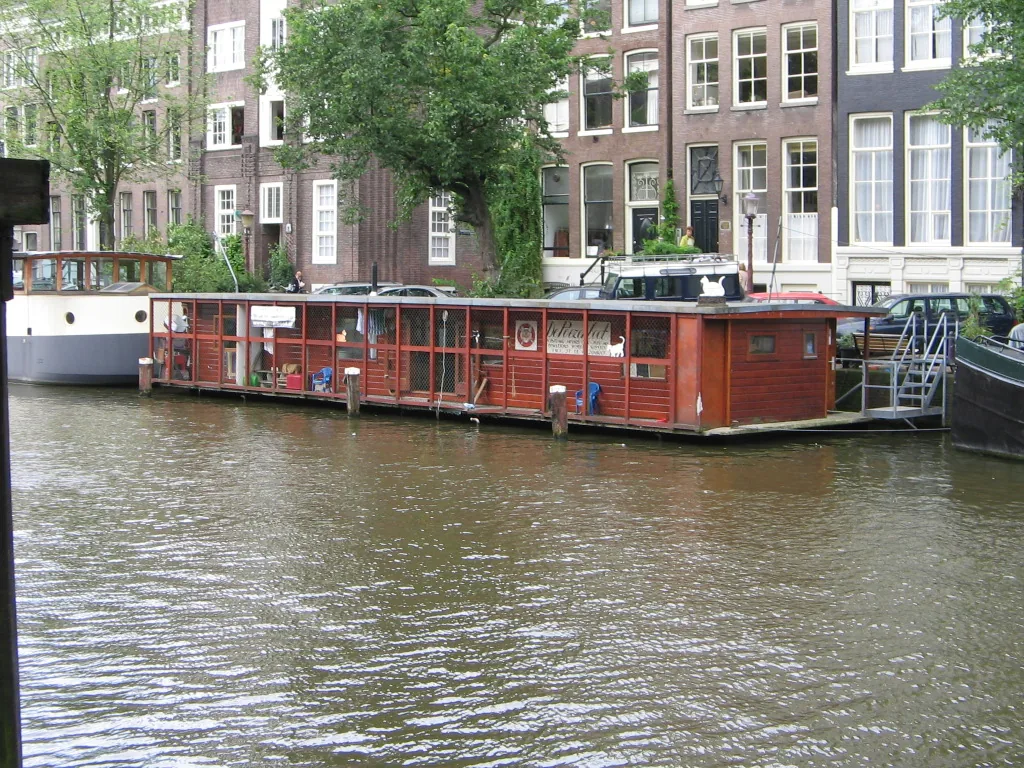
De Poezenboot
De Poezenboot began with a woman taking in a stray mother cat and kittens along Herengracht. When her home filled, she moved the rescue onto a boat, turning Amsterdam’s canal-houseboat culture into a floating shelter for cats.

Design Museum
The Design Museum occupies the former Commonwealth Institute in Kensington, a striking building adapted for public exhibitions. Its history makes the venue itself part of the subject: architecture and reuse demonstrate how design can preserve a landmark while changing its purpose.
Design Panoptikum
Design Panoptikum arranges historical industrial objects into strange visual combinations, asking visitors to infer function before reading explanation. Photographer Vlad Korneev’s personal collection became a museum where the act of looking—and the limits of what we recognize—forms the main exhibit
De Waag
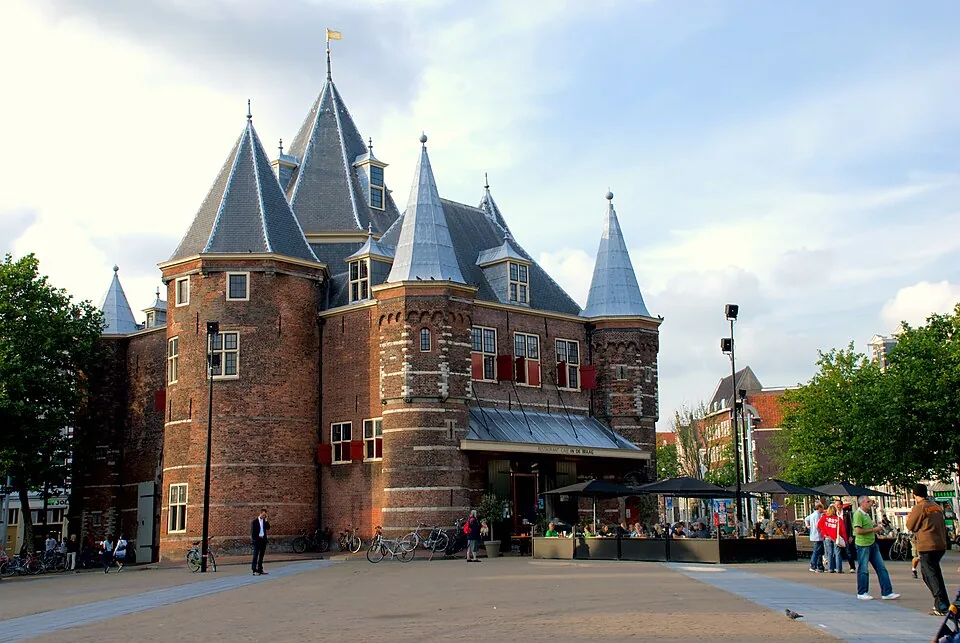
De Waag’s clustered towers dominate Nieuwmarkt, but the building began as the Sint Anthoniespoort in Amsterdam’s medieval wall. After the city expanded, the gate became a weigh house for heavy trade goods and meeting rooms for craft guilds.
Dezerland Park Orlando
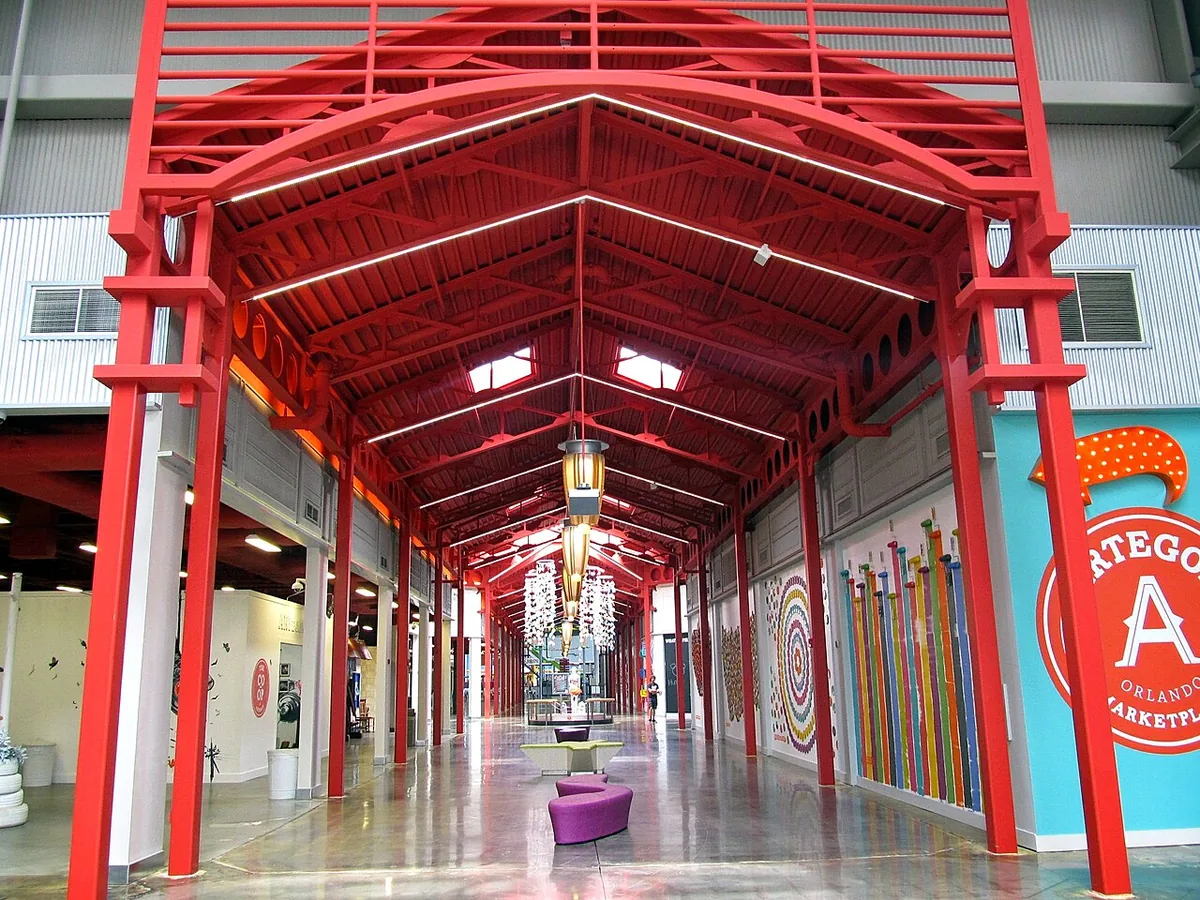
Dezerland Park Orlando gathers indoor attractions and an auto museum under one large roof on International Drive. Its mix of vehicles, arcade games and active entertainment turns a former retail-scale interior into an all-weather leisure destination.
Dharma Realm Guan Yin Sagely Monastery Canteen
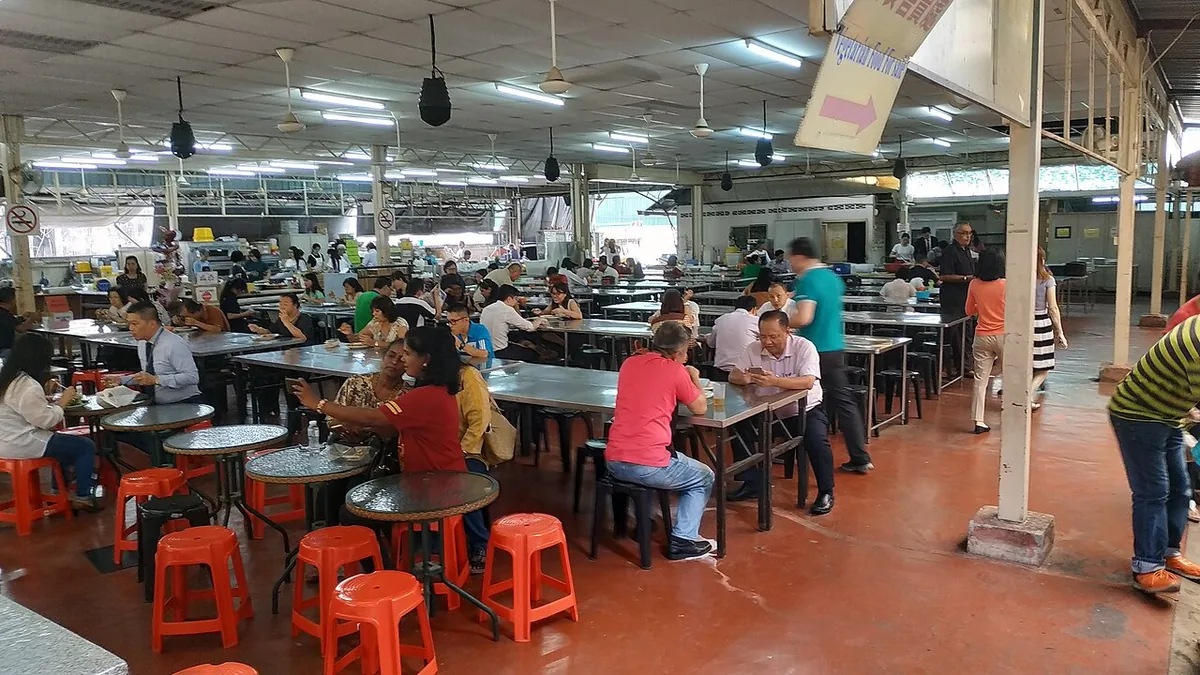
The Dharma Realm Guan Yin Sagely Monastery canteen serves vegetarian food within an active Buddhist monastery in Kuala Lumpur. Its communal dining setting reflects Buddhist practice and hospitality, so visitors should approach it with attentiveness and respect.

Digital Art House
Digital Art House on Skolas Street presents animated projections and sound as immersive exhibitions. The centre opened in 2019 and continues to host changing multimedia programmes.
Discovery Cove
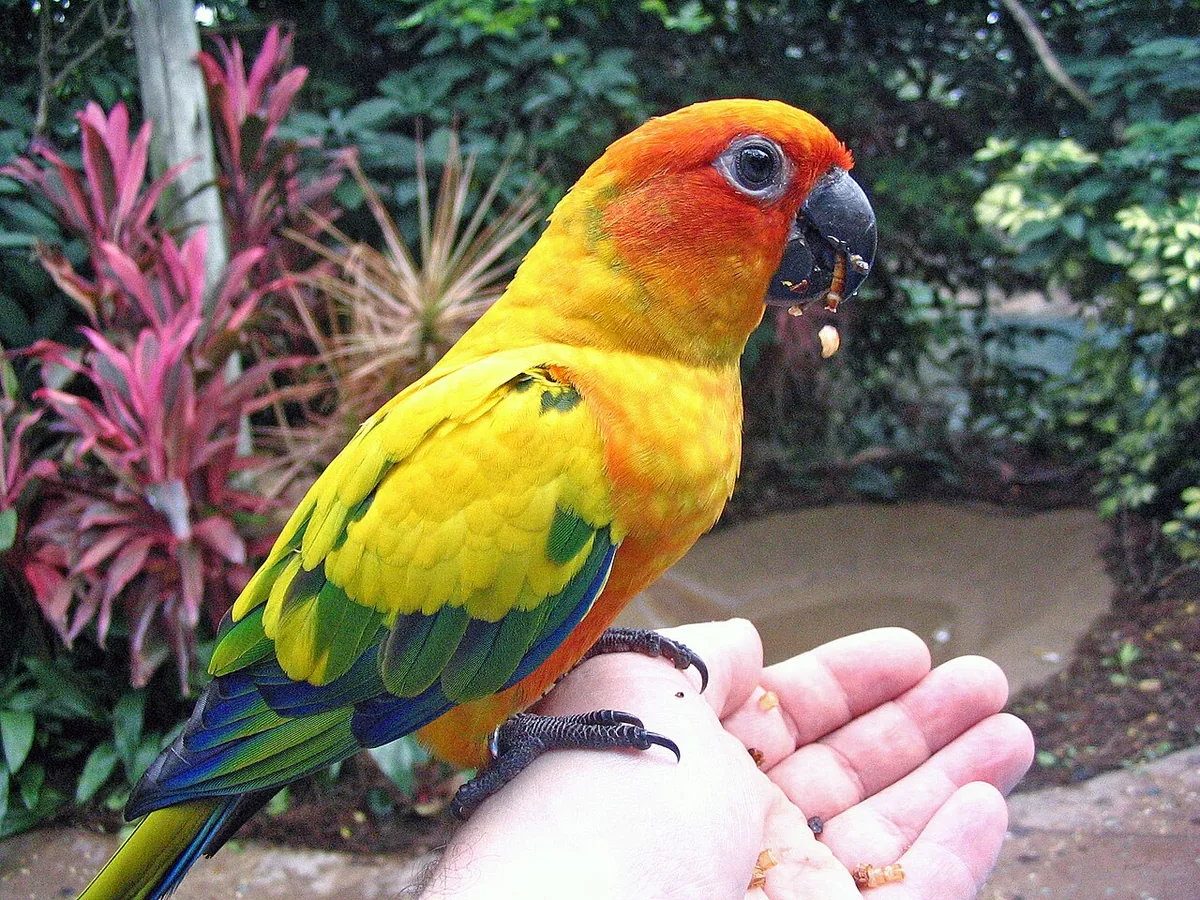
Discovery Cove is designed as a small-scale tropical day resort, with lagoons, reefs, aviaries, and waterways in one landscaped setting. Animal encounters and quiet swimming spaces create a slower experience than nearby large theme parks.
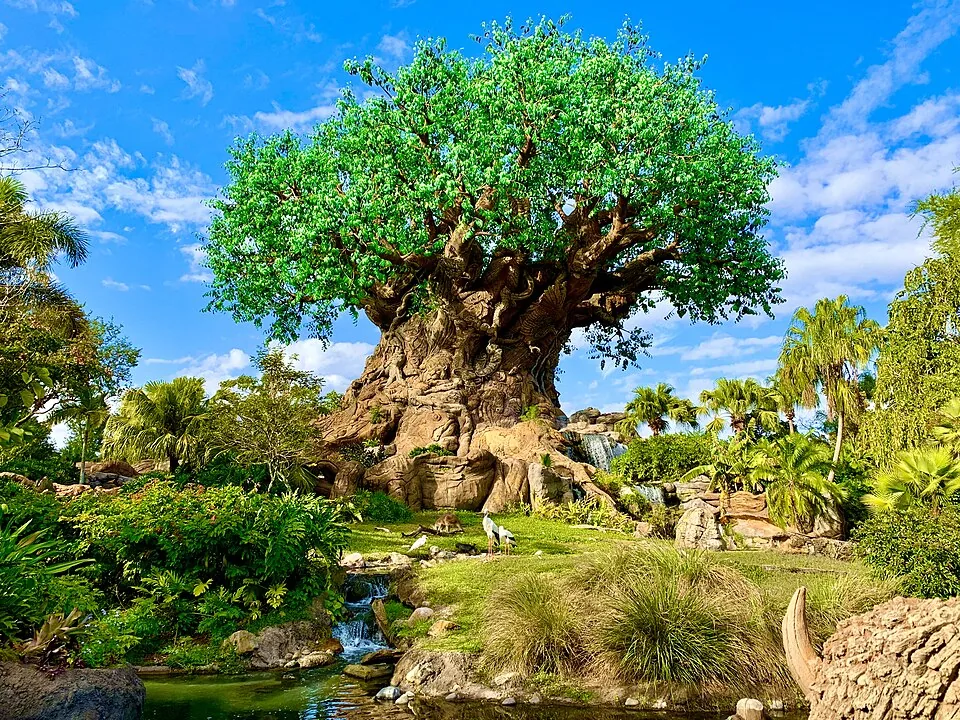
Disney’s Animal Kingdom
Disney’s Animal Kingdom combines a zoological park with themed lands inspired by real and imagined environments. Paths, vegetation, and animal habitats encourage a slower kind of looking, connecting entertainment with wildlife interpretation.
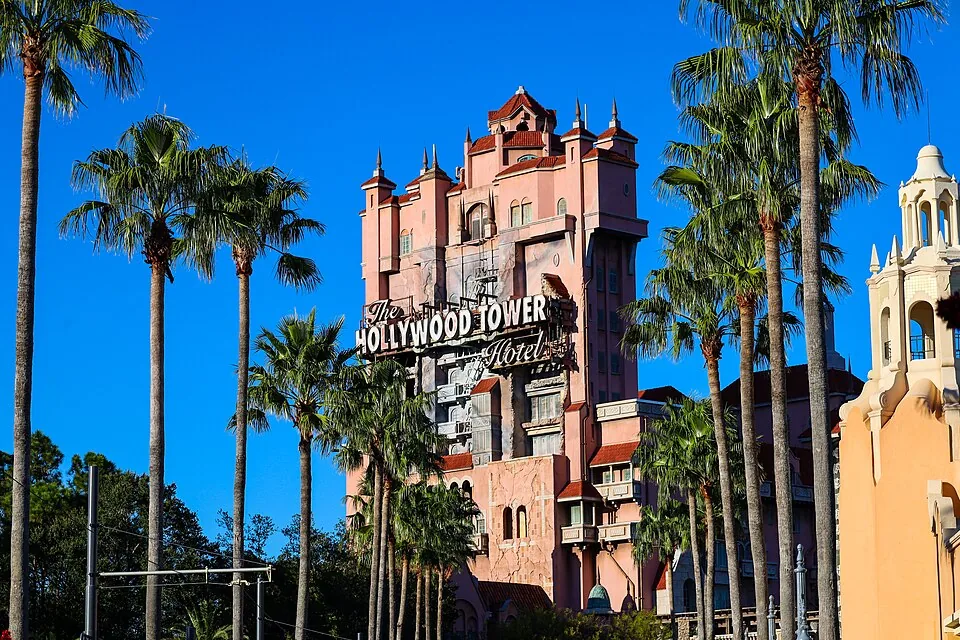
Disney’s Hollywood Studios
Disney’s Hollywood Studios brings film and television stories into a park setting. Its themed streets and lands turn screen worlds into places visitors can move through, while the park’s original studio identity connects the experience to movie production.
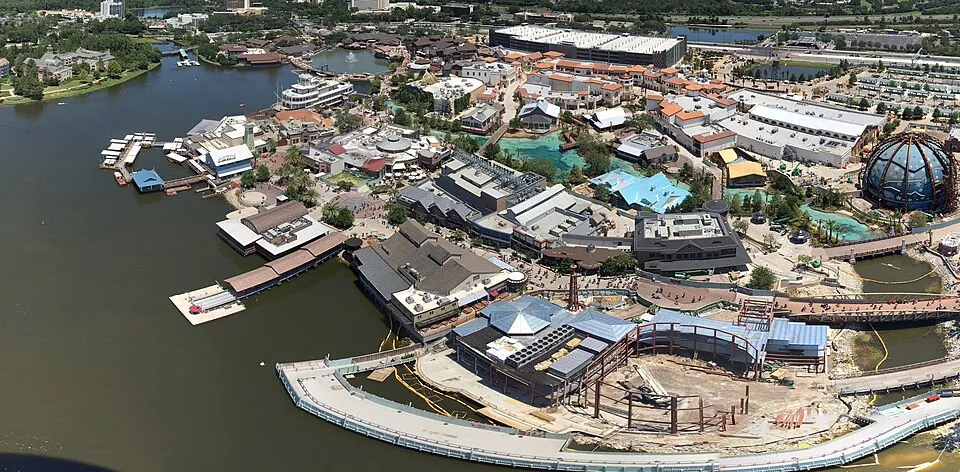
Disney Springs
Disney Springs is a waterfront district of shops, restaurants, and entertainment within Walt Disney World Resort. Its walkable areas and mix of experiences invite visitors to treat dining and browsing as part of a broader evening outing.
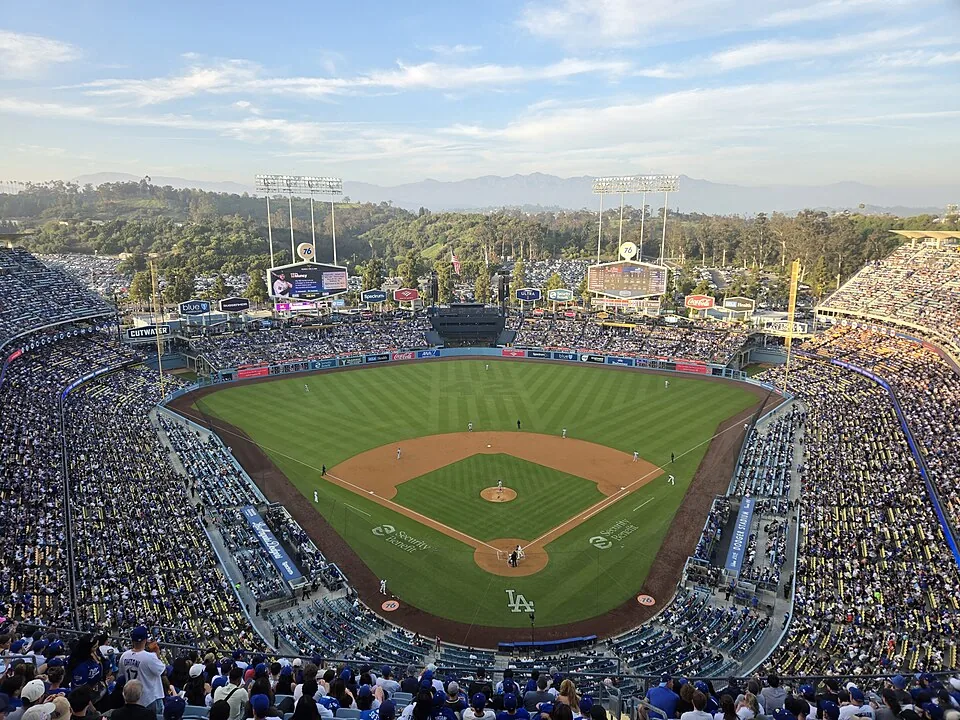
Dodger Stadium
Dodger Stadium is carved into Chavez Ravine, where seating terraces open toward downtown Los Angeles and the San Gabriel Mountains. The ballpark’s hillside setting makes landscape part of the game-day experience, framing baseball against the city and surrounding hills.
Dokumapark
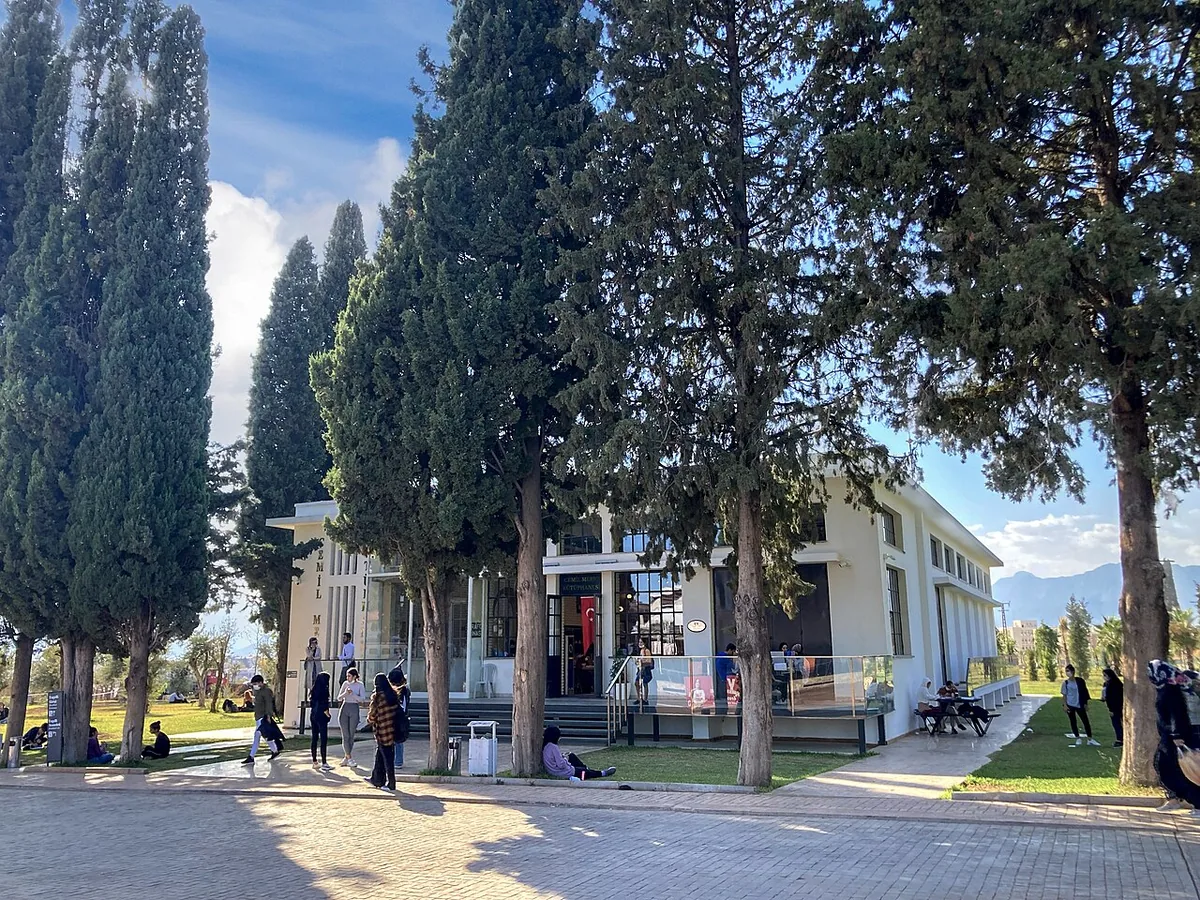
Dokumapark reuses the Antalya Yarn and Cotton Weaving Factory as a public cultural landscape. Its industrial origin remains part of the story: a complex built to process local cotton now contains museums, gardens, and community spaces.
Dokumapark Open-Air Miniature Park
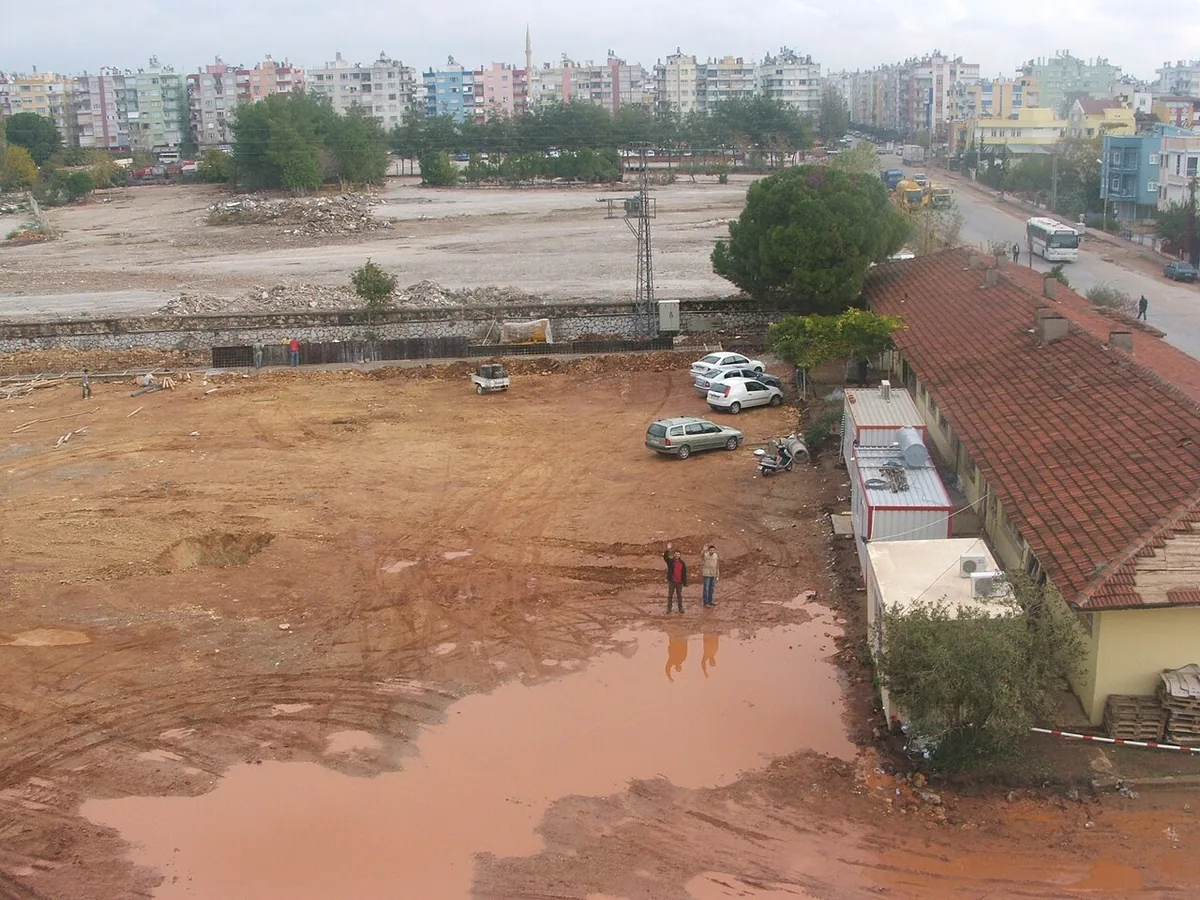
Dokumapark Open-Air Miniature Park presents landmarks from across Türkiye at a shared scale. Its 1:25 models turn regional variety into a walkable landscape, allowing visitors to compare architecture and geography in a single visit.