Explore locations
Browse places by name, city, country or category.
All locations
1624 locations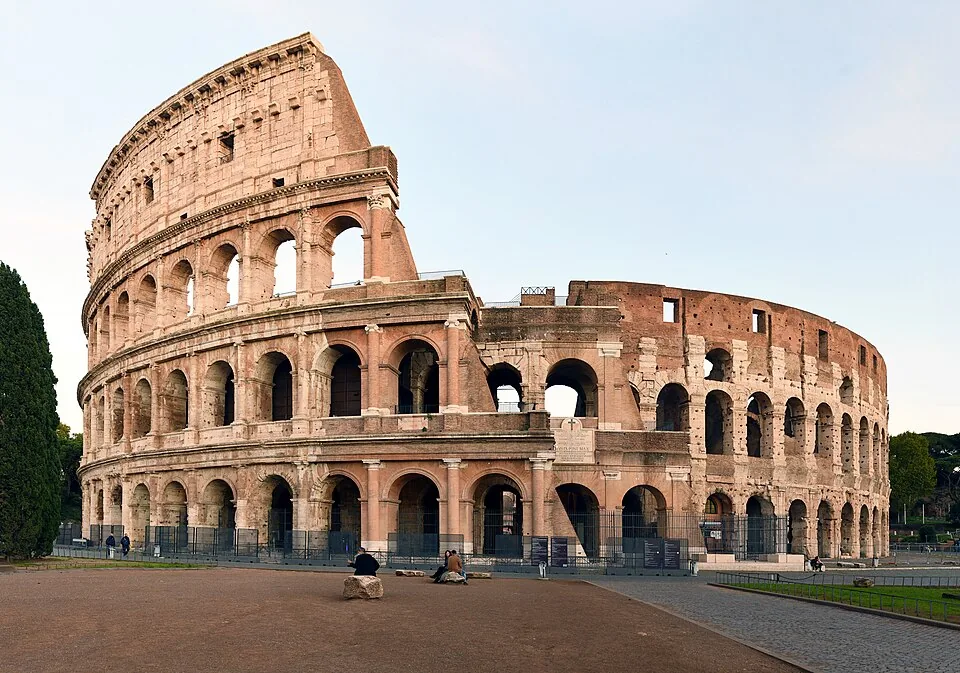
Colosseum
The Colosseum’s stacked arches reveal a carefully organized venue built for enormous public spectacles. Its underground passages, seating, and stage machinery supported a complex operation, while the monument’s later reuse and repair remain visible in the surviving structure.
Columbus Monument
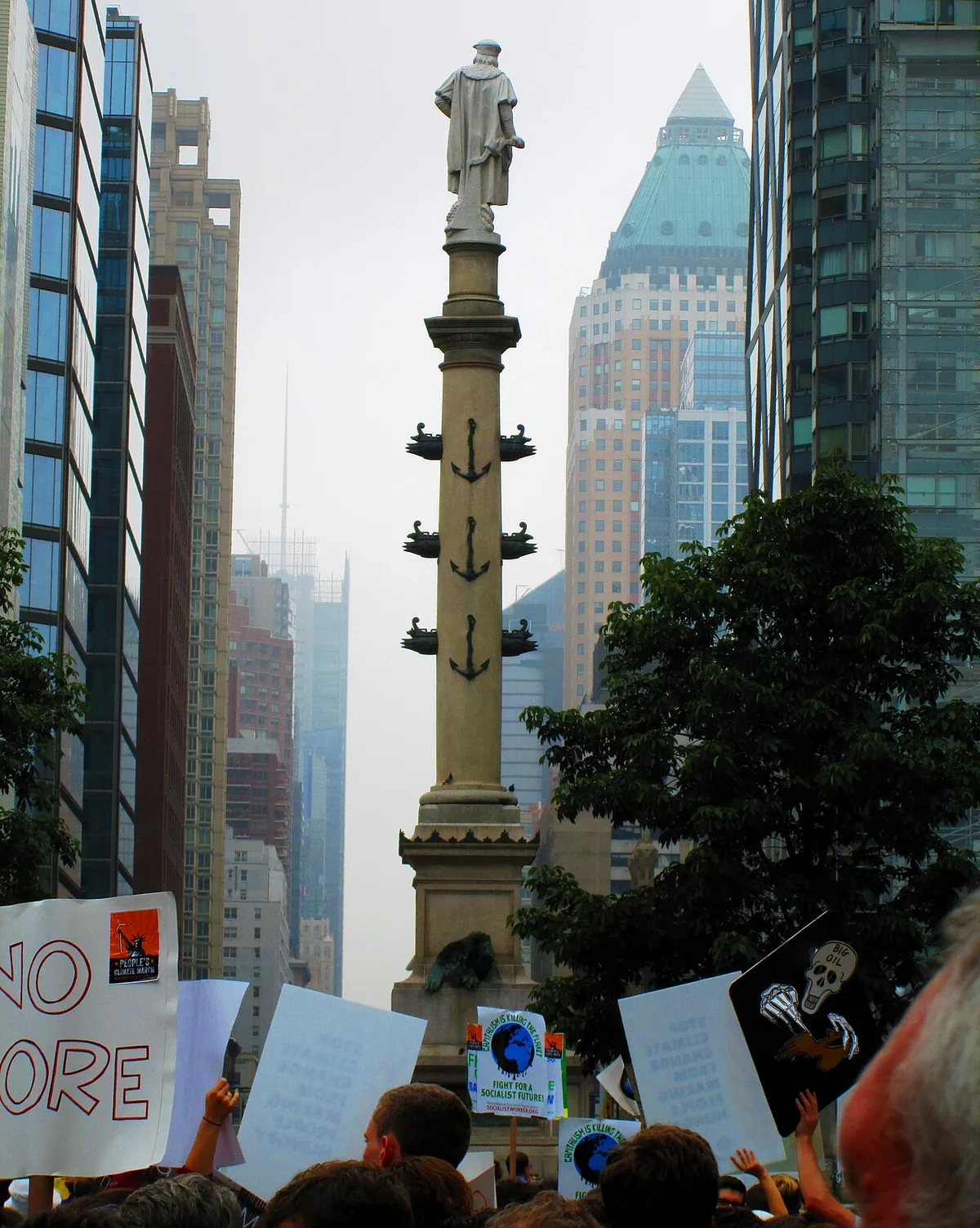
The Columbus Monument marks the seaward end of La Rambla with a tall column built for Barcelona’s 1888 Universal Exhibition. Its bronze figure points toward the coast, while its location links the city’s main boulevard to the port and a broader history of exploration and empire.
Company of Jesus Square
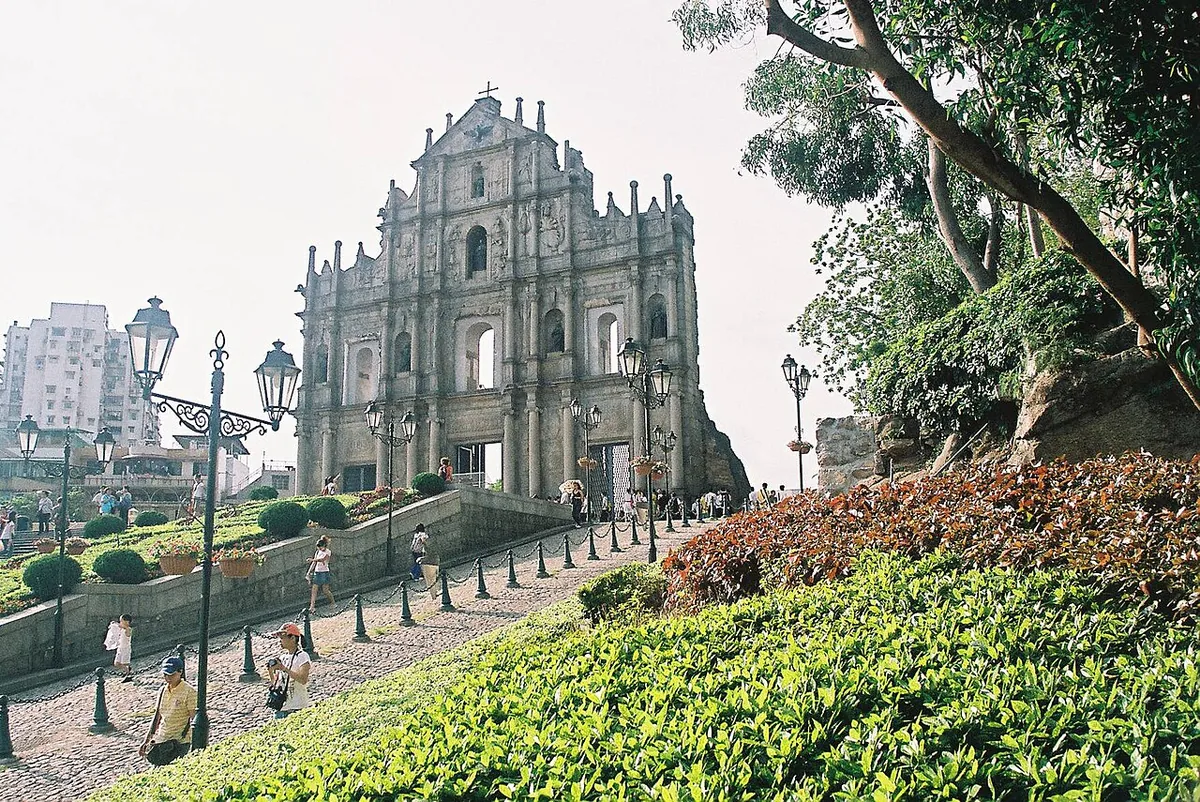
Company of Jesus Square lies beside the Ruins of St. Paul’s, linking the celebrated façade with nearby historic buildings and lanes. The square’s surrounding architecture spans several periods, making it a useful place to notice how Macao’s heritage district developed over time.
Concertgebouw
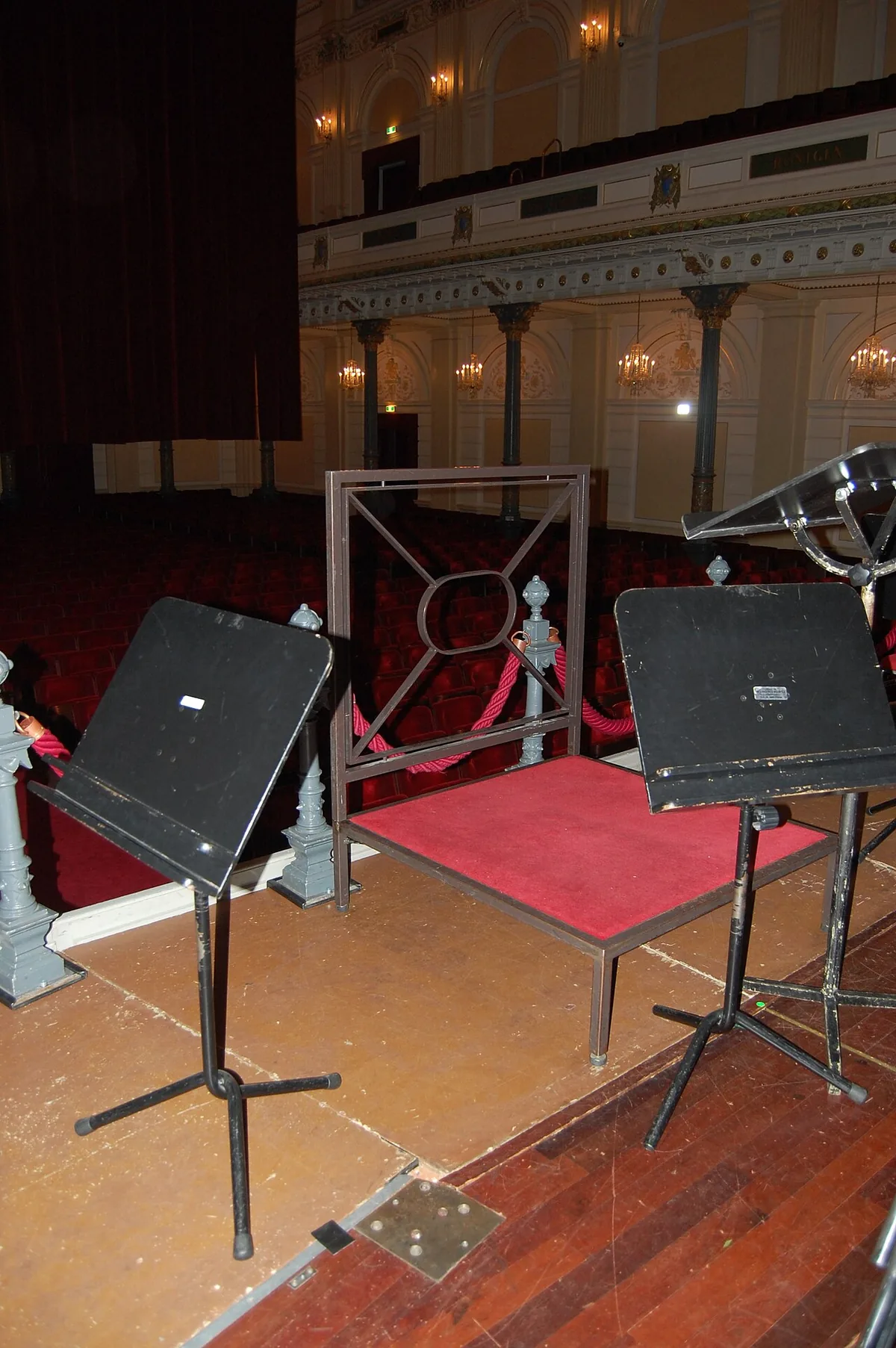
The Concertgebouw was built through a public campaign and opened in 1888 on what was then the edge of Amsterdam. Its Main Hall’s rectangular “shoebox” form and rich reverberation helped make the venue internationally renowned.
Conciergerie
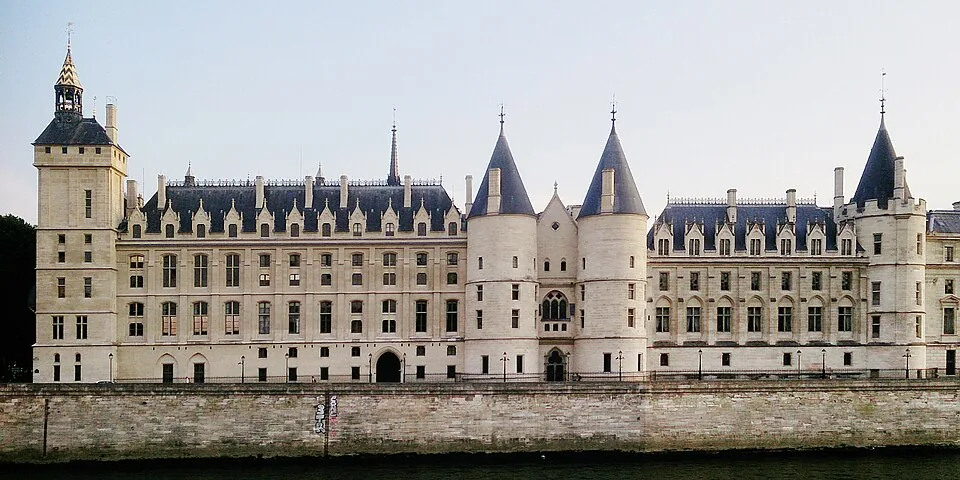
The Conciergerie preserves part of the medieval Palais de la Cité, once the residence and seat of French royal power. Later converted into a prison, it became closely associated with the Revolutionary Tribunal and the confinement of Marie-Antoinette.
Coney Island
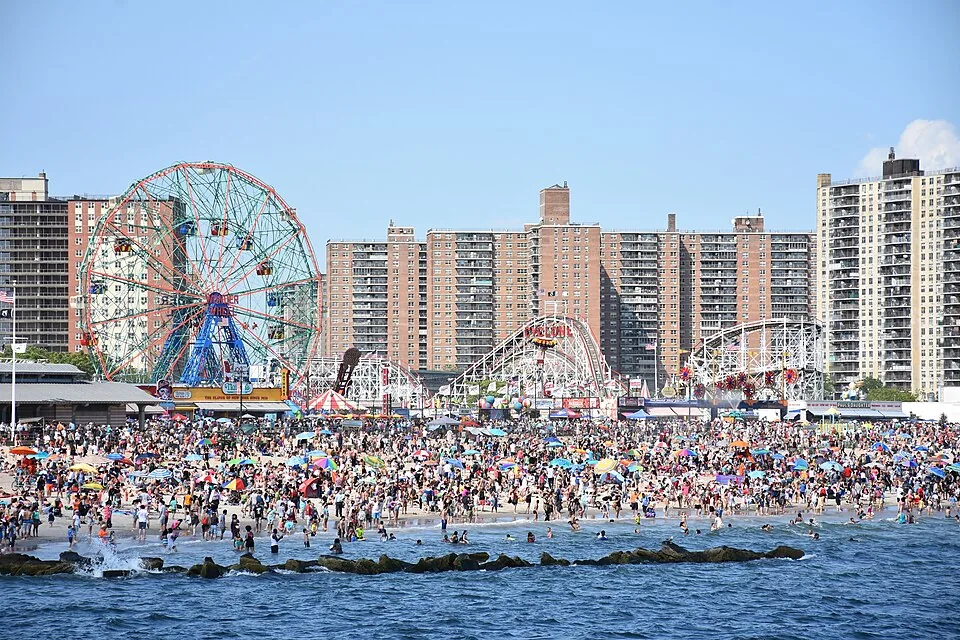
Coney Island is a Brooklyn seaside district where beach, boardwalk and amusement traditions meet. Its public shoreline and historic attractions have made it a place of summer escape for generations of New Yorkers, shaped by waves of changing leisure culture.
Convent Courtyard
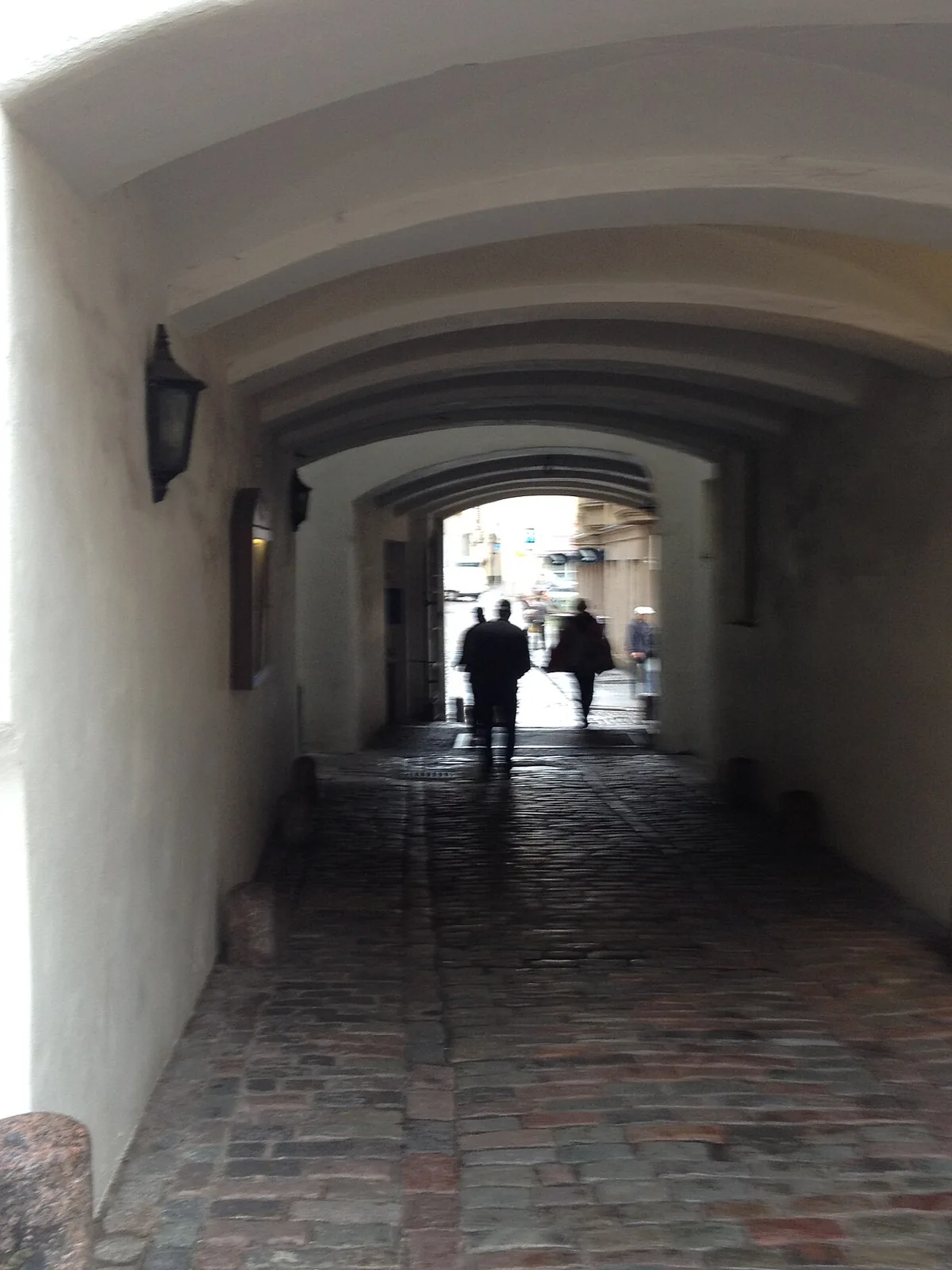
Konventa Sēta, or Convent Courtyard, is a historic group of buildings and passages in Riga’s Old Town. Its story runs from a medieval military site and Holy Spirit hospice to warehouses, restoration and present-day use.
Convent of Las Descalzas Reales
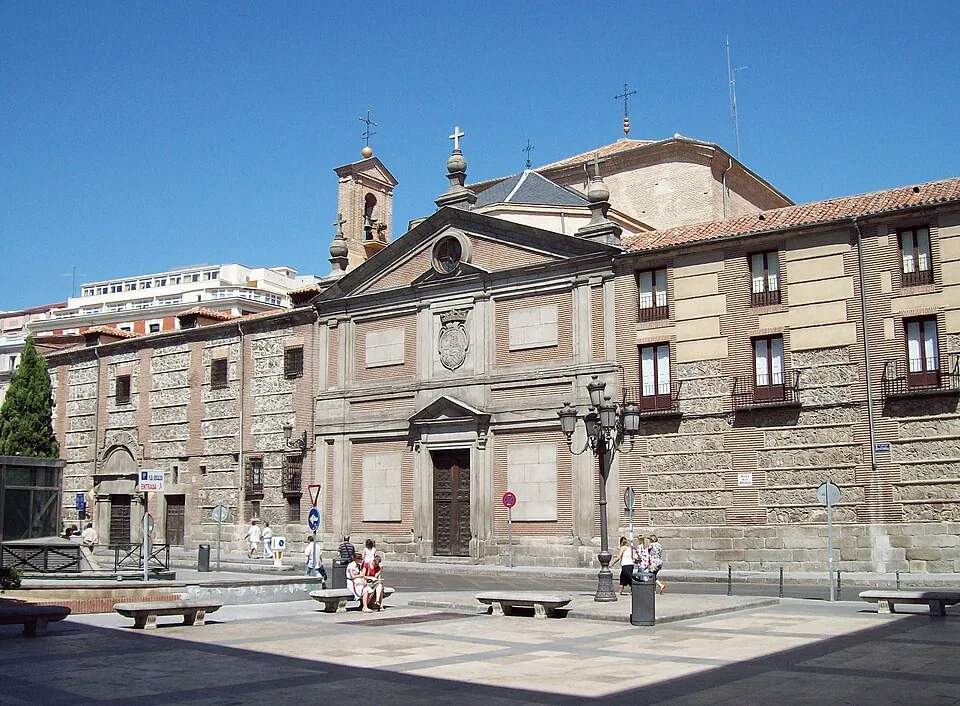
The Convent of Las Descalzas Reales began as a royal palace: Juana of Austria transformed the place where she was born into a Poor Clare convent. The active religious community gives the building a continuing sacred purpose alongside its royal and artistic history.
Corner House
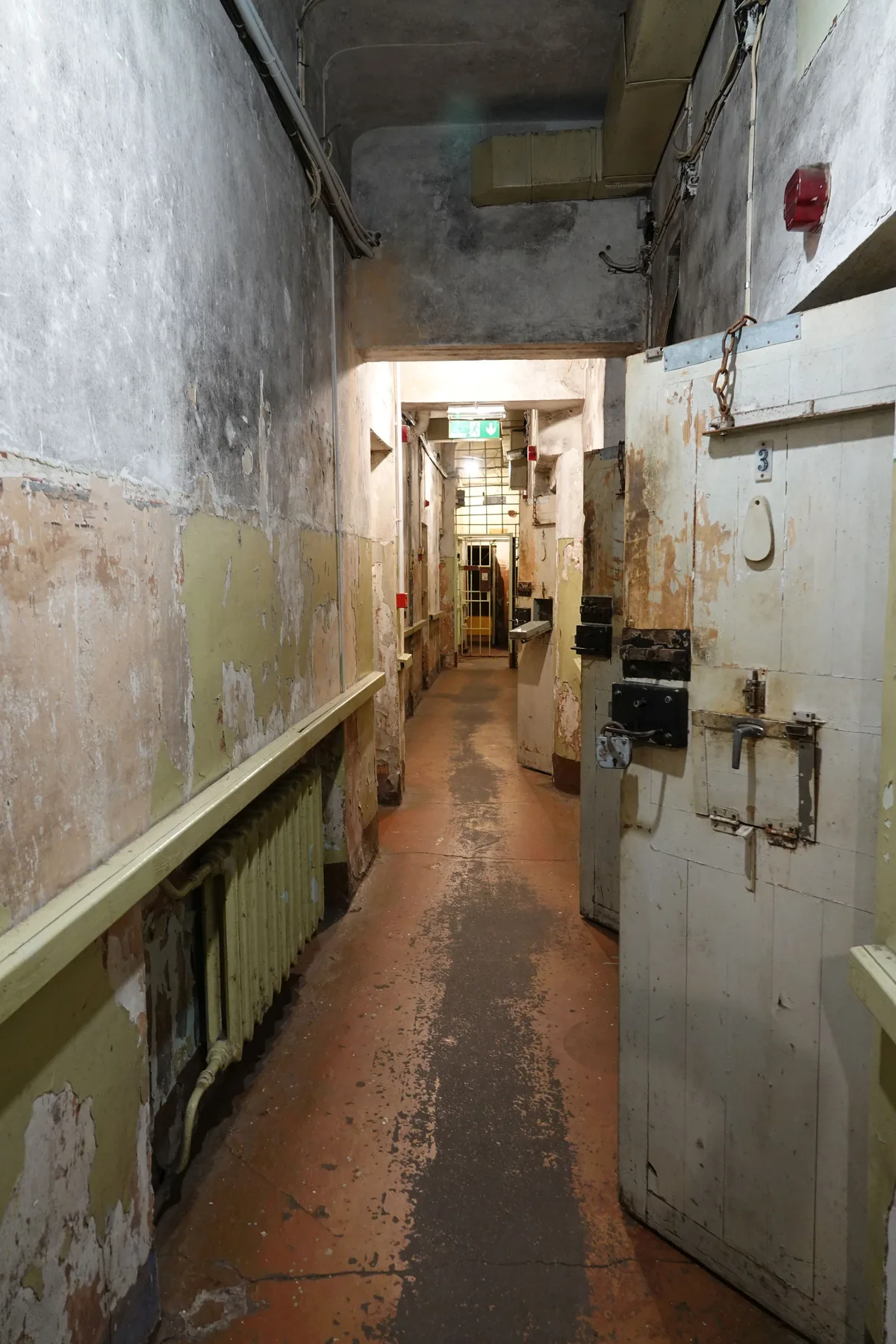
The Corner House at Brīvības and Stabu streets was the headquarters of Soviet security organs in Latvia. Its former cells and the Museum of the Occupation of Latvia’s exhibition bring the machinery of political repression into an ordinary Riga city block.
Corso Como
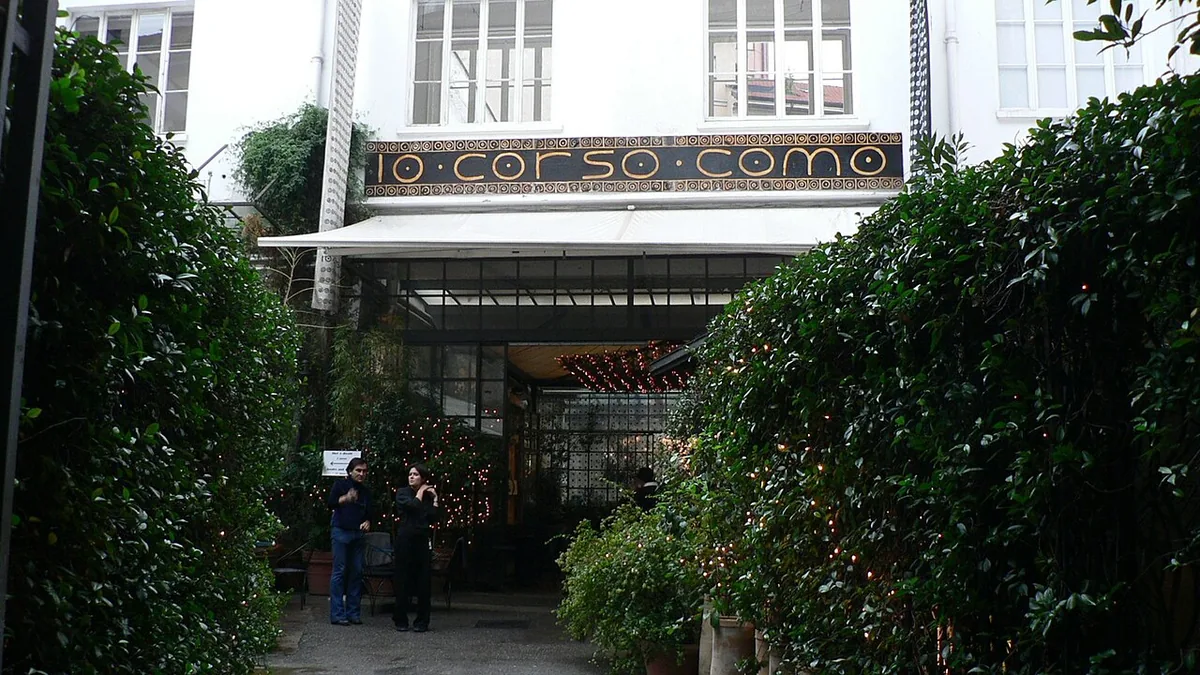
Corso Como runs from Porta Garibaldi through a district reshaped by Milan’s postindustrial and creative economies. The street’s transformation is closely associated with 10 Corso Como, which grew from a working garage into a combined art, photography, book, and design destination.
CosmoCaixa
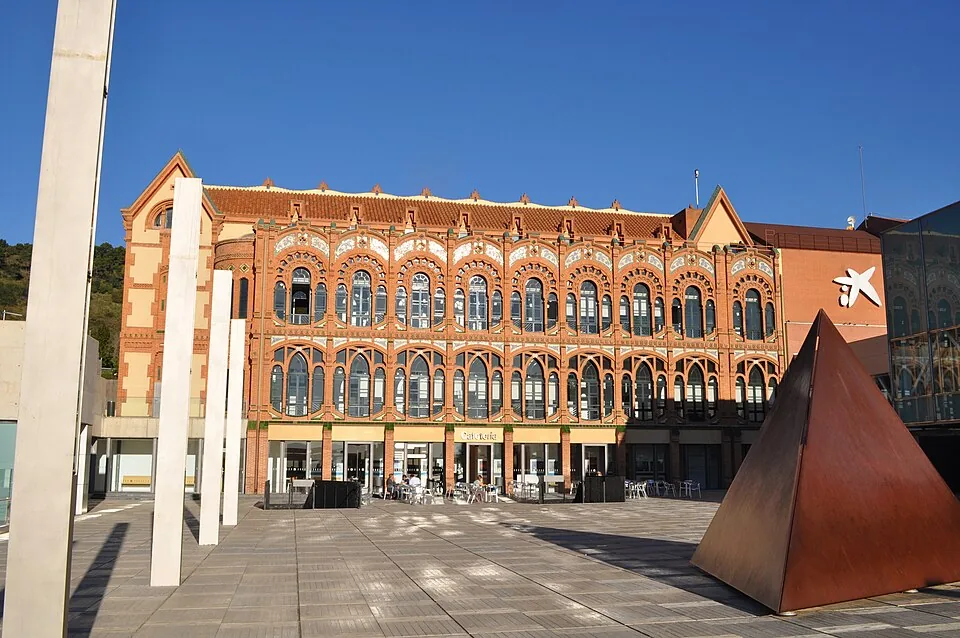
CosmoCaixa presents science through experiments and environments visitors can observe up close. Its large flooded Amazon forest installation connects individual organisms to an ecosystem, while the museum’s older modernist building records the institution’s earlier life as a science museum.

Cosmos Illusion Museum
Cosmos Illusion Museum is an interactive attraction near Riga Cathedral, where optical illusions and installations invite visitors to experiment with what they see and perceive.
Cotai Strip
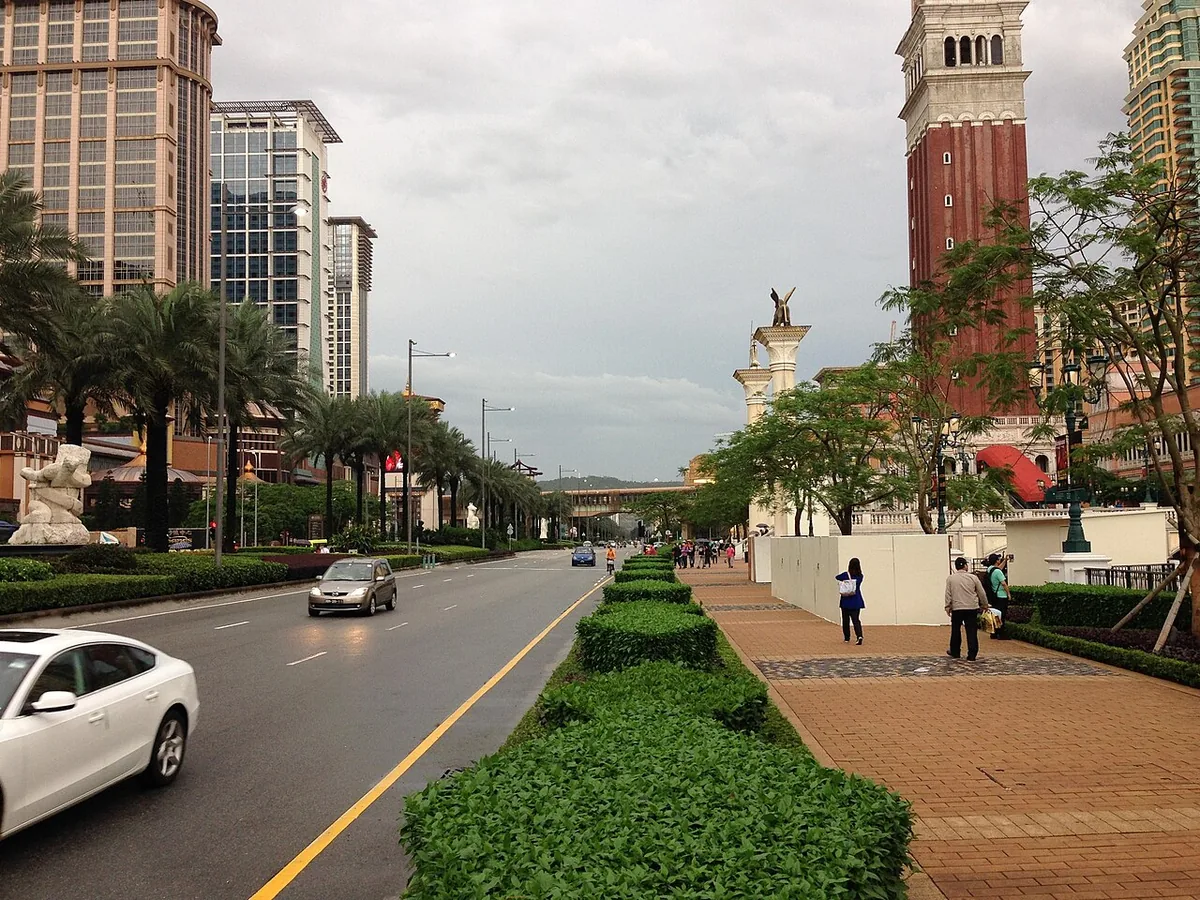
The Cotai Strip is a broad resort corridor on reclaimed land between Taipa and Coloane, marked by large hotels, entertainment venues and connecting roads. It represents Macao’s expansion beyond the historic peninsula into a purpose-built visitor district.
Covent Garden
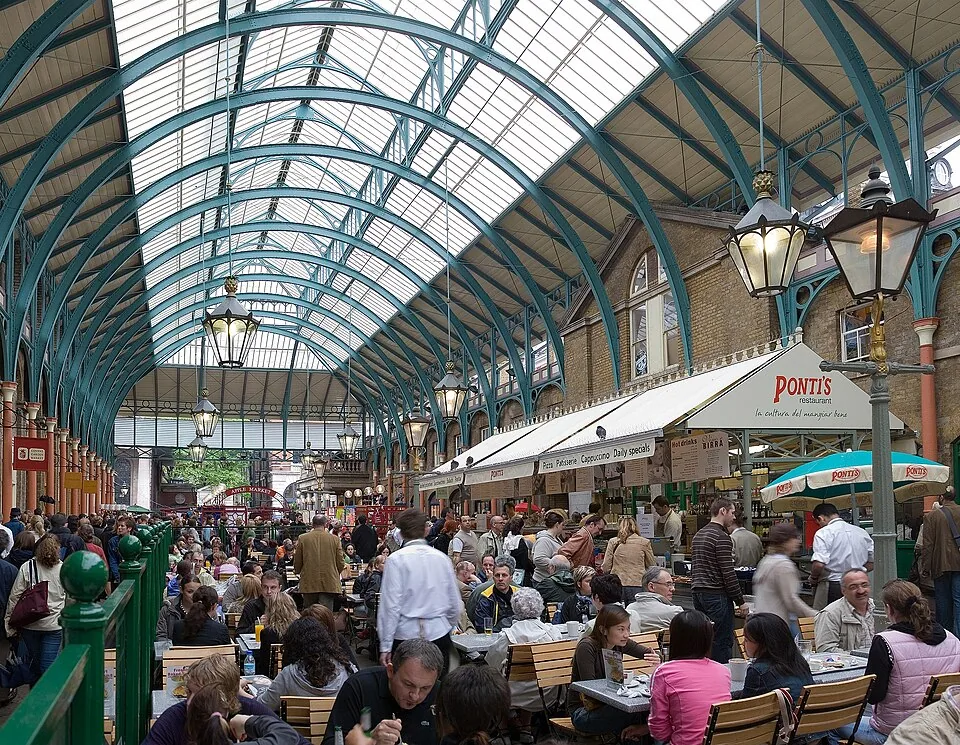
Covent Garden’s handsome market building replaced a crowded open-air food market with a more regulated civic space. The piazza’s history runs from an abbey garden and seventeenth-century traders to a major nineteenth-century market, then a threatened redevelopment that was stopped by local campaigni
Crayola Experience Orlando
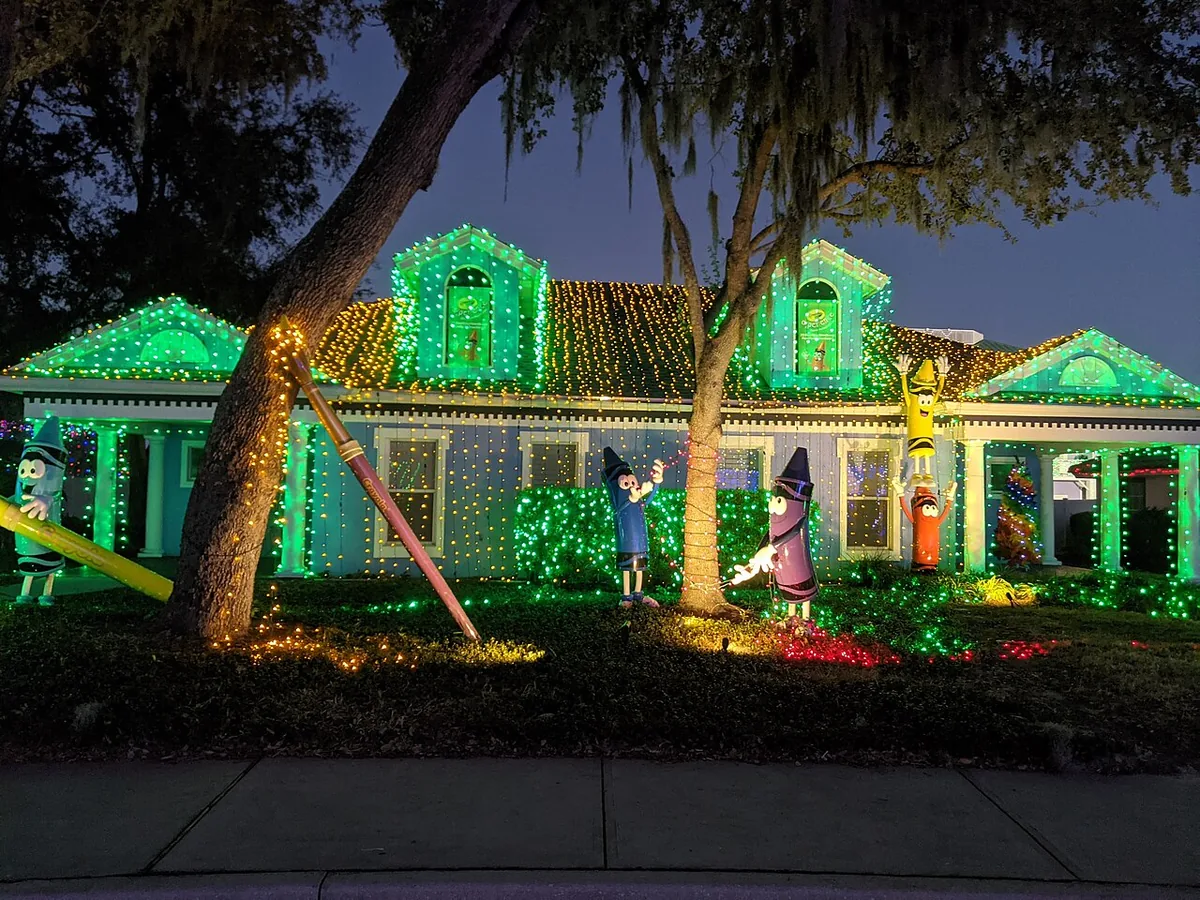
Crayola Experience Orlando turns crayons, colour and creative play into a family attraction inside The Florida Mall. Its hands-on activities explore how colour can be mixed, shaped and used, connecting a familiar art supply to interactive design and technology.
Crypto.com Arena
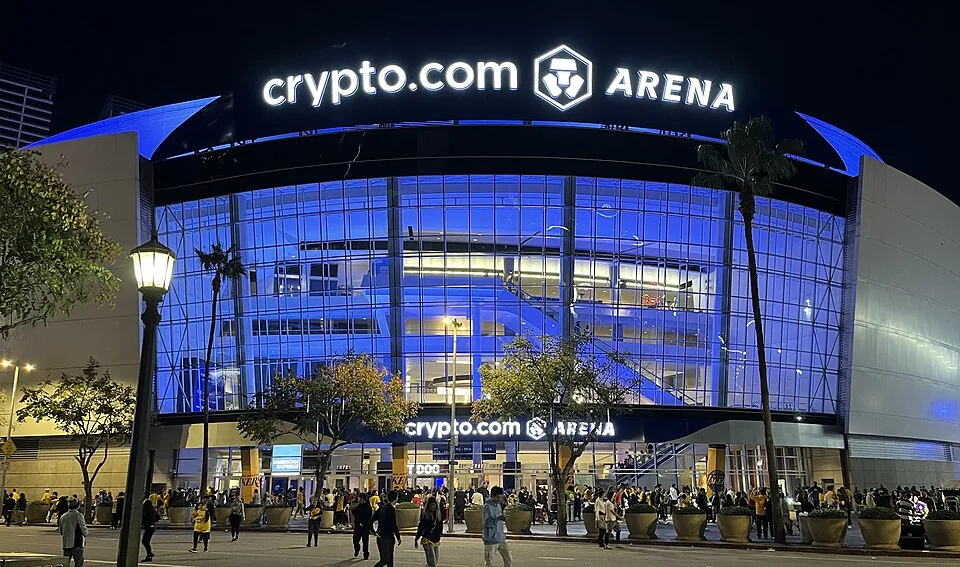
Crypto.com Arena anchors the downtown sports and entertainment district with a flexible indoor bowl designed for basketball, hockey, concerts, and other events. Opened in 1999, it helped establish a new center of public activity on the city’s south side.
Cupnoodles Museum Osaka Ikeda
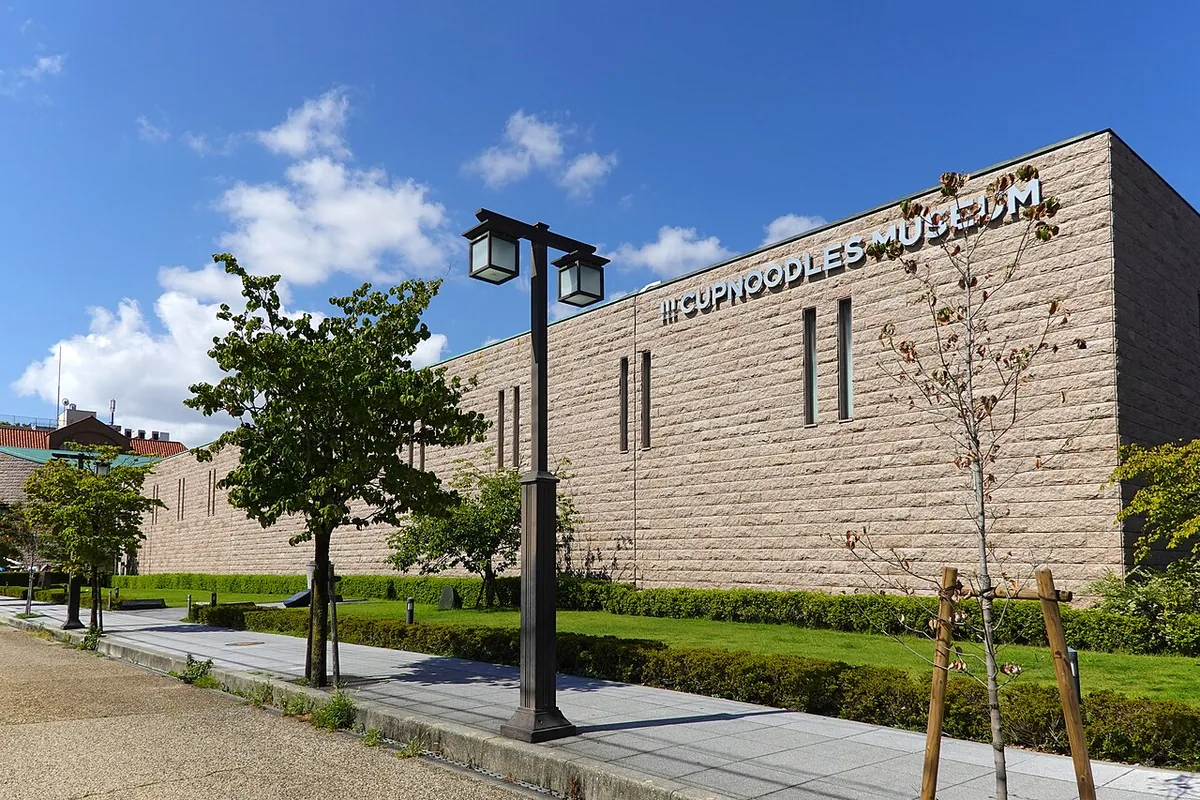
Ikeda is where Momofuku Ando developed Chicken Ramen in a backyard shed in 1958. The Cupnoodles Museum turns that small-scale experiment into a story about food design, showing how an everyday convenience product began with practical invention.
Cutty Sark
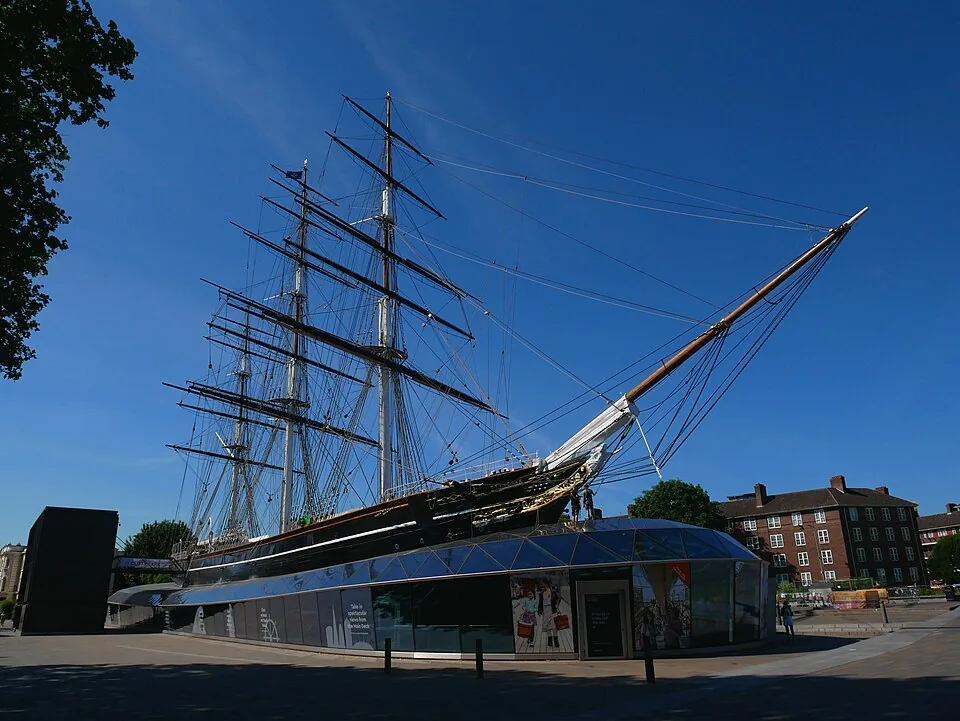
Cutty Sark’s narrow hull and tall rigging were designed to move tea quickly from China to Britain. Yet the Suez Canal favored steamships, shortening the clipper’s tea-trading career; the ship’s later success in the Australian wool trade shows how vessels adapted when commerce changed.
Da'an Forest Park
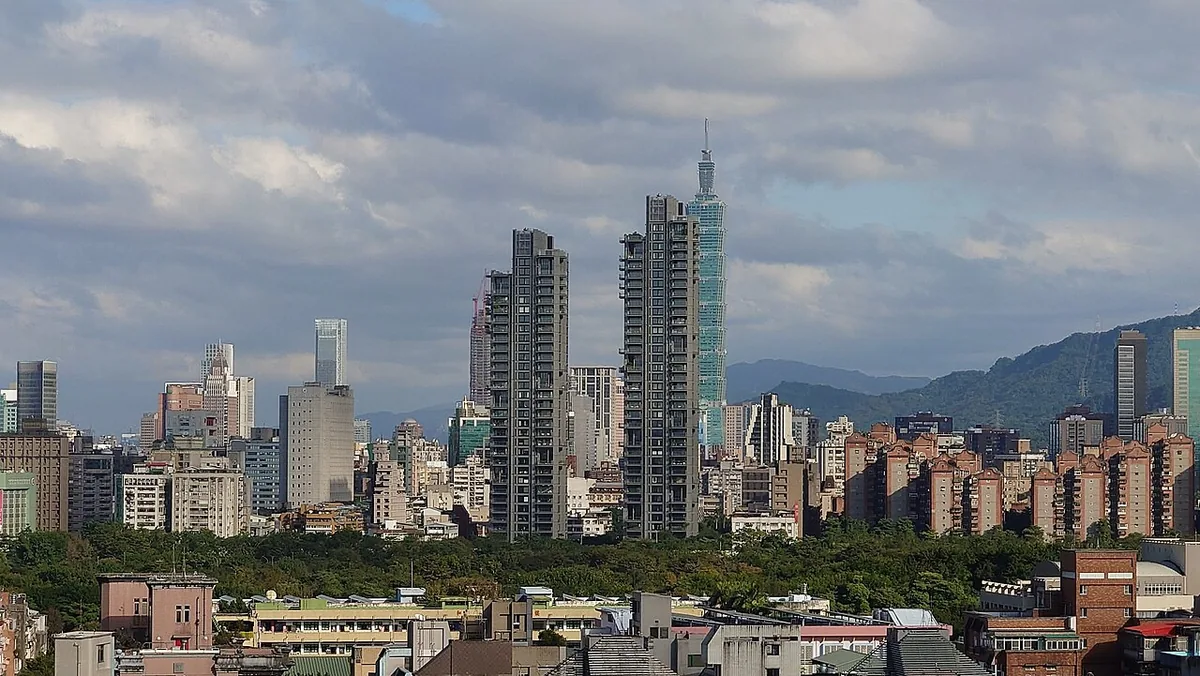
A 25-hectare urban park where open lawns, ponds, and dense plantings create a forest-like pause within Taipei. Since opening in 1994, Da’an has combined recreation with a deliberate metropolitan green-space plan, making its scale and canopy part of the experience.
Dadaocheng
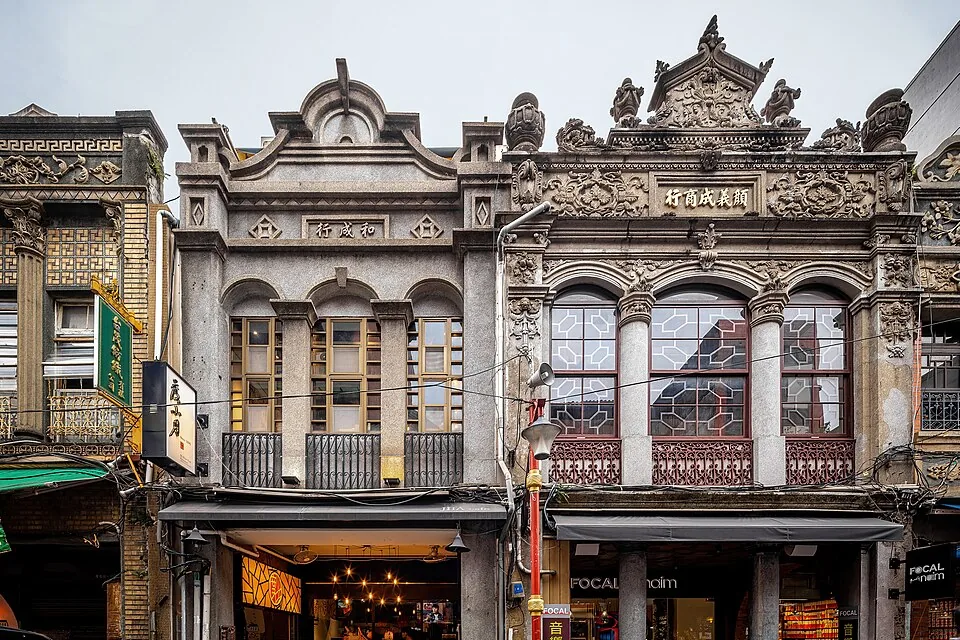
Dadaocheng’s commercial streets preserve the memory of a river port that once moved tea, textiles, and regional goods through Taipei. Elaborate shopfronts now sit beside long-running family businesses, making the neighborhood’s trade history visible in ordinary street life.
Daigo-ji
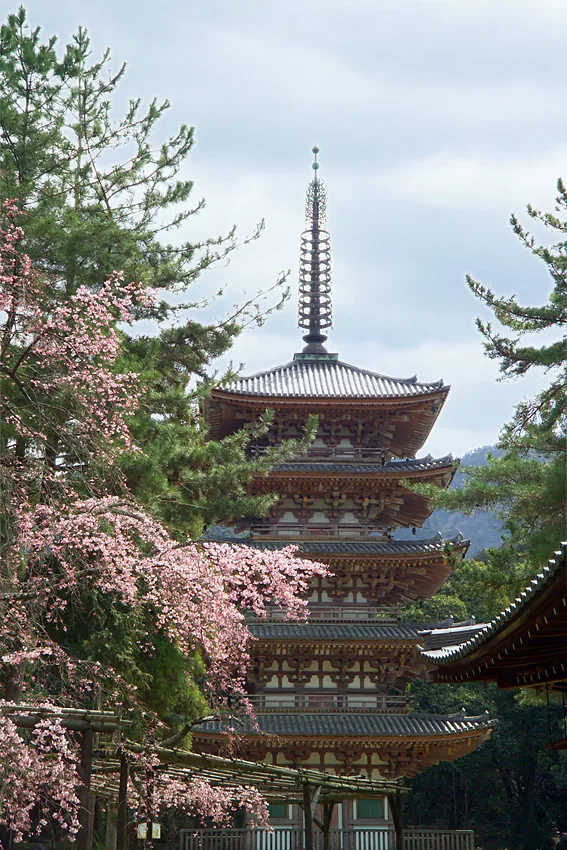
Daigo-ji stretches from a lower temple precinct up the slopes of Mount Daigo. Its pagoda, gardens, and mountain paths reflect how a Buddhist temple can encompass both built architecture and a much larger sacred landscape.
Daikanyama
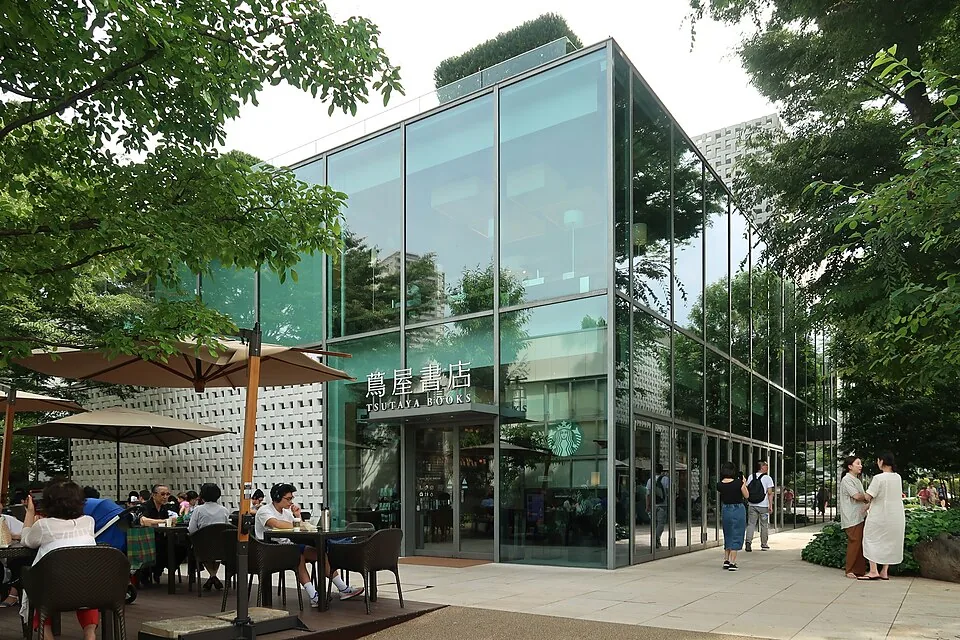
Daikanyama’s low-rise streets make room for a rare long experiment in city building: Hillside Terrace grew in phases over more than two decades, mixing homes, shops, offices, galleries, and small public spaces.
Dailes Theatre
Dailes Theatre is a Latvian repertory company founded by Eduards Smiļģis in 1920. Its present modernist home on Brīvības iela opened in 1977, after a long design and construction process led by architect Marta Staņa.
Daisen-in
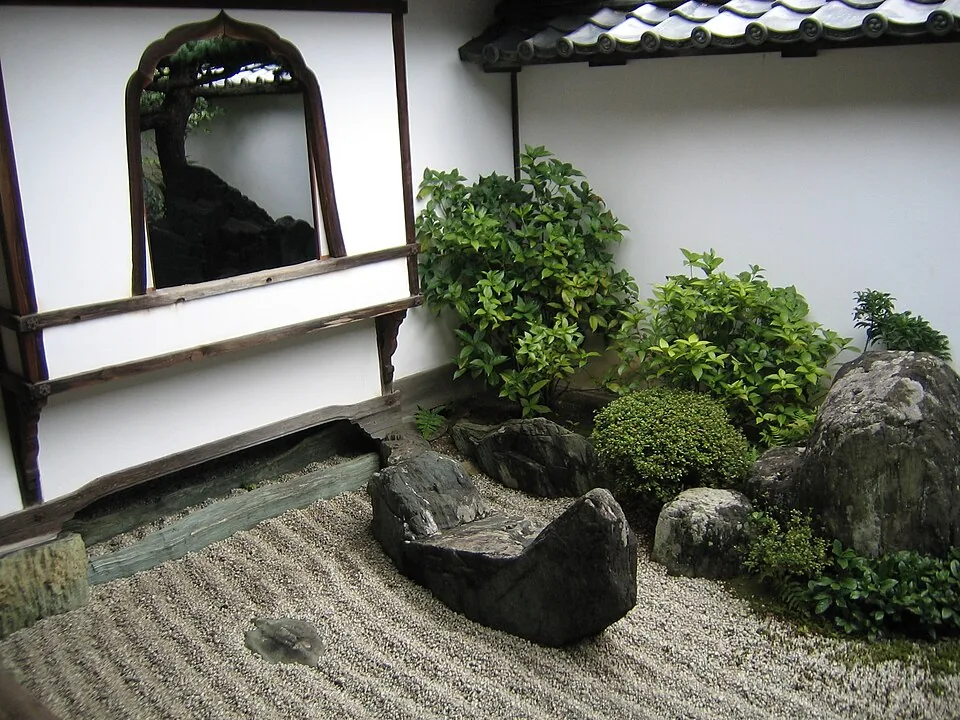
Daisen-in is a small subtemple within Daitoku-ji, known for its dry landscape garden and historic abbot’s quarters. Its compact design uses stones, gravel, and carefully ordered views to suggest a wider journey through nature.