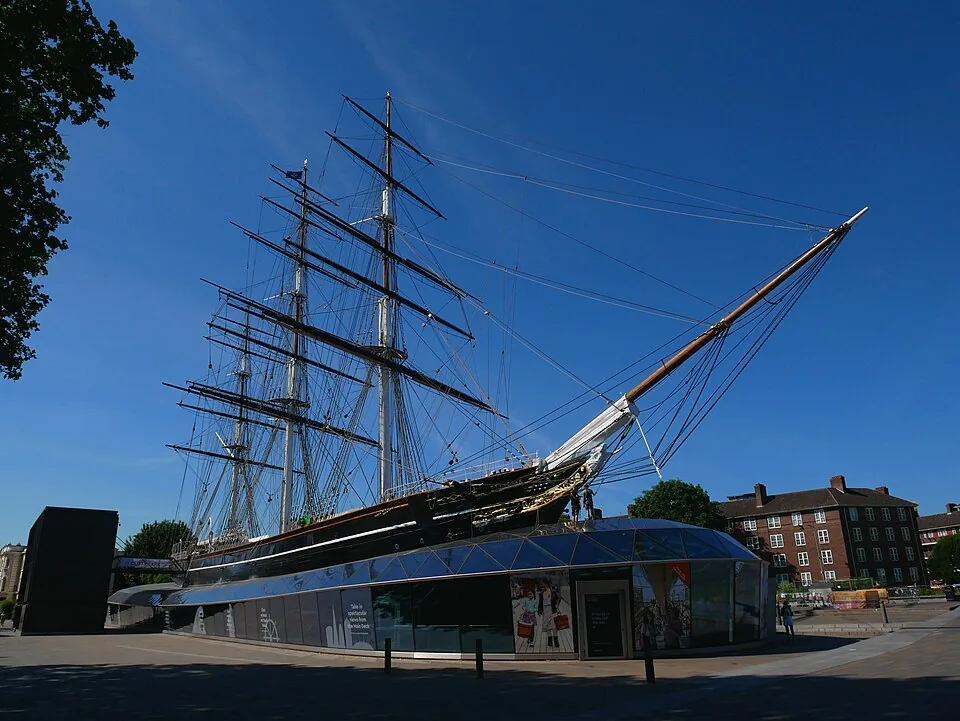
Cutty Sark’s narrow hull and tall rigging were designed to move tea quickly from China to Britain. Yet the Suez Canal favored steamships, shortening the clipper’s tea-trading career; the ship’s later success in the Australian wool trade shows how vessels adapted when commerce changed.
Guide preview
The tall masts and streamlined hull of Cutty Sark show a ship built around speed. Launched in 1869, it was commissioned for the China tea trade, where the first cargoes of each season could command high prices in London.
Unlock the full guide with a travel pass.
Quick facts
- Cutty Sark was built in 1869 for the China tea trade.
- Its hull combined teak and rock elm with an iron frame.
- It completed eight tea voyages before moving to other trades.
More places in London
10 Downing Street
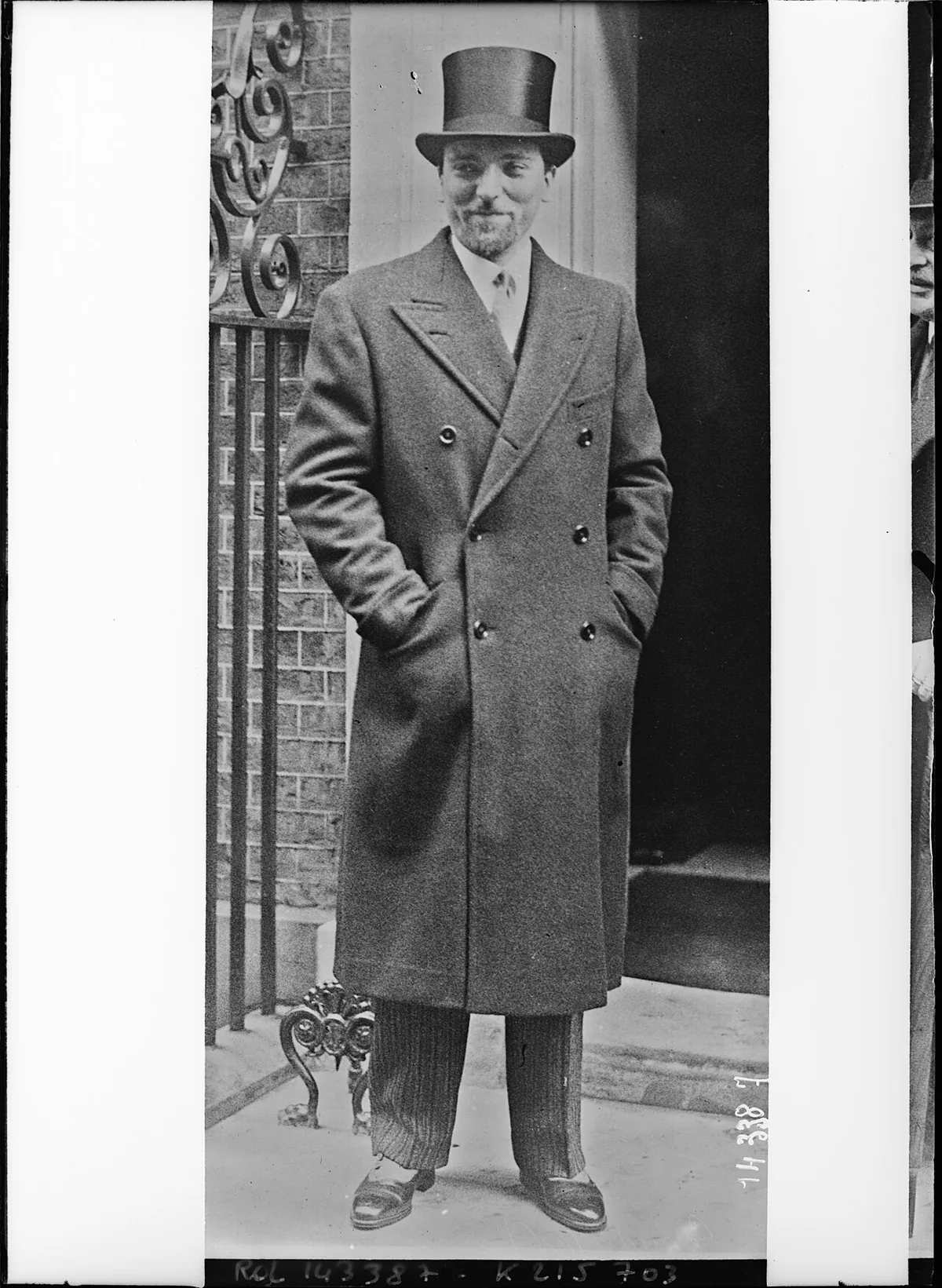
Number 10 Downing Street is a Georgian townhouse that has served as the official residence of the Prime Minister since 1735. Its familiar black door is set within a narrow terrace on a street named for diplomat Sir George Downing, where the visible domestic scale belies the building’s public role.
Barbican Centre
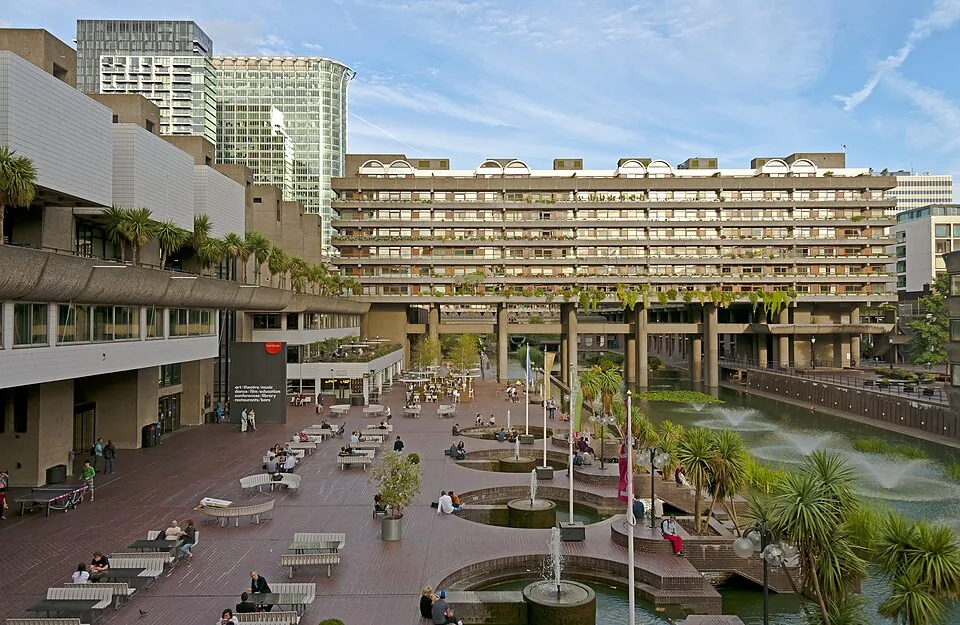
The Barbican Centre is the cultural heart of a larger postwar estate, where elevated walkways, concrete towers, gardens, and water create a city within the City. Opened in 1982, it combines arts venues with residential and civic spaces.
Barbican Conservatory
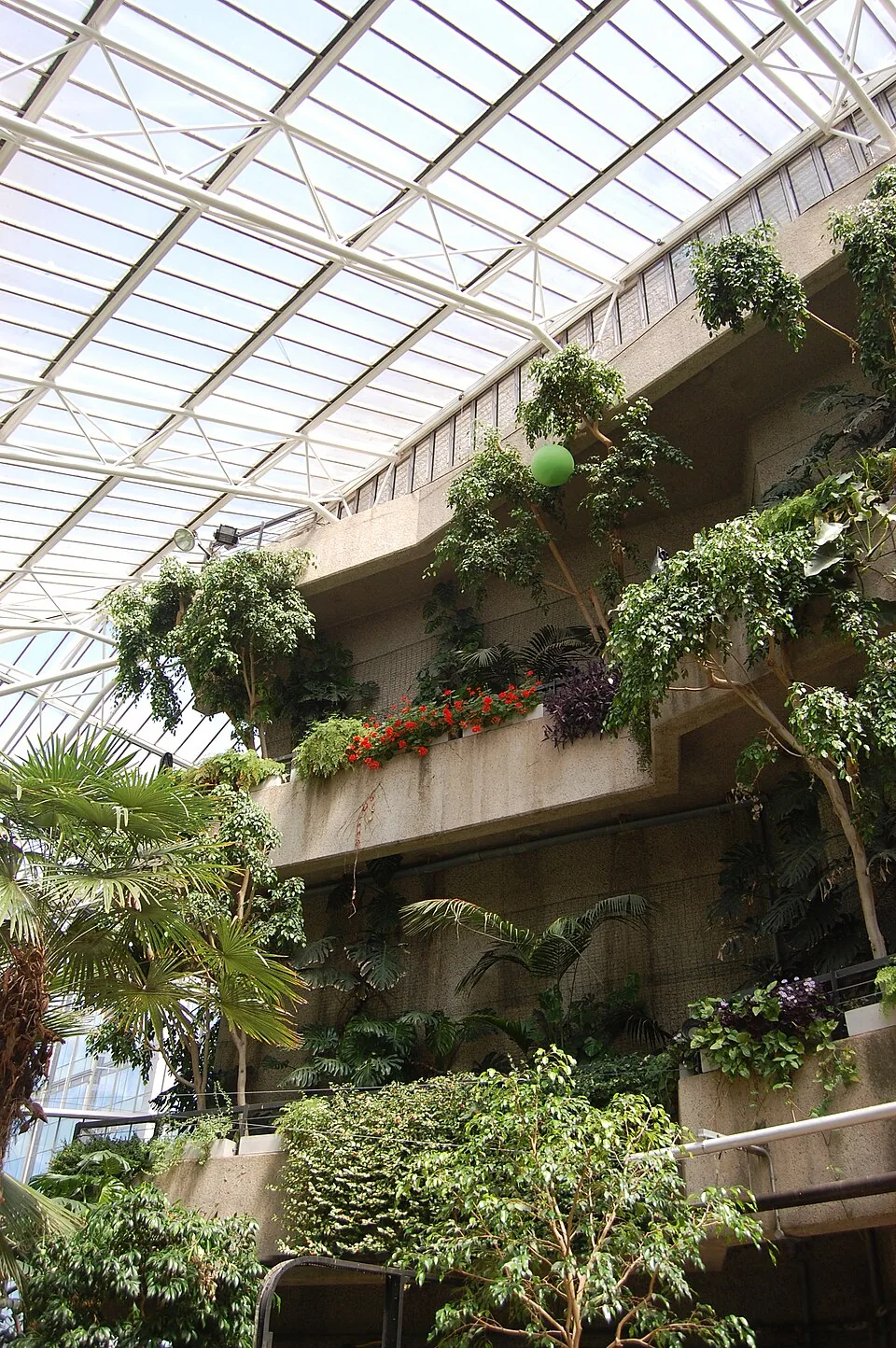
The Barbican Conservatory places dense planting inside the Barbican’s concrete architecture. Planted in 1980–81 and opened in 1984, it connects modernist building design with horticulture, using glass, structure, and a varied collection of plants to create an indoor landscape.
Battersea Power Station
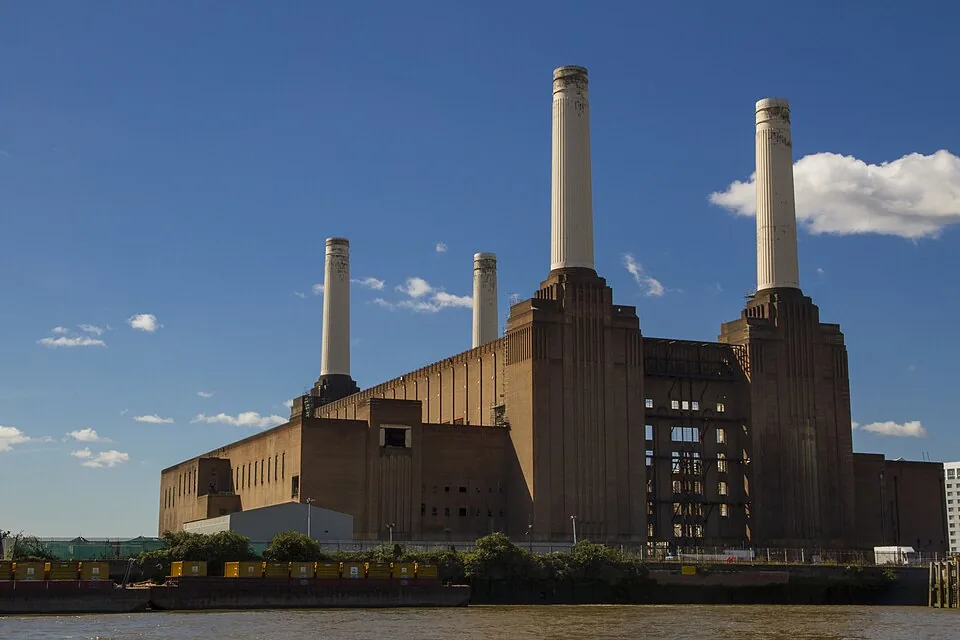
Battersea Power Station’s four chimneys and monumental brick halls preserve the silhouette of London’s electricity age. Closed in 1983, the Grade II* listed station has been adapted as a public destination while retaining its industrial structure.
Big Ben
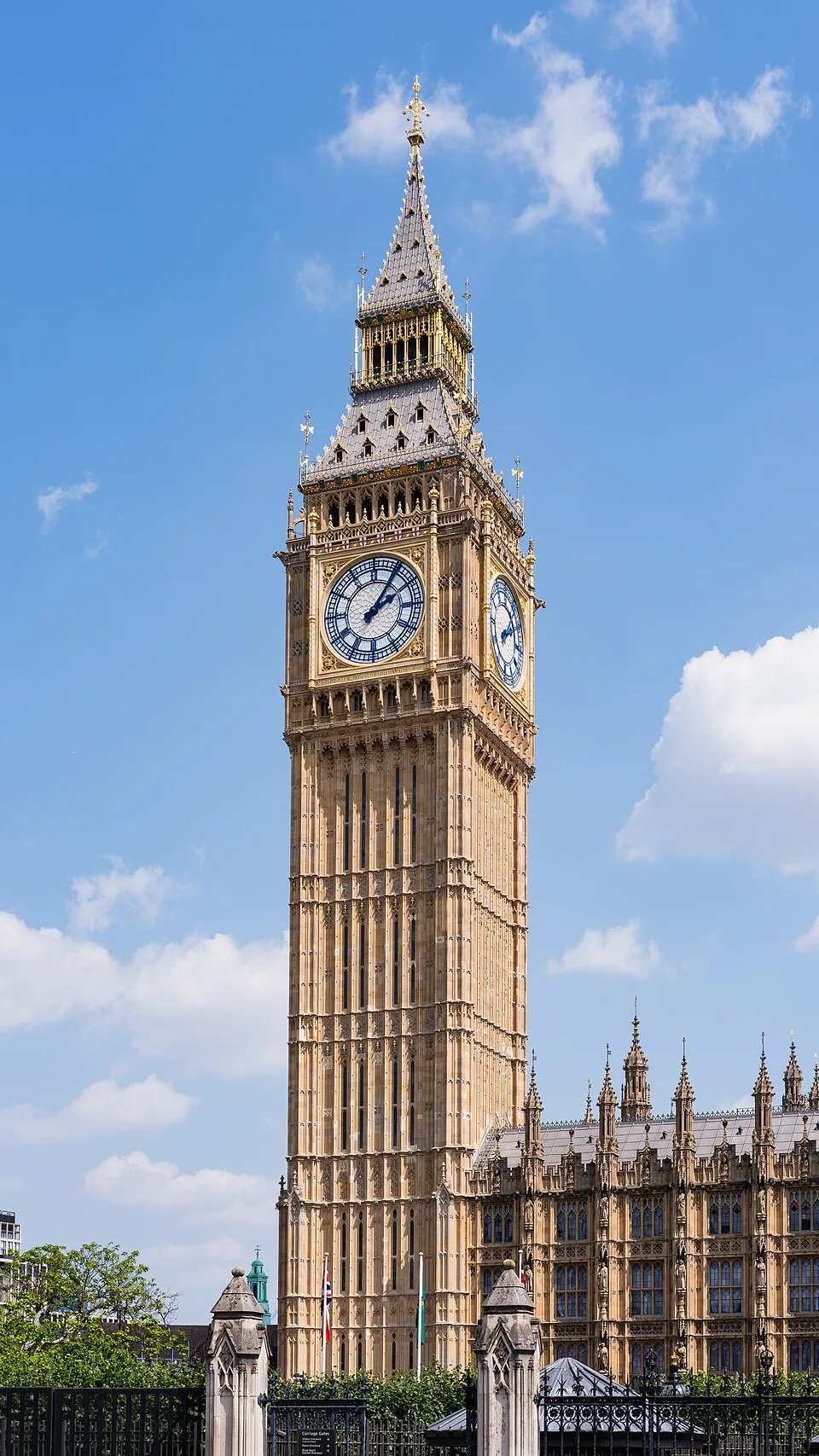
The Elizabeth Tower rises beside the Palace of Westminster, making parliamentary time visible across London. “Big Ben” is the Great Bell inside, not the tower itself. Its four immense dials and Victorian mechanism combine civic ritual with ingenious clock engineering.
Borough Market
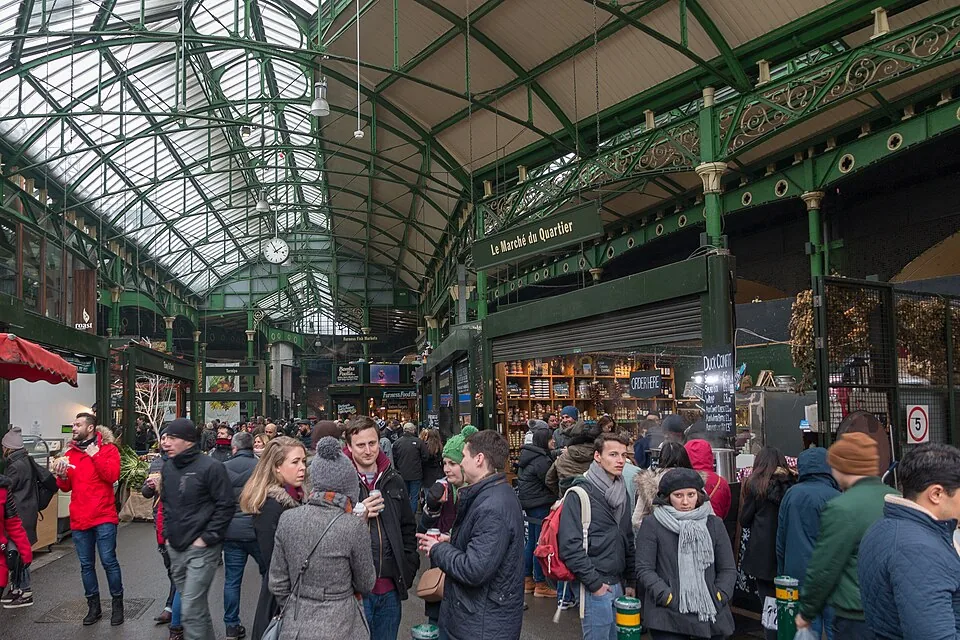
Borough Market’s present lanes sit beside a railway viaduct that helped turn it into a major wholesale hub. A market near London Bridge has roots reaching back about a thousand years; its modern identity reflects changing transport, food supply, and a later shift toward retail trading.