Explore locations
Browse places by name, city, country or category.
All locations
1624 locations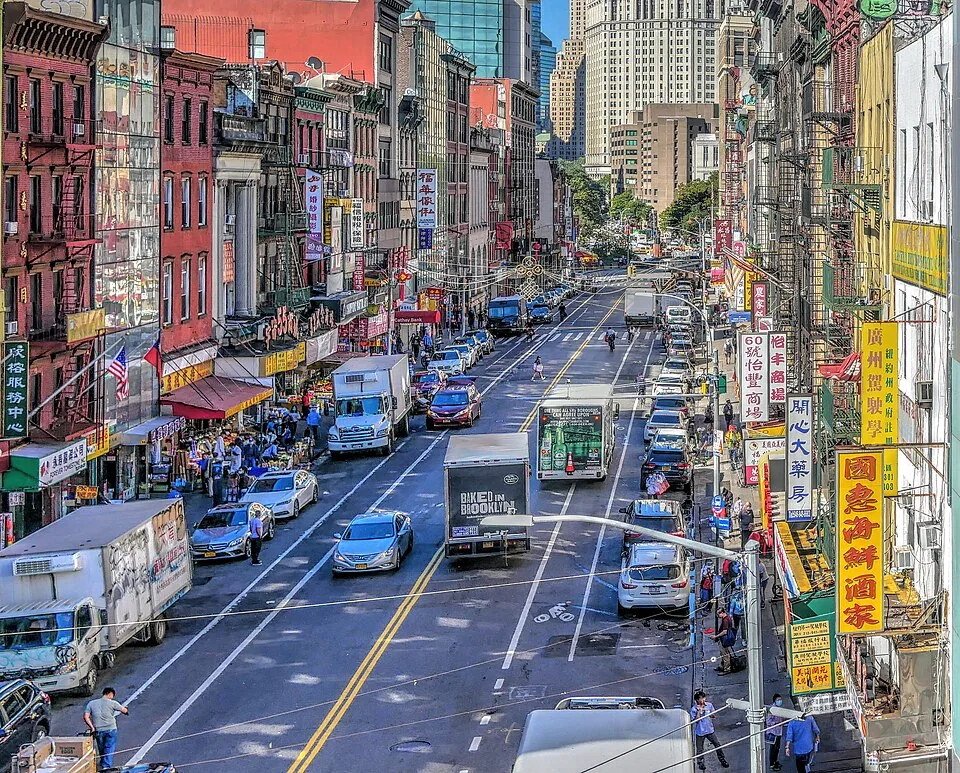
Chinatown
Los Angeles Chinatown grew from community rebuilding after the destruction of Old Chinatown for Union Station. Its present district includes businesses and civic spaces created through Chinese American organizing, offering a story of displacement, adaptation, and cultural continuity.
Chinatown
Singapore’s Chinatown is an original Chinese settlement and a conserved historic district, but its streets also hold temples, mosques, shrines, shops, and homes. Its layered fabric reflects migration and the everyday negotiation of religious and commercial life in a port city.
Chinatown Gate
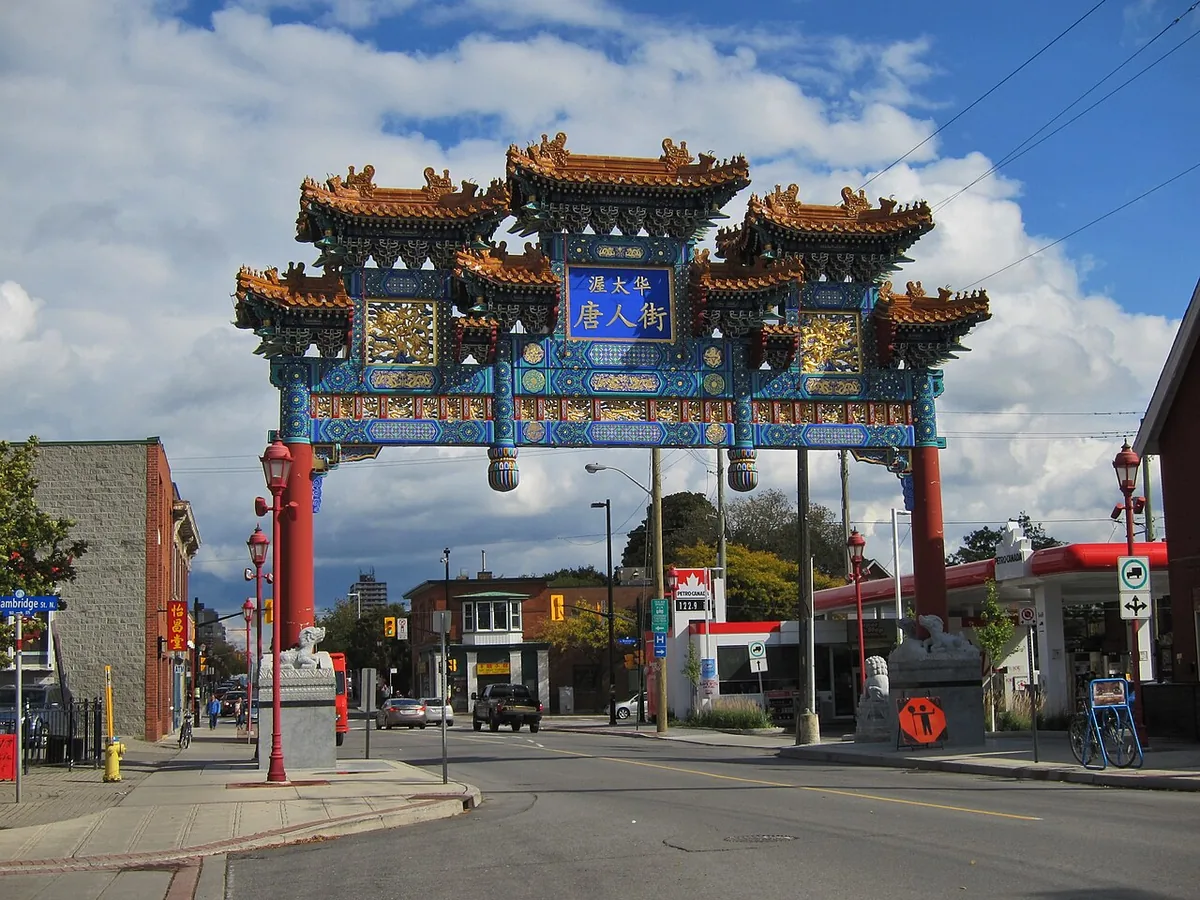
The Chinatown Gate stands at Odeon Circle where Yaowarat Road begins, its red-and-gold arch making a threshold between arterial traffic and the neighborhood’s dense street life. Read it as a modern civic symbol of Thai-Chinese connections, not as an ancient city gate.
Chion-in
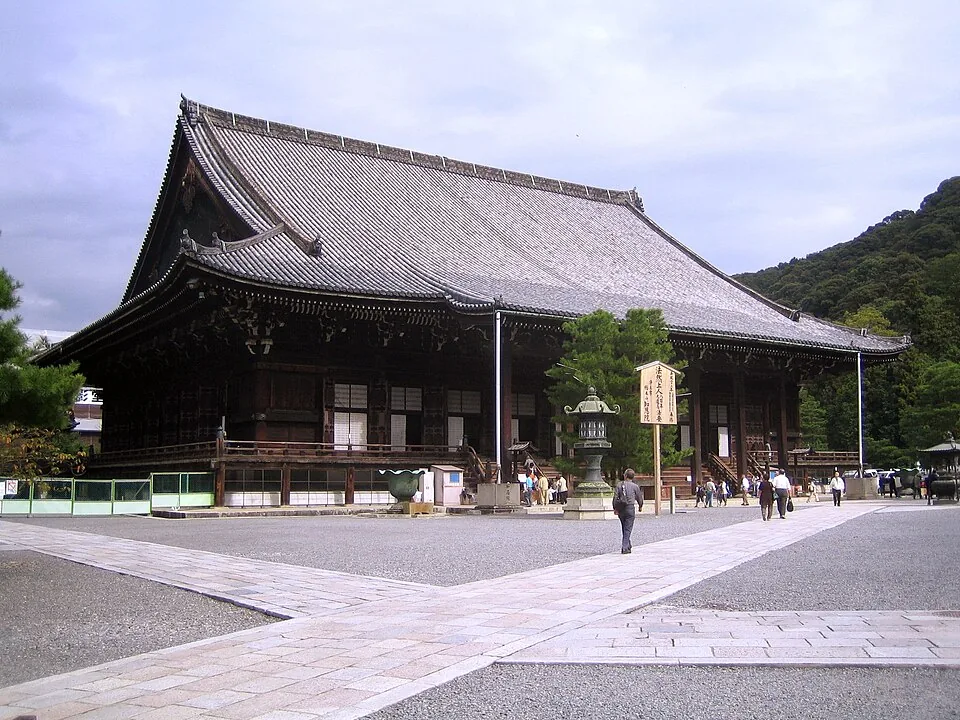
Chion-in’s monumental Sanmon gate frames entry to the head temple of Pure Land Buddhism. Built in 1621, the two-story timber structure is both an architectural landmark and a threshold into grounds associated with teacher Honen.
Chora Mosque
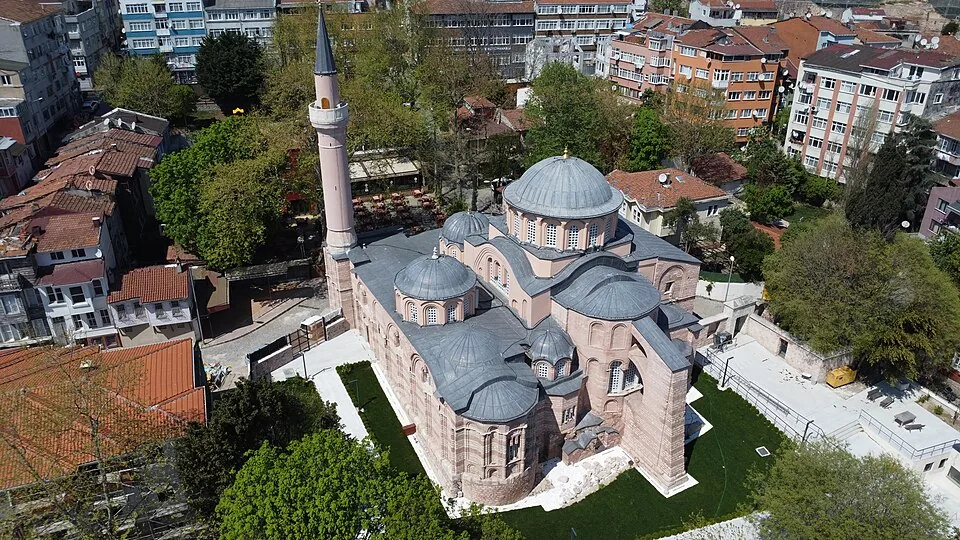
Chora Mosque preserves layers of Byzantine church art and later Ottoman religious use. Its mosaics and frescoes, many dating to 1305–1320, belong to a building that has changed function over centuries; visitors should approach it as an active sacred site with care and respect.
Chueca
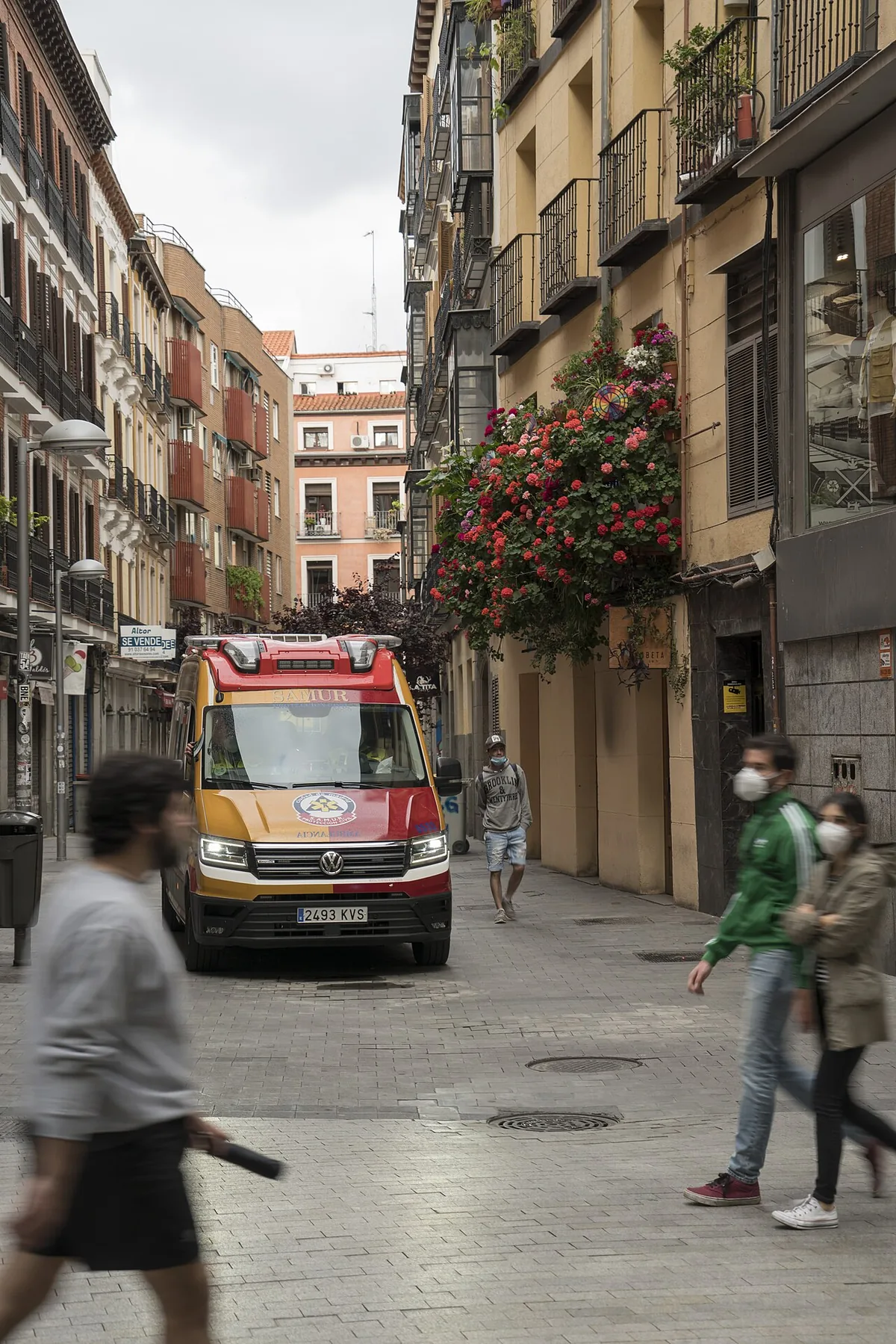
Chueca is a Madrid neighborhood whose identity has been shaped by residents, cultural venues, and public life. Its name comes from composer Federico Chueca; nearby landmarks such as Longoria Palace and the Museum of Romanticism add architectural and historical layers to the district.
Churchill War Rooms
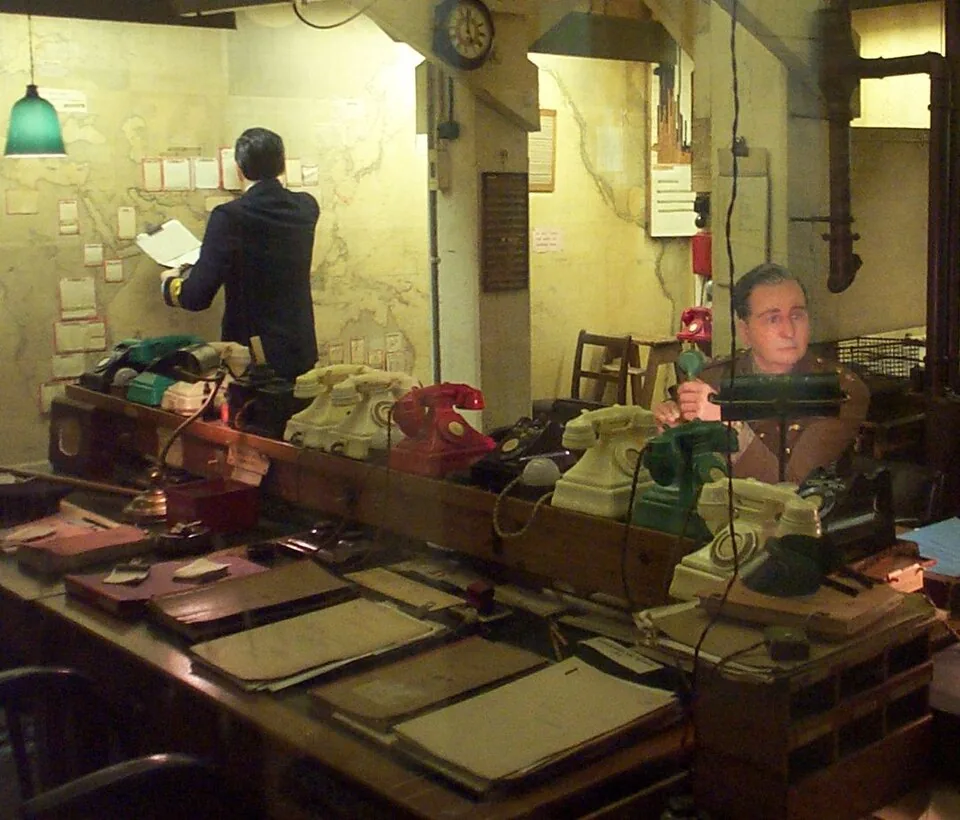
Beneath Westminster’s streets, the Churchill War Rooms preserve the rooms used by Britain’s wartime leadership. The Map Room remains arranged as it was when its lights went out in 1945, making a small underground workspace a tangible record of coordination under pressure.
Church of Saint Mary of the Mongols
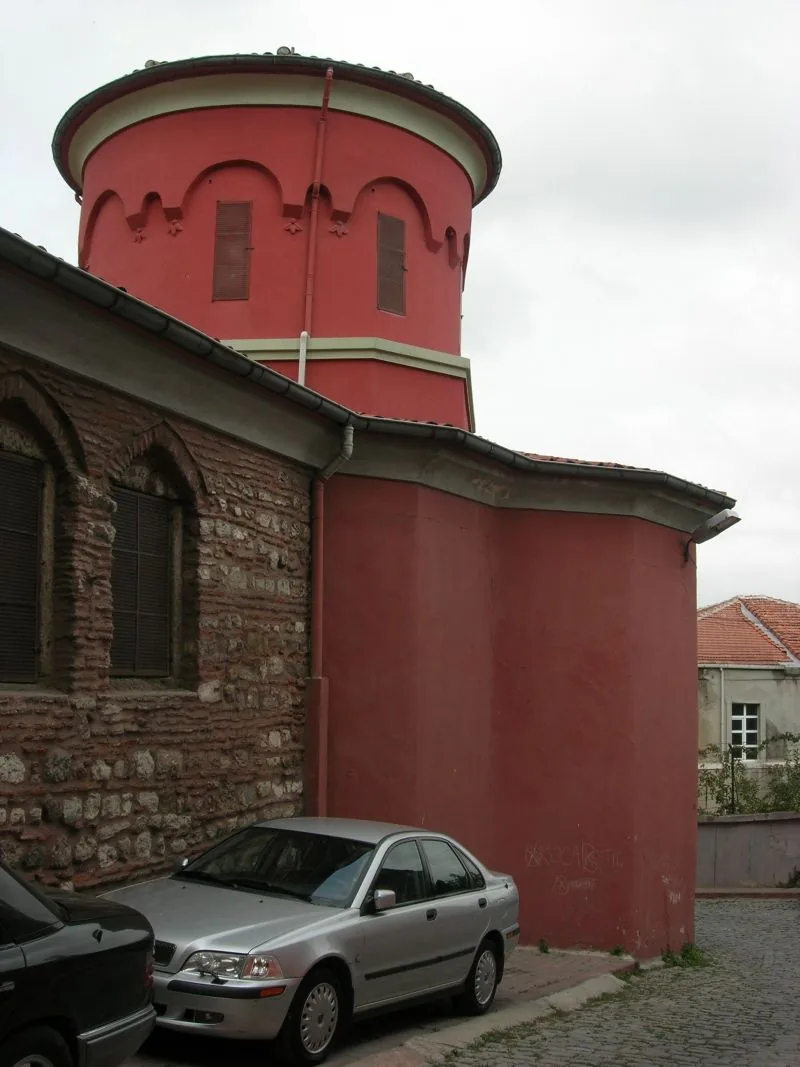
The Church of Saint Mary of the Mongols stands on the steep streets of Istanbul’s Fener-Balat area, close to the Golden Horn. Its name preserves the memory of Maria Palaiologina, a Byzantine princess linked to Mongol diplomacy, while the church continues as an Orthodox place of worship.
Church of St George (Ecumenical Patriarchate)
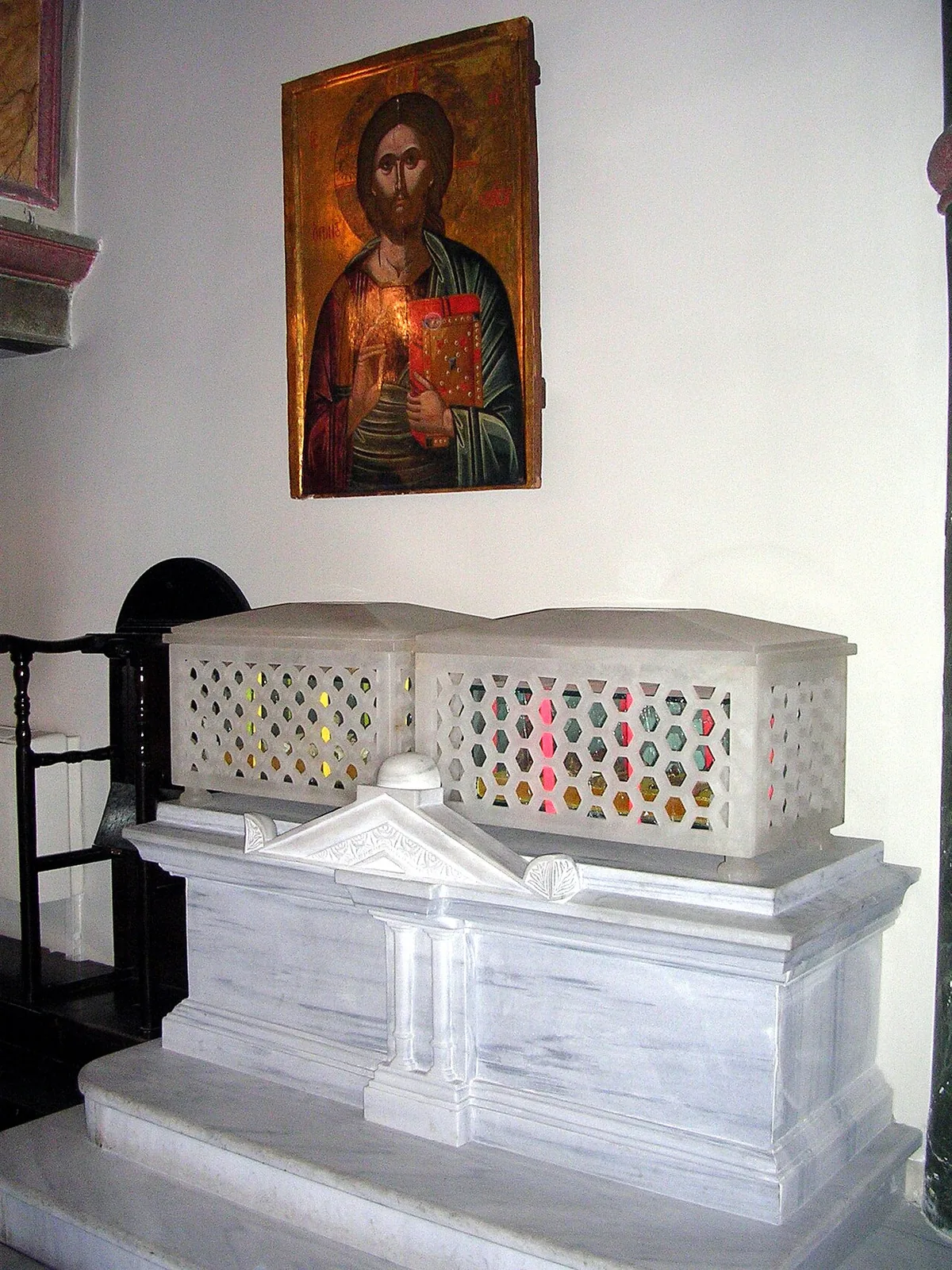
The Church of St George is the cathedral church of the Ecumenical Patriarchate in Istanbul’s Fener quarter. Its modest exterior gives way to a working religious complex whose role is central to Orthodox Christian life, inviting visitors to distinguish the neighborhood setting from its wider ecclesia
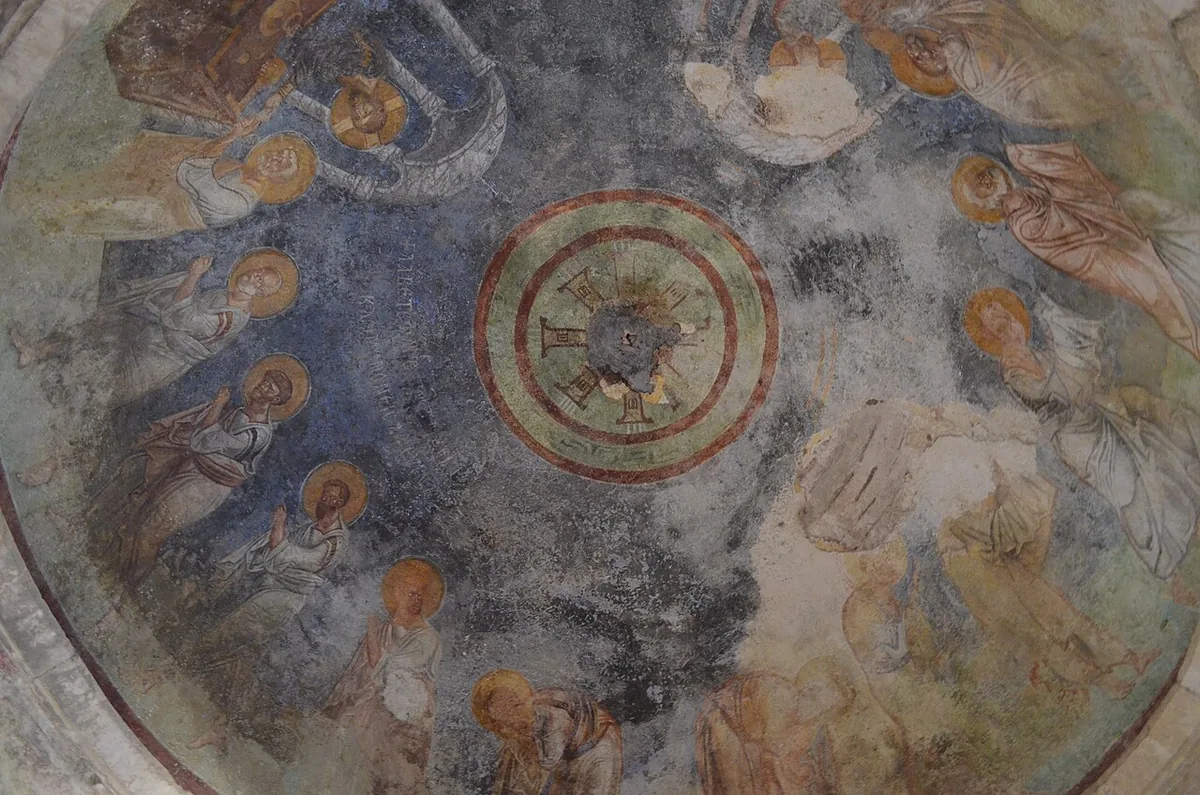
Church of St Nicholas (Demre)
The church preserves centuries of devotion to Nicholas, bishop of ancient Myra. Its mosaics, stonework, and later architectural layers make the building a place where religious memory and the history of Demre meet without reducing the site to a single legend.
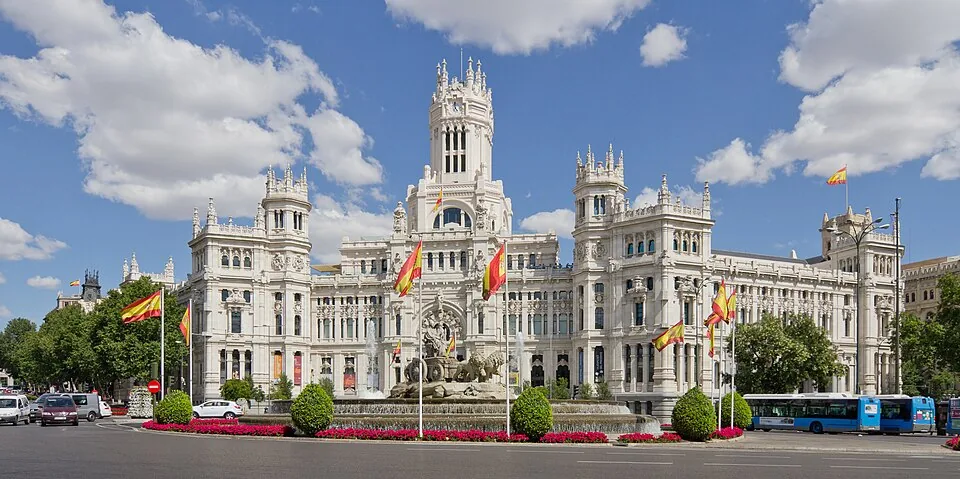
Cibeles Palace
The ornate Cibeles Palace began as a communications headquarters, built to manage the expanding postal and telegraph networks of modern Madrid. Its monumental façade gives infrastructure a palace-like presence, while its later civic role reflects the building’s changing relationship with the city.
Čiekurkalns Gallery Under the Bridge
Patiltes galerija is an open-air street-art project on bridge supports in Riga’s Čiekurkalns neighbourhood, bringing works by several artists into an everyday urban transport landscape.
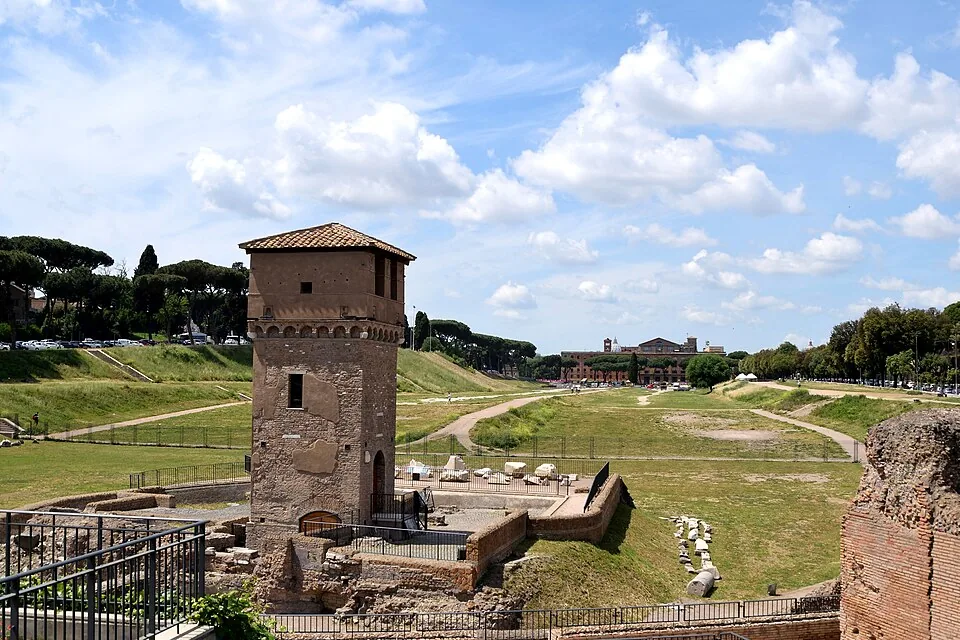
Circus Maximus
This long valley between the Palatine and Aventine once held the largest performance venue in ancient Rome. Circus Maximus hosted chariot races, triumphal processions, and civic events; today its open scale lets visitors trace the shape of that spectacle.
City Canal
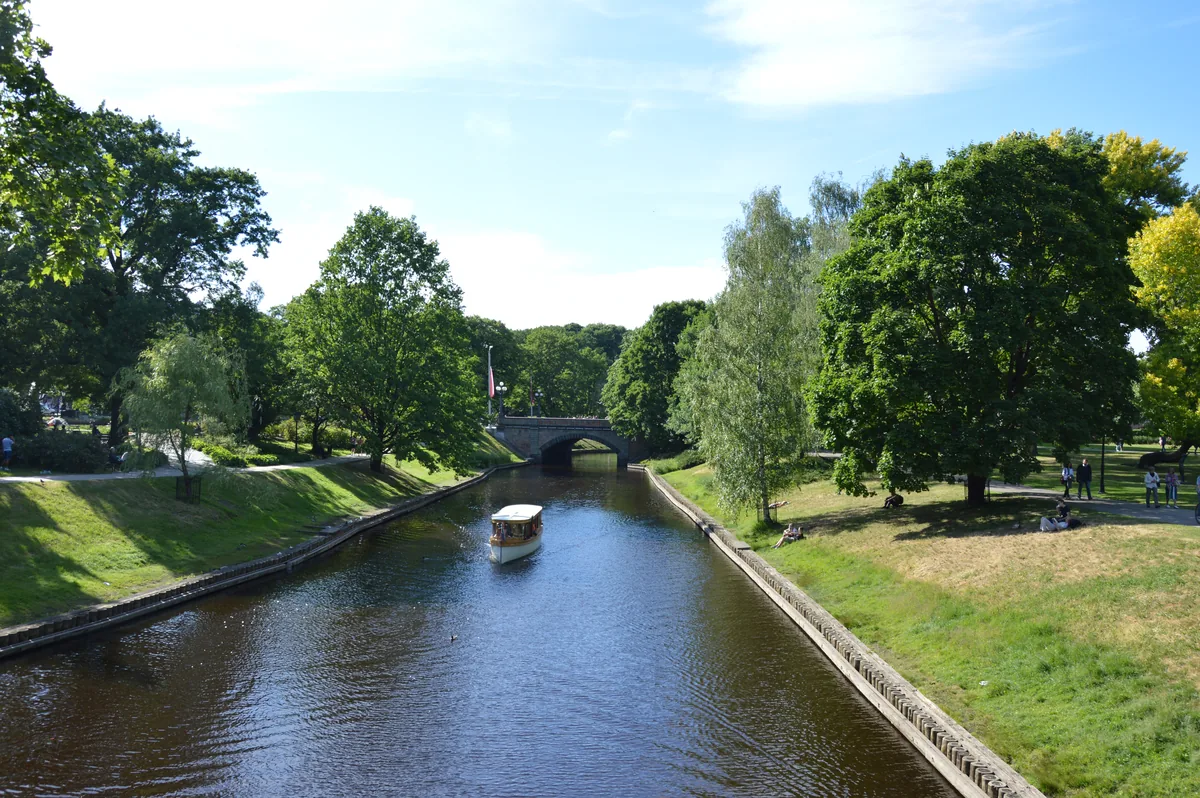
Riga’s City Canal follows part of the former defensive moat around the Old Town, linking the Daugava to a chain of bridges, planted banks and public spaces.
City Walk
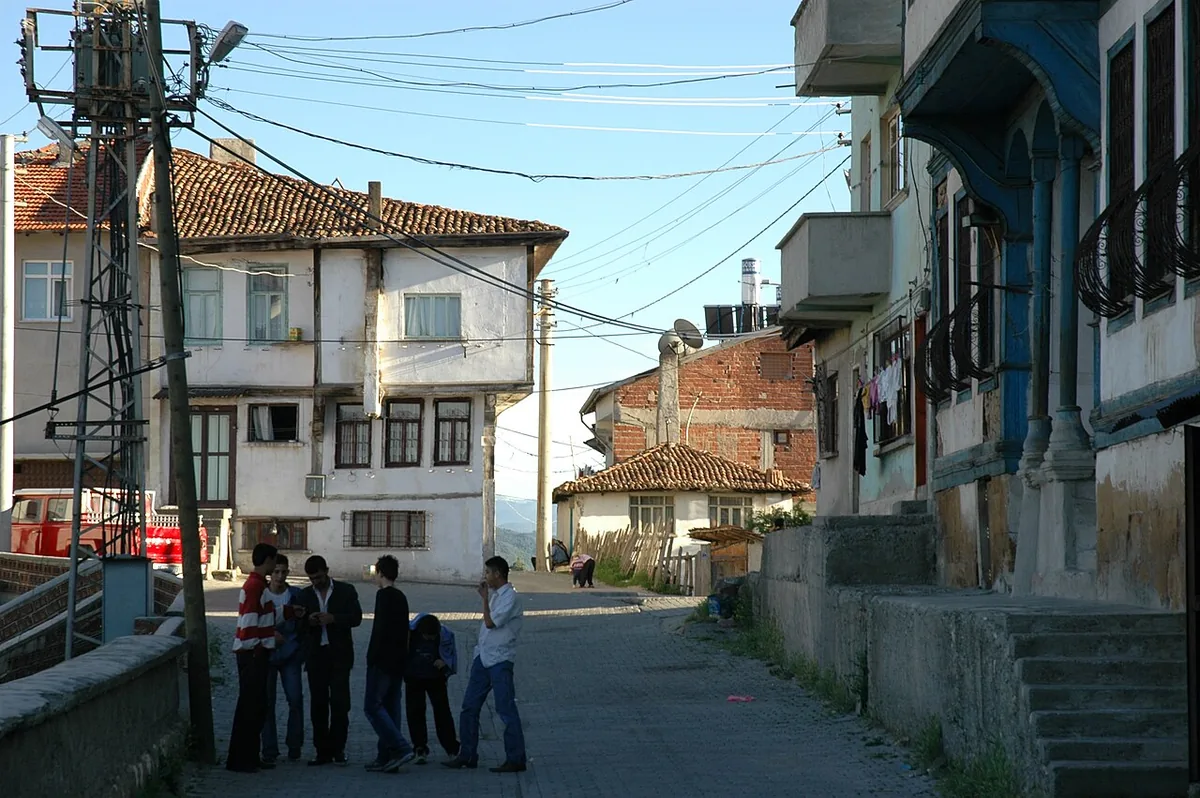
City Walk is a contemporary open-air retail and leisure district in central Dubai. Its streets combine shops, cafés, residences and public art, borrowing the scale of an urban neighbourhood while remaining a deliberately designed destination for strolling and meeting.
Ciutadella Park
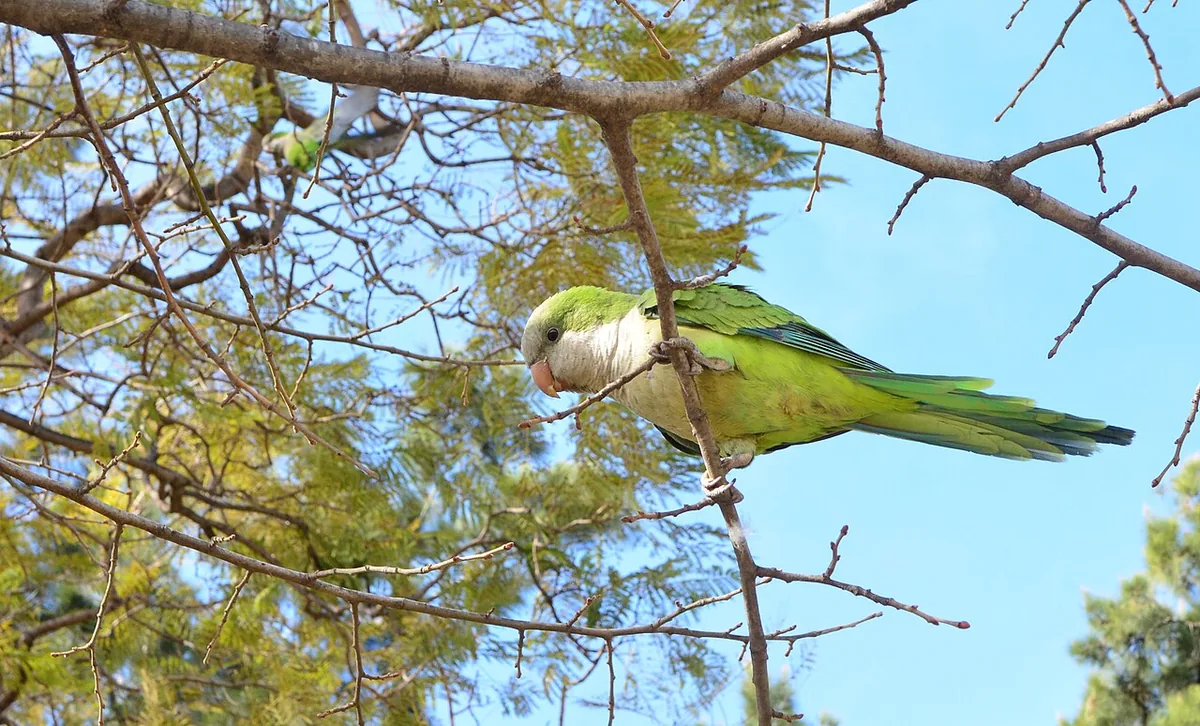
Ciutadella Park occupies ground once used for a military citadel built after Barcelona’s defeat in 1714. Its conversion into a public park in the nineteenth century changed the site’s meaning, while exhibition buildings and a monumental waterfall preserve traces of its later civic life.
Clarke Quay
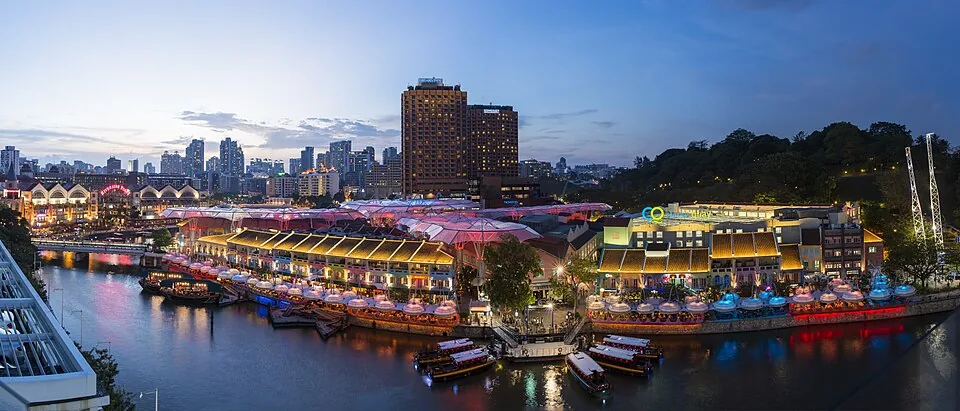
Clarke Quay’s riverside warehouses and shophouses recall the Singapore River’s trading era, even as adaptive reuse has changed how the buildings are occupied. Look for sheltered upper-floor verandahs and the varied brickwork that distinguish this conserved cluster.
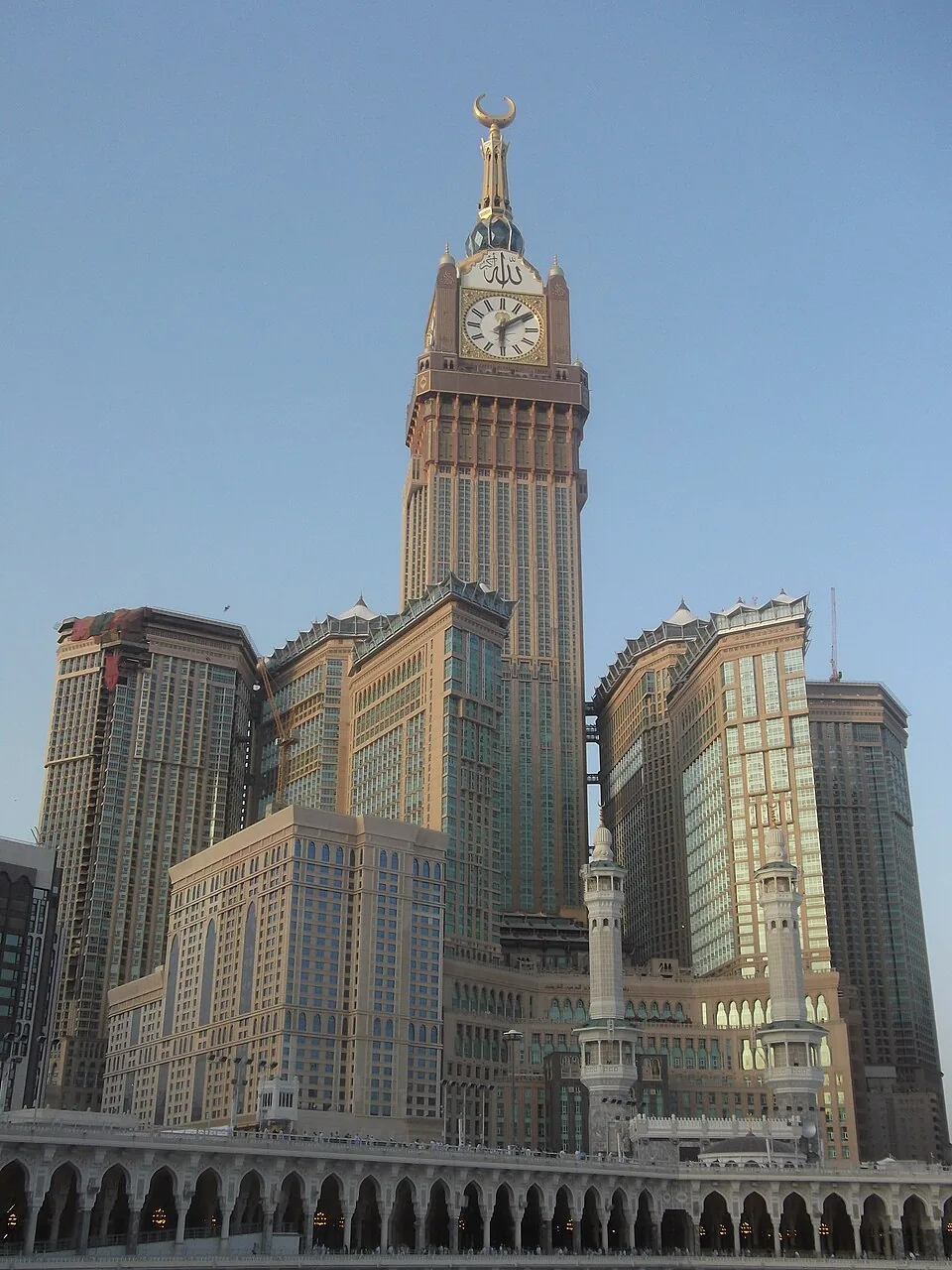
Clock Tower Museum
The Clock Tower Museum interprets timekeeping, astronomy and the engineering of the Makkah Royal Clock. Its position high in the tower links scientific displays to the immense clock mechanism outside and to the city’s long relationship with time and prayer.
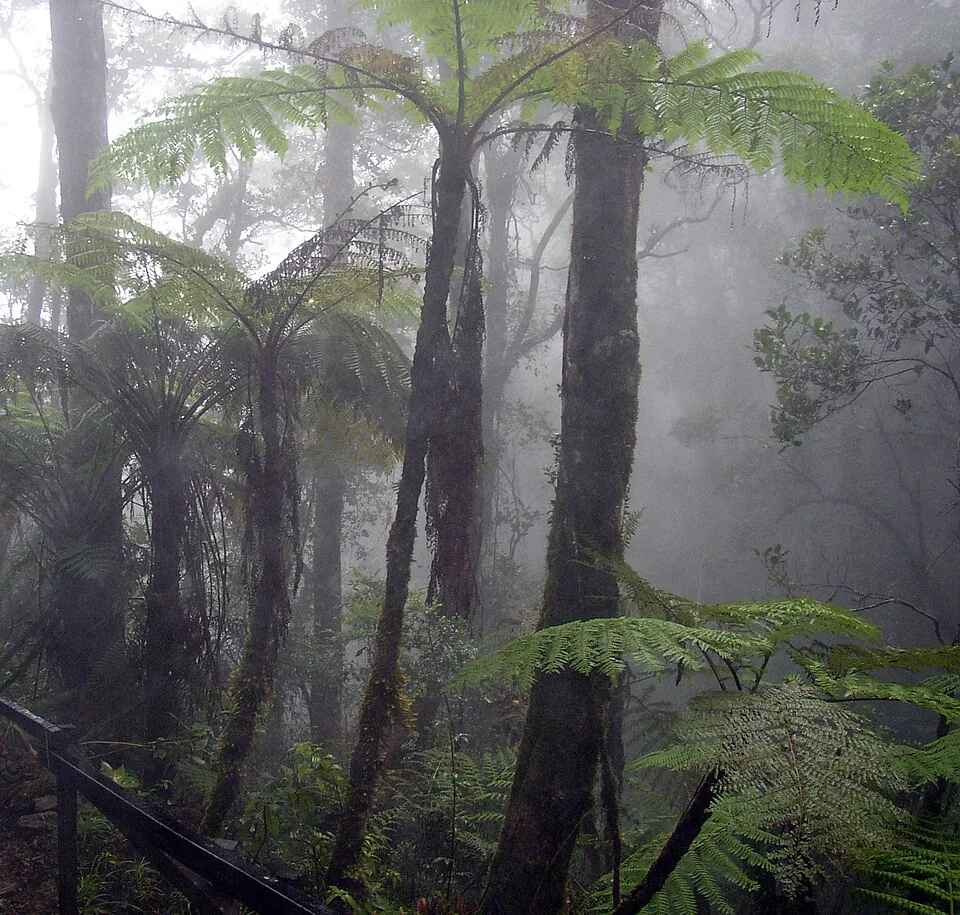
Cloud Forest
Inside Cloud Forest, a tall indoor waterfall sends mist through a mountain landscape of ferns, mosses and unusual plants. The conservatory recreates the cool, moist conditions of tropical highlands beneath Singapore’s warm city climate.
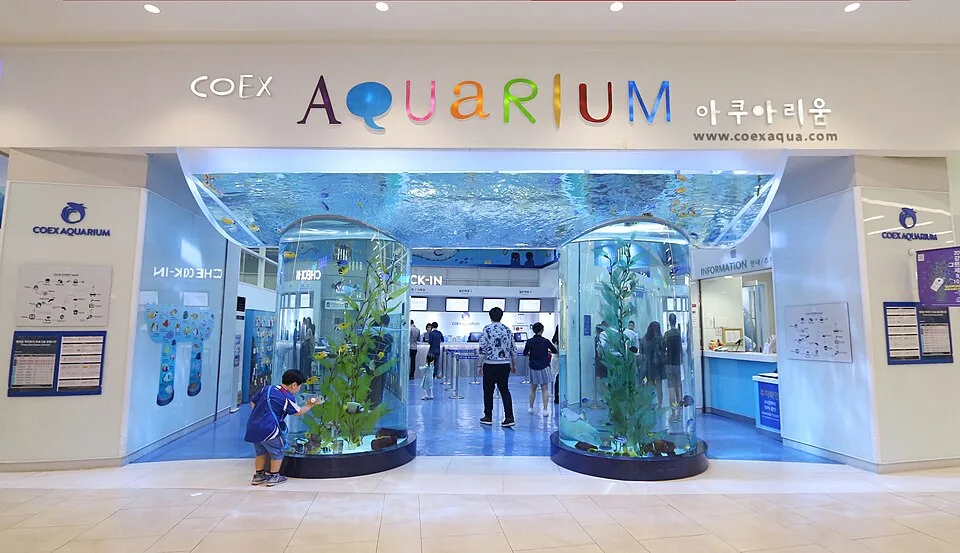
COEX Aquarium
COEX Aquarium turns a route through interconnected tanks into a journey across aquatic habitats. Its design encourages comparison between environments, making the visit about relationships among marine life and water systems as much as individual animals.
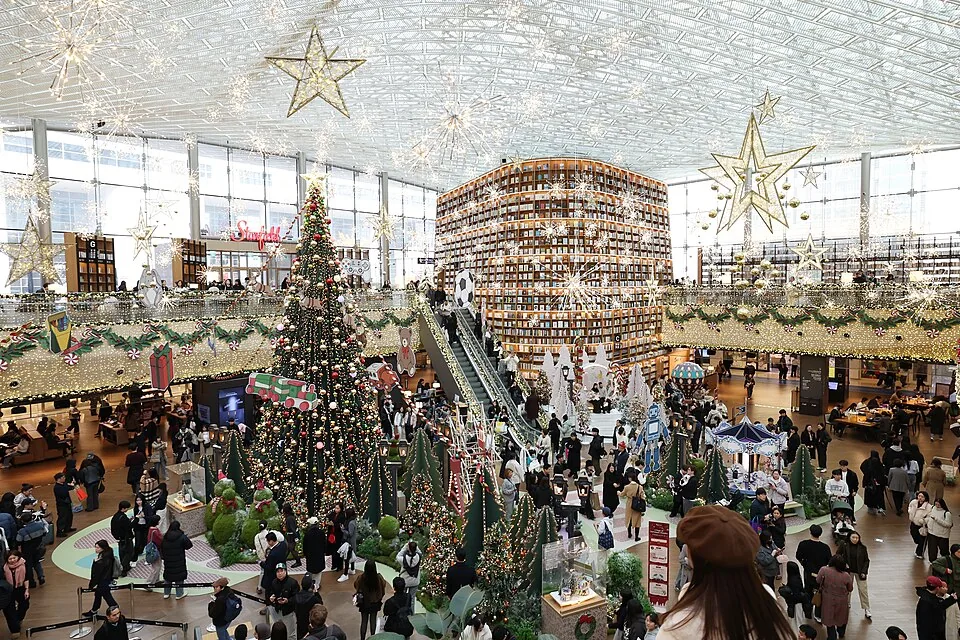
COEX Mall
COEX Mall places retail, dining and cultural spaces beneath Seoul’s convention district. Starfield Library’s towering shelves in the central atrium have become a public interior landmark within this expansive underground complex.
Coffee Hanyakbang
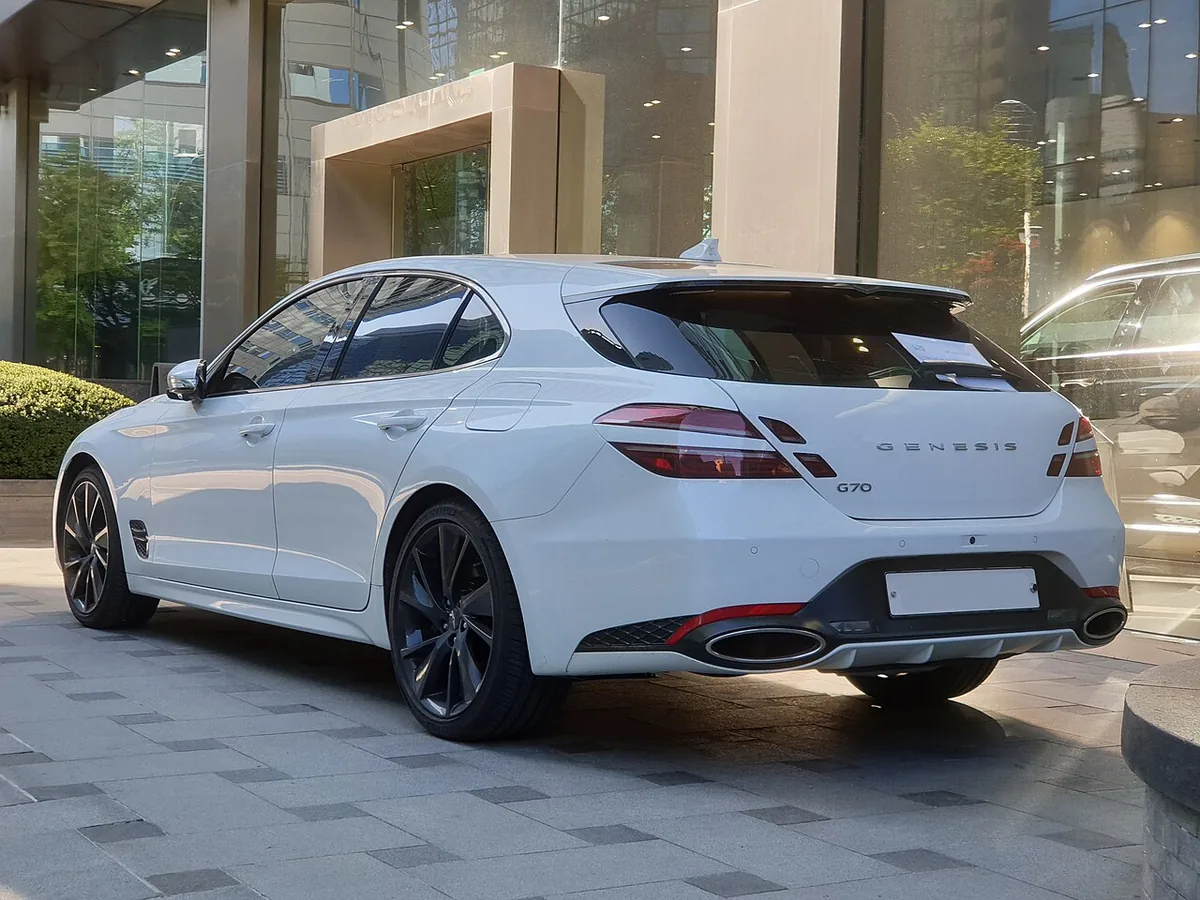
Coffee Hanyakbang occupies a narrow Euljiro alley in a space styled with Korean antiques and materials. Its name and setting recall Hye Min Seo, a Joseon-era public medical institution associated with physician Heo Jun.
Coloane Trail
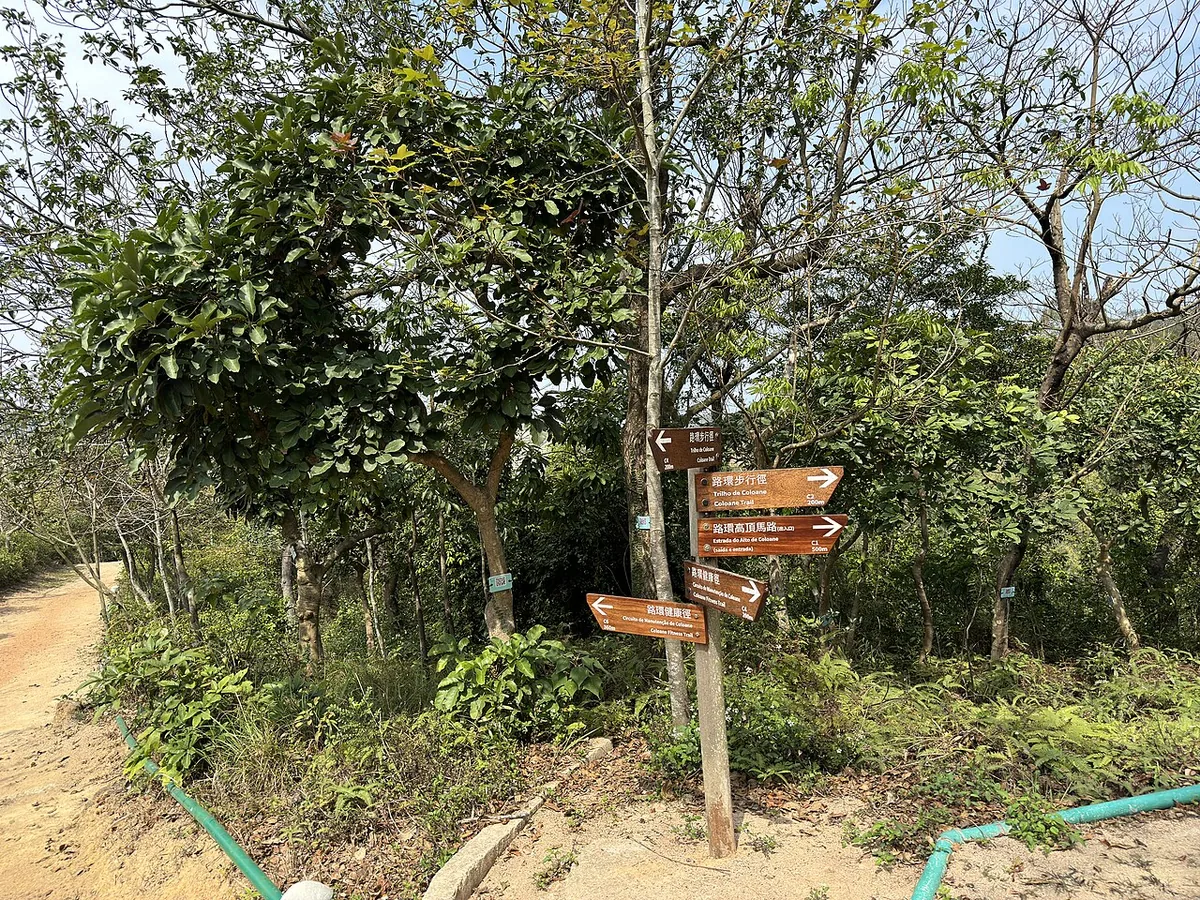
Coloane Trail crosses the island’s wooded high ground, linking forested slopes, viewpoints and nearby cultural landmarks. It offers a way to encounter Macao beyond its urban core, through replanted woodland and coastal scenery shaped by public conservation and access.
Coloane Village
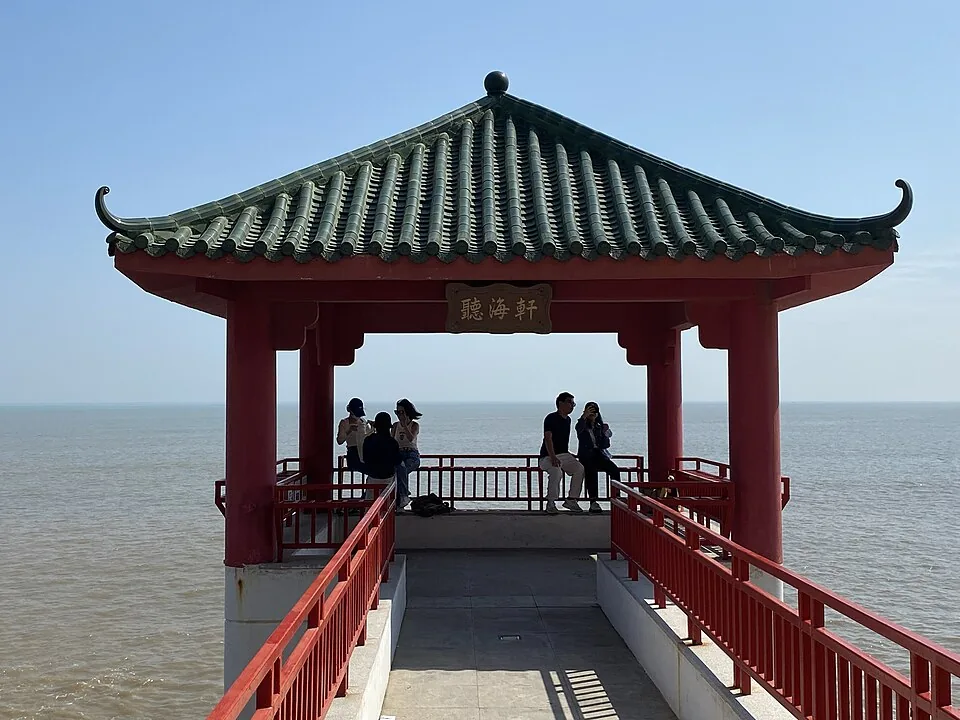
Coloane Village gathers low-rise streets, a waterfront, temples, and a chapel within Macao’s southern island landscape. Its lanes retain a close relationship with the shore and local community life, making a slow walk more revealing than a single viewpoint.