Explore locations
Browse places by name, city, country or category.
All locations
1495 locations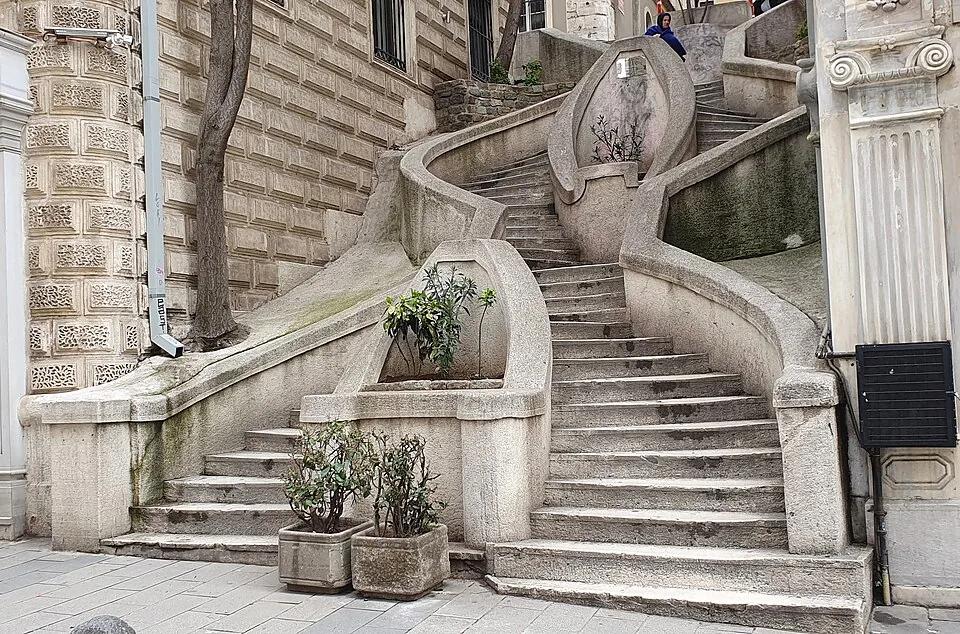
Camondo Stairs
The Camondo Stairs curve between Karaköy and Galata, turning a steep urban climb into an elegant public passage. Commissioned by the Camondo family in the nineteenth century, they connect streets in a district shaped by commerce and finance.
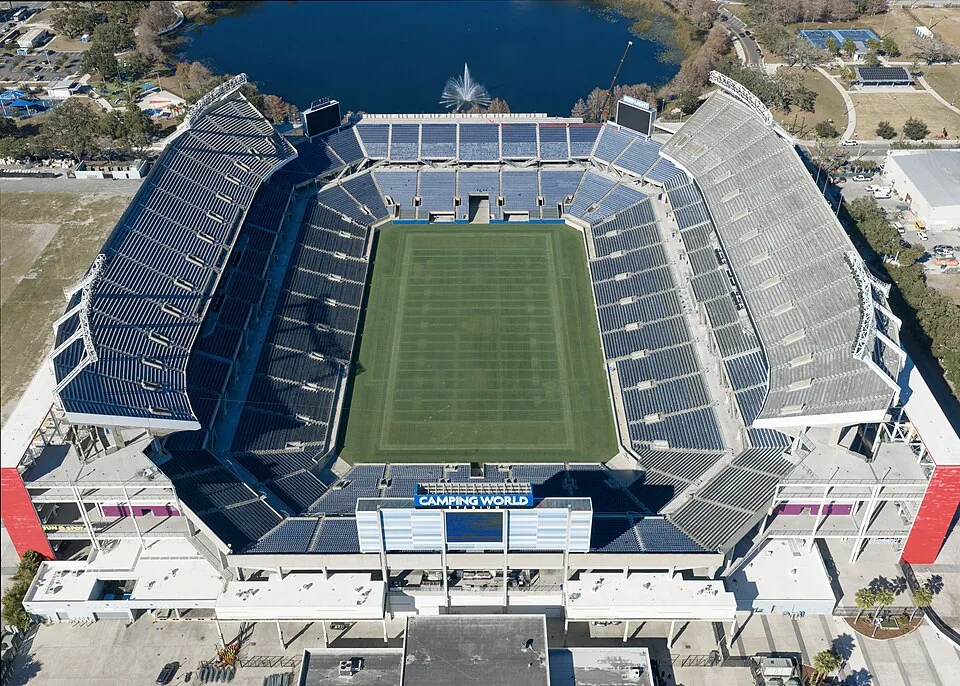
Camping World Stadium
Camping World Stadium has hosted generations of football games, bowls, concerts, and other events since its construction as a public works project. Its changing names and expansions mirror the growth of Orlando’s sports-entertainment identity.
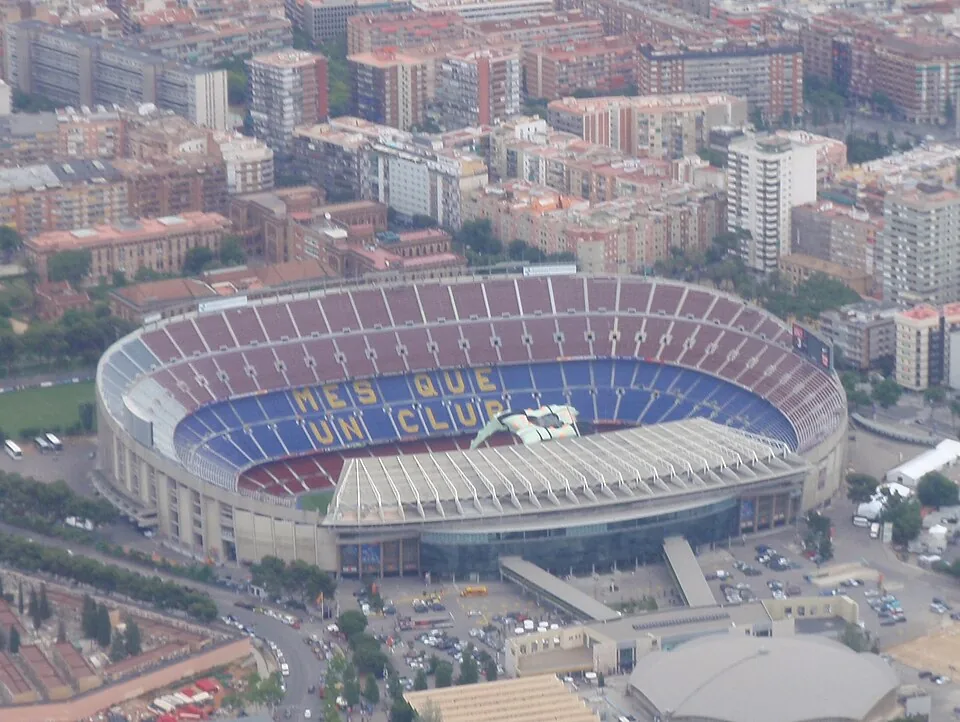
Camp Nou
Camp Nou opened in 1957 as FC Barcelona’s new home, replacing the smaller Les Corts ground. Its expansion reflected the club’s growing audience, while its current redevelopment continues the stadium’s long history of adaptation.
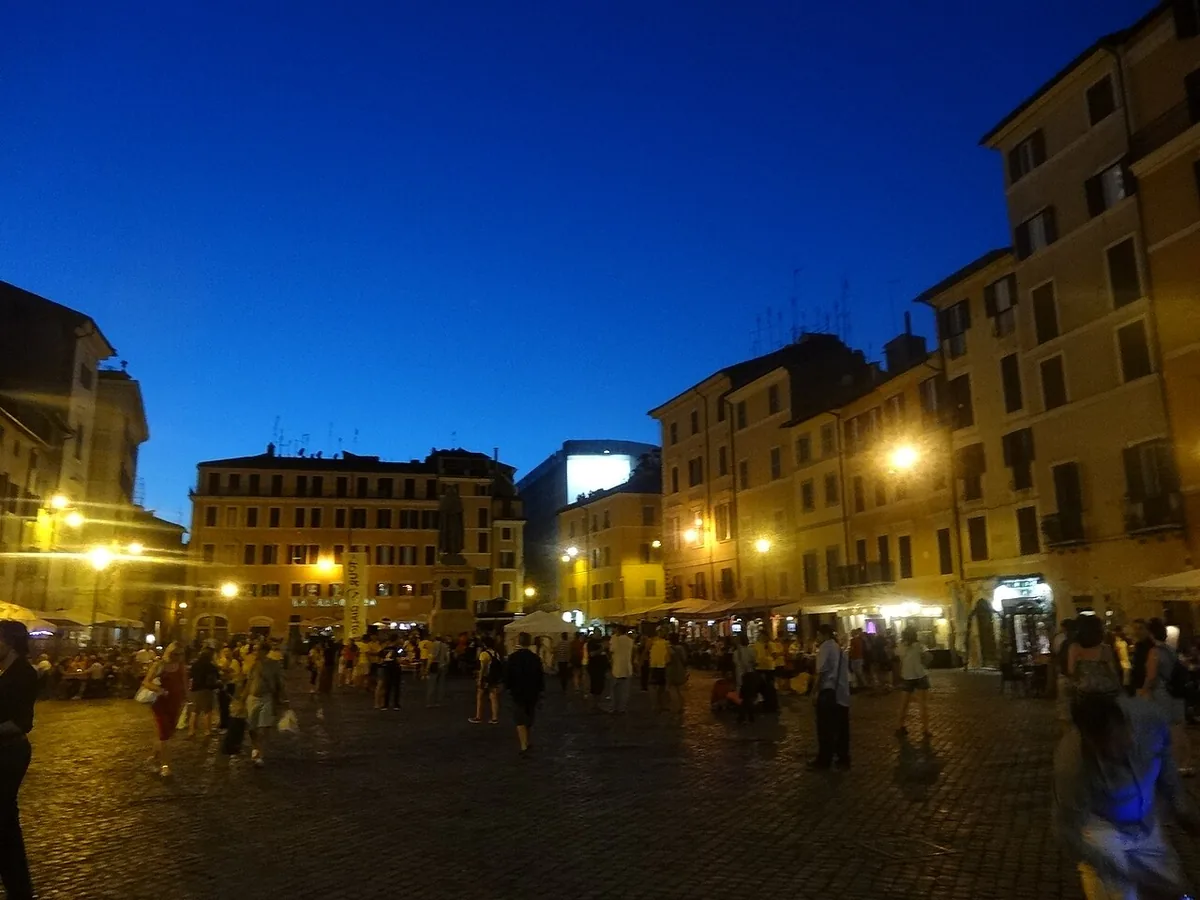
Campo de’ Fiori
Campo de’ Fiori shifts from a morning market to a lively open square. Its name recalls a former field, while its history as a commercial crossroads and the monument to Giordano Bruno give the piazza a more complex story.
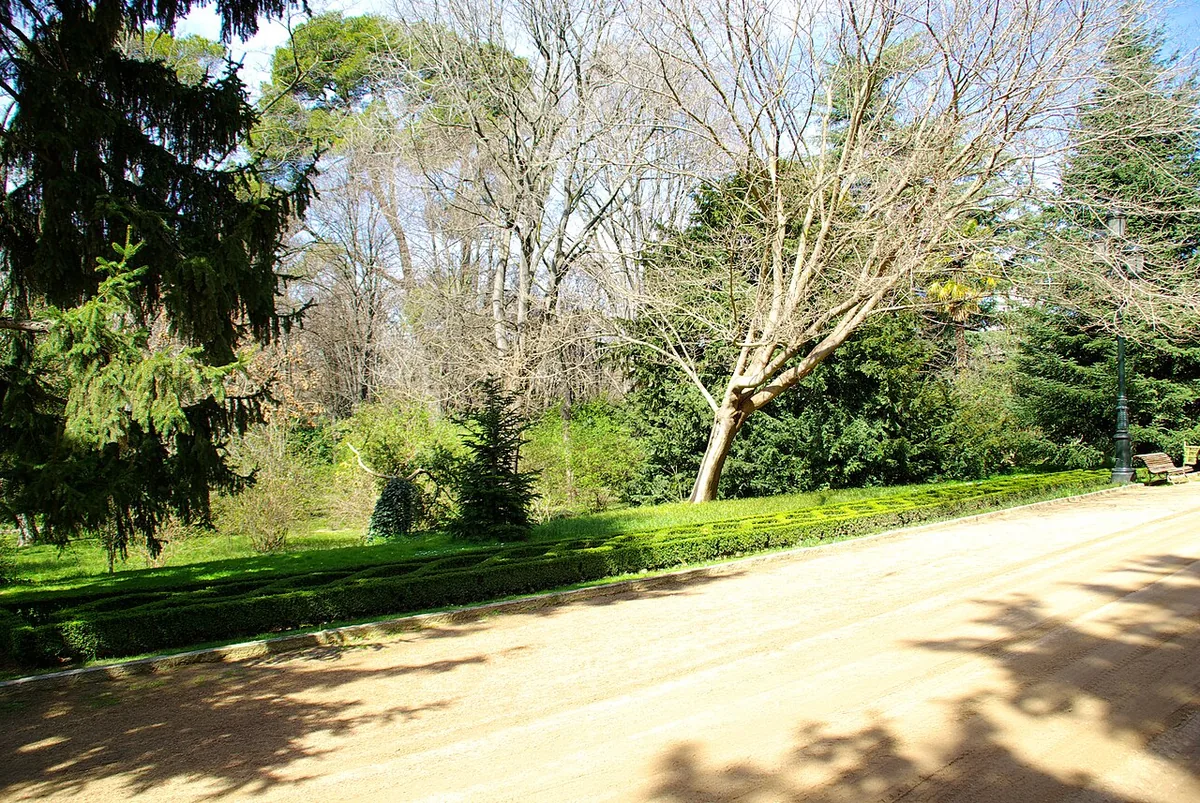
Campo del Moro Gardens
Campo del Moro’s broad landscape garden rises toward the Royal Palace, offering a softer counterpart to the geometric Sabatini Gardens. Its name recalls a medieval encampment tradition, while the garden visitors see was shaped centuries later under nineteenth-century royal patronage.
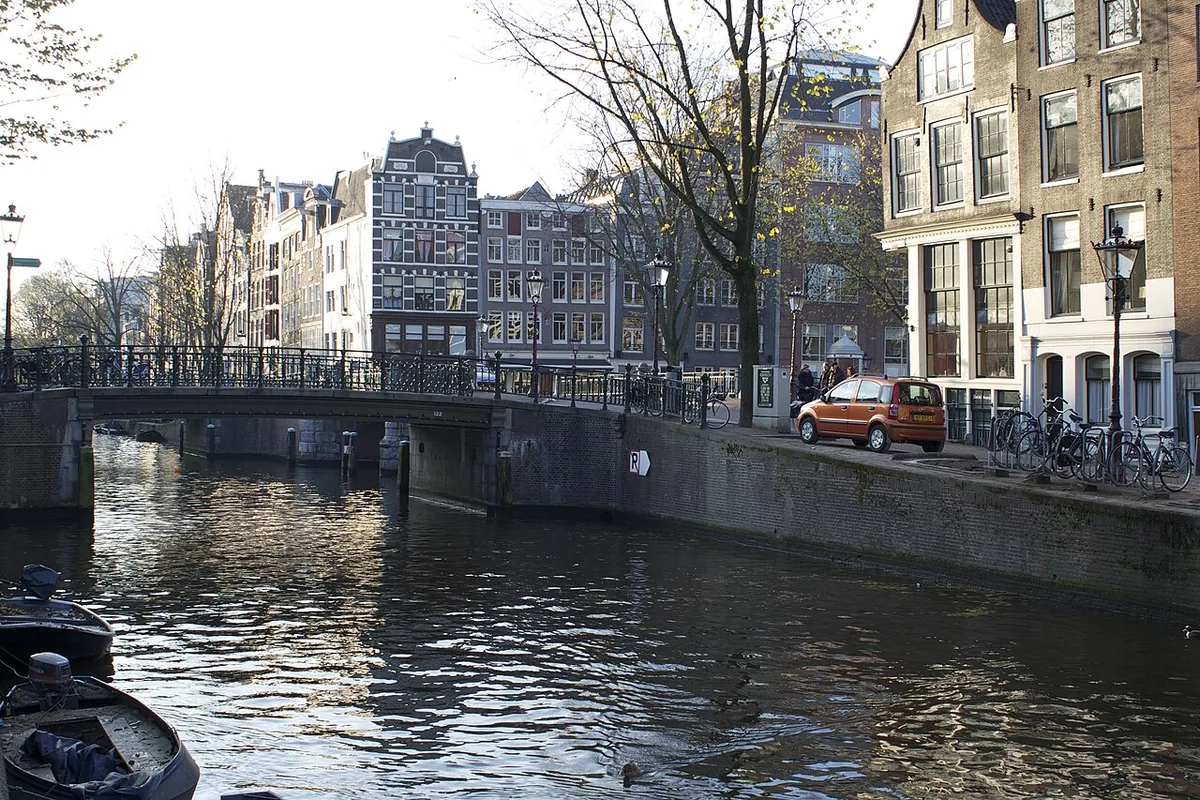
Canal Ring (Grachtengordel)
The Grachtengordel is a planned seventeenth-century expansion whose concentric waterways still shape the city. From the street, compare the canal’s curve, regular plots, bridges, and gabled façades as parts of one urban design.
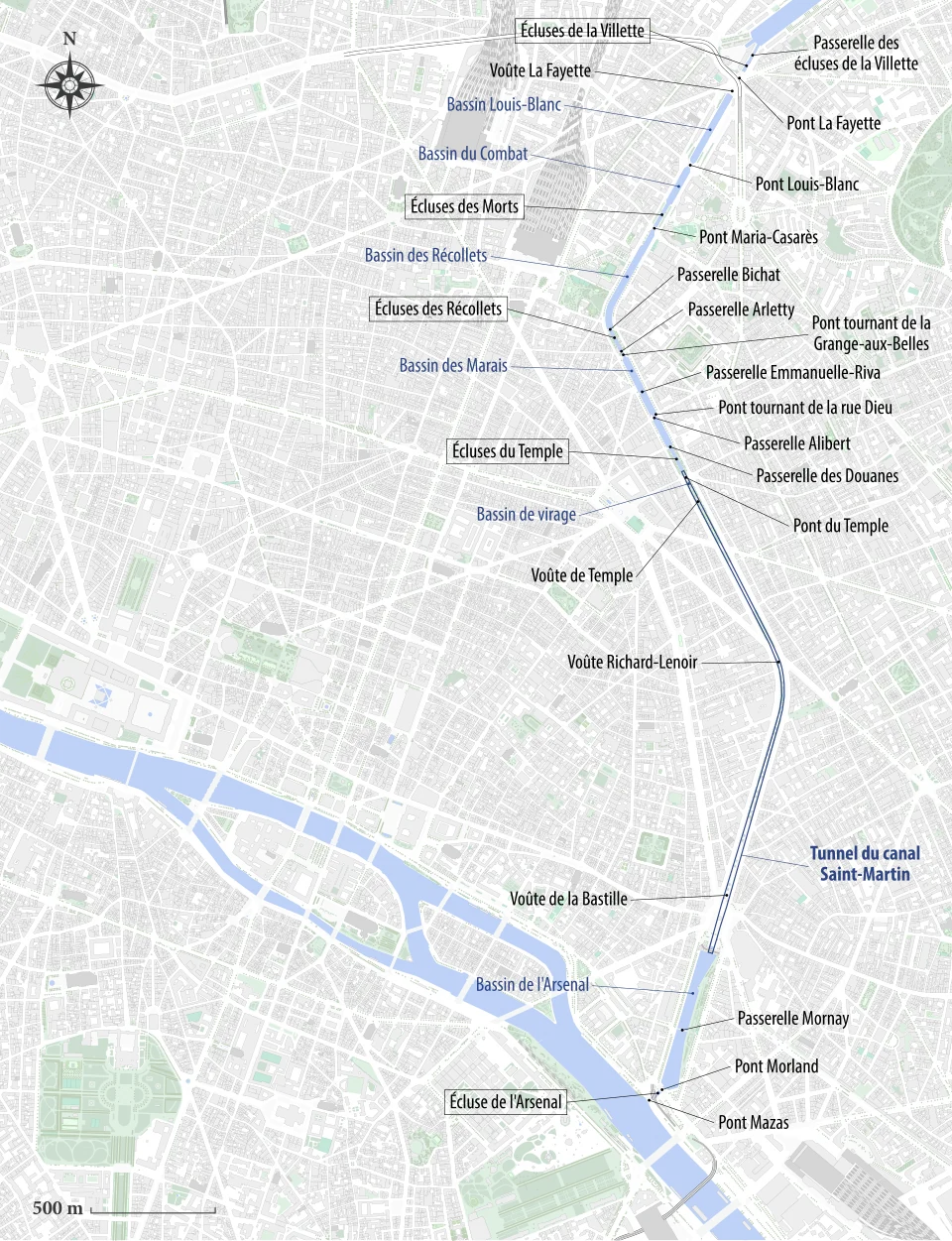
Canal Saint-Martin
Cast-iron footbridges and working locks punctuate this canal’s route through northeastern Paris. Built to improve water supply and navigation, Canal Saint-Martin nearly became an urban expressway in the 1960s, but public opposition helped preserve the waterway.
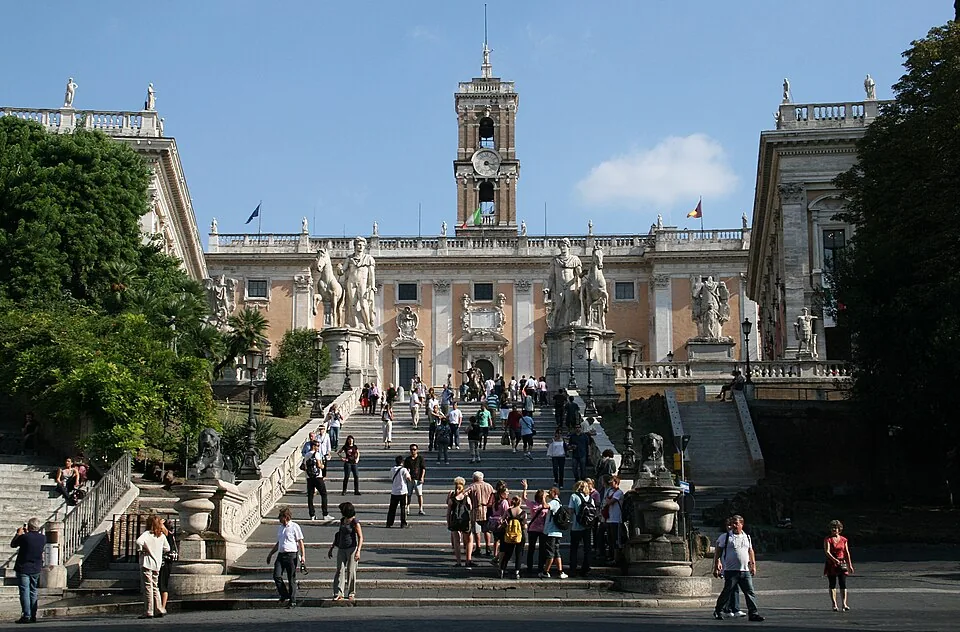
Capitoline Museums
The Capitoline Museums occupy two palaces facing Piazza del Campidoglio, placing ancient sculpture and painting inside Michelangelo’s civic setting. Their origin lies in a public gift: Pope Sixtus IV transferred bronze statues to the people of Rome in 1471.
Capuchin Crypt
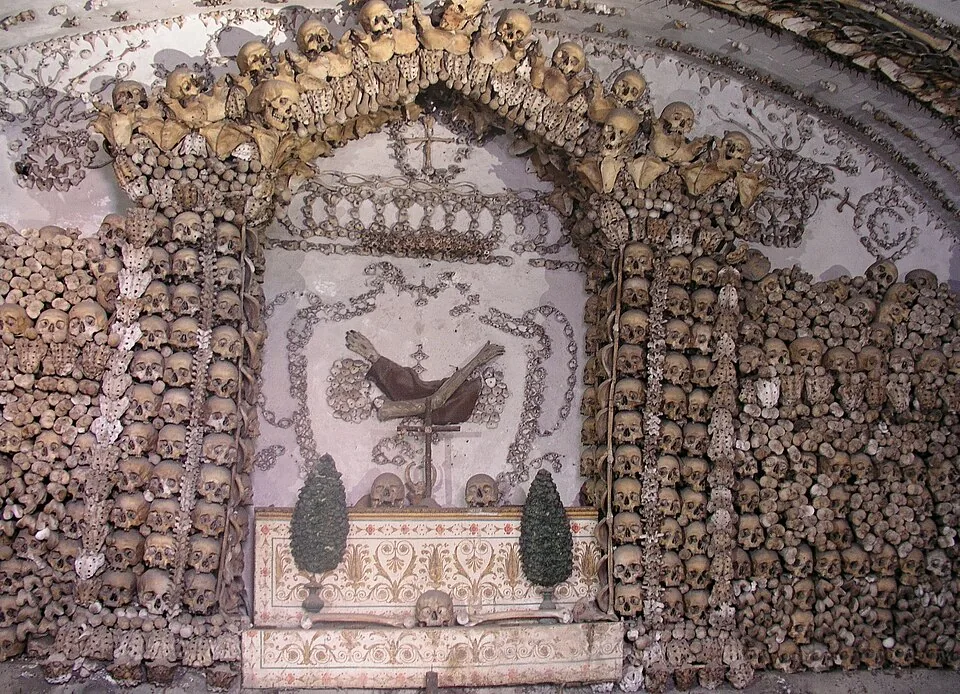
The Capuchin Crypt beneath Santa Maria della Concezione is an eighteenth-century burial space decorated with bones of Capuchin friars. Its arrangement makes mortality visible within a functioning religious complex and reflects a tradition of remembrance rather than spectacle.
Carnegie Hall
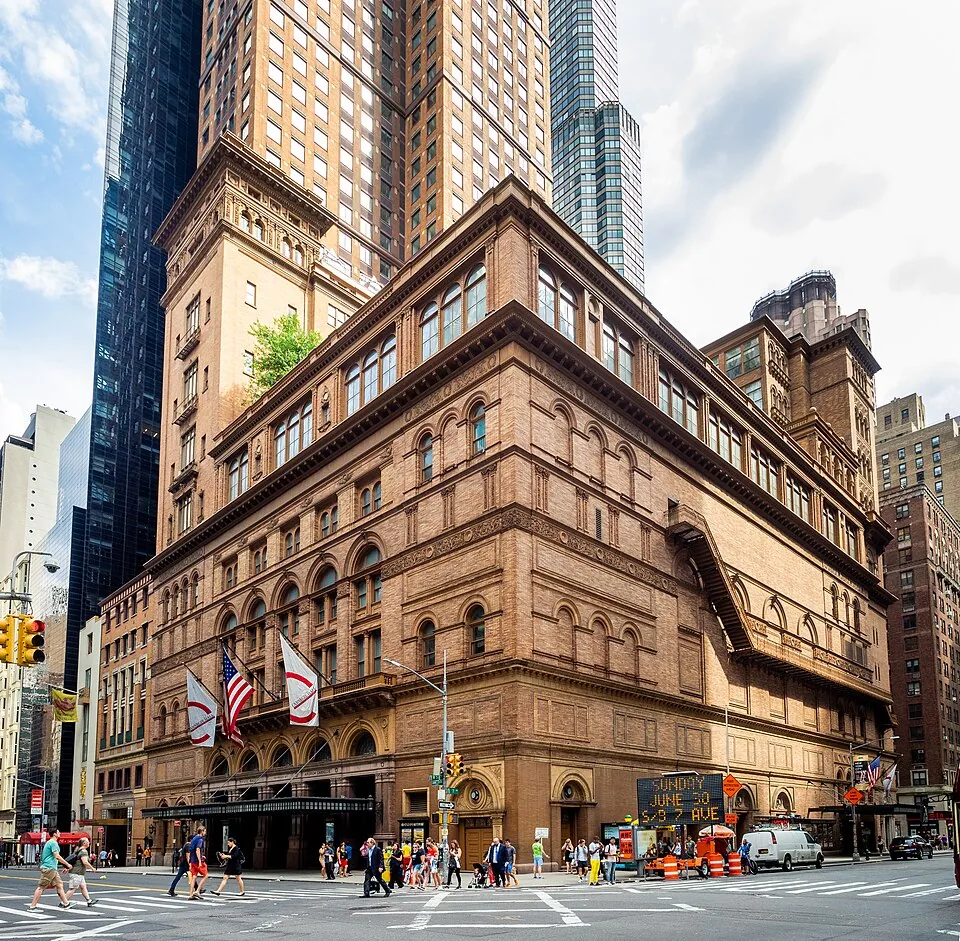
Carnegie Hall’s ornate brick and terra-cotta façade fronts one of the world’s best-known concert venues. Since its 1891 opening, the hall has drawn audiences to hear leading musicians, while its architecture and acoustics remain central to its identity.
Carretera de les Aigües Viewpoint
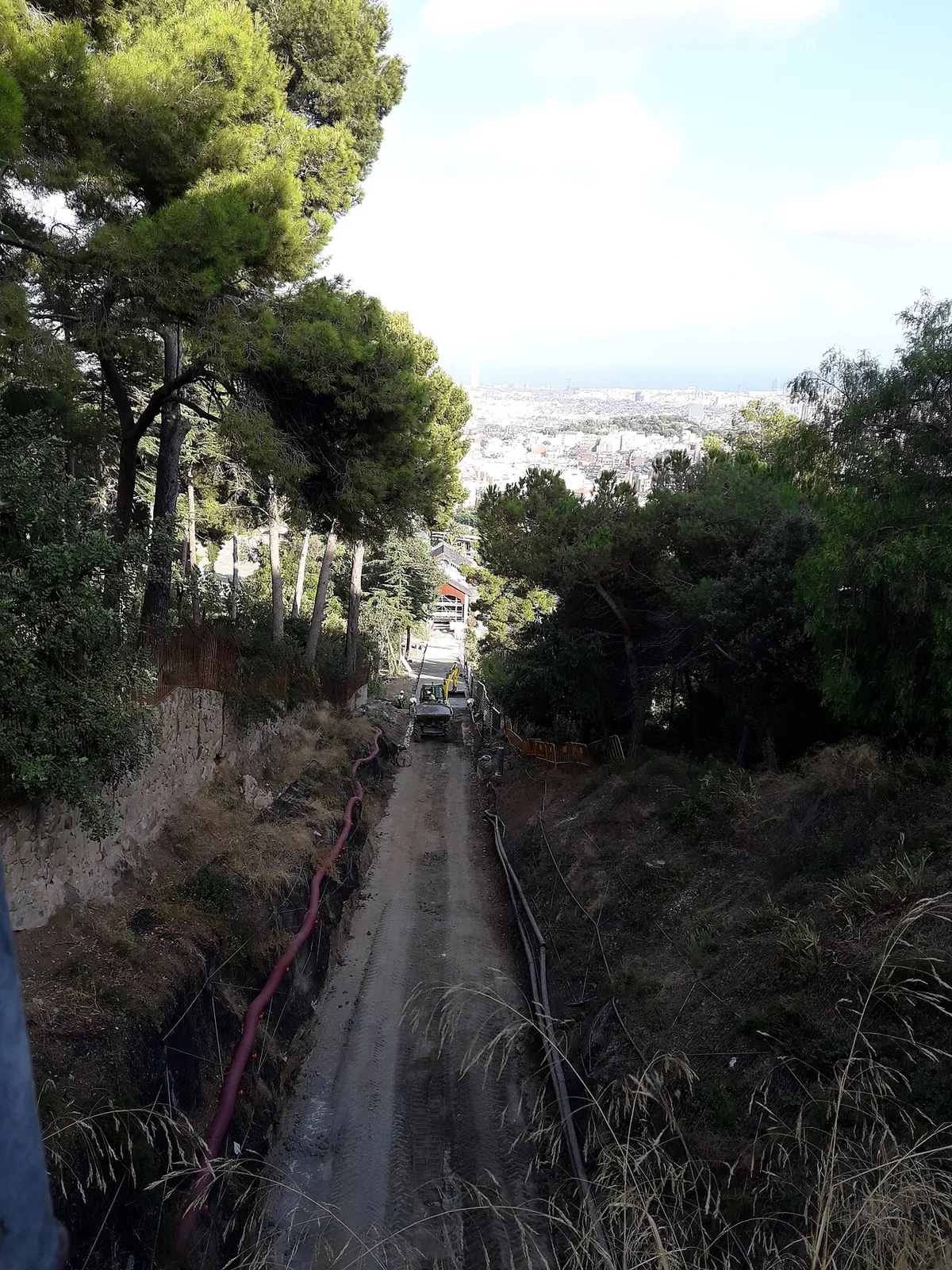
Carretera de les Aigües follows a nearly level line along Collserola, opening broad views over Barcelona. Its name recalls an old water conduit route, and that practical engineering line now makes a gently graded path across the city’s green mountain edge.
Casa Amatller
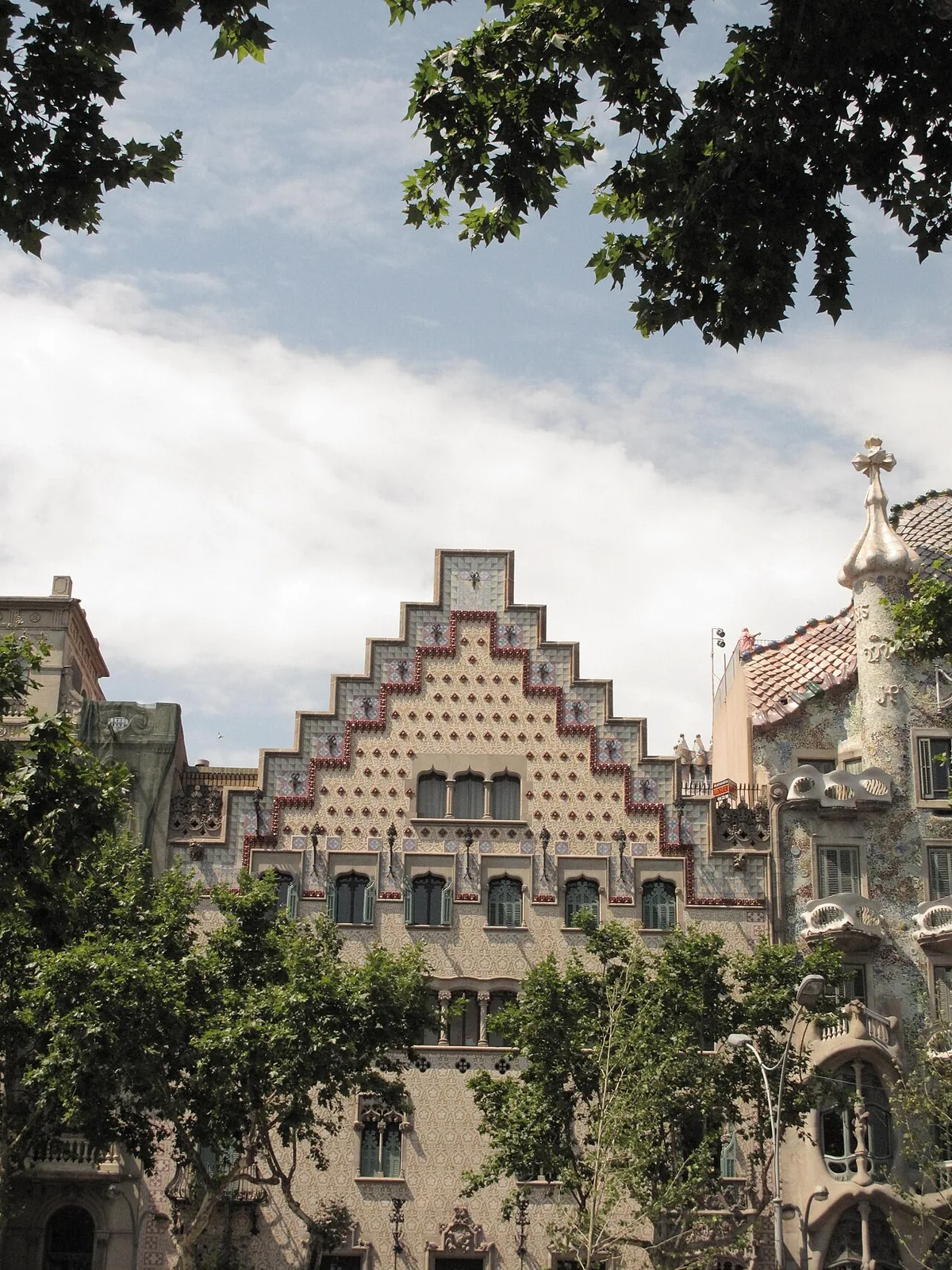
Casa Amatller’s stepped gable, offset entrance, and medieval-inspired ornament break the uniformity of the Eixample block. Chocolatier Antoni Amatller commissioned Josep Puig i Cadafalch to remake an existing house, turning a private residence into one of Passeig de Gràcia’s defining Modernisme faça
Casa Batlló
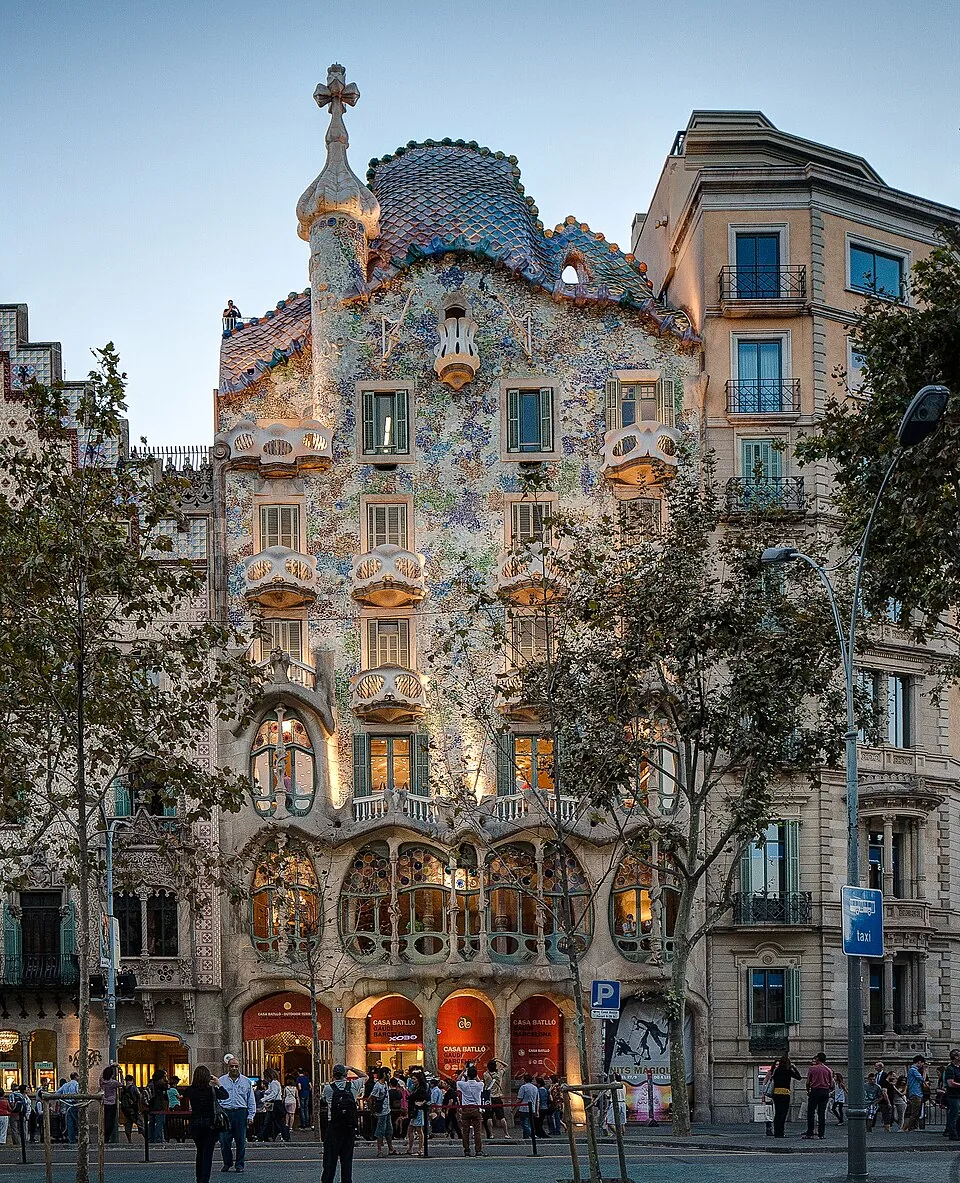
Casa Batlló’s façade breaks the regular rhythm of Passeig de Gràcia with bone-like columns, shifting color, and a roofline often read as a dragon. Gaudí transformed an existing house rather than replacing it, turning renovation into an act of radical architectural reinvention.
Casa de Campo
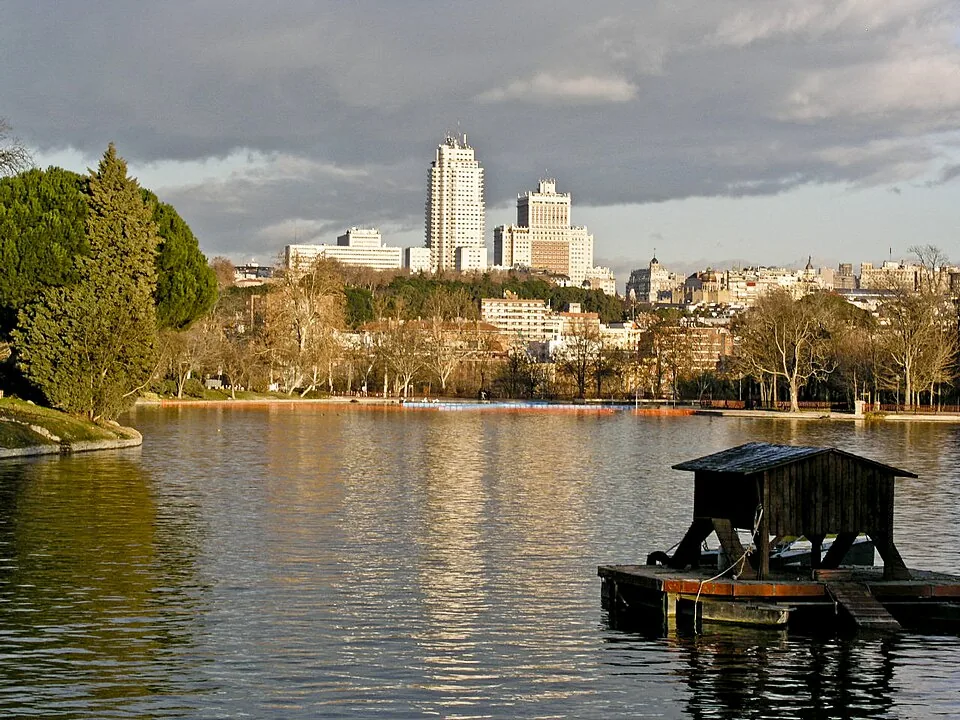
Casa de Campo began as royal hunting land and is now a vast public park on Madrid’s western edge. Its transition from Crown property to city land in 1931 transformed an exclusive landscape into shared space, while walls and bridges preserve earlier traces.
Casa de Campo Cable Car
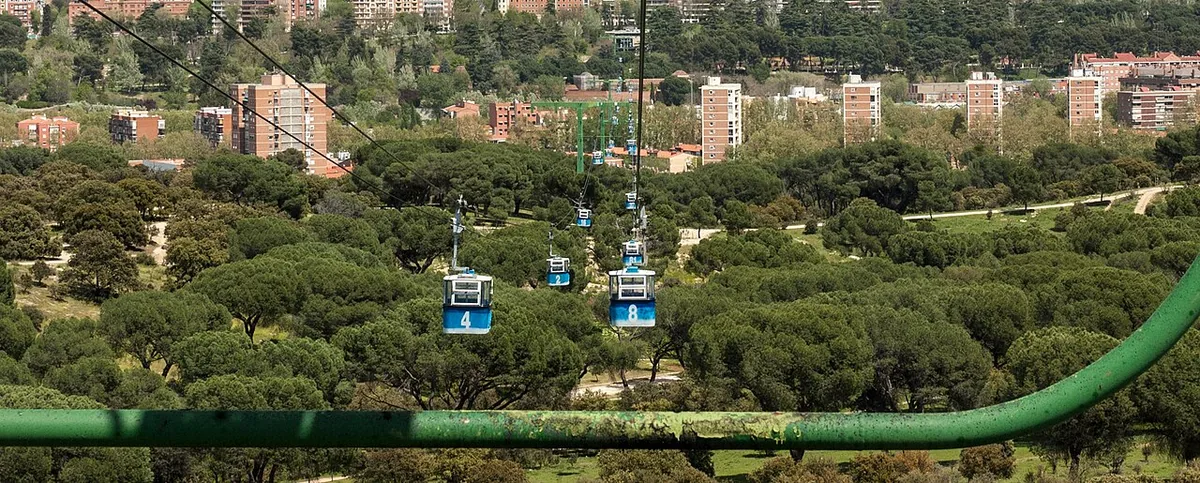
The Casa de Campo cable car was designed to turn a long urban crossing into a brief aerial passage between Madrid and its great park. Since its 1969 inauguration, the ride has offered a changing view of the city’s western landscape and the Casa de Campo beyond.
Casa Garden
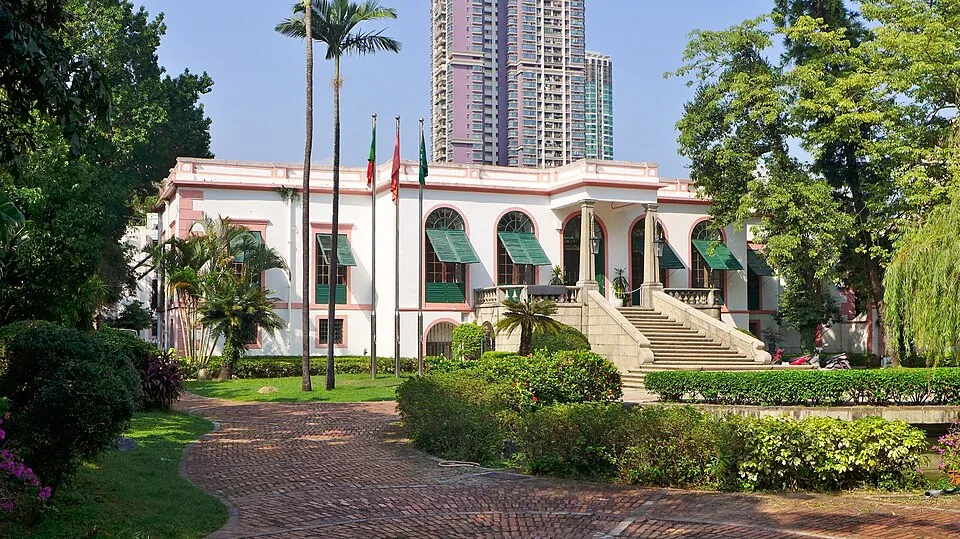
Casa Garden is an eighteenth-century house beside Camões Square, now serving as the headquarters of the Orient Foundation. Its changing uses—from merchant residence to East India Company tenancy to cultural institution—trace Macao’s international connections.
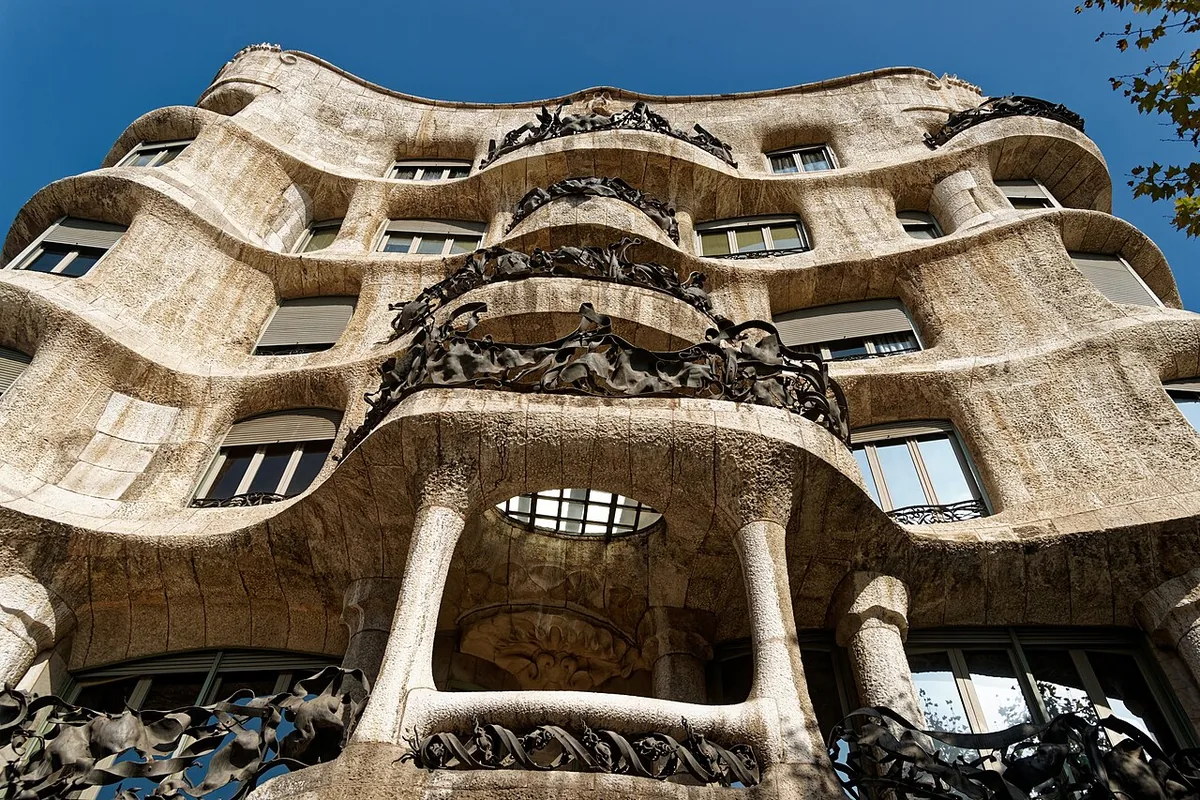
Casa Milà / La Pedrera
Casa Milà’s undulating stone façade turns an apartment block into a shifting landscape of balconies and openings. Gaudí designed it for Rosario Segimon and Pere Milà as a modern residential building, where structural choices created bright interiors and a sculptural exterior.
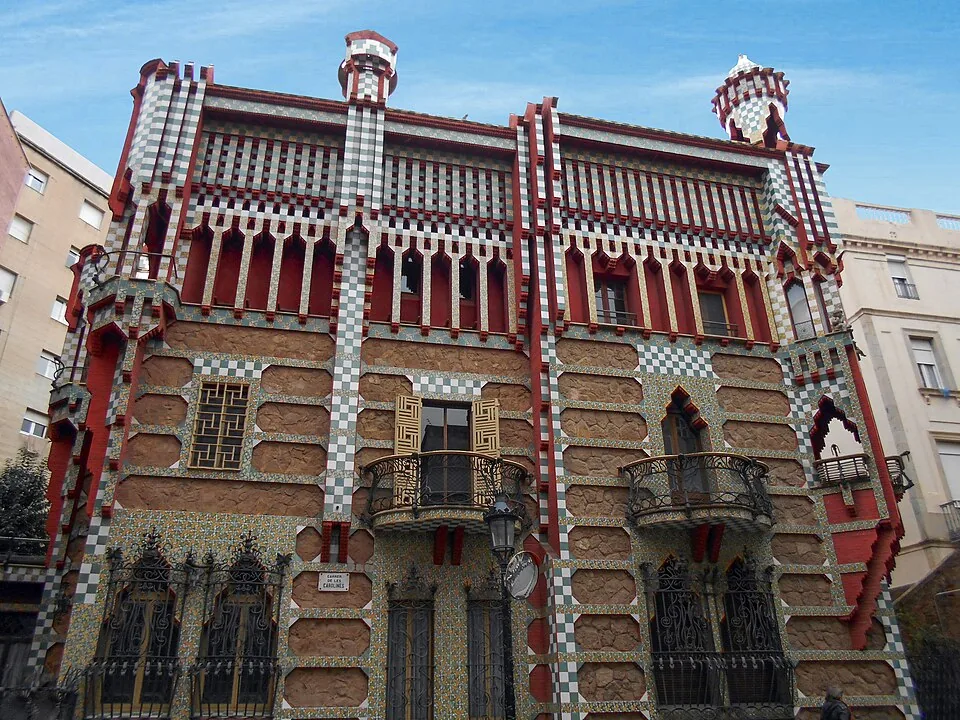
Casa Vicens
Casa Vicens is the first major house Antoni Gaudí designed, with green and white ceramic tiles, patterned brick, and ironwork inspired by plant forms. Built as a summer residence in Gràcia, it shows an early architectural language still testing how nature could shape a home.
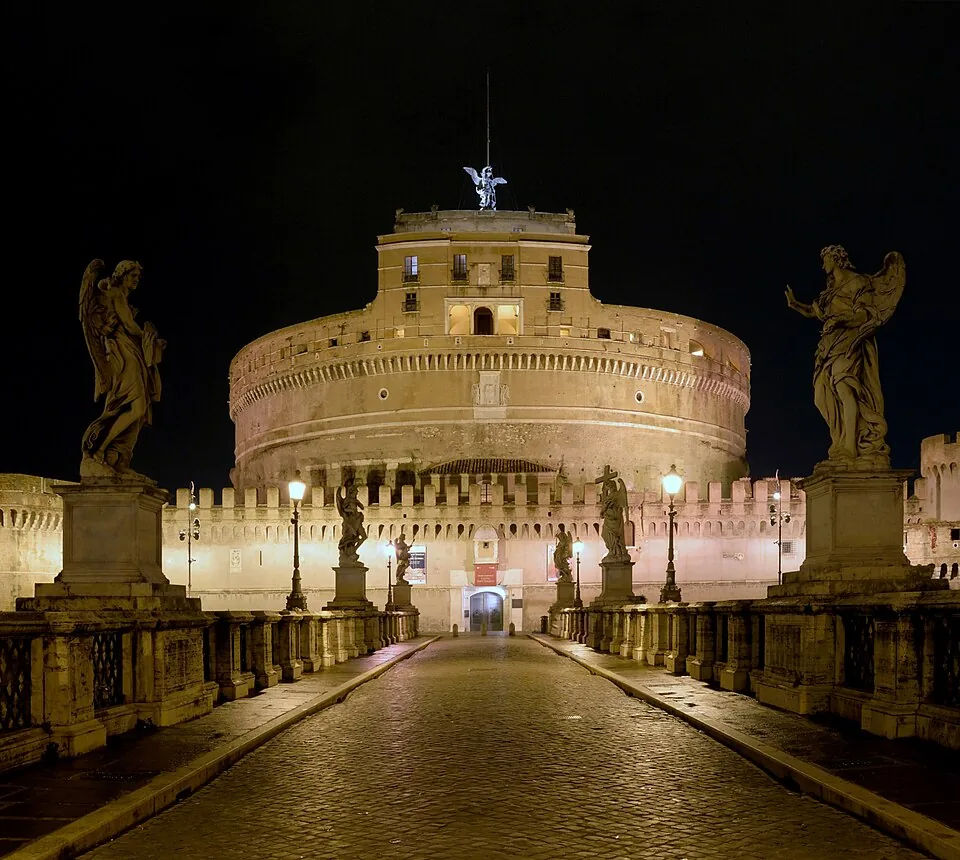
Castel Sant’Angelo
Castel Sant’Angelo began as Emperor Hadrian’s mausoleum and later became a fortress connected to the Vatican. Its cylindrical core, defensive additions, and bridge crossing the Tiber make the building’s changing purpose visible in its layered form.
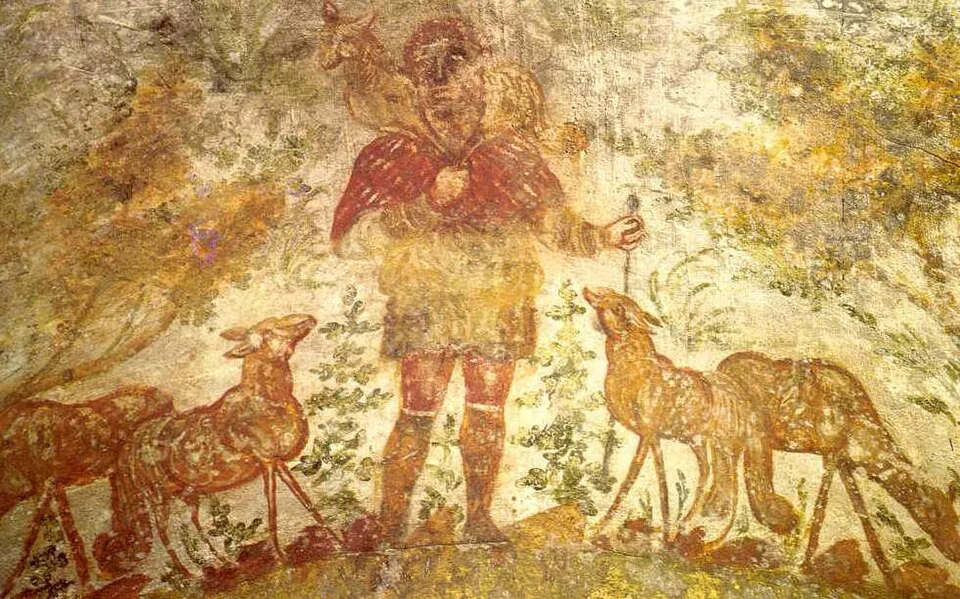
Catacombs of Domitilla
The Catacombs of Domitilla preserve extensive underground galleries, early Christian frescoes, and a semi-subterranean basilica. Their scale and imagery offer a glimpse of community burial practices and the beliefs expressed through funerary art.
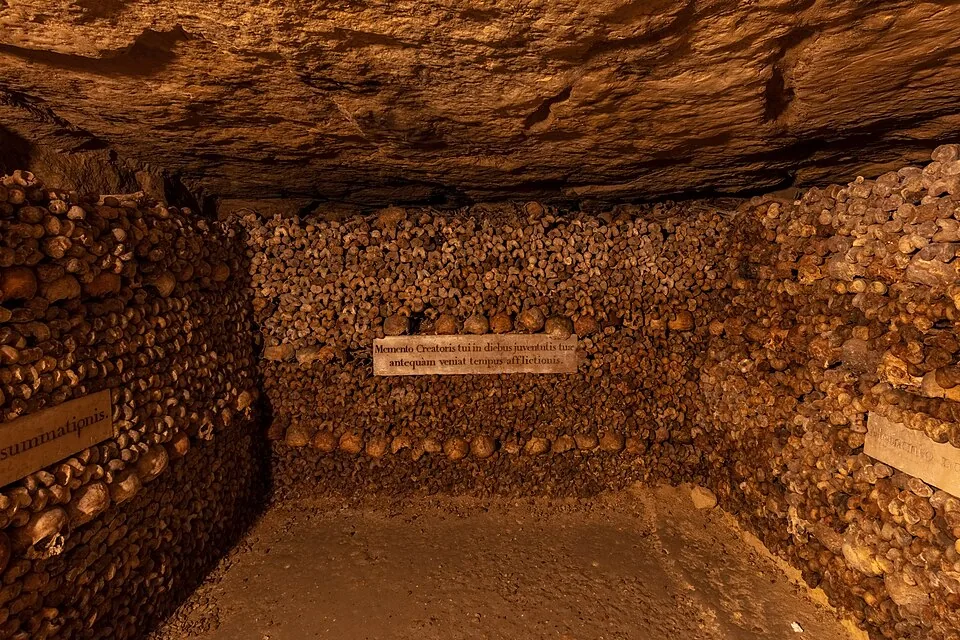
Catacombs of Paris
The Catacombs of Paris are a municipal ossuary inside former limestone quarries beneath the city. Their passages reveal how a public health crisis, urban geology, and changing ideas about death produced one of Paris’s most unusual heritage sites.
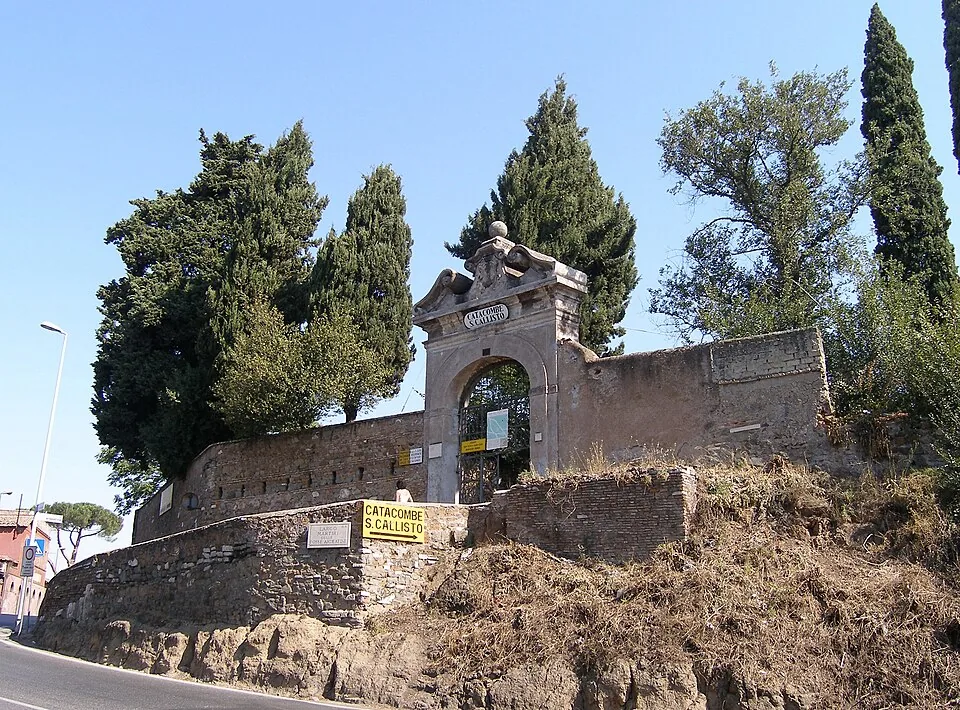
Catacombs of San Callisto
The Catacombs of San Callisto were the official cemetery of the Church of Rome in the third century. Their galleries preserve burial places and early Christian symbols, marking a community’s beliefs through images and shared underground space.
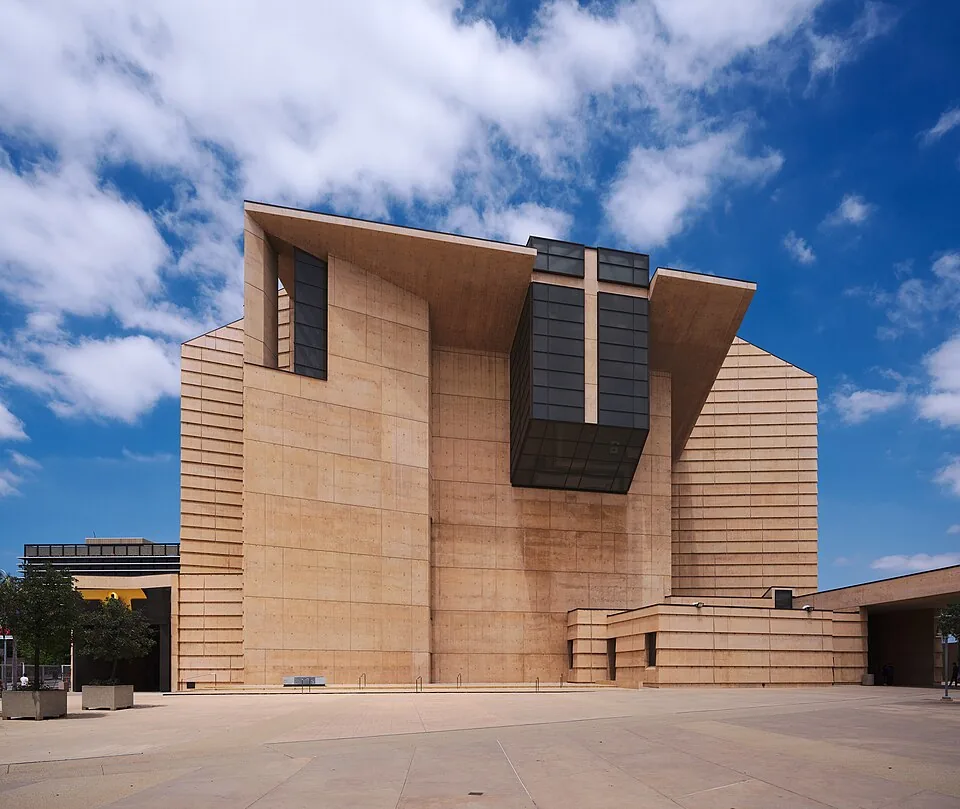
Cathedral of Our Lady of the Angels
The cathedral’s angular concrete walls and amber-toned alabaster panels create an interior shaped by filtered light rather than conventional stained-glass storytelling. Rafael Moneo’s design places a contemporary Catholic landmark beside the civic buildings of downtown Los Angeles.
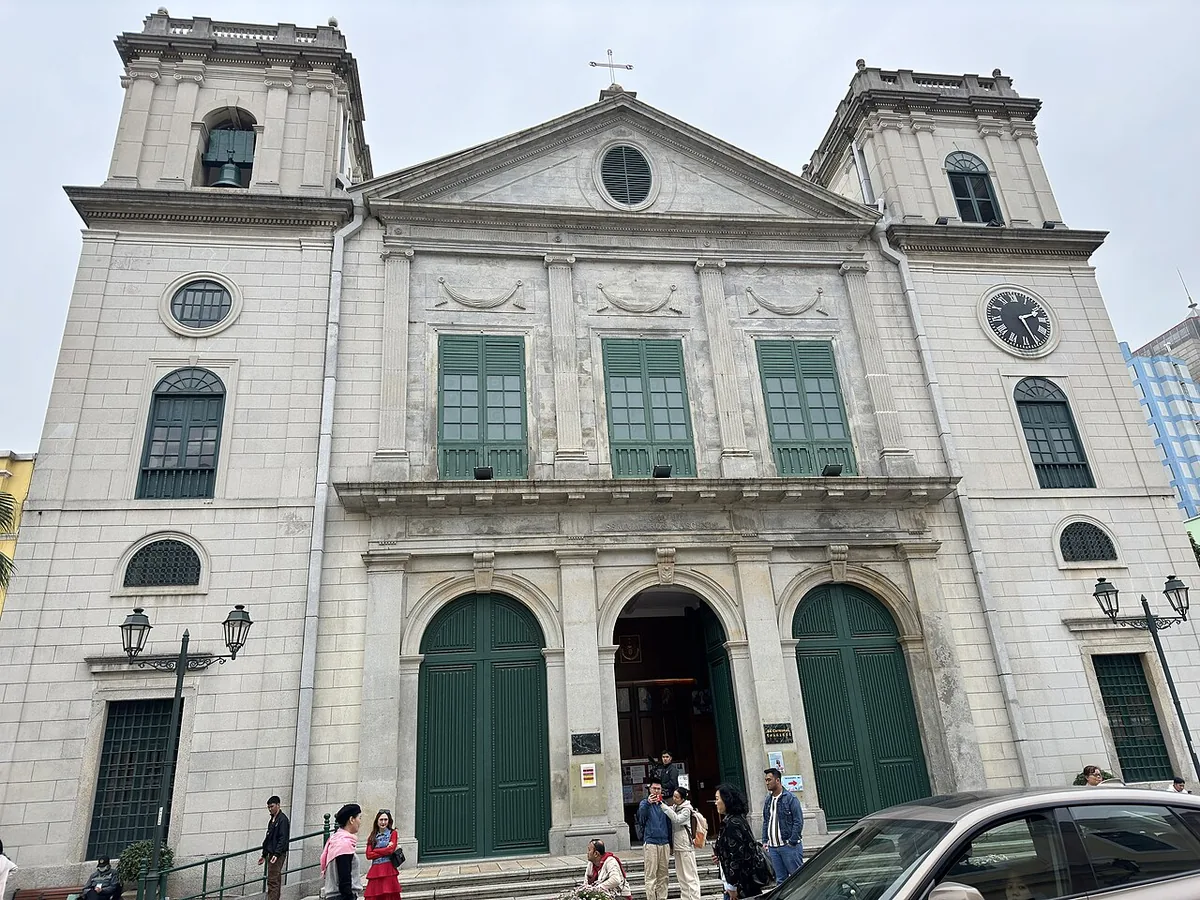
Cathedral of the Nativity of Our Lady
The Cathedral of the Nativity of Our Lady anchors a historic square with twin bell towers and a broad, balanced façade. Its present form reflects rebuilding after storms and damage, making the cathedral a record of resilience as well as worship.