Explore locations
Browse places by name, city, country or category.
All locations
1624 locations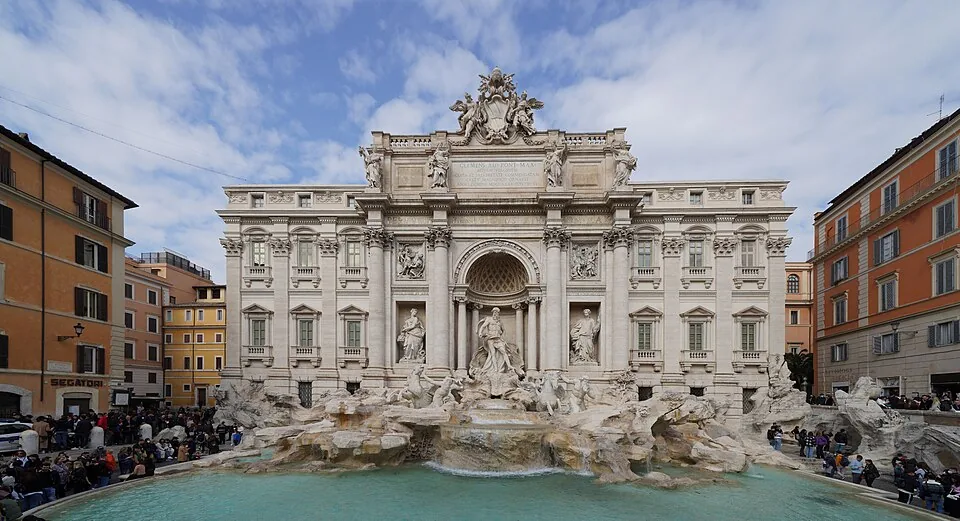
Trevi Fountain
Trevi Fountain turns the end of an ancient aqueduct into a theatrical urban scene. Nicola Salvi’s eighteenth-century design combines a rocky cascade, sea figures, and a monumental palace façade, making Rome’s water infrastructure both public utility and sculpture.
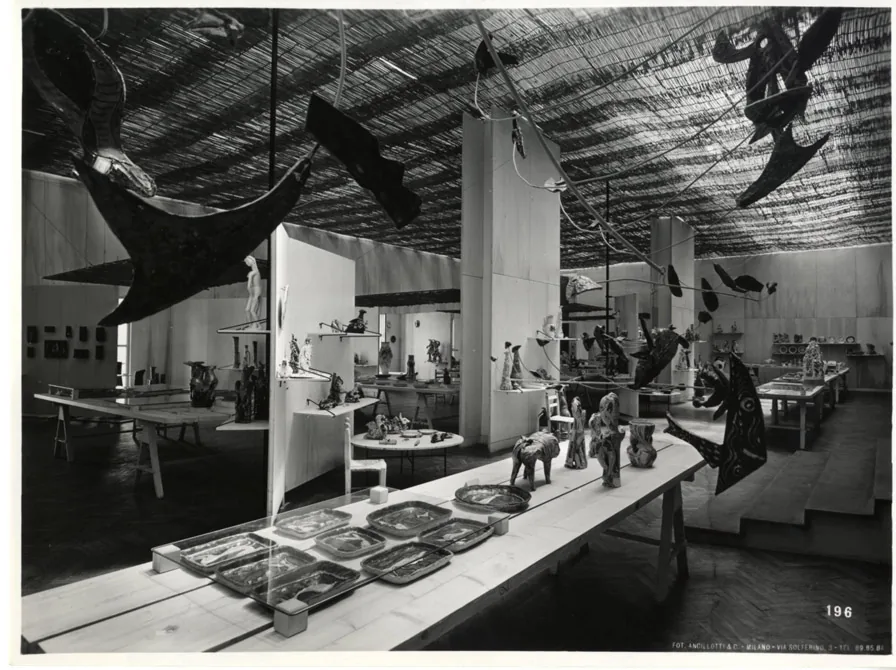
Triennale Milano
Triennale Milano’s Palazzo dell’Arte was designed as a flexible exhibition building where design, architecture, art, and industry could meet. Its modular spaces reflect the institution’s goal of connecting creative work with changes in society.
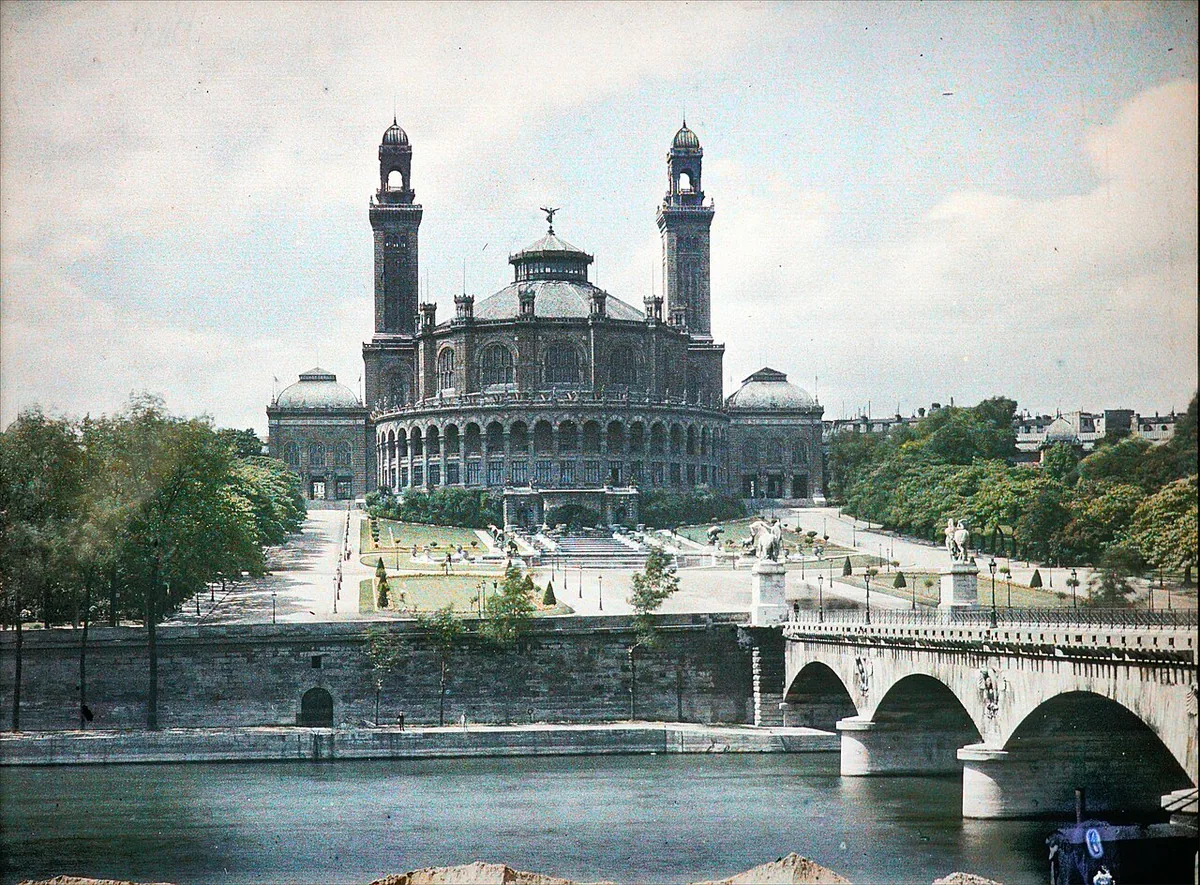
Trocadéro
Trocadéro’s terraces frame one of Paris’s most recognizable views, but the gardens and monumental axis were shaped by international exhibitions. Cascades, fountains, and sculptures connect the hilltop Palais de Chaillot with the open Champ de Mars.
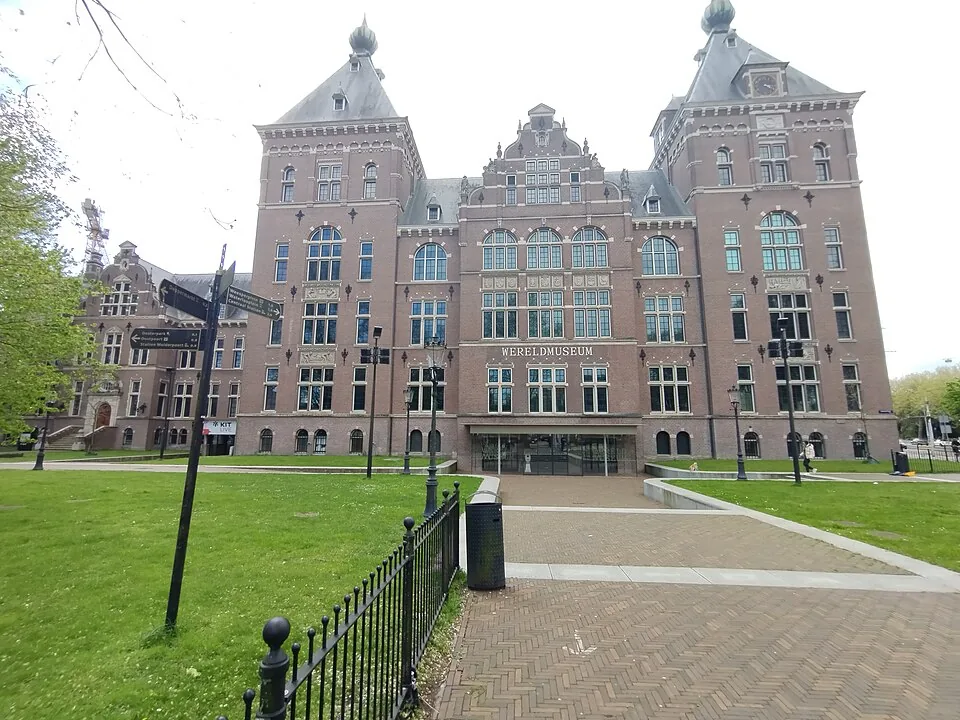
Tropenmuseum
Wereldmuseum Amsterdam occupies the monumental former Colonial Institute, opened in 1926. Its grand central Light Hall and richly decorated rooms now frame exhibitions about people and cultures alongside an explicit examination of the building’s colonial origins and continuing legacies.
Tsim Sha Tsui Clock Tower
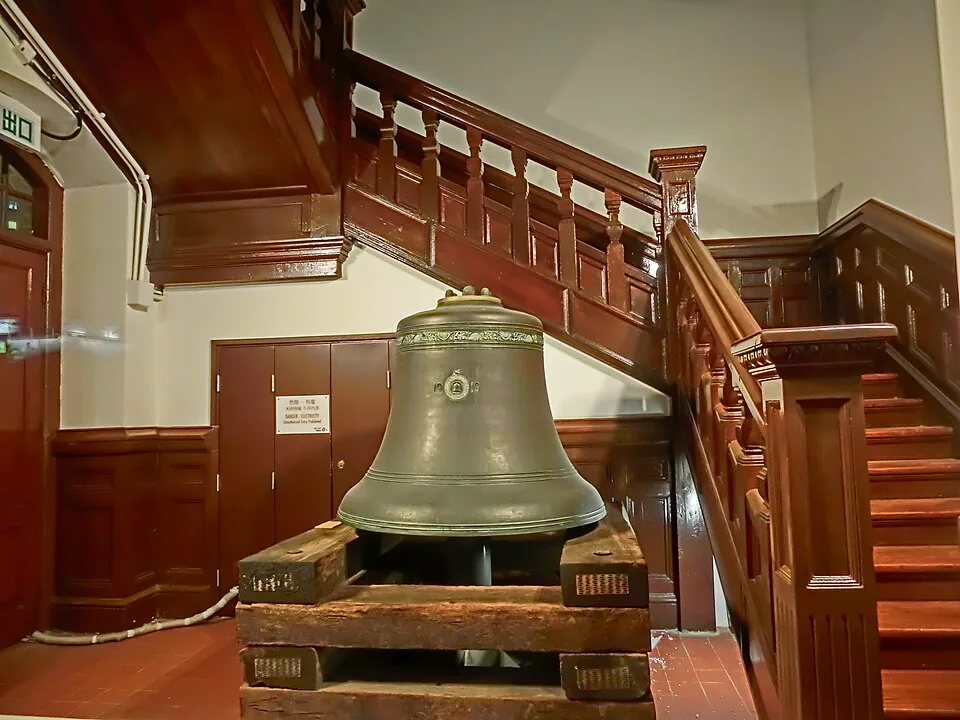
The Tsim Sha Tsui Clock Tower is the surviving landmark of the former Kowloon-Canton Railway terminus. Its red-brick structure recalls the rail journeys that once ended at the waterfront and remains a focal point beside Hong Kong Cultural Centre and Victoria Harbour.
Tsim Sha Tsui Promenade
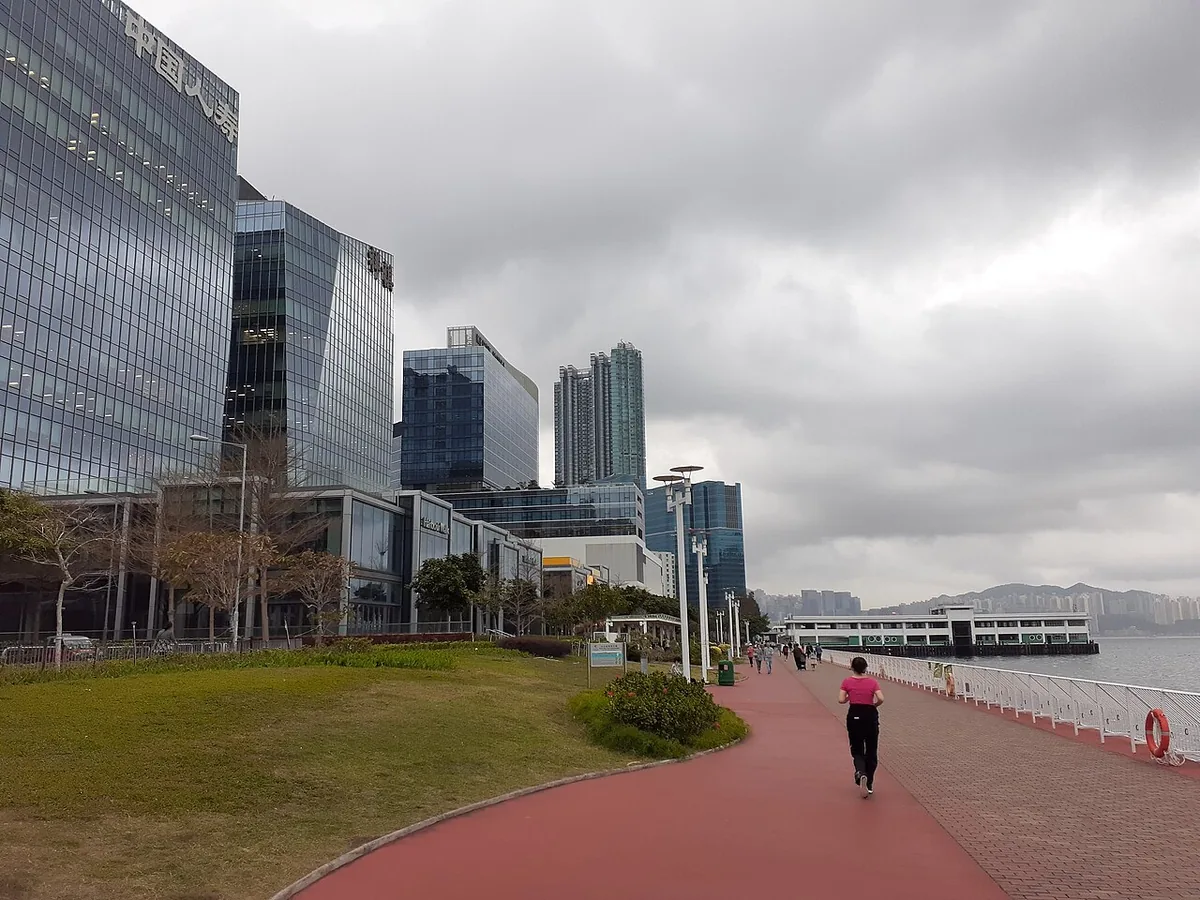
Tsim Sha Tsui Promenade follows Kowloon’s waterfront from the Clock Tower along Victoria Harbour. It connects cultural venues, public spaces, and skyline views, making the harbour visible as both scenery and a working part of Hong Kong.
Tsukiji Outer Market
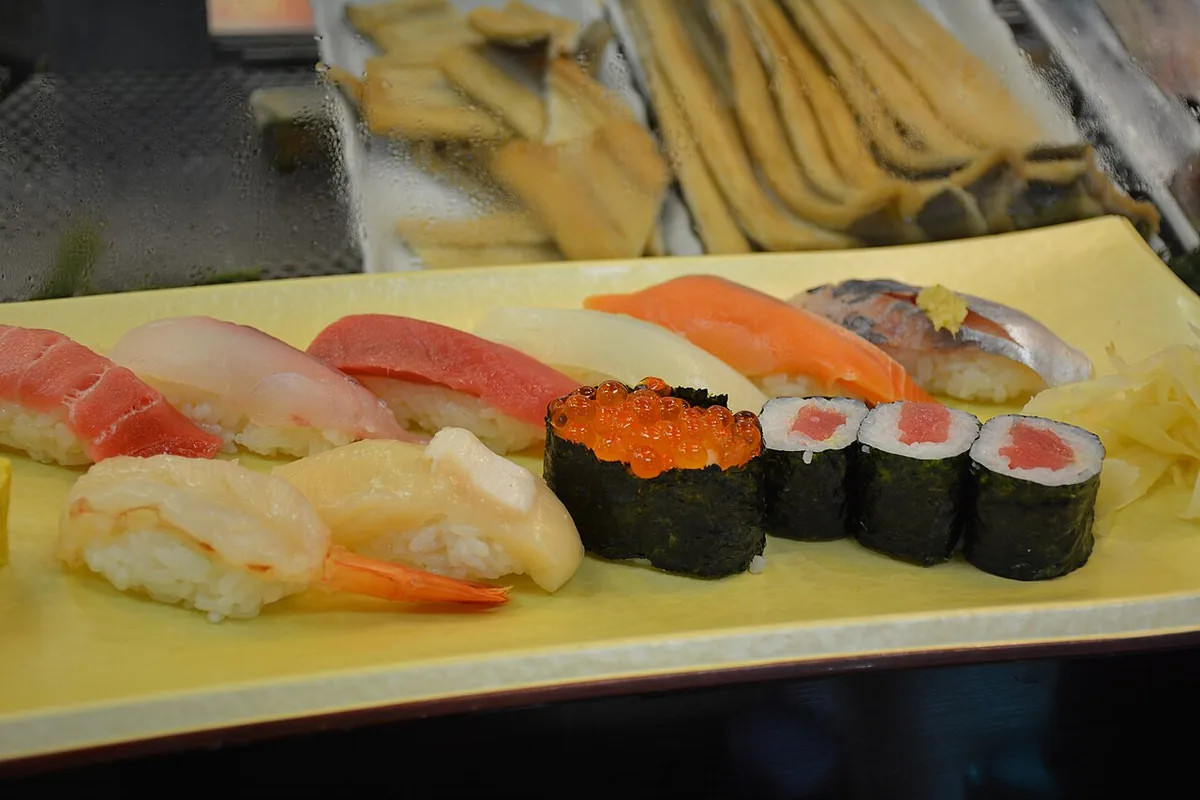
Tsukiji Outer Market remains a dense food-shopping district after the central wholesale fish market moved to Toyosu in 2018. Its small shops and prepared-food counters continue a neighborhood trade shaped by the market that once stood beside them.
Tsutenkaku Tower
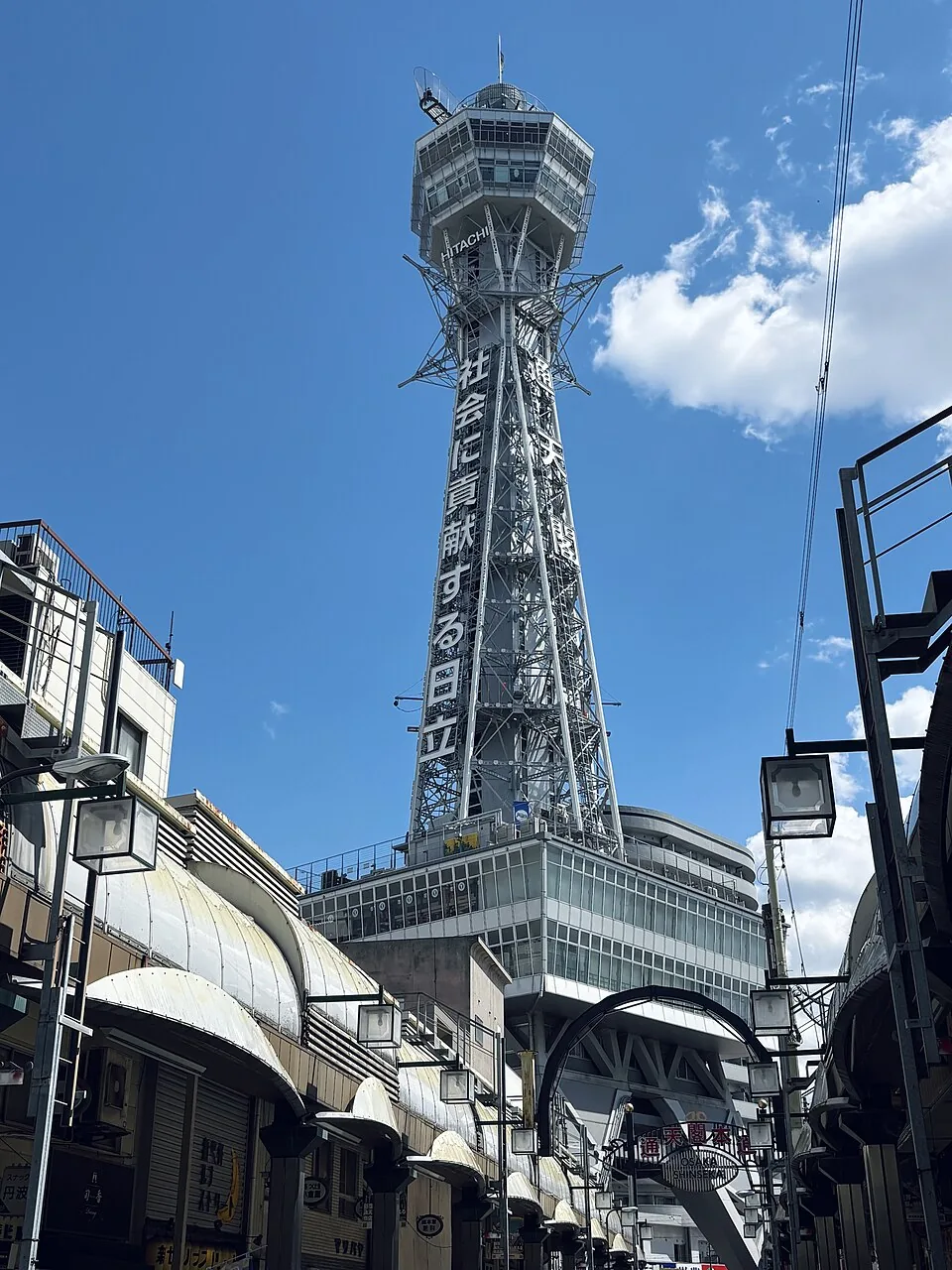
Tsutenkaku Tower’s familiar silhouette is already a second beginning: the original tower was dismantled during the war, then rebuilt through local investment in the 1950s. Its changing history makes the landmark a story of neighborhood ownership as much as engineering.
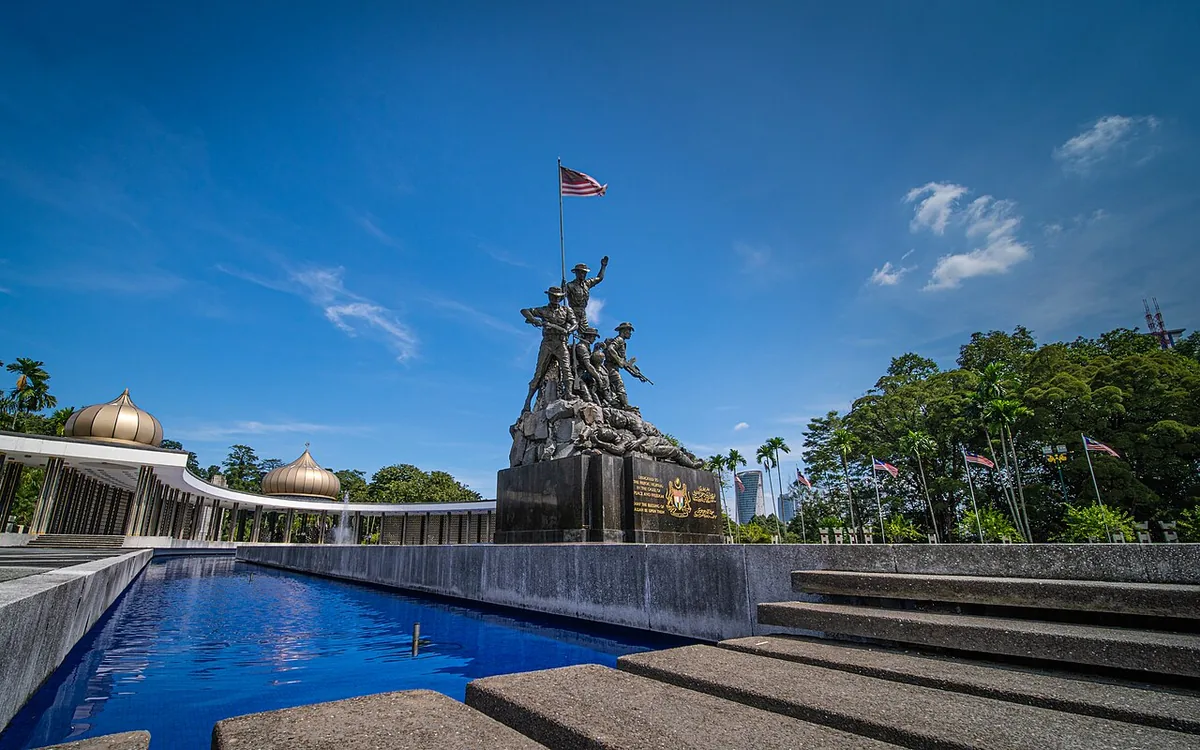
Tugu Negara (National Monument)
Tugu Negara’s bronze figures form a memorial to those who died defending Malaya during the Emergency and related conflicts. Designed by Felix de Weldon and unveiled in 1966, the monument’s raised flag and linked figures make national remembrance legible through a dramatic act of mutual support.
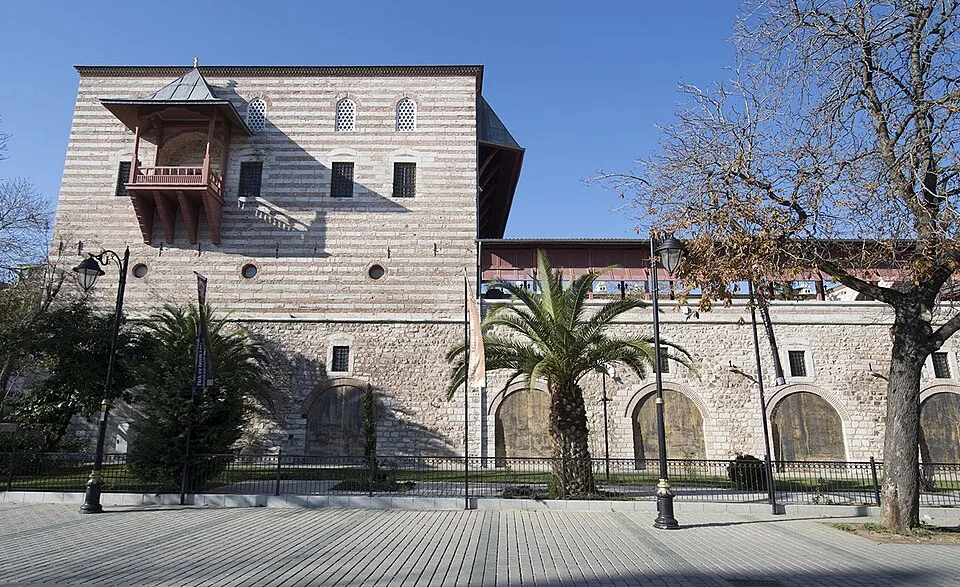
Turkish and Islamic Arts Museum
In Istanbul’s Sultanahmet district, this museum occupies the sixteenth-century İbrahim Pasha Palace, whose arcaded rooms overlook the old Hippodrome. Inside, carpets, manuscripts, ceramics, and objects from several Islamic dynasties show how artistic ideas traveled across regions and centuries.
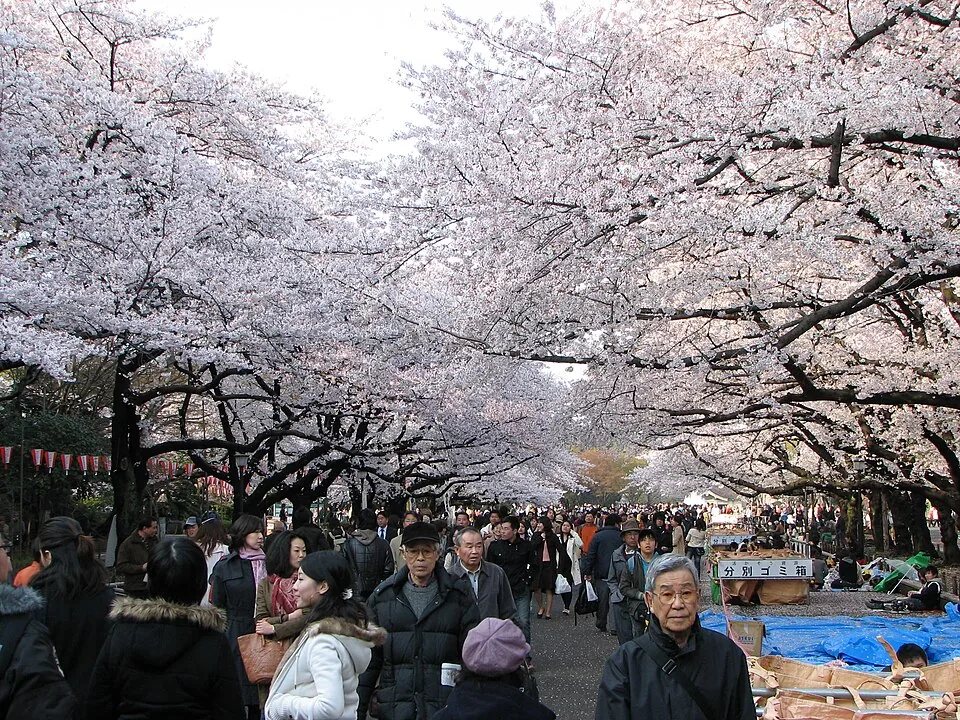
Ueno Park
Ueno Park occupies former grounds of Kan’eiji Temple and became one of Japan’s earliest public parks in 1873. Museums, a zoo, shrines, and seasonal cherry trees now share the landscape, reflecting the park’s transformation into a cultural district.
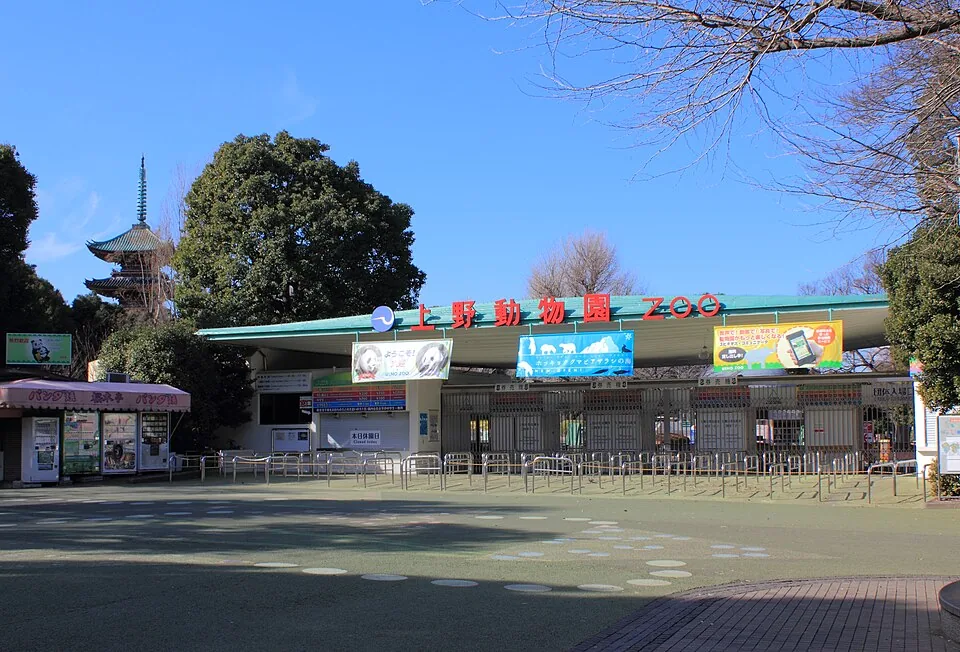
Ueno Zoo
Ueno Zoo opened in 1882 as Japan’s first zoo and remains part of the larger cultural landscape of Ueno Park. Its history reflects changing ideas about animal display, public education, and the responsibilities of modern zoological institutions.
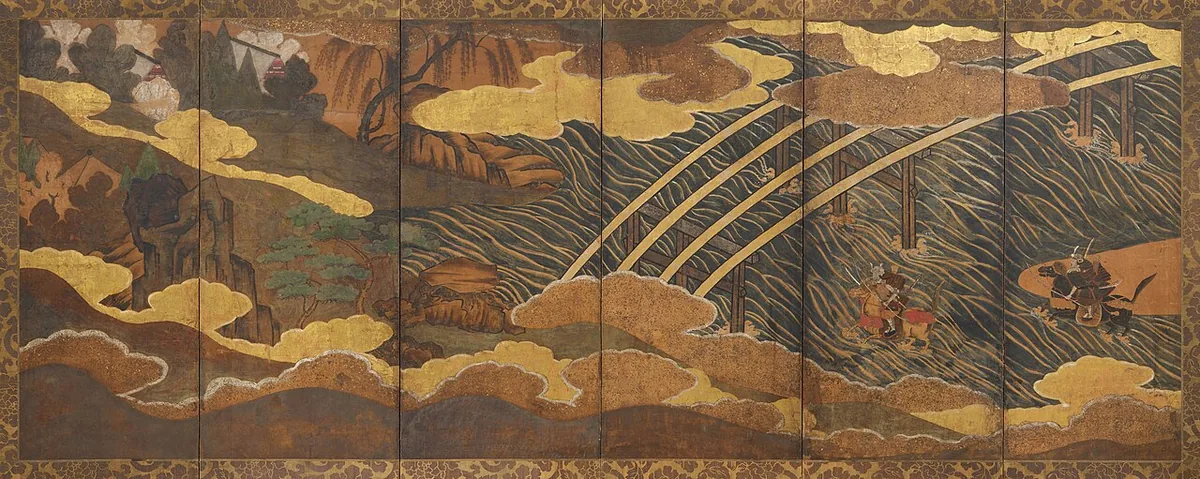
Uji Bridge
Uji Bridge crosses a river long associated with transport, literature, and tea culture. Its position in central Uji links the town’s historic streets with the waterway, while a small viewing balcony preserves a traditional ceremonial association.
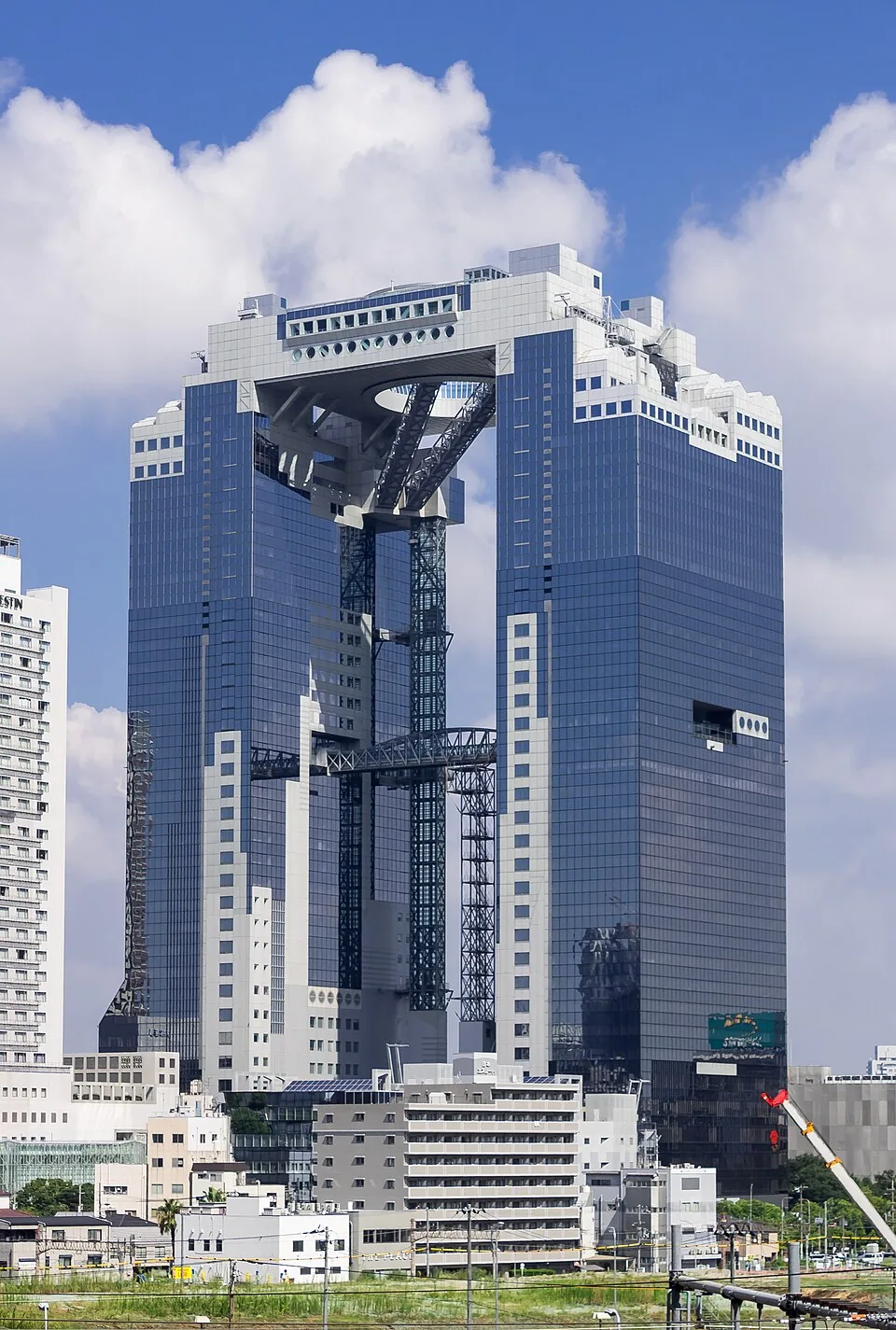
Umeda Sky Building
Umeda Sky Building joins two towers with a high observatory, turning the gap between them into part of the architectural experience. Its paired form makes the city visible from above while asking visitors to notice the connection that holds the two structures together.
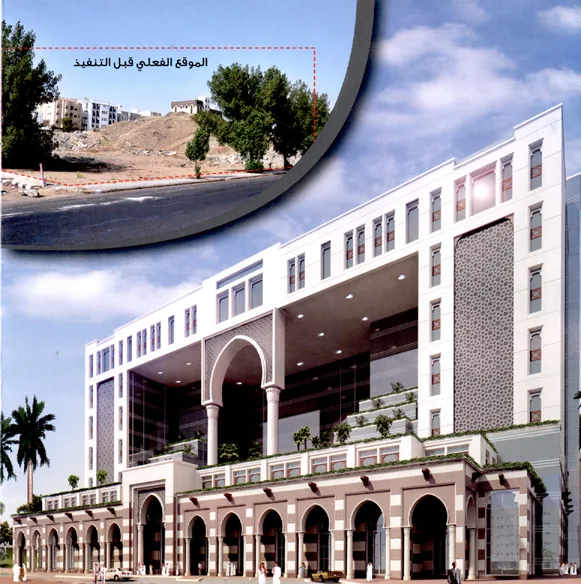
Umm Al-Mu’minin Zainab Al-Hilaliyah Park
Umm Al-Mu’minin Zainab Al-Hilaliyah Park is a public green space and walkway in Makkah’s Al-Shoqiyah district. Paths, shaded seating, and family areas make it a neighborhood place for movement and respite.
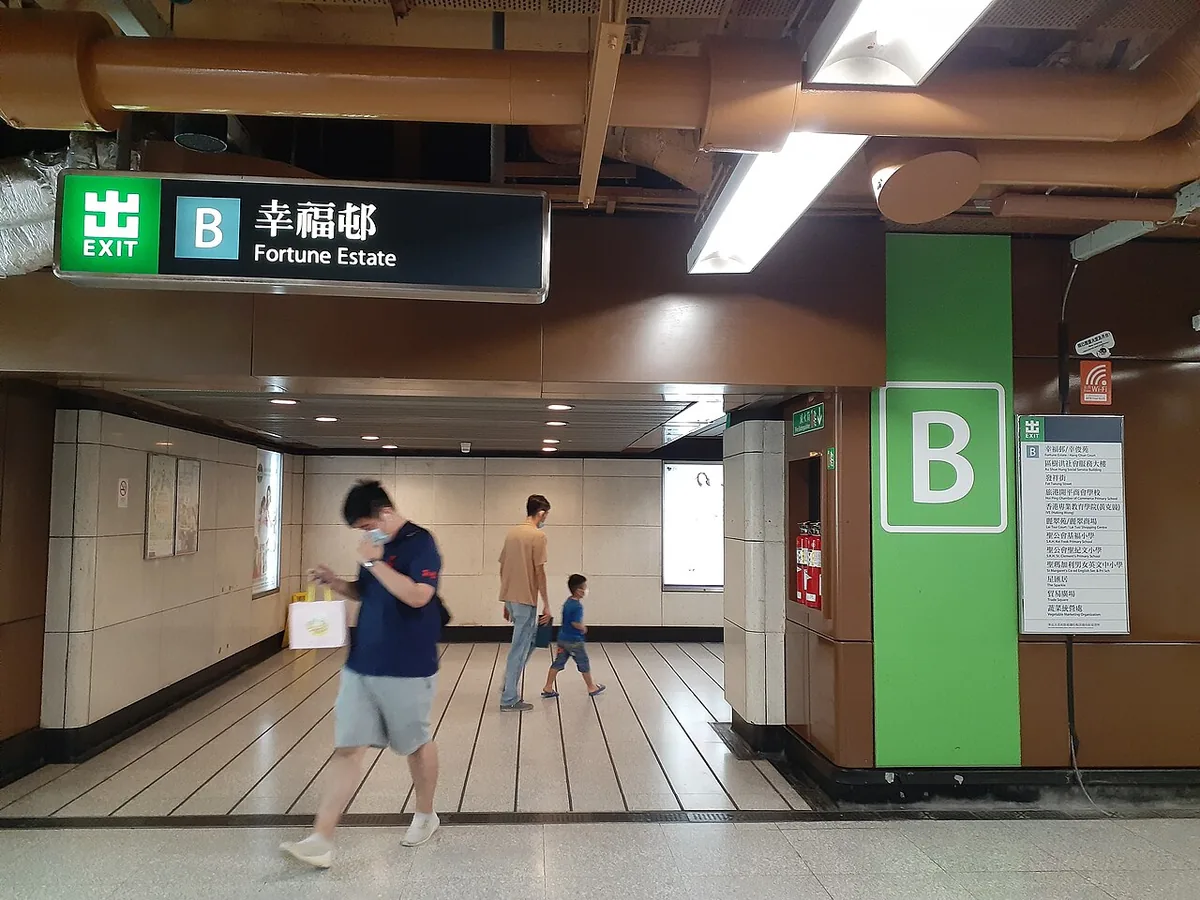
Un Chau Estate Flower Tunnel
A 30-metre floral corridor arches over a path inside Un Chau Estate, where bougainvillea turns public housing grounds into a seasonal garden. The tunnel’s appeal comes from a simple design partnership between living plants and a white metal frame.
Union Square
Union Square is a Manhattan park and gathering place where Broadway and Fourth Avenue meet. Its open paths have hosted markets, celebrations and labor demonstrations, carrying a civic role that stretches from the nineteenth century into the present.
Union Station
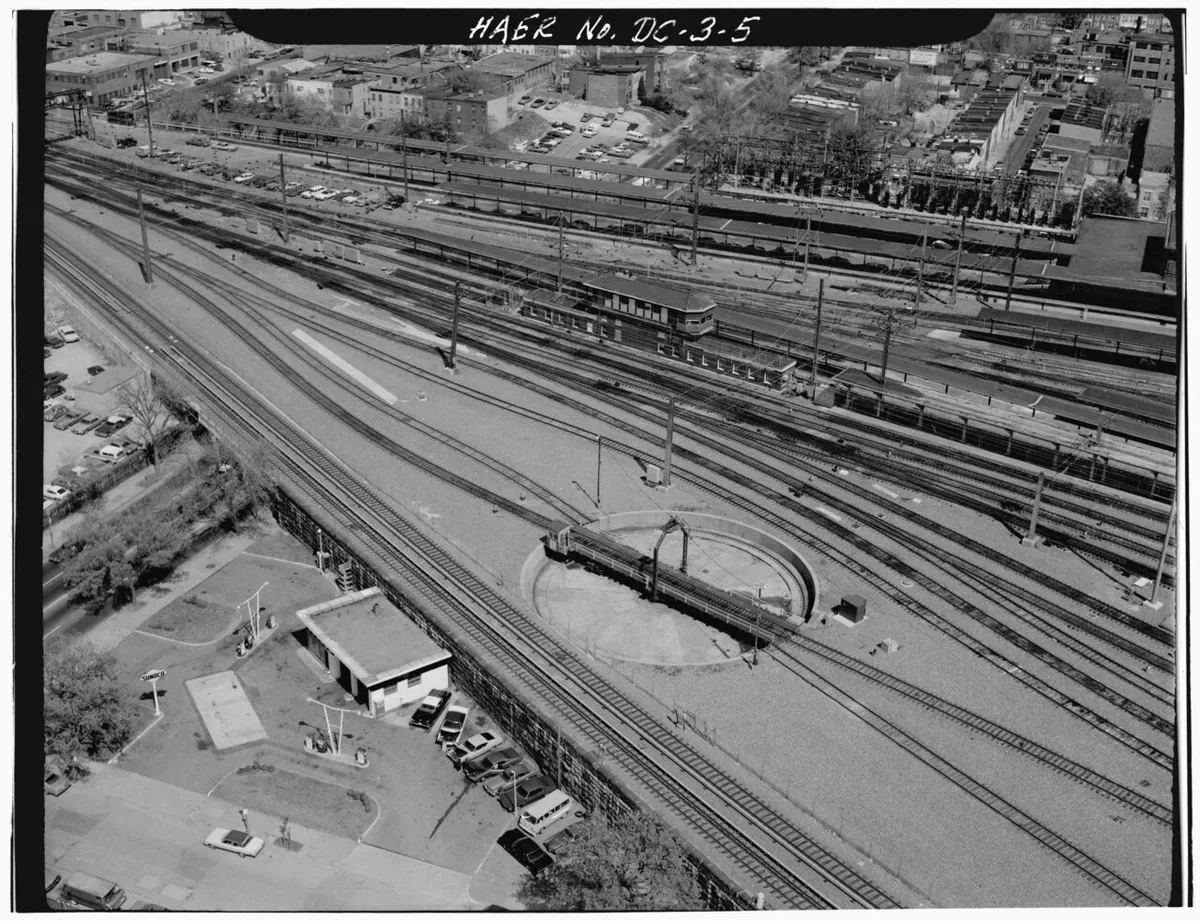
Union Station’s arched waiting room, tiled details, and long benches make a major transport hub feel unexpectedly calm. Opened in 1939, it joined three railroad terminals and blended regional Spanish Colonial and Mission Revival references with Art Deco design.
Universal CityWalk Orlando
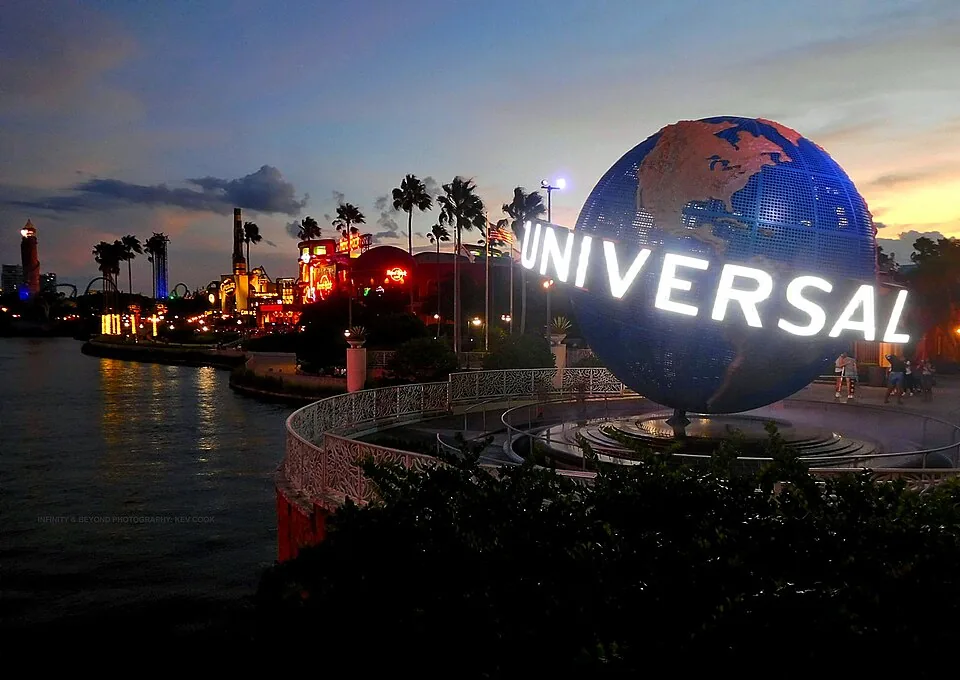
Universal CityWalk Orlando is an entertainment and dining district at the entrance to Universal Orlando Resort. Its restaurants, shops and performance venues create a lively transition between parking, theme parks and the wider International Drive visitor corridor.
Universal Epic Universe
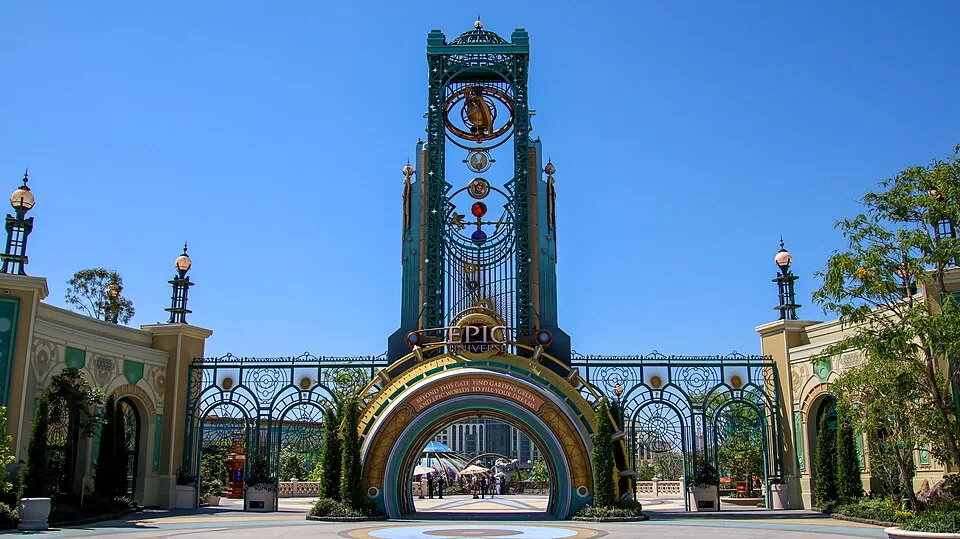
Universal Epic Universe organizes its park around a central garden and gateways into five themed worlds. Opened in 2025, the layout uses portals to make transitions between distinct imaginative environments part of the visitor experience.
Universal Orlando Resort
Universal Orlando Resort groups multiple theme parks with hotels and CityWalk into a single entertainment destination. Its parks use recognizable stories and cinematic effects to make visitors active participants in imagined worlds.
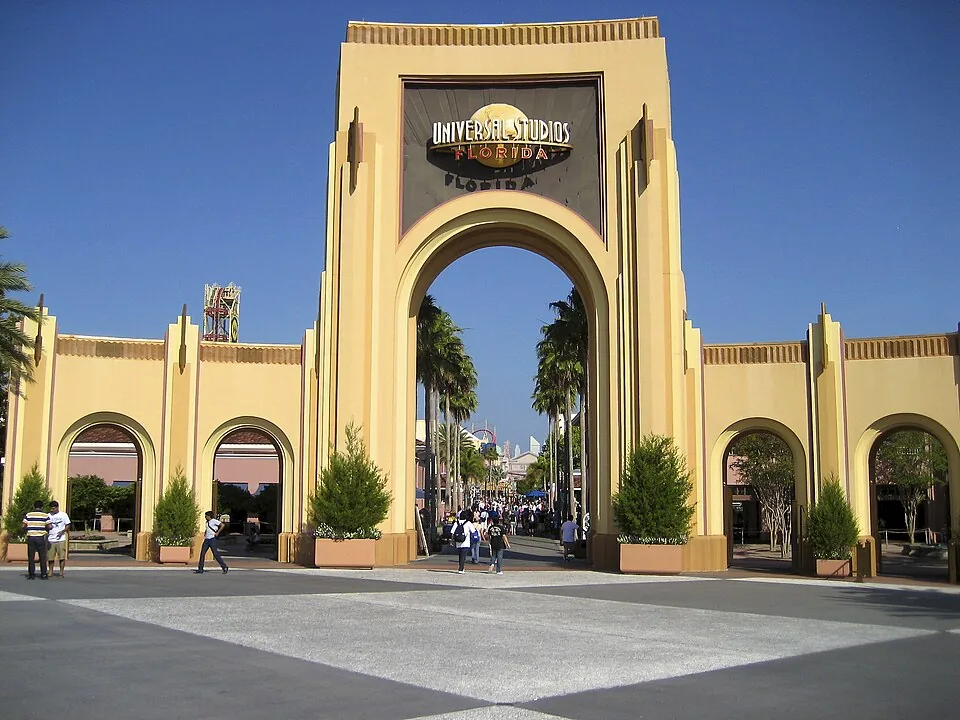
Universal Studios Florida
Universal Studios Florida places visitors inside movie and television worlds, with themed streets and attractions built around screen stories. The park’s appeal comes from moving through settings that turn familiar scenes into physical experiences.
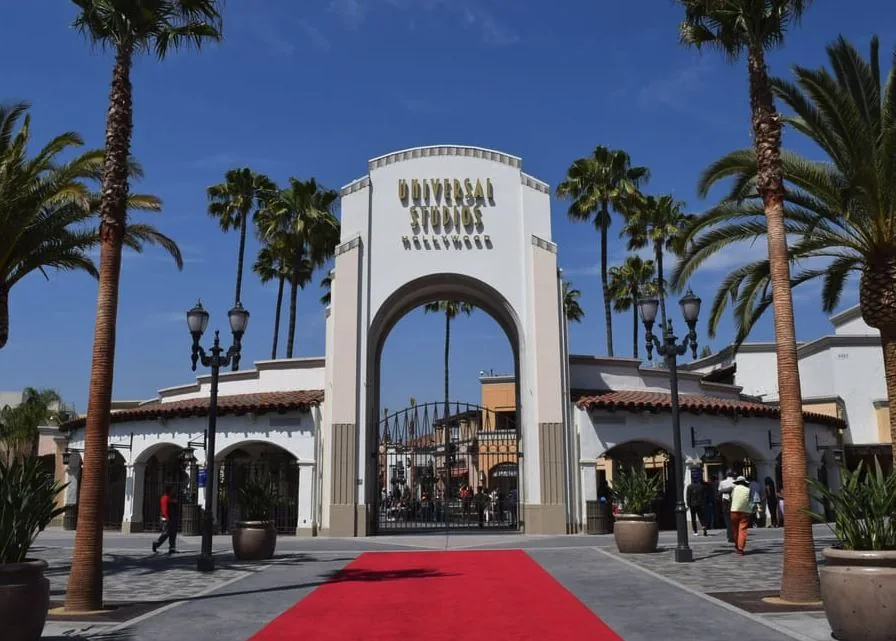
Universal Studios Hollywood
Universal Studios Hollywood grew from a working film lot into a studio and theme-park destination. The Studio Tour preserves a link to movie production, letting visitors travel through the backlot where sets, sound stages and filmmaking operations share the same landscape.
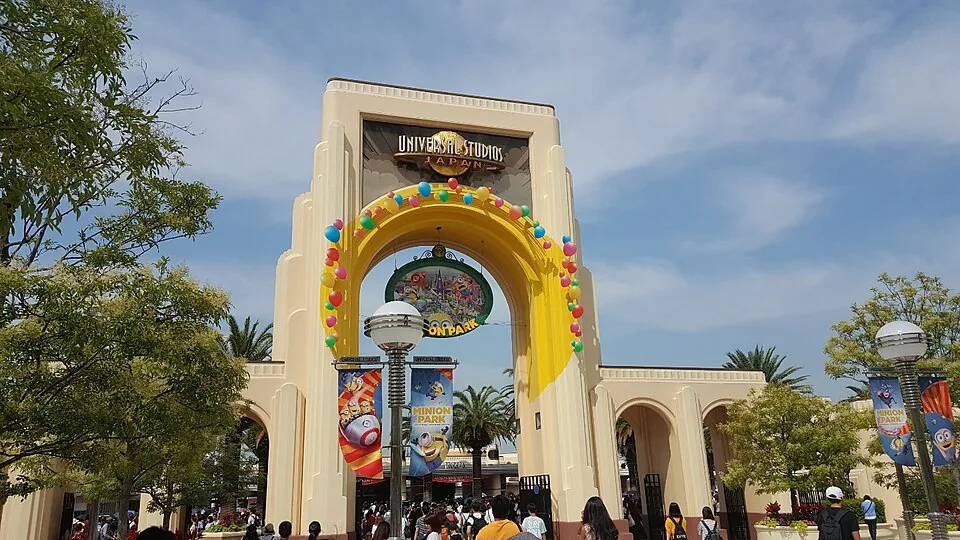
Universal Studios Japan
Universal Studios Japan occupies a waterfront district in Osaka Bay, where a purpose-built entertainment complex meets the city’s industrial port landscape. Its opening in 2001 marked a new kind of visitor destination for Osaka, built around cinematic worlds and live experiences.