Explore locations
Browse places by name, city, country or category.
All locations
1624 locations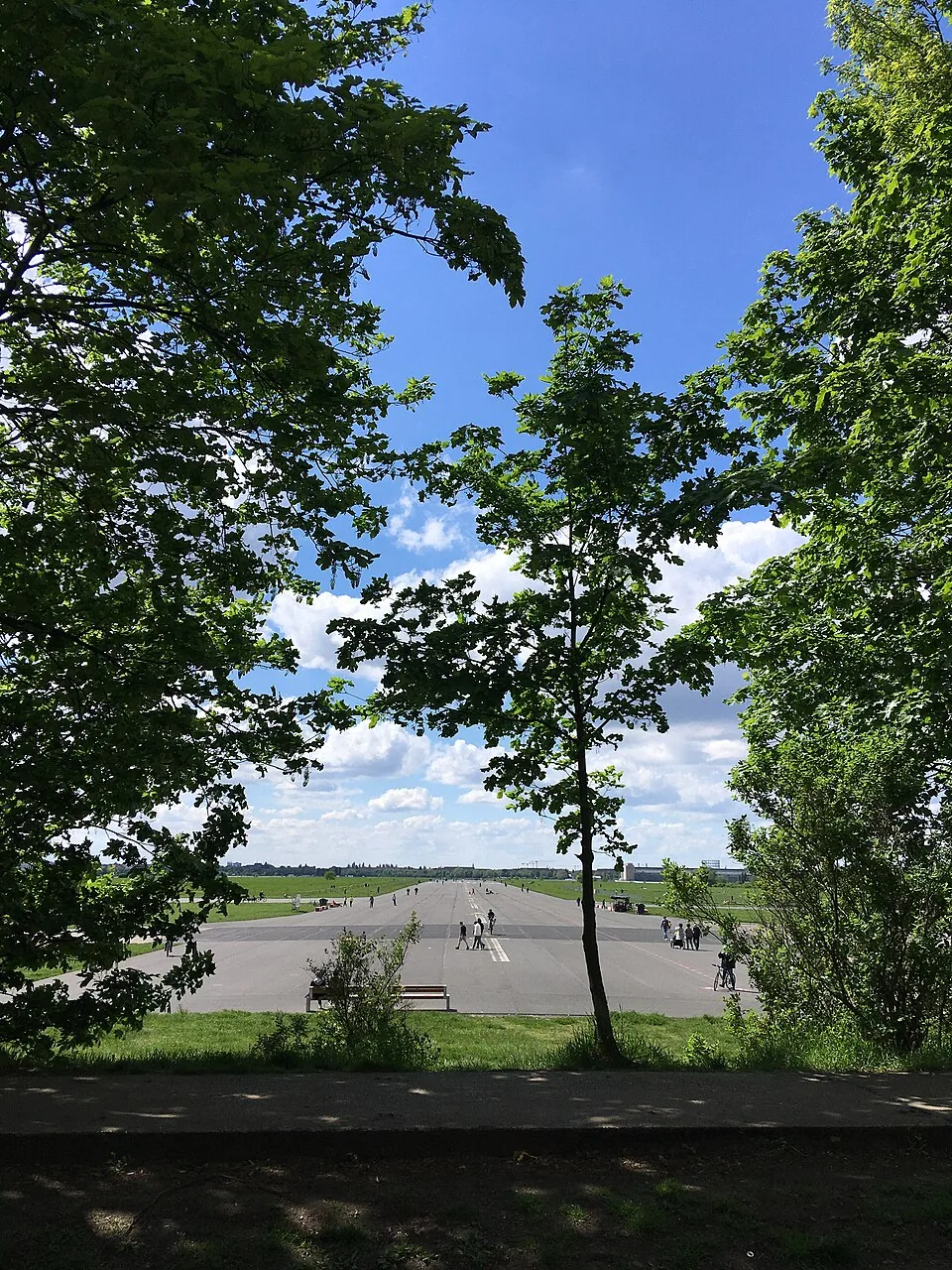
Tempelhofer Feld
Tempelhofer Feld’s two long runways still guide the eye across what was once Berlin’s central airport. Since the airfield became a public park in 2010, aviation infrastructure has become a rare expanse for walking, cycling, and open-air recreation.
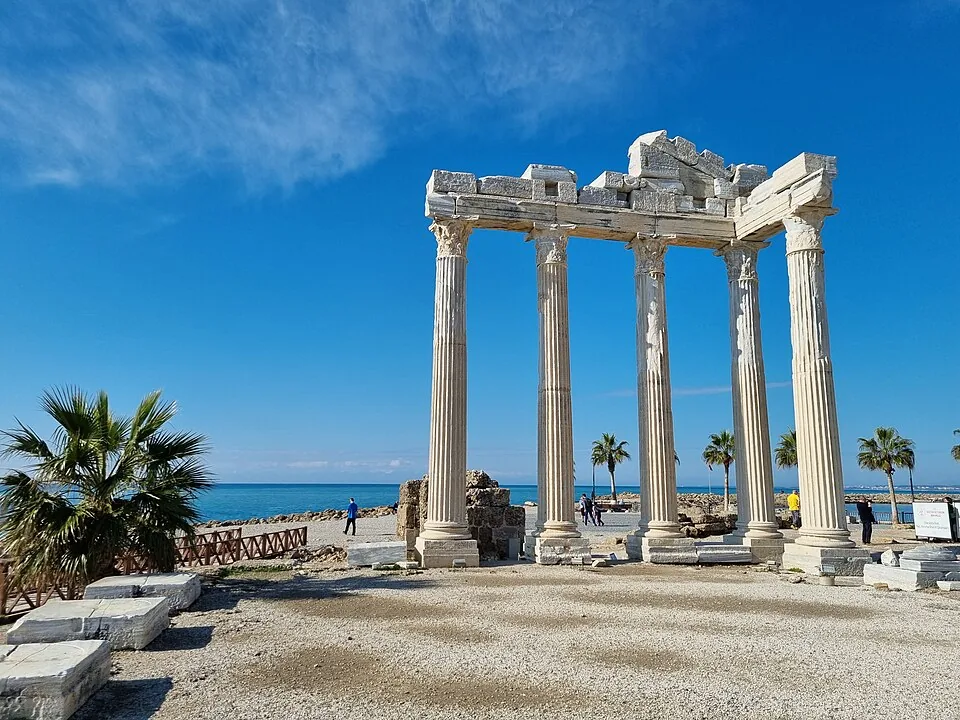
Temple of Apollo (Side)
At the edge of Side’s ancient harbor, a row of surviving columns frames a meeting of architecture and sea. The temple’s location beside Athena’s sanctuary tied religious monuments to the port, giving this waterfront its distinctive silhouette.
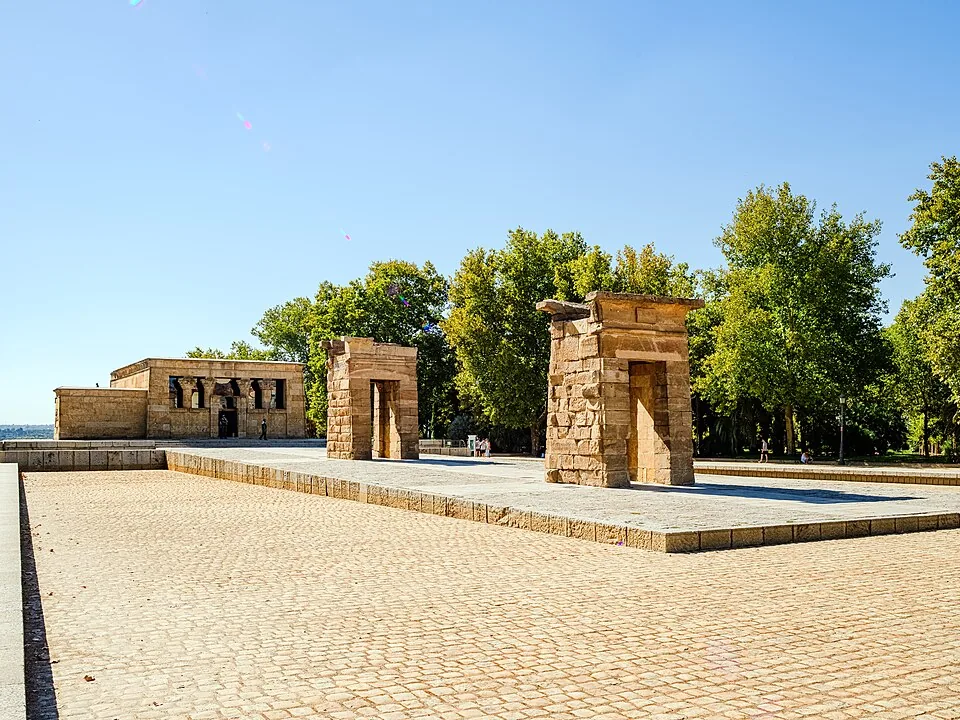
Temple of Debod
The Temple of Debod is an ancient Egyptian sanctuary reassembled in Madrid after Egypt donated it to Spain. Its stones traveled from Nubia to save them from the rising waters of the Aswan Dam, making the monument a record of international cooperation and cultural displacement.
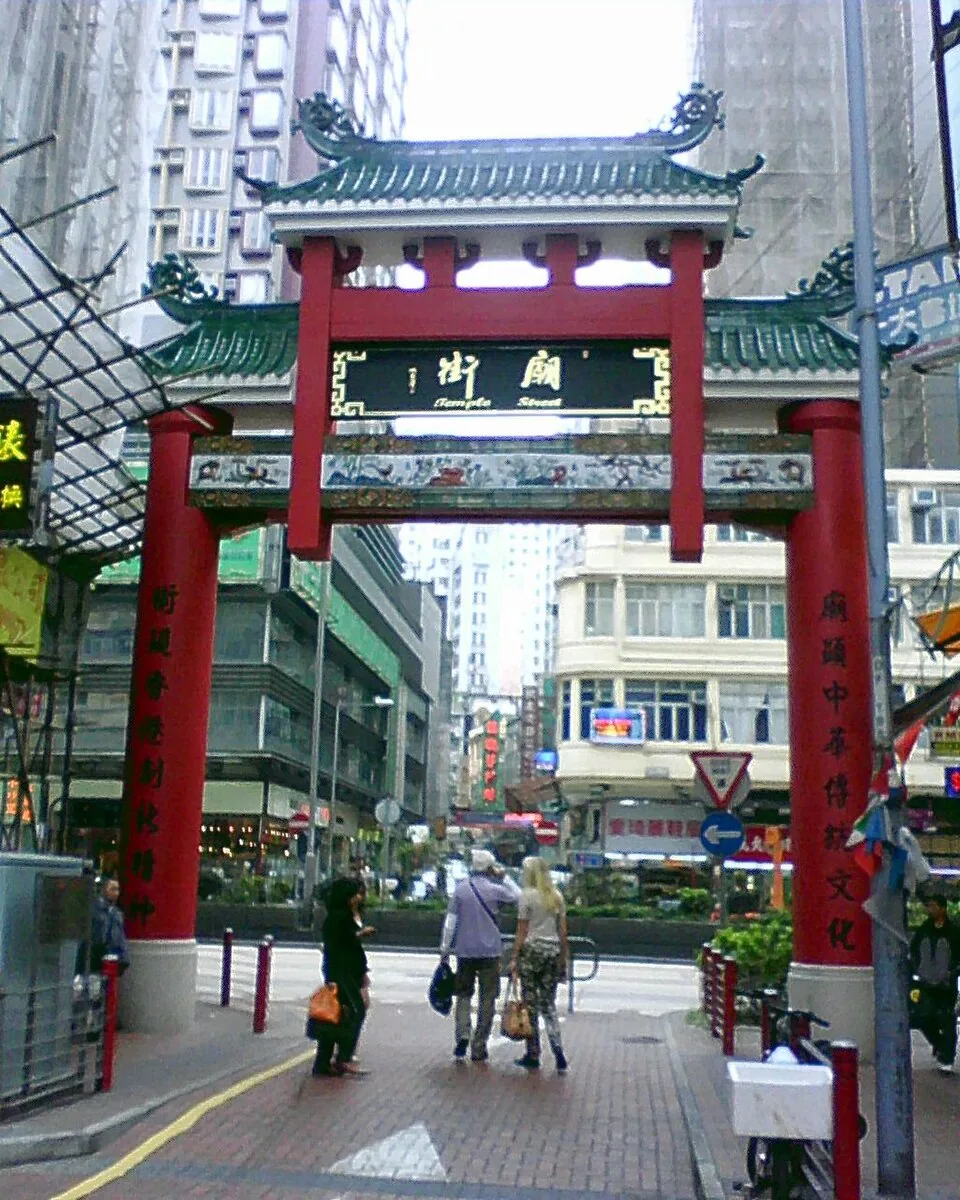
Temple Street Night Market
Temple Street Night Market takes its name from Tin Hau Temple in Yau Ma Tei. The street becomes a busy evening marketplace for food, shopping, fortune-telling, and informal performances, reflecting the neighborhood’s layered public life.
Tempozan Ferris Wheel
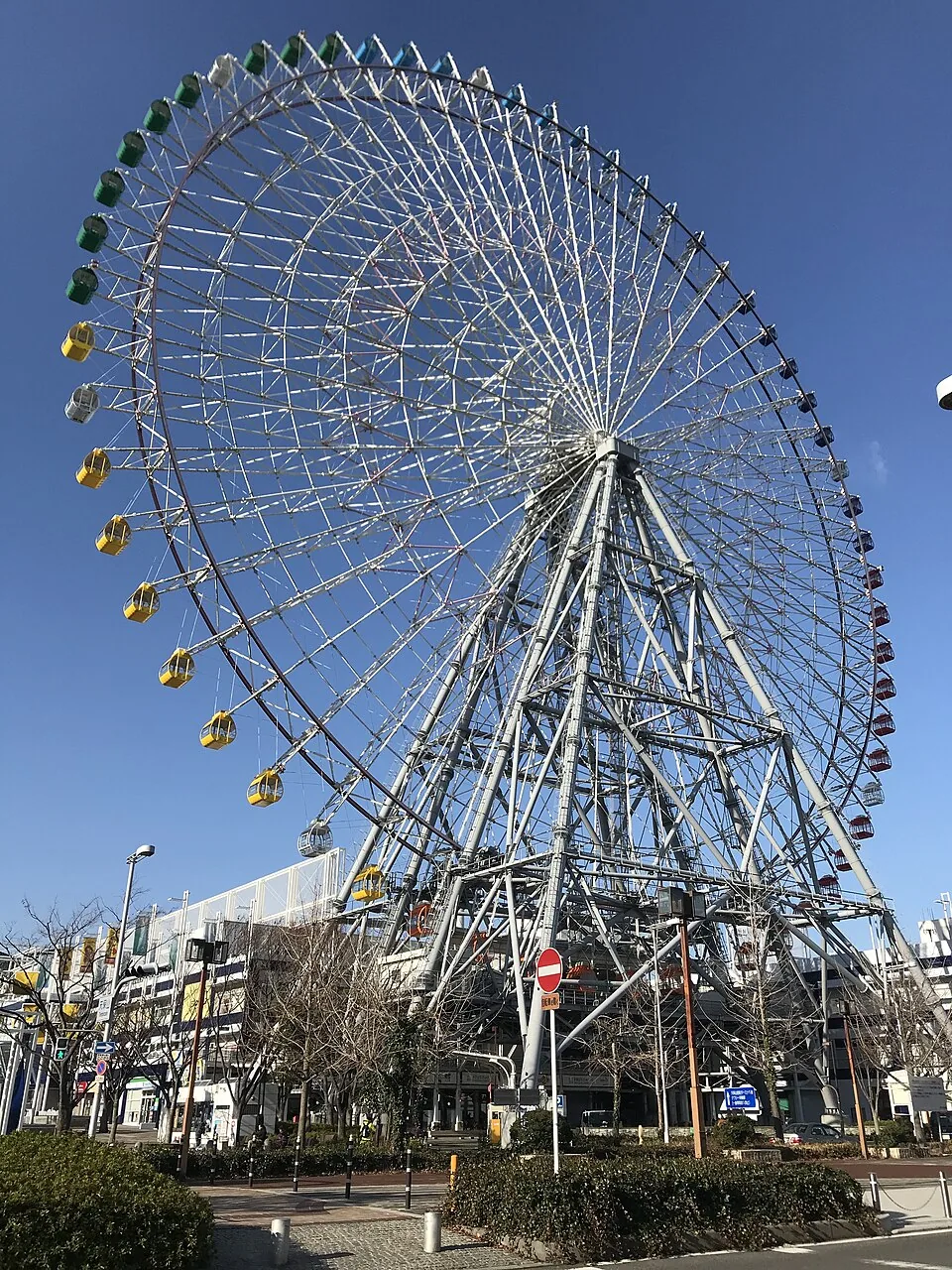
Tempozan Ferris Wheel lifts visitors above Osaka Bay, placing the port, city, and surrounding mountains in one slow panorama. Its scale is easier to grasp through the horizon it gathers than through its measurements alone.
Tempozan Harbor Village
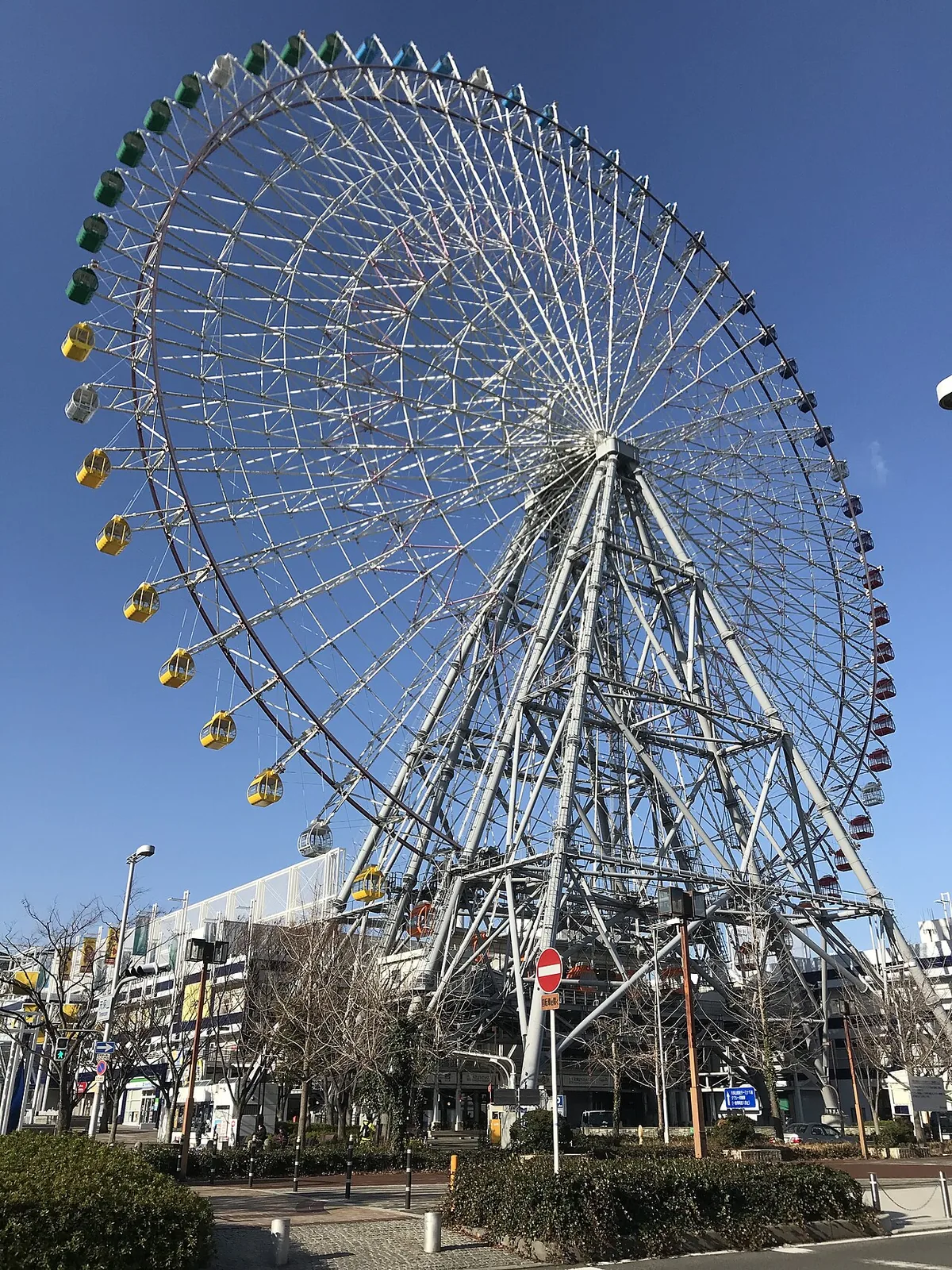
Tempozan Harbor Village is a cluster of waterfront attractions beside Osaka Bay, centered on the Osaka Aquarium Kaiyukan. The harbor setting links entertainment with the port city’s maritime character and gives the district a distinctly open, coastal scale.
Tenement Museum
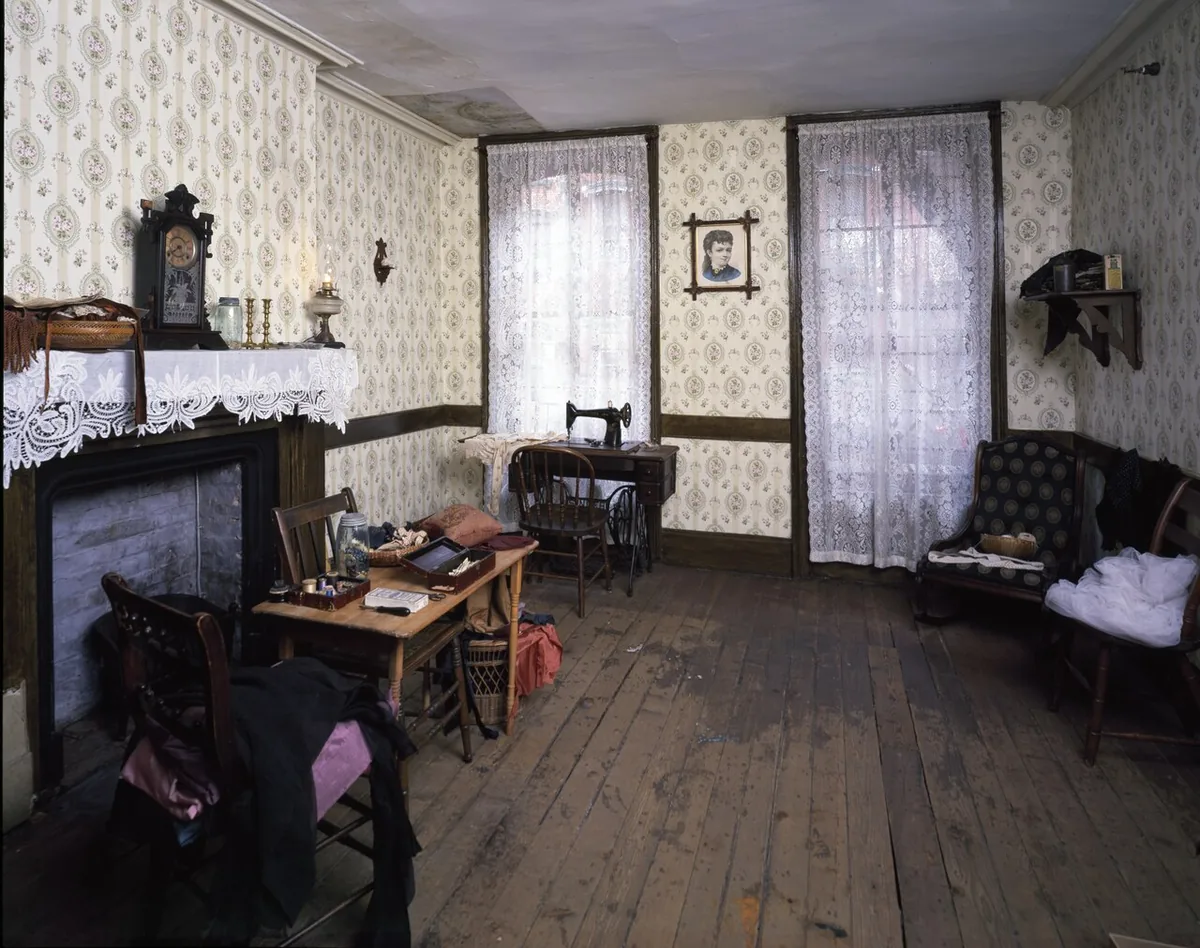
The Tenement Museum uses apartments at 97 Orchard Street to tell the stories of immigrant families who lived in a Lower East Side tenement. Restored rooms connect domestic spaces to changing work, migration, and community histories.
Tenjinbashisuji Shopping Street
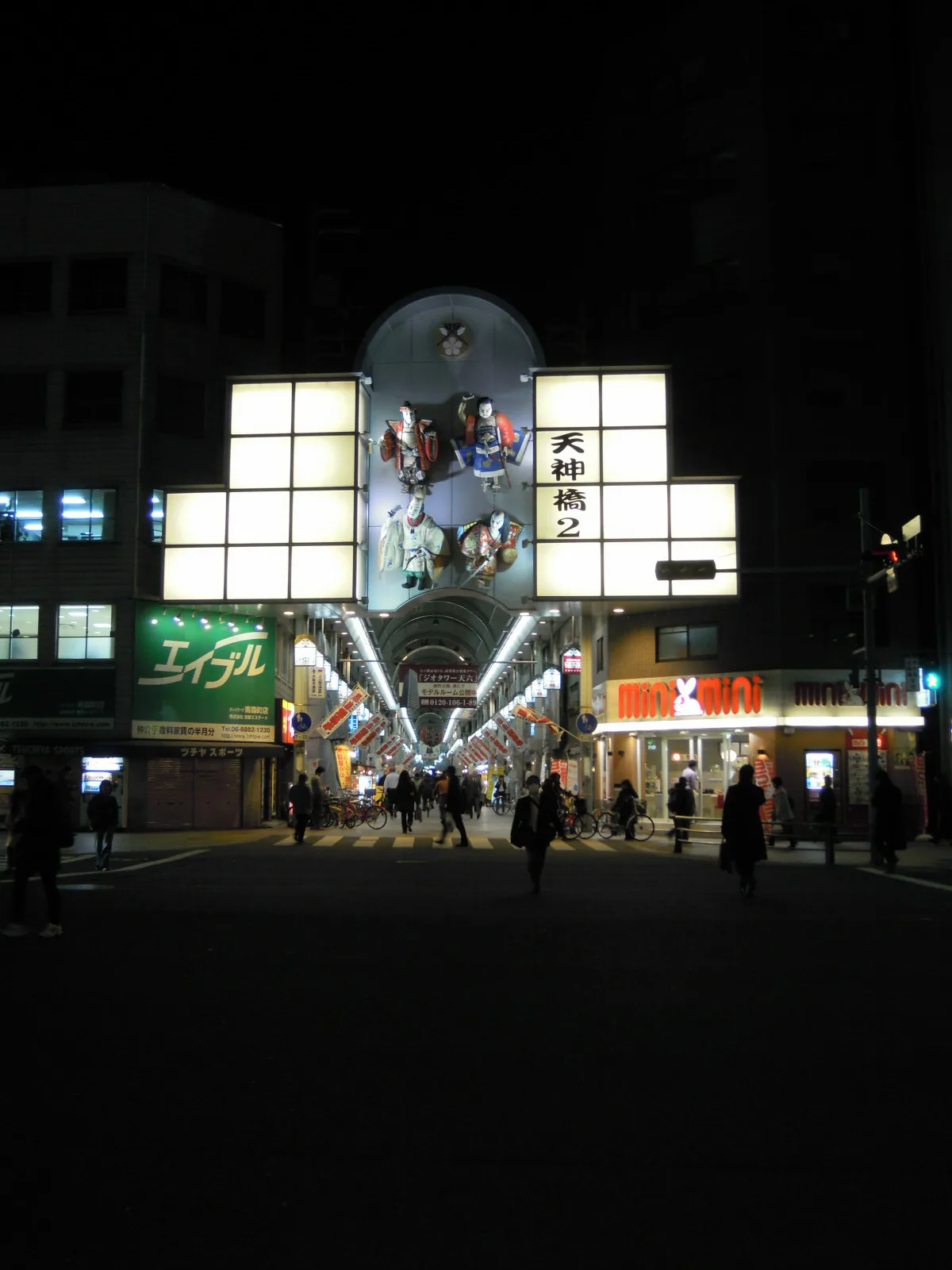
Tenjinbashisuji Shopping Street runs for kilometres beneath a covered arcade, joining small shops, food businesses and everyday services. Its long commercial corridor grew from the temple-town streets around Osaka Tenmangu Shrine.
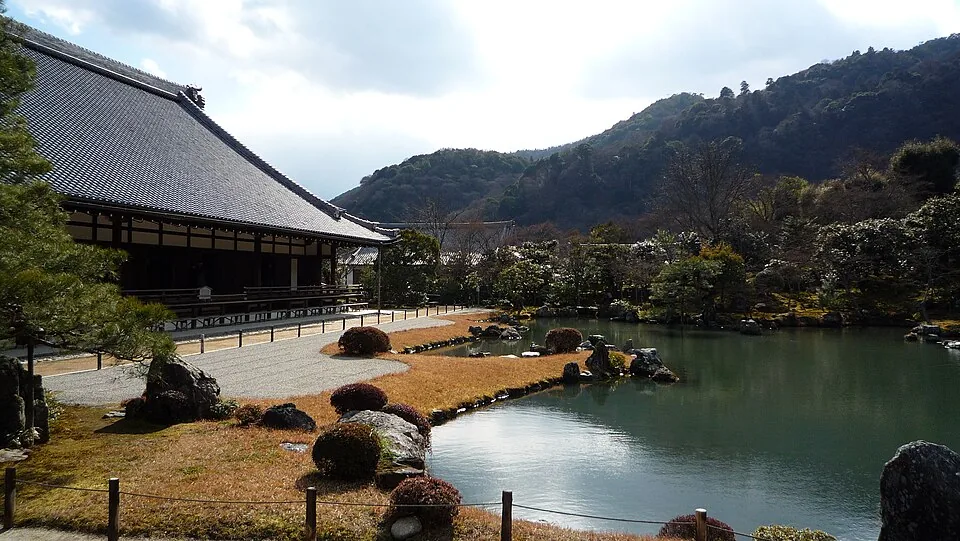
Tenryu-ji
Tenryu-ji’s garden arranges pond, stones, and borrowed mountain scenery into a single composition. Founded to honor Emperor Go-Daigo, the Zen temple combines a political act of remembrance with a landscape designed to change as the seasons turn.
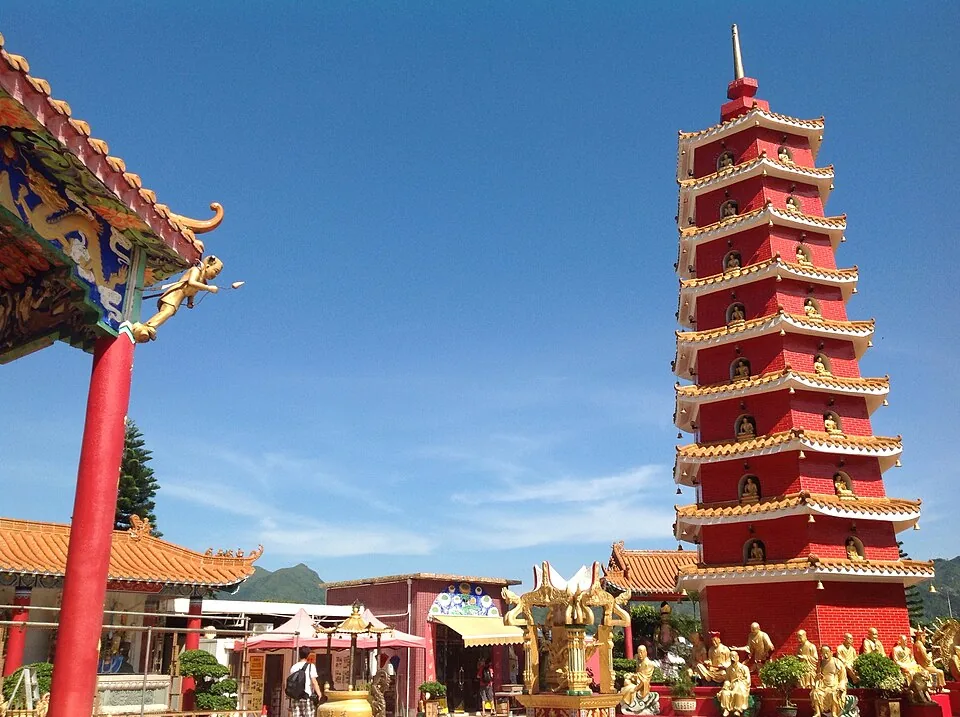
Ten Thousand Buddhas Monastery
Rows of brightly painted arhat figures line the approach to Ten Thousand Buddhas Monastery above Sha Tin. At the summit, halls and a tiered pagoda gather a remarkable sculptural landscape founded by Buddhist master Yuet Kai in the mid-twentieth century.
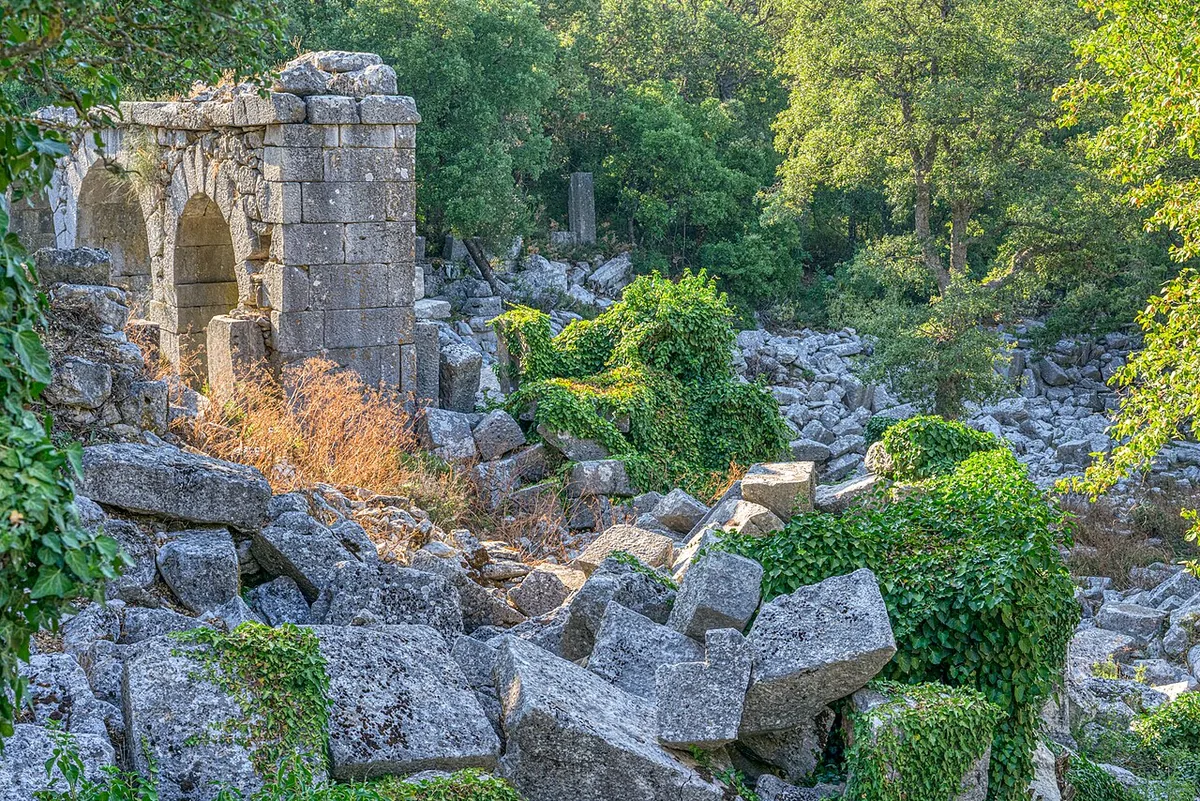
Termessos Ancient City
Termessos occupies a rugged mountain slope northwest of Antalya, where walls, theater, and cisterns sit within a dramatic natural setting. The city’s high position shaped its defenses and daily life, leaving ruins that follow the contours of Güllük Mountain.
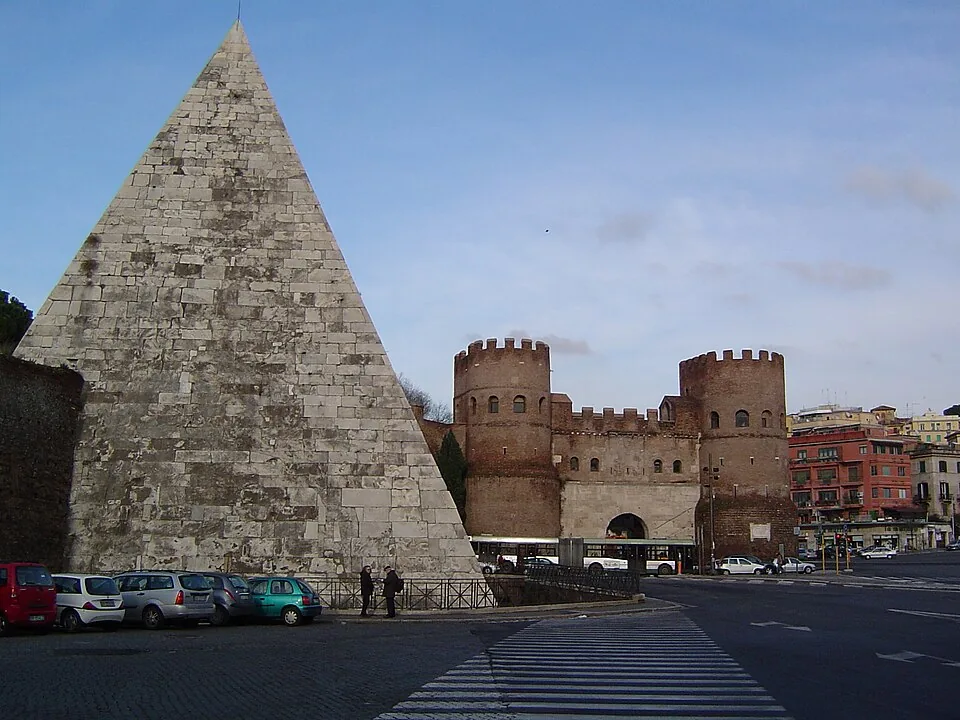
Testaccio
Testaccio grew around a hill made from millions of discarded Roman transport jars. The mound records the logistics of food imports into the ancient city, while the modern neighborhood’s working-class history grew from industry along the Via Ostiense.
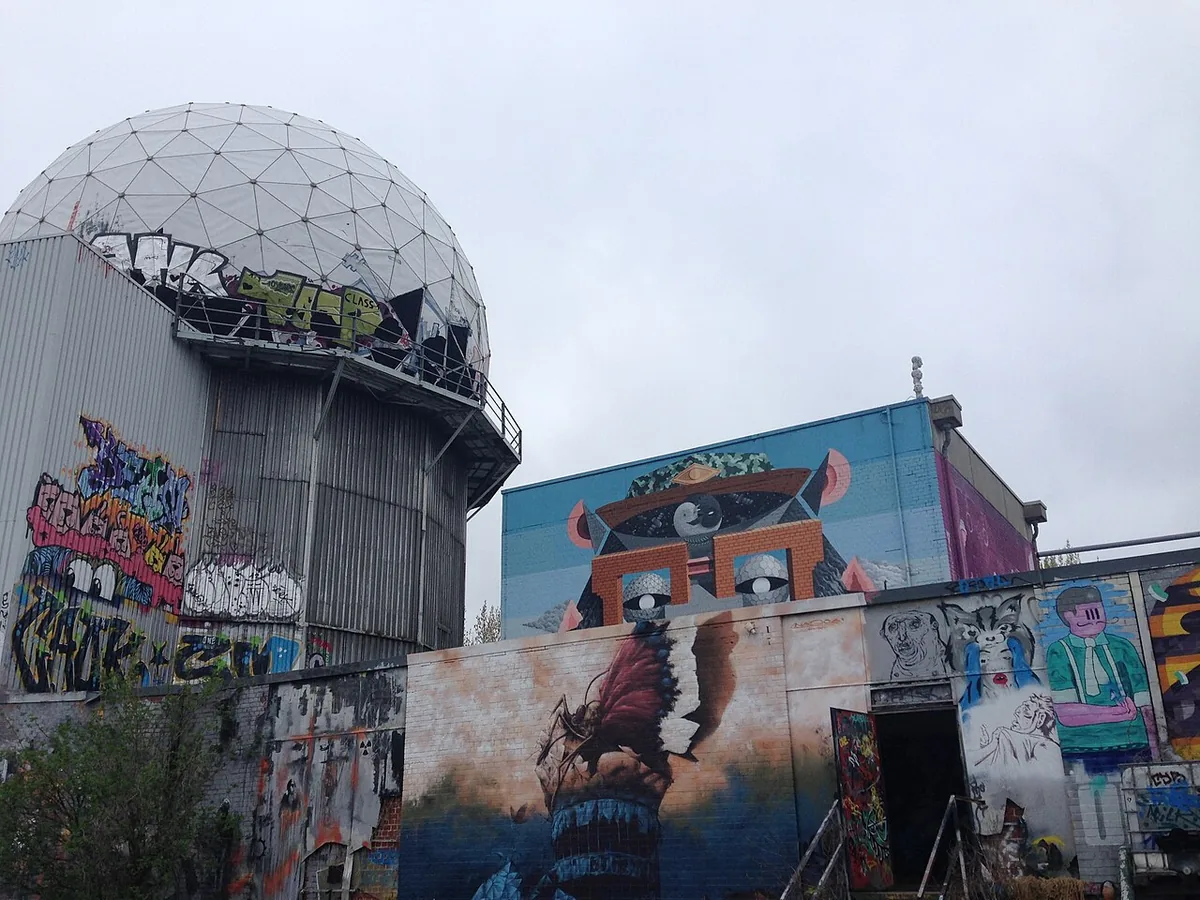
Teufelsberg Listening Station
Teufelsberg rises from Berlin’s postwar rubble and carries a former listening station on its summit. The abandoned radar domes recall Cold War surveillance, while the hill’s artificial foundations expose a much earlier layer of the city’s destruction and rebuilding.
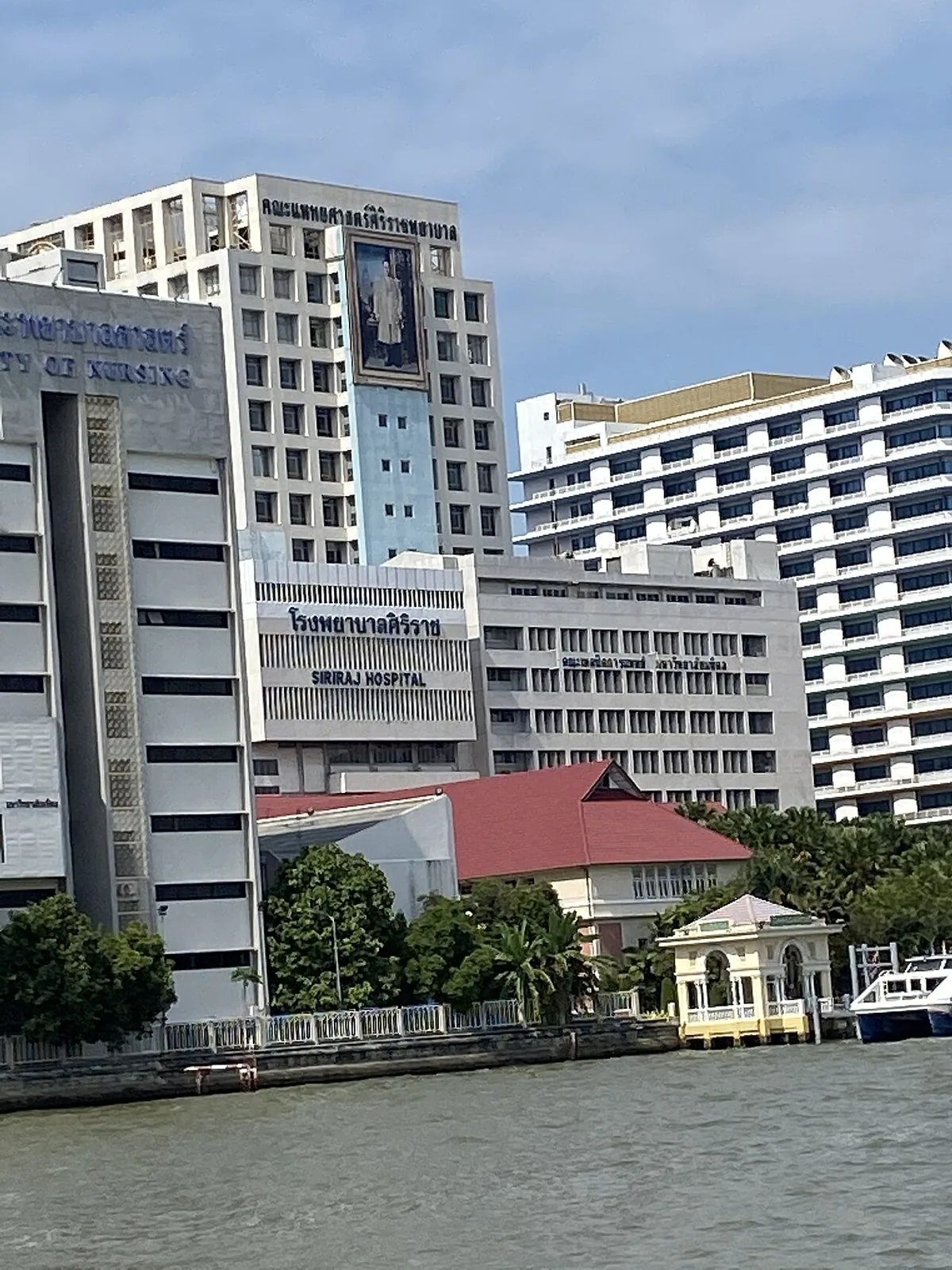
Tha Maharaj
Tha Maharaj is a modern riverside gathering place on Maharaj Road, with the Chao Phraya forming its broad western edge. Restaurants and cafés face a historic part of Bangkok, so the visit moves between a contemporary pause and the working river beyond it.
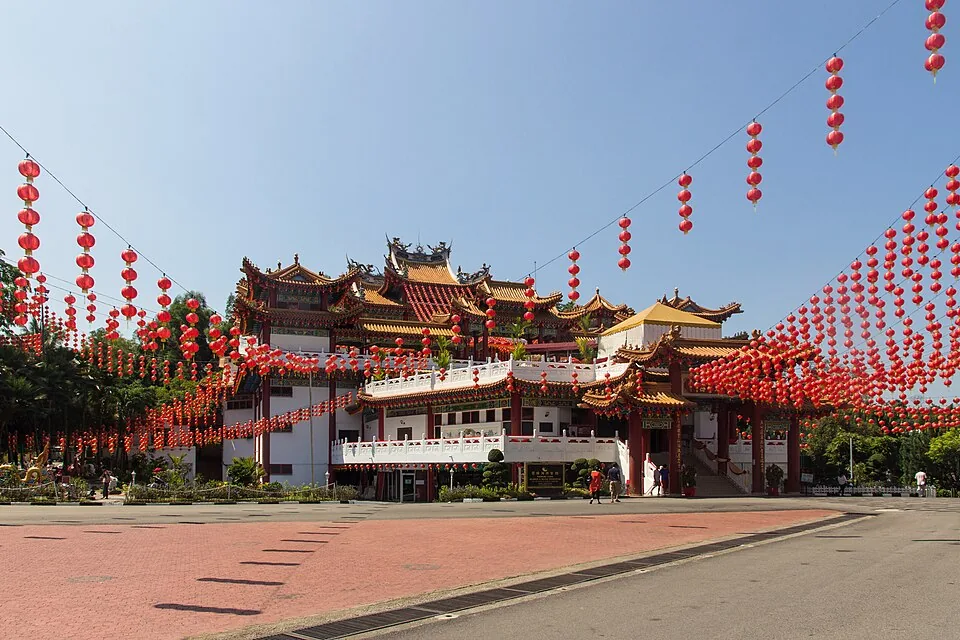
Thean Hou Temple
Thean Hou Temple rises above Kuala Lumpur in six tiers, combining a broad roofline, red columns, and richly patterned ornament. It is a living Hainanese association temple honoring Mazu and other deities, joining community identity with worship.
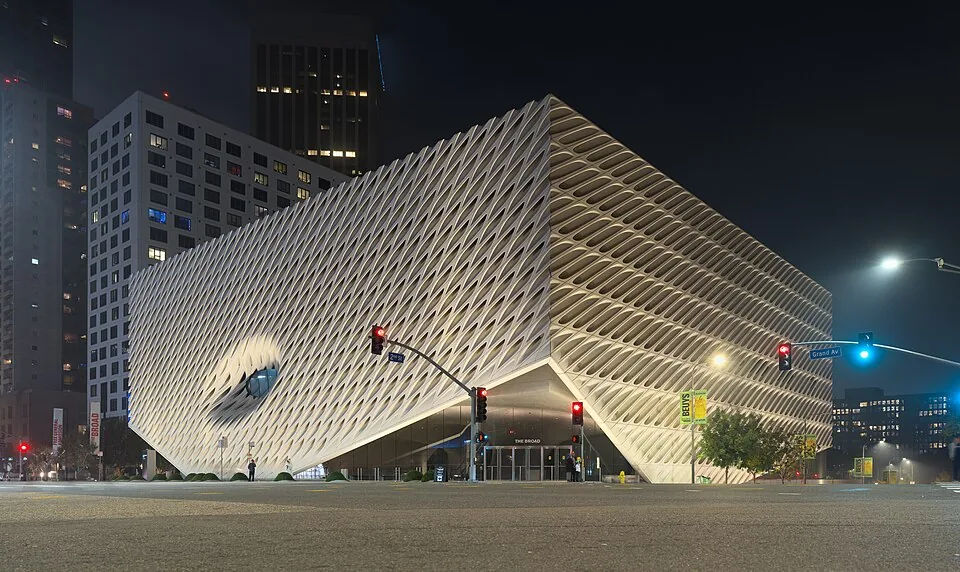
The Broad
The Broad’s sculptural exterior wraps a contemporary art museum in downtown Los Angeles. Its “veil and vault” design places a porous outer layer around galleries and collection storage, making the building’s approach to showing and keeping art visible in its architecture.
The Cat Cabinet
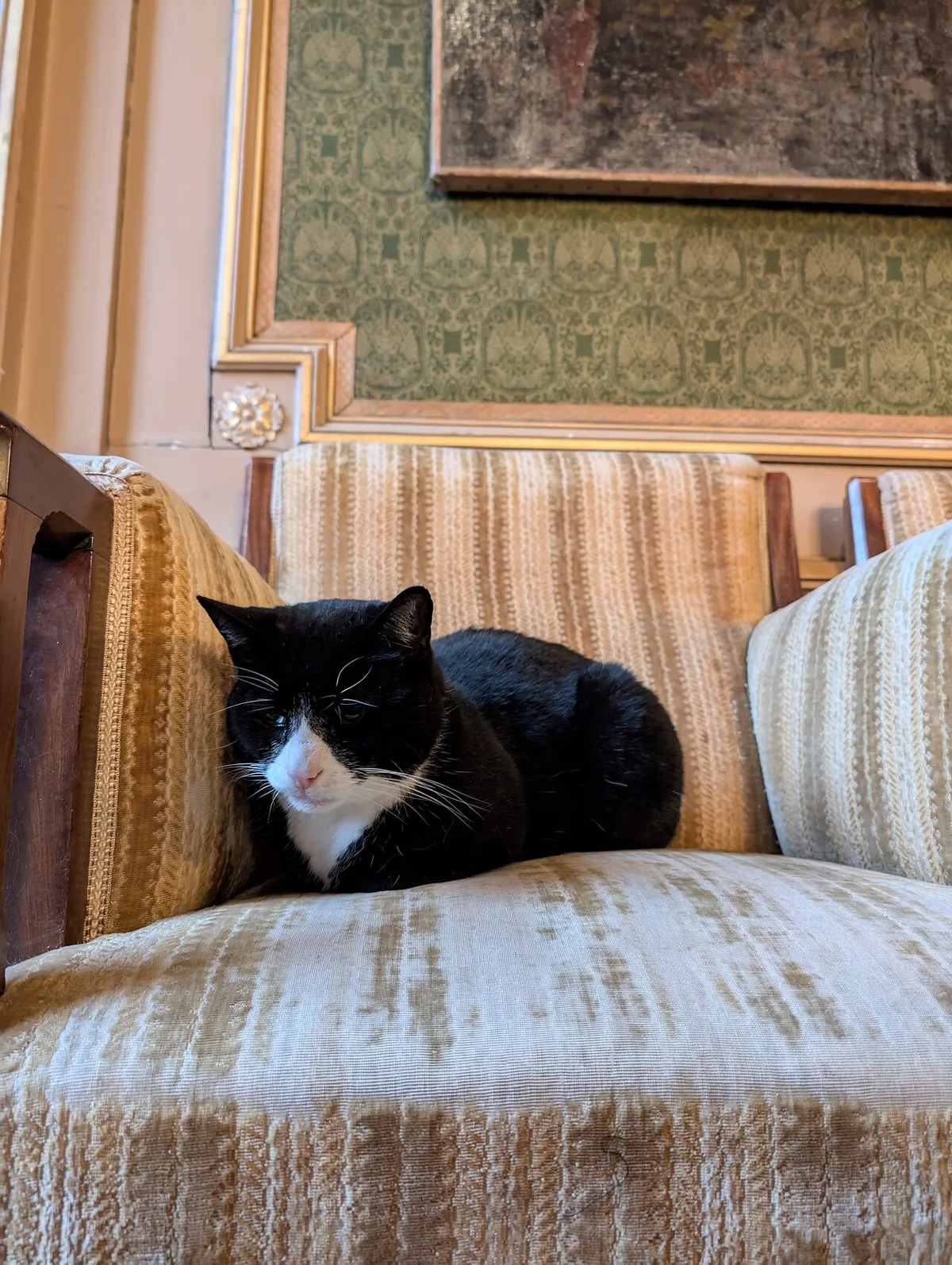
A red cat named John Pierpont Morgan inspired an Amsterdam canal-house museum devoted to cats in art. The house itself dates to the seventeenth century, so the visit links a private memorial to a playful collection spanning paintings, prints, and sculpture.
The Cloisters
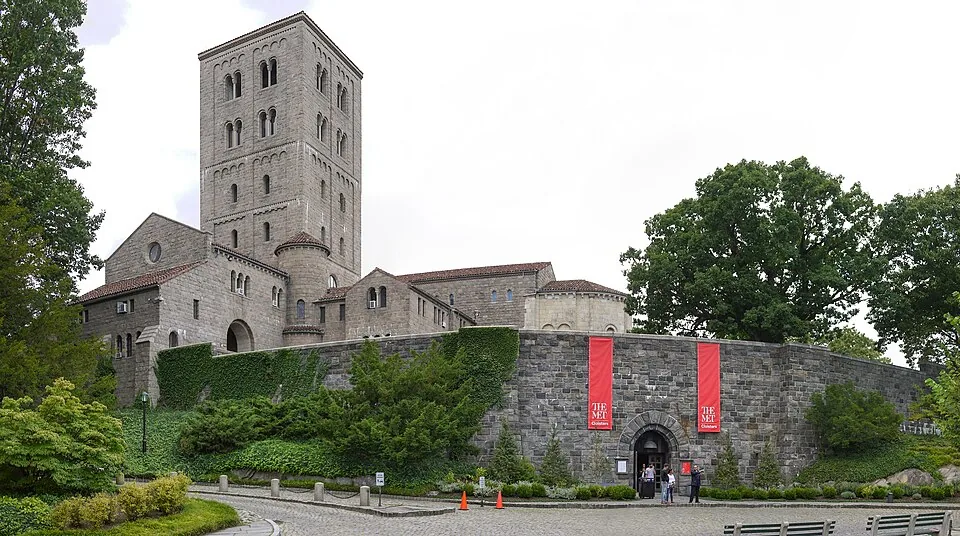
The Cloisters presents medieval European art and architecture in a museum designed around incorporated architectural elements from historic sites. Its gardens and Hudson-facing setting create a contemplative setting, while the building’s layered origins reward close attention.
The Courtauld Gallery
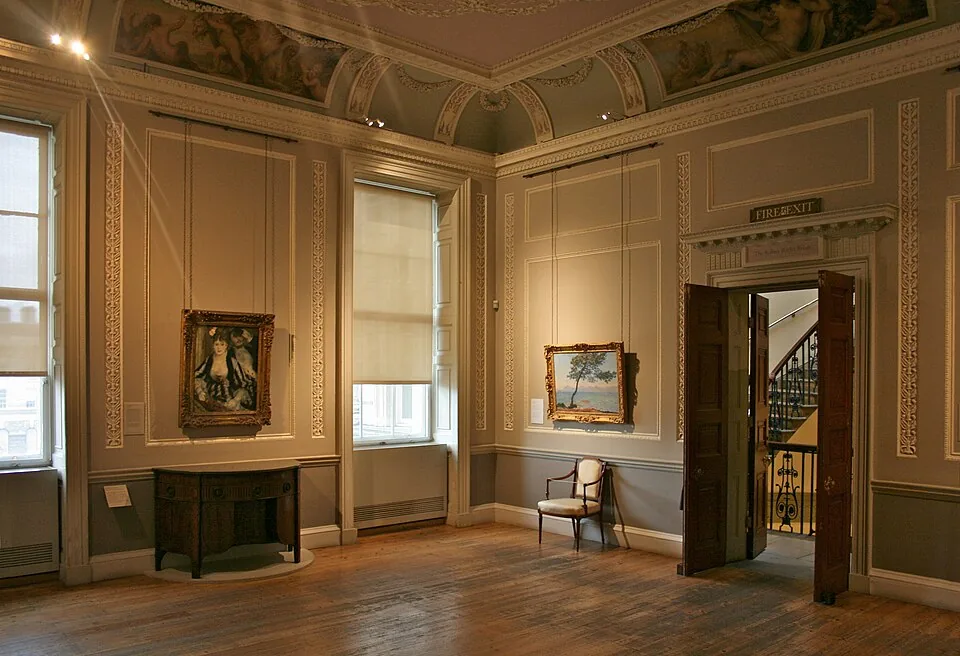
The Courtauld Gallery occupies part of Somerset House, where a compact museum setting brings paintings, prints, sculpture, and decorative arts into close reach. Its Impressionist and Post-Impressionist works reward slow looking: small shifts of colour and brushwork become visible at conversational d
The Culture Front of Umm Al-Qura University
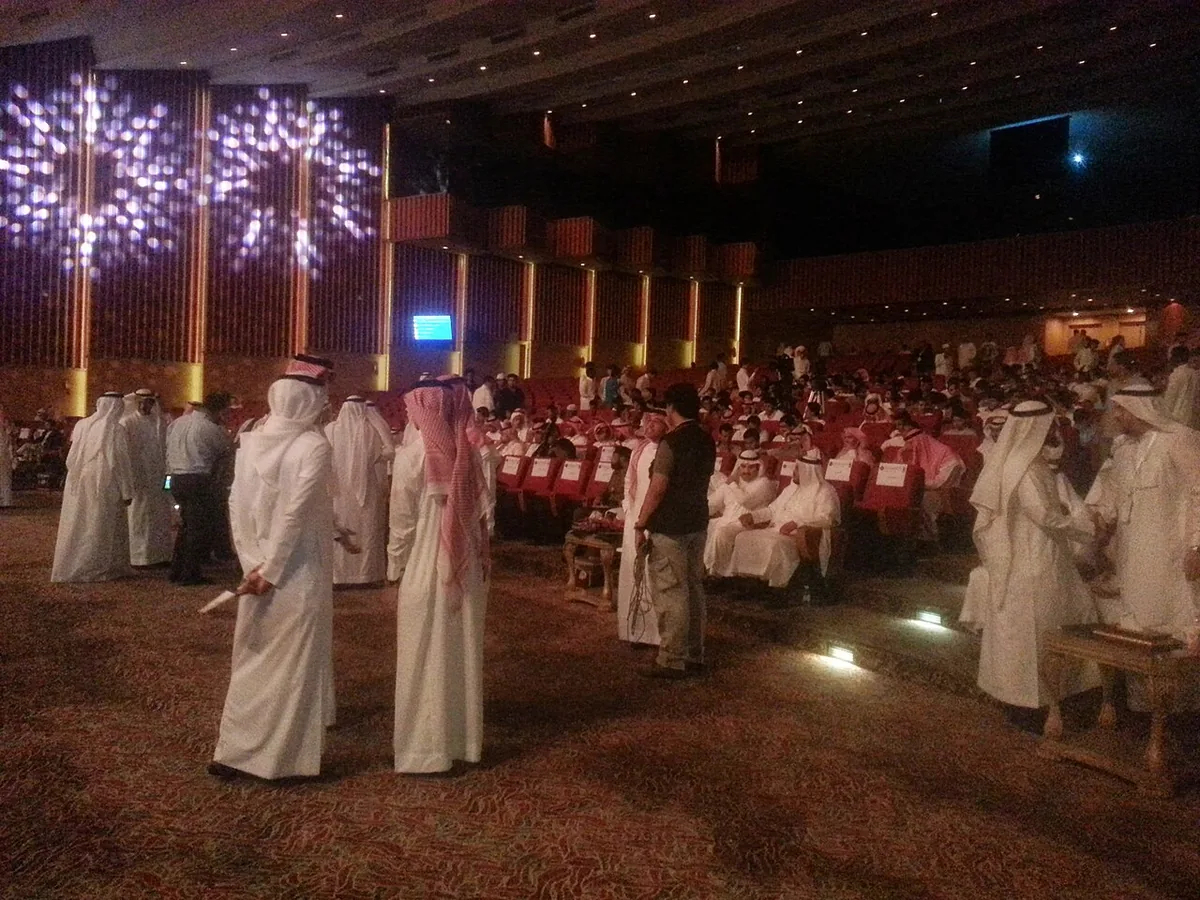
The Culture Front of Umm Al-Qura University presents cultural and historical material through a university-based visitor experience in Mecca. Its exhibitions and digital interpretation connect the institution’s academic setting with the city’s heritage and the experiences of visitors and pilgrims.
The Elevated Acre
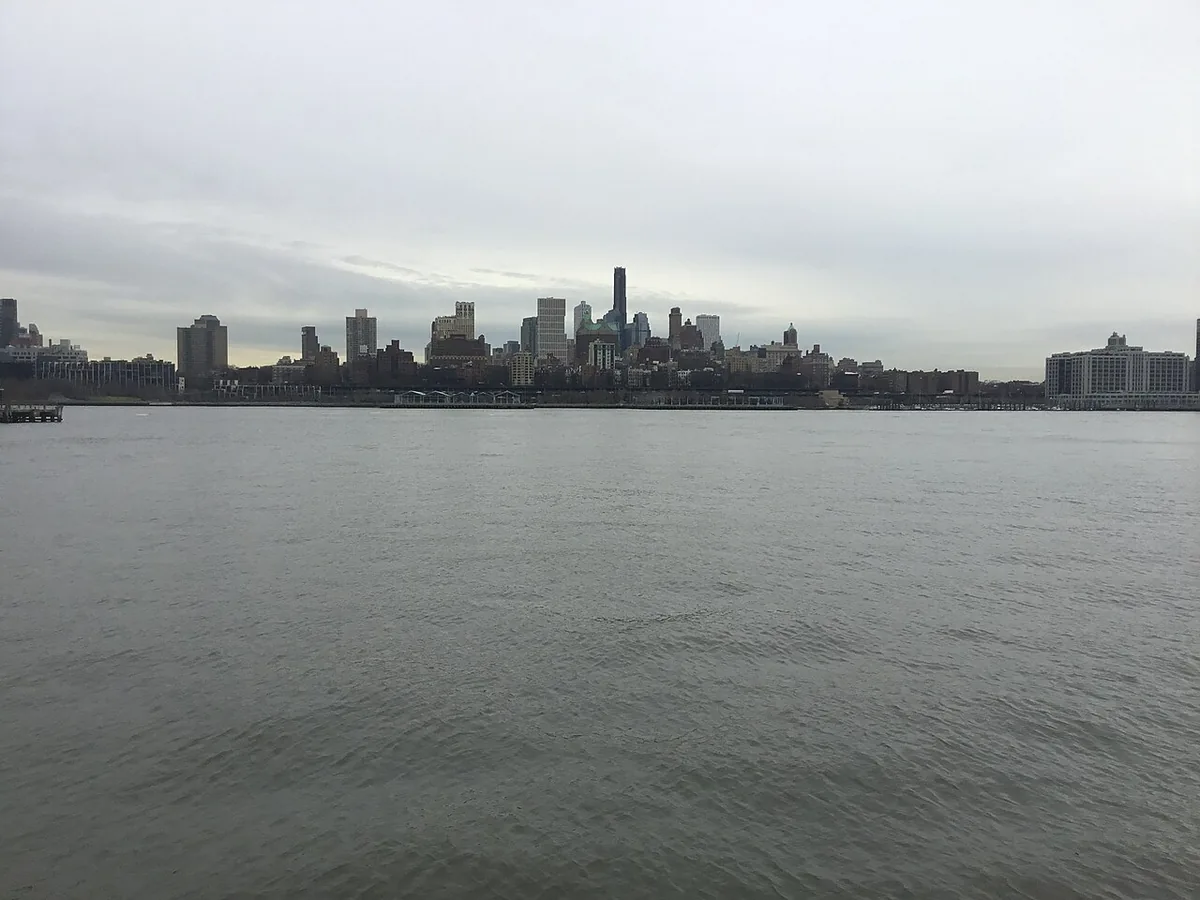
The Elevated Acre lifts a small public landscape above Lower Manhattan’s street grid. Its lawn, boardwalk, planted areas, and harbor-facing views occupy a deck at 55 Water Street, creating an unexpected pause between the financial district and the East River waterfront.
The George Inn
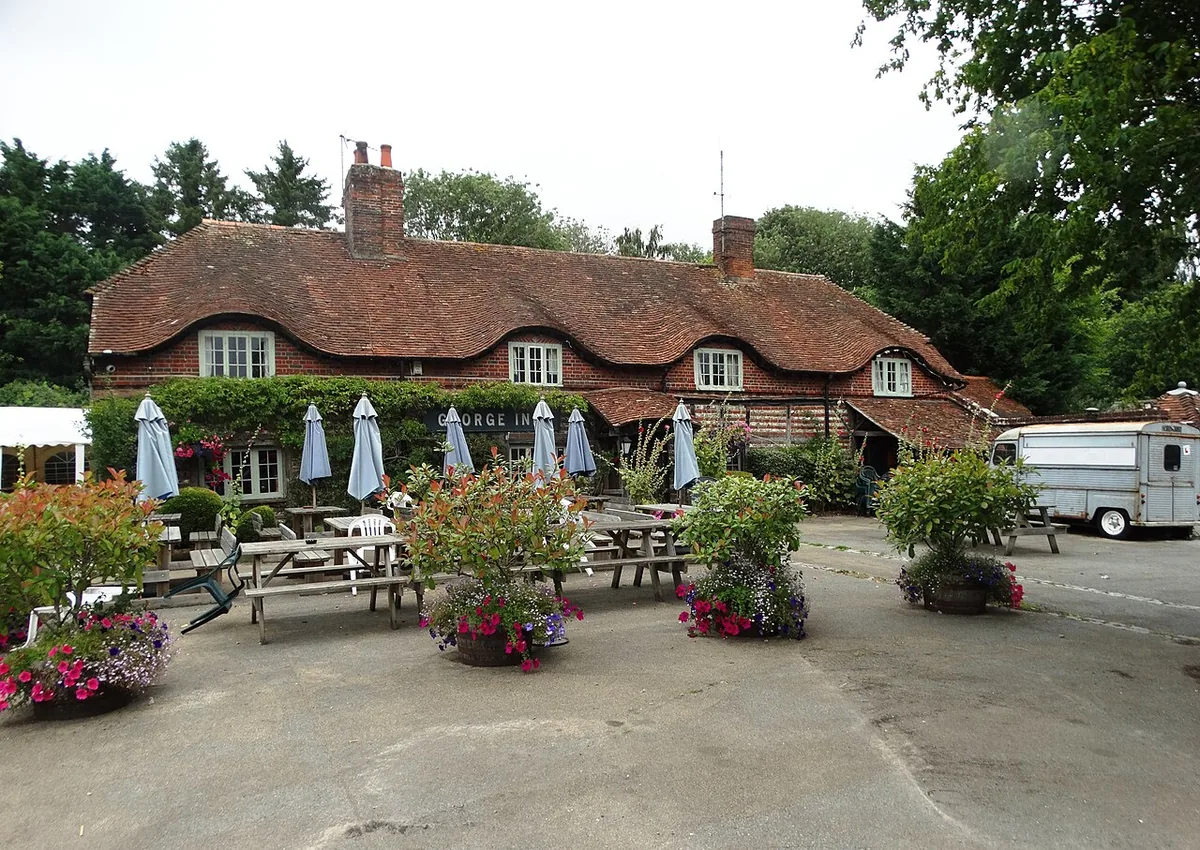
The George Inn preserves a rare timber gallery overlooking its courtyard, a reminder of how coaching inns once housed travellers above busy yards. Rebuilt after the Southwark fire of 1676, it is now the last remaining galleried inn in London and remains a working pub under National Trust care.
The Getty Center
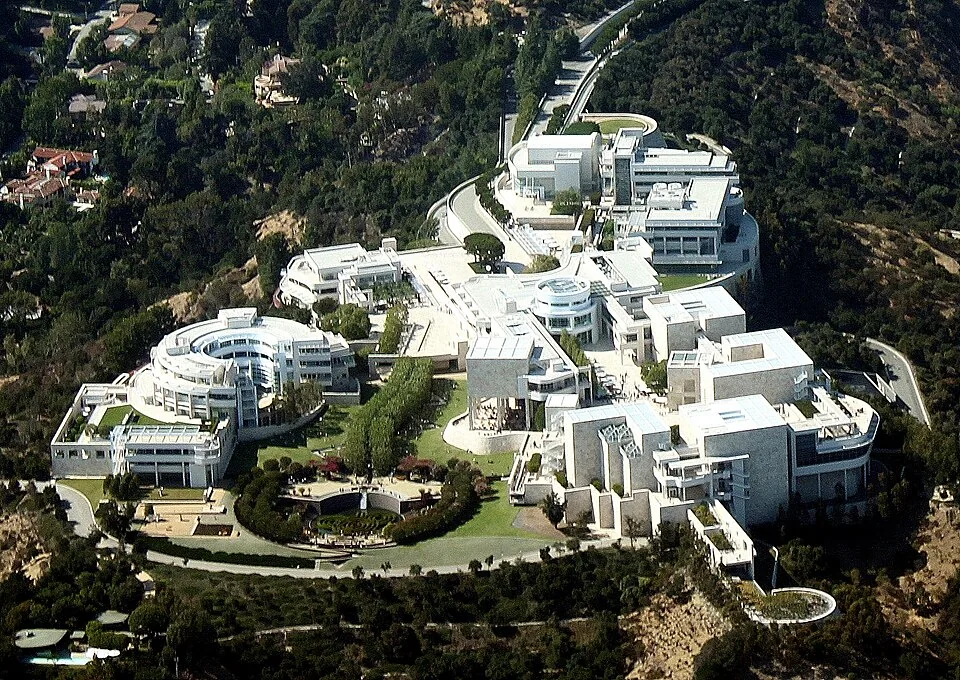
The Getty Center occupies a hilltop campus overlooking Los Angeles, with galleries, research institutes and gardens arranged in pale stone and travertine. Architect Richard Meier’s geometric buildings frame expansive city views, while Robert Irwin’s evolving Central Garden acts as a living artwork.
The Gherkin (30 St Mary Axe)
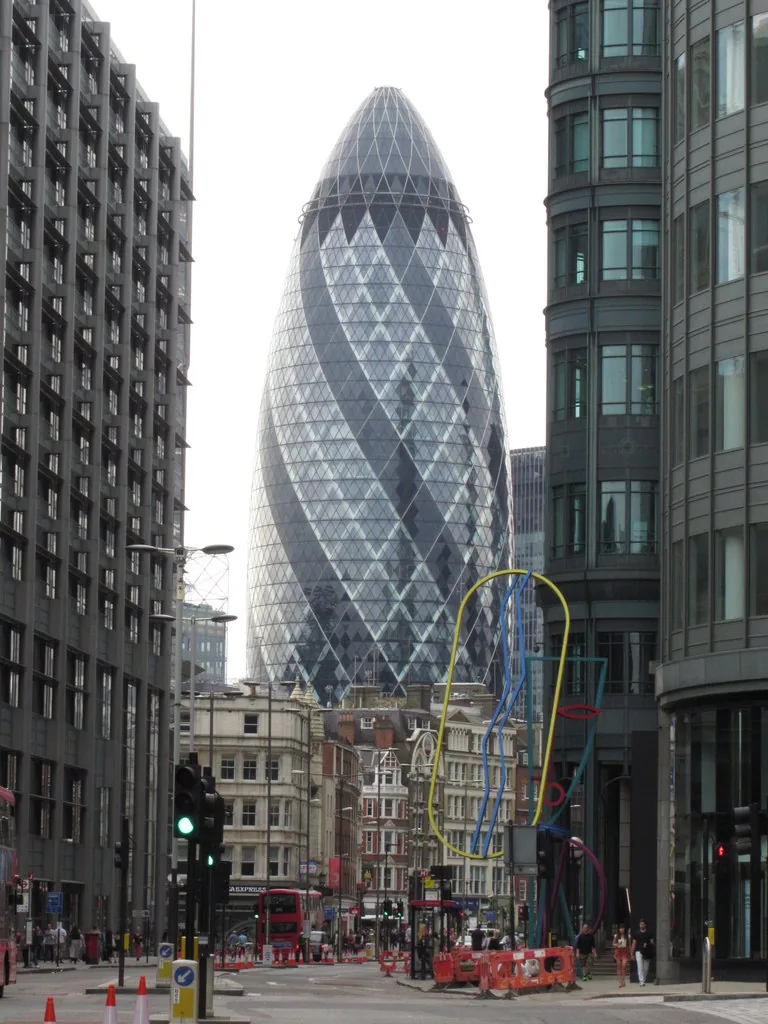
The Gherkin’s tapering glass profile rises from the City of London’s dense street pattern, widening at mid-height before narrowing toward its top. Its spiralling atria and opening façade panels make the building’s environmental strategy part of its architectural form, not just hidden machinery.