Explore locations
Browse places by name, city, country or category.
All locations
1624 locations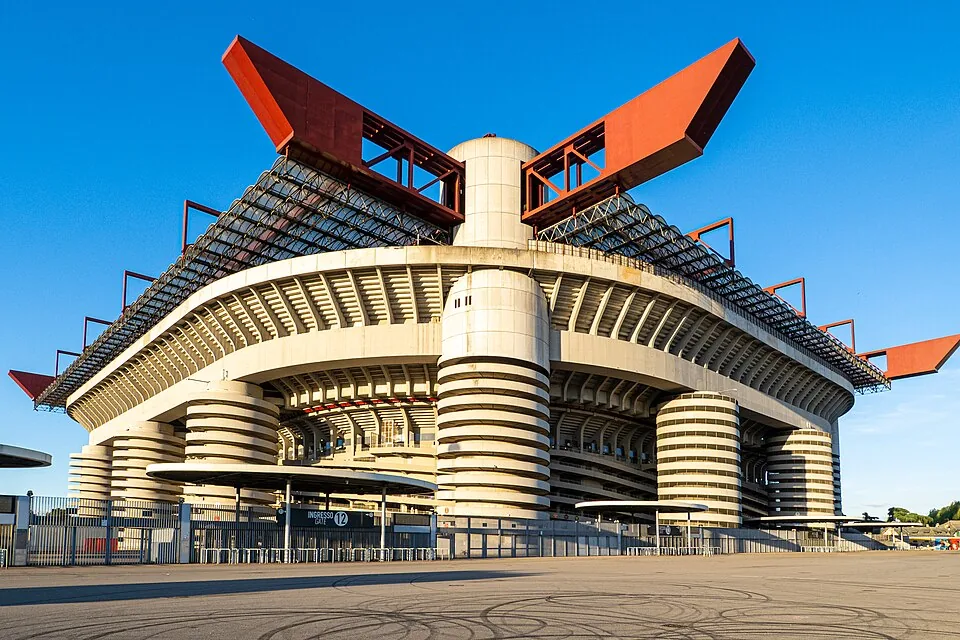
San Siro Stadium
San Siro’s rising tiers record the changing scale of football in Milan. Built for AC Milan in the 1920s, the stadium later became home to Inter as well; its architecture grew through successive expansions while retaining its unmistakable concrete towers and spiral ramps.
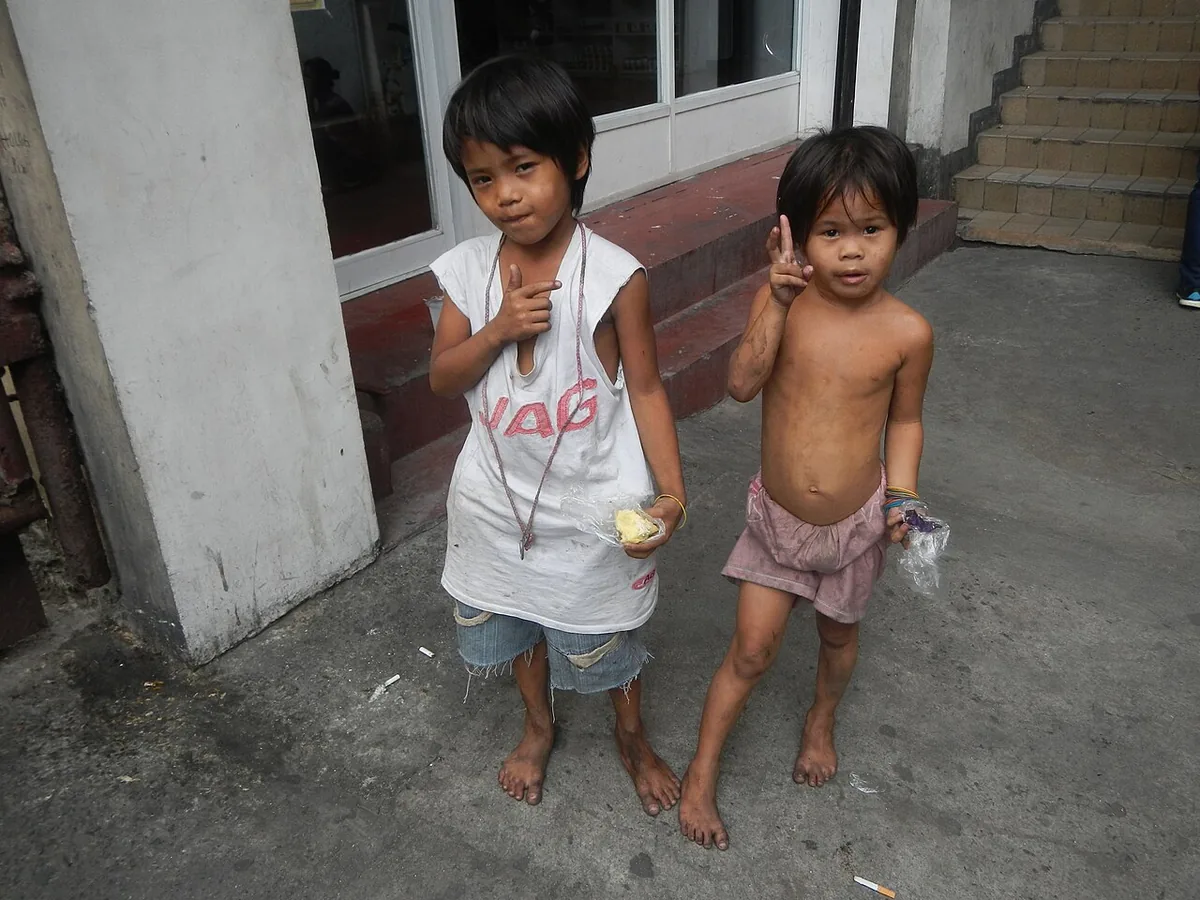
Santa Cruz Church
Santa Cruz Church rises in pale tones beside the Chao Phraya, a prominent marker of Kudi Chin’s Roman Catholic community. Its European-influenced façade sits within a neighborhood shaped by several faiths, giving this riverside church a local context larger than its architecture alone.
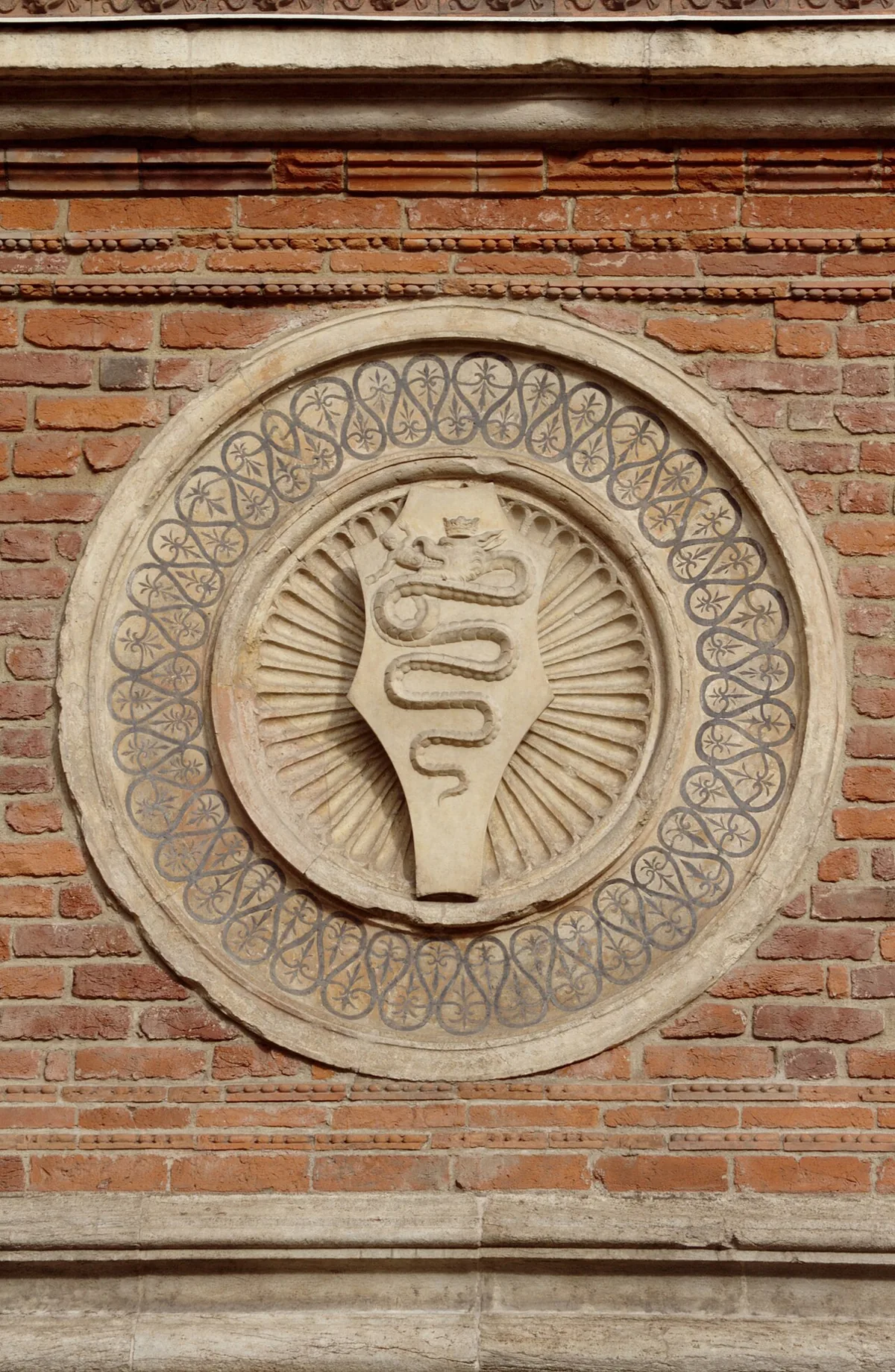
Santa Maria delle Grazie
Santa Maria delle Grazie combines a Lombard Gothic church with a Renaissance tribune commissioned under Ludovico Sforza. The complex is known for Leonardo’s Last Supper, but the church itself reveals how Milan’s ruler brought leading artists into a Dominican setting.
Santa Maria del Mar
Santa Maria del Mar’s broad Gothic interior reflects the prosperity of Barcelona’s Ribera neighborhood and the shared effort of local craftspeople. Built in 54 years, the church’s comparatively focused construction story centers on merchants, guilds, and workers who helped raise it.
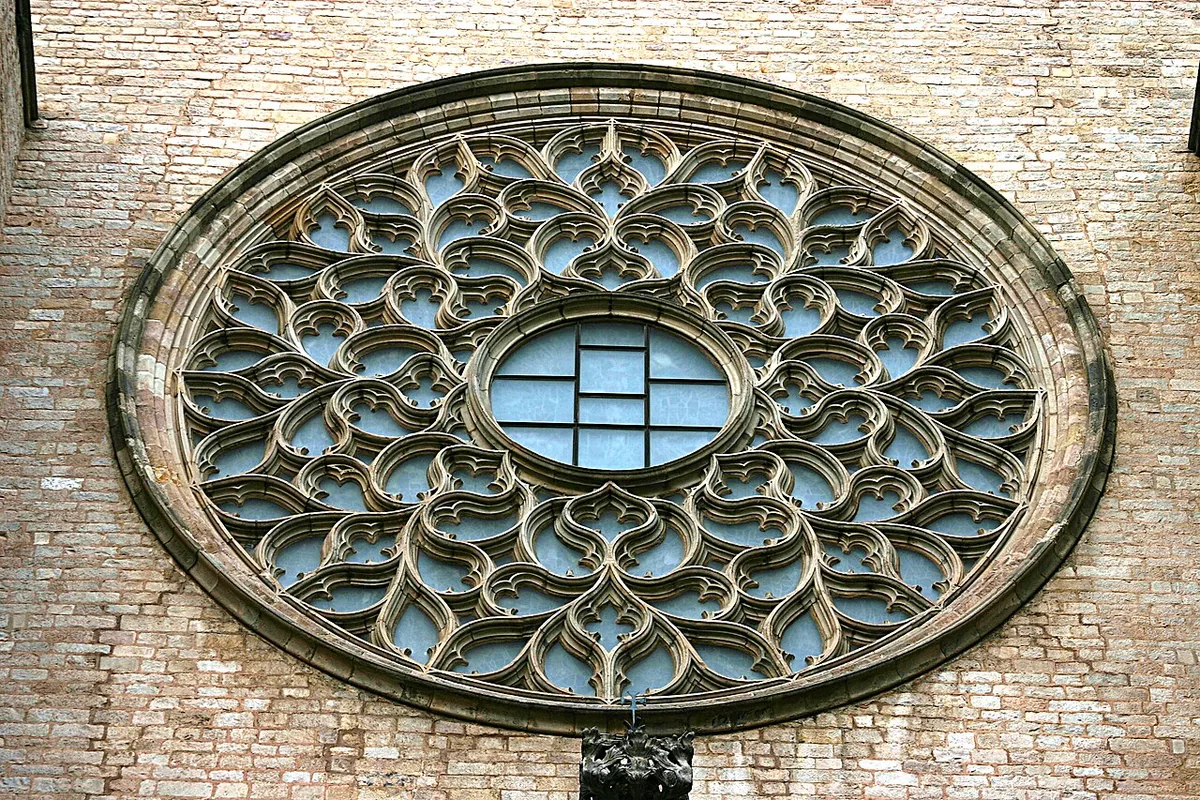
Santa Maria del Pi
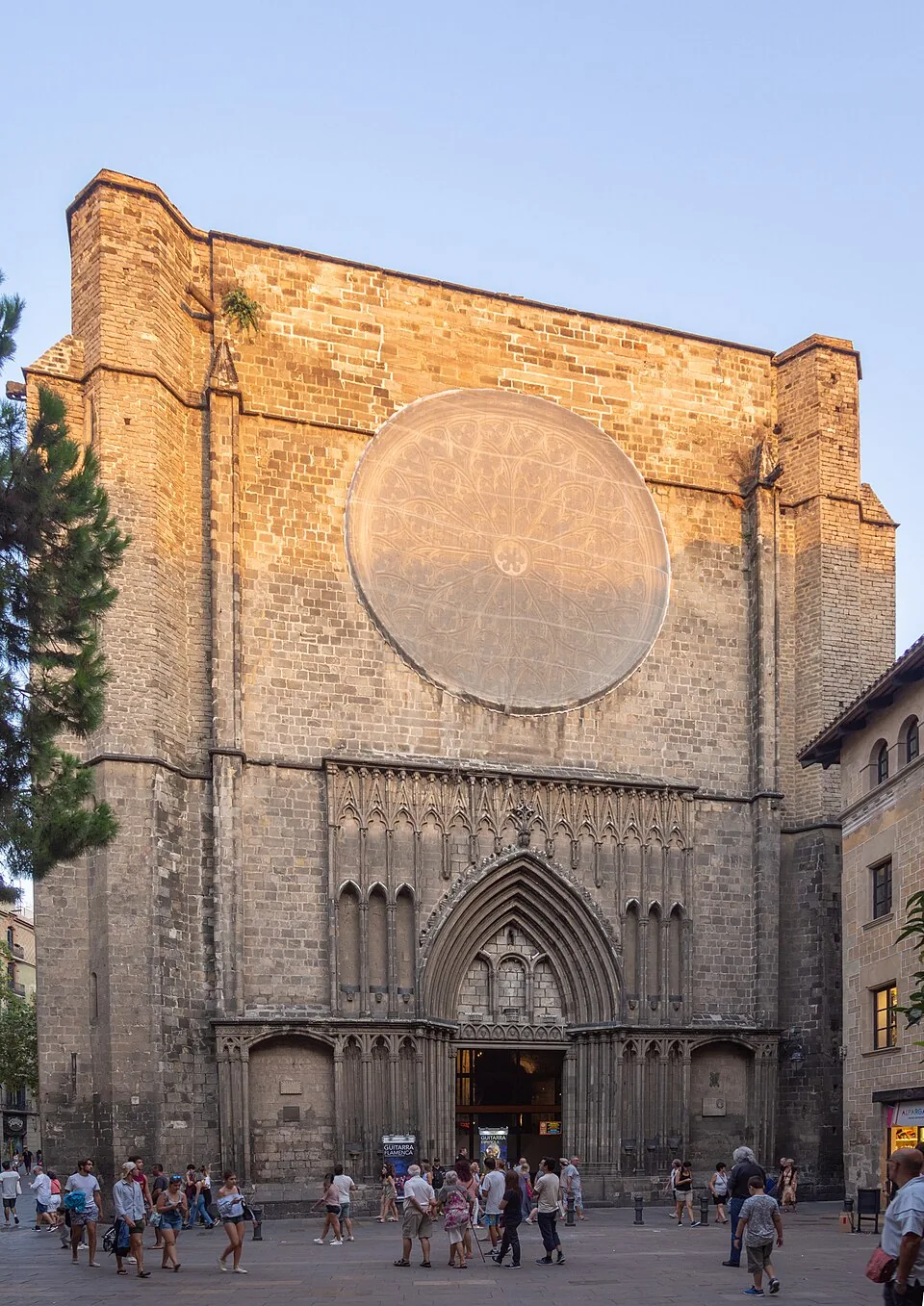
Santa Maria del Pi’s single broad nave gives the church a spacious, unified interior, while its huge rose window anchors the façade. The Gothic basilica grew with medieval Barcelona and remains tied to the parish life of the surrounding squares and lanes.
Santa Monica Pier
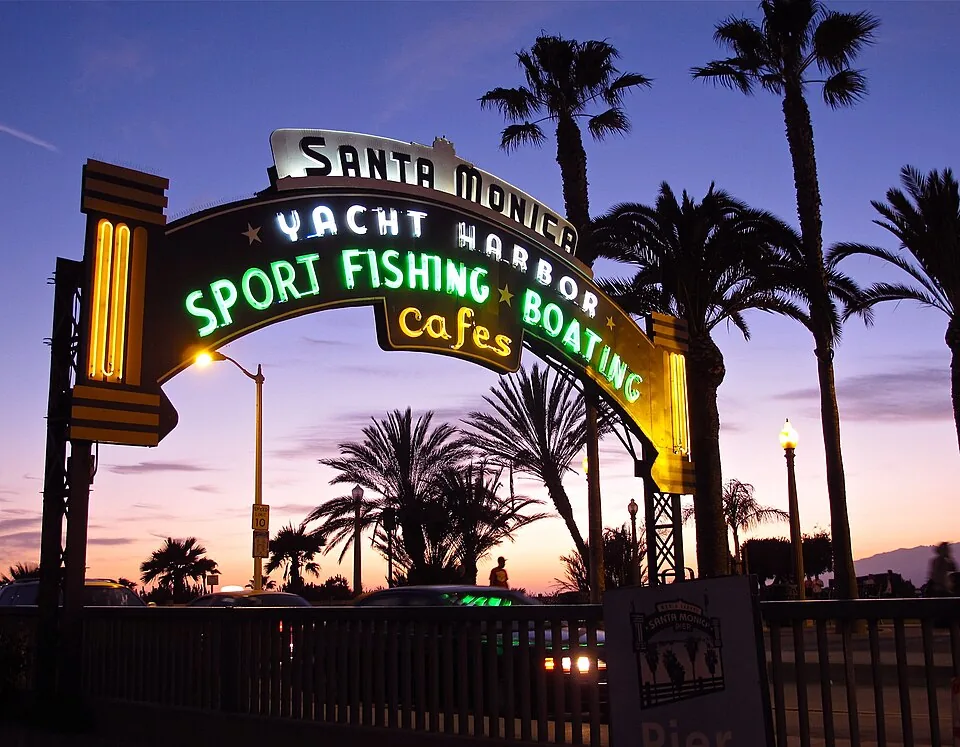
Santa Monica Pier reaches into the Pacific at the foot of Colorado Avenue, where fishing, amusement rides and ocean views share a wooden deck. Its origins were practical: the city built a concrete outfall pier before recreation gradually became its defining use.
Santiago Bernabéu Stadium
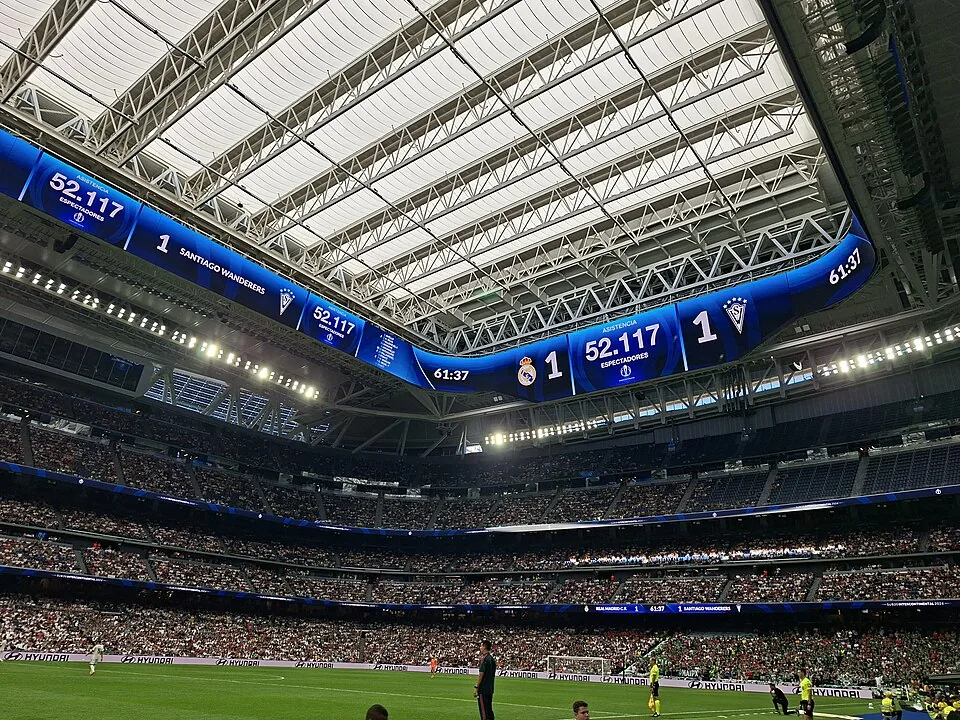
The Santiago Bernabéu Stadium began as a major expansion project led by Real Madrid president Santiago Bernabéu. Opened in 1947 and named for him in 1955, the ground records a period when the club sought a larger home for its growing ambitions.
Santichaiprakan Park
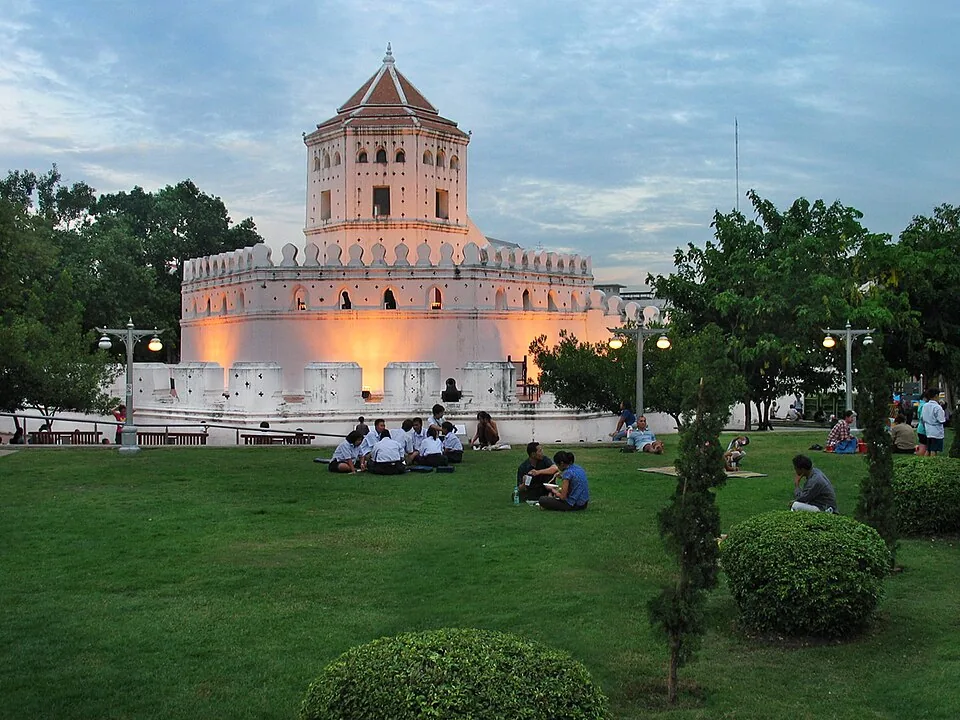
Santichaiprakan Park occupies a Chao Phraya riverbank beside Phra Sumen Fort, joining a public promenade with a surviving piece of Bangkok’s old defenses. The park’s modern landscaping makes the fort easier to encounter, while the river setting restores the waterway’s importance to the city’s older
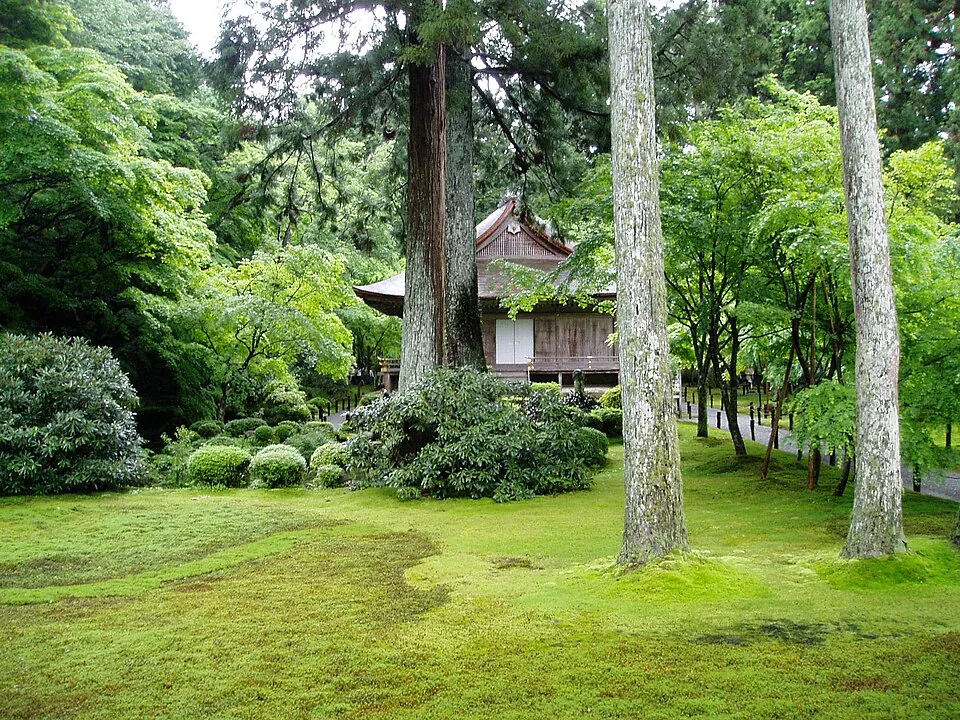
Sanzen-in
Sanzen-in sits in Ohara, where temple halls, gardens, and mountain greenery shape a quieter setting north of Kyoto. Its history links Tendai Buddhism with imperial family members who served as priests at the temple.
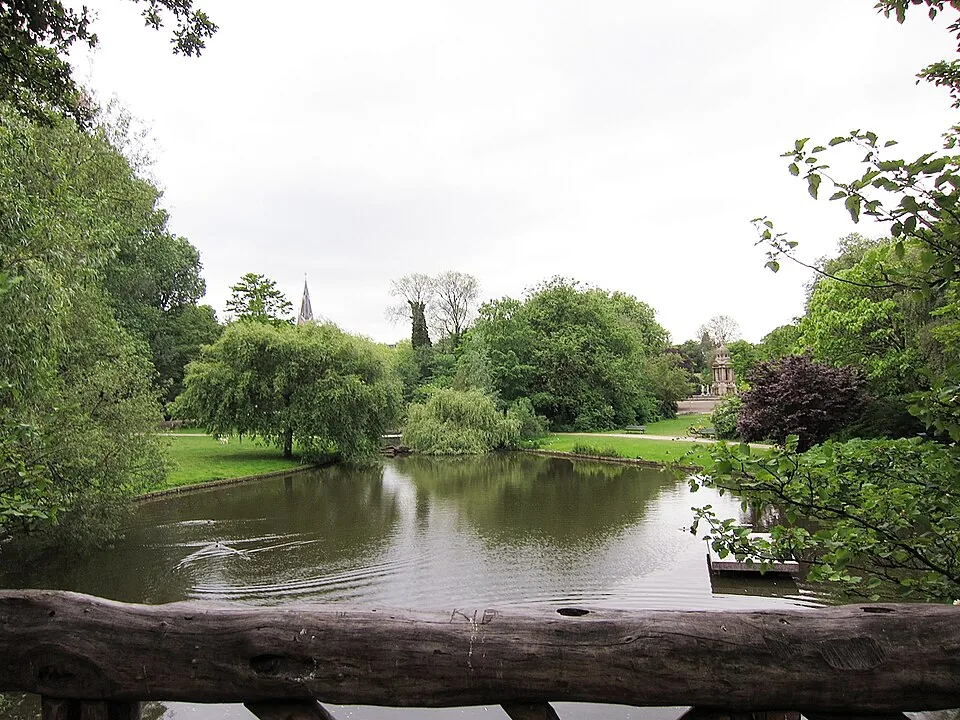
Sarphatipark
In De Pijp’s dense street grid, Sarphatipark offers a compact green pause. Its pond, low position, and monument to city reformer Samuel Sarphati make this small park a clear window into nineteenth-century urban change.
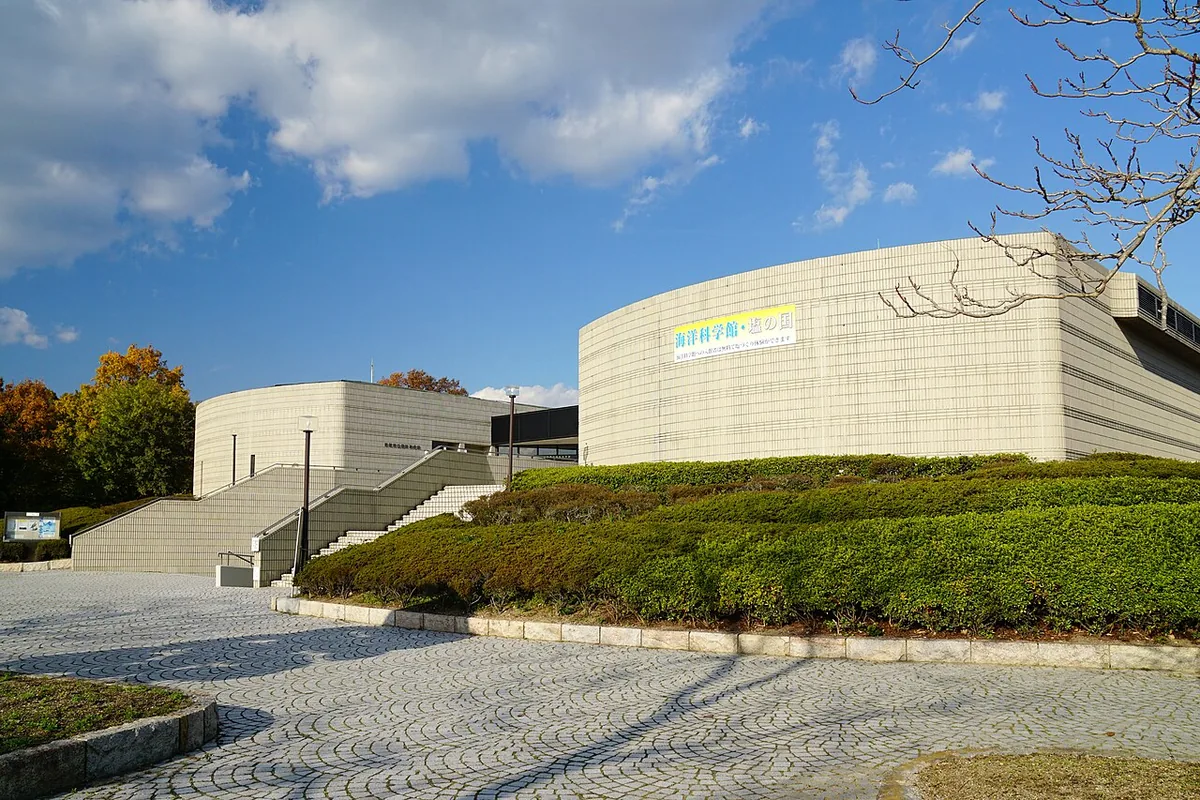
Science Museum
The Science Museum grew from collections assembled after the Great Exhibition of 1851, when objects of industry and invention became tools for public education. Its galleries place mechanisms, instruments, and scientific histories in conversation with visitors.
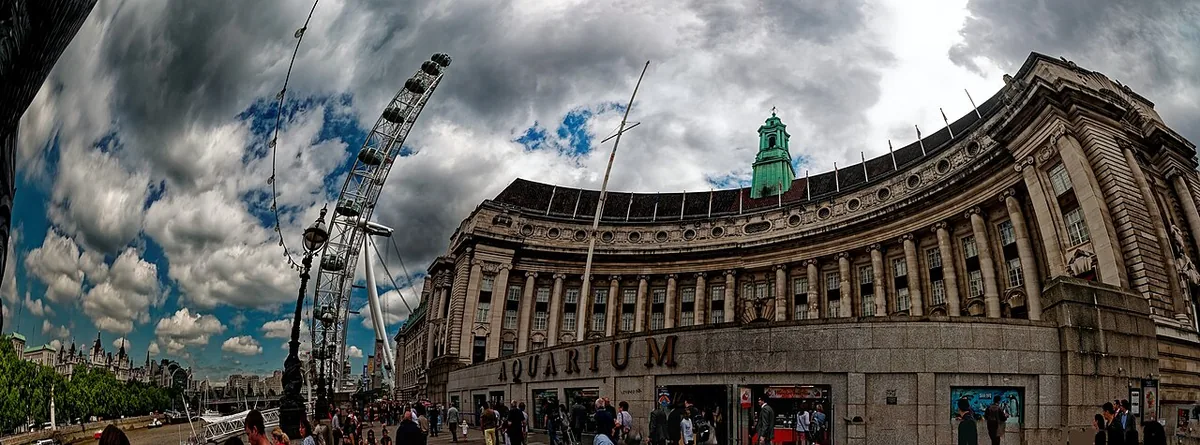
SEA LIFE London Aquarium
SEA LIFE London Aquarium occupies part of County Hall beside the Thames. Its exhibits move through aquatic habitats and marine species, while the location links a modern visitor attraction to a major civic building on the South Bank.
SEA LIFE Orlando Aquarium
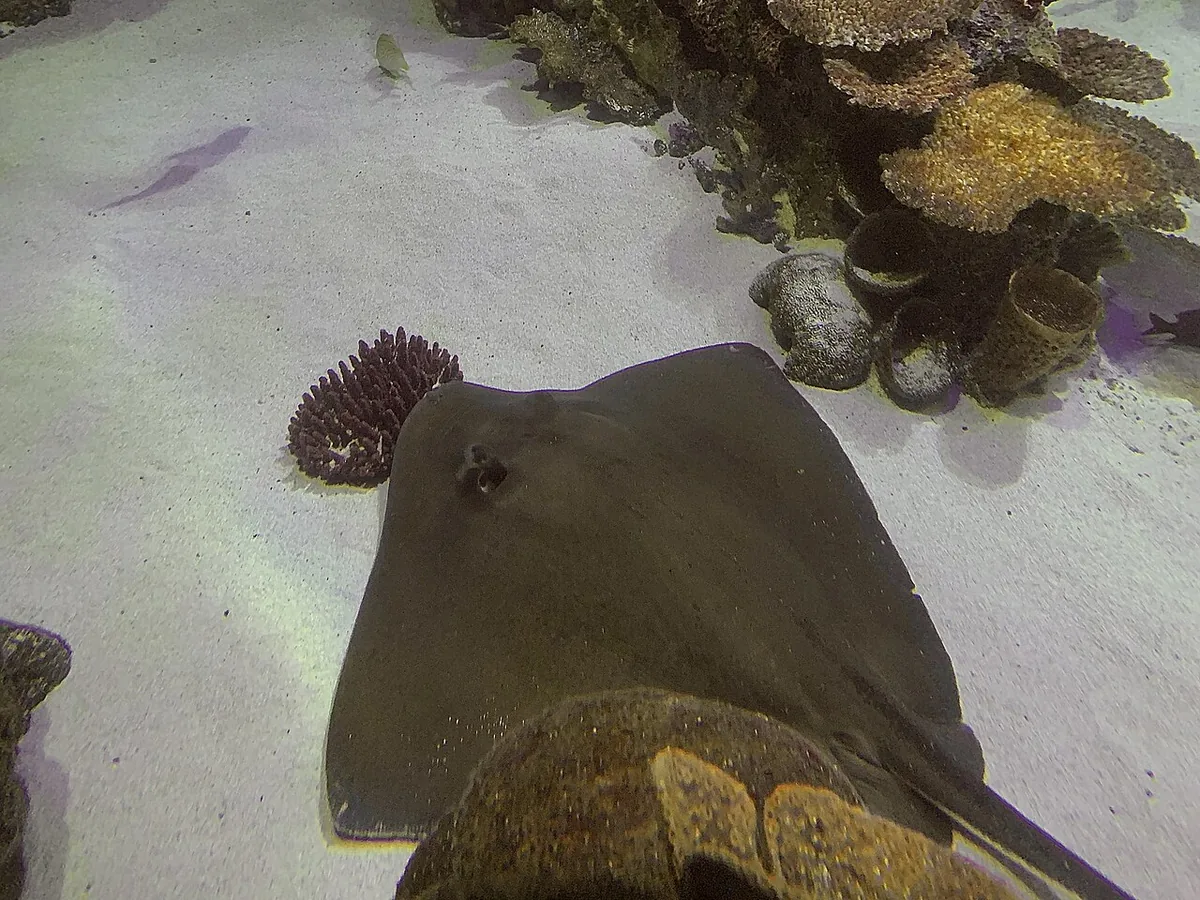
SEA LIFE Orlando Aquarium presents marine animals through a series of habitats and close-up viewing spaces. Its 360-degree ocean tunnel changes the visitor’s viewpoint, letting fish and rays pass overhead as well as alongside the glass.
SeaWorld Orlando
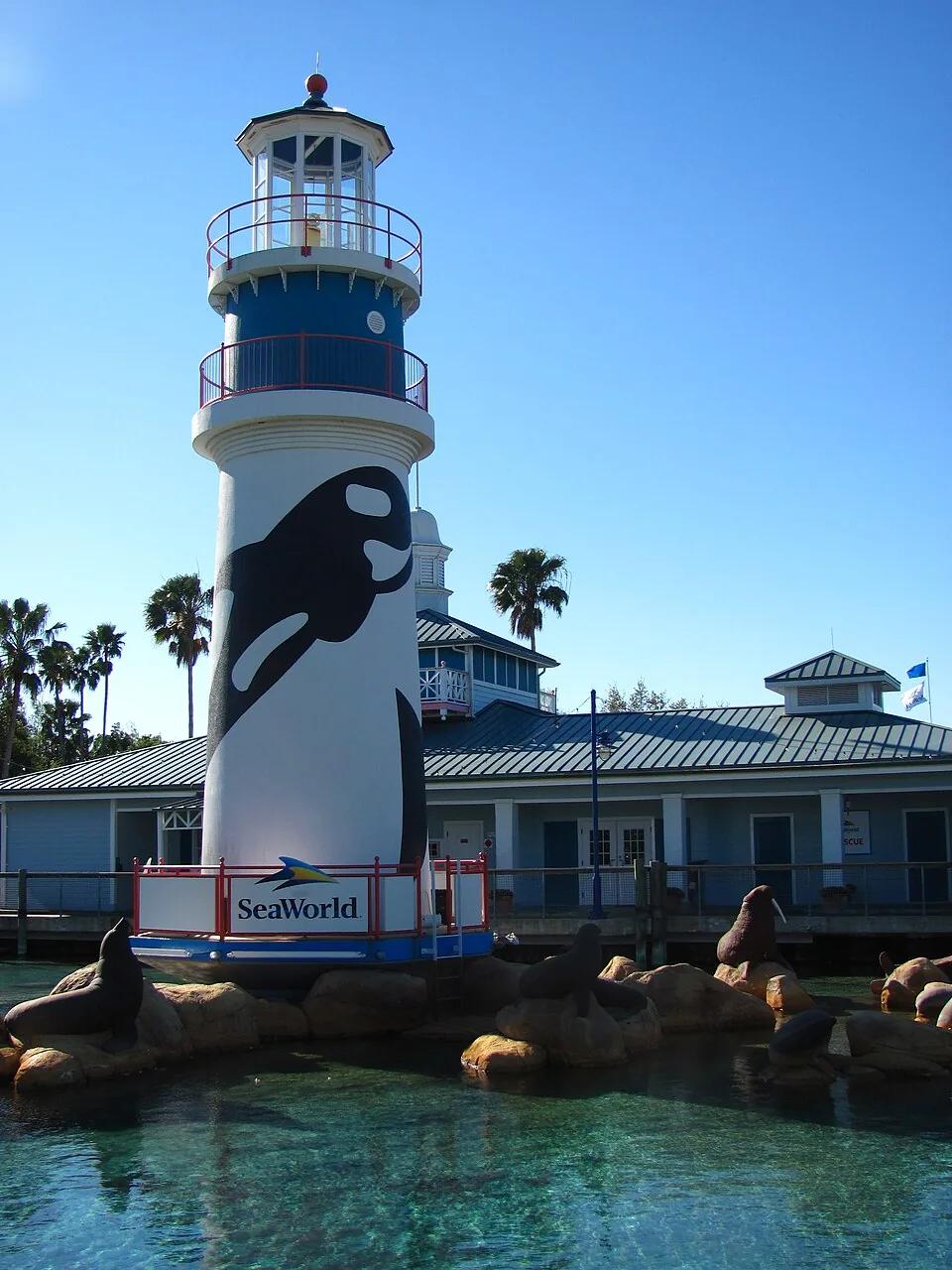
SeaWorld Orlando combines marine-life exhibits and rides with animal rescue and conservation work. Its attractions draw crowds, while its rescue teams connect the park to efforts involving injured or stranded wildlife beyond its gates.
Secret Nun Cookies at Monasterio del Corpus Christi
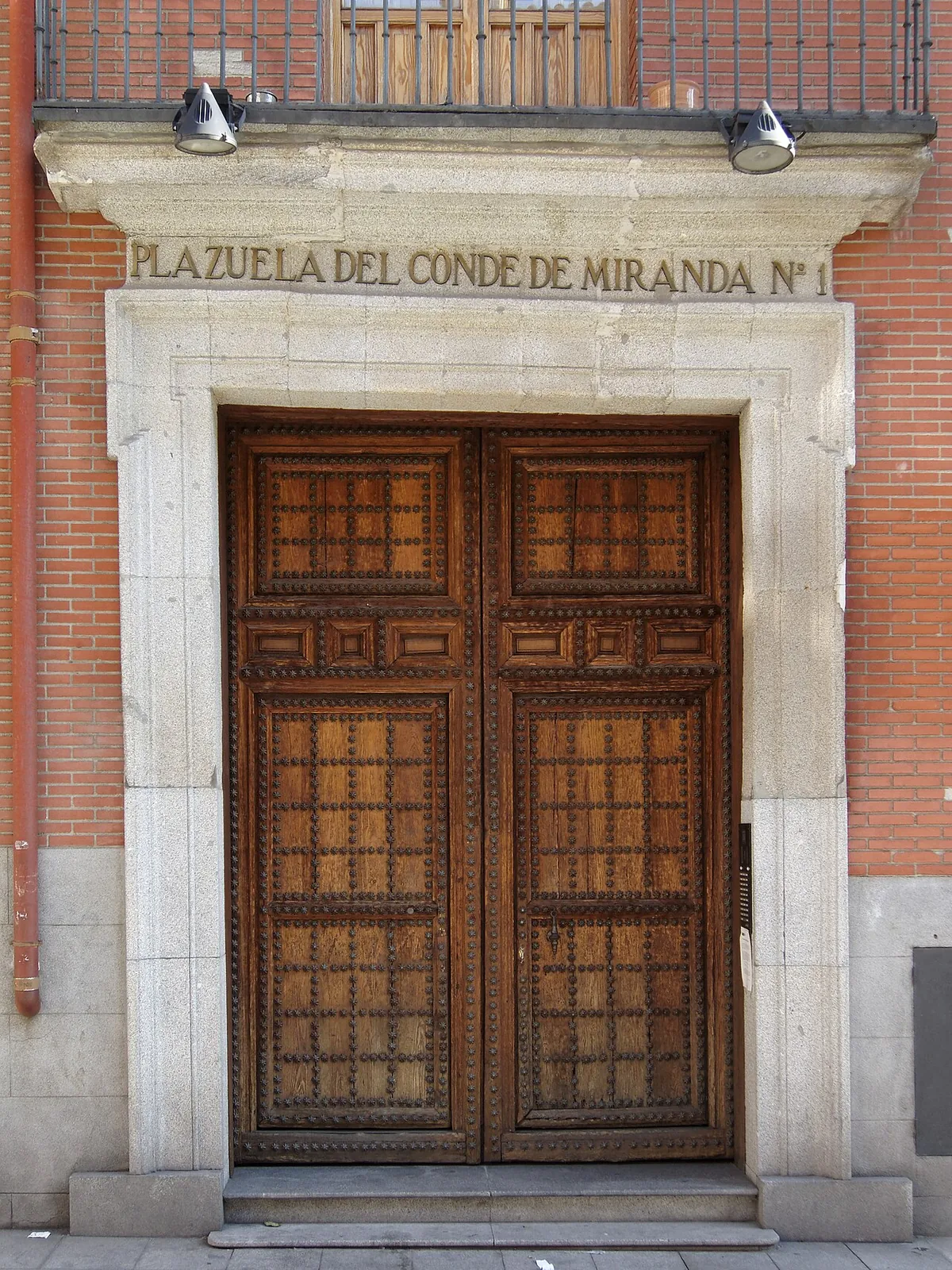
The Corpus Christi monastery’s sweets pass through a rotating hatch, keeping a simple exchange between cloister and street. Founded in 1607, the convent is known as Las Carboneras, a name linked to an image of the Immaculate Conception found in a coal shop and donated to the community.
Şehzade Korkut Mosque
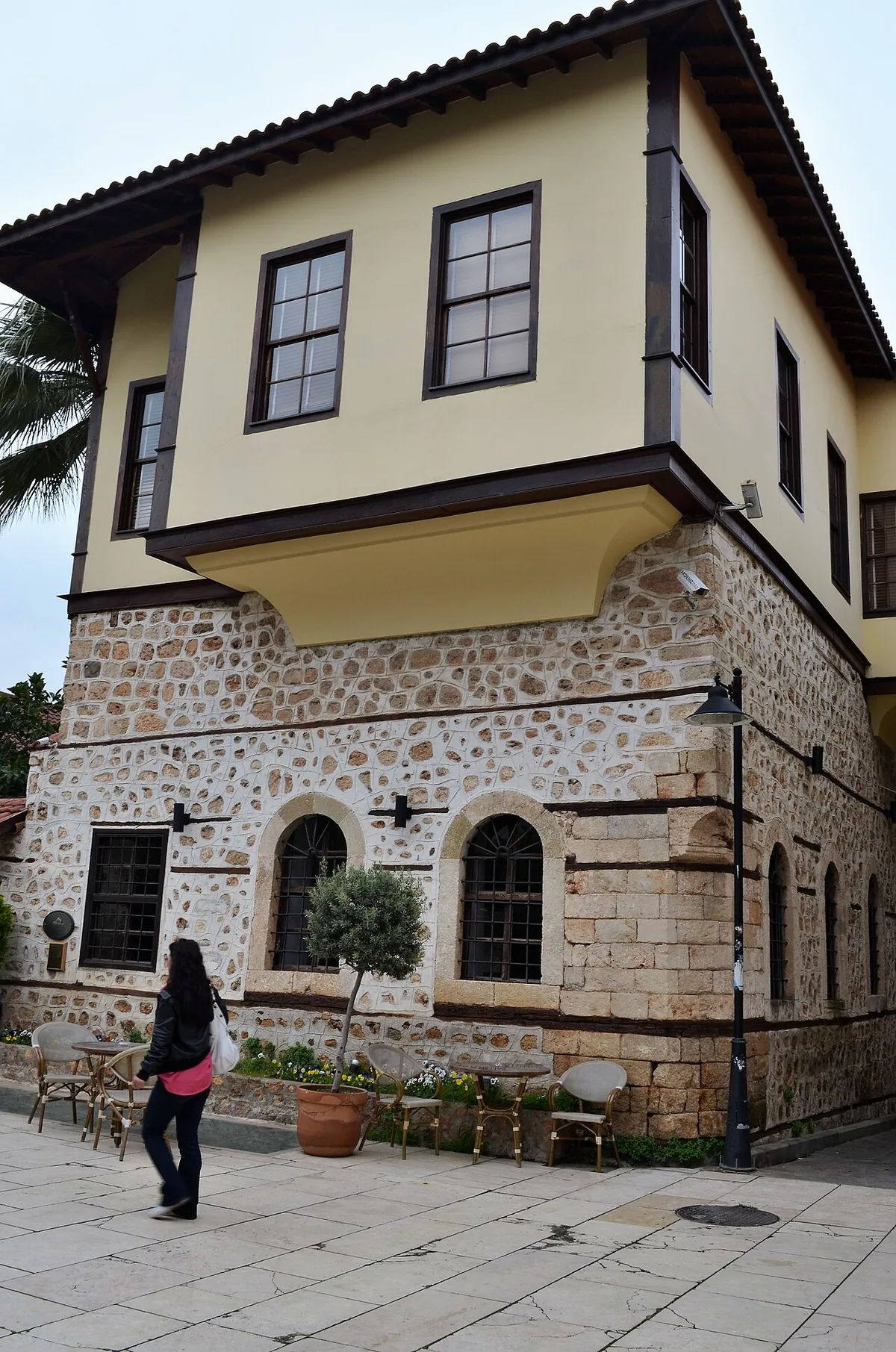
Şehzade Korkut Mosque carries a sequence of uses that reaches from Byzantine church to Ottoman mosque. Its damaged minaret became a lasting feature of Antalya’s old-town skyline, while restoration has renewed attention to the building’s layered fabric.
Şehzade Mosque
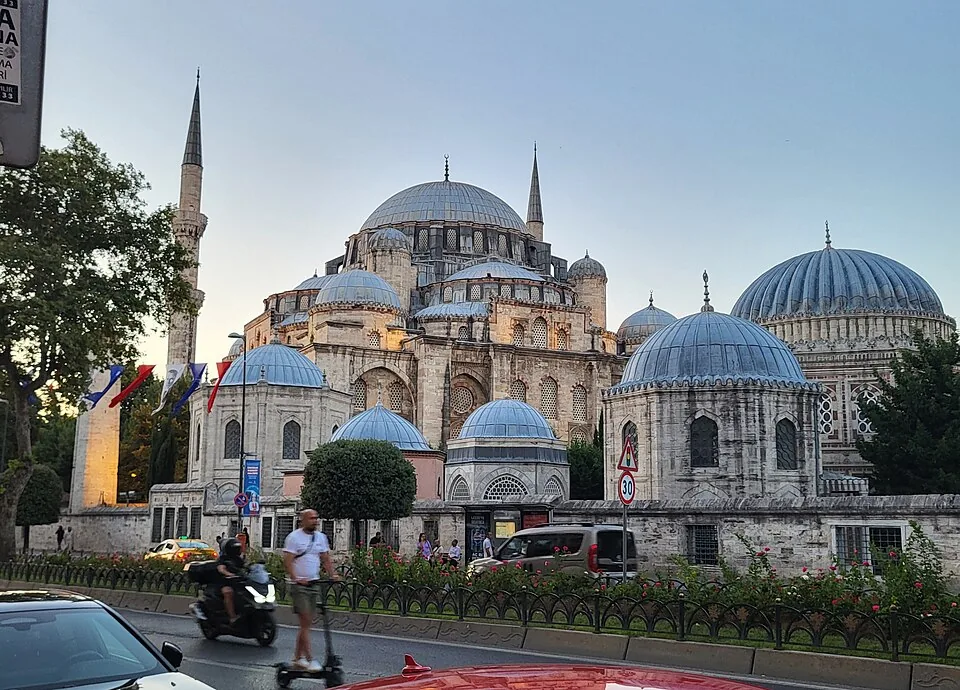
Şehzade Mosque is a sixteenth-century work by architect Sinan on Istanbul’s historic peninsula. Commissioned by Sultan Süleyman for his young son Mehmed, the complex combines a monumental central dome with the human grief behind its name, often translated as the Prince’s Mosque.
Selge Ancient City
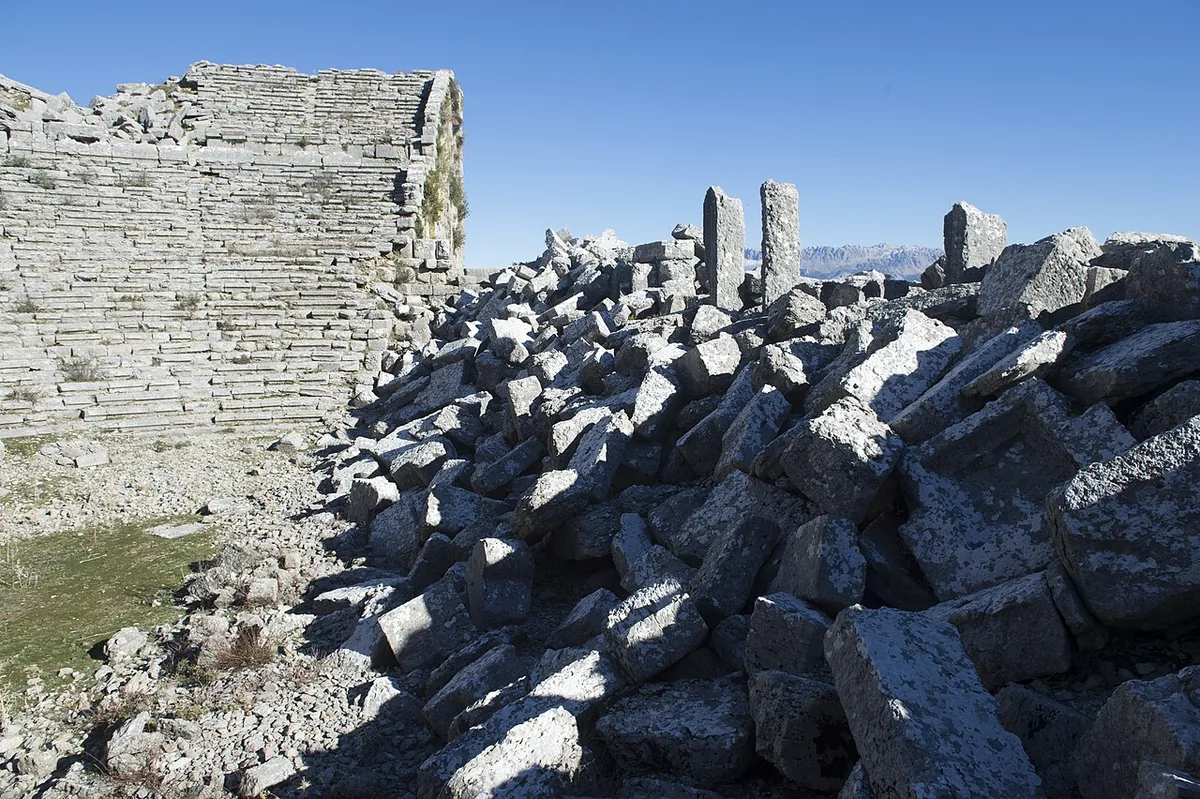
High in the Taurus Mountains, Selge’s theatre and civic remains occupy a rugged landscape far from the Mediterranean shore. The site’s position within the mountains shaped both its setting and its architecture, including a theatre cut into the slope.
Sembawang Hot Spring Park
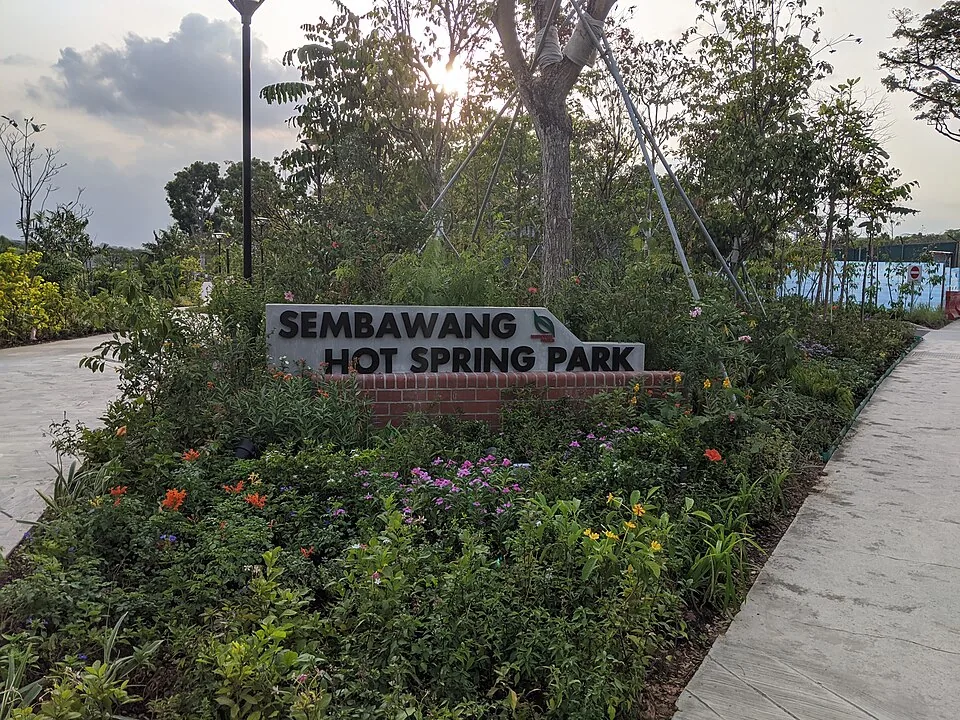
Sembawang Hot Spring Park surrounds Singapore’s only natural hot spring with a rustic garden setting. Cascading pools and an egg-cooking station make geothermal water part of a public landscape shaped by community memory.
Senado Square
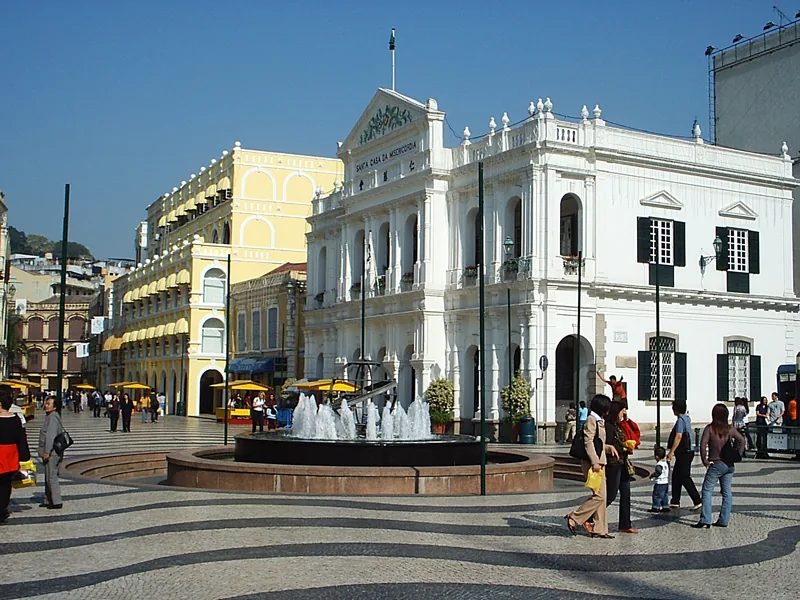
Senado Square is a central public square in Macao, framed by arcaded façades and paved in a black-and-white wave pattern. Its shape and location connect historic civic buildings with streets leading toward the former waterfront.
Senso-ji Temple
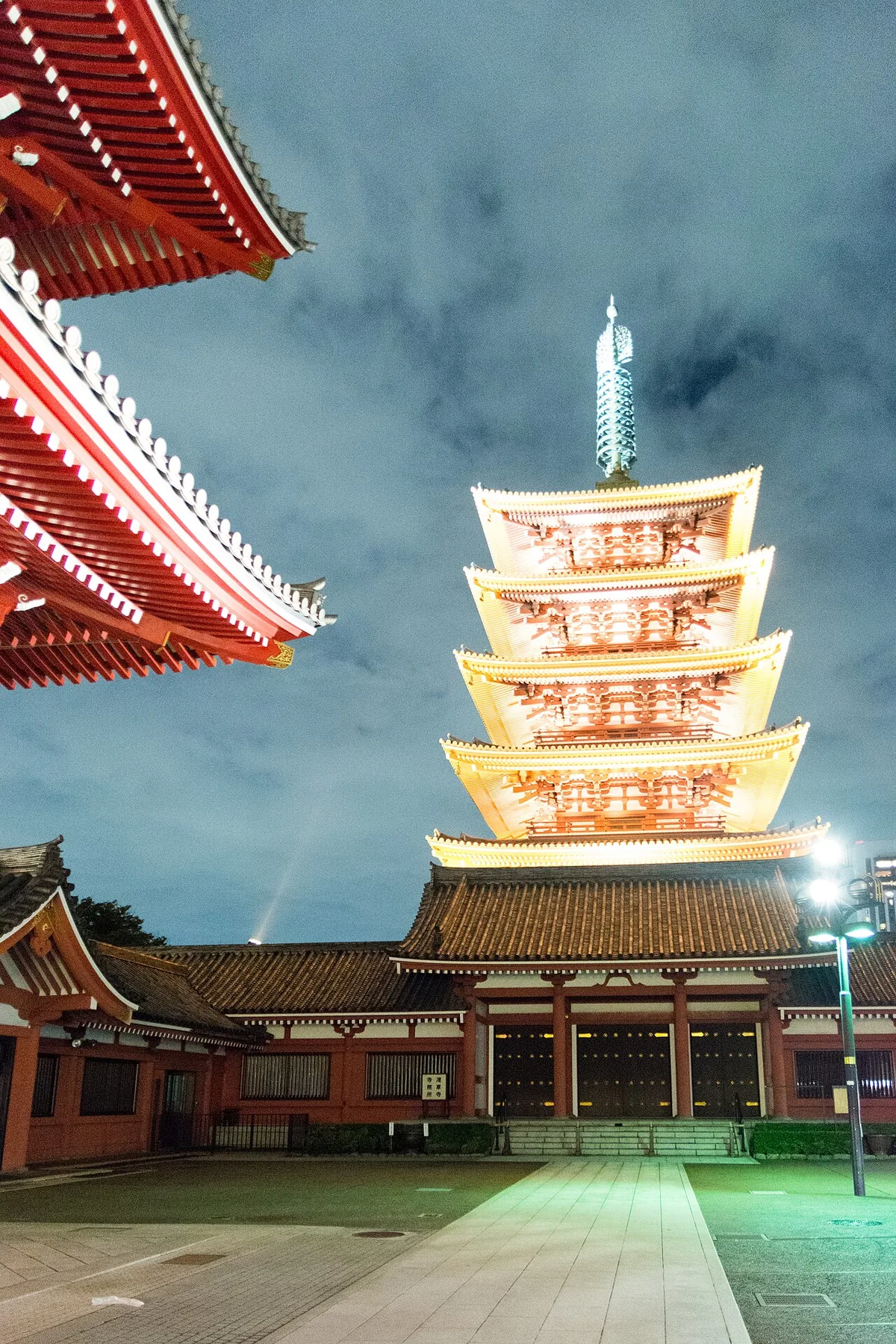
Senso-ji is Tokyo’s oldest Buddhist temple, centered on devotion to Kannon, the bodhisattva of compassion. Its gates, approach street, and rebuilt main hall show how religious practice and neighborhood life have grown together in Asakusa.
Sensorium
Sensorium is a guided experience in darkness at Galerija Centrs. Blind and partially sighted guides lead visitors through interactive spaces, while the social enterprise offers employment and educational activities.
Sentosa Island
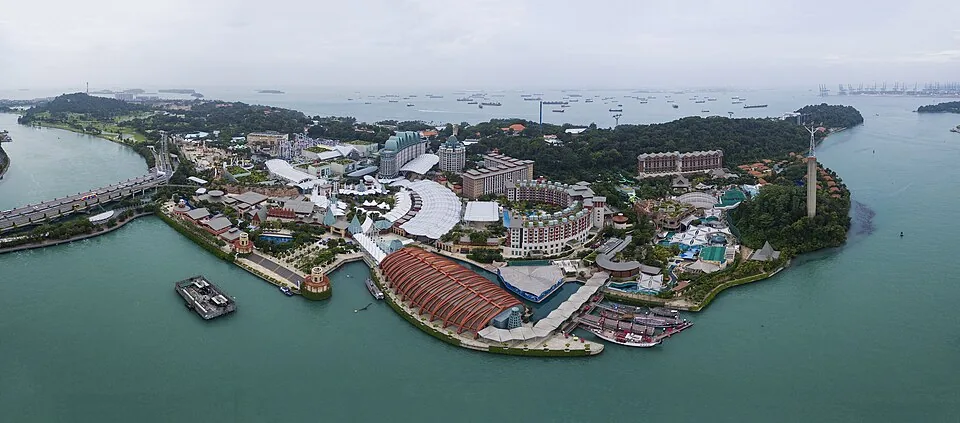
Sentosa’s beaches and attractions occupy an island with a layered past: Orang Laut and kampong communities, British military installations, wartime occupation, and redevelopment for recreation. Forts, barracks, and village memories complicate the image of a purpose-built leisure escape.
Sentul Depot
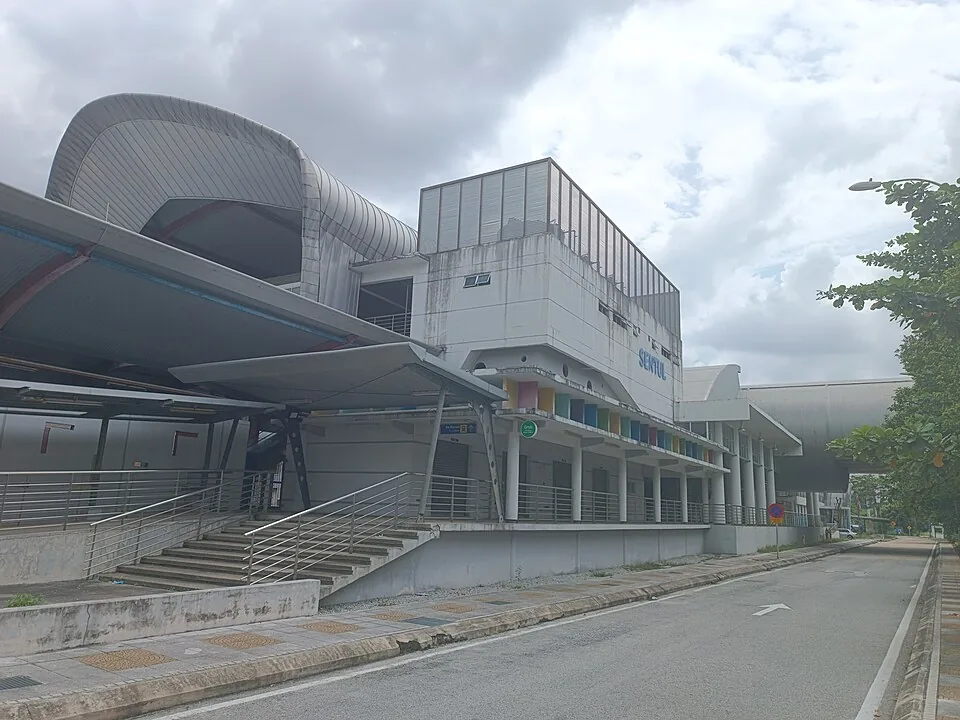
Sentul Depot’s brick railway workshops recall an industrial community that once employed thousands in Kuala Lumpur. The historic site is being adapted for cultural and public use, carrying its engineering past into a new chapter.