Explore locations
Browse places by name, city, country or category.
All locations
1624 locations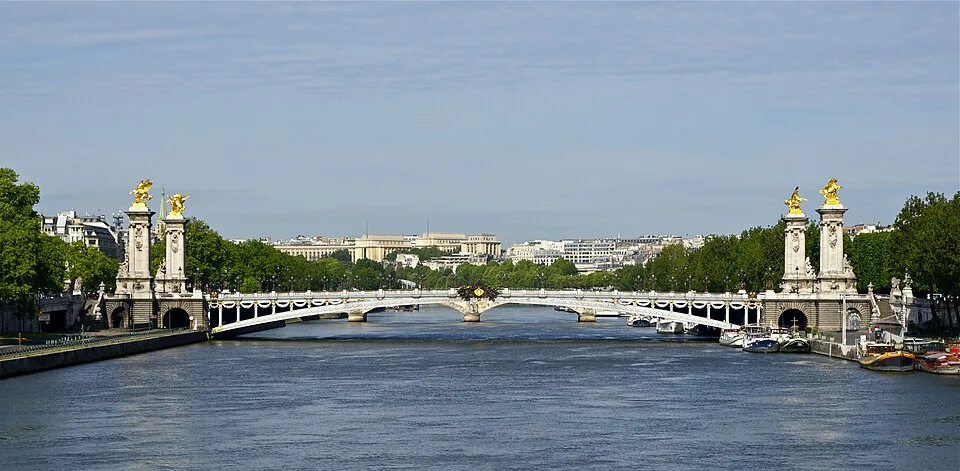
Pont Alexandre III
Pont Alexandre III spans the Seine with gilded sculpture, ornate lamps, and monumental pylons. Built for the 1900 Universal Exhibition, it also commemorates the Franco-Russian alliance and forms a ceremonial axis between the Invalides and the Grand and Petit Palais.
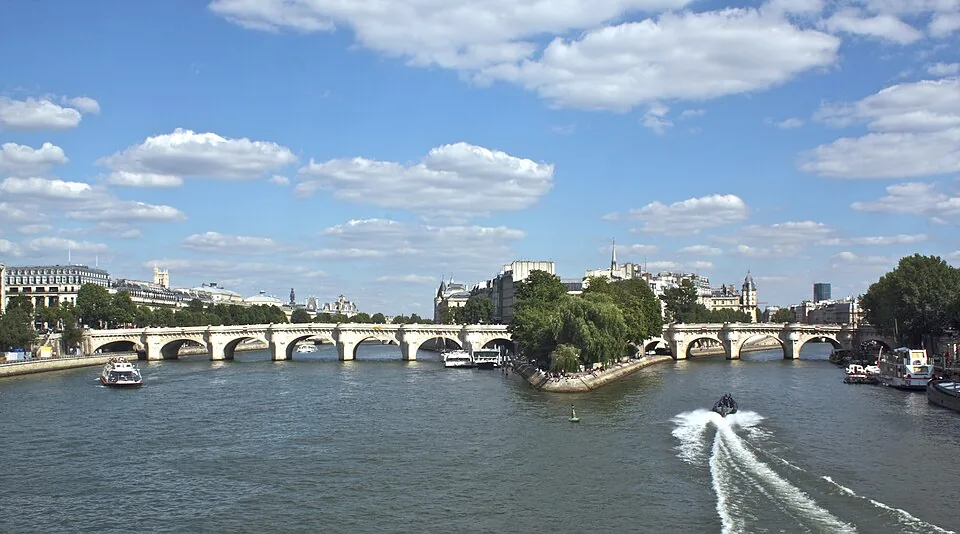
Pont Neuf
Pont Neuf is paradoxically the oldest surviving bridge in Paris. Its late sixteenth-century design introduced stone construction without houses on the bridge, leaving it open as a public route and viewpoint over the Seine.
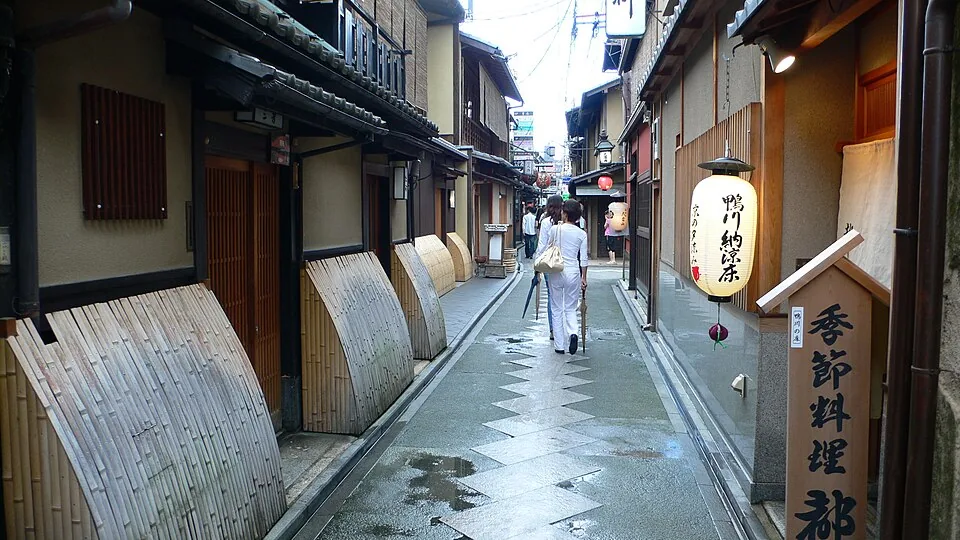
Pontocho Alley
Pontocho is a long, narrow lane of traditional wooden buildings running between Sanjo and Shijo beside the Kamo River. Its intimate scale belongs to a historic entertainment district where performance, dining, and neighborhood life overlap.
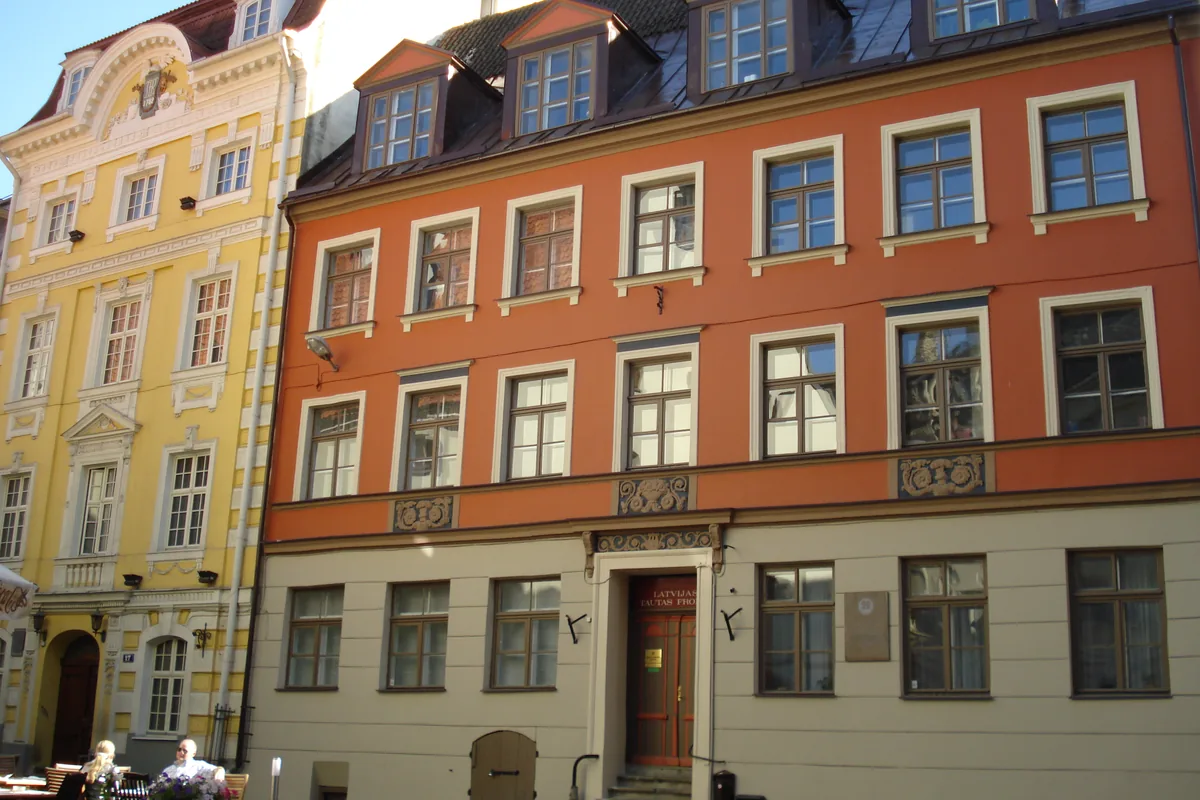
Popular Front Museum
In the former headquarters of the Latvian Popular Front, this museum documents the movement and the restoration of Latvian independence. Its rooms, records and personal accounts connect political organising with the wider public movement of the late 1980s and early 1990s.
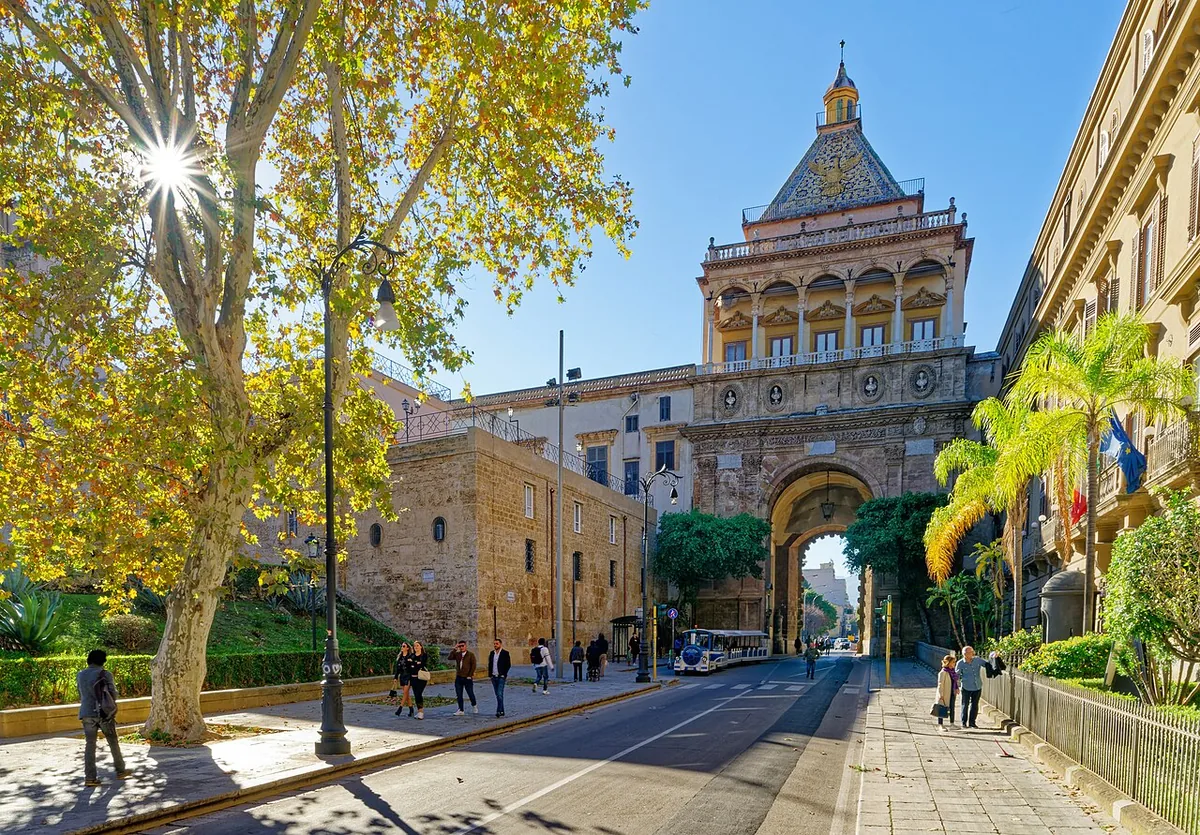
Porta Nuova
Porta Nuova is a district organized around change: railway land once used by the former Varesine station has become a network of towers, public spaces, and pedestrian routes. Its new skyline sits beside the older Isola neighborhood, making urban renewal visible in one walk.
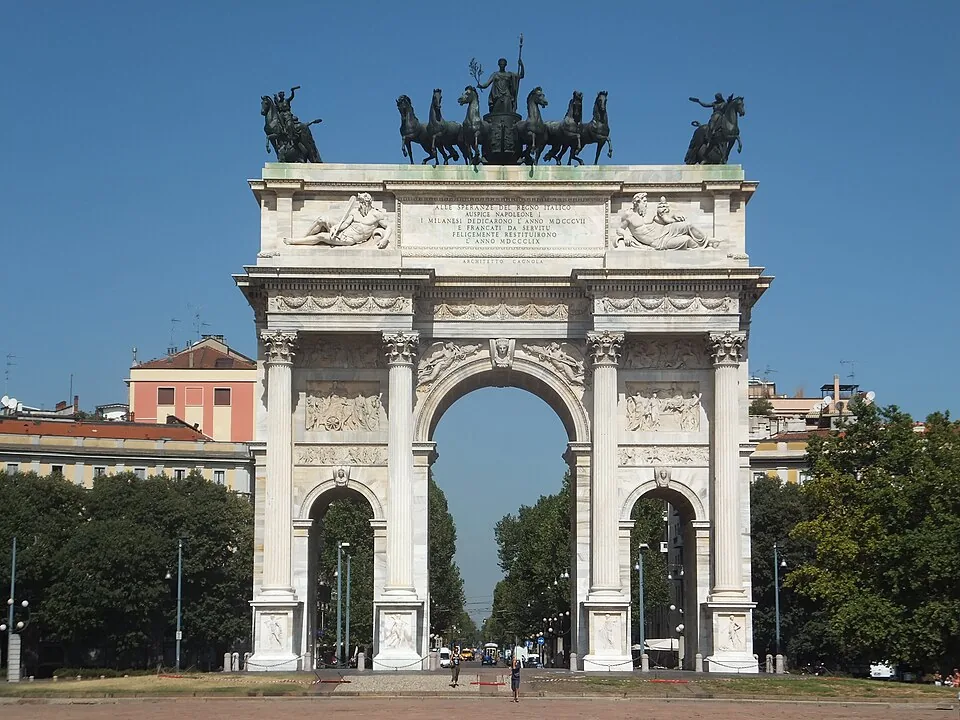
Porta Sempione
At the end of Parco Sempione, the Arco della Pace frames a long urban axis toward the Castello Sforzesco. Begun under Napoleon and completed under Austrian rule, the arch’s changing dedication reflects Milan’s political shifts in the nineteenth century.
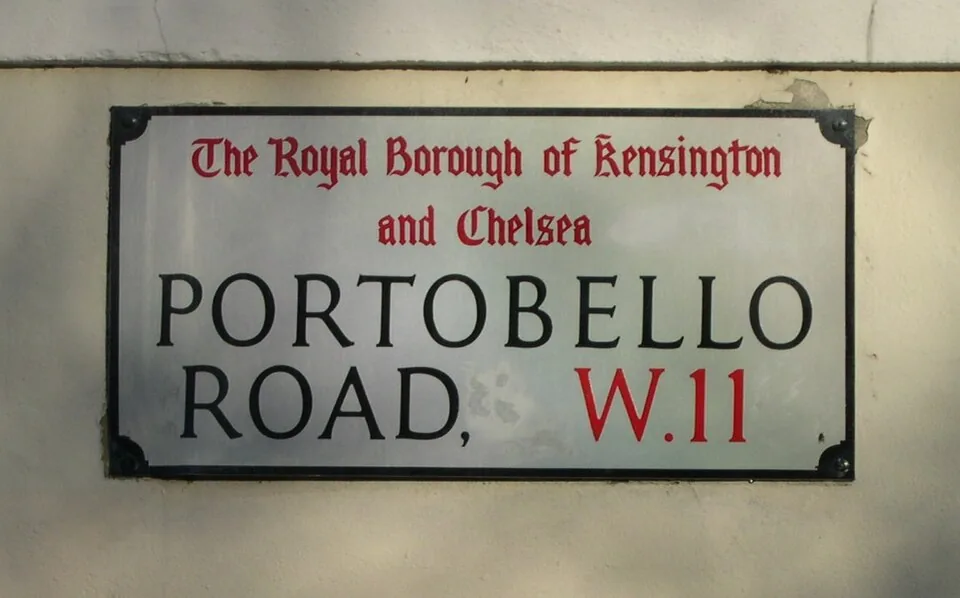
Portobello Road Market
Portobello Road Market stretches through Notting Hill as a lively sequence of stalls, shops, and arcades. Its antique reputation grew from a Victorian fruit-and-vegetable market, while the street now reflects a broader mix of commerce and community.
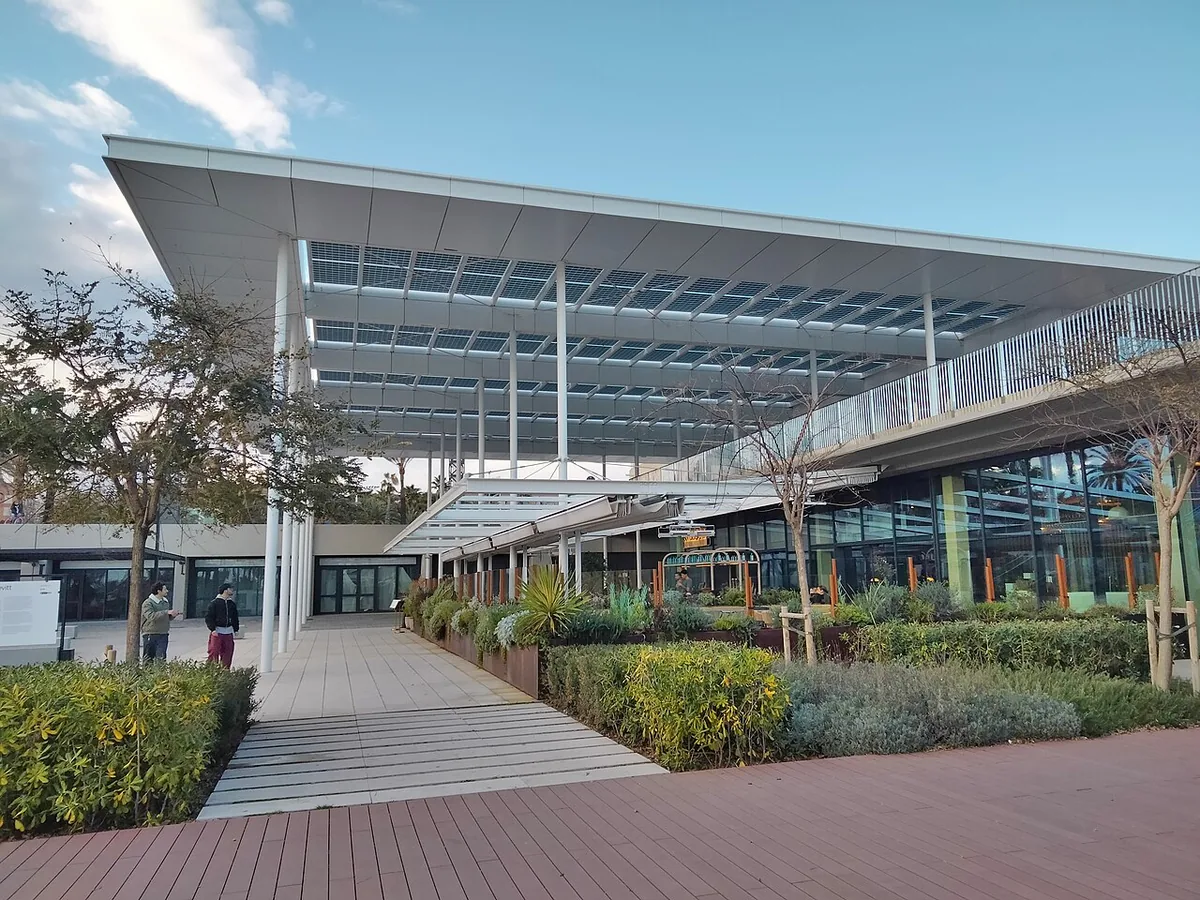
Port Olímpic
Port Olímpic was built as Barcelona’s sailing venue for the 1992 Olympic Games on a former industrial stretch of coast. The marina now marks a major shift in the city’s relationship with its shoreline, from difficult-to-access port and industrial land toward public beaches, leisure, and water sports
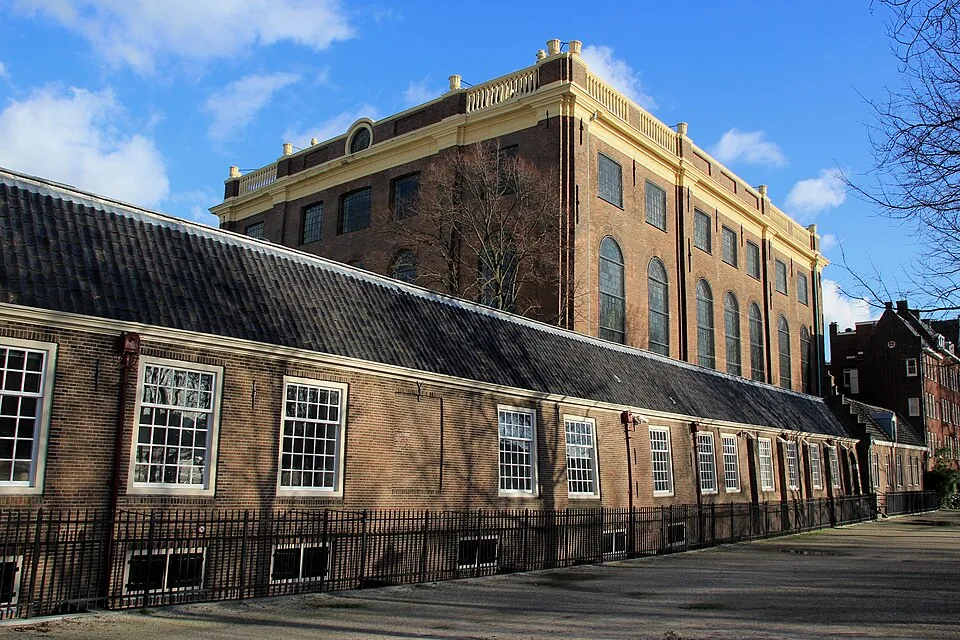
Portuguese Synagogue
The Portuguese Synagogue remains an active place of worship, its seventeenth-century interior designed for communal prayer and lit by candlelight. The building connects Amsterdam’s Sephardic Jewish community to a history of migration, worship, and enduring cultural life.
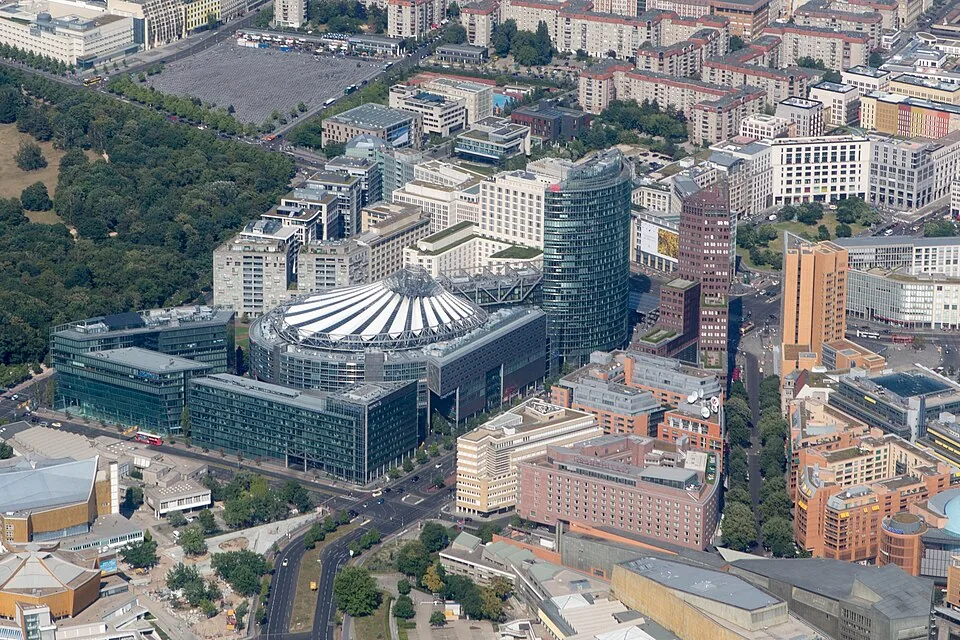
Potsdamer Platz
Potsdamer Platz grew from a landscaped edge into one of Berlin’s busiest transport and entertainment hubs. Its twentieth-century interruptions and contemporary rebuilding make the square a clear example of how infrastructure can redirect a city’s center.
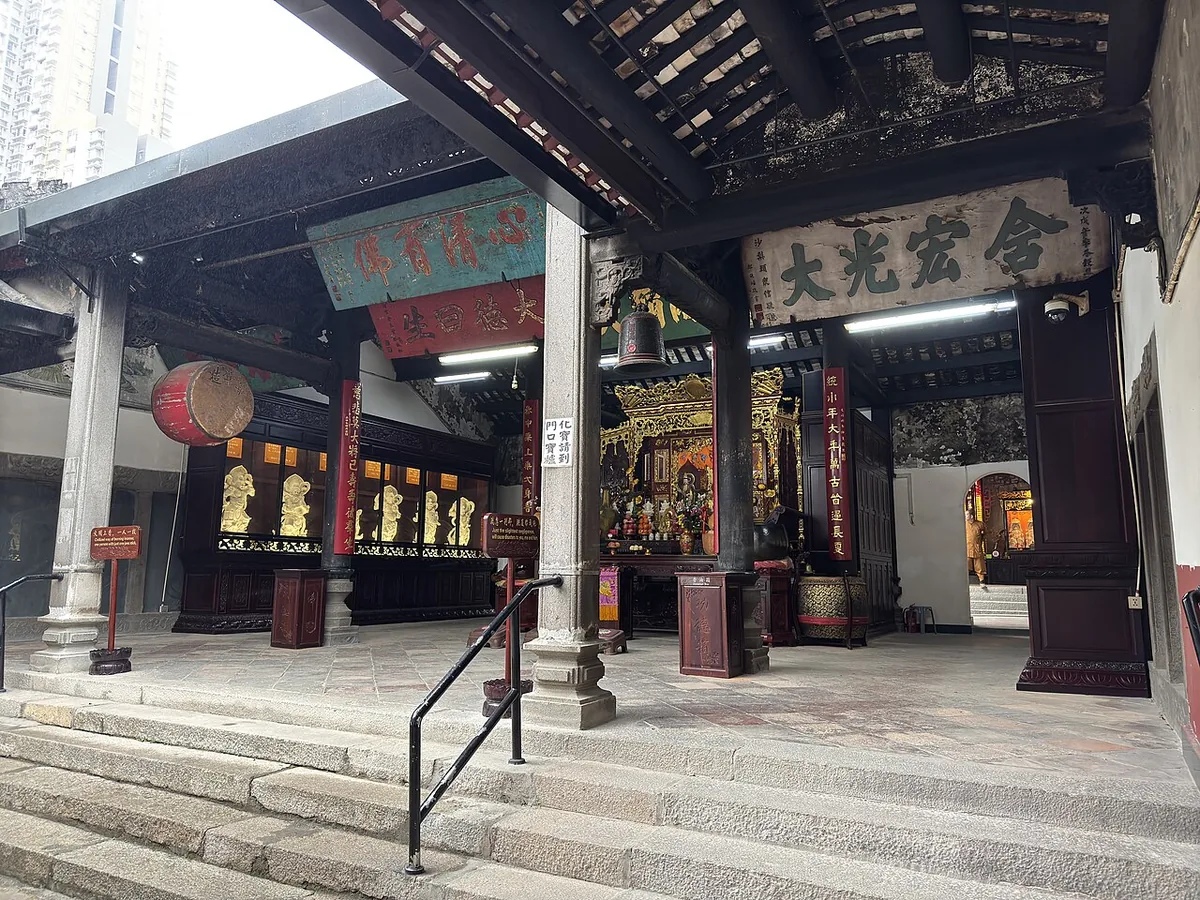
Pou Chai Buddhist Monastery
Pou Chai, also called Kun Iam Tong, is a large temple compound with several halls and a history stretching back centuries. Its three principal pavilions honor different deities, and the site hosted the 1844 signing of the Treaty of Wanghia.
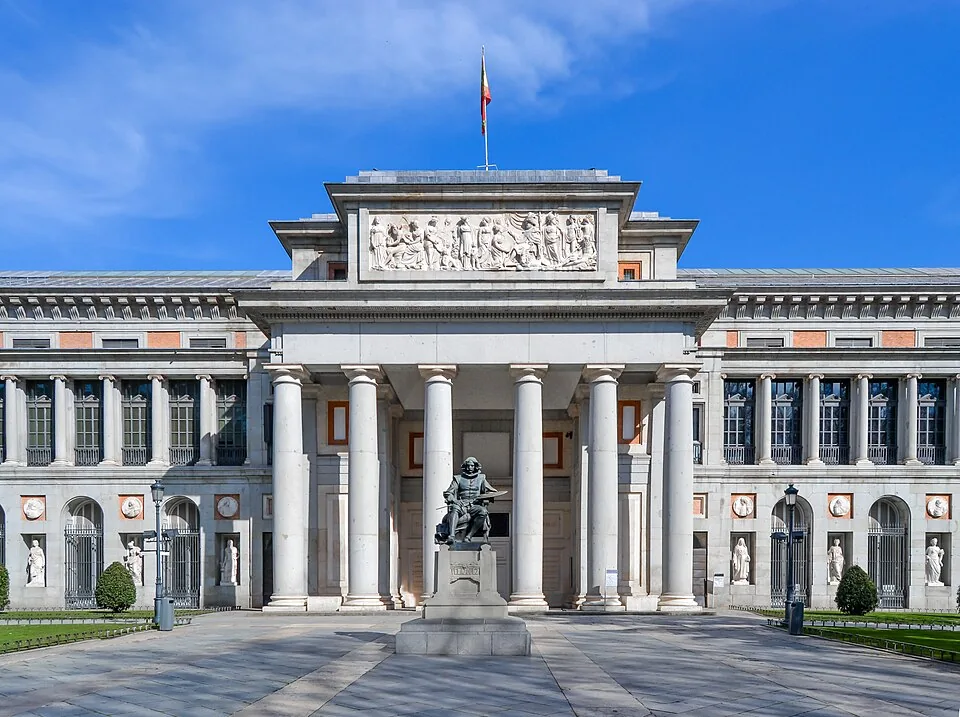
Prado Museum
The Prado was designed as a natural history institution before becoming one of the world’s major art museums. Its neoclassical galleries now hold paintings shaped by royal collecting, while the building’s original purpose reveals how Spain’s Enlightenment-era ambitions changed course.
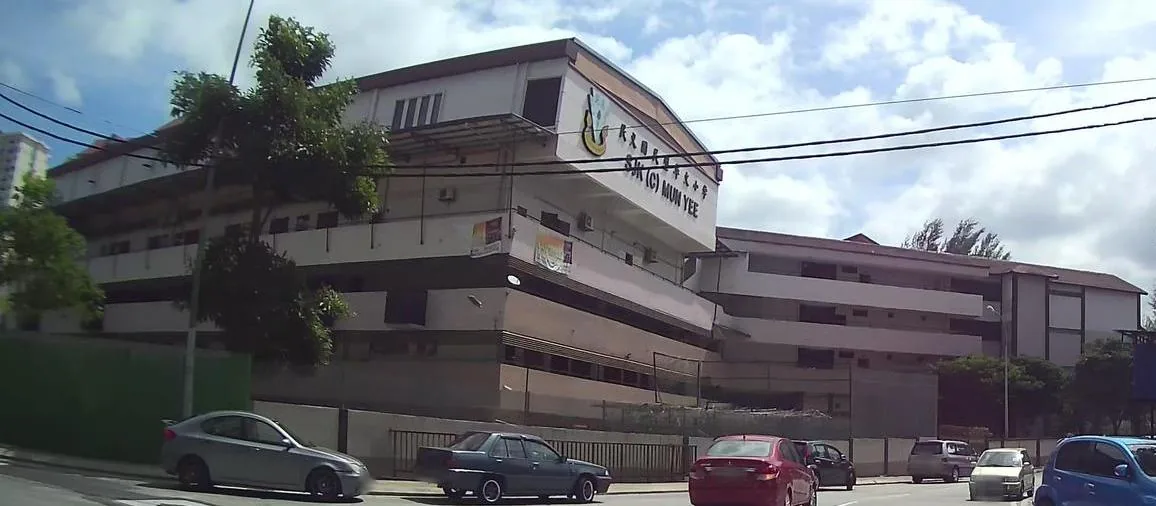
P. Ramlee Memorial House
Pustaka Peringatan P. Ramlee occupies a former home in Setapak, connecting a celebrated Malaysian artist’s name to the everyday neighborhood where he lived. The memorial library gathers materials about his life and creative work in a domestic setting.
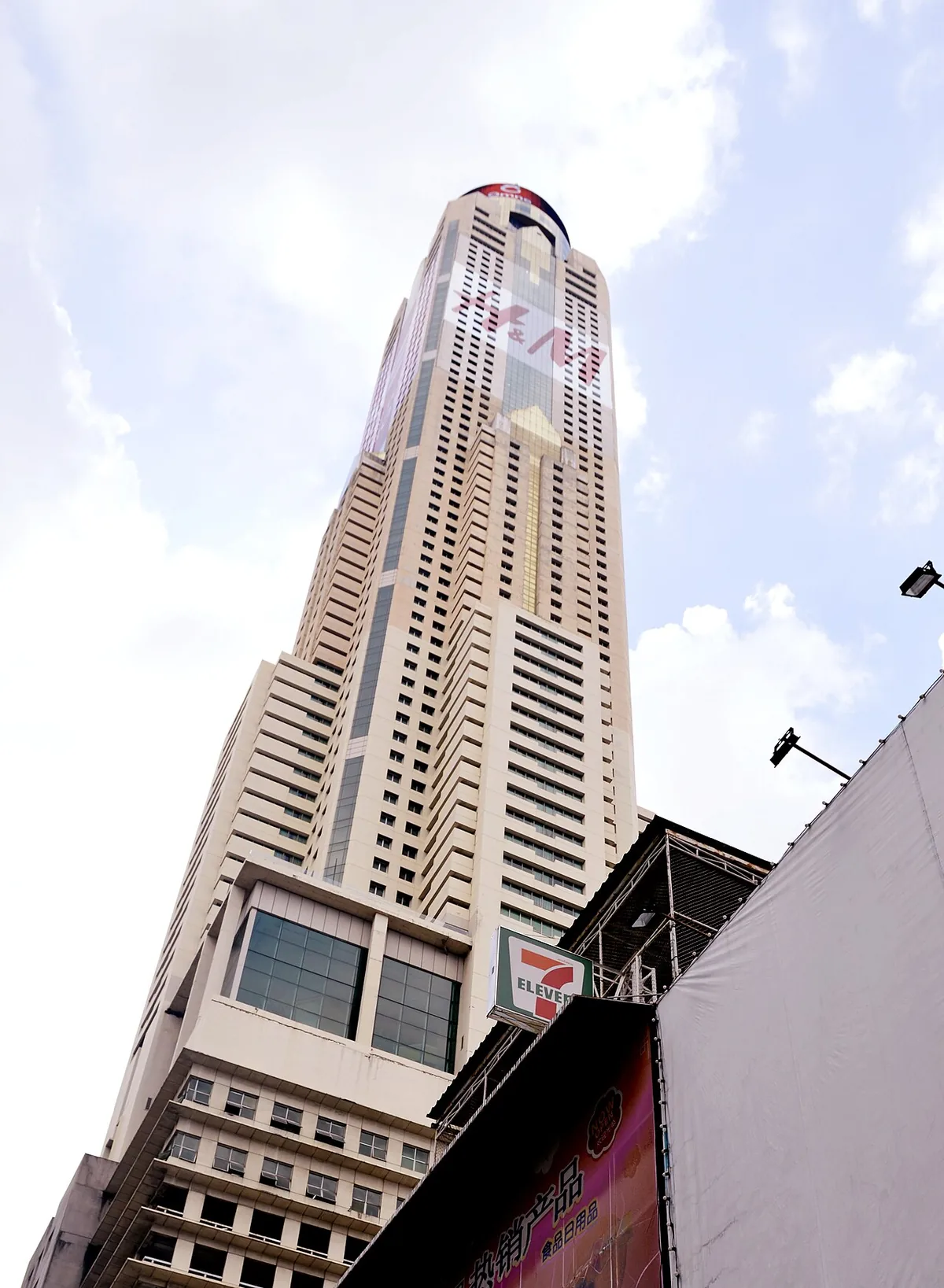
Pratunam Market
Pratunam’s close-packed clothing stalls and wholesale shops form a working fashion district rather than a single enclosed market. Follow the flow of shoppers, vendors, and wheeled stock through its narrow lanes; the area’s energy comes from commerce happening at street level.
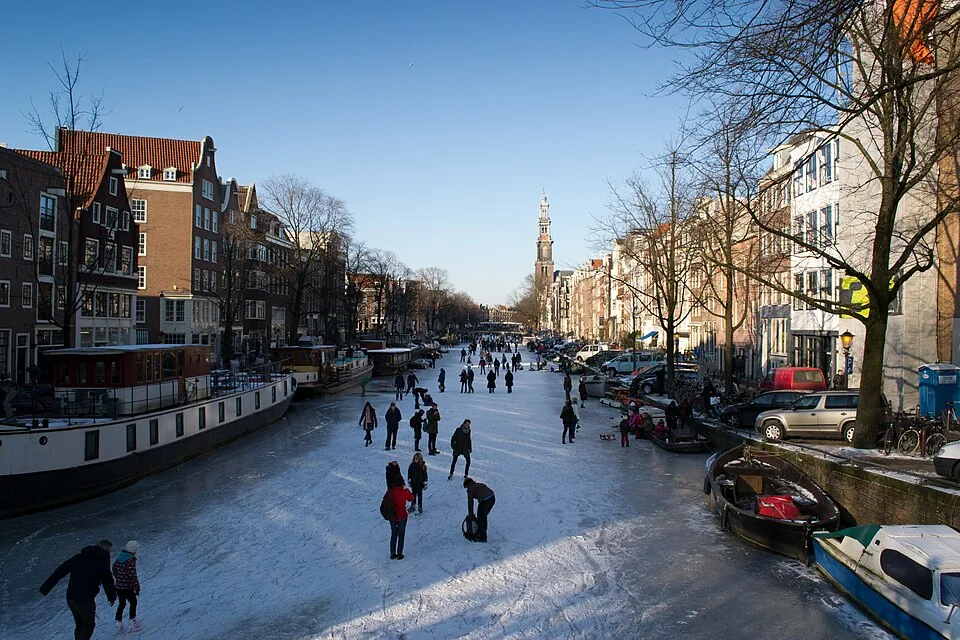
Prinsengracht
Prinsengracht is the outermost of Amsterdam’s three main canal arcs. Its scale and long sightlines reveal the city’s seventeenth-century expansion, while the name recalls the princely title of the House of Orange.
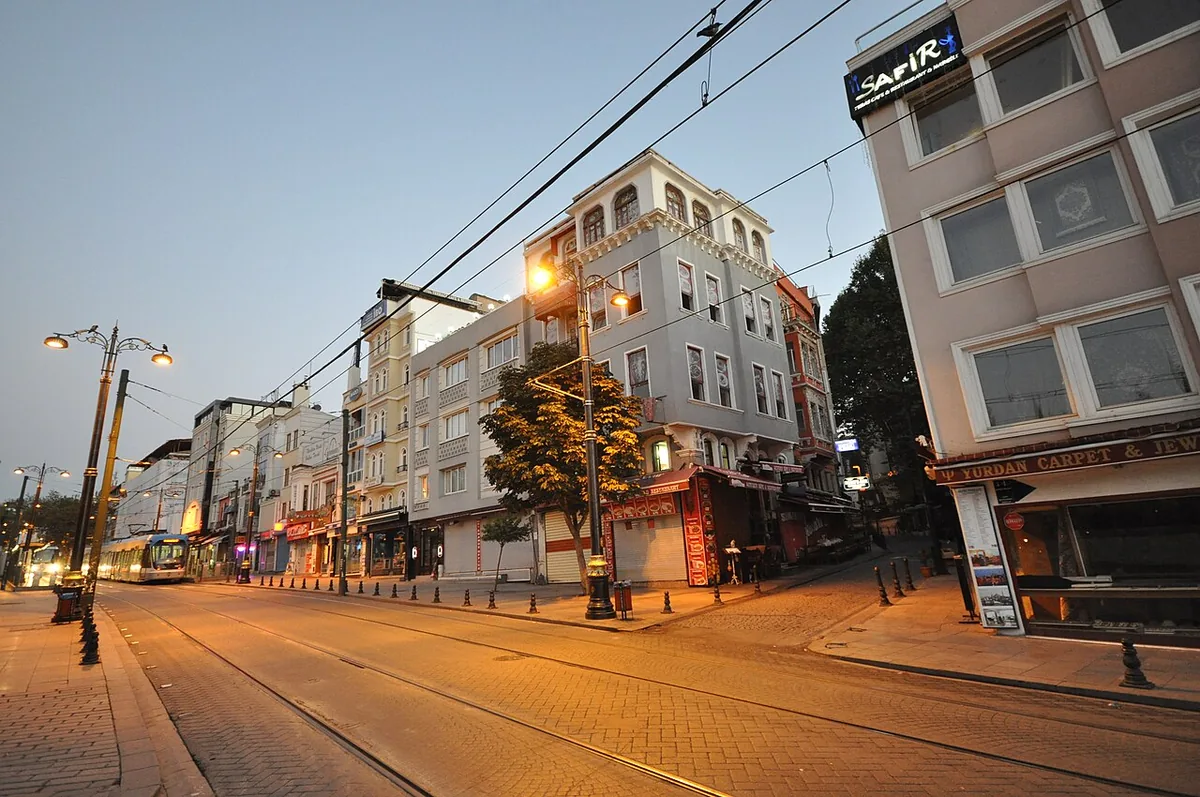
Pudding Shop (Lale Restaurant)
The Pudding Shop became a meeting point for overland travelers moving between Europe and Asia in the 1960s. Its informal bulletin-board culture grew from a pastry shop founded by the Çolpan brothers, giving a local restaurant an unexpected role in global travel routes.
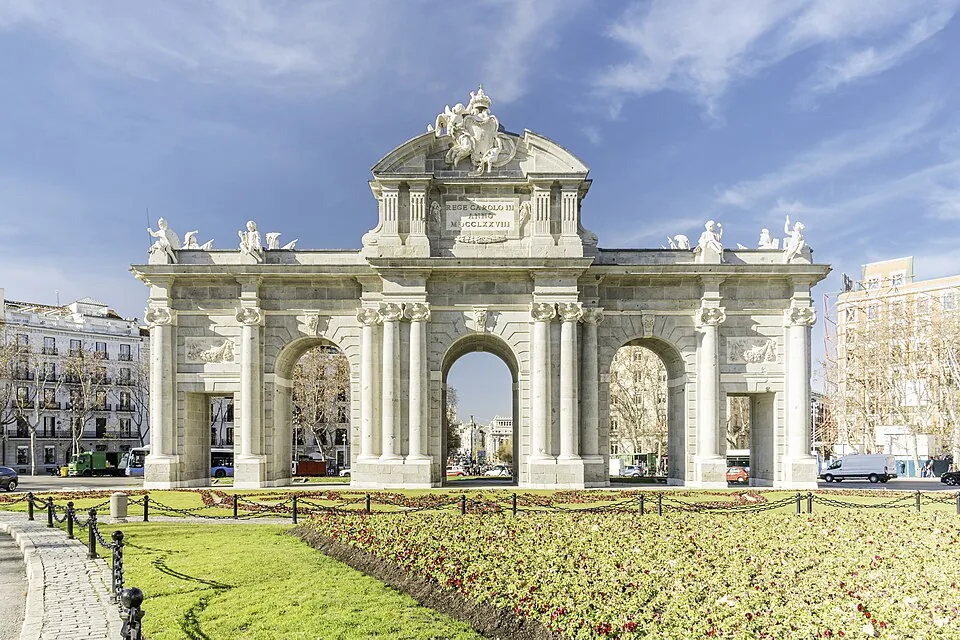
Puerta de Alcalá
Puerta de Alcalá once marked the road into Madrid from Alcalá de Henares and now stands amid traffic at Plaza de la Independencia. Francesco Sabatini’s five-arched granite gate presents different faces to those entering and leaving the old city.
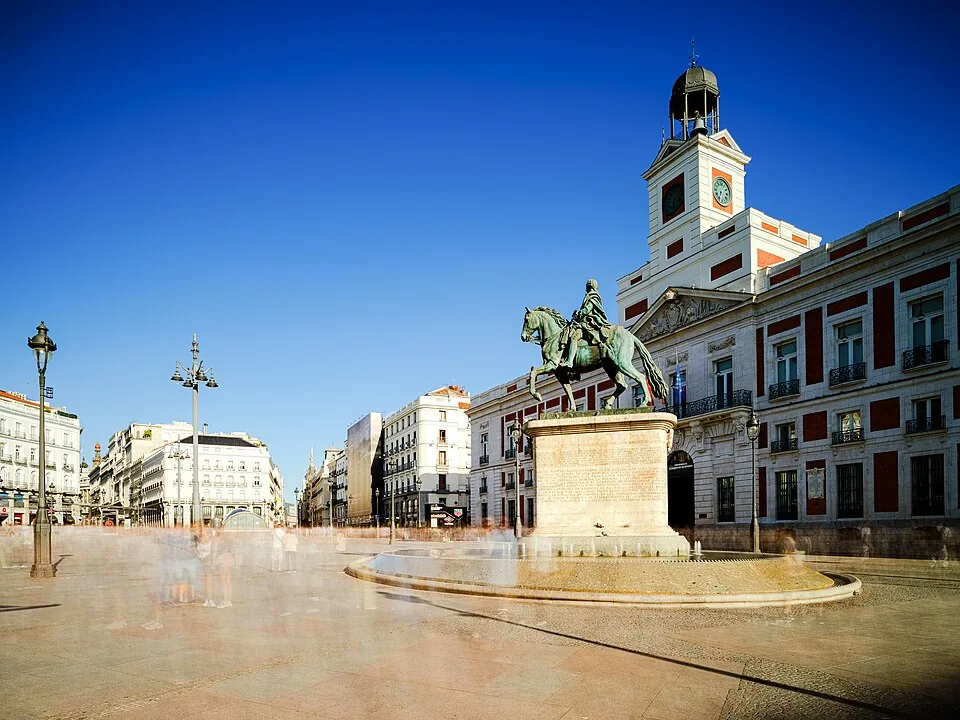
Puerta del Sol
At Madrid’s Puerta del Sol, a small marker identifies kilometre zero while streets radiate from the semicircular plaza. A clock above the former Casa de Correos anchors another national ritual, making this busy junction both a practical reference point and a civic gathering place.
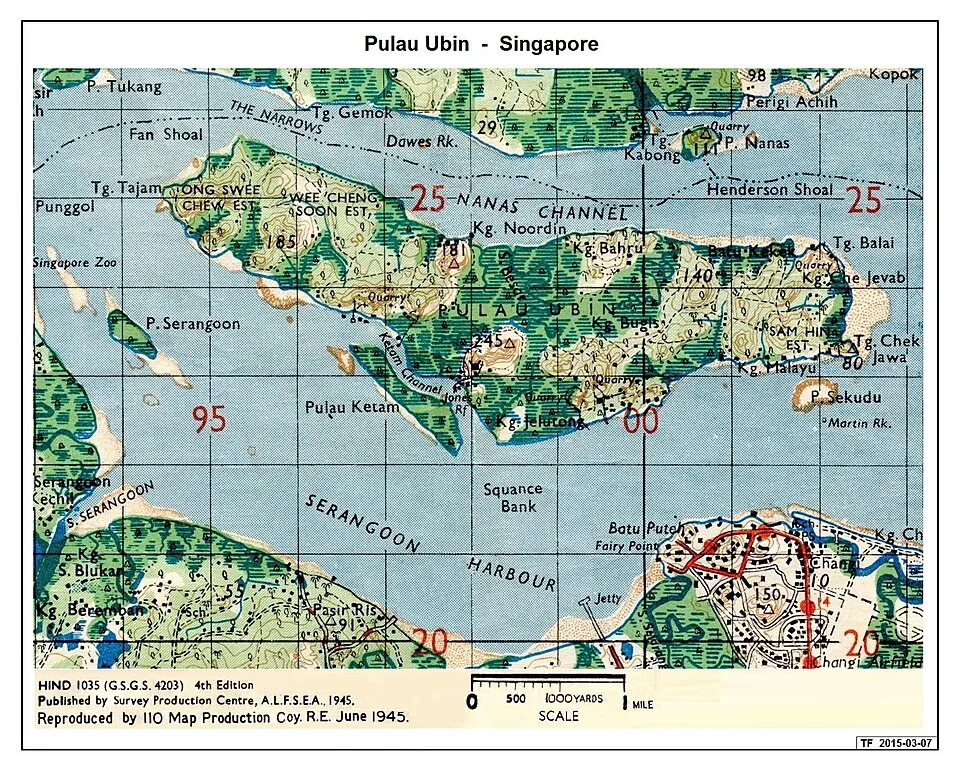
Pulau Ubin
Pulau Ubin’s granite quarries, kampong houses, and regenerated vegetation record a working island shaped by extraction, farming, and settlement. Its name is linked to granite, once quarried here for building projects, while village life remains part of the island’s living heritage.
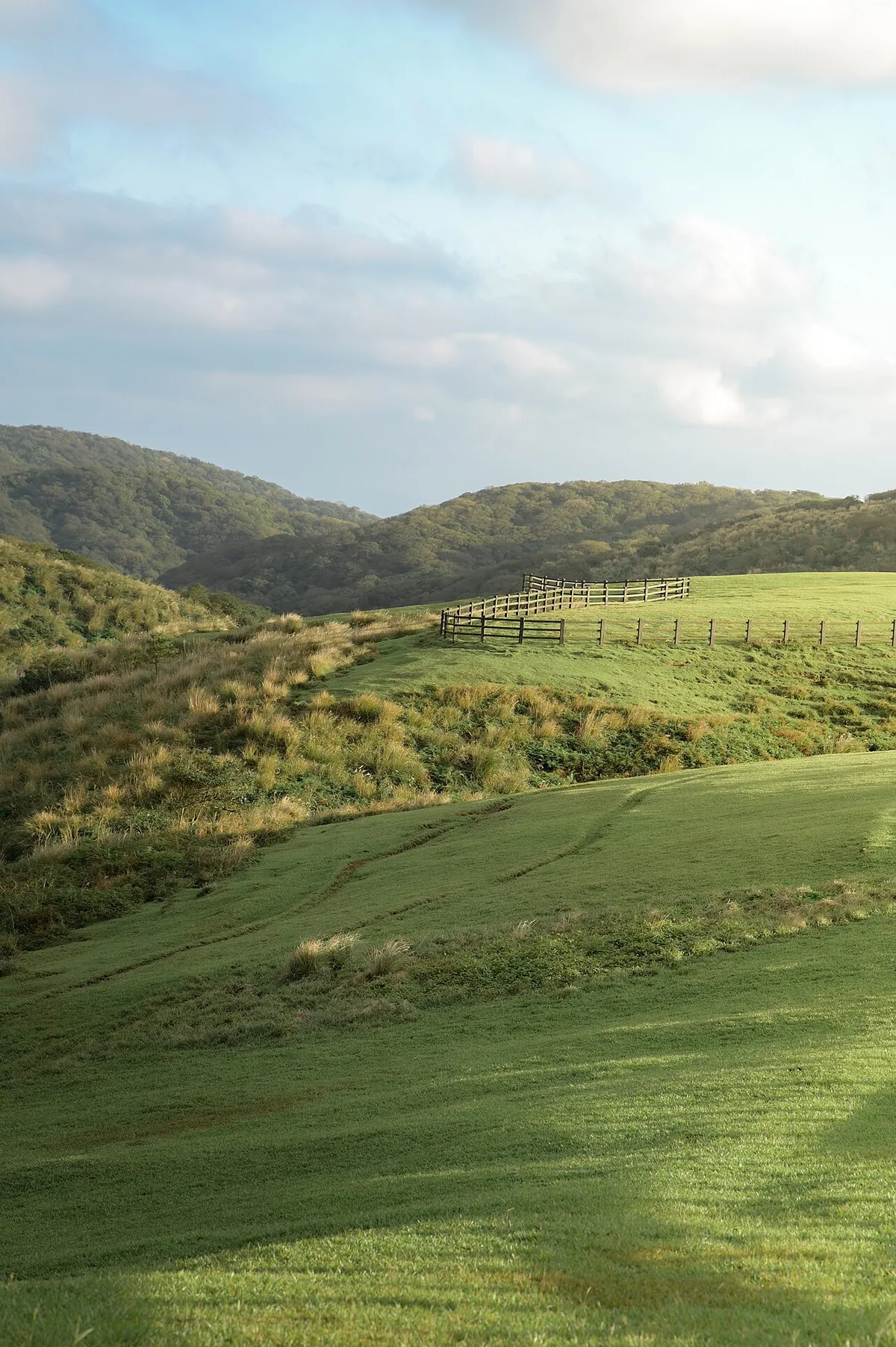
Qingtiangang Grassland
A broad highland grassland on a volcanic terrace in the Datun Range, Qingtiangang was also used for ranching and tea cultivation. Grazing cattle remain a visible reminder of that working landscape; observe them from a respectful distance.
Quadrilatero della Moda
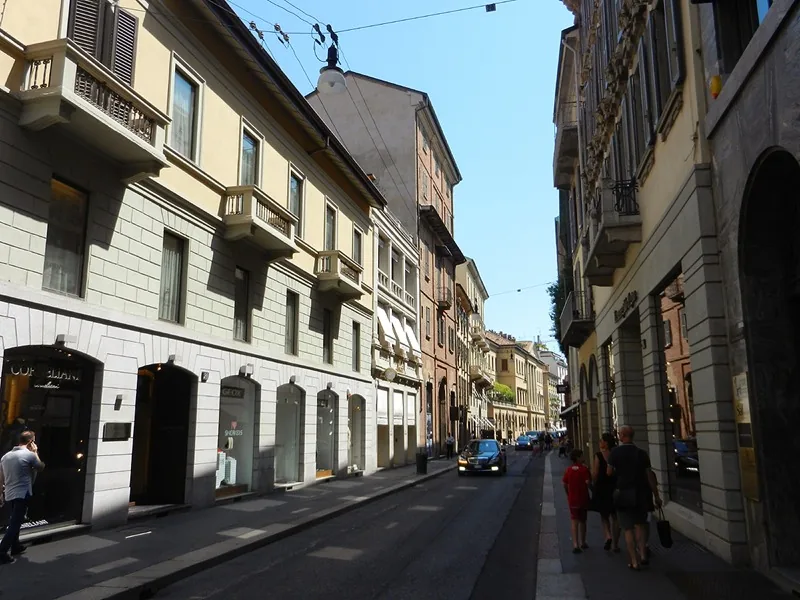
Milan’s Quadrilatero della Moda is a compact street district associated with luxury fashion, but its urban fabric is older than the boutiques. The area evolved from densely built lanes and noble residences into a fashion center during the twentieth century.
Quartiere Coppedè
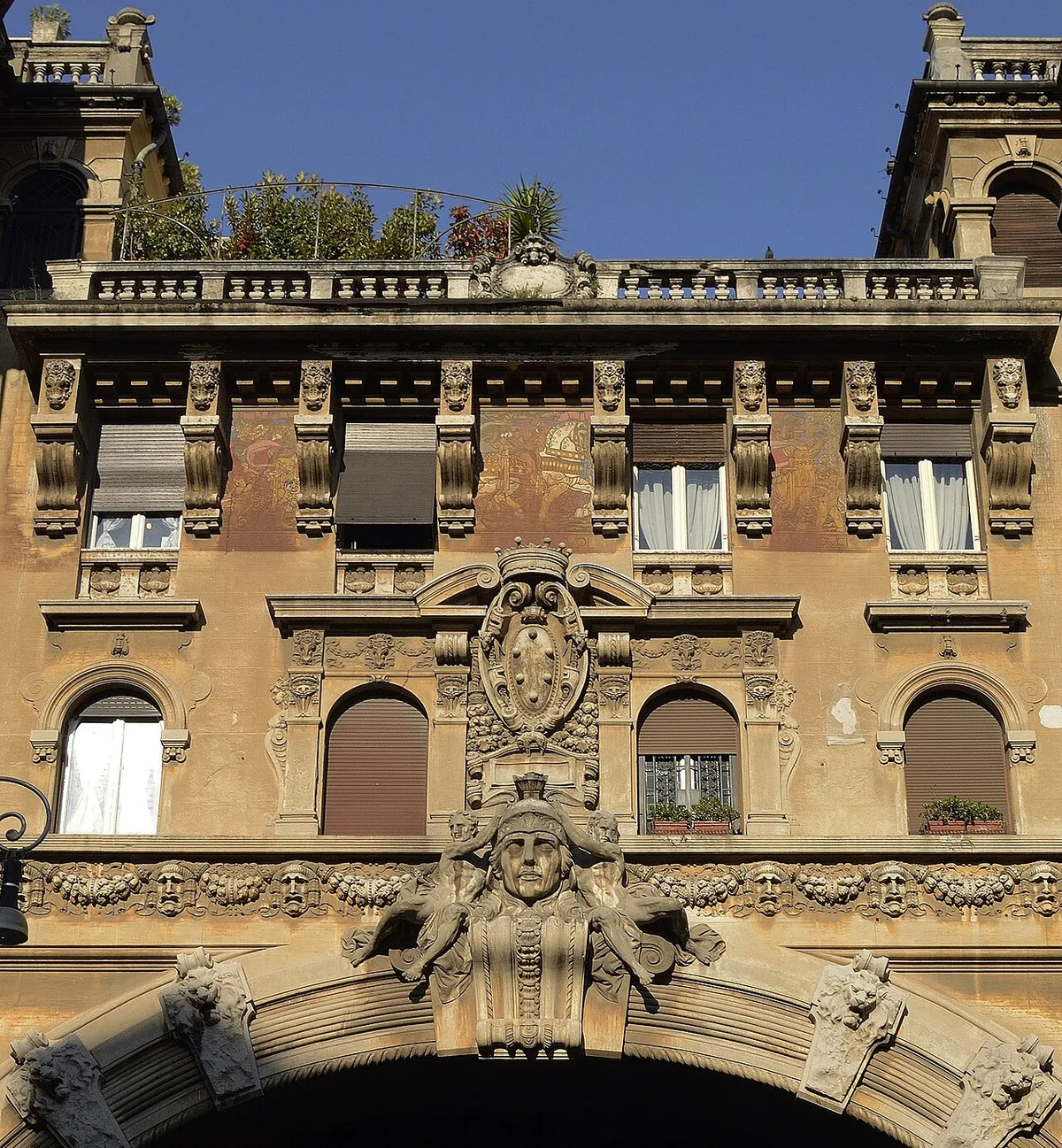
Quartiere Coppedè is a compact early twentieth-century residential ensemble around Piazza Mincio, designed by Gino Coppedè. Its buildings combine medieval, Renaissance, Baroque, Art Nouveau, and Roman references into an intentionally eclectic urban composition.
Queen Elizabeth 2
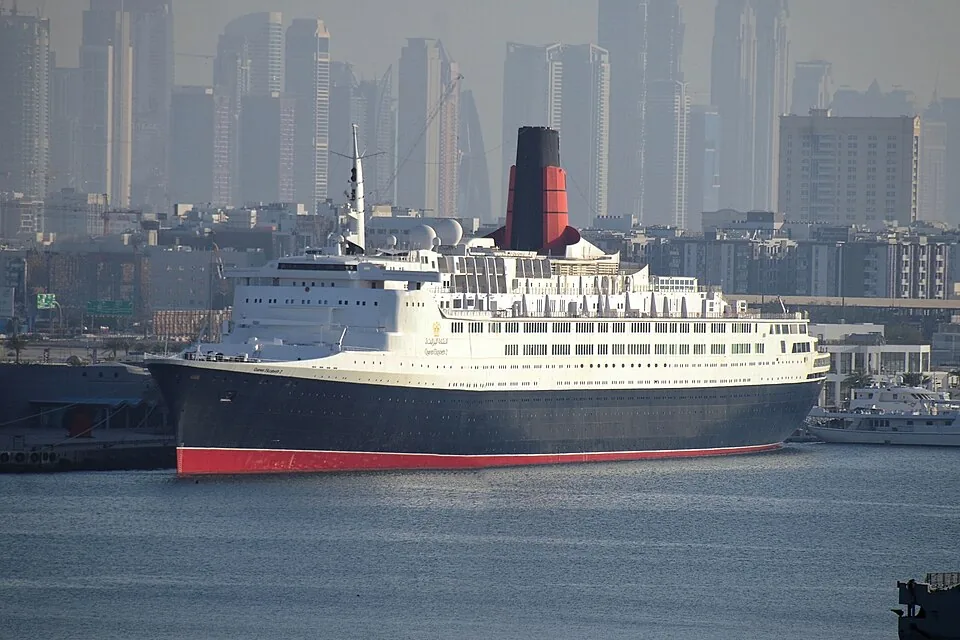
The Queen Elizabeth 2 is a former ocean liner permanently docked at Port Rashid and adapted as a hotel and heritage attraction. Its long hull makes maritime history unusually tangible: this is not a replica, but a vessel whose working life at sea has become part of Dubai’s harbor landscape.
Queen Saovabha Memorial Institute
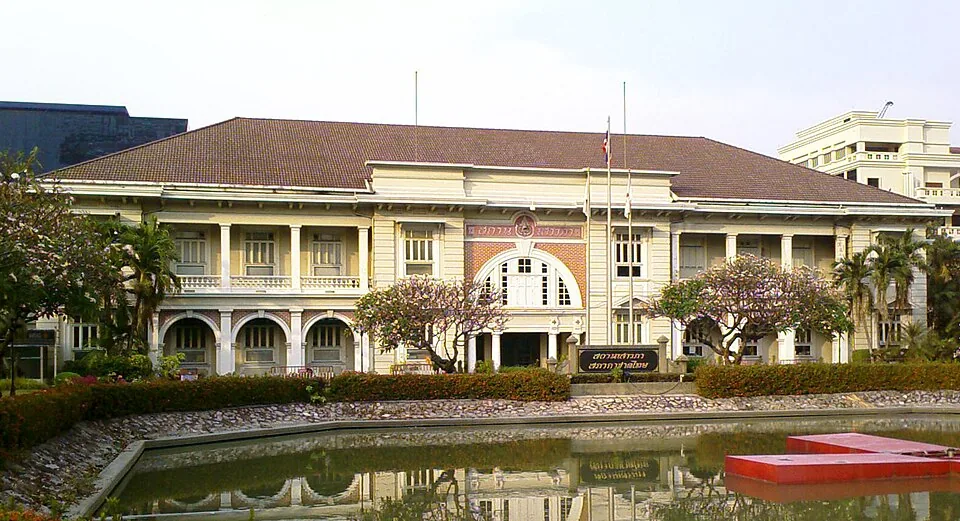
The Queen Saovabha Memorial Institute connects a handsome early twentieth-century institution to practical public-health work. Its history links vaccine and serum production, rabies prevention, and snake-venom research with the Thai Red Cross’s continuing scientific and educational role.