Explore locations
Browse places by name, city, country or category.
All locations
1624 locations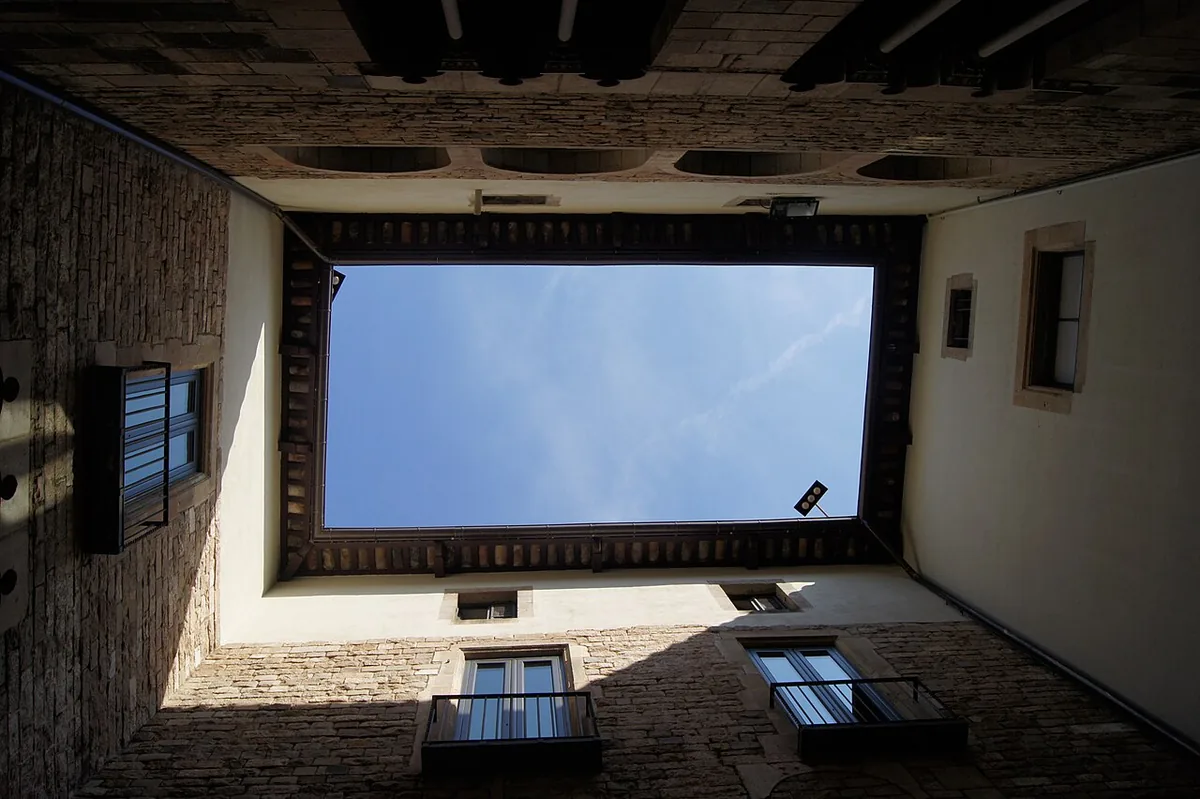
Picasso Museum
The Picasso Museum traces the artist’s formative connection to Barcelona through an unusually focused collection of early work. Its founding depended on a friendship: Jaume Sabartés gathered the original core collection, and Picasso later donated works that deepened the museum’s link to the city.
Piccadilly Circus
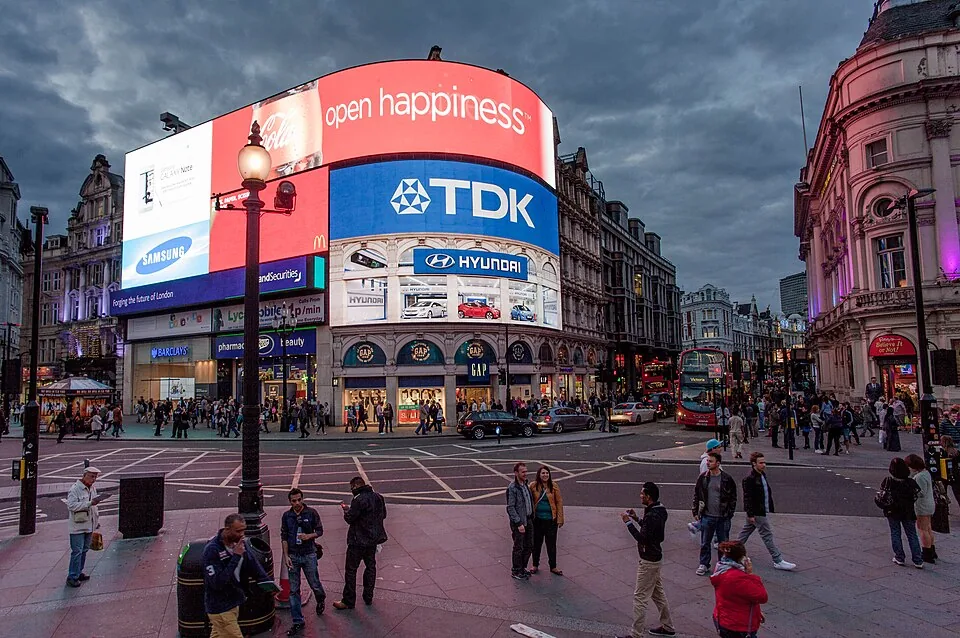
Piccadilly Circus began as a road junction in John Nash’s early nineteenth-century redesign of the West End. The Shaftesbury Memorial Fountain and its winged figure later became a landmark, while the familiar name Eros is a popular misidentification of Anteros.

Pierre Loti Hill
Pierre Loti Hill looks across the Golden Horn, a waterway whose shoreline links neighborhoods on Istanbul’s European side. The viewpoint carries the name of French writer Pierre Loti, who frequented the historic coffeehouse here; local tradition also connects the café to his novel Aziyadé.
Pinacoteca di Brera
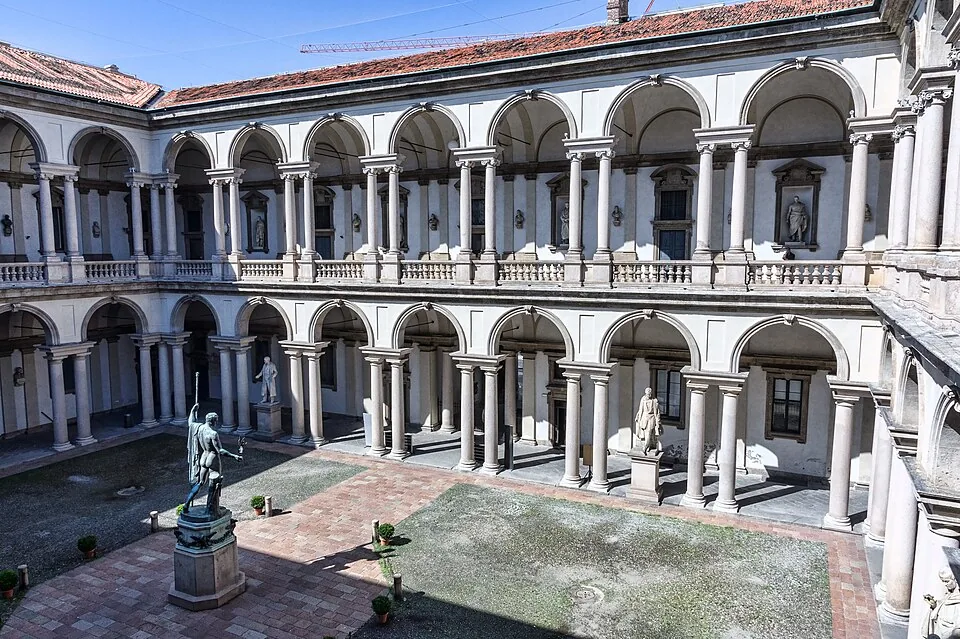
Pinacoteca di Brera began as an educational collection intended to bring important artworks close to students. Its largely religious holdings reflect a later history of state collecting, including works transferred from churches and convents across Lombardy.
Pipit Banglamphu Museum
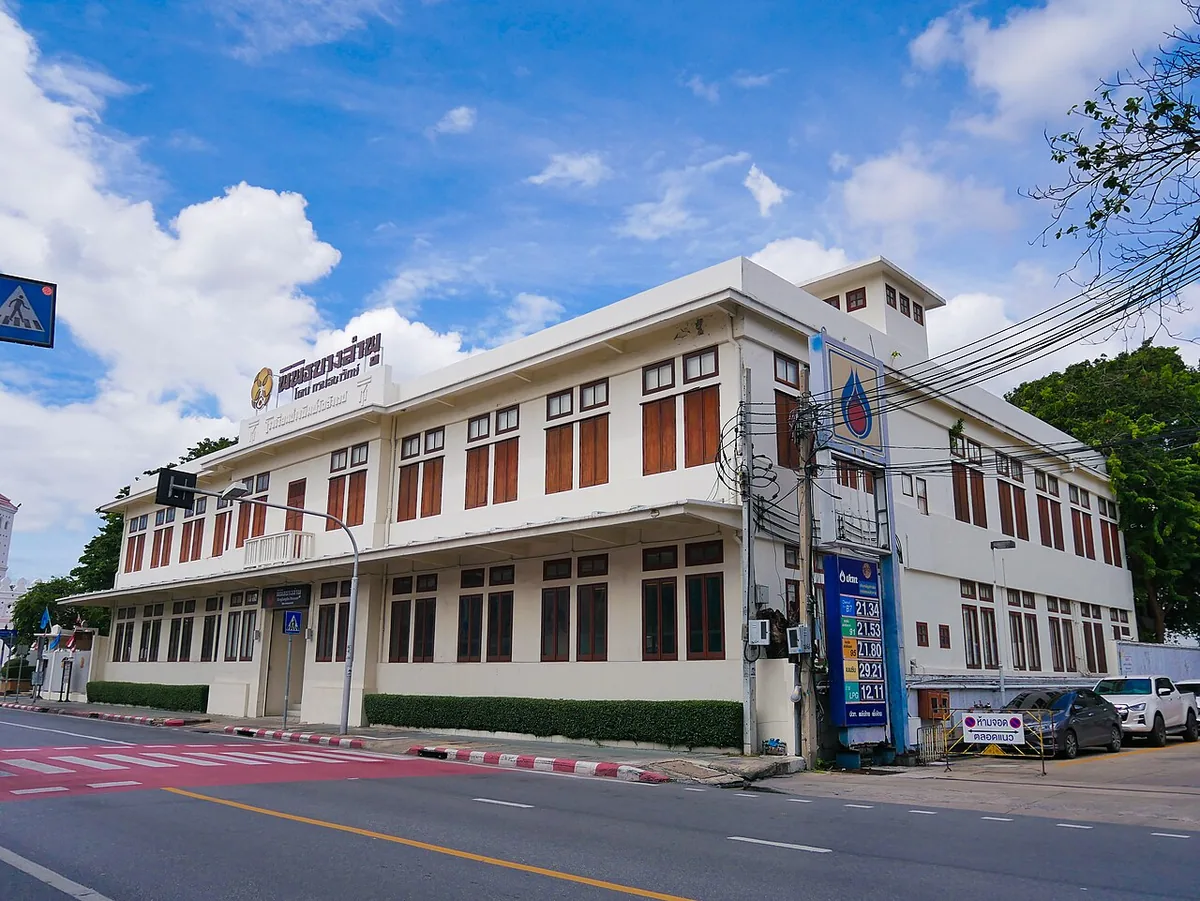
Pipit Banglamphu Museum occupies a building whose own past connects education, printing, and community memory. A former printing school and textbook press now tells stories of the district, making the architecture part of the exhibit rather than a neutral container for it.
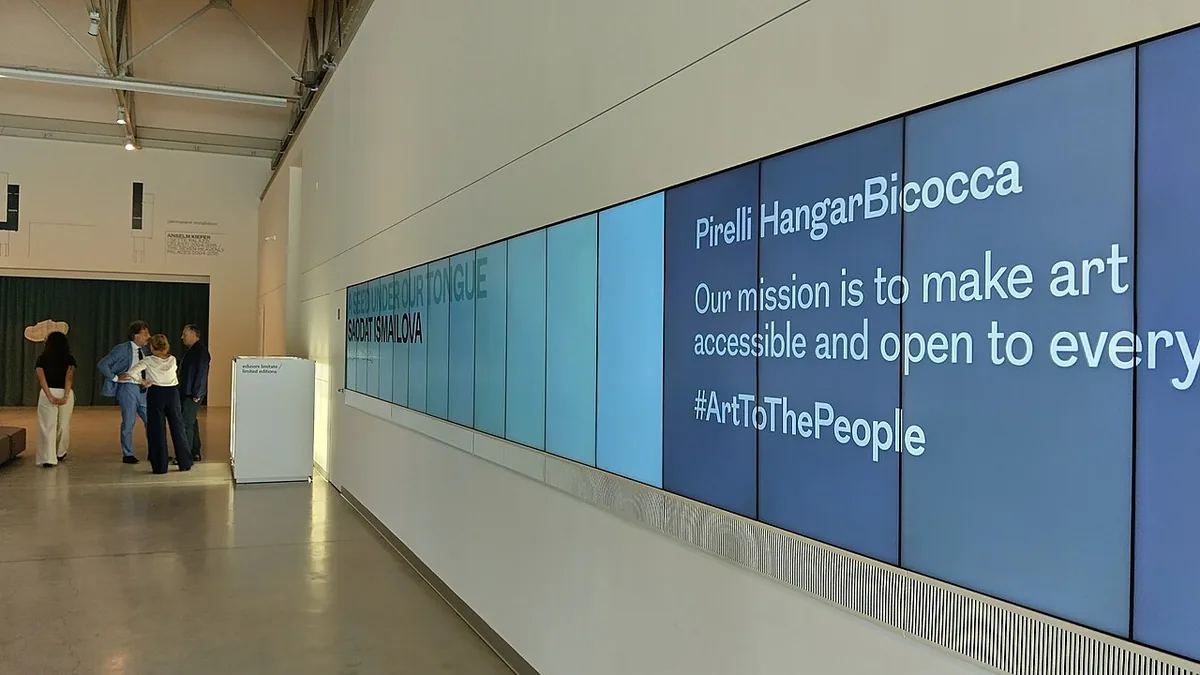
Pirelli HangarBicocca
Pirelli HangarBicocca’s enormous galleries retain the scale of the former Breda locomotive factory. The industrial architecture now hosts contemporary art, allowing exhibitions to respond to a neighborhood once shaped by factories and later transformed through redevelopment.
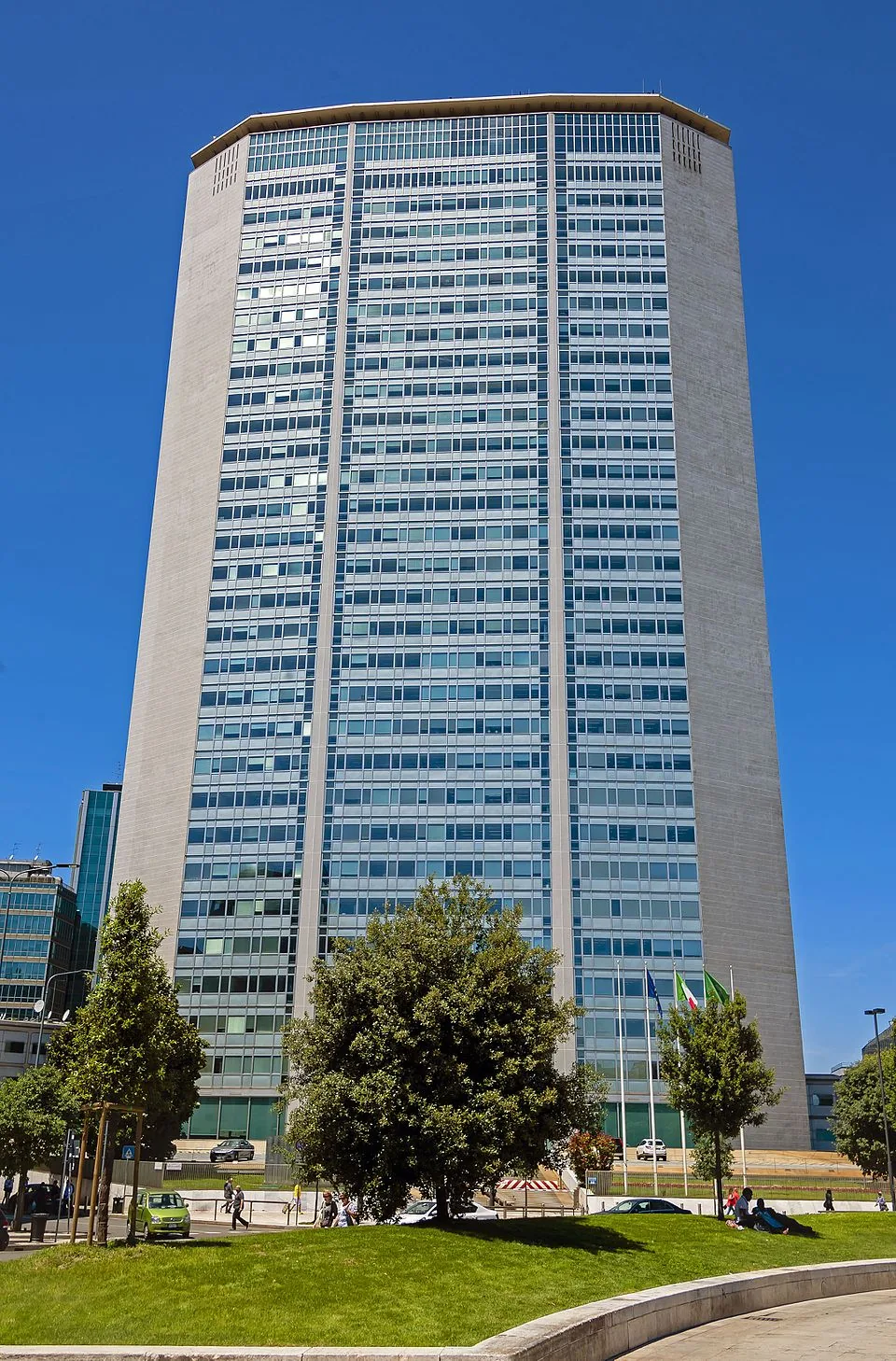
Pirelli Tower
Pirelli Tower stands beside Milano Centrale as a landmark of postwar Milan, its tapering profile designed by Gio Ponti with engineers Pier Luigi Nervi and Arturo Danusso. Built as a company headquarters, it later became the seat of Lombardy’s regional council, turning corporate modernity into civic
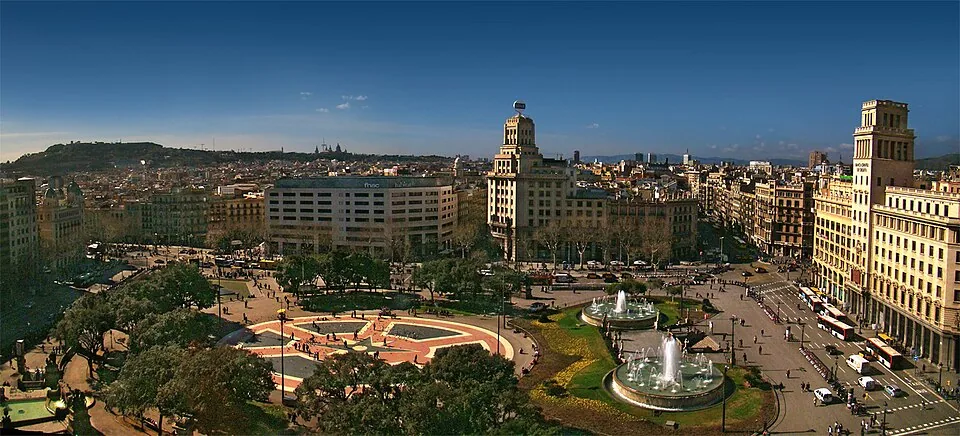
Plaça de Catalunya
Plaça de Catalunya is a broad meeting point where Barcelona’s medieval center meets the planned Eixample. Sculptures and fountains punctuate the open space, but its strongest role is connective: the square gathers routes, transit, and everyday encounters at the city’s center.
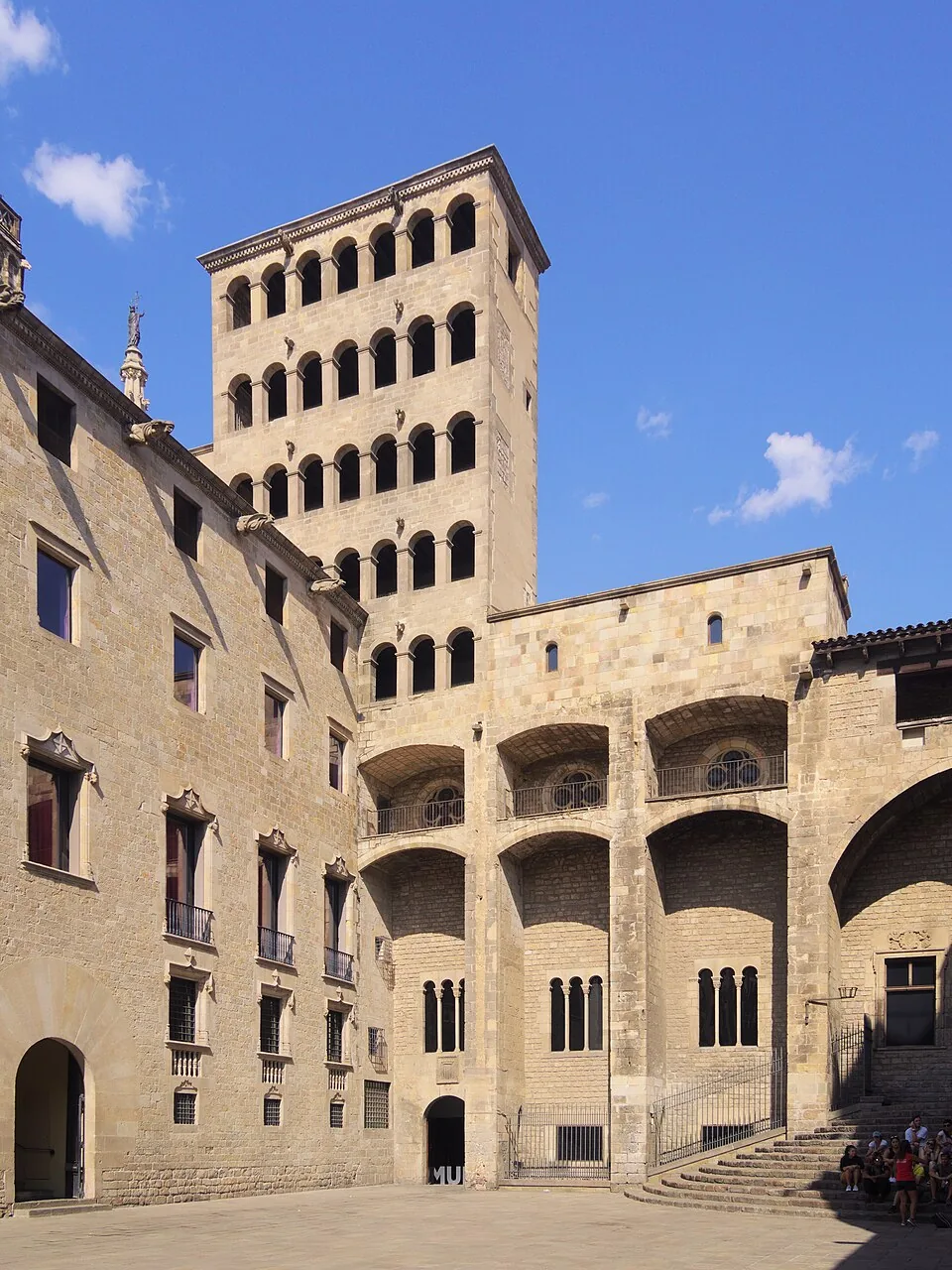
Plaça del Rei
Plaça del Rei sits above a remarkably deep archaeological record: Roman streets, workshops, and buildings lie beneath the medieval square. Excavations began after the nearby Casa Padellàs was moved, revealing how Barcelona’s civic center grew through reuse rather than replacement.
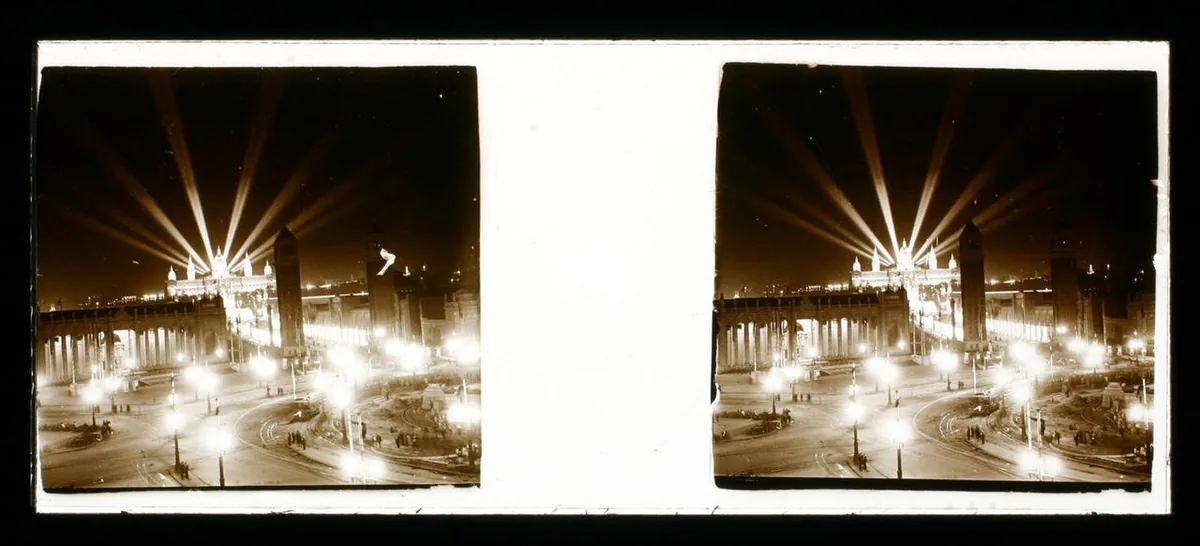
Plaça d’Espanya
Plaça d’Espanya is a monumental gateway between Barcelona’s central avenues and Montjuïc’s exhibition grounds. Designed for the 1929 International Exhibition, it gathers traffic, architecture, and symbolic fountains into a single urban threshold.
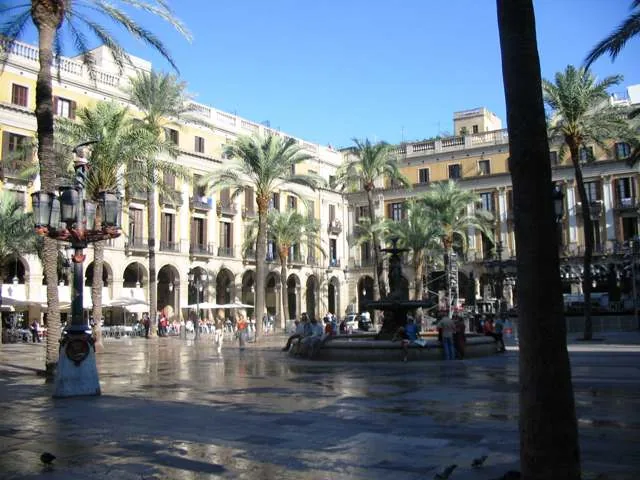
Plaça Reial
Plaça Reial’s consistent arcades and balconies create a calm geometric room just off La Rambla. Francesc Daniel Molina designed it on the site of a demolished Capuchin convent, but a royal monument planned for its centre gave way to the Three Graces fountain and Gaudí’s early streetlamps.
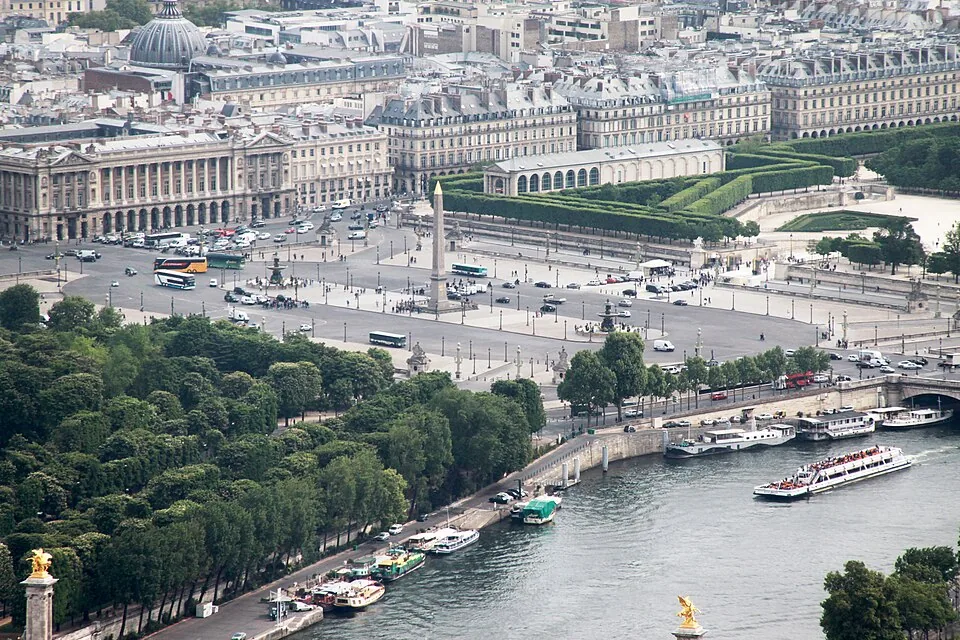
Place de la Concorde
Place de la Concorde links the Champs-Élysées to the Tuileries, but its history includes royal planning and revolutionary violence. The Luxor Obelisk and two fountains define today’s composition, shaped by Jacques-Ignace Hittorff.
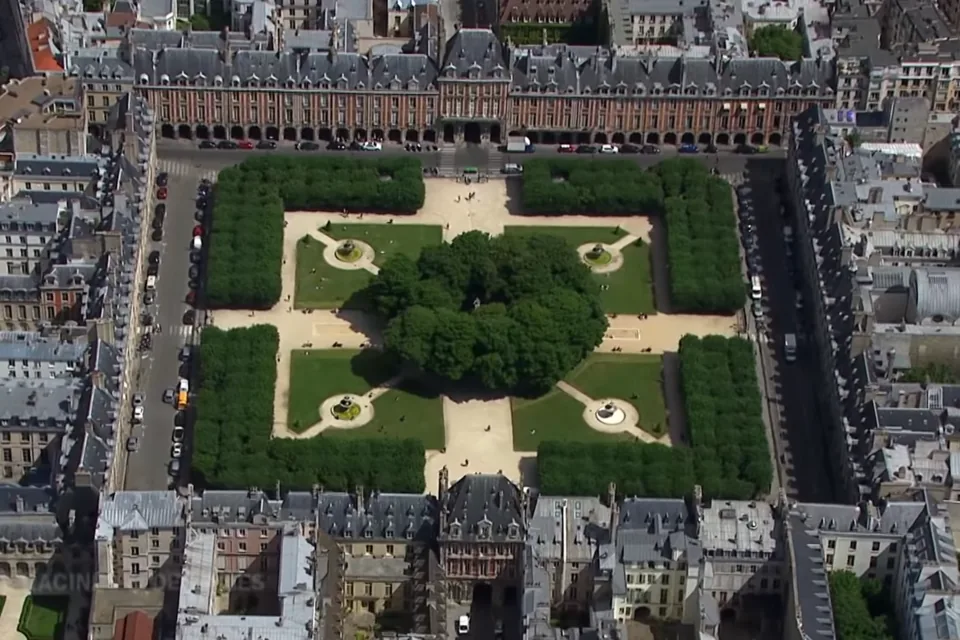
Place des Vosges
Place des Vosges is a carefully ordered square of brick-and-stone façades, arcades, and a central garden. Begun under Henri IV in 1605, it set a new model for planned urban space in Paris.
Place Vendôme
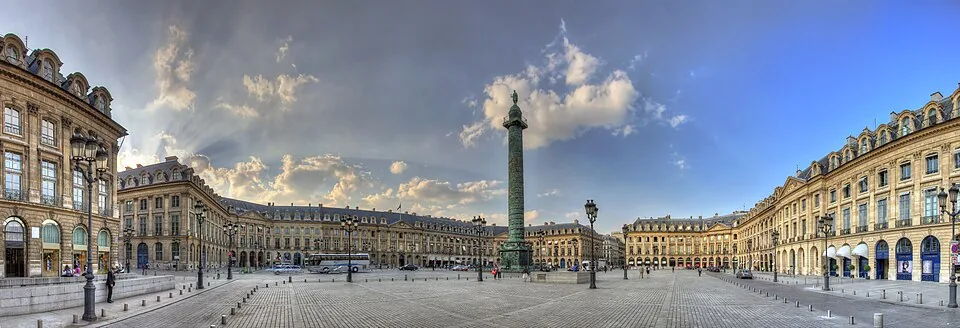
Place Vendôme’s formal façades and central column project an image of royal order, yet the square has repeatedly reflected political change. Designed at the end of the seventeenth century, it later became the revolutionary Place des Piques.
Planet Plus One Cinema
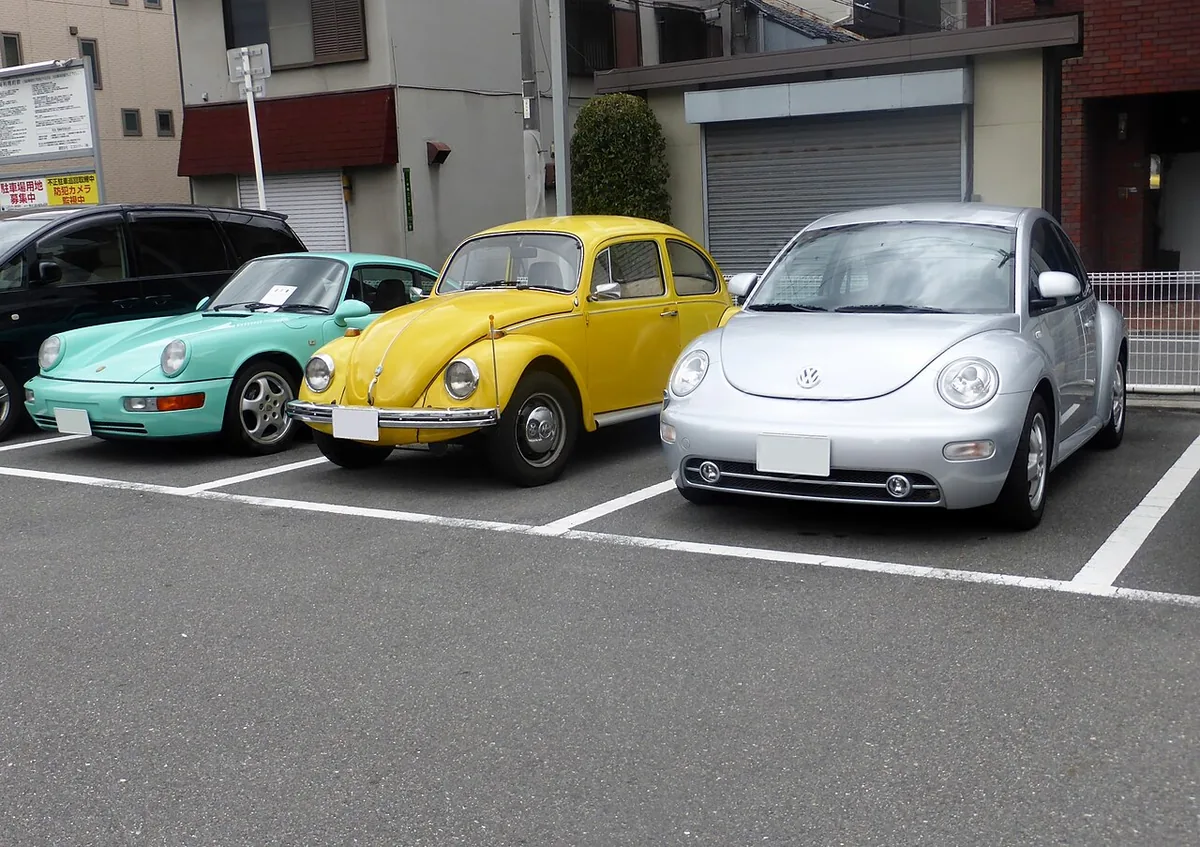
Planet Plus One is a small independent cinema in Osaka’s Nakazaki neighborhood. Its compact screening room and curated program offer a close-scale alternative to multiplex viewing, where the shared audience becomes part of the film experience.
Plaza de Cibeles
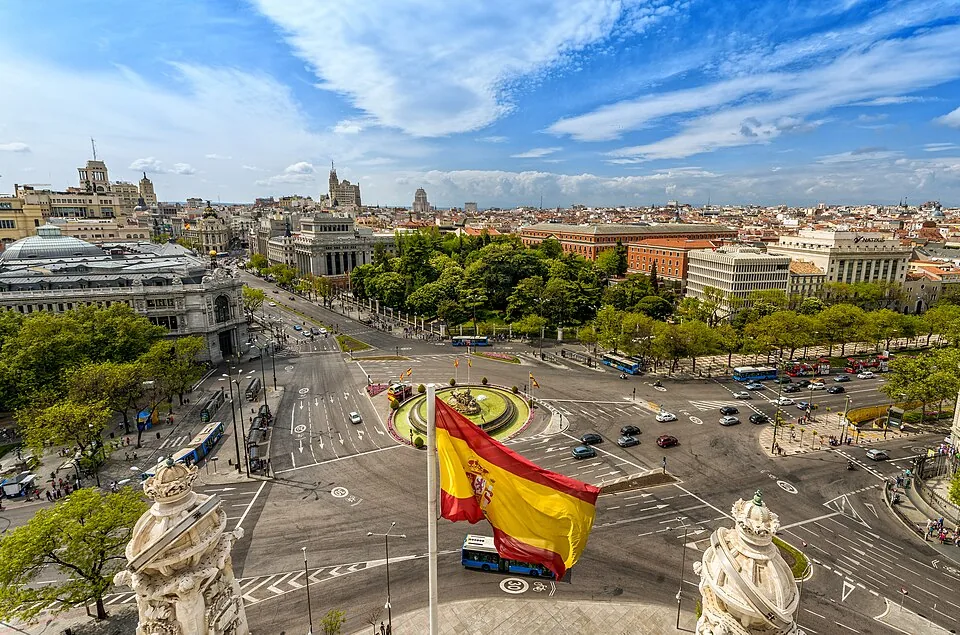
Four different monumental buildings face one another around Plaza de Cibeles, with the goddess’s fountain at their center. The square’s layout turns a traffic junction into an urban room where civic authority, banking, aristocratic architecture, and myth meet.
Plaza de España
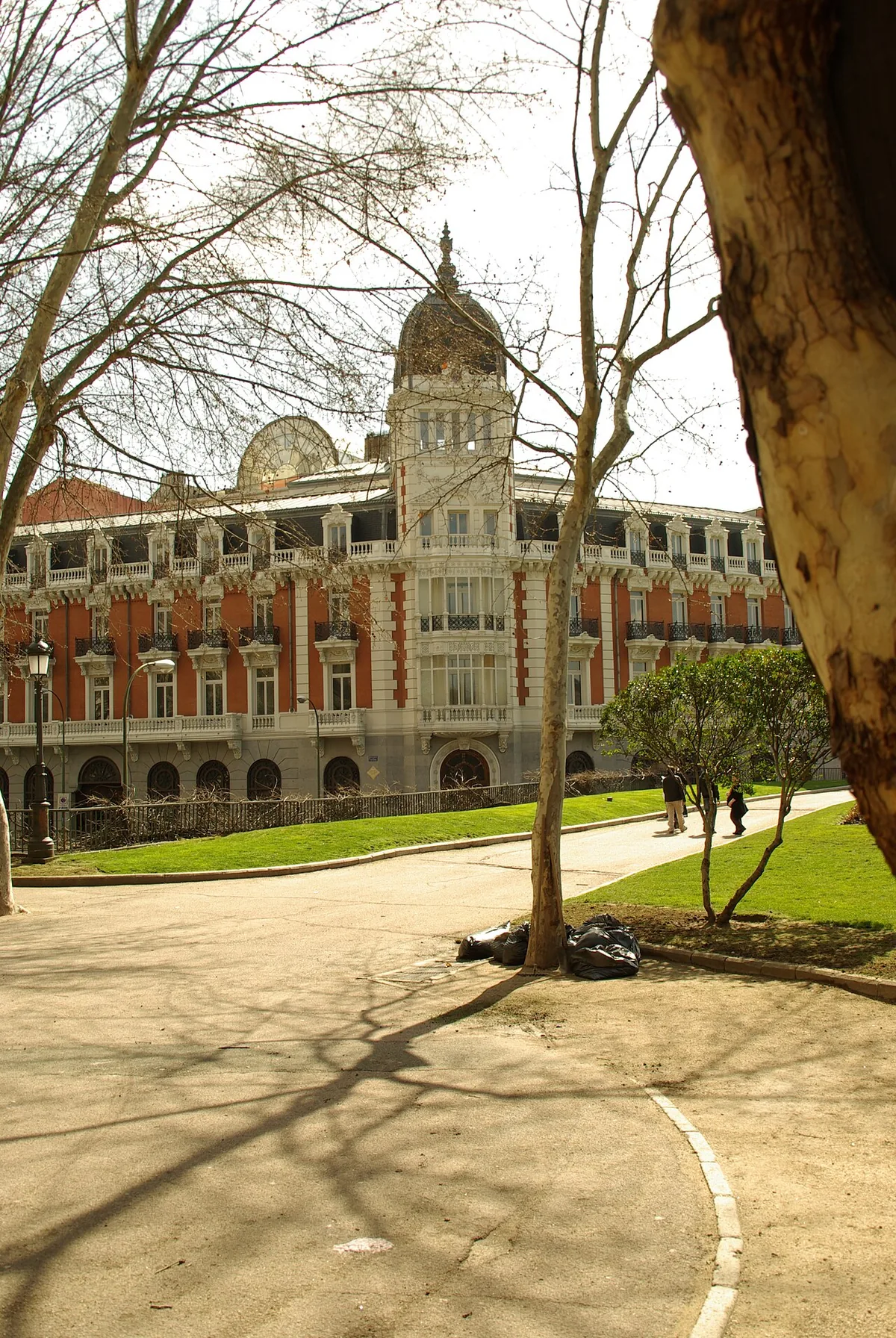
At Plaza de España, the Cervantes monument stands where Madrid’s central avenue meets routes toward royal gardens and the western landscape. The square’s present openness follows major redesign, while its sculpture makes literature the link between a city crossroads and a national story.
Plaza Mayor
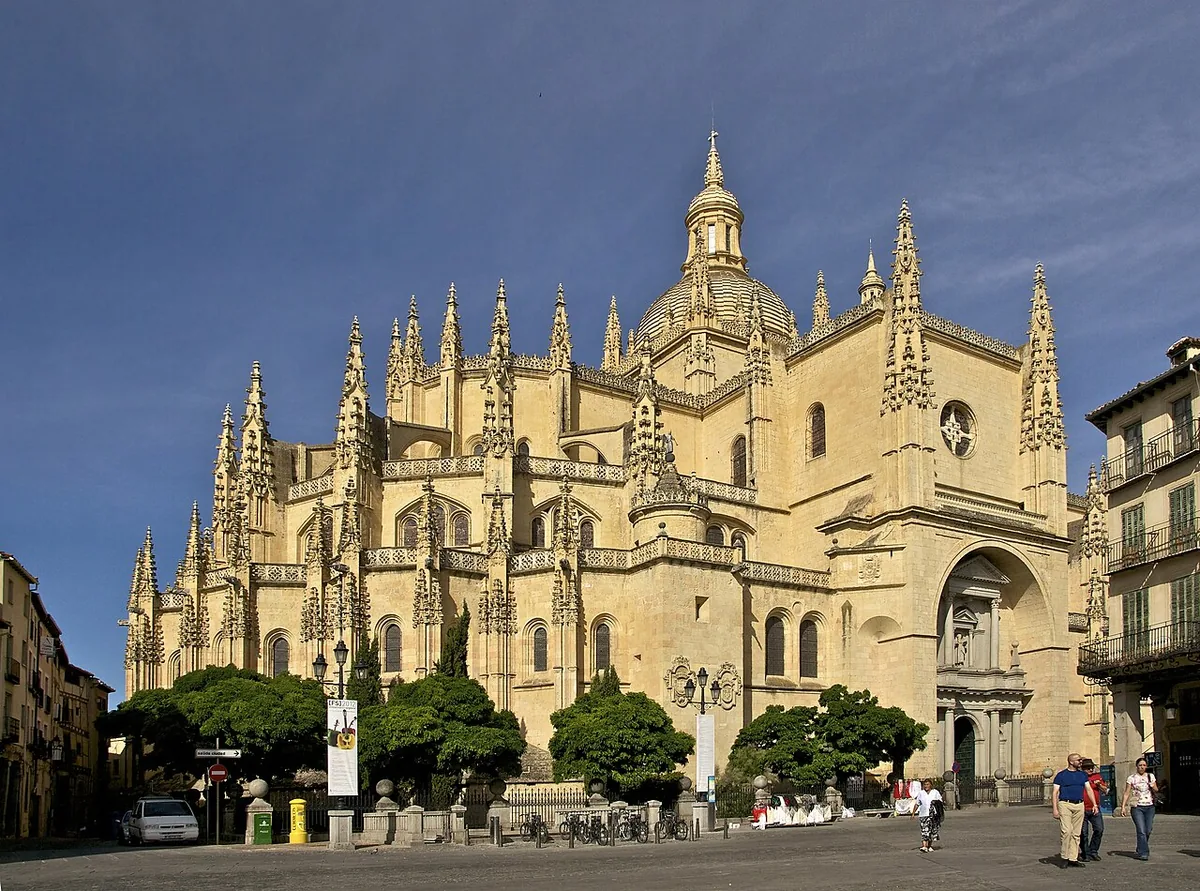
Plaza Mayor’s uniform arcades enclose a square that began as Madrid’s market outside the old town’s core. Its red façades and central statue frame a space used for public ceremonies, commerce, and gathering, with architectural repairs after fire shaping the square visitors see today.
PMQ
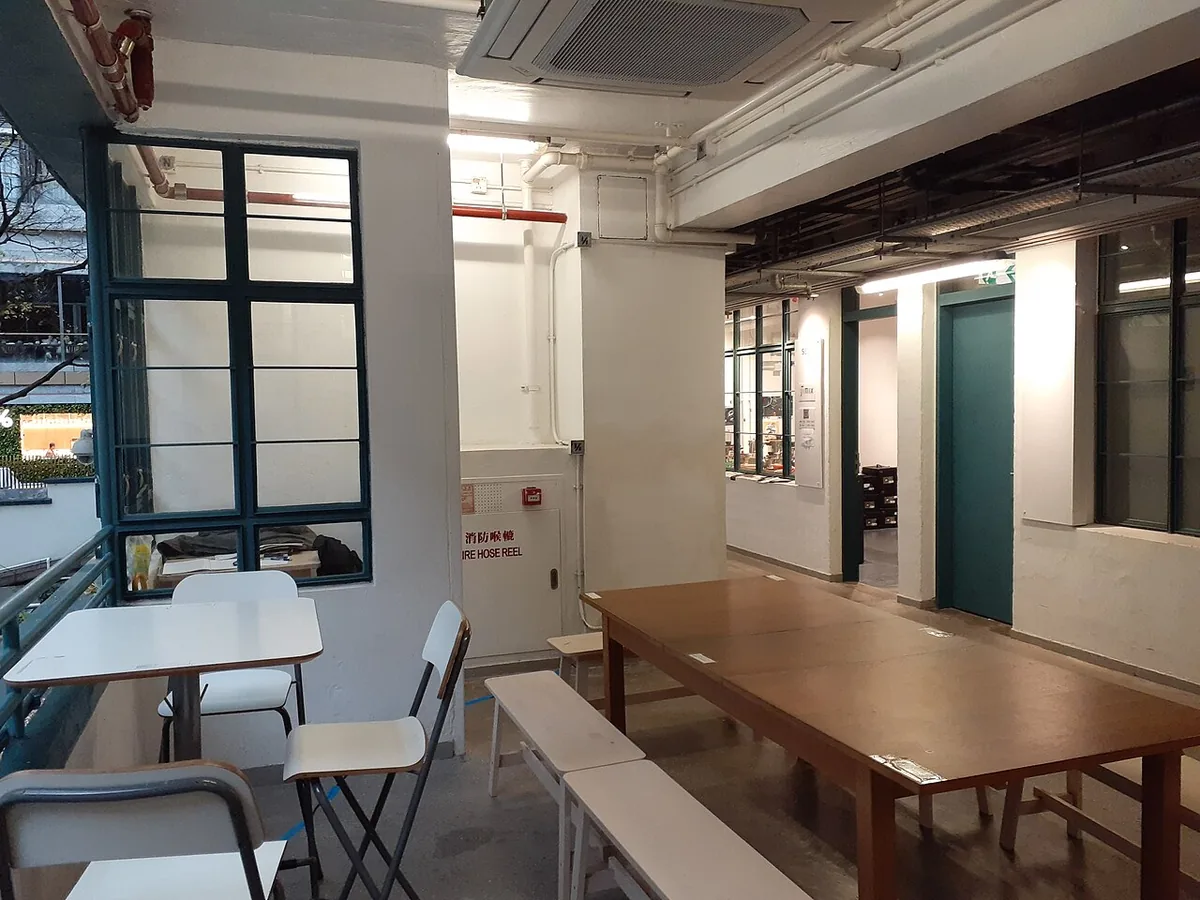
PMQ’s paired residential blocks rise above the former Central School site, their repeated balconies recalling life as married quarters for police officers. Today, design studios and exhibitions occupy the compound, linking Hong Kong’s educational and housing history with a contemporary creative comm
Poble Espanyol
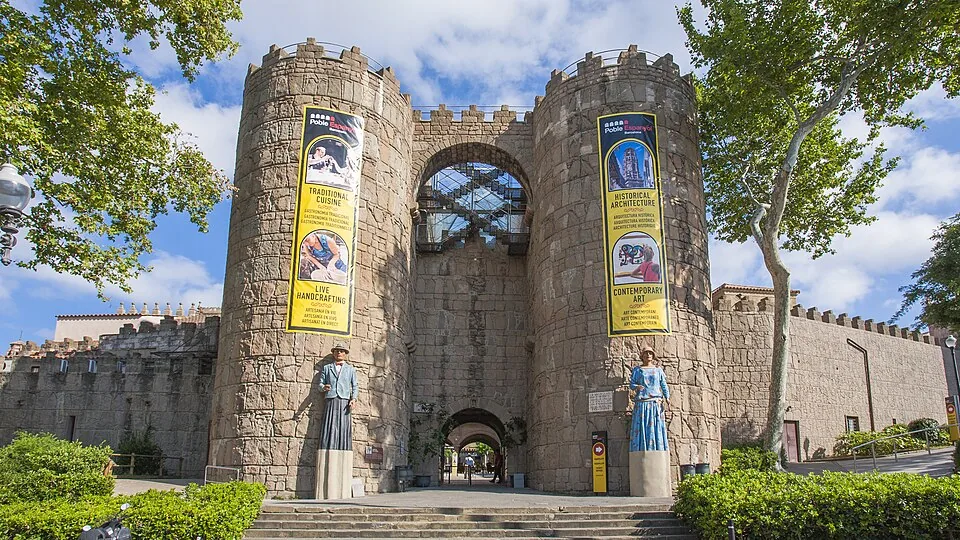
Poble Espanyol was built as a walk-through architectural survey for Barcelona’s 1929 Universal Exposition. Its designers studied more than 1,600 settlements before assembling a village-like complex, which was meant to be temporary but survived because visitors and the city chose to keep it.
Poble-sec
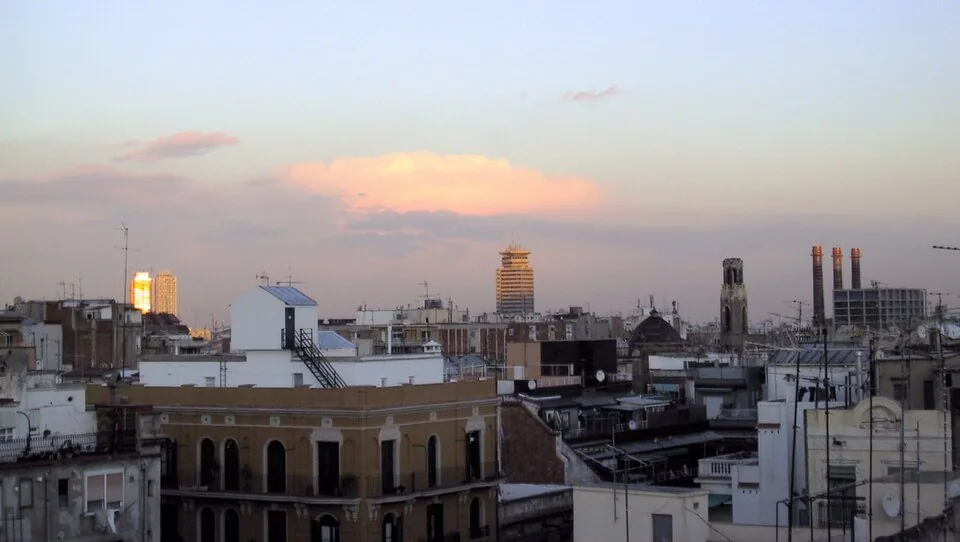
Poble-sec grew beyond Barcelona’s old walls on the lower slope of Montjuïc, between the port and the city. Its streets preserve a working-class and theatrical history, from the music halls of Paral·lel to the industrial chimneys that still mark the neighborhood’s skyline.
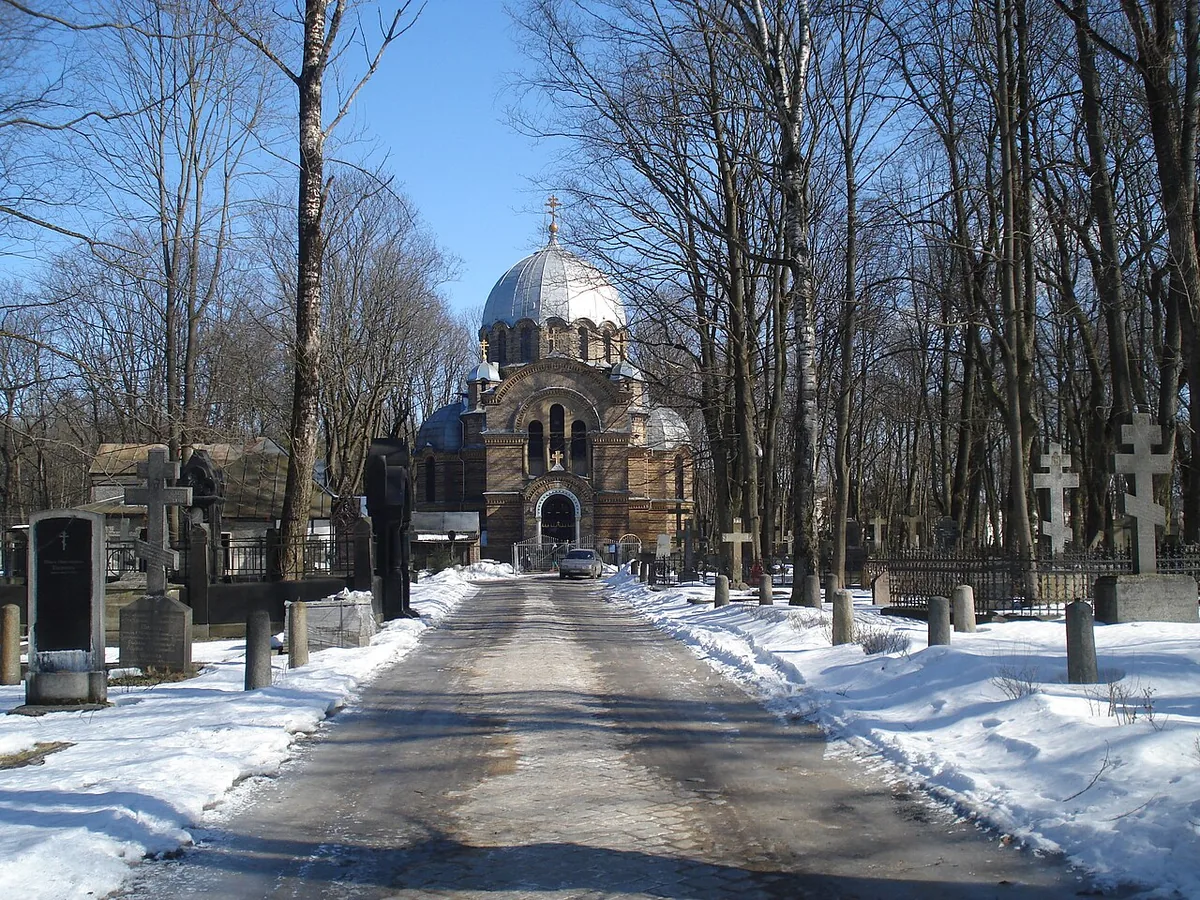
Pokrov Cemetery
Riga’s Pokrov Cemetery is a historic Orthodox burial ground near the Great Cemetery. Its church buildings, family graves and monuments preserve memories of generations of city residents.
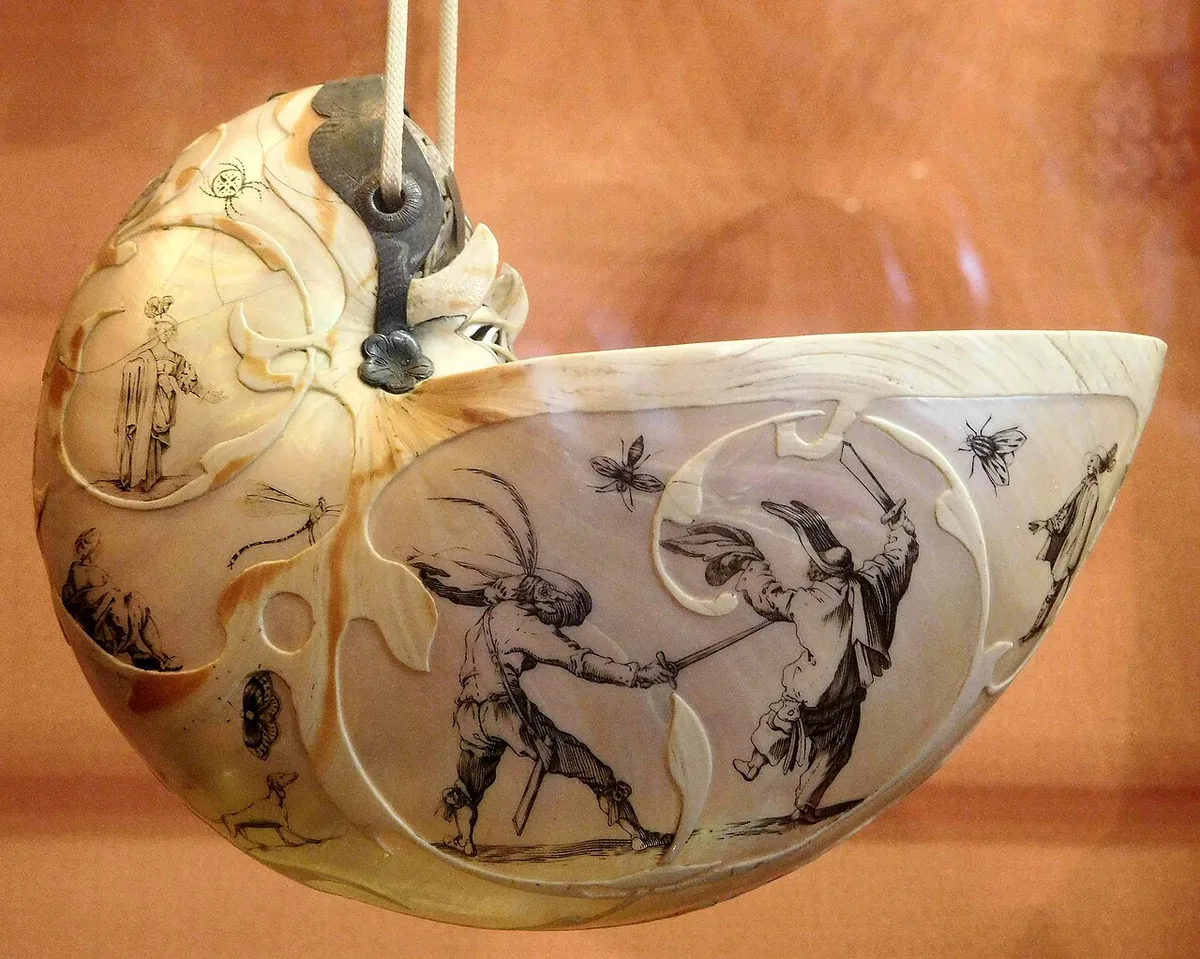
Poldi Pezzoli Museum
The Poldi Pezzoli is a house museum shaped by collector Gian Giacomo Poldi Pezzoli. Its rooms bring paintings, sculpture, clocks, glass, and other applied arts into the setting of a nineteenth-century Milanese residence.
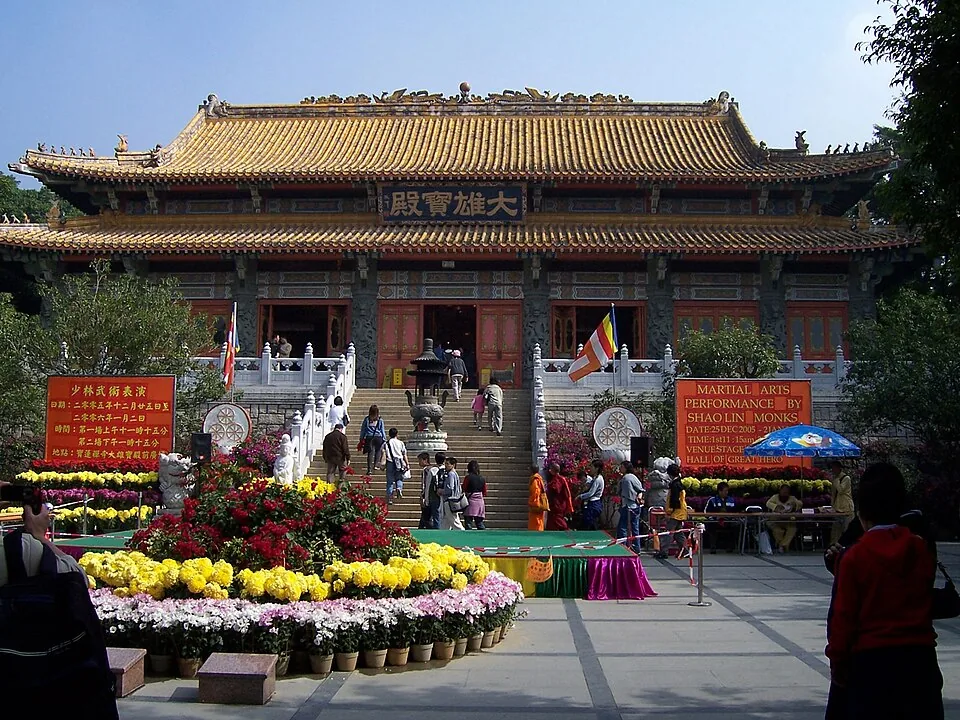
Po Lin Monastery
Po Lin Monastery stands on Lantau Island at Ngong Ping, where Buddhist worship, monastic life, and the surrounding mountain landscape meet. Established in the early twentieth century, it is a working monastery as well as a destination for visitors.