Explore locations
Browse places by name, city, country or category.
All locations
1624 locations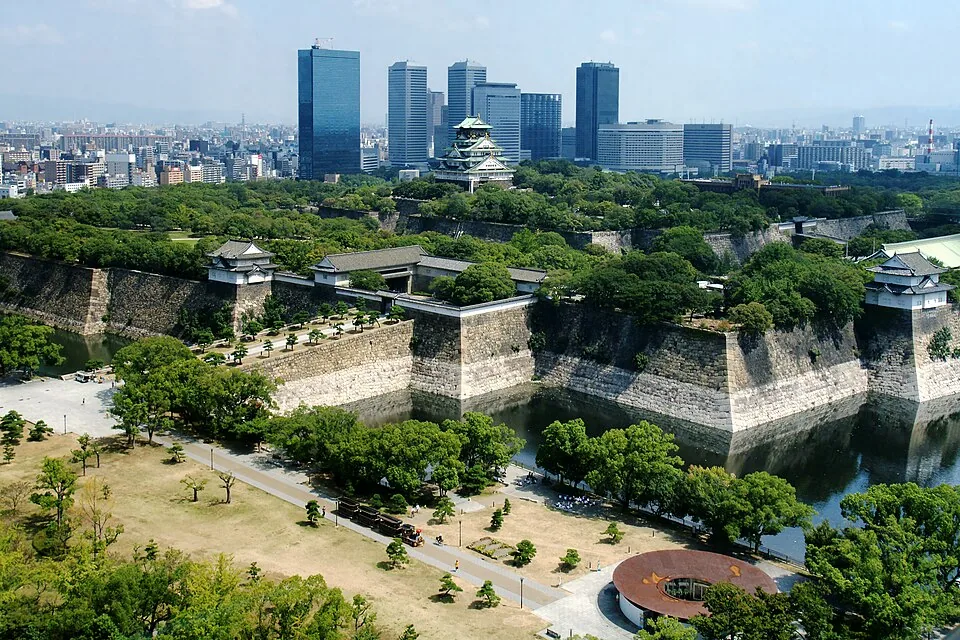
Osaka Castle Park
Osaka Castle Park surrounds a reconstructed castle keep with moats, stone walls, gardens, and cultural buildings. The broad grounds hold layers of military history and modern public life, making the park as important to understanding the site as the central landmark.
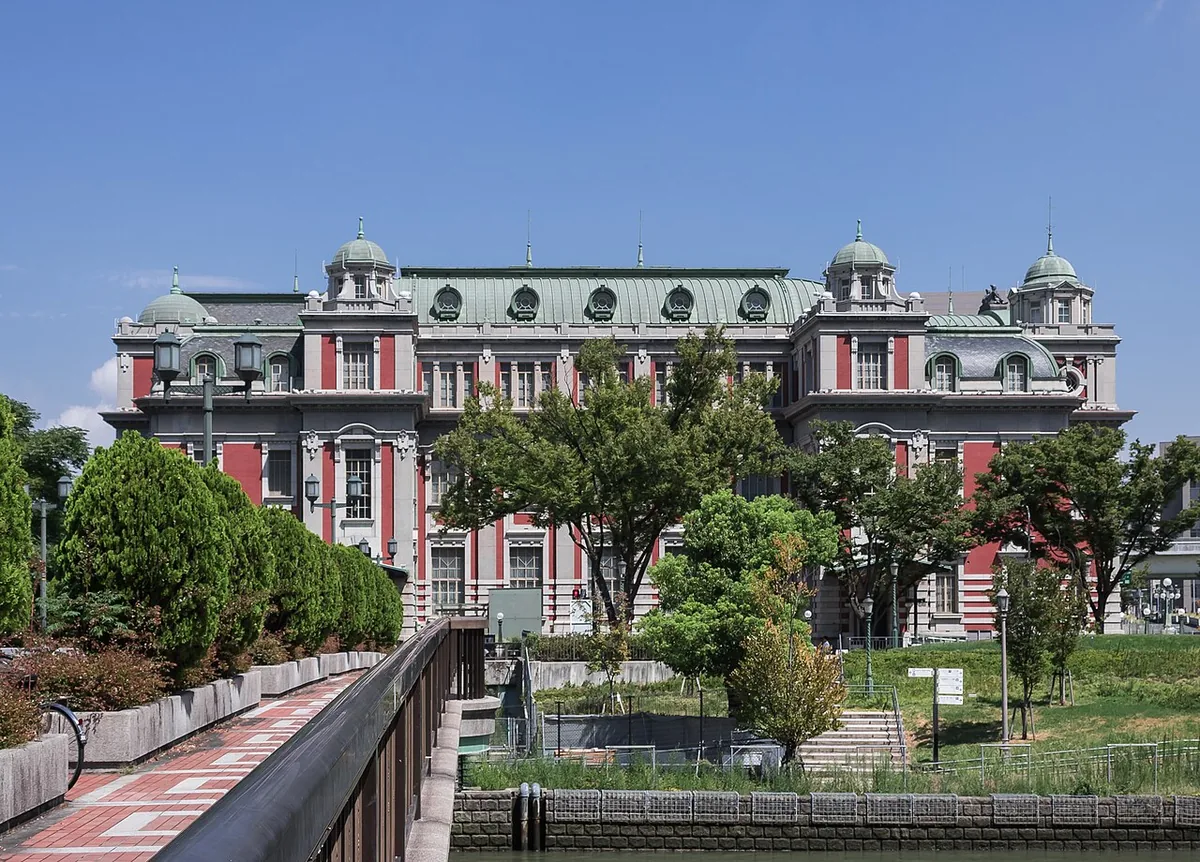
Osaka Central Public Hall
Osaka Central Public Hall is a red-brick riverside landmark on Nakanoshima, completed in 1918 through a public donation. Its neo-Renaissance design has hosted cultural and civic events for generations and is now designated an Important Cultural Property.
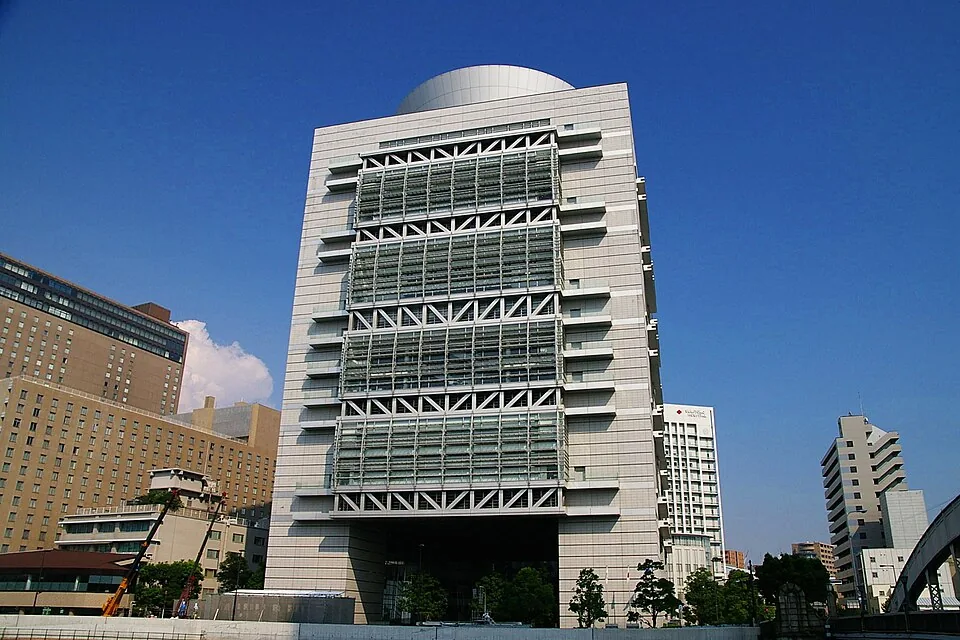
Osaka International Convention Center
Osaka International Convention Center, also called Grand Cube Osaka, occupies a prominent site on Nakanoshima. Architect Kisho Kurokawa shaped its stacked, geometric form as a large civic venue for conferences, exhibitions, and performances.
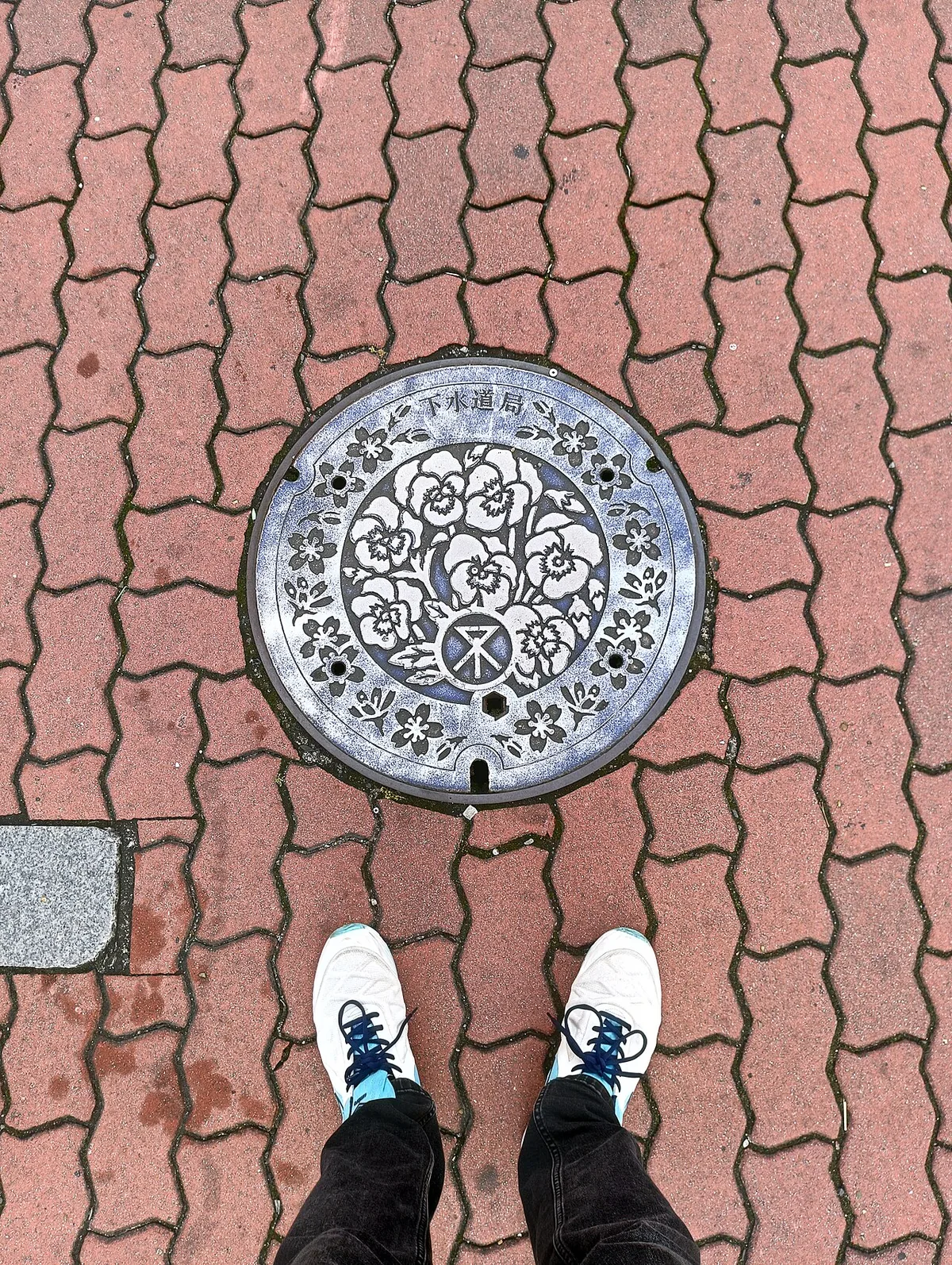
Osaka Korean Town
Osaka Korean Town centers on Miyuki-dori Shopping Street in Ikuno, where Korean and Japanese neighborhood life meet through food, groceries, clothing, and community history. It is a living commercial district shaped by residents, not a themed attraction.
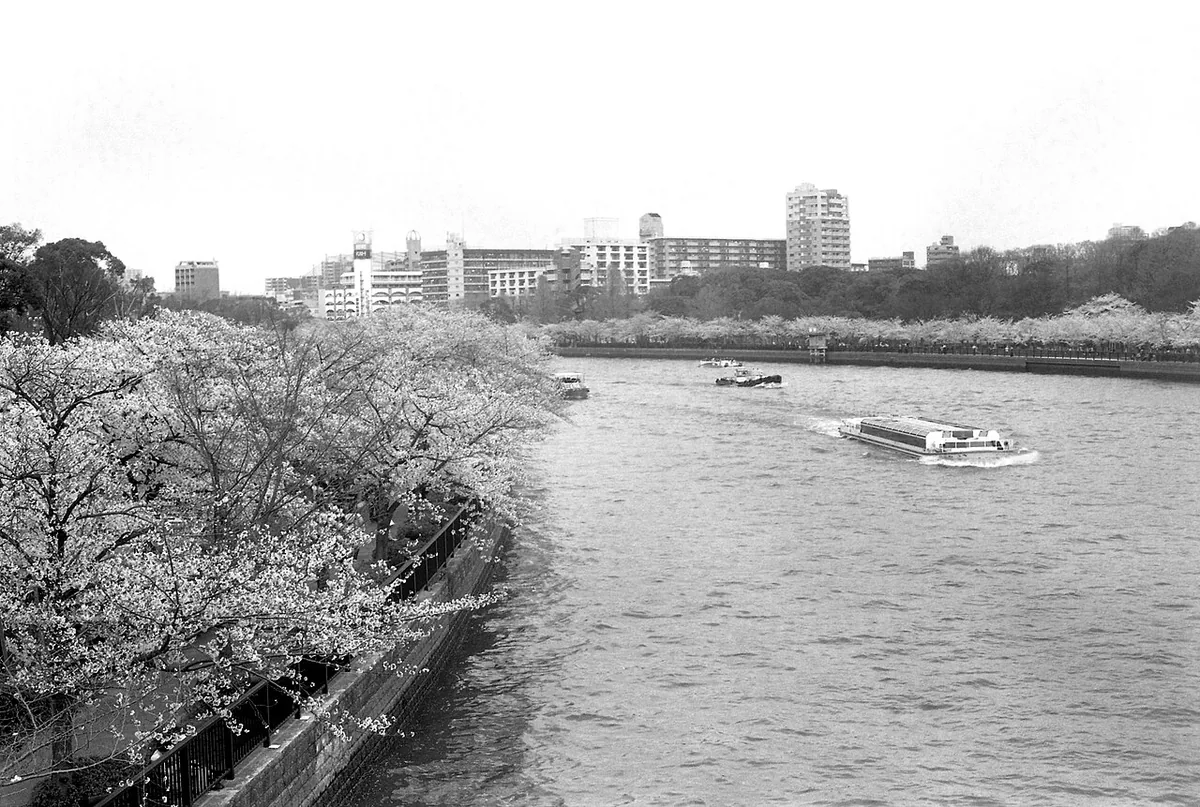
Osaka Mint Bureau
The Osaka Mint Bureau began operating in 1871 as Japan established a modern national currency. Its museum traces coin production and monetary history, while the riverside grounds are also known for a seasonal cherry-blossom passage that opens on designated dates.
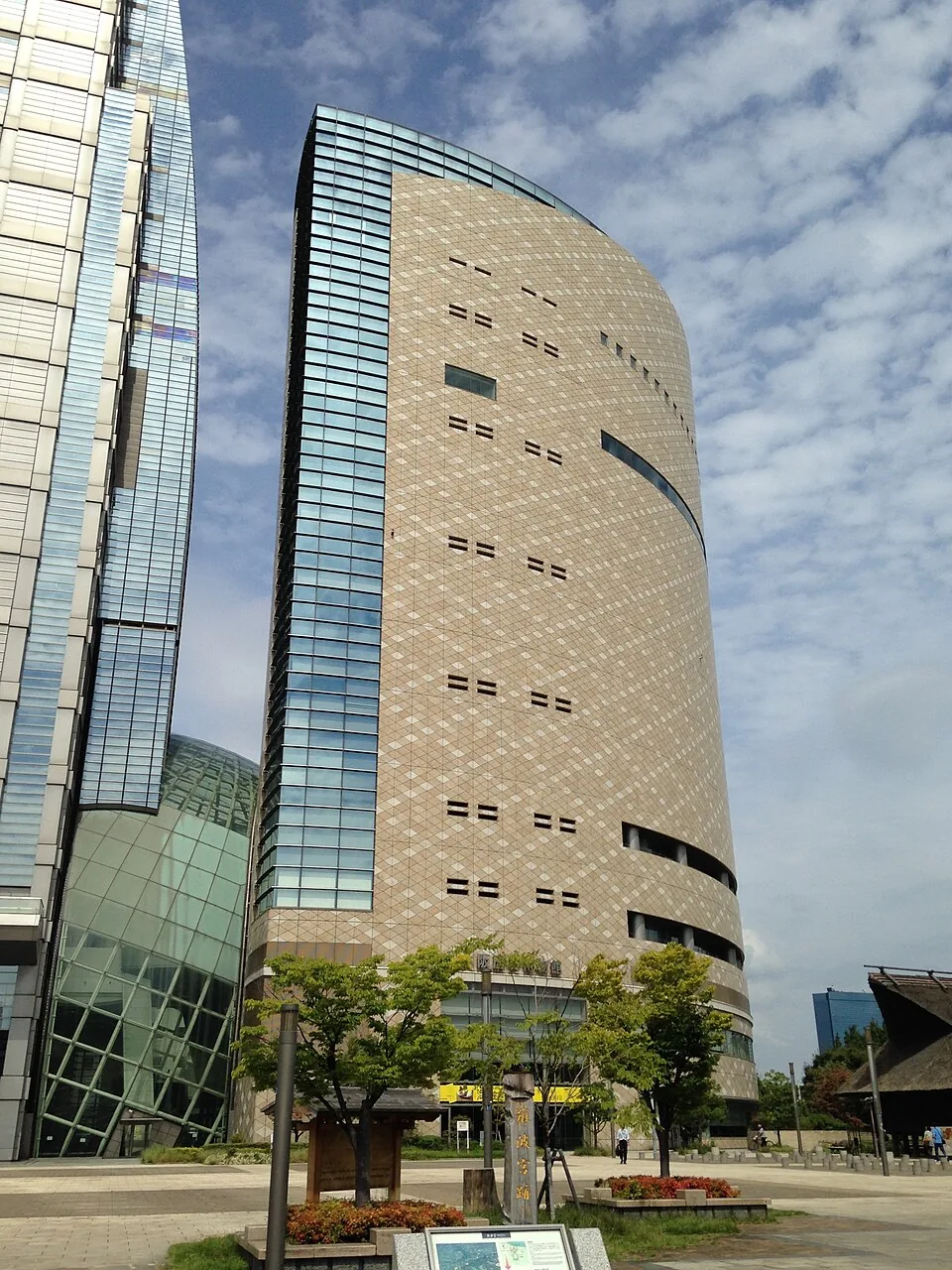
Osaka Museum of History
The Osaka Museum of History stands beside Osaka Castle Park on a site tied to the ancient Naniwa Palace. Its exhibits move through successive versions of the city, while the preserved archaeological remains connect reconstructed scenes to physical traces beneath the building.
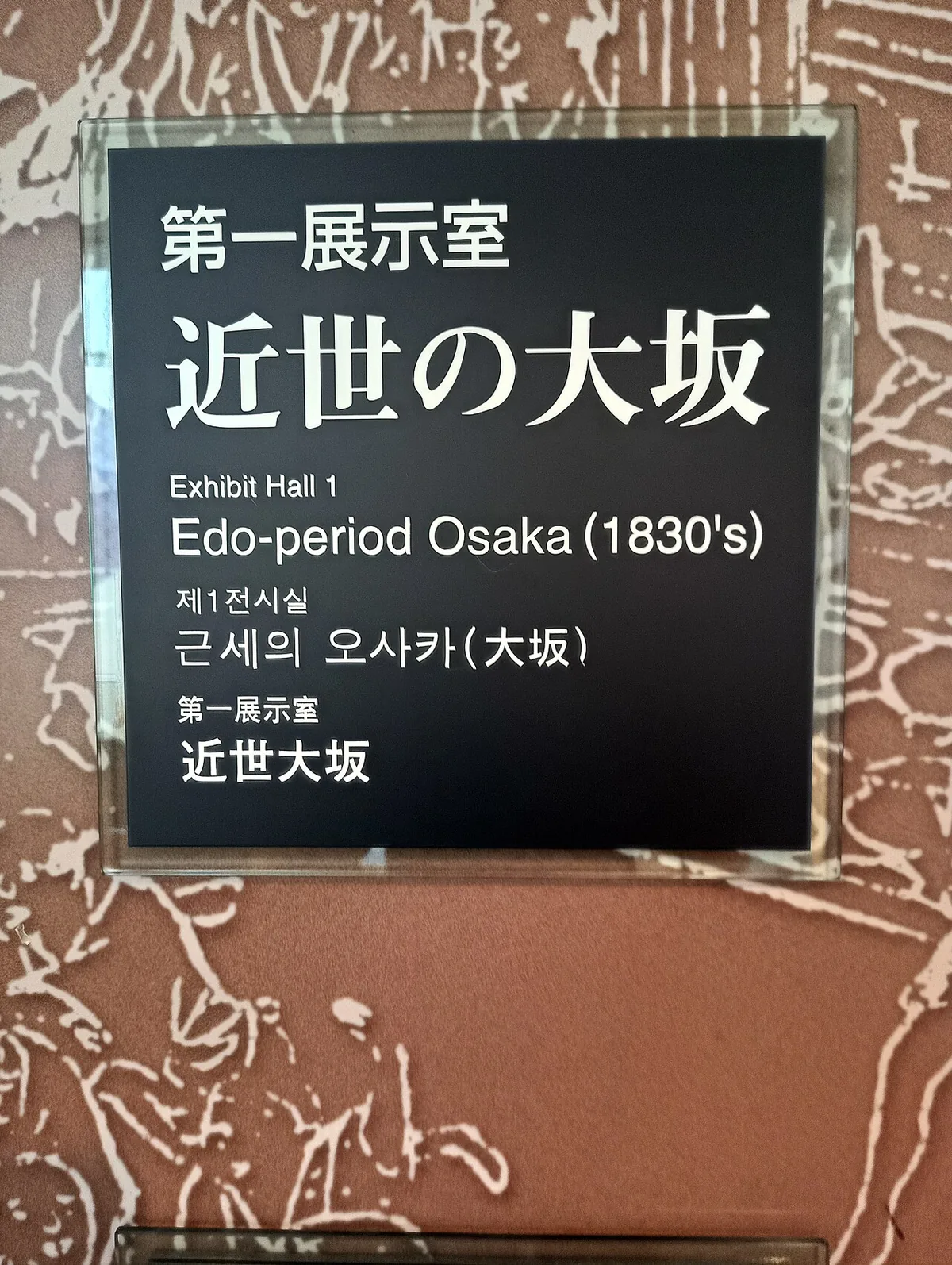
Osaka Museum of Housing and Living
The Osaka Museum of Housing and Living reconstructs streets and homes from earlier eras inside a modern building. Full-scale town scenes make changes in domestic life and urban development tangible rather than abstract.
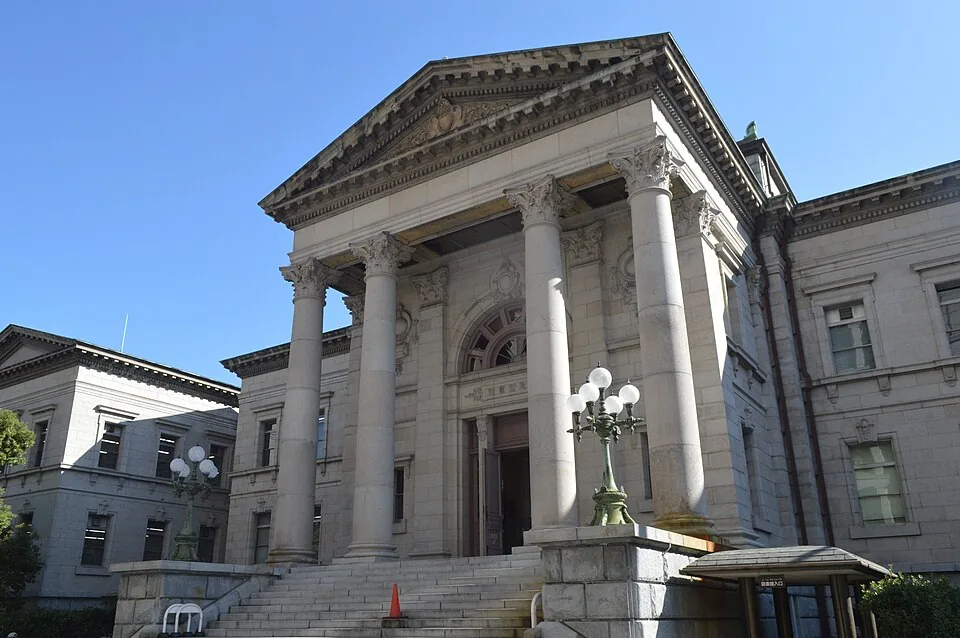
Osaka Prefectural Nakanoshima Library
Osaka Prefectural Nakanoshima Library is a domed neoclassical building on the river island of Nakanoshima. Its stone façade and central hall reflect a philanthropic project to give Osaka a public home for knowledge.
Osaka Science Museum
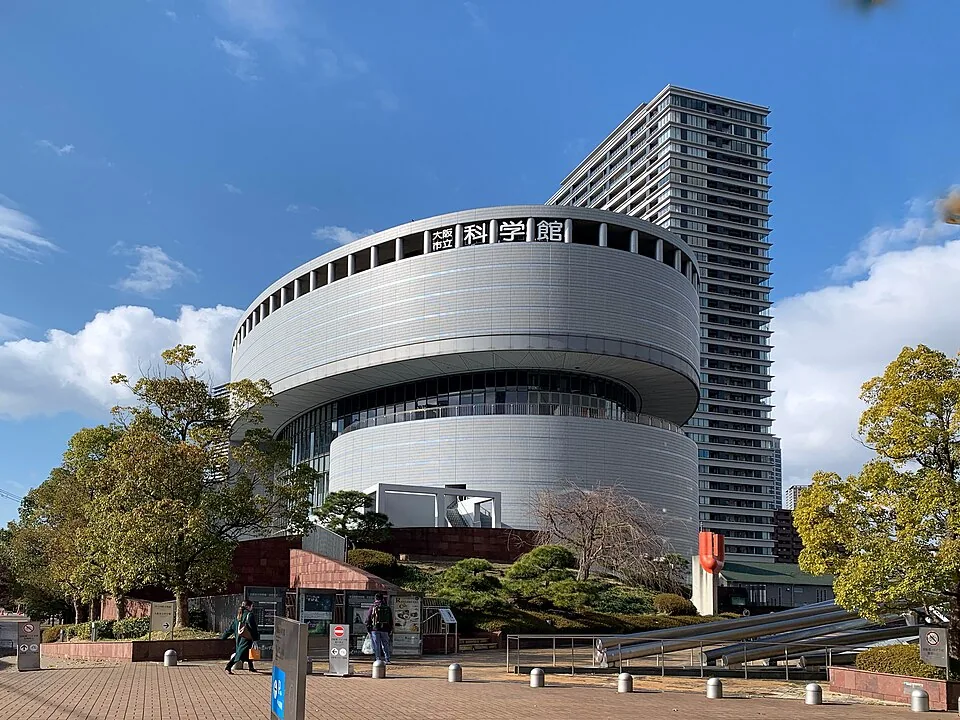
The Osaka Science Museum brings demonstrations, interactive exhibits and a planetarium together around the themes of space and energy. Its history reaches back to an earlier Osaka institution that introduced planetarium culture to Japan.
Osaka Station City
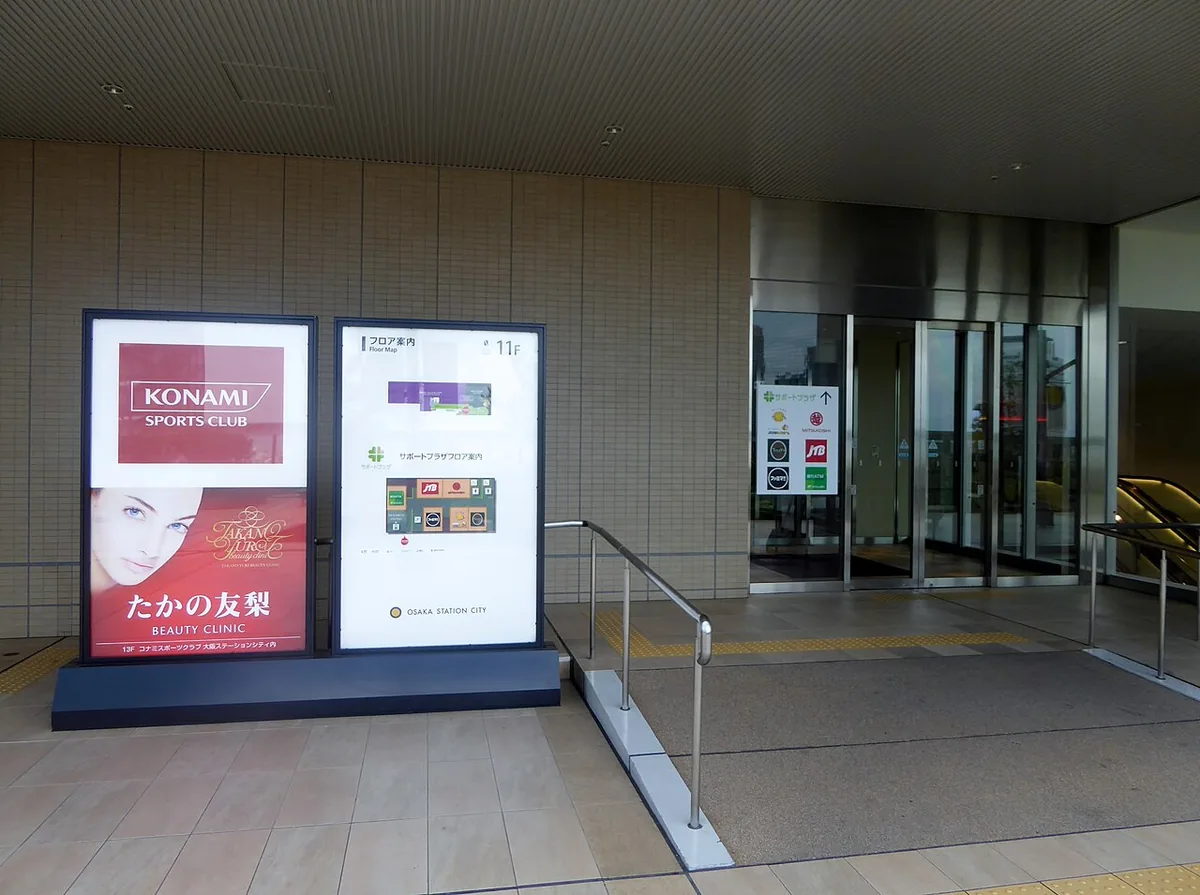
Osaka Station City transforms the station into a multi-level public and commercial complex. Above the tracks, the Toki-no-hiroba plaza offers an open meeting place framed by clocks, glass roofs, and views into the working railway below.
Osaka Tenmangu Shrine
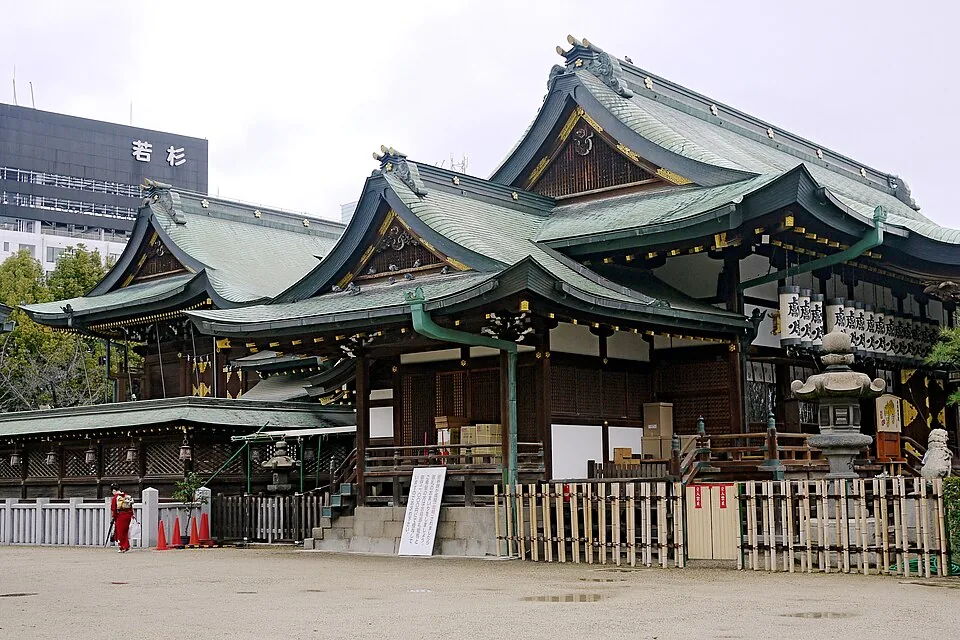
Osaka Tenmangu is an active Shinto shrine dedicated to Sugawara no Michizane, revered as a patron of learning and the arts. Its long history and annual Tenjin Festival connect local worship with one of Osaka’s major traditions.

Osaka Tennoji Zoo
Opened in 1915, Osaka Tennoji Zoo is a long-standing urban zoo set within Tennoji Park. Its exhibits introduce animals and habitats in the middle of a dense city, linking recreation with a century of changing ideas about wildlife care.
Otagi Nenbutsu-ji
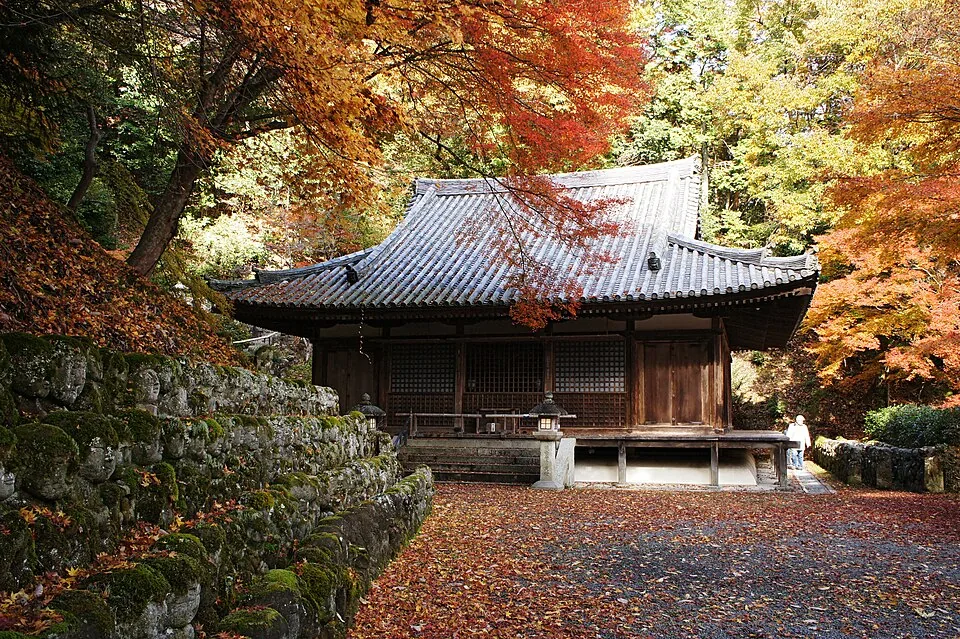
Otagi Nenbutsu-ji is a Buddhist temple on Kyoto’s western hillside, known for its many stone rakan figures. The statues were carved by ordinary visitors under the guidance of sculptor and priest Kocho Nishimura, making the hillside a collective devotional work rather than a single artist’s monument.
Ota Memorial Museum of Art
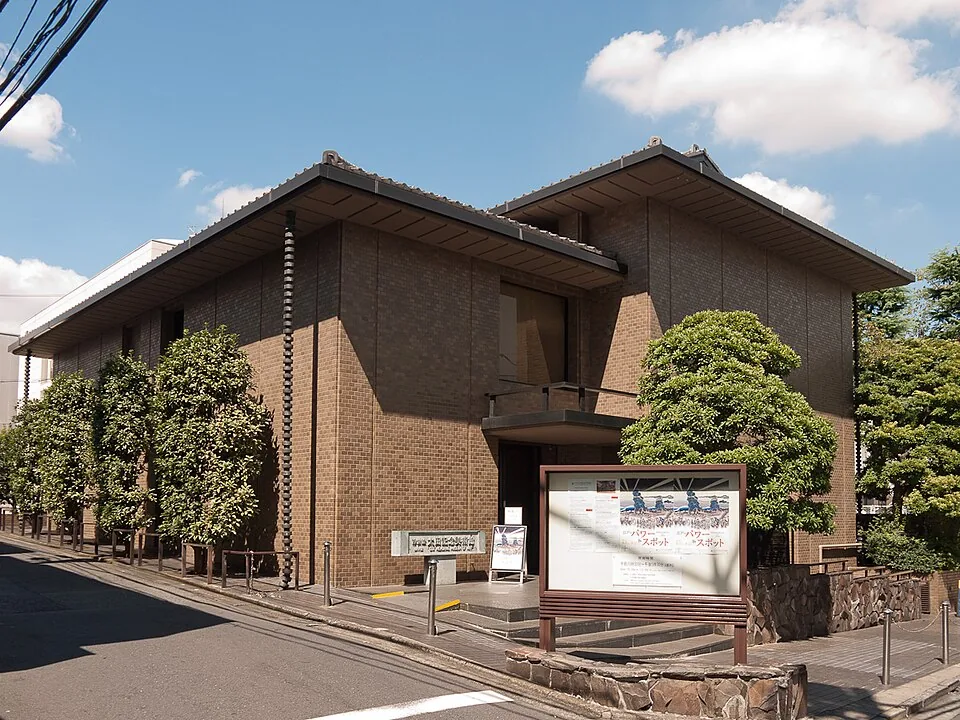
Ota Memorial Museum of Art specializes in ukiyo-e, the prints and paintings that captured popular life in Japan’s early modern cities. Its collection began with collector Seizō Ōta’s lifelong passion and became public after his death, with exhibitions changing by theme rather than displaying a perma
Ottoman Bird Palaces
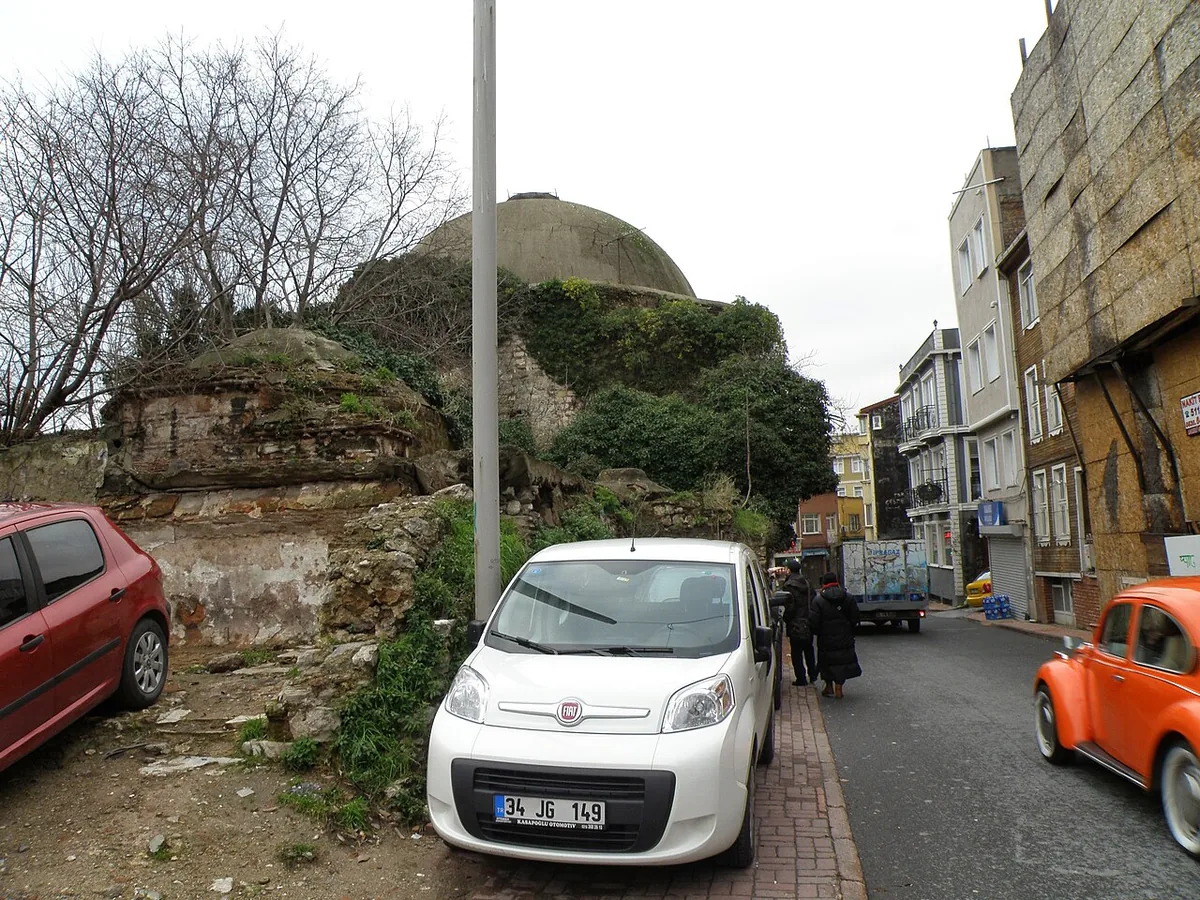
Ottoman bird palaces are miniature structures built into the façades of Istanbul’s mosques, fountains, and other buildings. Their practical shelter for birds also expresses a tradition of compassion through architecture, turning small niches into carefully crafted homes.
Oude Kerk
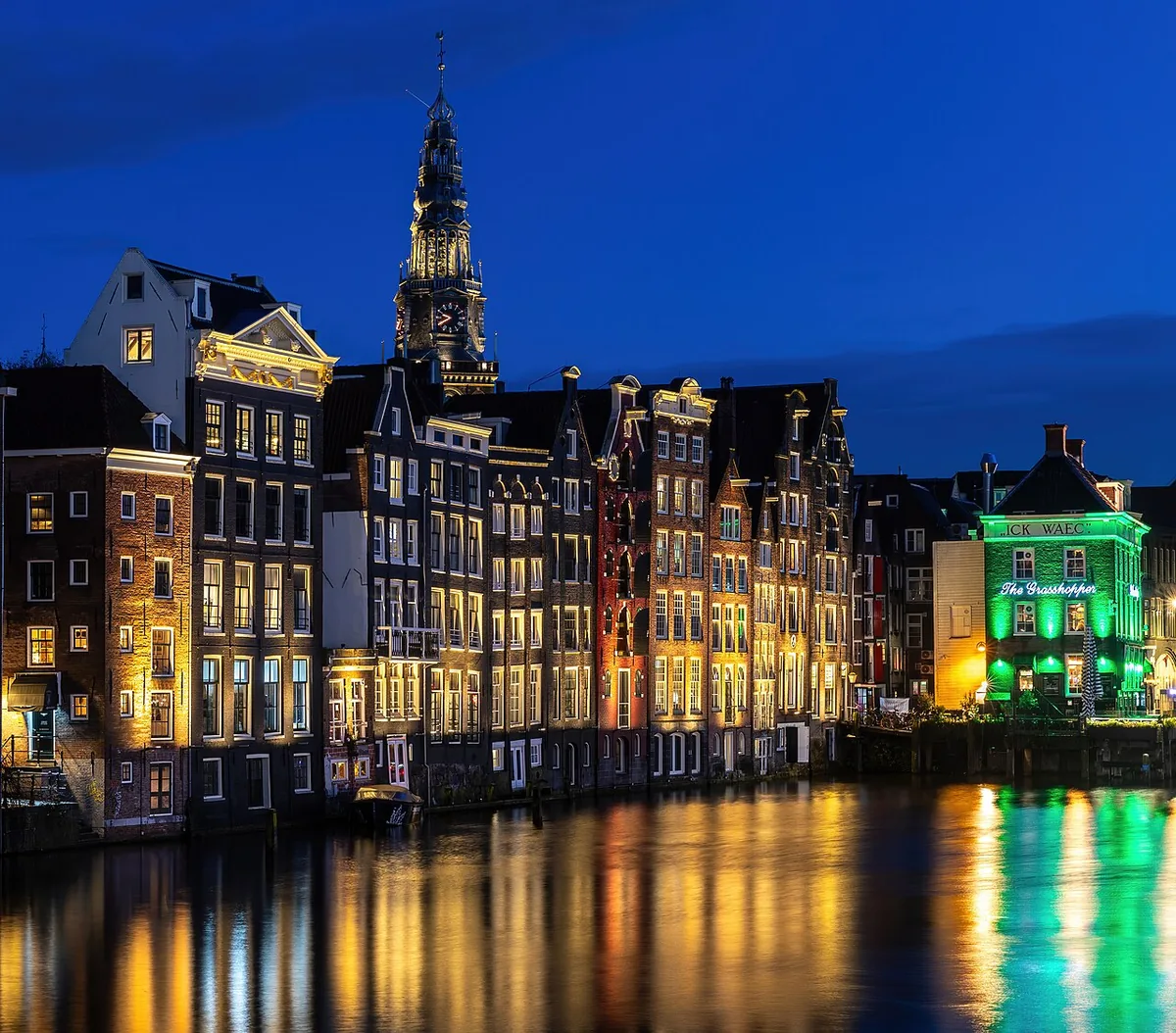
Oude Kerk’s broad roof and weathered stone stand amid the narrow lanes of the old center. Amsterdam’s oldest building grew from a chapel into a major church; its spare interior records the Reformation, while graves and contemporary art connect past to present.
Our Lady of Sorrows Church
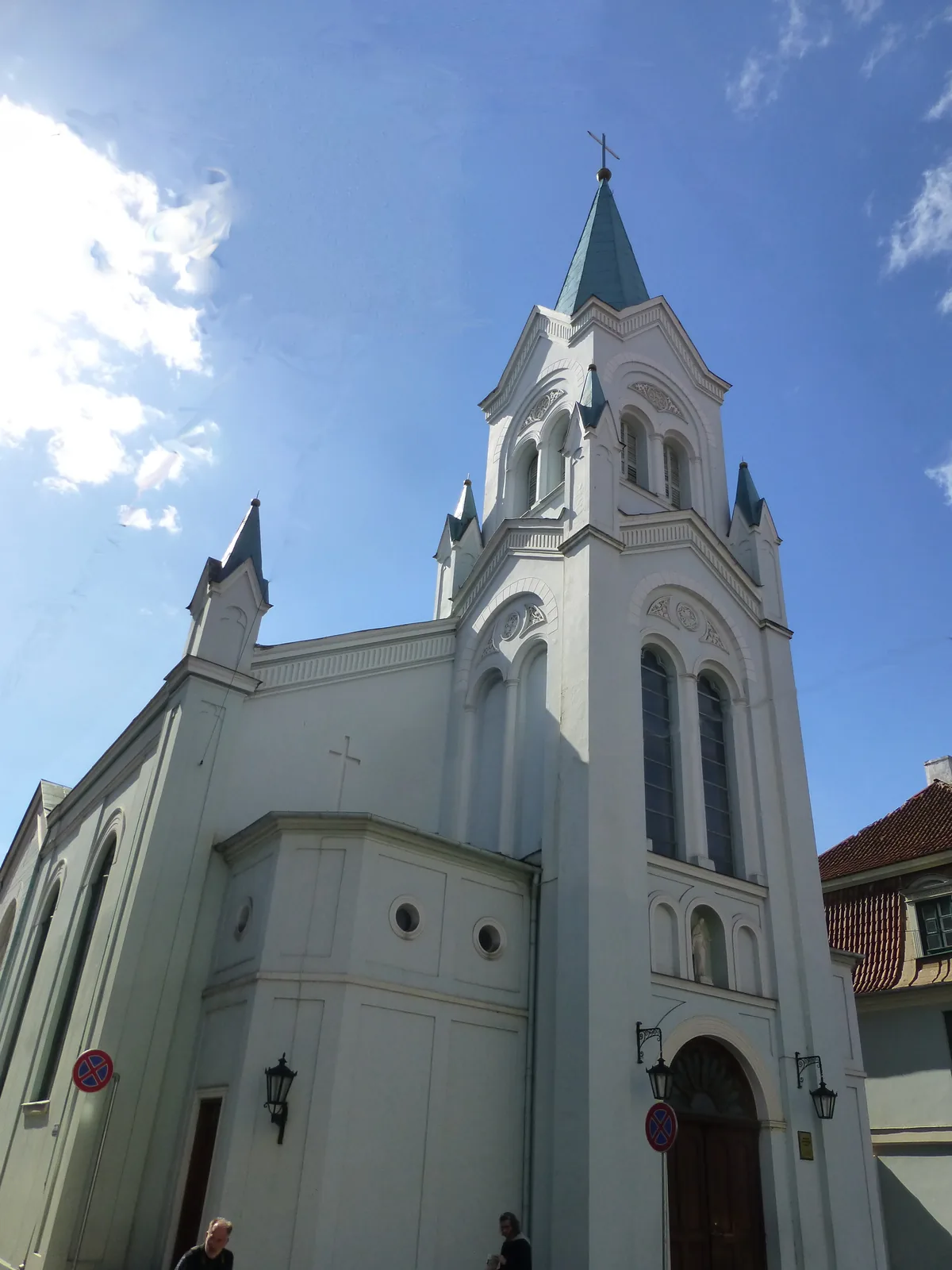
Our Lady of Sorrows is a Catholic church near Riga Castle, consecrated in 1785 and substantially rebuilt in the nineteenth century. Its changing layout reflects the long history of Catholic worship in the city.
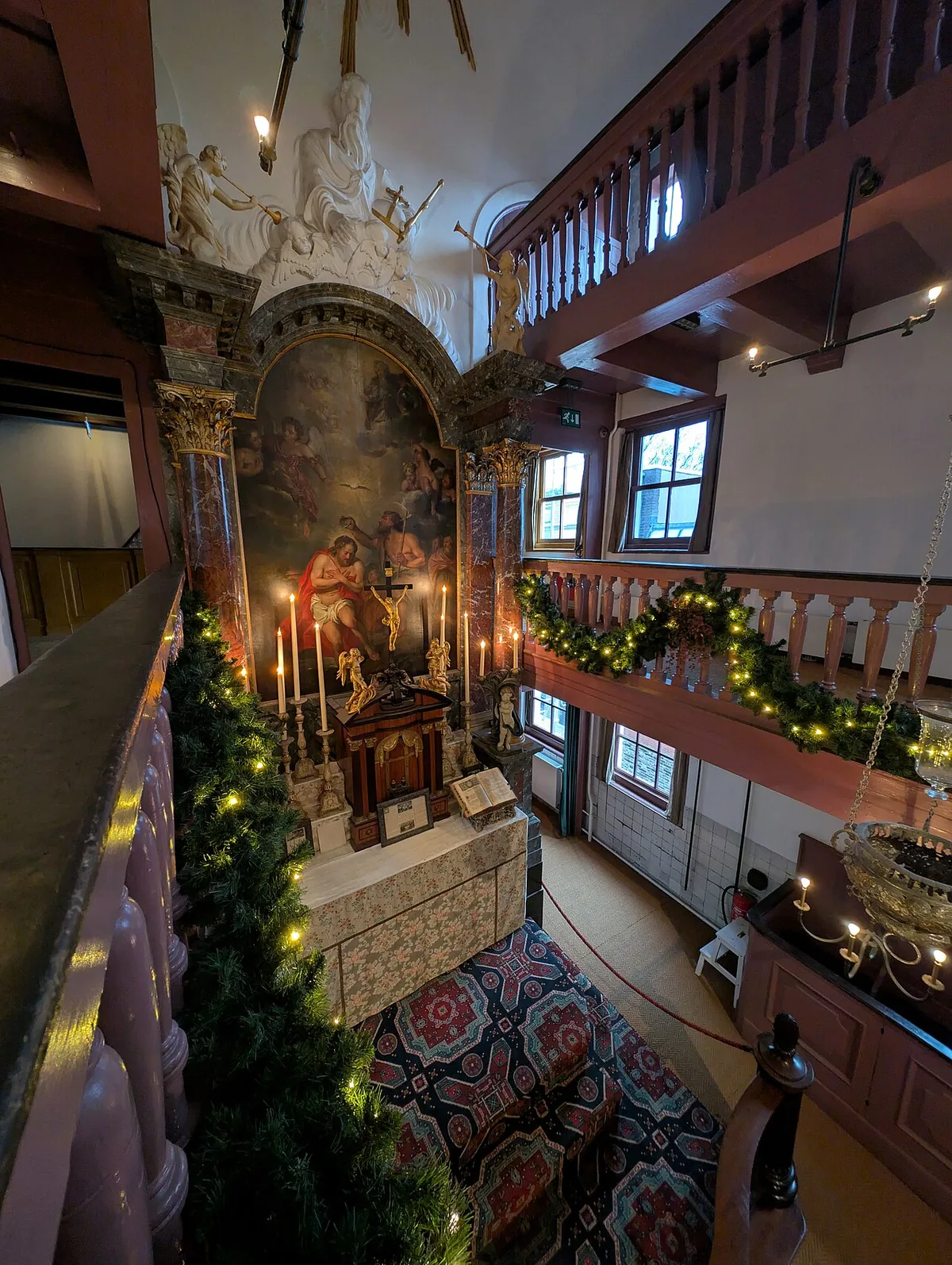
Our Lord in the Attic Museum
Behind an ordinary canal-house façade, a seventeenth-century Catholic church occupies several upper floors. Our Lord in the Attic preserves a period when public worship was restricted and a household could quietly create space for a congregation above the street.
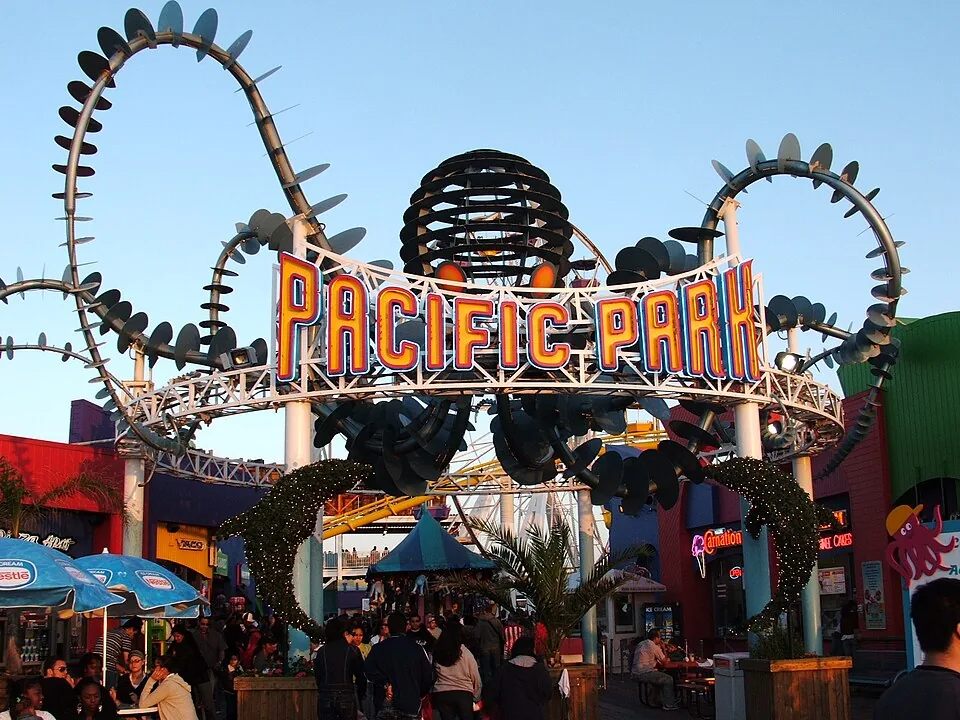
Pacific Park
Pacific Park occupies the end of the Santa Monica Pier, where amusement rides extend a century-old public landmark into a contemporary seaside attraction. Its place in a changing pier history reflects the community’s decision to preserve recreation on the waterfront.
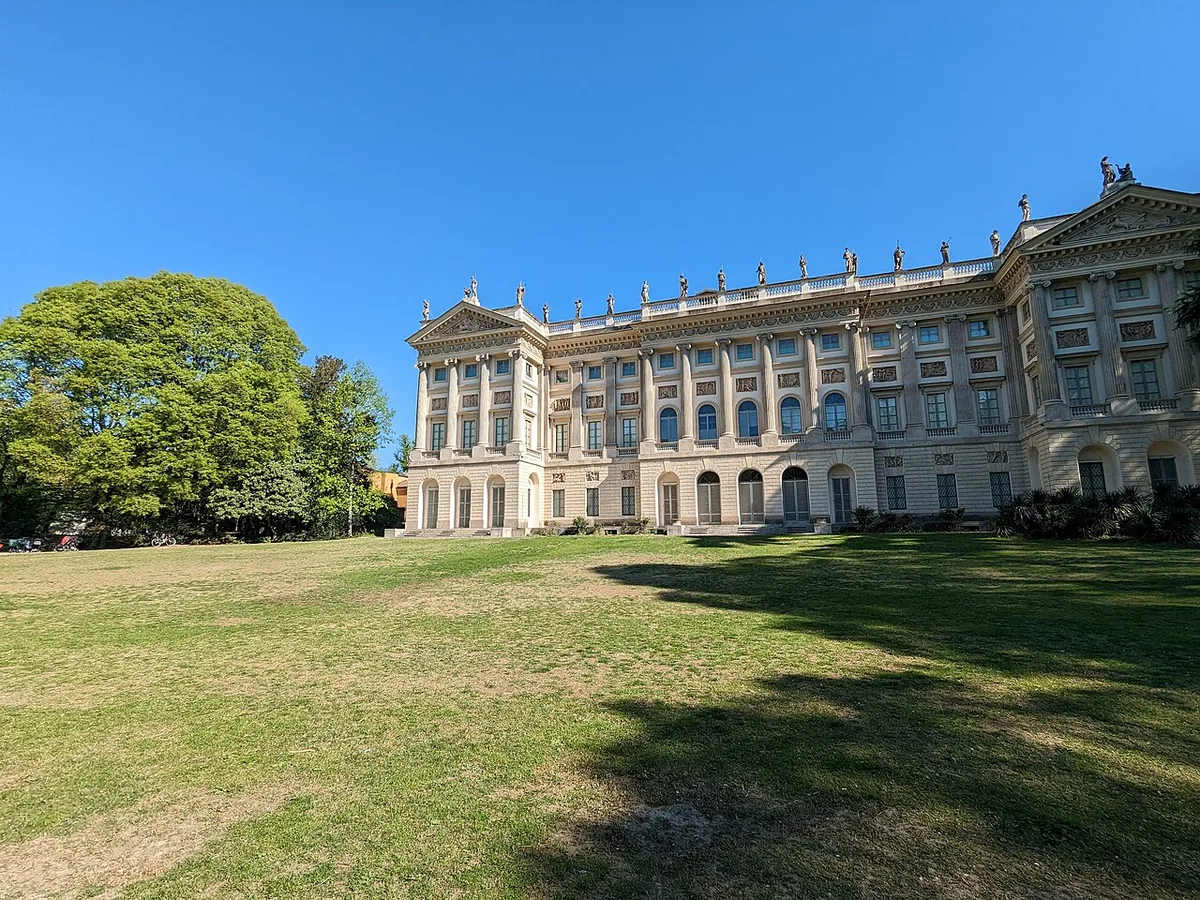
PAC Milan
PAC is a flexible contemporary art pavilion beside Milan’s Villa Reale. Ignazio Gardella designed rooms that can be reconfigured and lit differently; the building’s history also includes destruction by a 1993 bombing and reconstruction to its original plan.
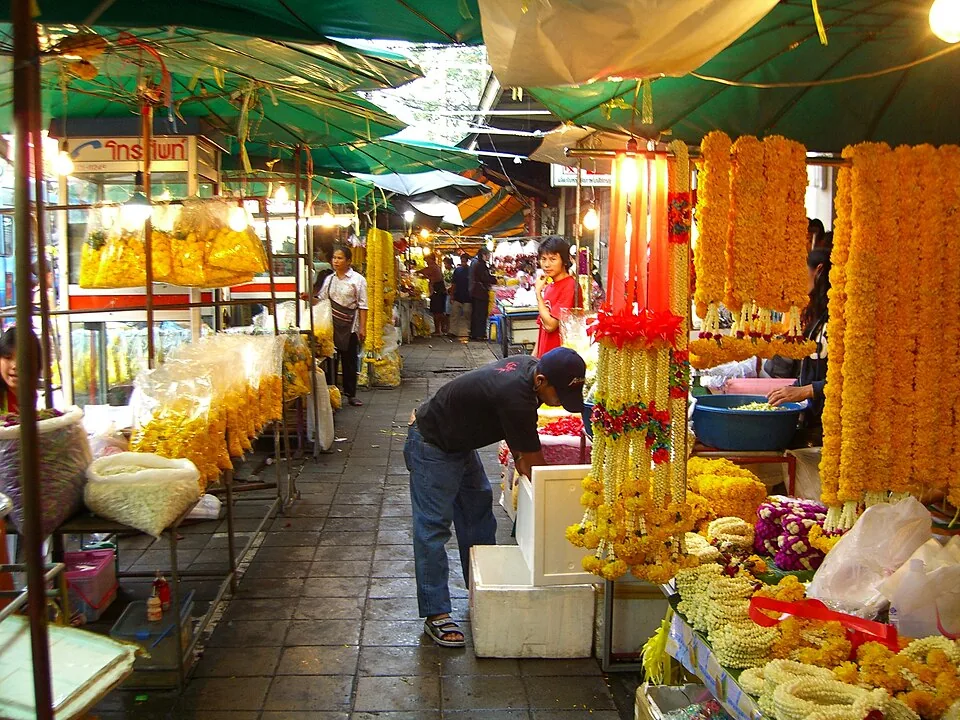
Pak Khlong Talat
Pak Khlong Talat’s lanes are filled with color, buckets, bundles, and the careful handwork of flower sellers. The market’s trade has shifted over time—from fish and produce toward flowers—yet it still links farms, wholesalers, florists, households, and religious life across Bangkok.
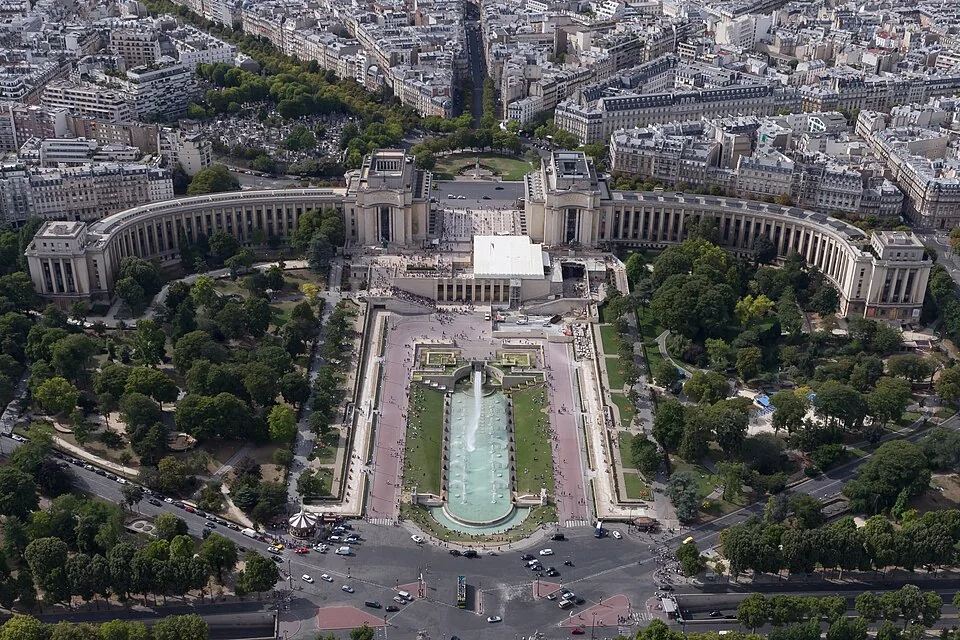
Palais de Chaillot
The Palais de Chaillot sits on the Trocadéro hill as a monumental frame for views across the Seine. Built for the 1937 Universal Exhibition, it now houses cultural institutions and preserves a site repeatedly chosen for grand public architecture.
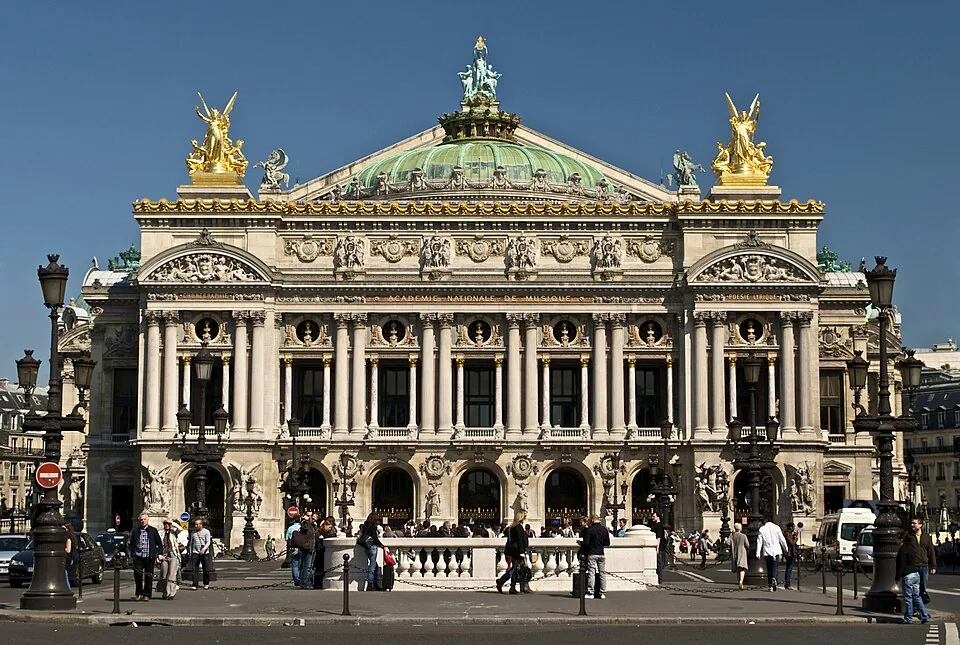
Palais Garnier
Palais Garnier’s grand staircase and richly decorated public rooms make the opera house a spectacle before performance begins. Designed by Charles Garnier and inaugurated in 1875, it joined stage machinery with the ceremonial social life of nineteenth-century Paris.
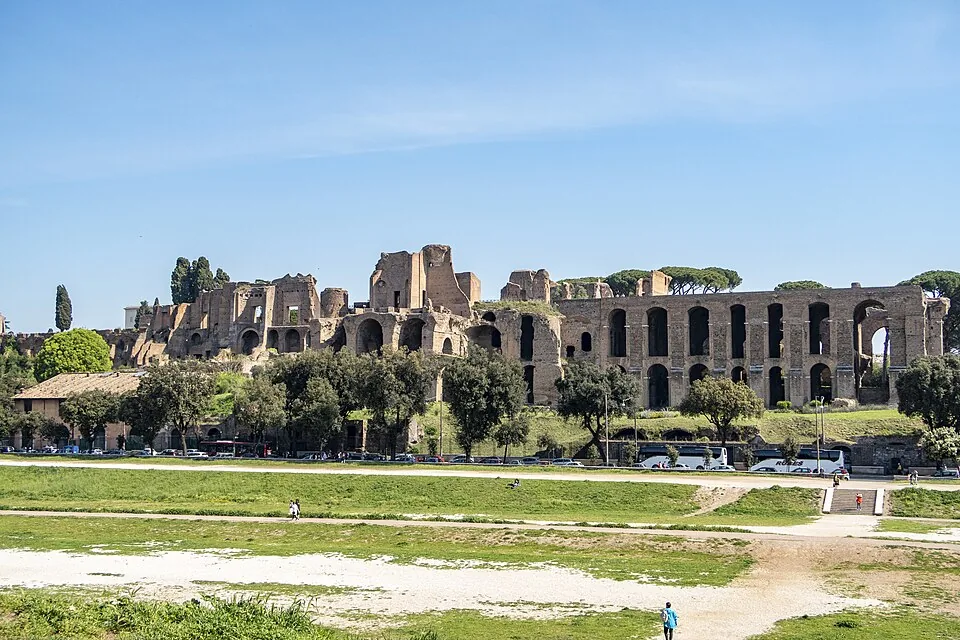
Palatine Hill
Rome’s earliest settlement layers lie beneath the Palatine’s imperial palaces. The hill moved from Iron Age homes to aristocratic residences and finally to the monumental houses of emperors, making the landscape a compact history of Rome’s rise.