Explore locations
Browse places by name, city, country or category.
All locations
1624 locations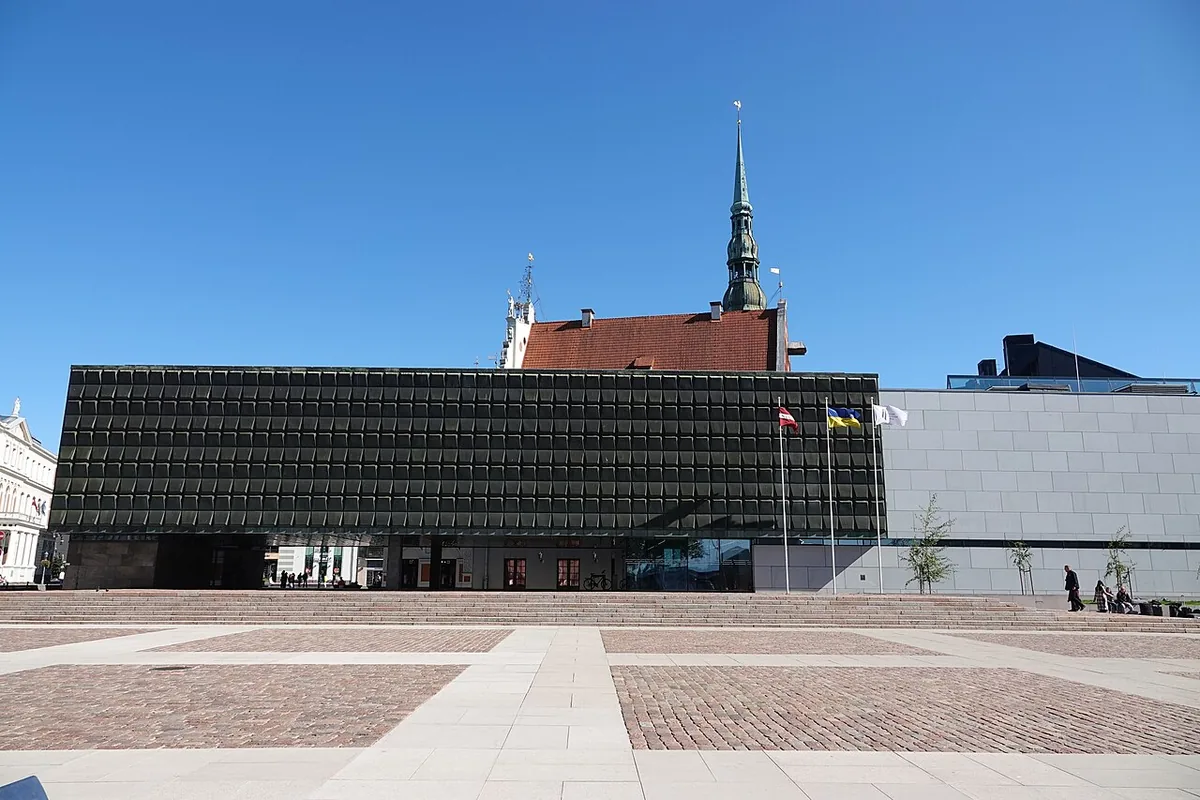
Museum of the Occupation of Latvia
The Museum of the Occupation of Latvia documents life under Soviet and Nazi German occupation through personal objects, testimony and historical evidence. Its main exhibition in Riga also reflects the work of survivors, families and volunteers who preserved those memories.
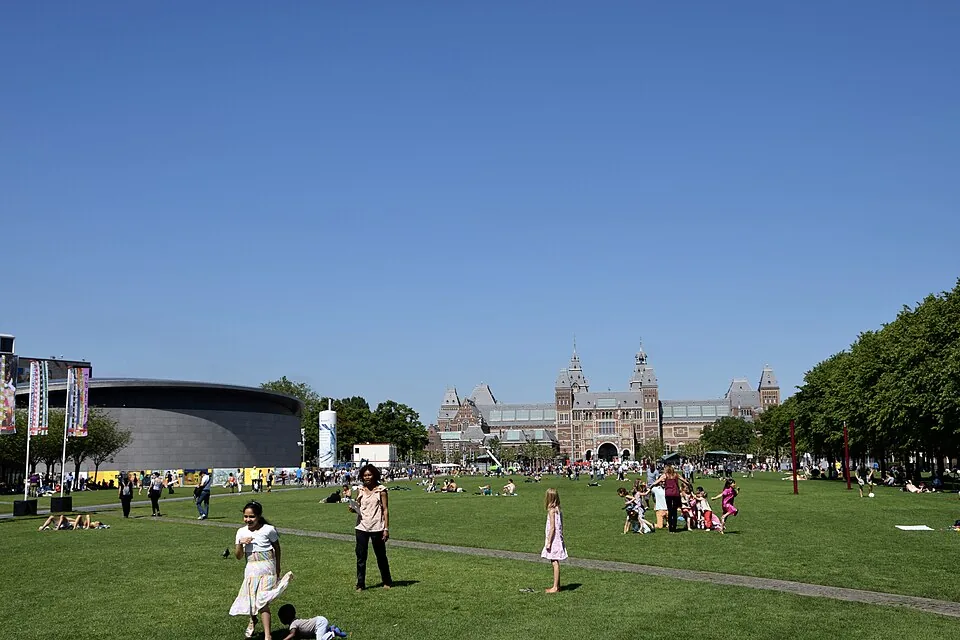
Museumplein
Between Amsterdam’s major museums, Museumplein has served as exhibition ground, skating space, sports field, and gathering place. Its open scale reflects a changing civic role: a former edge of town became a shared foreground for art and public life.
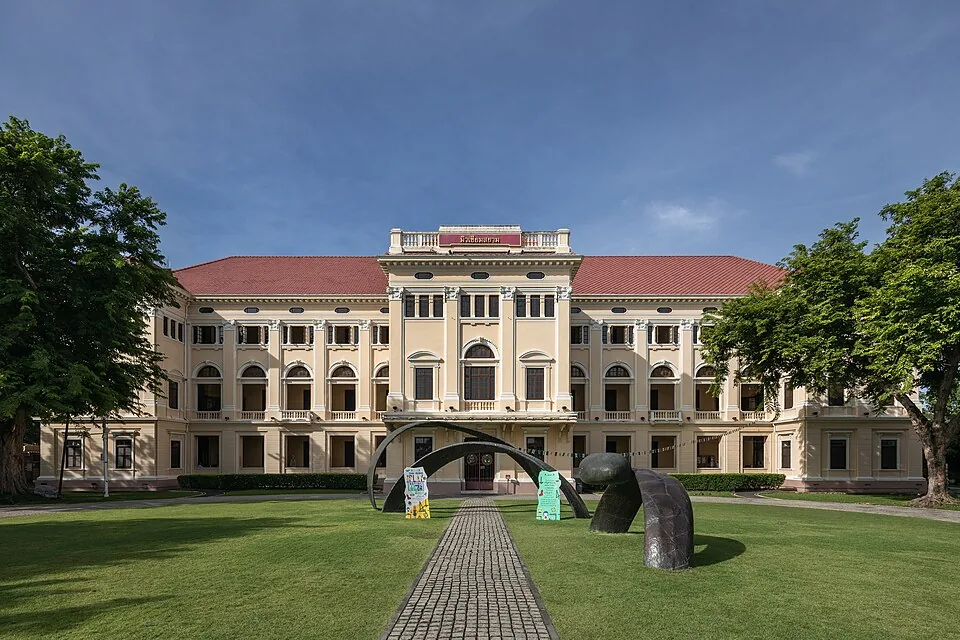
Museum Siam
Museum Siam occupies a former Ministry of Commerce building near the Grand Palace and Tha Tian pier. Its restored early-twentieth-century architecture now houses a discovery museum using interactive displays to explore Thai society, identity, and the relationships that connect Thailand with Southeas
Museum Storage Facility and Forest of Sculptures
Riga’s Museum Storage Facility houses several national collections and offers visitors the Forest of Sculptures, a display of casts, alongside changing museum exhibitions and cultural programmes.
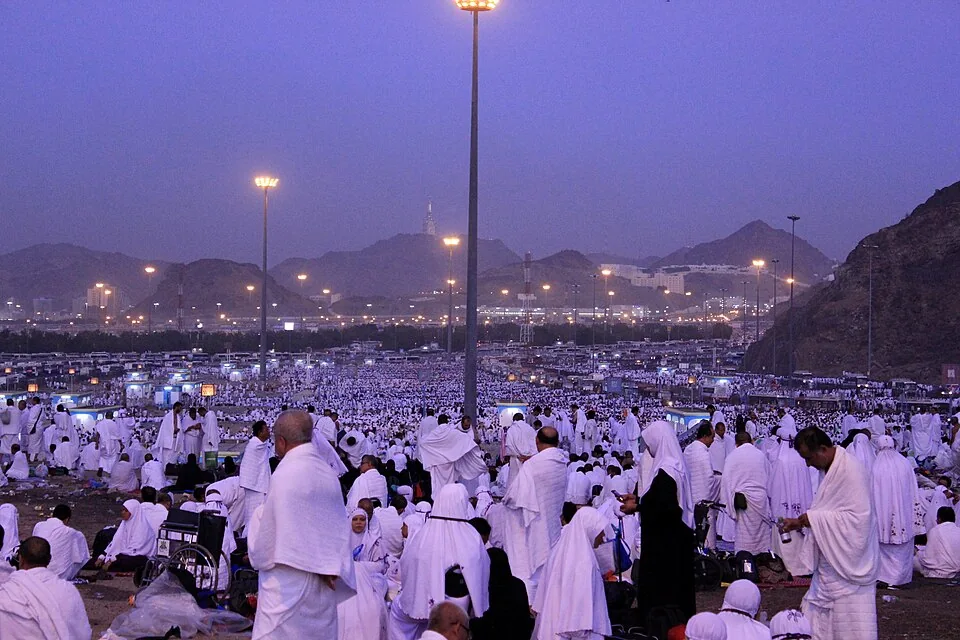
Muzdalifah
Muzdalifah is a broad open stretch between Arafat and Mina, remembered as a night stop in the Hajj sequence. Its relative openness contrasts with Mina’s tent city and makes the landscape itself central to the experience.
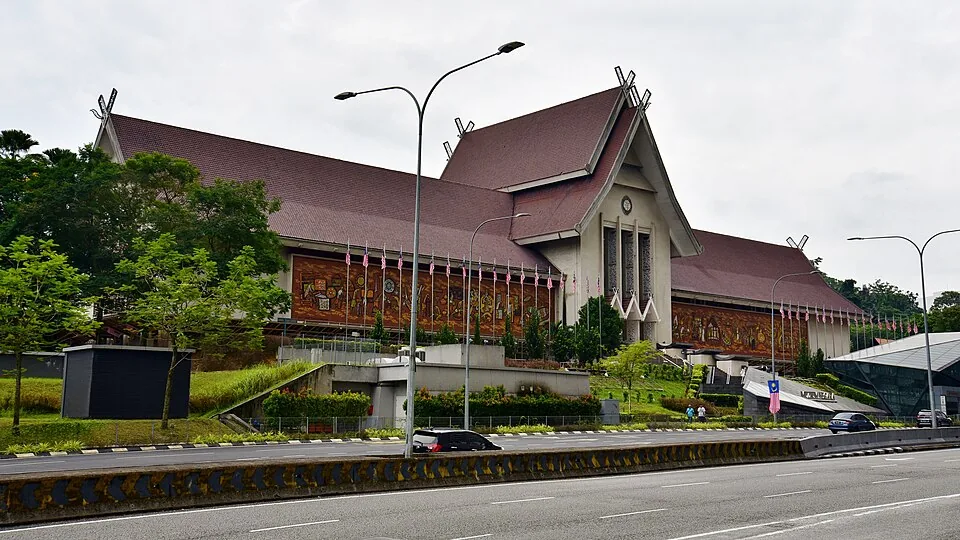
Muzium Negara
Muzium Negara’s façade combines Malay palace-inspired architecture with two large glass-mosaic murals. Opened in 1963, the National Museum was conceived to tell Malaysia’s story and cultural diversity through collections, galleries, and public programs.
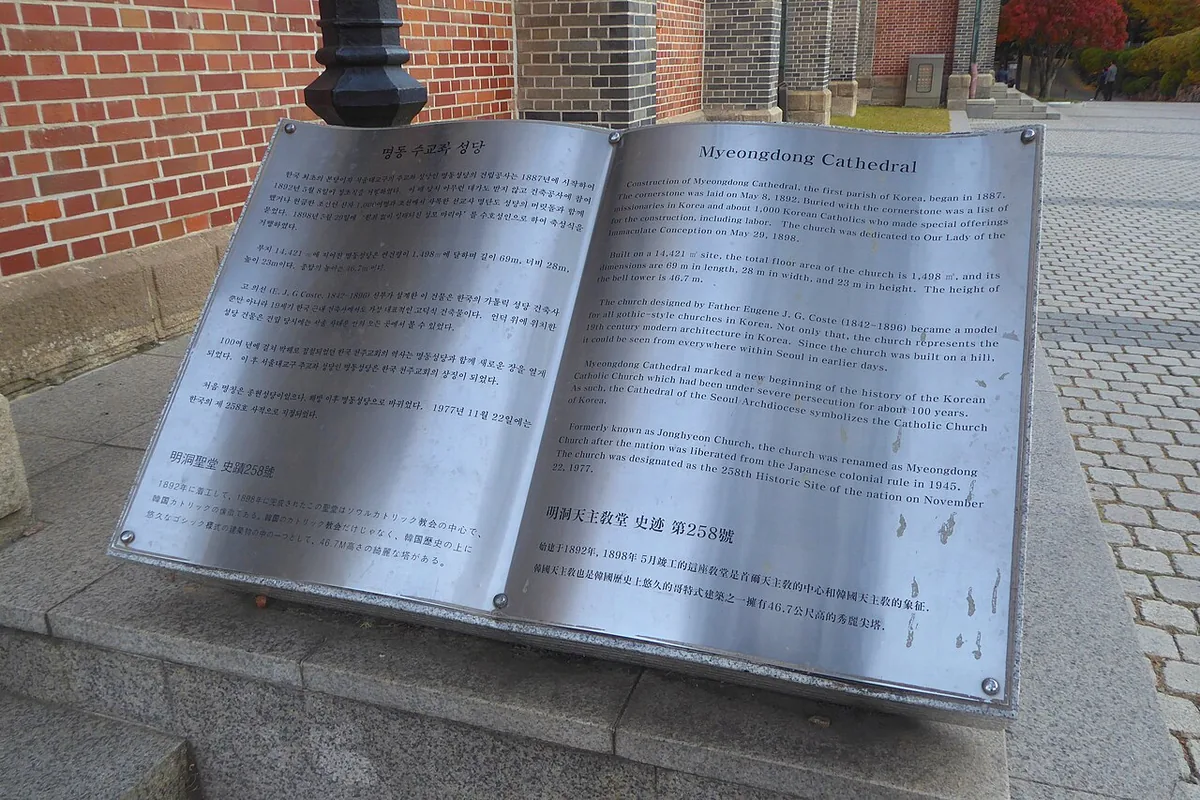
Myeongdong
Myeongdong’s crowded retail streets sit within a district whose appetite for new styles has a longer history than today’s storefronts. Its story connects early shops selling imported goods and tailoring with the modern neighborhood’s dense mix of fashion, beauty, food, and visitors.
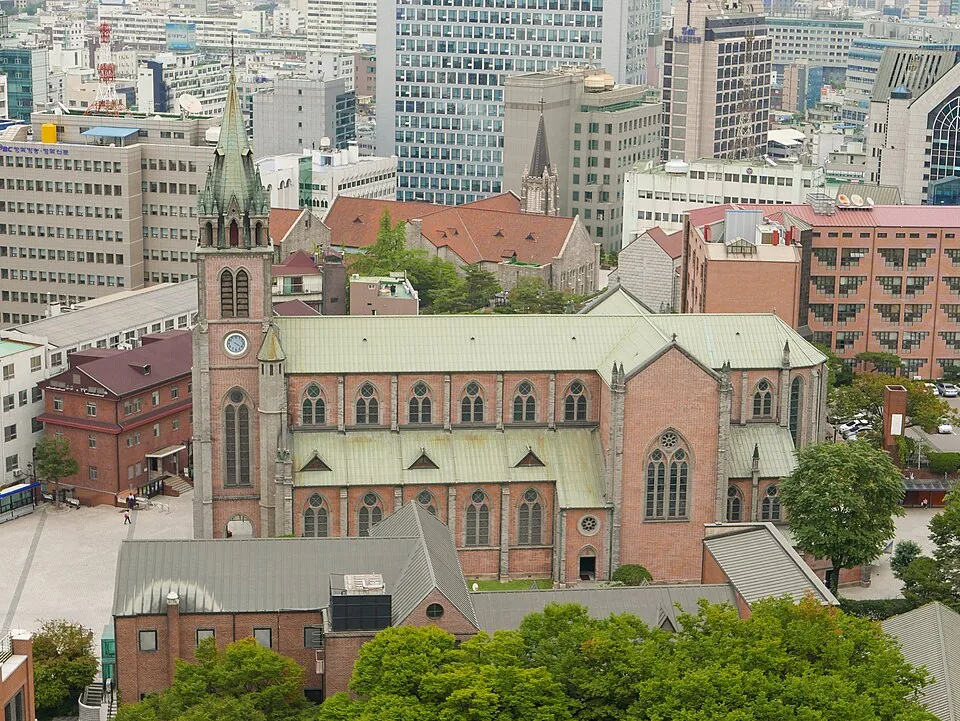
Myeongdong Cathedral
Myeongdong Cathedral’s pointed arches and brick walls brought Gothic architecture into Korea at the end of the nineteenth century. As the country’s first Roman Catholic parish church, it became both a spiritual center and a place closely connected to modern Korean civic and political history.
Myra Ancient City
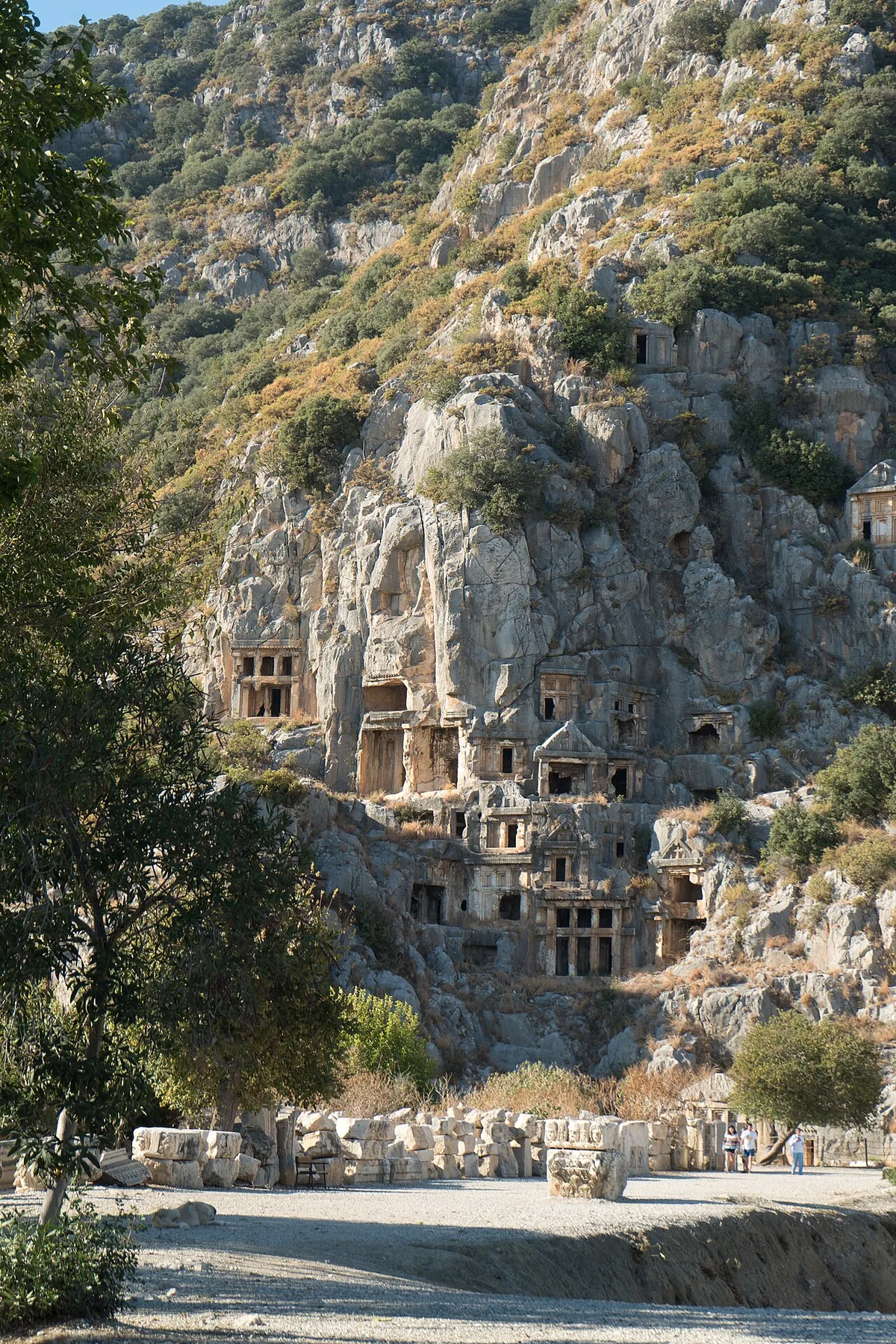
Carved tomb façades rise from the rock above Myra’s theatre, making the cliff face an architectural archive. The city’s Lycian burial monuments and Roman public building reveal how distinct periods left their marks within one landscape.
Nakamise-dori
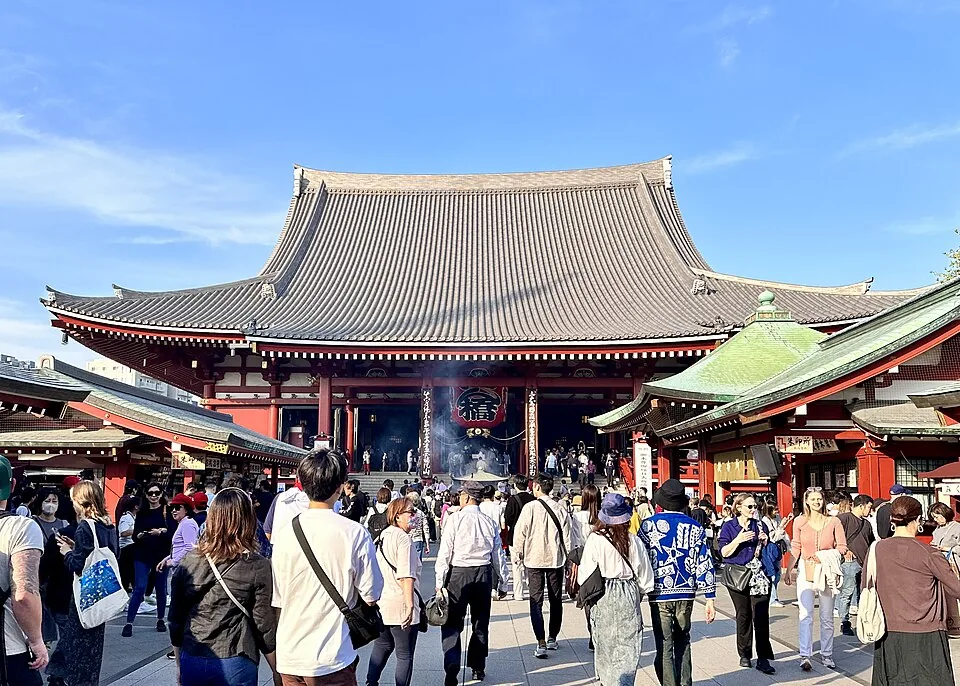
Nakamise-dori links Kaminarimon with Sensoji’s inner gate in a 250-metre line of shops. Its present vermilion streetscape is modern: the earlier wooden shops were replaced, rebuilt after earthquake and war, and continually adapted by local merchants.
Nakano Broadway
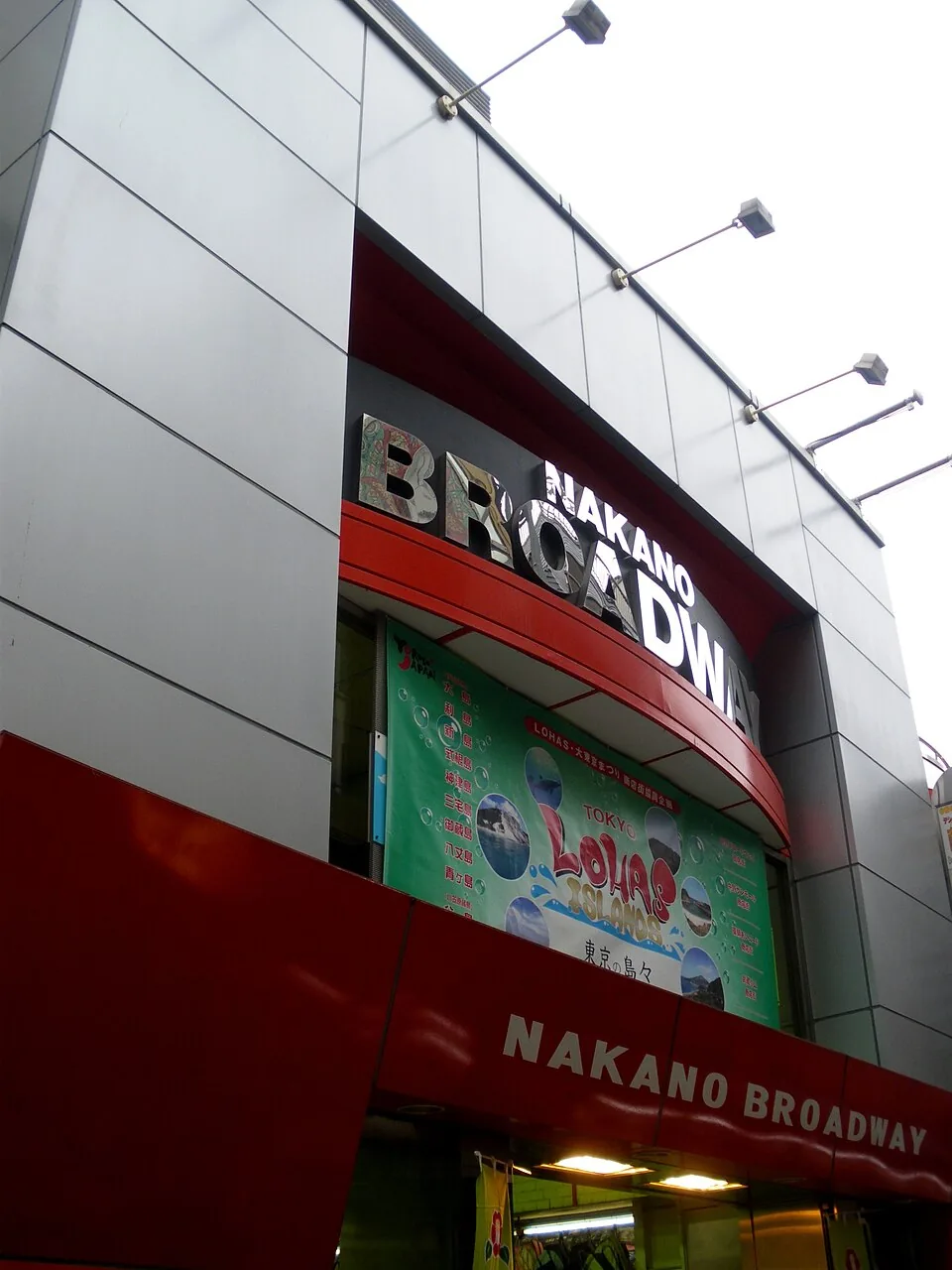
Nakano Broadway began as a 1966 mixed commercial and residential complex. Its layered identity is still visible: enthusiast shops share the building with everyday services and neighborhood businesses, so the place reads as a working town block as well as a subculture destination.
Nakanoshima Museum of Art
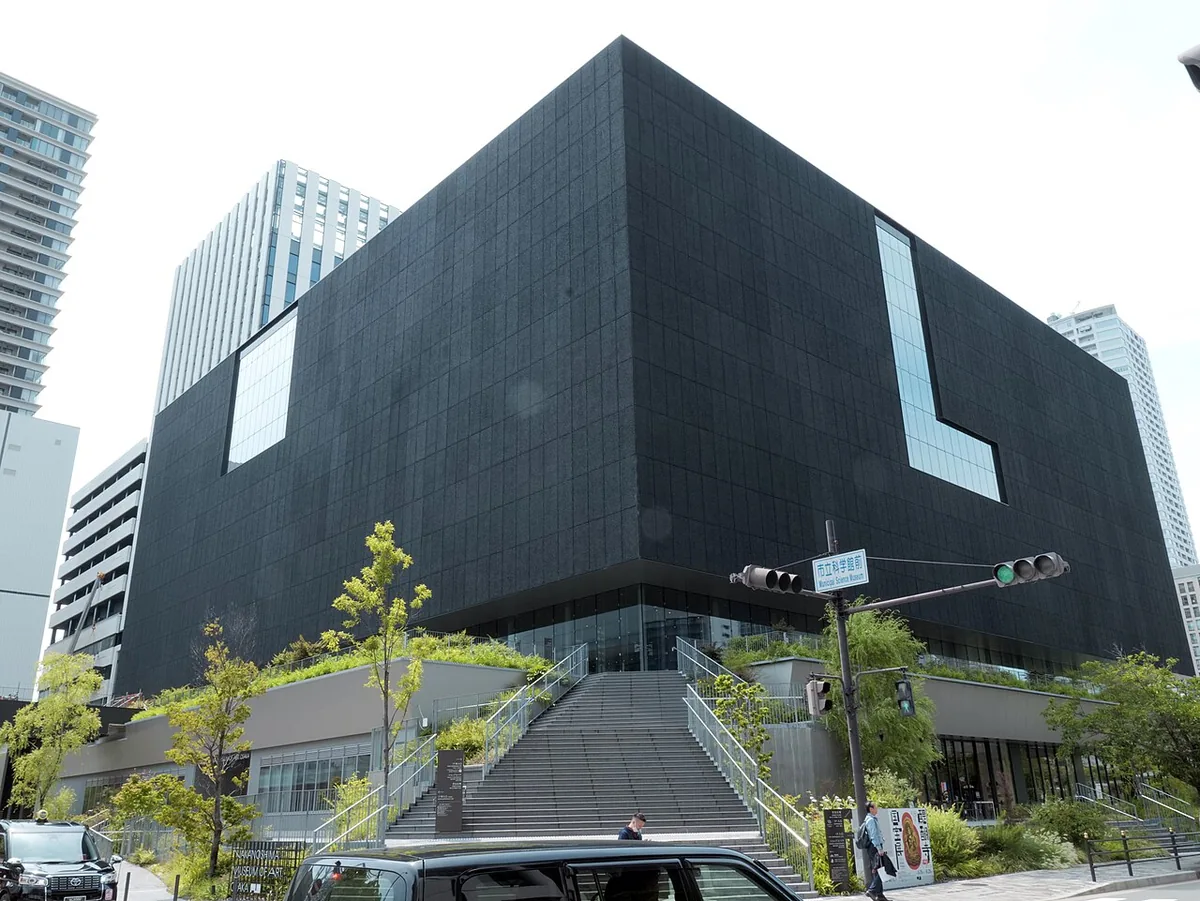
Nakanoshima Museum of Art is a contemporary black cubic building on Osaka’s cultural island. Its open passage and public lawn connect the surrounding city to galleries that hold a major collection of modern and contemporary art.
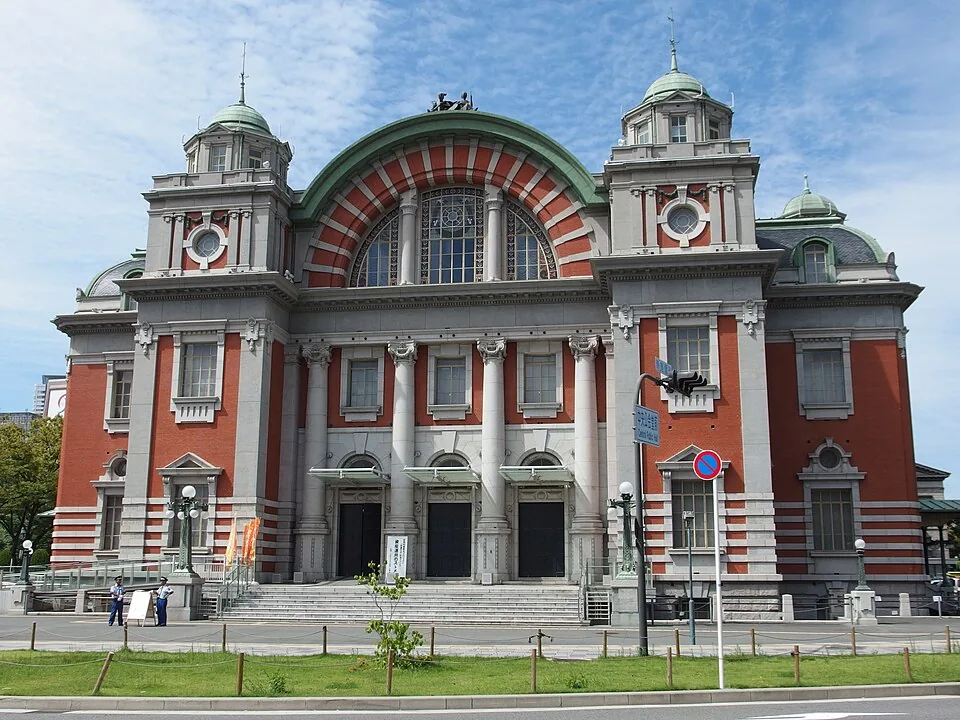
Nakanoshima Park
Nakanoshima Park occupies a narrow island between two rivers, turning a former logistics and warehouse district into public waterfront space. Its paths and gardens invite a pause, while the surrounding civic architecture recalls Osaka’s commercial and administrative transformation.
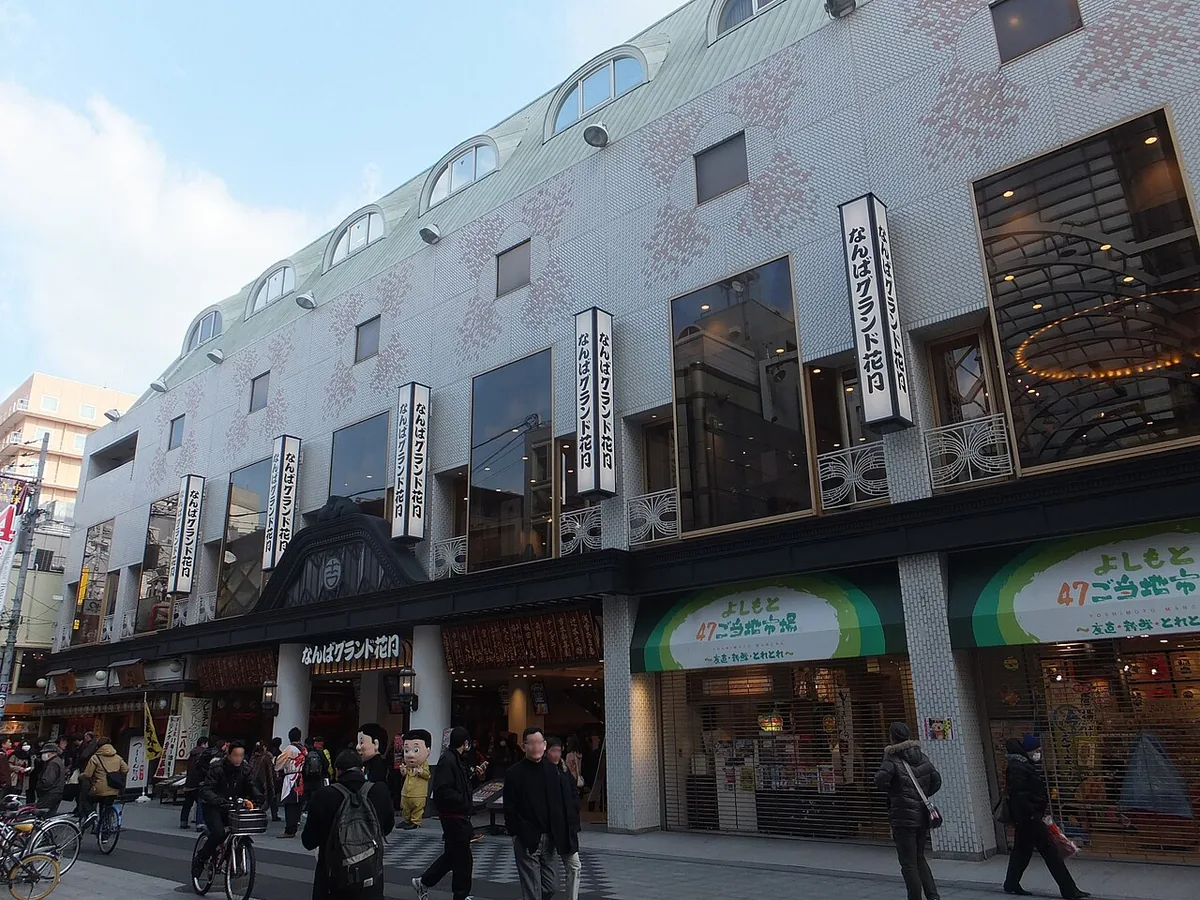
Namba Grand Kagetsu
Namba Grand Kagetsu is a comedy theatre in central Osaka devoted to manzai, rakugo, sketches, and Yoshimoto Shinkigeki. The venue brings Japanese comic performance into a large public stage, where live timing and audience response are central to the experience.
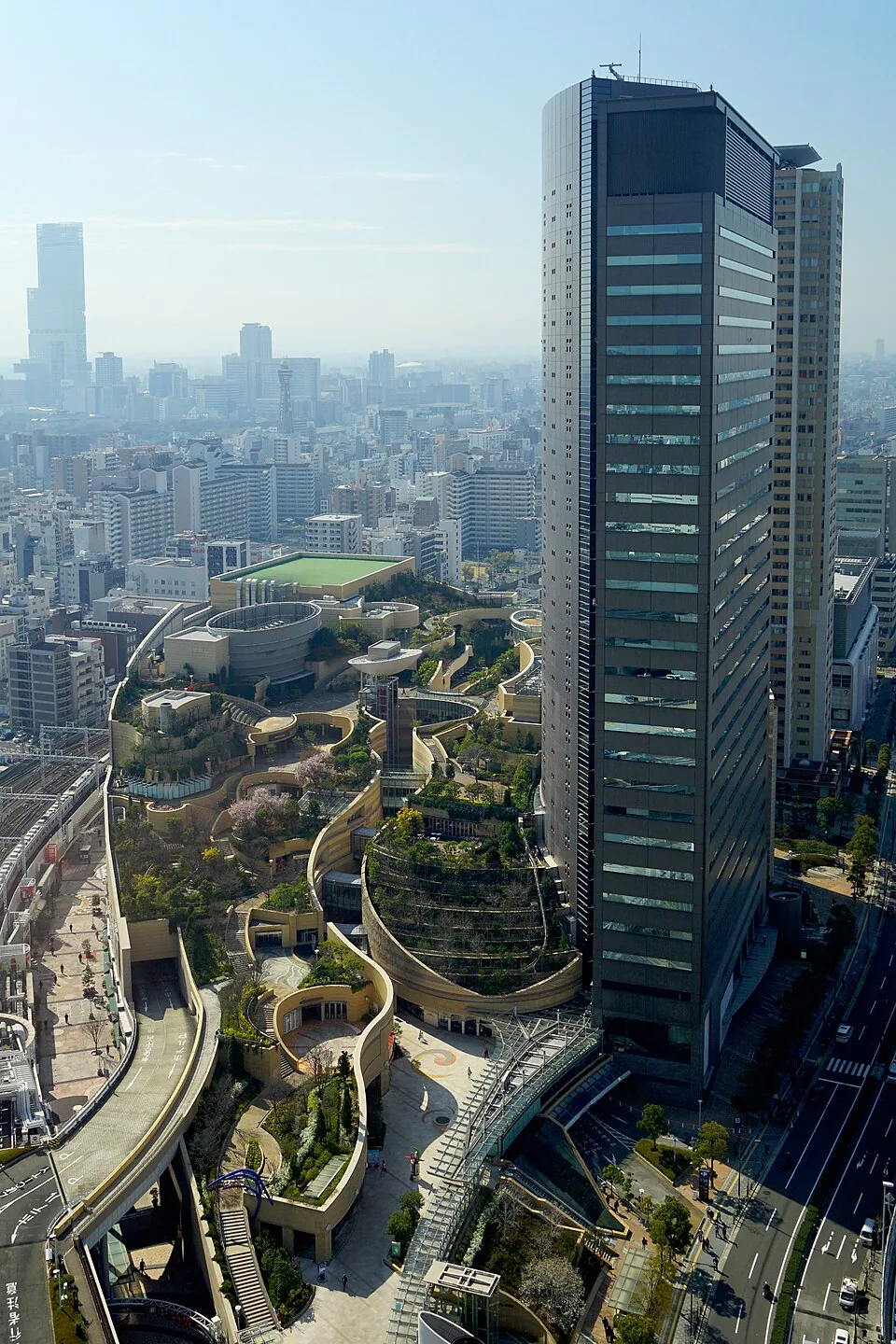
Namba Parks
Namba Parks combines a shopping complex with a planted rooftop canyon that rises in terraces above the city. Built on the former site of Osaka Stadium, the project turns a central commercial block into an elevated garden landscape.
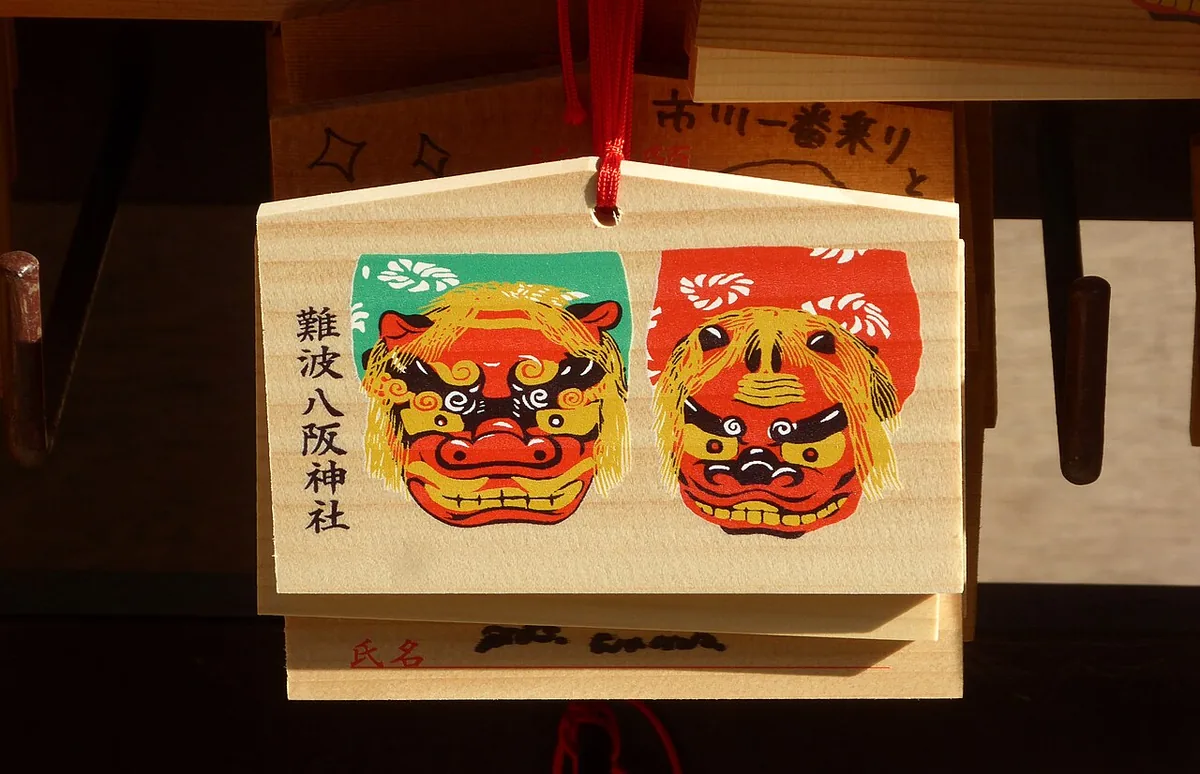
Namba Yasaka Shrine
Namba Yasaka Shrine’s enormous lion-shaped hall stands out among the surrounding urban buildings. The open-mouthed structure is a modern reconstruction at an active shrine whose history and rituals belong to Osaka’s local religious life.
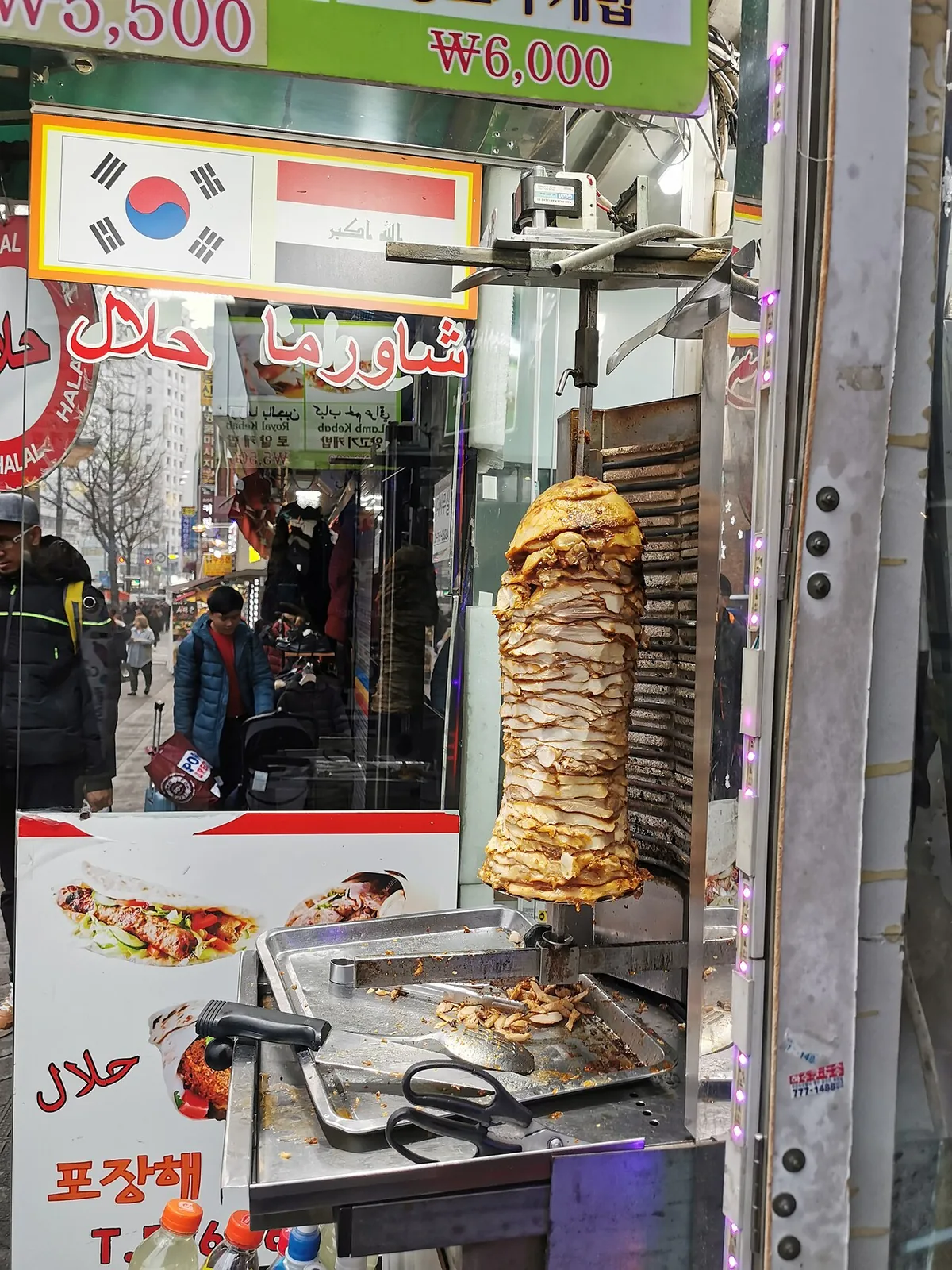
Namdaemun Market
Namdaemun Market’s narrow lanes gather independent shops, wholesale trade and food stalls beside one of Seoul’s historic gates. The market’s long commercial history continues in a working district that serves both retailers and local shoppers.
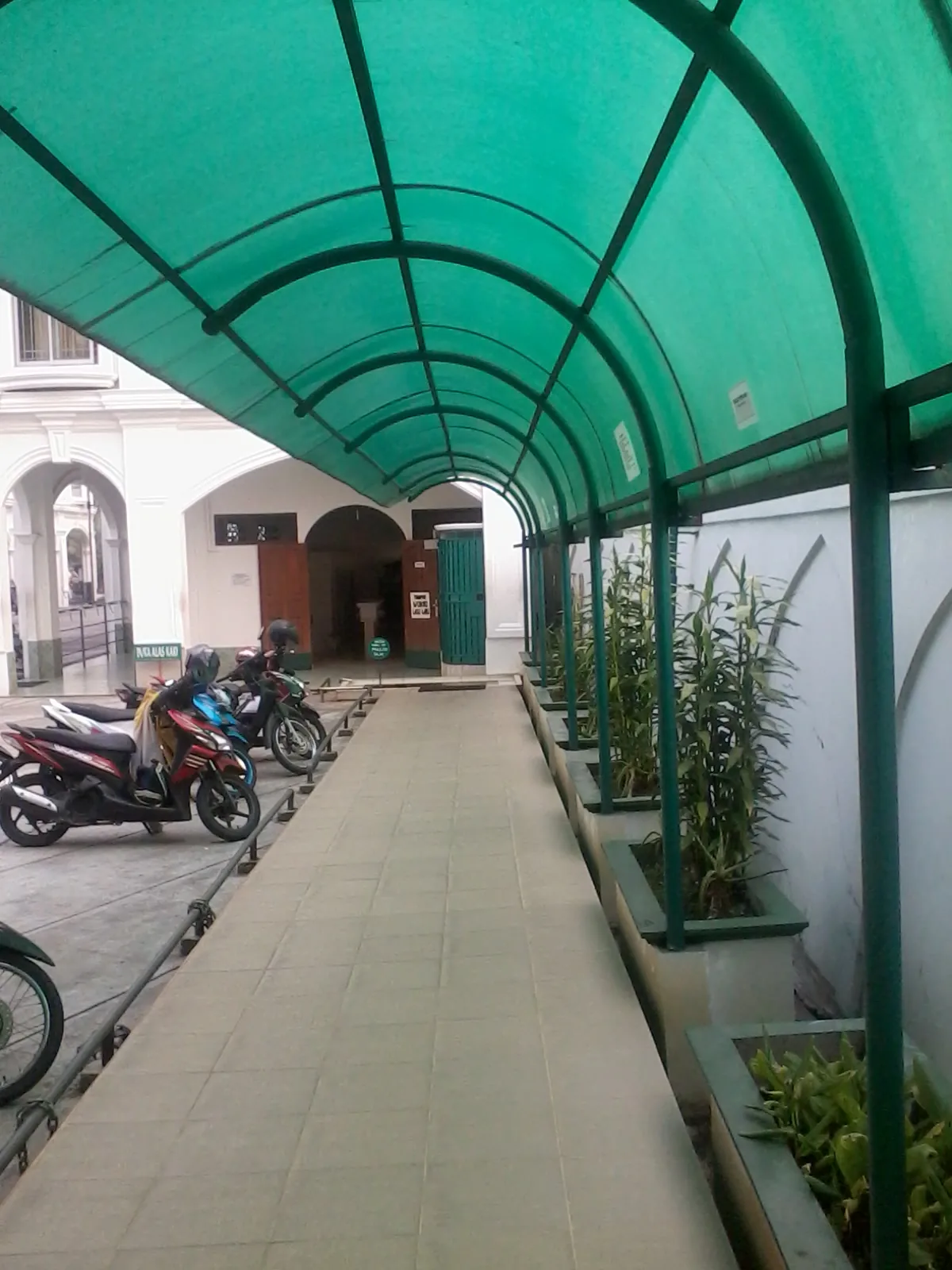
Namira Mosque
Namira Mosque marks the edge of the broad Arafat landscape and is associated with the Prophet’s Farewell Pilgrimage sermon. Its footprint crosses a historical boundary, making the mosque’s geography as instructive as its religious memory.
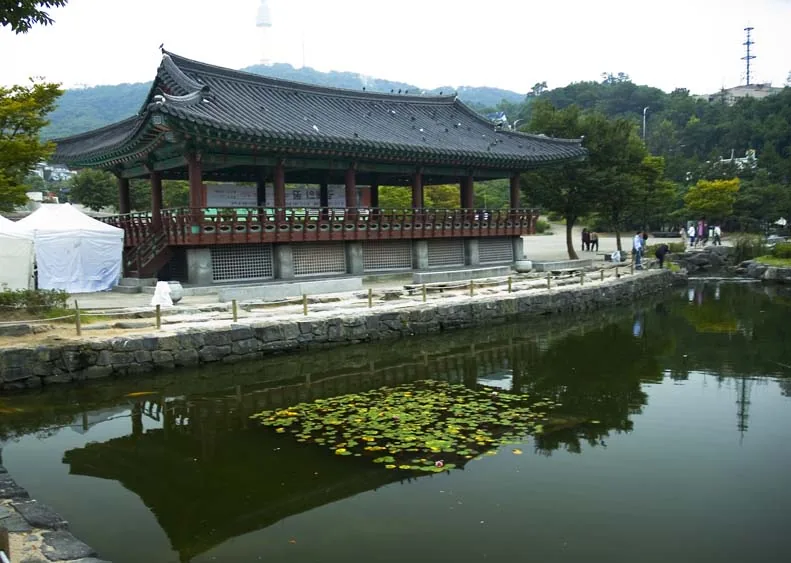
Namsangol Hanok Village
Namsangol Hanok Village gathers five Joseon-era houses relocated from across Seoul at the northern foot of Namsan. Rather than reconstructing one original village, the site uses homes associated with different social ranks to show the variety of domestic life and traditional garden design.
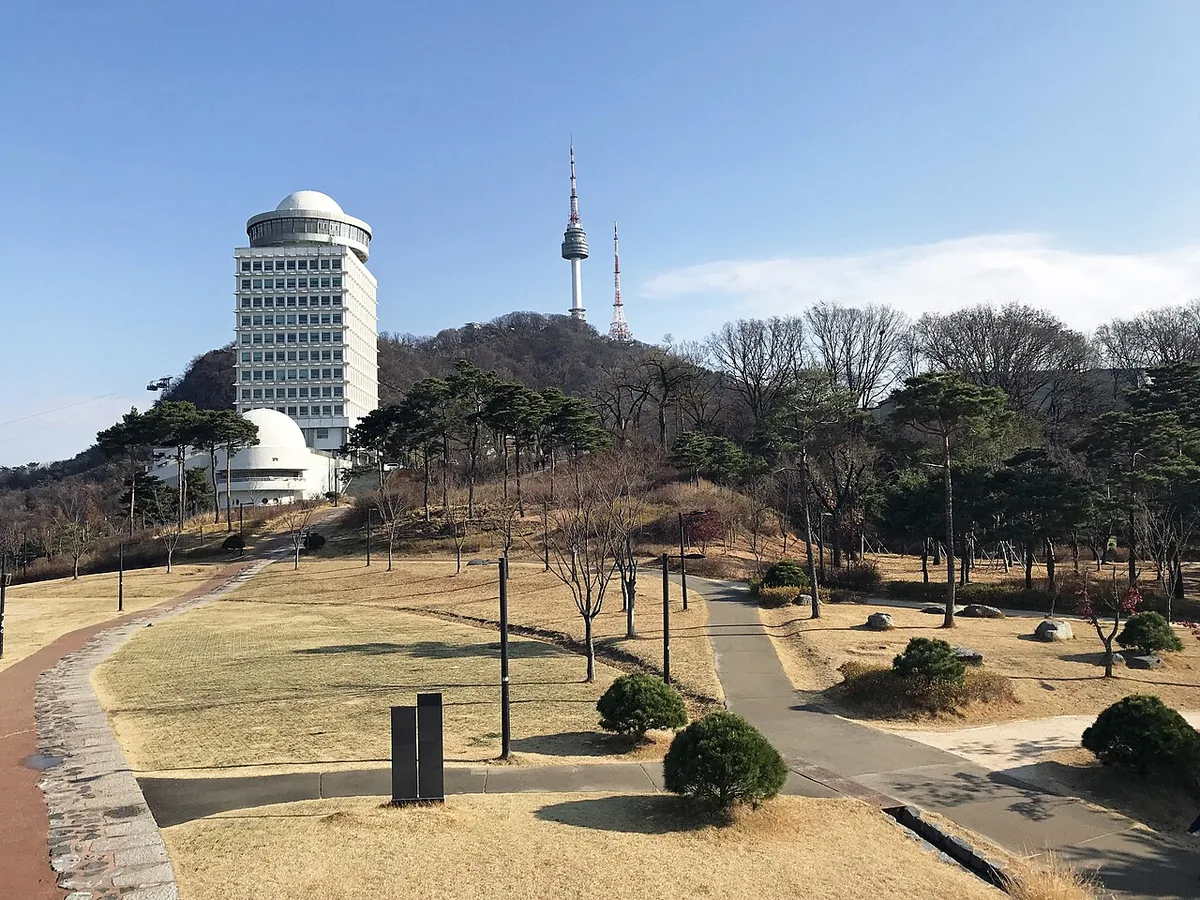
Namsan Park
Namsan Park surrounds one of Seoul’s central hills, offering wooded paths and open views amid the capital’s dense districts. Its development restored several areas of the mountain for public recreation, and the park’s scale makes it a green counterpoint to the city’s built-up core.
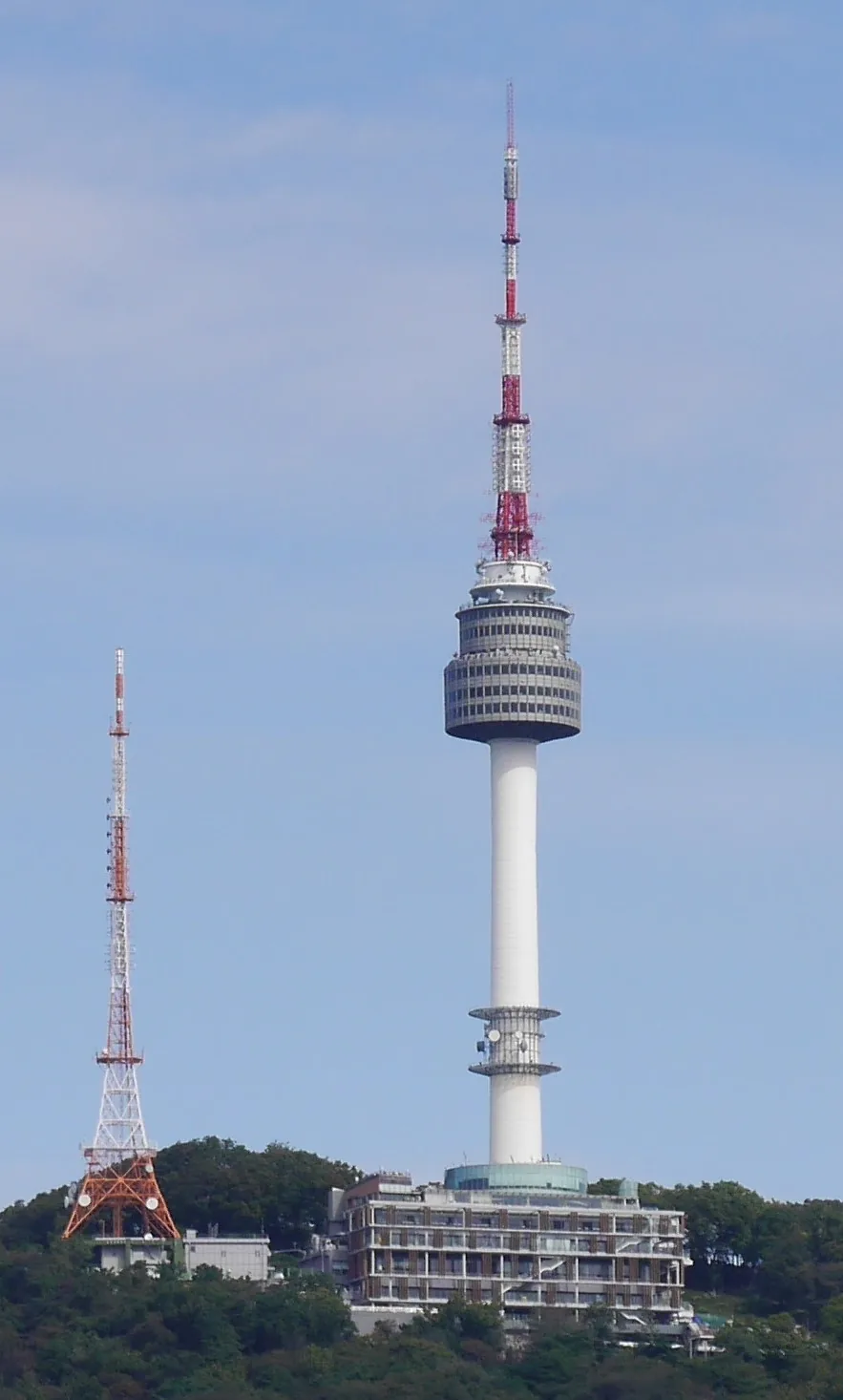
Namsan Seoul Tower
Namsan Seoul Tower began as a telecommunications tower, built in 1969 to transmit television and radio across the Seoul region. Opened to the public in 1980, it now joins broadcasting infrastructure with an observatory and a landmark position on Namsan.
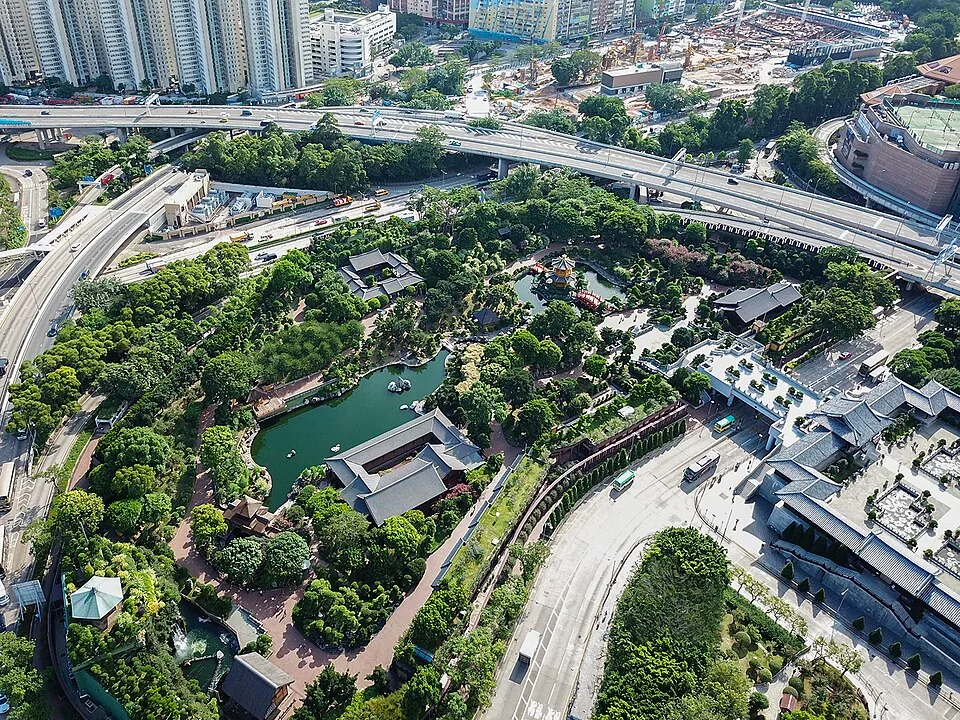
Nan Lian Garden
Nan Lian Garden is a Tang-style landscape garden in Diamond Hill, designed around rocks, water, old trees, and timber structures. Its carefully composed setting sits beside Chi Lin Nunnery, creating a quiet public space within dense Kowloon.
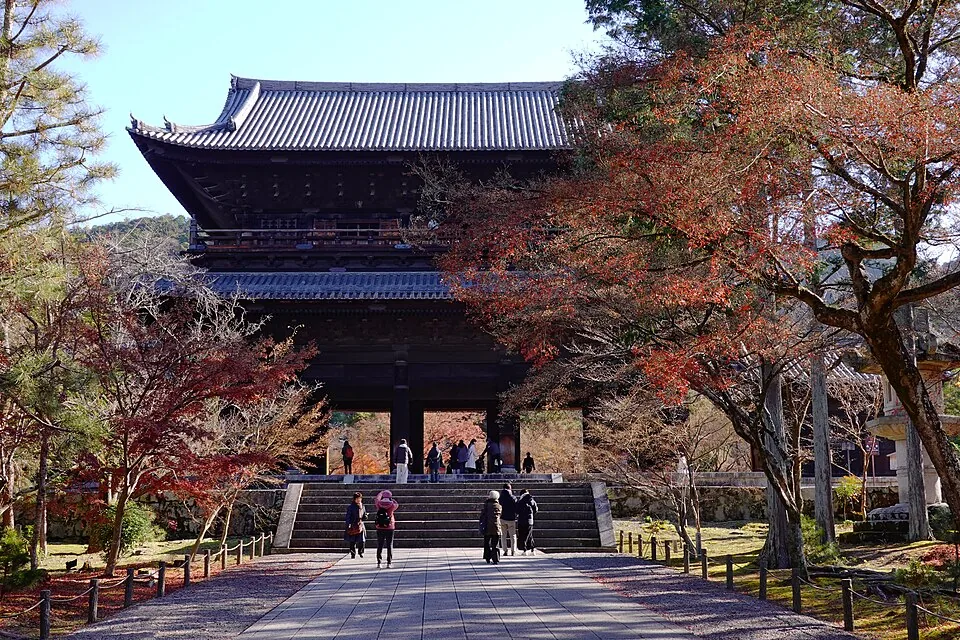
Nanzen-ji
Nanzen-ji’s massive gate and temple grounds include a brick aqueduct that carries water from Lake Biwa through the sacred precinct. The unexpected structure shows how Meiji-era infrastructure became part of a much older religious landscape.
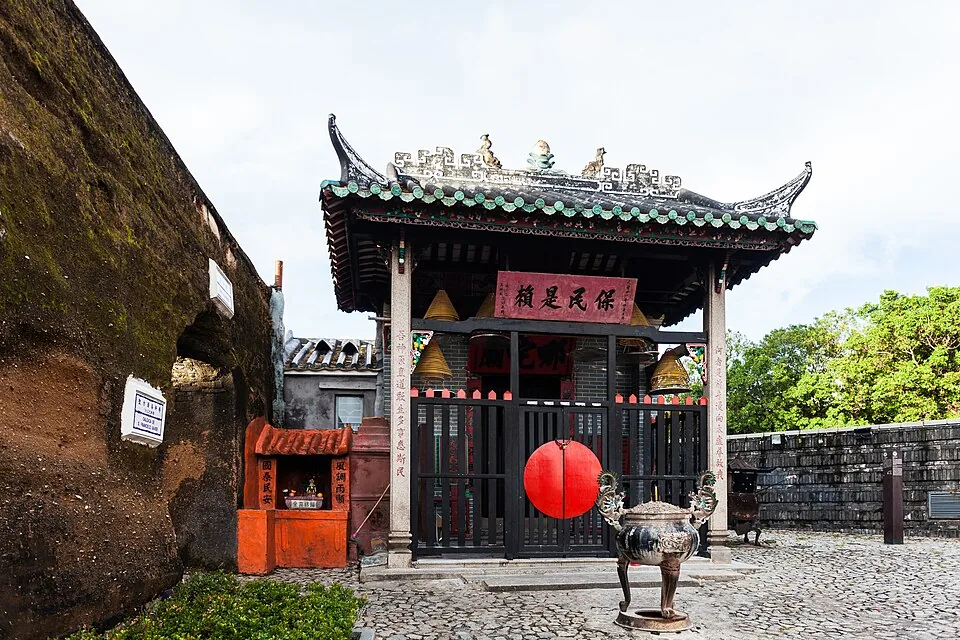
Na Tcha Temple
Na Tcha Temple is a small Chinese temple beside the remains of St Paul’s College, placing two distinct religious histories within a few steps. Its compact scale makes the neighborhood’s layered traditions especially visible.