Explore locations
Browse places by name, city, country or category.
All locations
1624 locations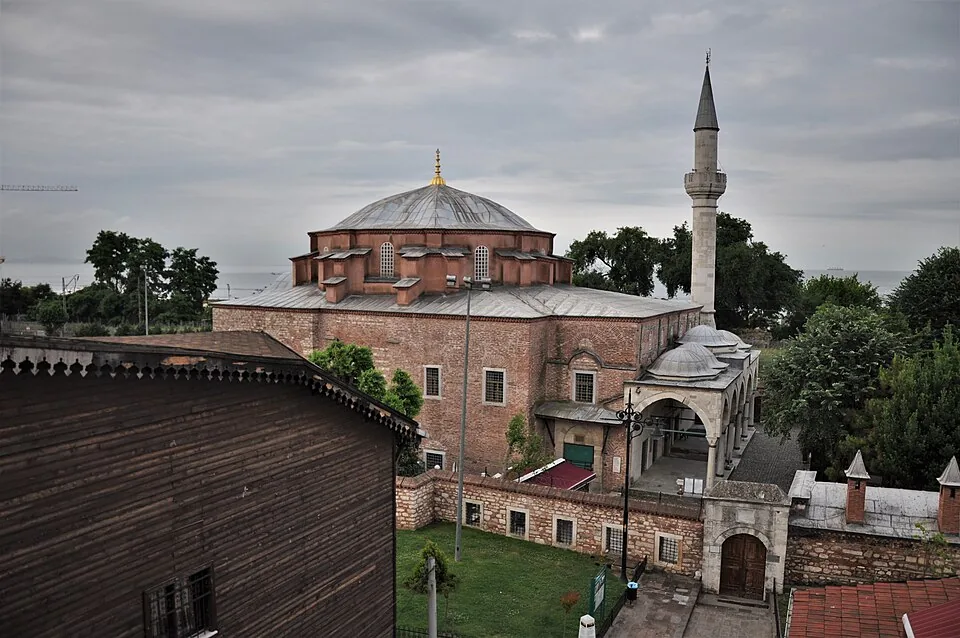
Little Hagia Sophia
Set just south of the Hippodrome, Little Hagia Sophia is a domed mosque whose compact exterior hides an intricate late Roman plan. Its long life as church and mosque makes the building itself a close-up lesson in Istanbul’s layered sacred architecture.
Little India
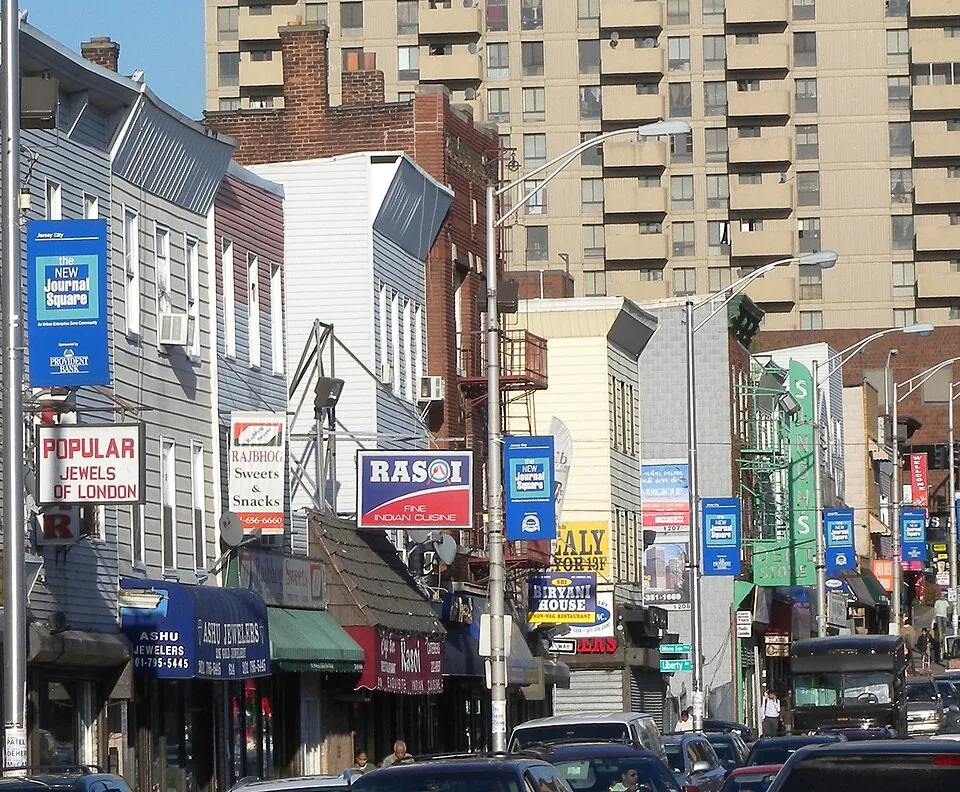
Little India grew from a landscape of agriculture and cattle trading into a centre of Indian community life. Its conserved streetscape includes shophouses, side lanes, open spaces, and religious landmarks, revealing how commerce and settlement shaped the district over time.
Little India Brickfields
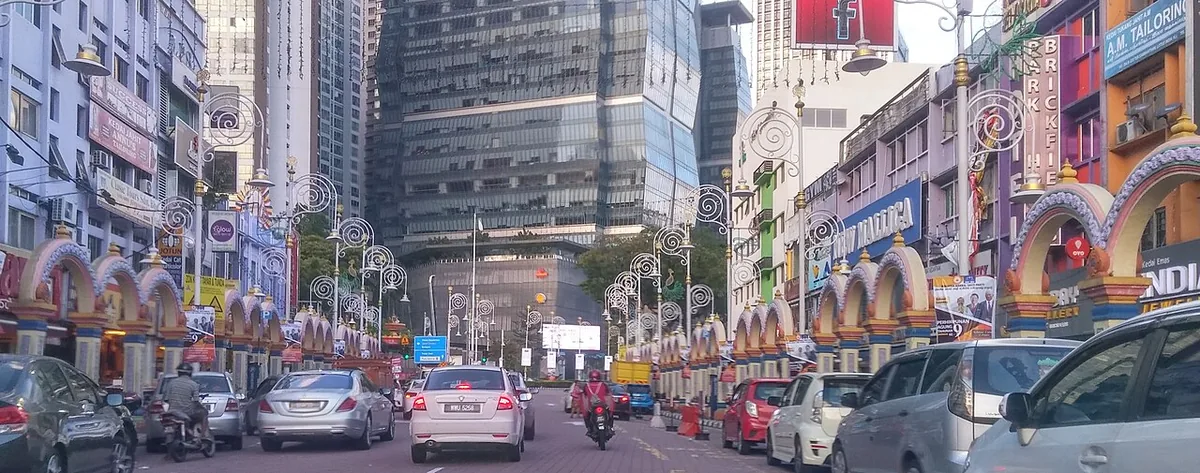
Little India Brickfields is a living Kuala Lumpur neighborhood shaped by Indian Malaysian communities, businesses and religious institutions. Shops, food, places of worship and transport links give the district a daily life that extends well beyond tourism.
Little Italy
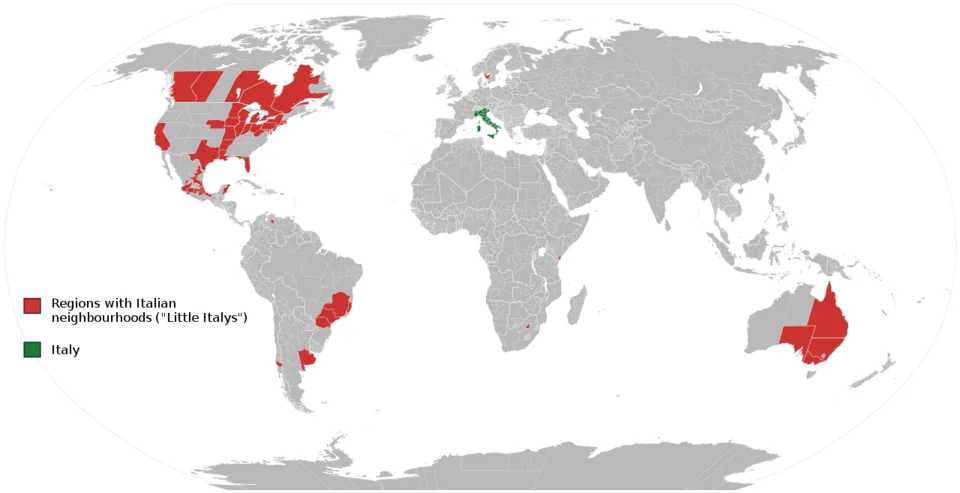
Little Italy is a Lower Manhattan neighbourhood whose changing boundaries and businesses reflect migration and urban change. Mulberry Street remains its best-known spine, where restaurants, shops and seasonal events sit within a wider community increasingly shared with neighbouring Chinatown.
Little Tokyo
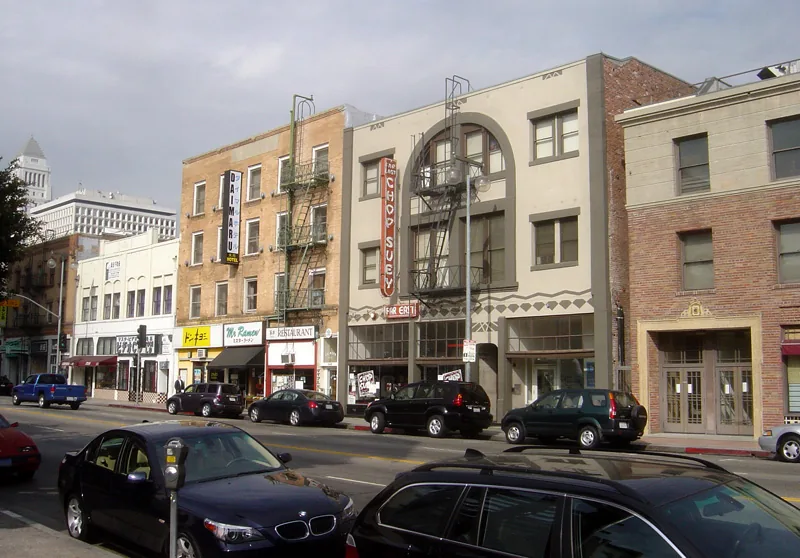
Little Tokyo is a living Japanese American cultural district, shaped by local businesses, community institutions, wartime incarceration, and redevelopment. Its historic core is a reminder that neighborhood identity is sustained by people and organizations as much as by landmark buildings.
Līvu Square
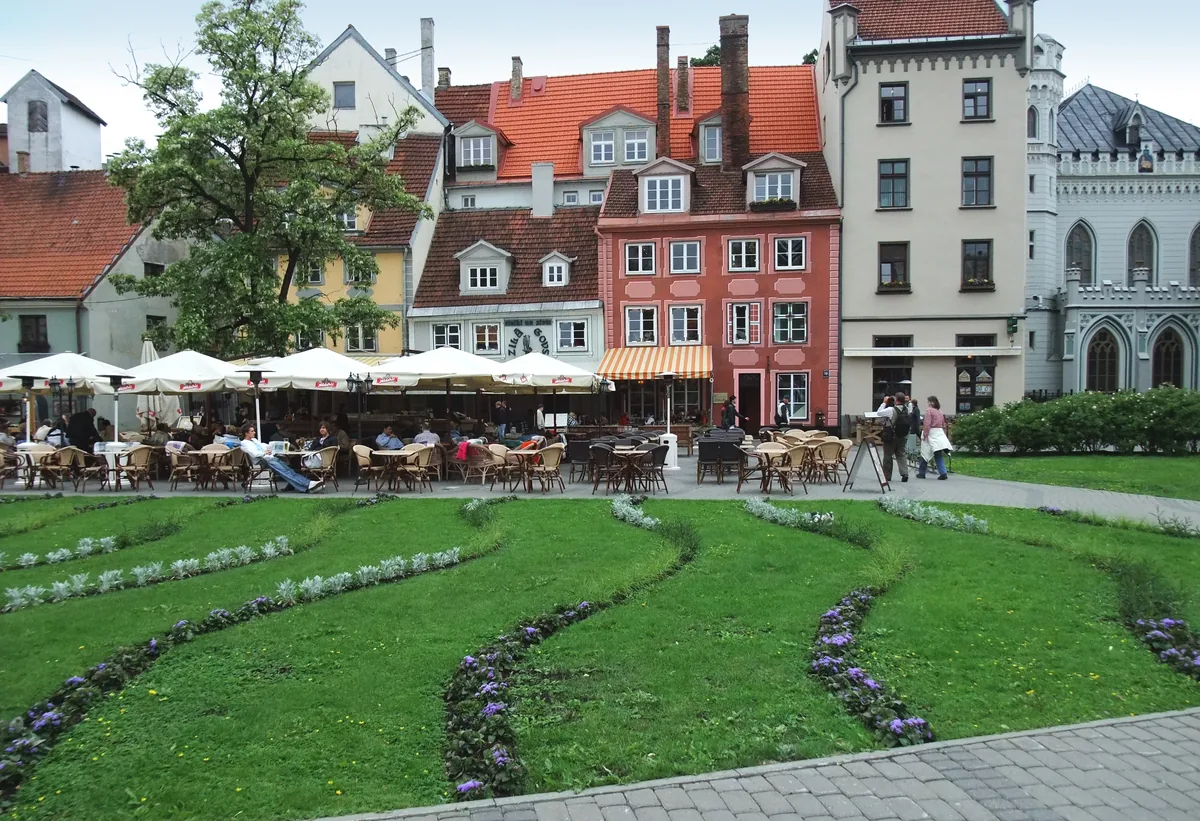
Līvu Square is a postwar public space in Riga’s Old Town, framed by guild buildings and older streets. Its flowerbed patterns recall the vanished Rīdzene river, while the square itself records wartime destruction and later redesign.
Loggia dei Mercanti Whispering Gallery
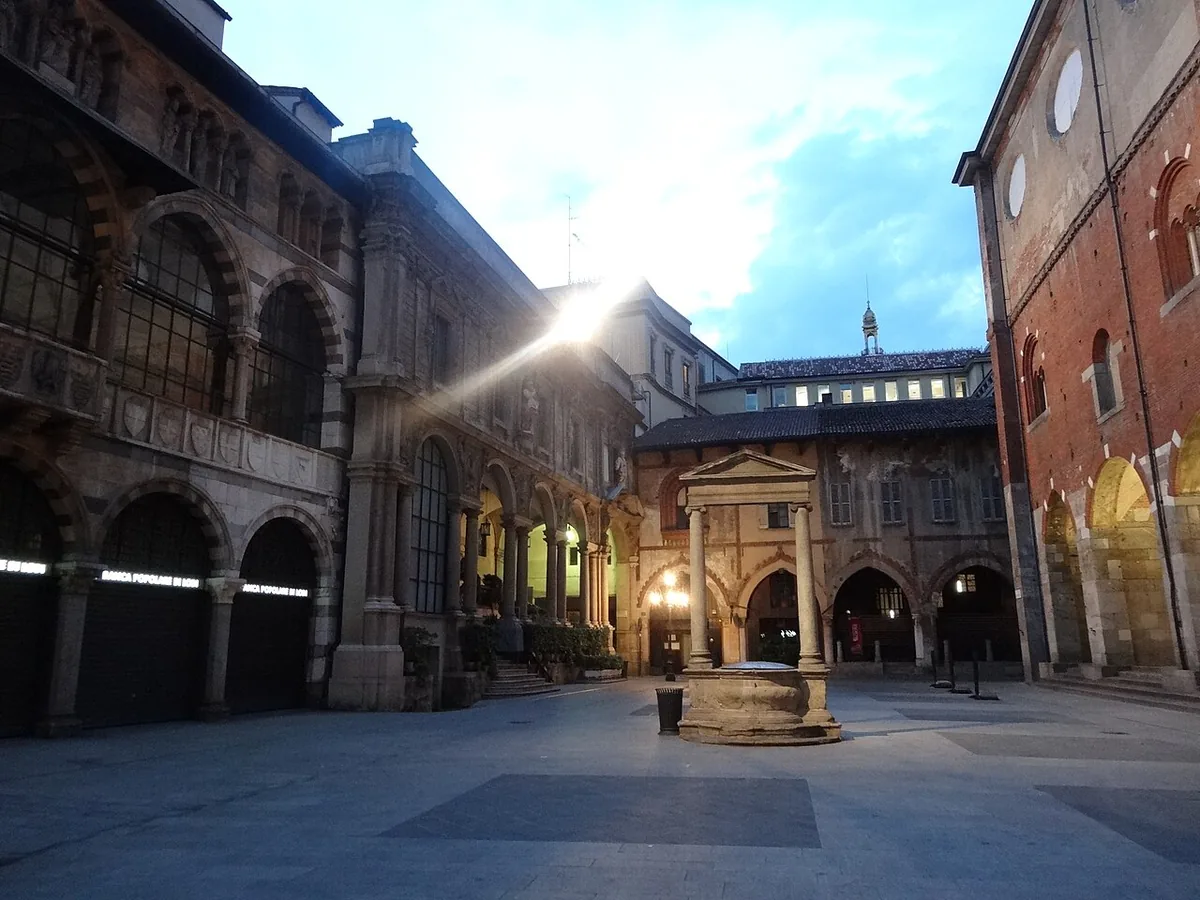
The Loggia dei Mercanti sits beneath Milan’s medieval Palazzo della Ragione, once at the center of civic and commercial life. Today bronze plaques honor people killed in the Resistance, giving the covered public space a second role as a place of remembrance.
London Bridge
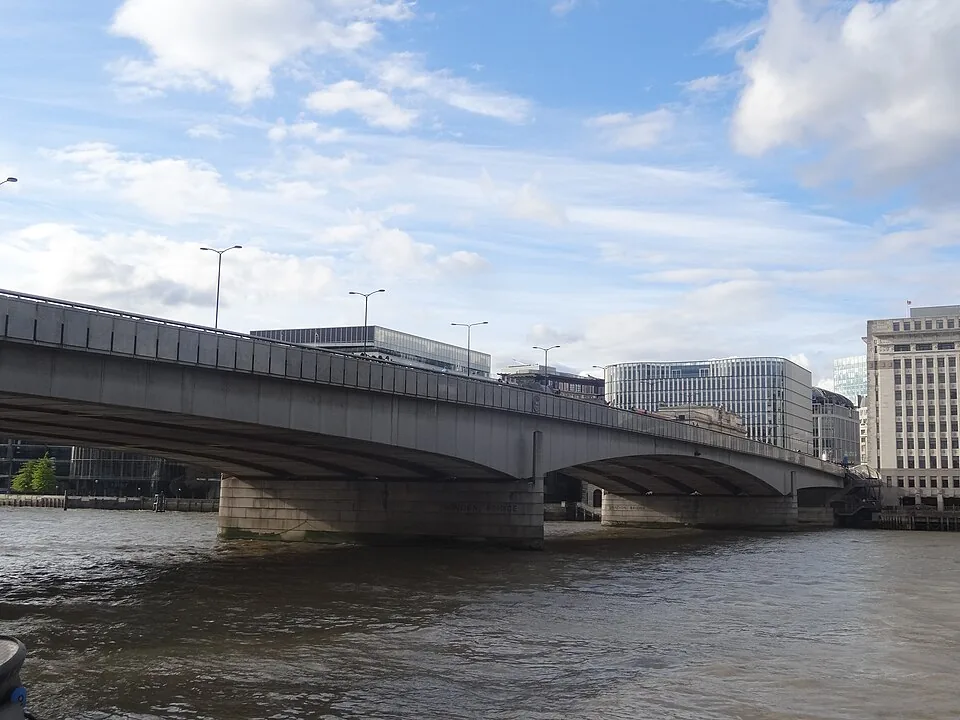
London Bridge has been rebuilt repeatedly to meet the needs of a growing city. Medieval stone spans gave way to John Rennie’s nineteenth-century structure and then the present bridge, whose concrete form serves a modern river crossing.
London Dungeon
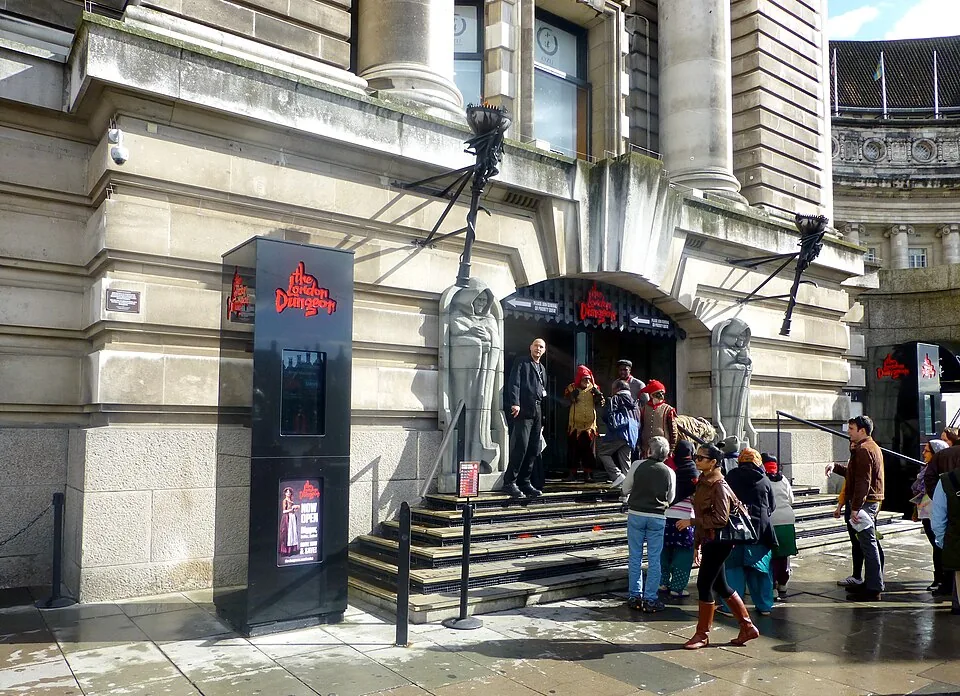
The London Dungeon stages episodes from the city’s darker history through actors, sets, and special effects. It began as a walk-through exhibition in 1974 and later shifted to a live guided format, turning history into immersive entertainment.
London Eye
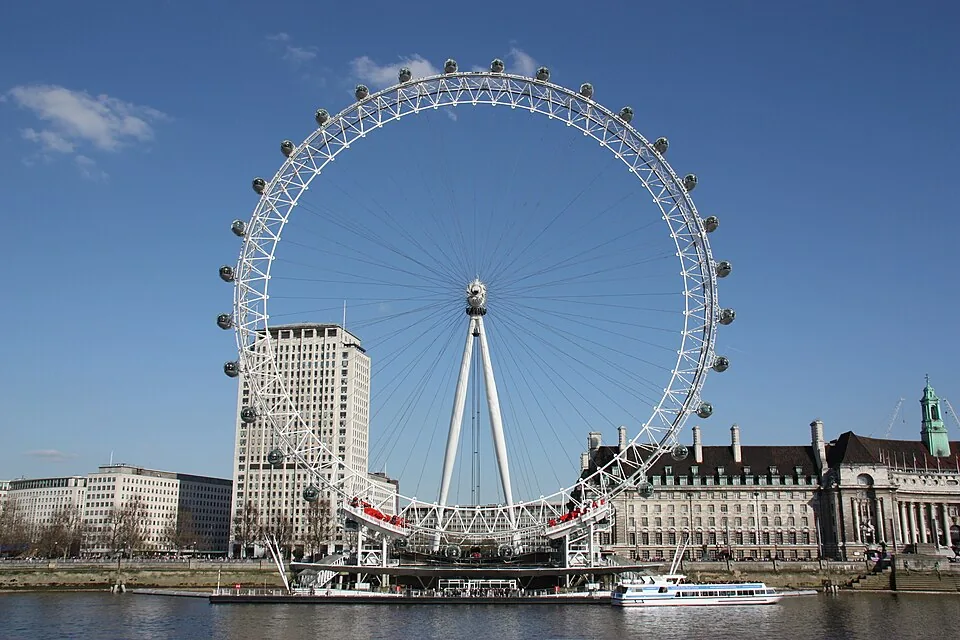
The London Eye began as a proposal for a millennium landmark and became a permanent part of the Thames skyline. Its slow rotation gives visitors a moving panorama, while the wheel itself reflects a late-twentieth-century ambition to reshape London’s public image.
London Transport Museum
London Transport Museum explores how buses, trains, and other transport systems shaped the city and its daily routines. Set in Covent Garden’s former flower market, the museum connects transport objects with the social and architectural history of London.
London Zoo
London Zoo began as a scientific collection rather than a public entertainment venue. Founded by the Zoological Society of London, it opened in Regent’s Park in 1828 for Fellows and later to the public, changing how urban visitors encountered living animals and zoological research.
Longshan Temple
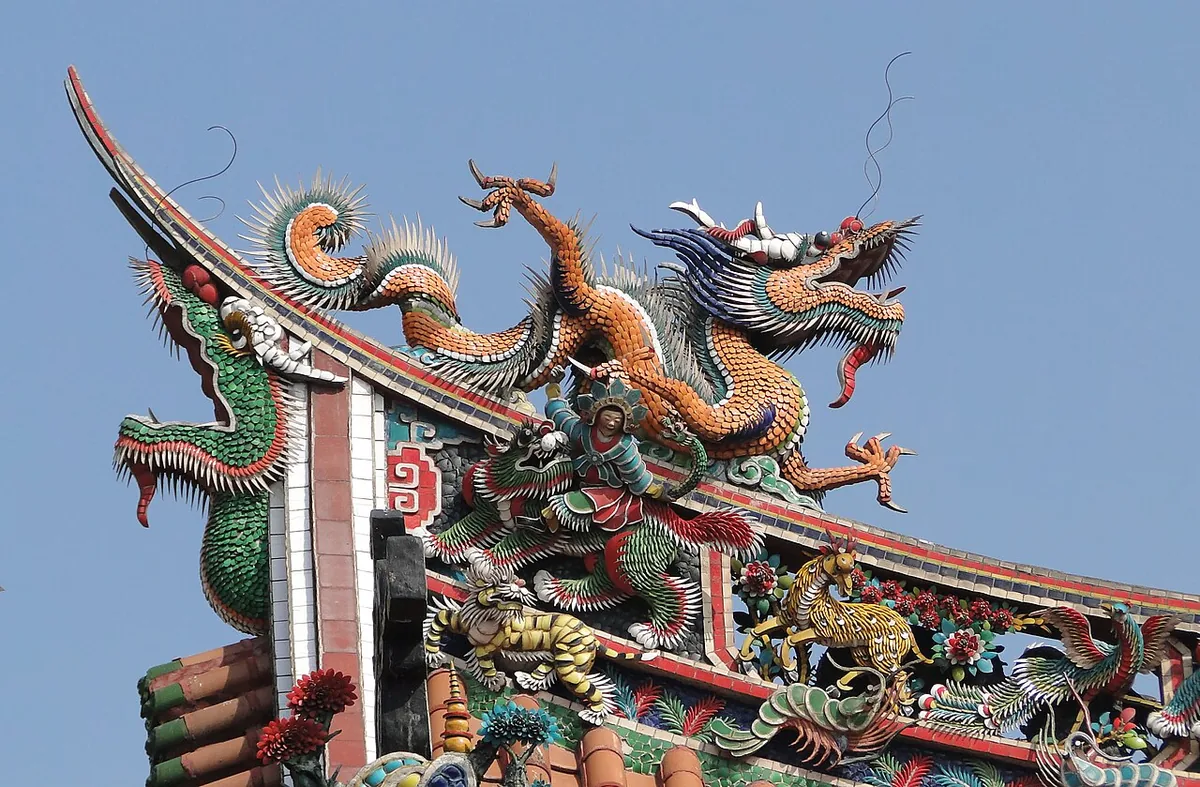
Incense, painted roof figures, and a sequence of courtyards make Longshan Temple feel like a living neighborhood center. Founded in the eighteenth century, it has been repaired and rebuilt through disasters while keeping worship at the heart of its architecture.
LOOK! Art Gallery
LOOK! is a contemporary art gallery at Ģertrūdes iela 62a. Founded in 2019, it offers exhibitions and opportunities for emerging Latvian artists, with a programme that changes throughout the year.
Look at Riga 5D Cinema
Look at Riga is a short 5D cinema experience at Kaif Art House in Old Riga, combining a filmed tour of the city with movement and sensory effects.
Los Angeles City Hall
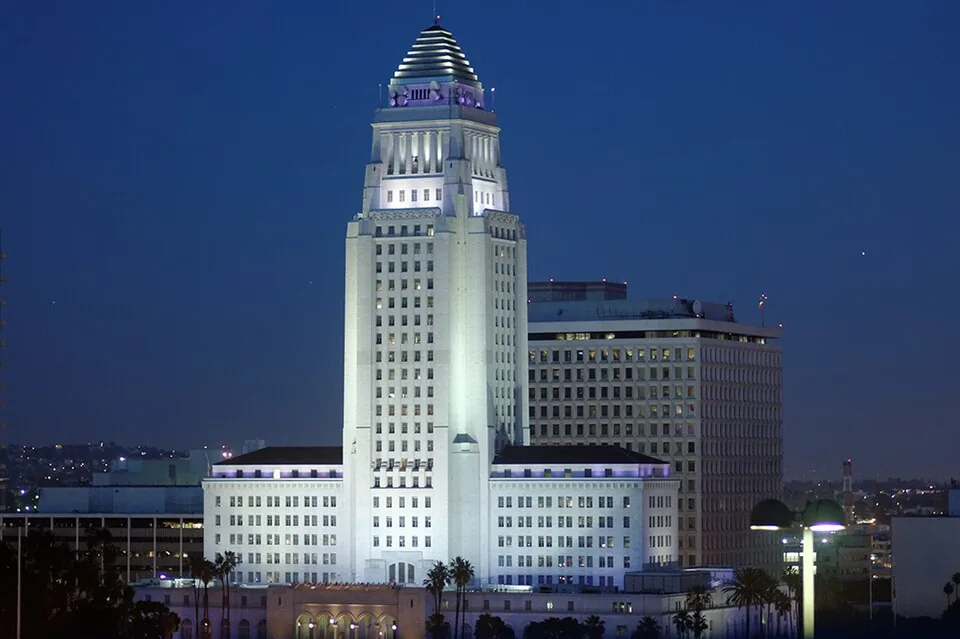
Los Angeles City Hall rises above the civic center with a tapering tower that makes municipal government visible on the skyline. Completed in 1928, its silhouette combines monumental presence with a carefully composed base, shaft, and crown.
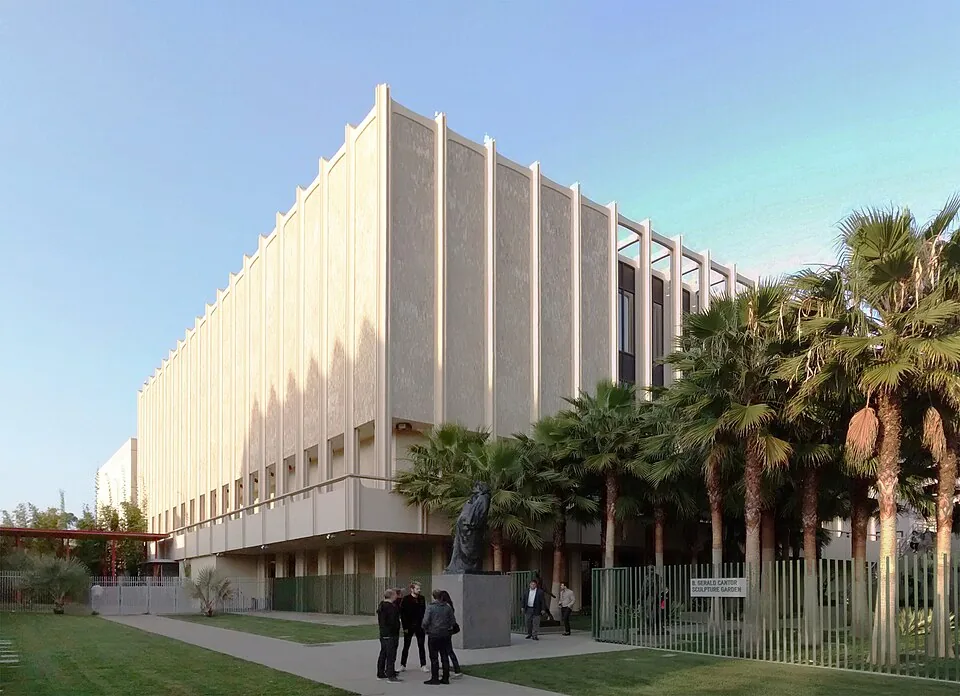
Los Angeles County Museum of Art
LACMA presents global art histories across a large Wilshire Boulevard campus in Los Angeles. Its collections and changing galleries span thousands of years, while public artworks and open spaces make the museum’s grounds part of the experience.
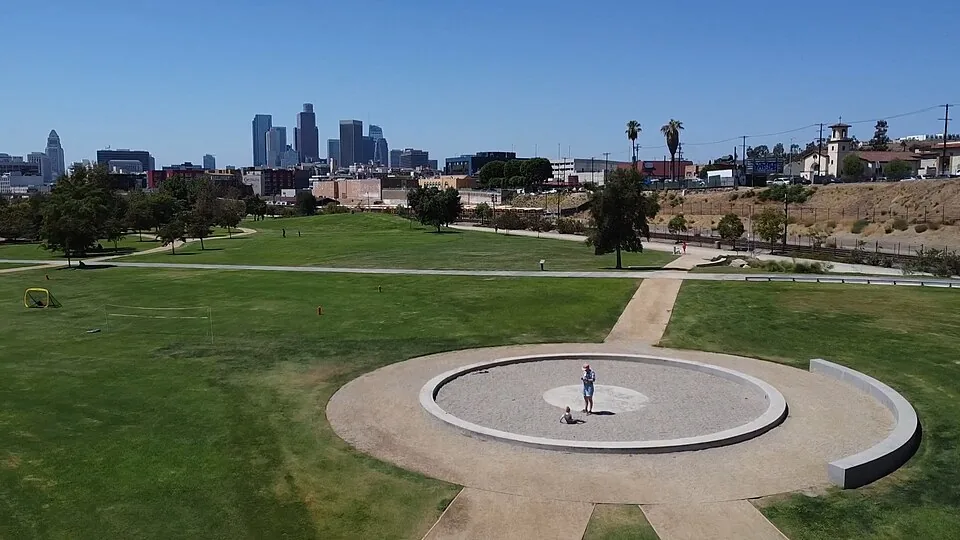
Los Angeles State Historic Park
Los Angeles State Historic Park occupies the former Southern Pacific rail yard known as the Cornfield, near the Los Angeles River and Chinatown. Opened as a park in 2017, it reconnects a long-industrialized urban site with public open space.
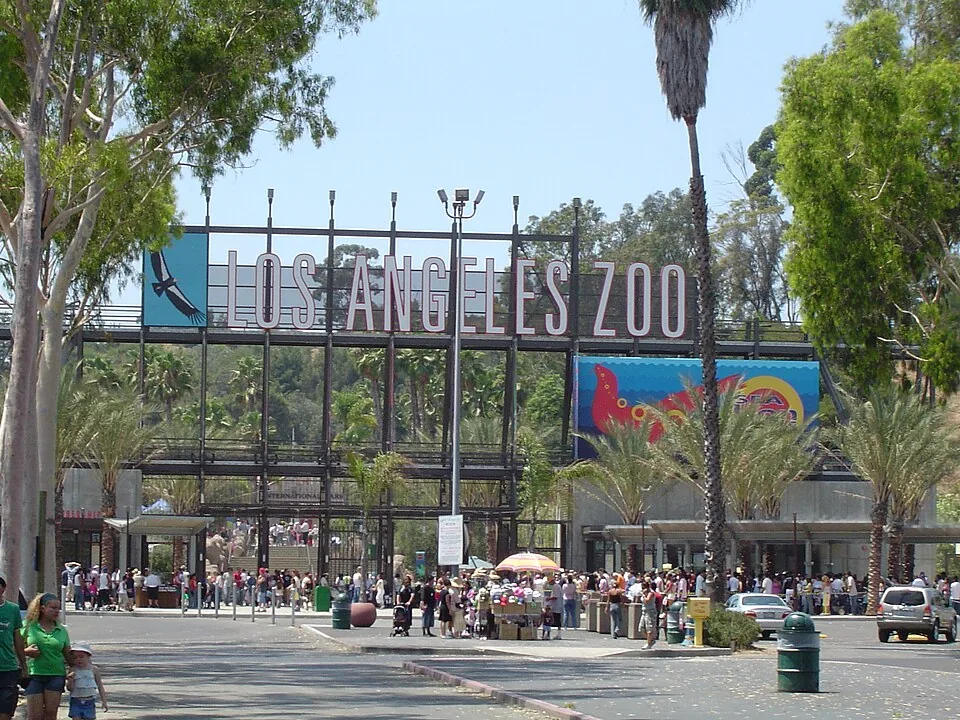
Los Angeles Zoo
The Los Angeles Zoo’s current Griffith Park site opened in 1966, replacing an earlier zoo elsewhere in the park. Its history reflects changing ideas about how a municipal zoo should house animals, educate visitors, and represent wildlife.
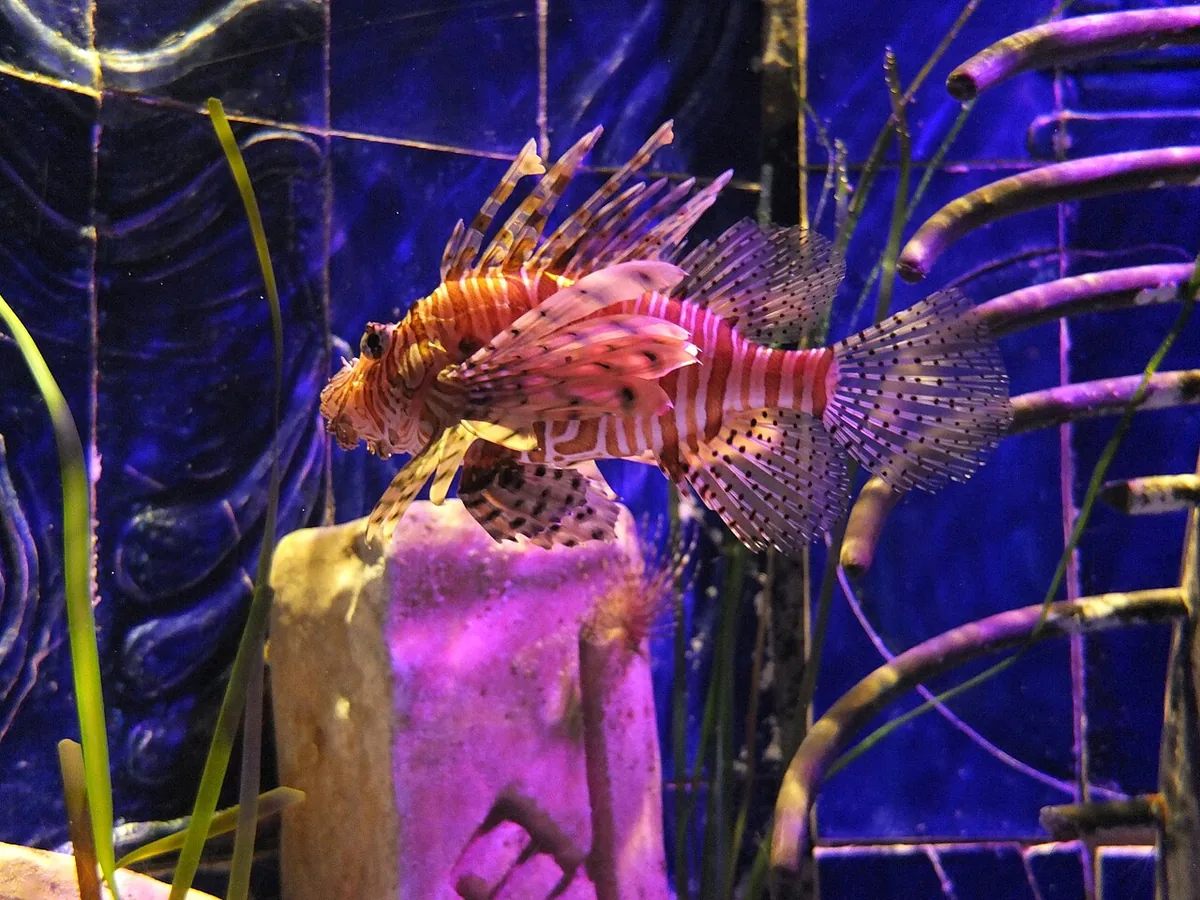
Lost World Aquarium
This aquarium at Atlantis, The Palm, uses an imagined lost-city setting to frame real marine habitats. The visitor moves through themed chambers toward the Ambassador Lagoon, where the theatrical idea of Atlantis meets the ordinary work of observing living aquatic animals.
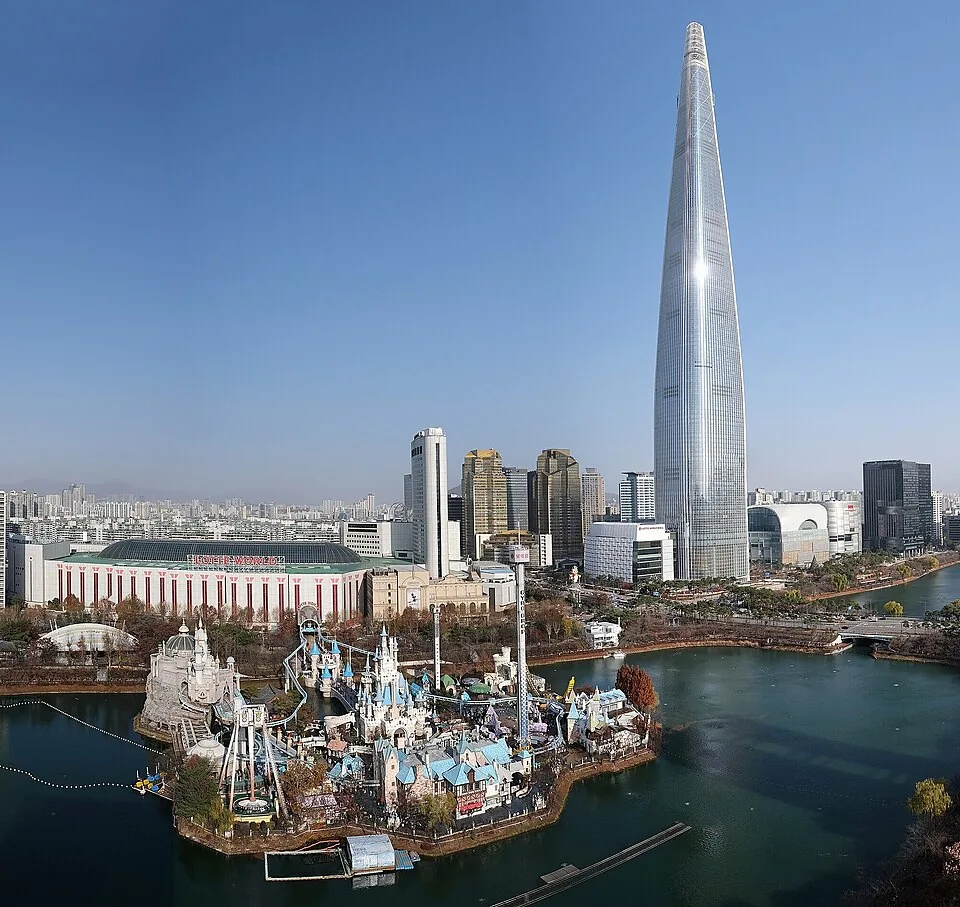
Lotte World
Lotte World brings an indoor theme park and an outdoor island park together in central Seoul. Its two-part layout allows rides and entertainment to unfold beneath a roof and around Seokchon Lake.
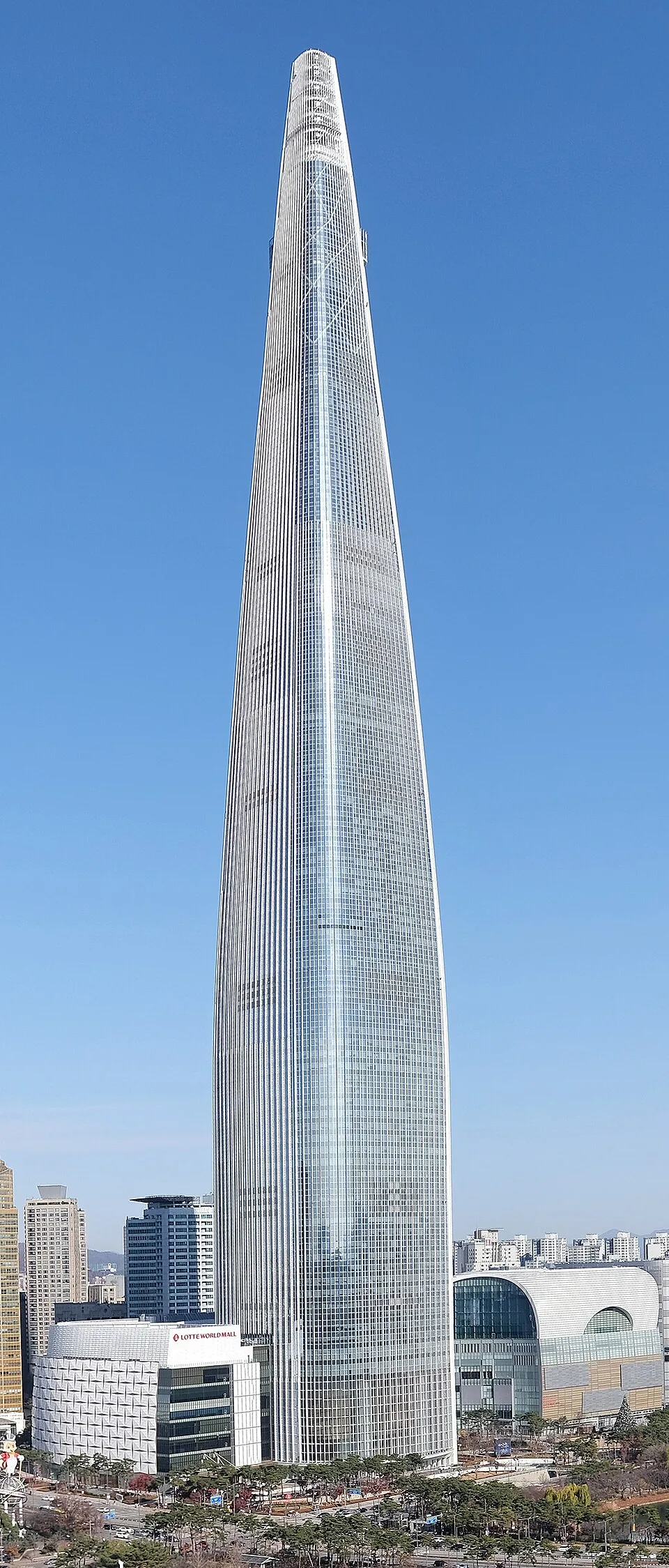
Lotte World Tower
Lotte World Tower rises above southeastern Seoul as a sharply tapered glass landmark. Its changing outline offers a useful way to read the city’s scale: from the broad base to a narrow crown, the building turns height into a visible transition rather than a simple wall of floors.
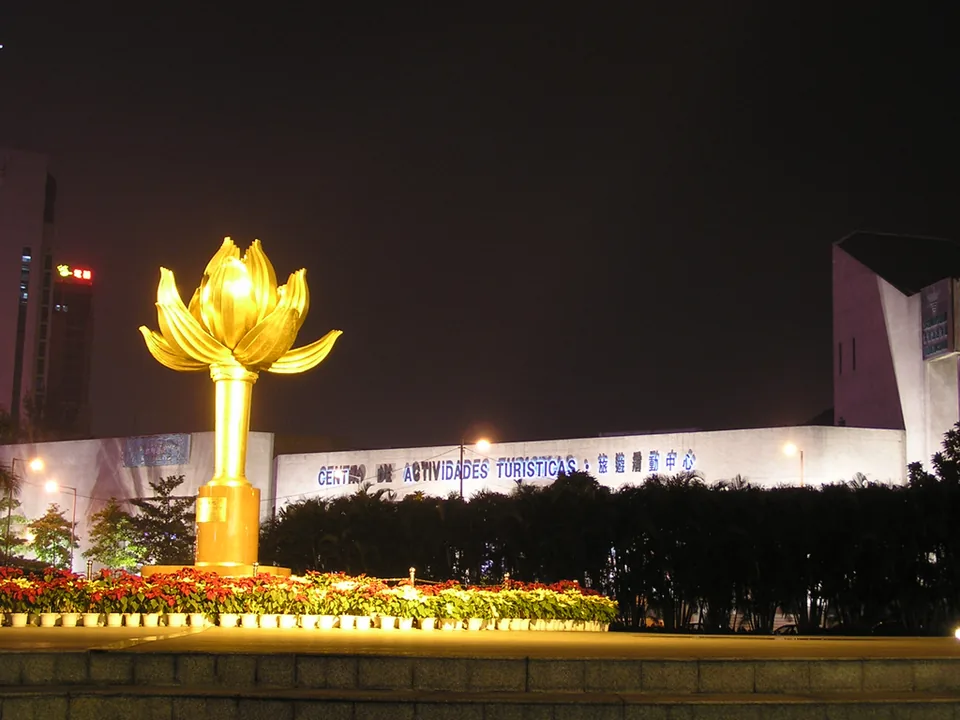
Lotus Square
A gilded lotus rises from a layered stone base at Lotus Square, a civic sculpture presented to mark Macao’s return to Chinese sovereignty in 1999. Its petals turn a regional symbol into a monumental public object.
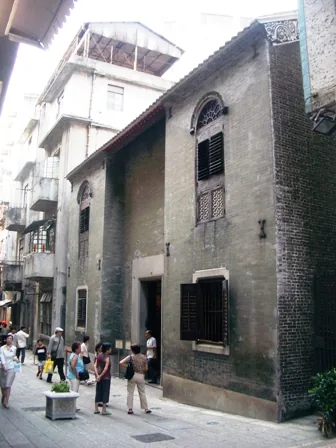
Lou Kau Mansion
Lou Kau Mansion is a late Qing-era Chinese courtyard residence near Senado Square. Built for merchant Lou Kau, it combines a traditional Xiguan layout with decorative details shaped by both Chinese and Western design traditions.