Explore locations
Browse places by name, city, country or category.
All locations
1624 locations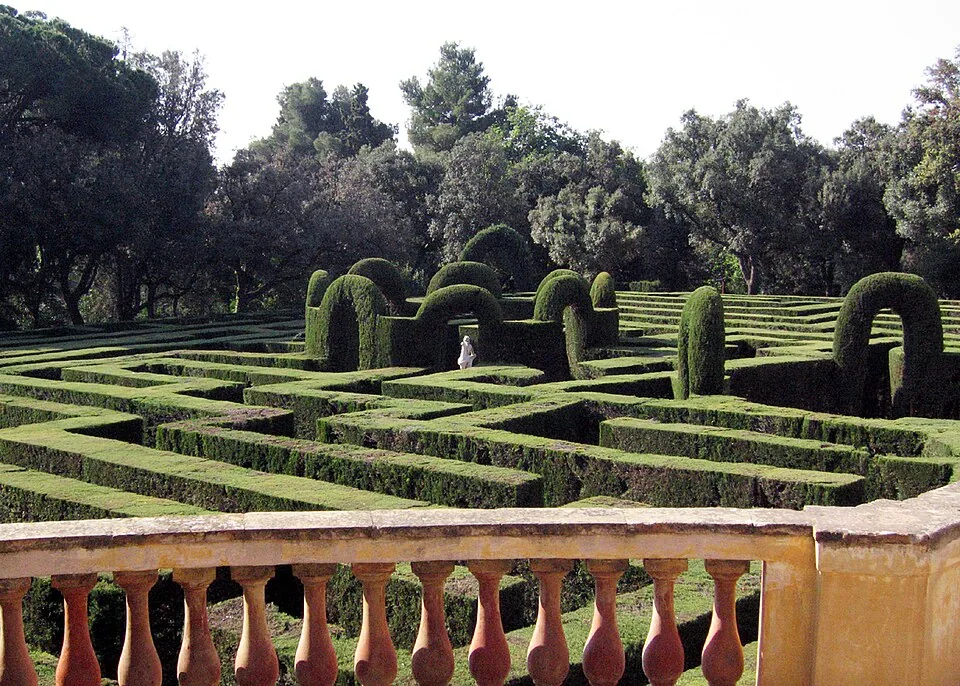
Labyrinth Park of Horta
The Labyrinth Park of Horta is a historic garden developed on the former Llupià estate, combining neoclassical, romantic, and Italianate features. Its maze sits within a wider composition of terraces, water, and sculpture designed by Domenico Bagutti.
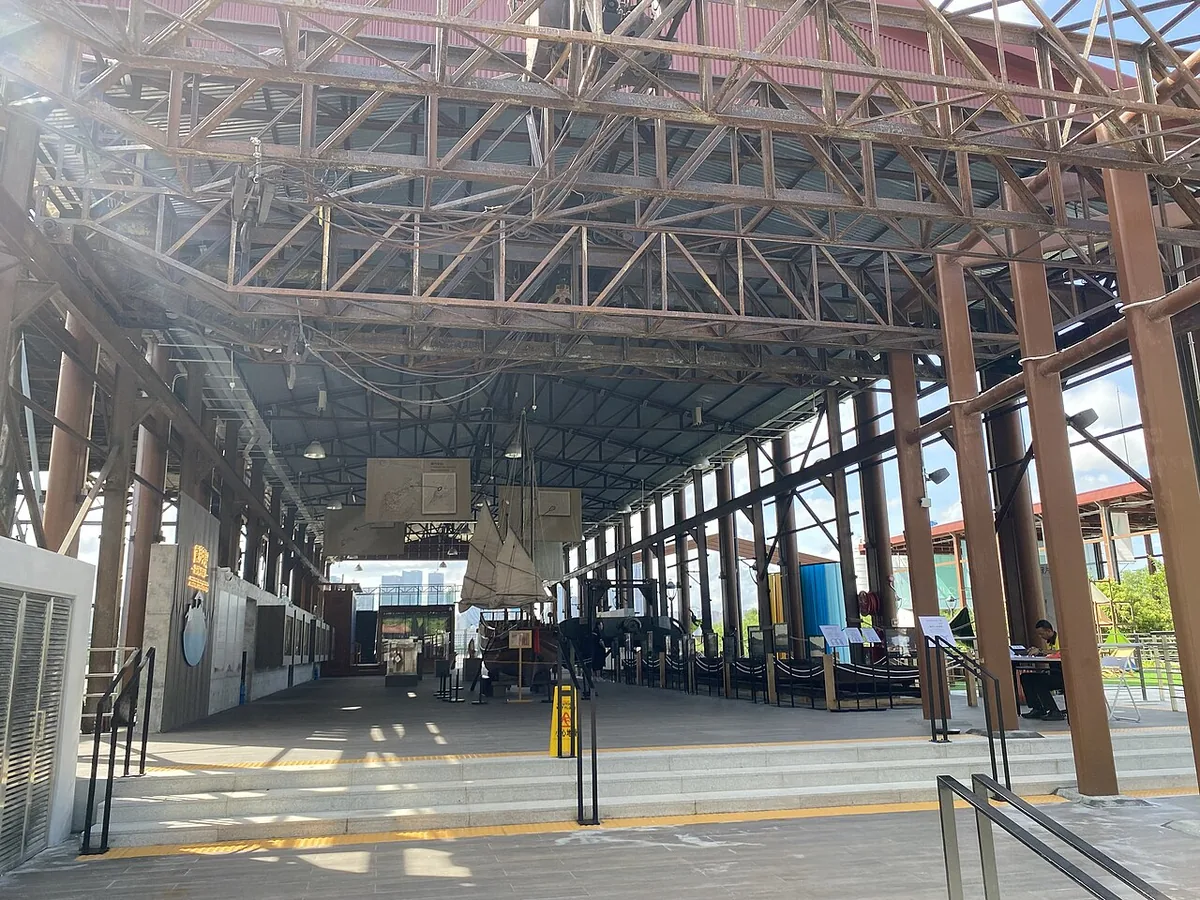
Lai Chi Vun Shipyards
Lai Chi Vun Shipyards preserve a surviving cluster of Macao’s traditional boatbuilding heritage on Coloane. The waterfront site’s workshops and reclaimed buildings connect wooden-vessel craft with the fishing communities and maritime industries that shaped the territory.
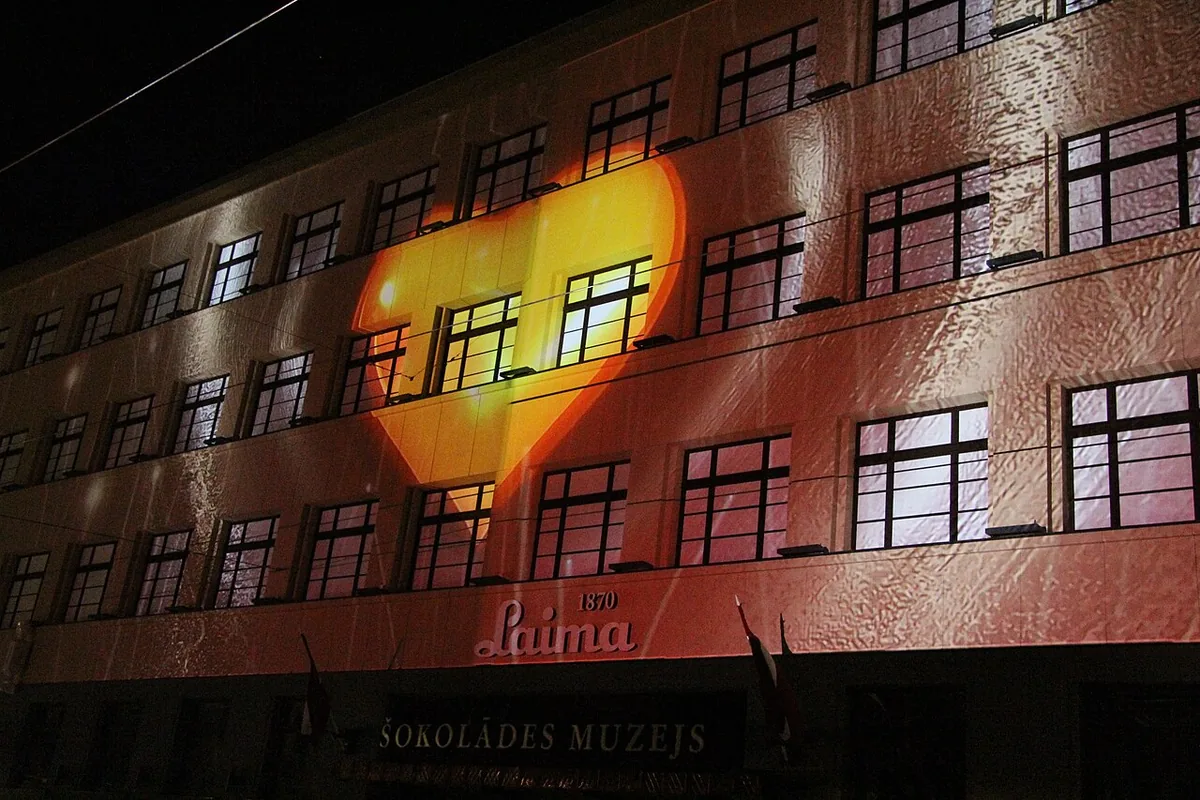
Laima Chocolate Museum
Laima Chocolate Museum on Miera Street presents the history of a Latvian confectionery brand and the making of chocolate. Its displays include packaging, machinery and interactive activities, with chocolate workshops offered separately.
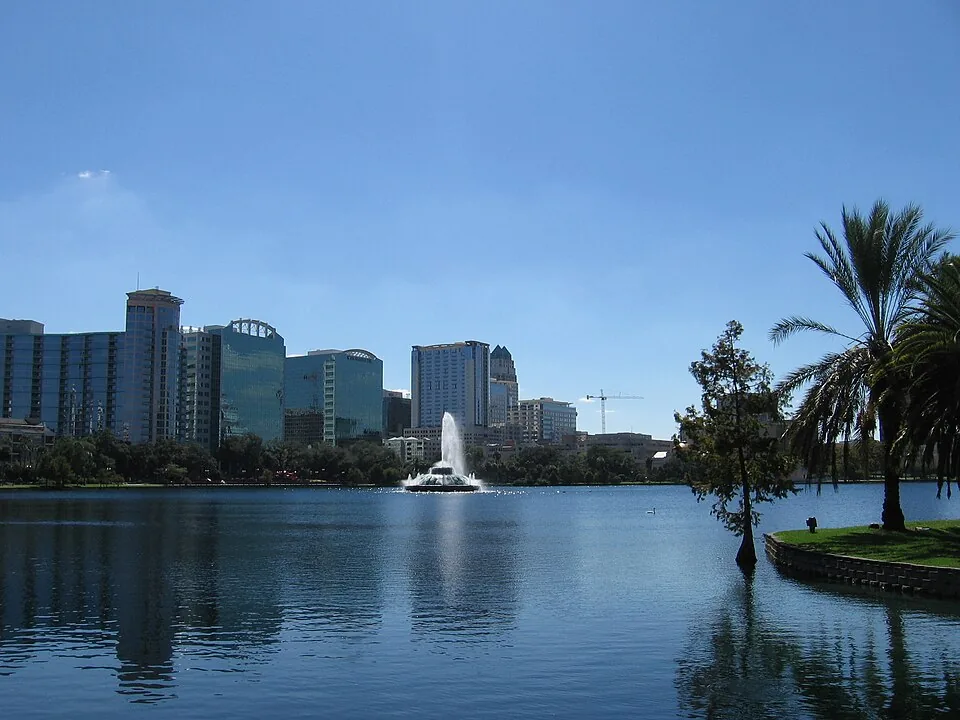
Lake Eola Park
Lake Eola Park places a circular walking route, urban lake, and skyline together in downtown Orlando. Its fountain and swans are familiar symbols, but the park’s history also reveals how public land and civic design have shaped the city.
Lake Ivanhoe Park
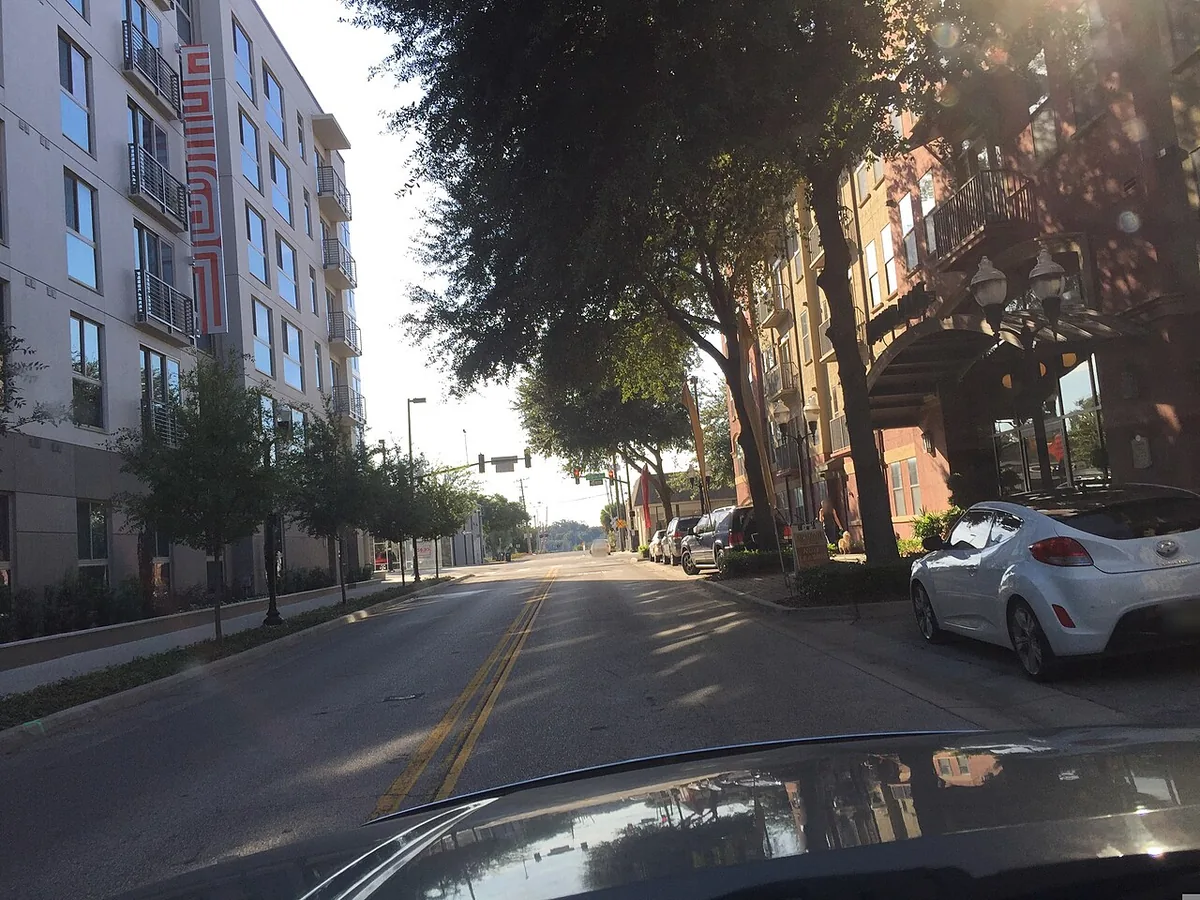
Lake Ivanhoe Park places a public green space beside one of Orlando’s downtown lakes. Water, shoreline paths and nearby neighbourhoods make the park a quiet vantage on the city’s lakeside geography and its long relationship with recreation and development.

Lake Nona Sculpture Garden
Lake Nona Sculpture Garden places contemporary sculpture along paths among tropical planting in Orlando’s planned Lake Nona community. The open-air collection invites visitors to encounter large works at walking pace, with landscaping and changing viewpoints shaping how each piece appears.
La Latina
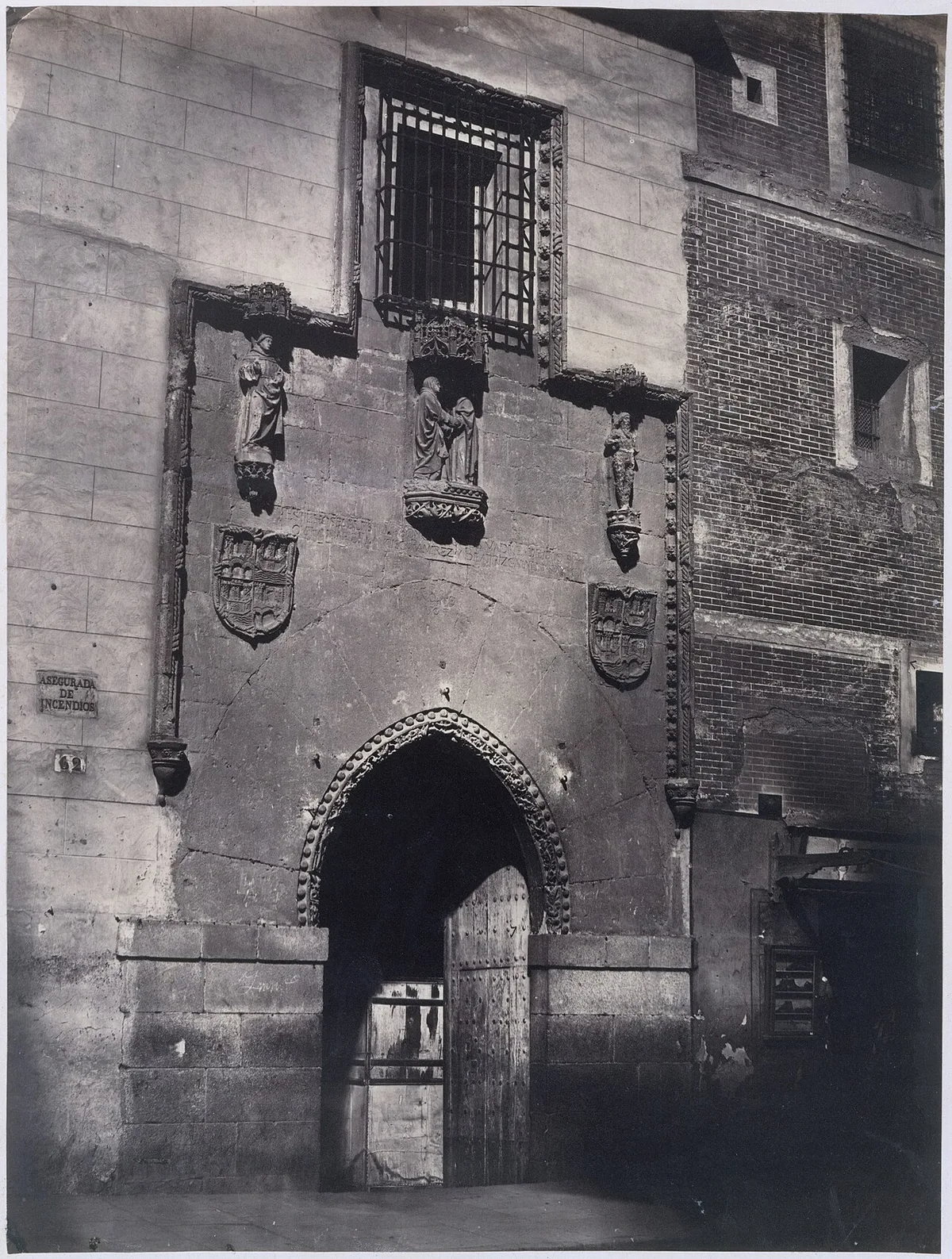
La Latina’s winding lanes and small plazas preserve the shape of a neighborhood that grew beyond Madrid’s medieval walls. Street names recall trades once practiced here, while the district’s name commemorates Beatriz Galindo, a scholar known as La Latina.
Lamma Island
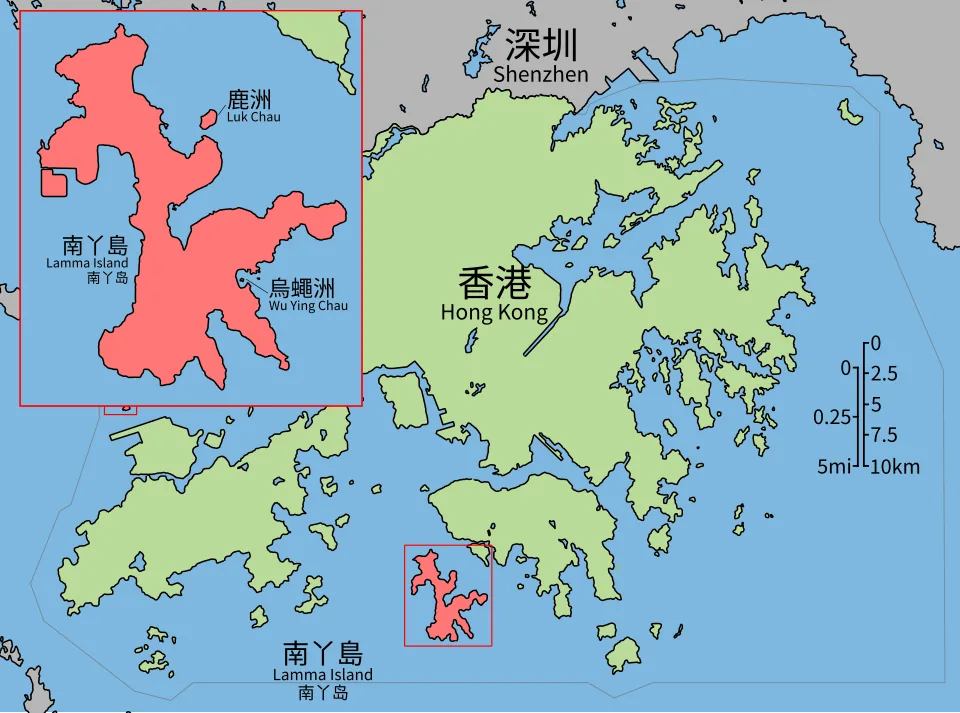
Lamma Island’s settlements face one another across green hills and sheltered water. The island’s walking paths link communities such as Yung Shue Wan and Sok Kwu Wan, where fishing history and contemporary village life meet along the coast.
Lam Tsuen Wishing Trees
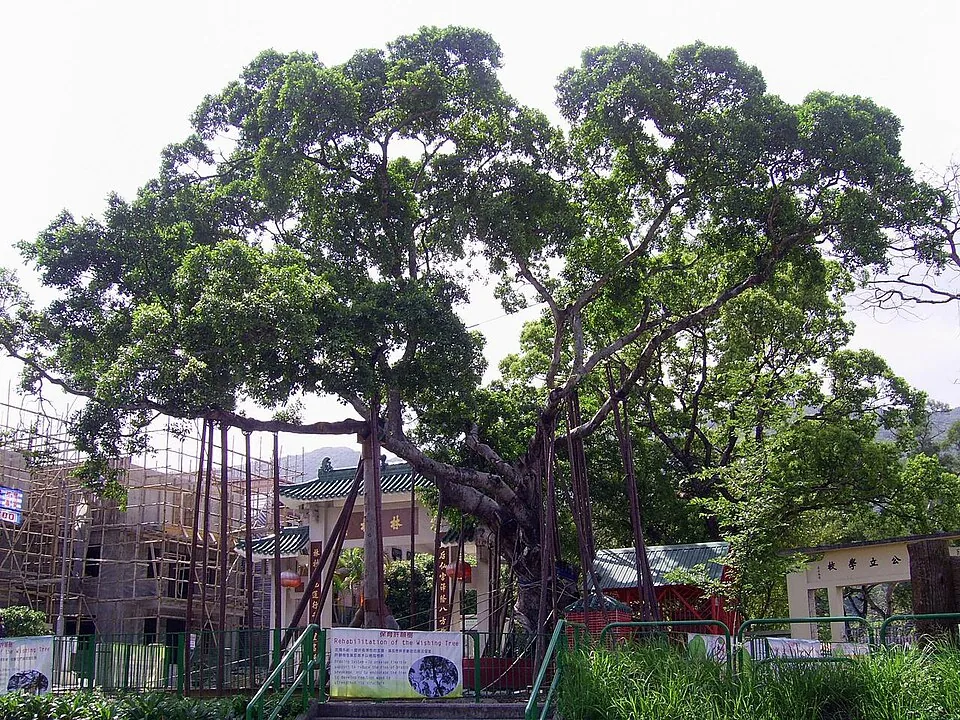
At Lam Tsuen, the wishing tradition has changed to protect the banyans that gave it meaning. Original trees remain part of the landscape, while nearby racks and a replica provide safer ways to continue a community practice, especially around Lunar New Year.
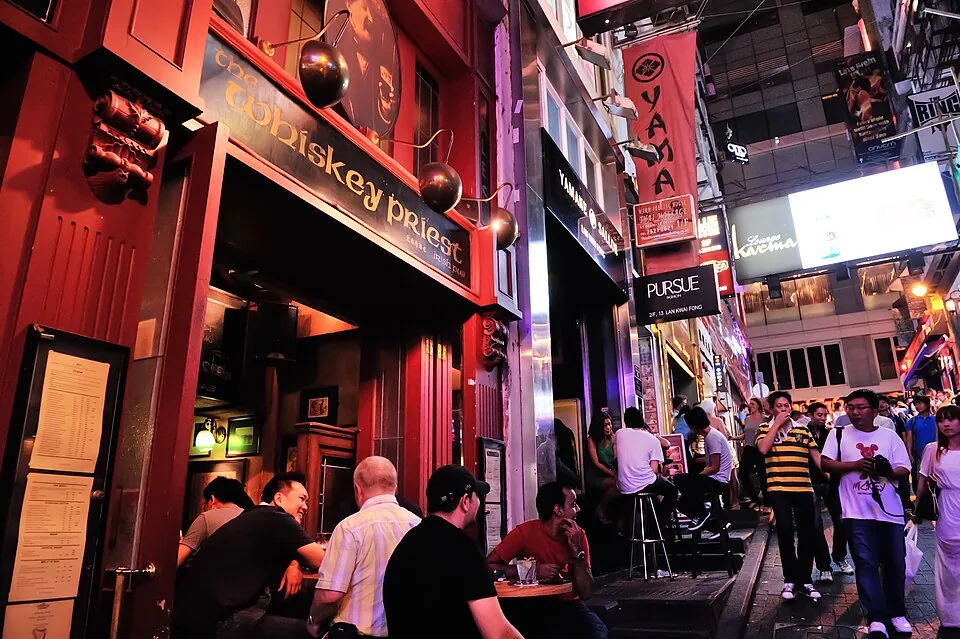
Lan Kwai Fong
Lan Kwai Fong is a compact network of Central streets known for restaurants, bars, and nightlife. Its transformation from a quiet back street into an entertainment district reflects changing patterns of social life in Hong Kong’s business center.
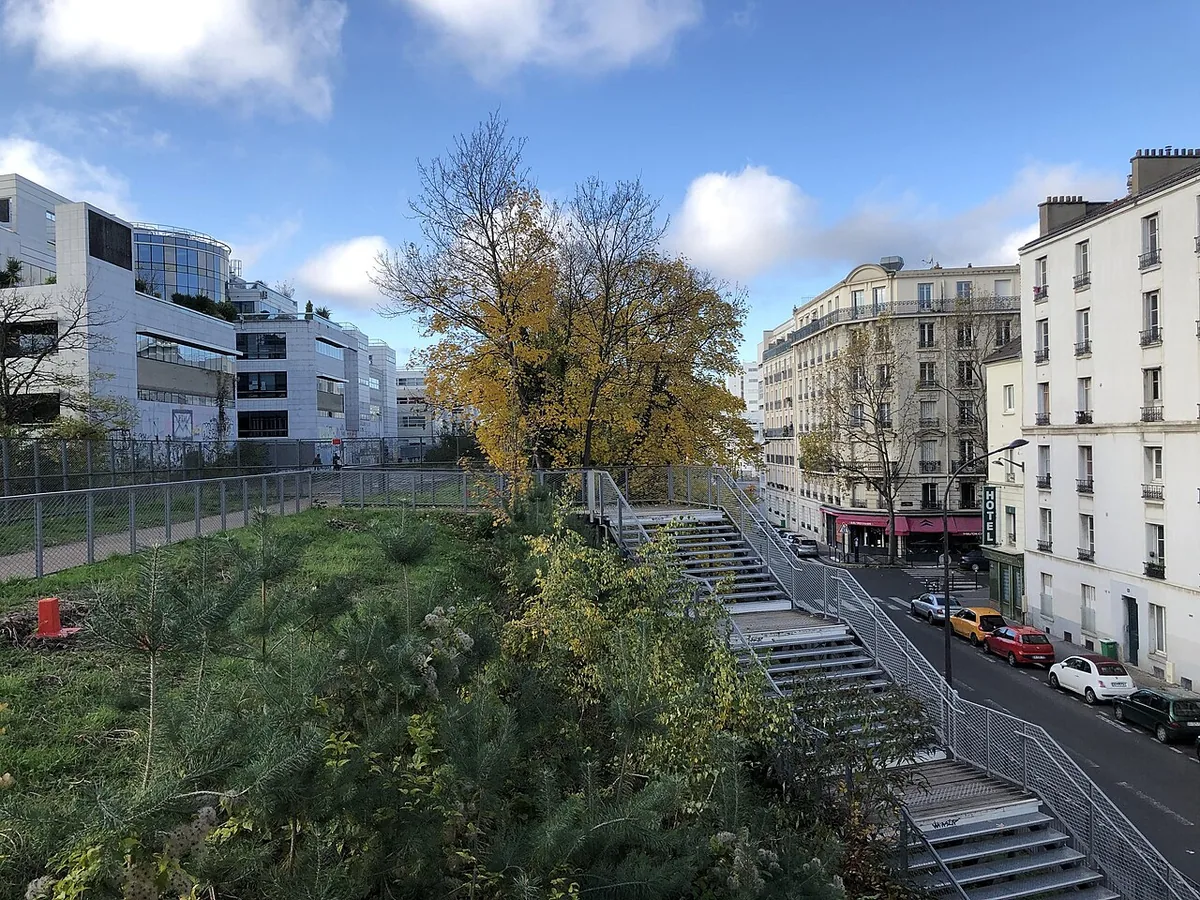
La Petite Ceinture
La Petite Ceinture is a former railway loop built around Paris to connect rail lines and carry freight, passengers, and military traffic. Its abandoned sections now form a varied urban edge where industrial infrastructure meets spontaneous vegetation and new public uses.
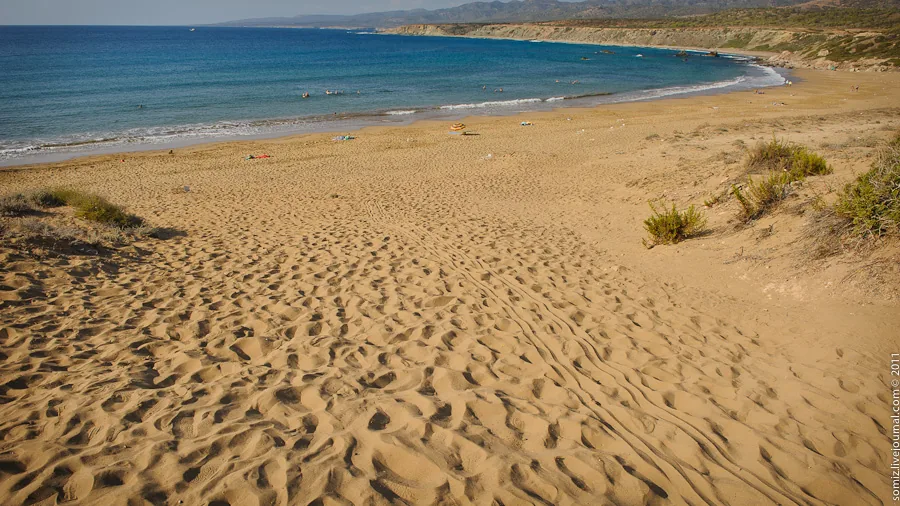
Lara Beach
Lara Beach’s broad sandy coast is one of Antalya’s major eastern shorelines, where natural habitat and recreation meet. The city has protected endangered sand lilies along parts of Lara’s coast, a reminder that the beach is also an ecological landscape.
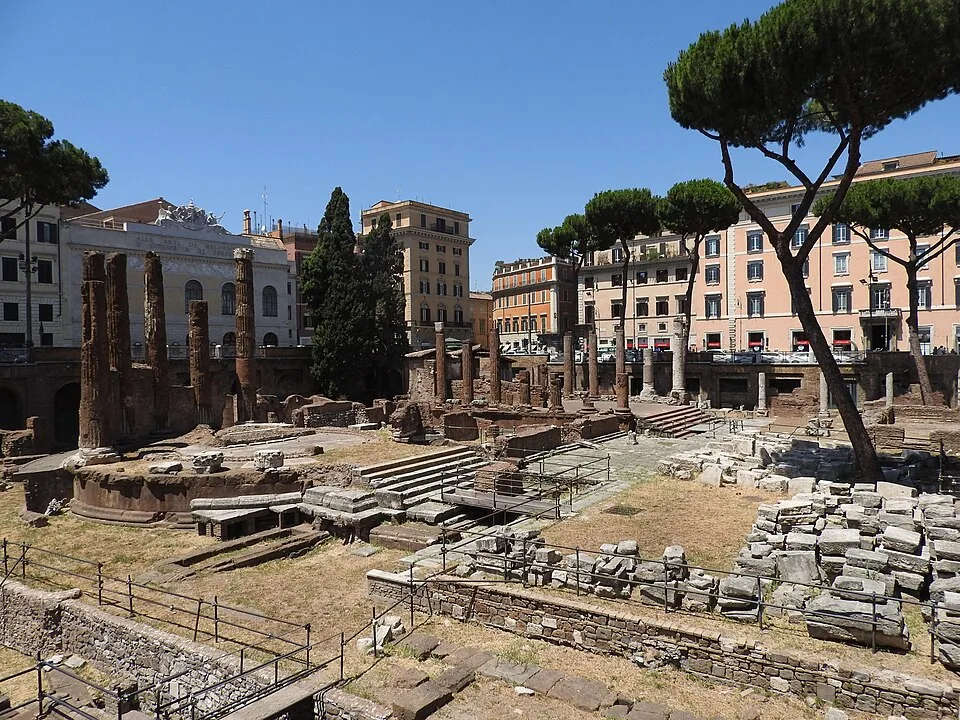
Largo di Torre Argentina
Below today’s traffic, Largo di Torre Argentina preserves four Republican temples and the remains of Pompey’s Curia. Excavation opened this archaeological field in the 1920s, revealing layers of Roman public and religious life within the modern city center.
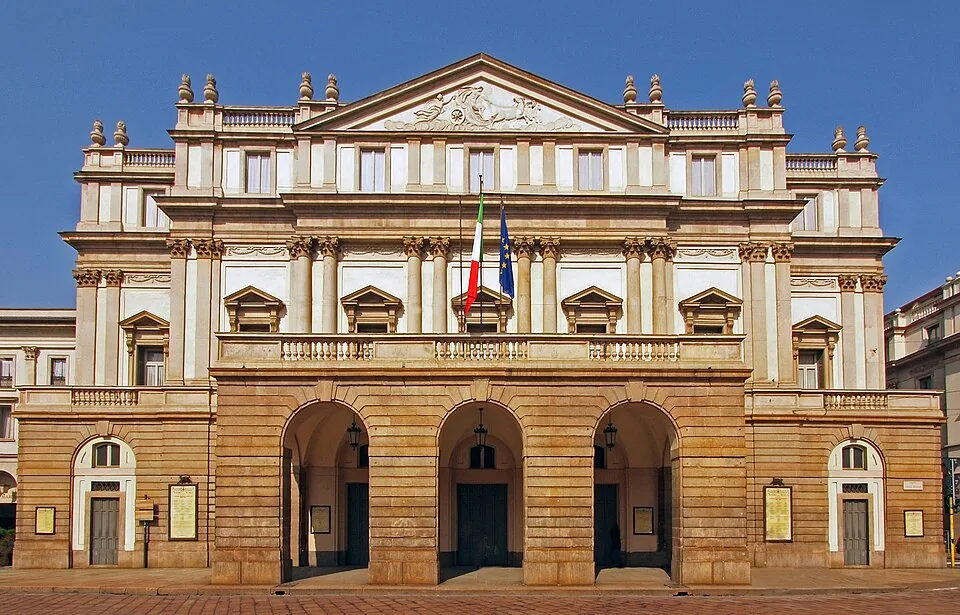
La Scala
La Scala’s neoclassical auditorium grew from Milan’s need to replace an opera house destroyed by fire. Its opening in 1778 began a musical tradition shaped by composers, performers, audiences, and the city’s changing cultural life.
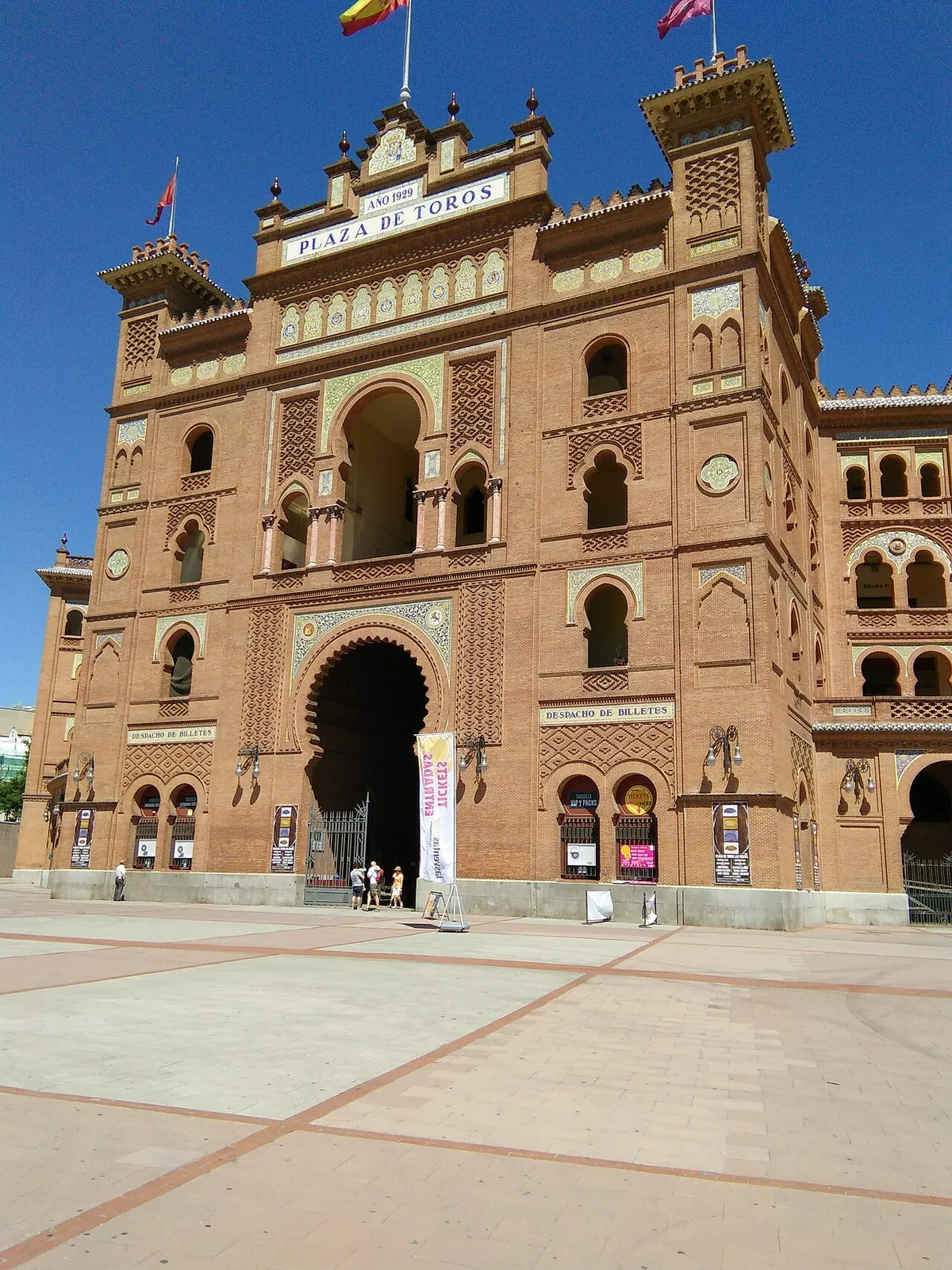
Las Ventas Bullring
Las Ventas is a monumental Neo-Mudéjar bullring whose brickwork and ceramic details announce a mass public venue. Its construction history includes a 1931 charity event before its official inauguration, while its continuing association with bullfighting invites a thoughtful, historically grounded vi
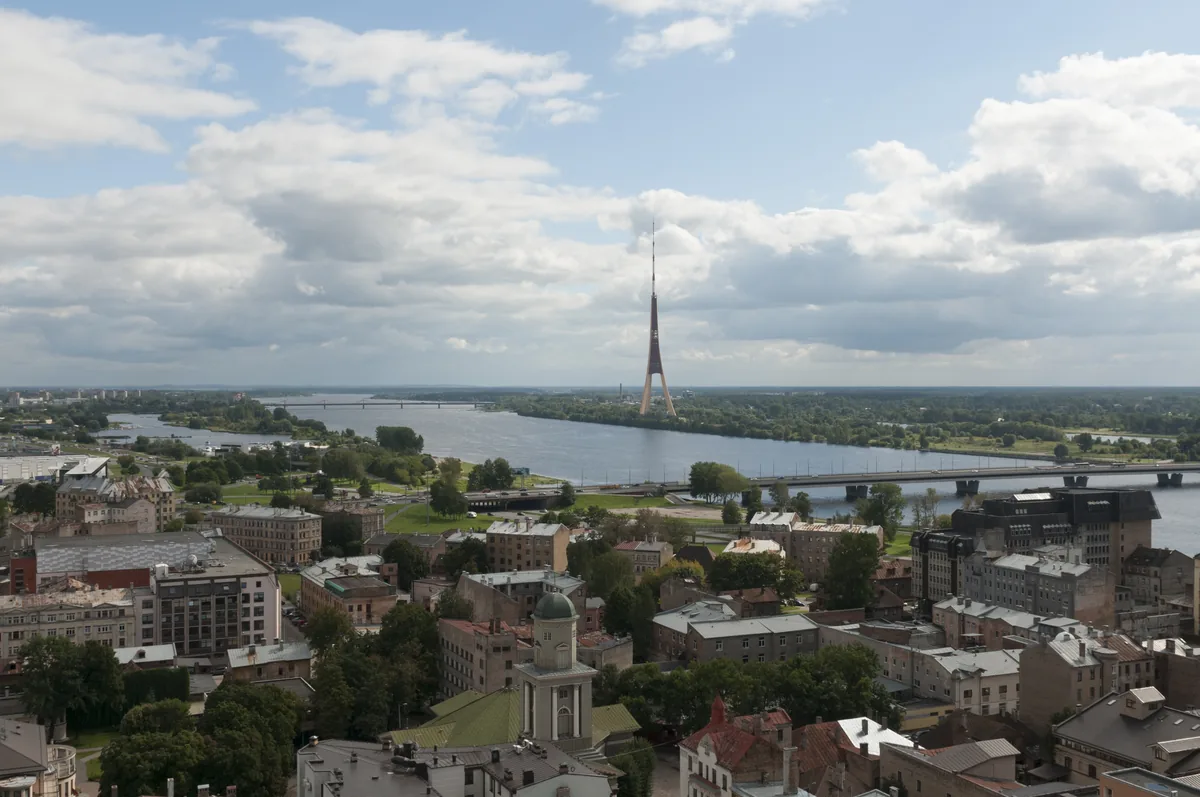
Latvian Academy of Sciences
The Latvian Academy of Sciences occupies a high-rise near Riga Central Market. Originally conceived as a house for collective farmers, the Soviet-era tower later became a scientific institution and a prominent, contested part of the city skyline.
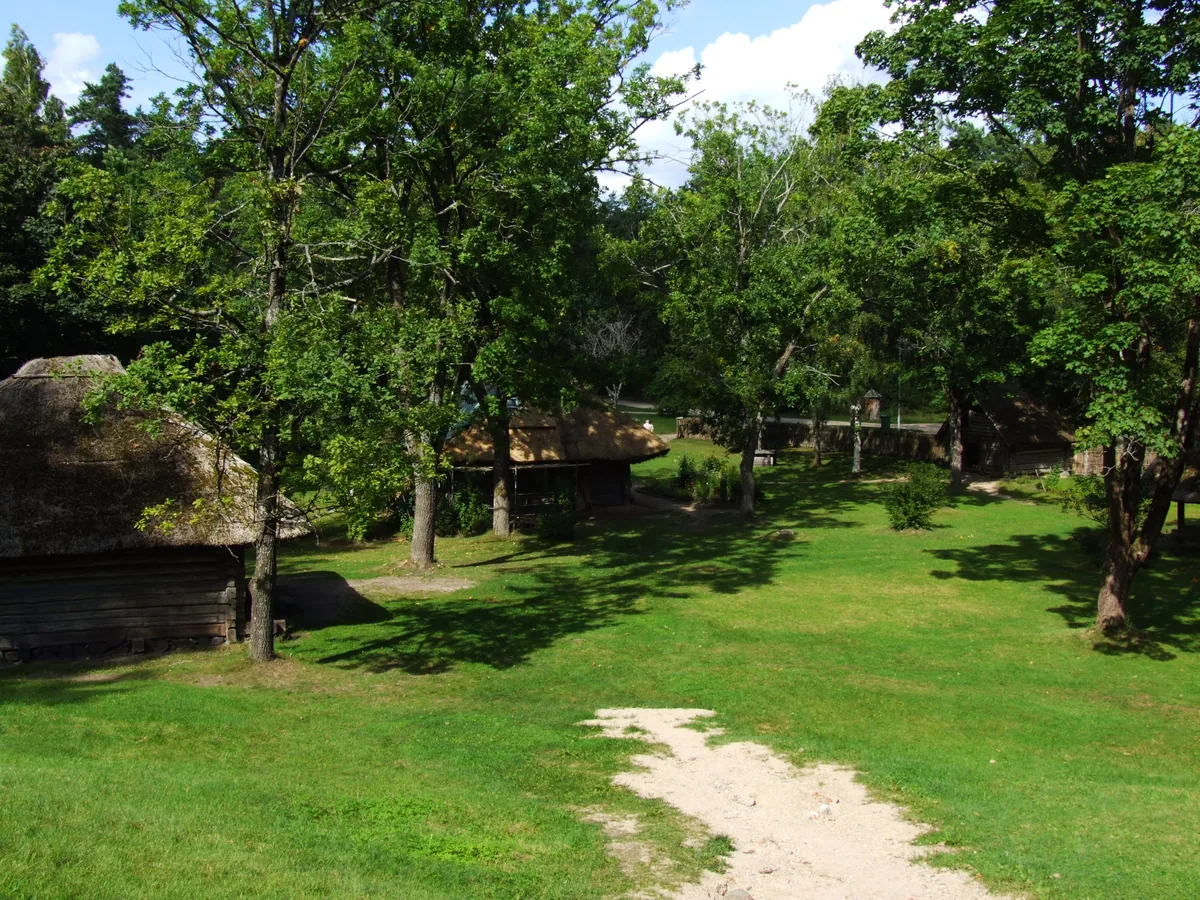
Latvian Ethnographic Open-Air Museum
On the shore of Lake Jugla, this open-air museum brings together historic buildings relocated from across Latvia. Farmsteads, workshops and objects reveal regional approaches to rural work and domestic life, while the museum preserves and interprets their histories.
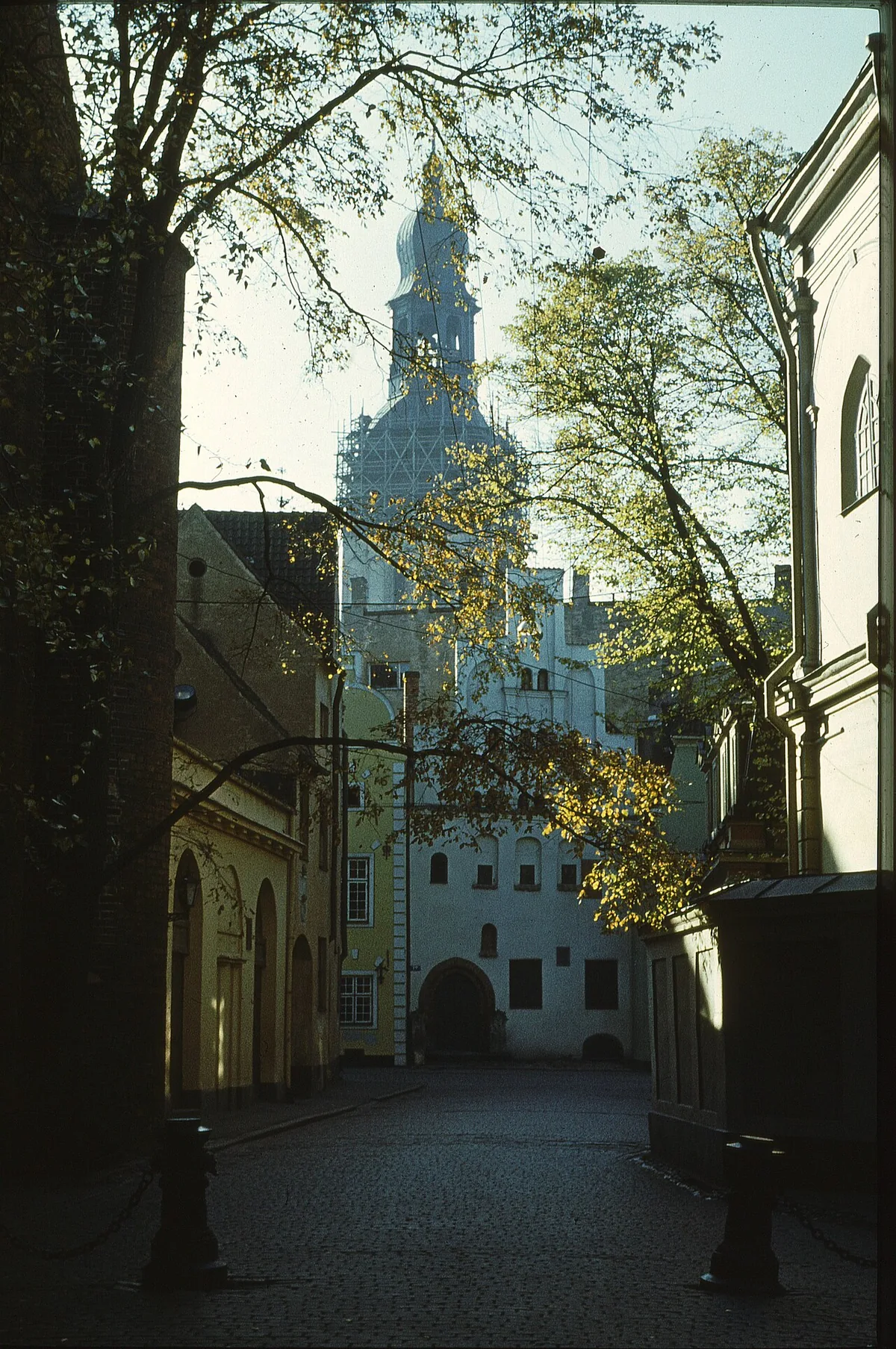
Latvian Museum of Architecture
The Latvian Museum of Architecture presents changing exhibitions and preserves architects’ drawings, models and archives in Riga’s Three Brothers complex. Founded in 1994, it offers a view of architecture as a creative process across Latvia.
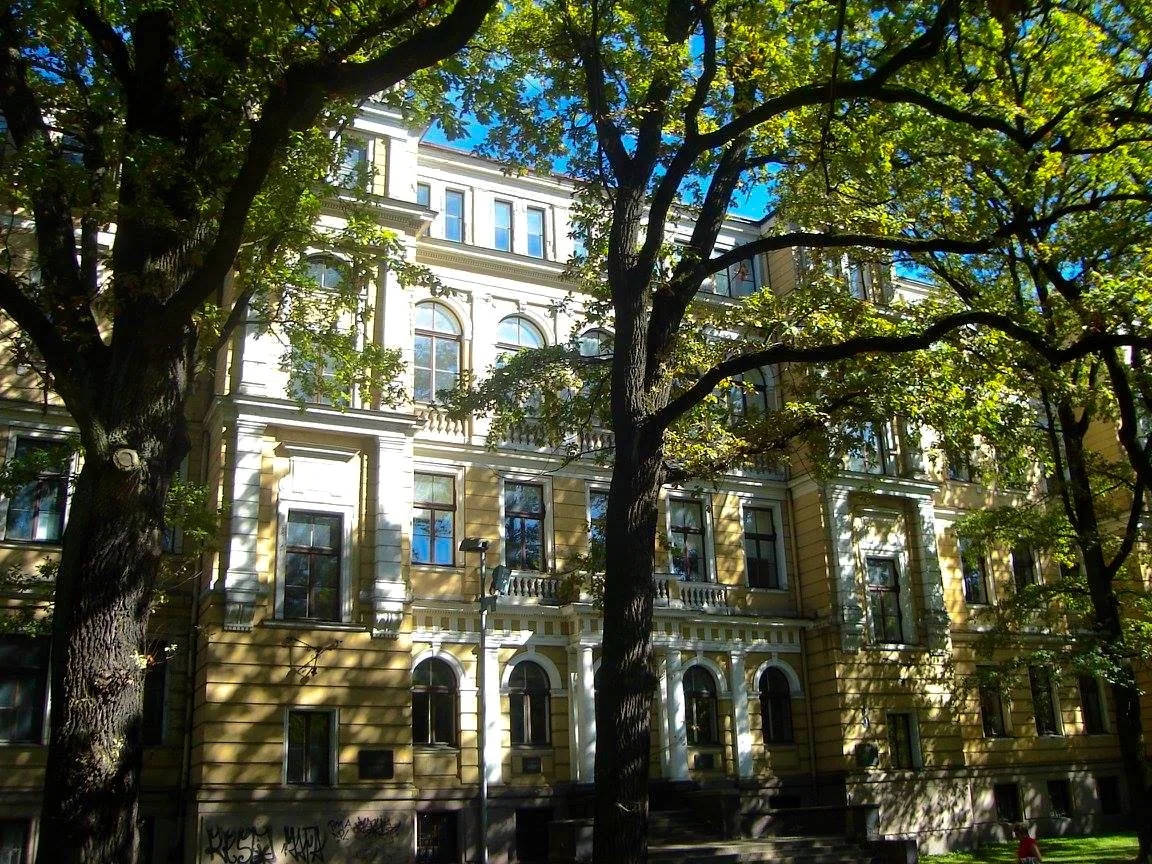
Latvian Museum of Photography
The Latvian Museum of Photography preserves photographs, negatives, cameras and publications documenting the medium in Latvia. Its current public space is in temporary premises at Kronvalda bulvāris 4, following its move from the old town.
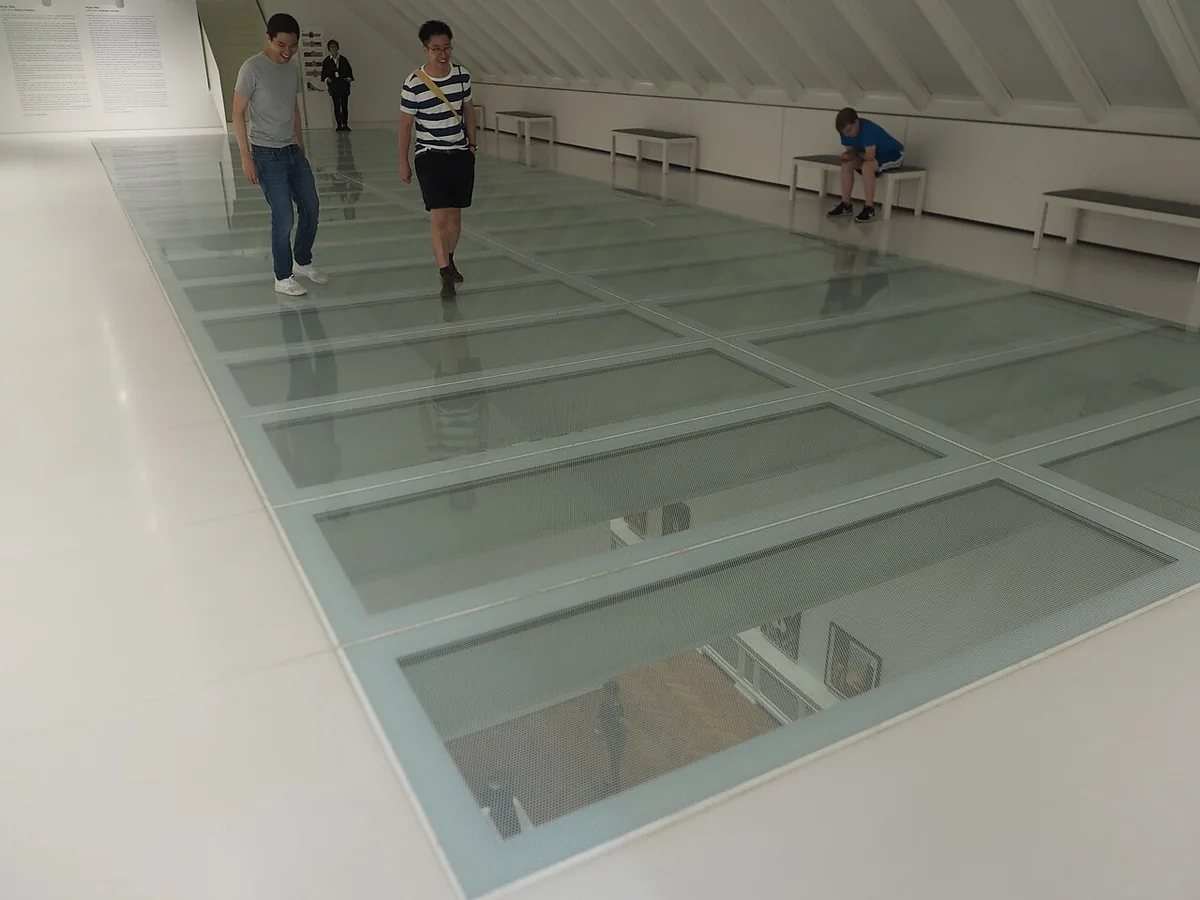
Latvian National Museum of Art
A purpose-built 1905 art museum in Riga, the Latvian National Museum of Art brings together historic galleries, Latvian art and a modern underground extension. Its collection traces changing ideas of art and identity across the region.
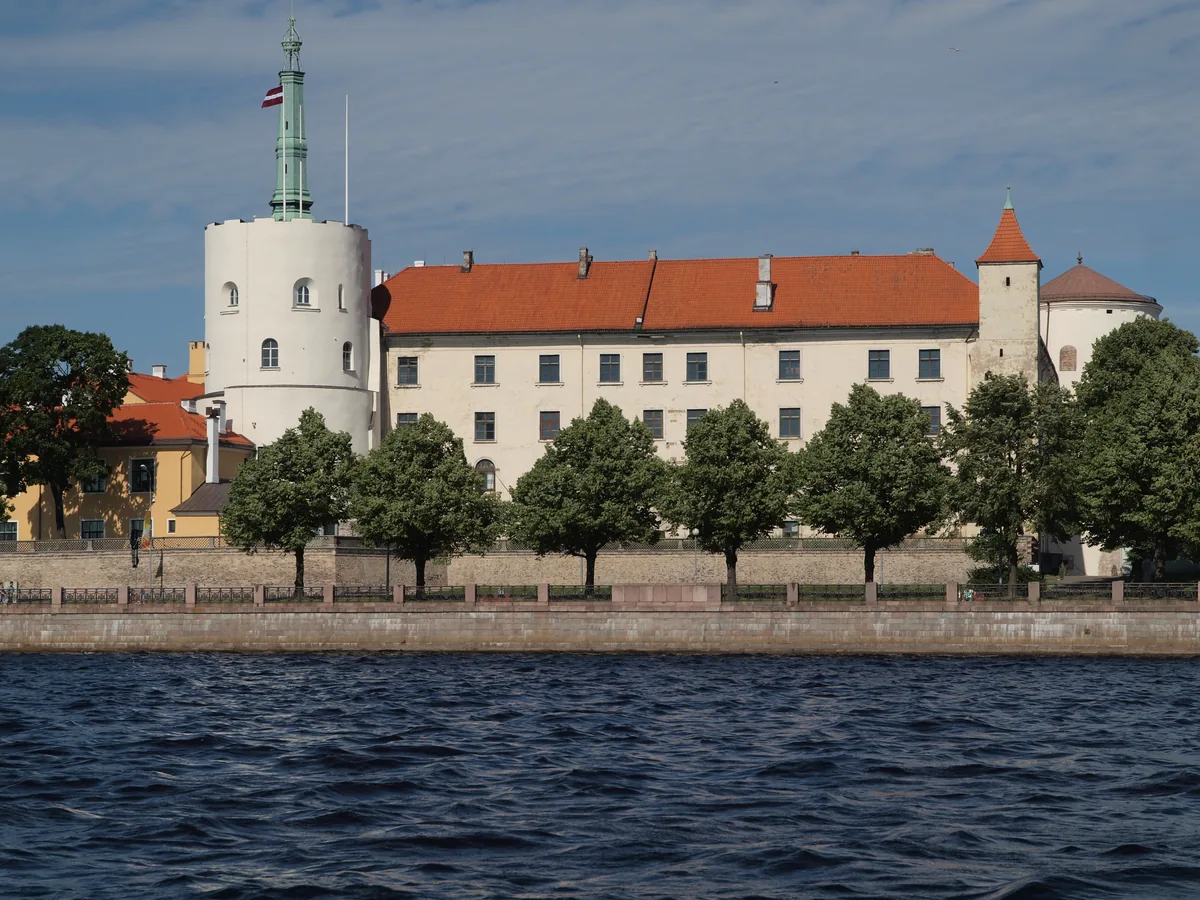
Latvian National Museum of History
The Latvian National Museum of History presents Latvia’s past at Riga Castle, while its collections and research staff are based at a separate repository. Its origins reach back to the Riga Latvian Society’s nineteenth-century collecting work.
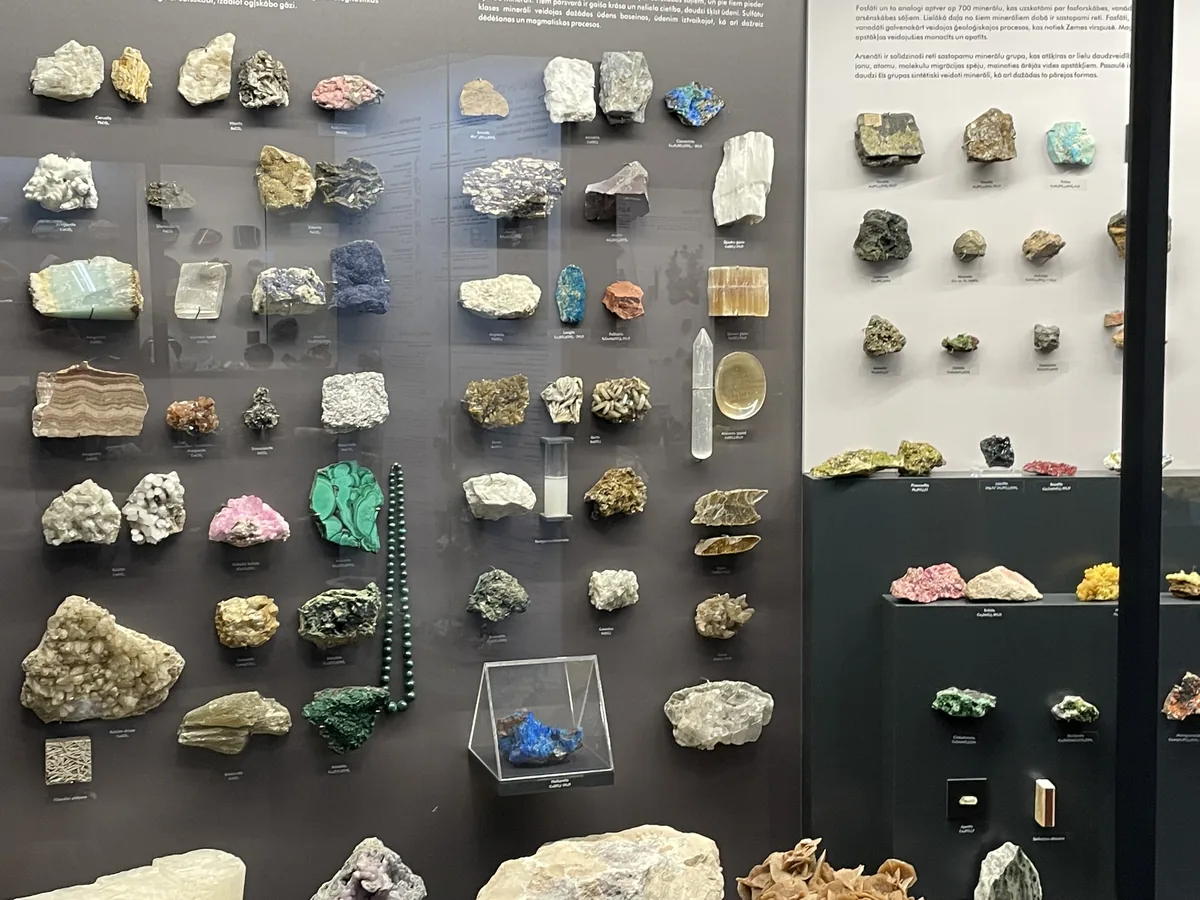
Latvian National Museum of Natural History
The Latvian National Museum of Natural History explores nature through collections of animals, fossils, plants and minerals. Its history reaches back to Riga’s nineteenth-century naturalists, whose specimens now support research, education and conservation.
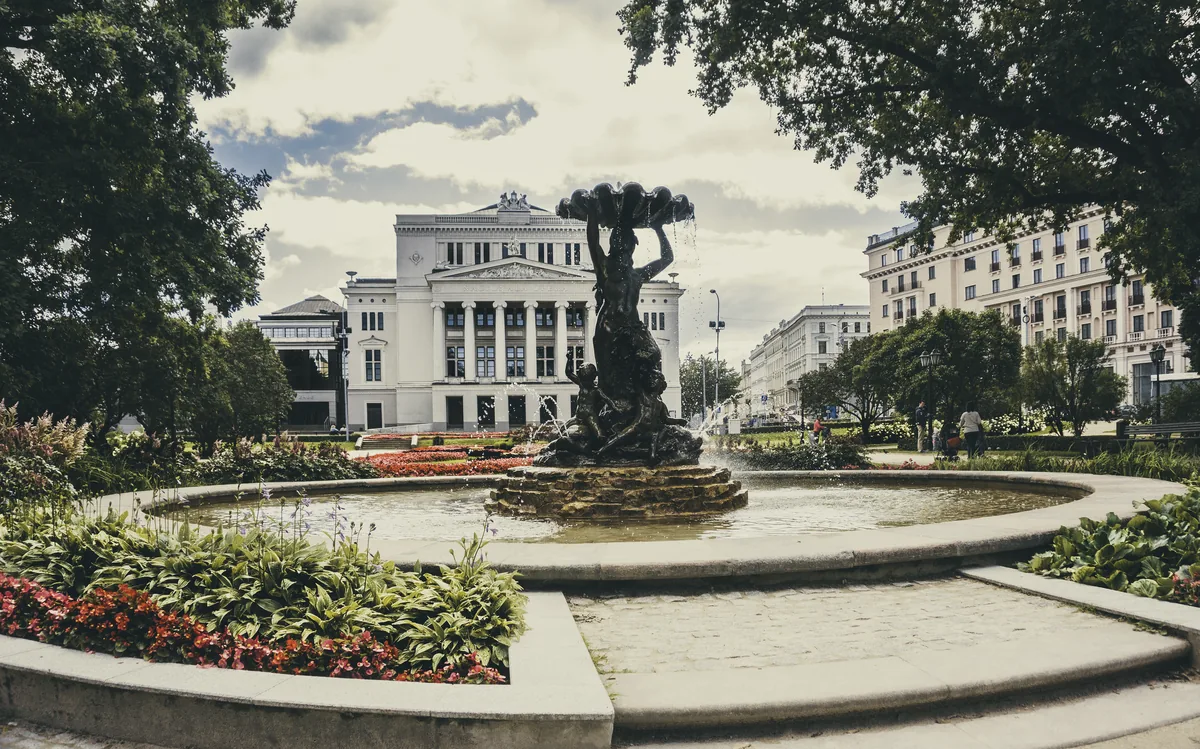
Latvian National Opera and Ballet
Riga’s Latvian National Opera and Ballet occupies a nineteenth-century theatre beside the city canal. Its columned façade, restored auditorium and later additions reflect a history of fire, rebuilding and the development of Latvian opera and ballet.
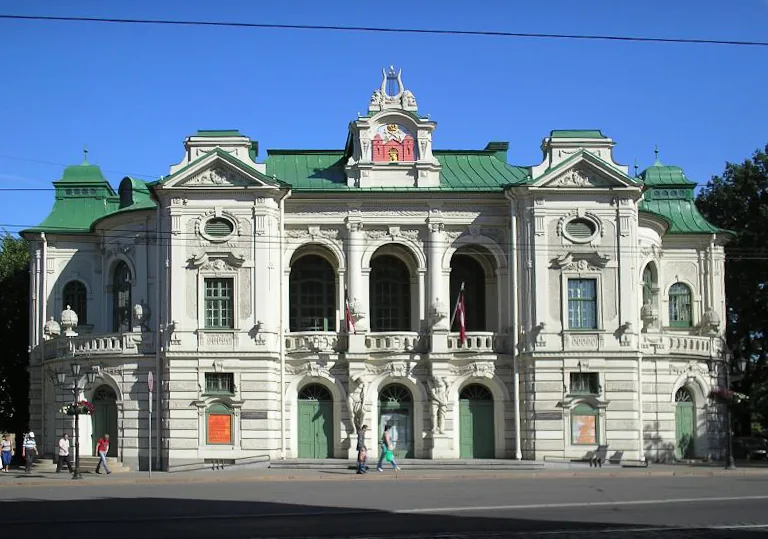
Latvian National Theatre
The Latvian National Theatre stands beside Riga’s canal in a building opened in 1902. Latvia’s independence was proclaimed on its stage in 1918; the building remains home to a national repertory company.