Explore locations
Browse places by name, city, country or category.
All locations
1624 locations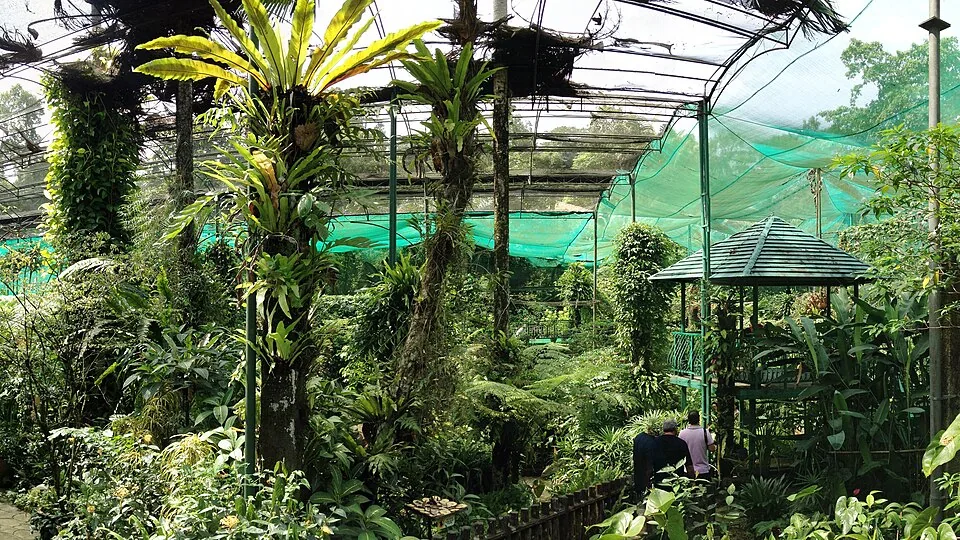
Kuala Lumpur Butterfly Park
Kuala Lumpur Butterfly Park encloses a tropical garden where butterflies move among flowering plants and shaded paths. Its carefully planted environment offers a close view of insect life within the larger green landscape of the Lake Gardens.
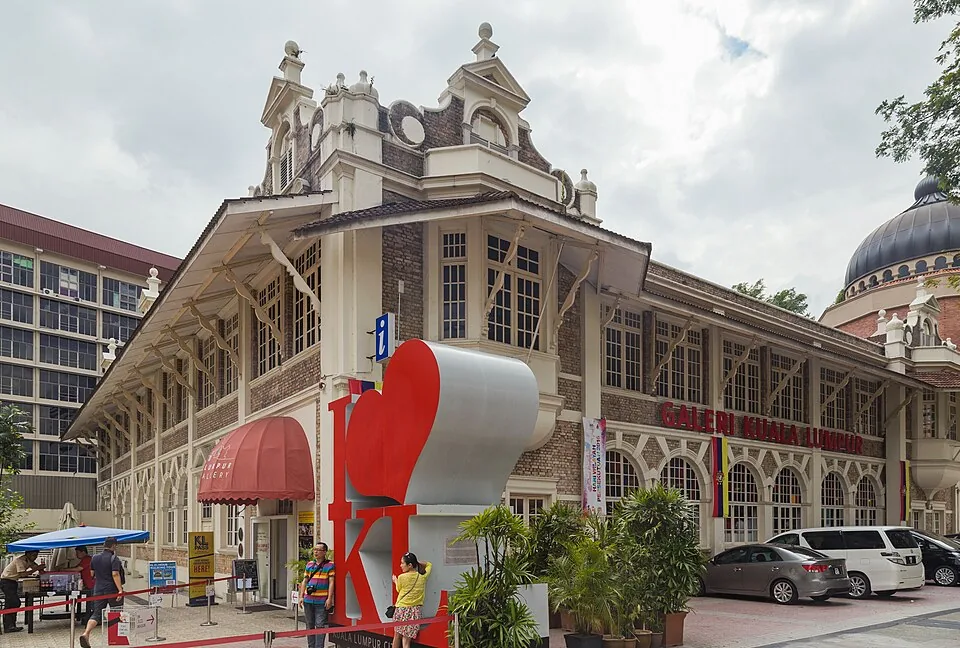
Kuala Lumpur City Gallery
Kuala Lumpur City Gallery interprets the city’s past and future from within Bangunan Sultan Abdul Samad. Models, photographs and immersive displays connect the capital’s early settlement, colonial civic center and modern urban growth.
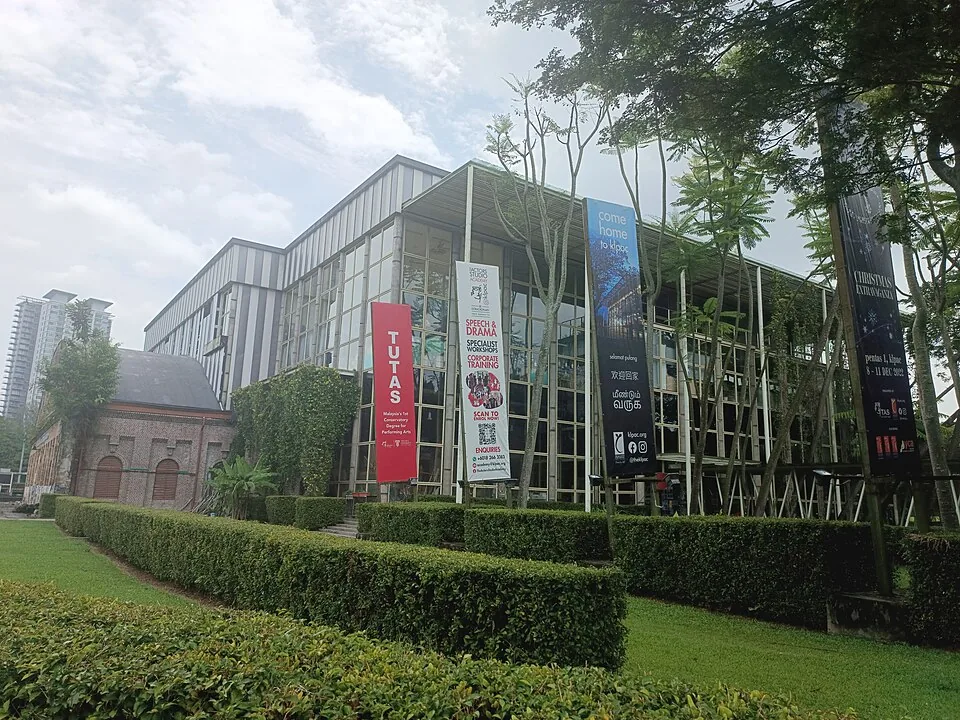
Kuala Lumpur Performing Arts Centre
KLPAC gives new life to a former KTM railway warehouse in Sentul West. The conversion links industrial infrastructure to contemporary performance, while the centre’s founding story begins with the destruction of an earlier theatre by Kuala Lumpur’s 2003 floods.
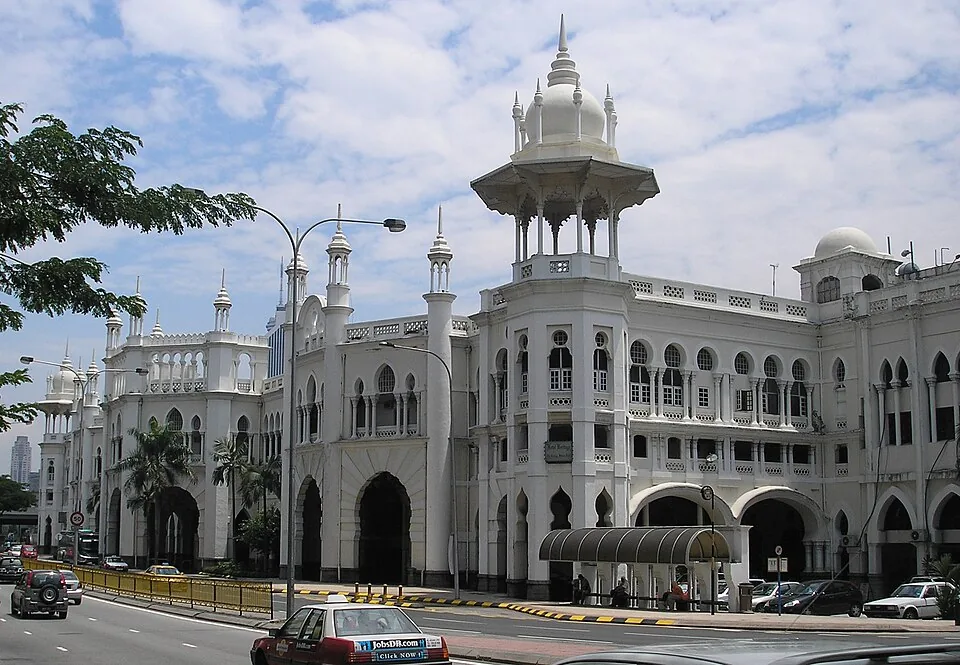
Kuala Lumpur Railway Station
Minarets and horseshoe arches give Kuala Lumpur’s old railway station a distinctive silhouette. Designed for an expanding rail network, the station blends architectural references with a practical civic role as a once-central gateway to the peninsula.
Kudi Chin
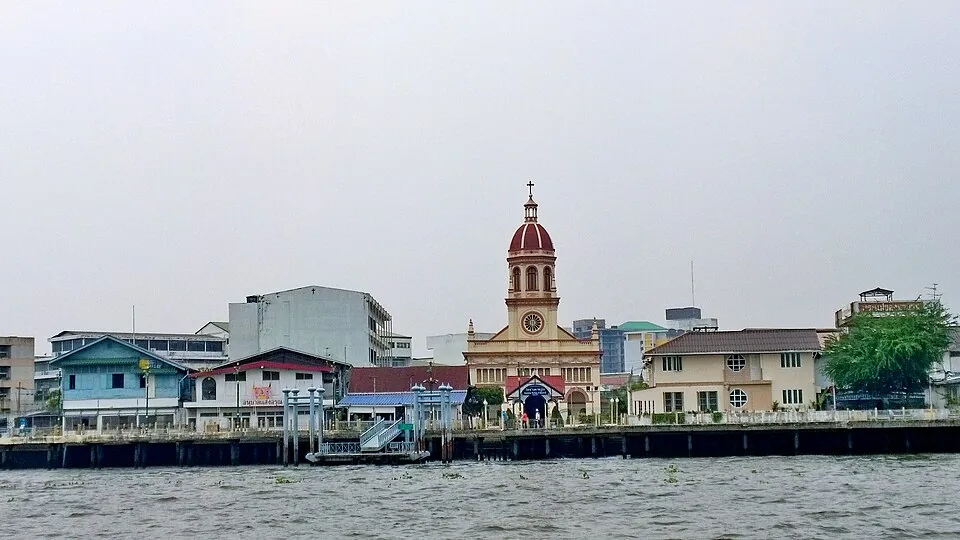
Kudi Chin is a riverside neighborhood where Buddhist temples, a Chinese shrine, a Catholic church, and a mosque stand within a walkable area. Its identity is made through everyday coexistence across faiths and communities, visible in the close relationship between its sacred landmarks and homes.
Kulturforum
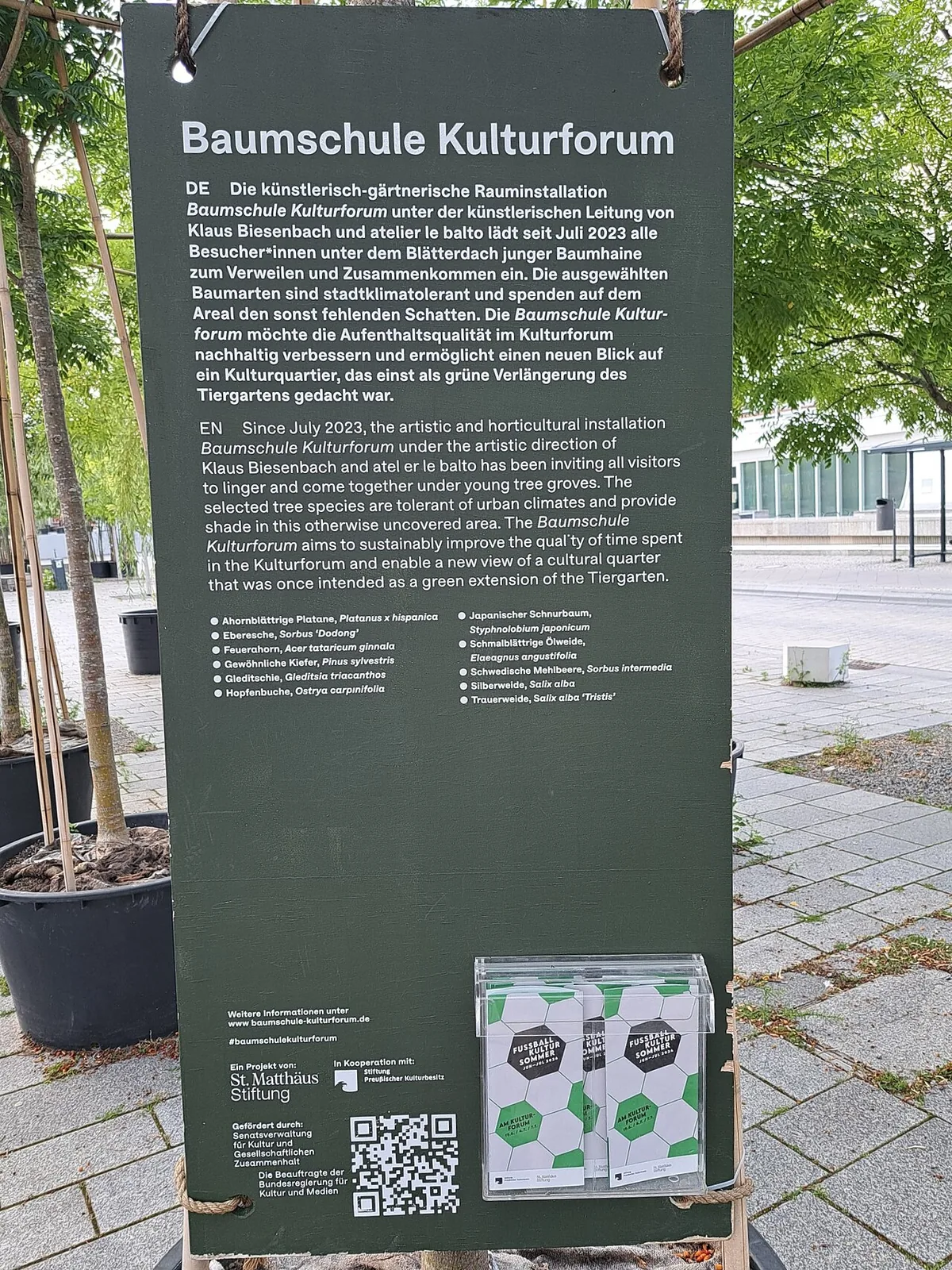
Berlin’s Kulturforum is a postwar cultural center shaped by the city’s division. Developed for West Berlin after many museum collections remained in the Soviet sector, its museums, library, and Philharmonic form a deliberate new center near Potsdamer Platz.
Kun Iam Statue
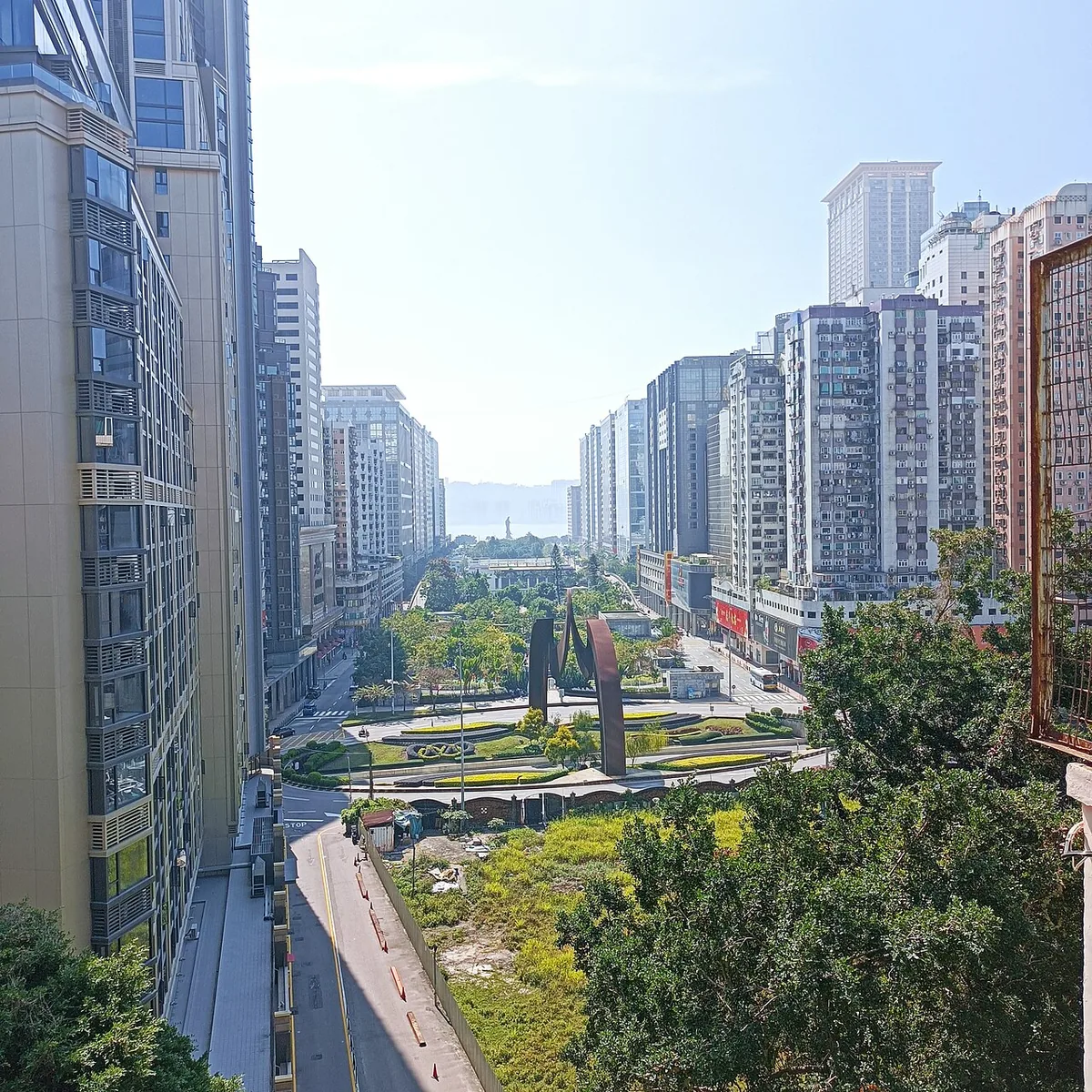
The Kun Iam statue stands on an artificial island connected to the NAPE waterfront by a short causeway. Its bronze surface and lotus-shaped base frame a message of compassion and interfaith respect at the edge of the harbor.
Kun Iam Temple
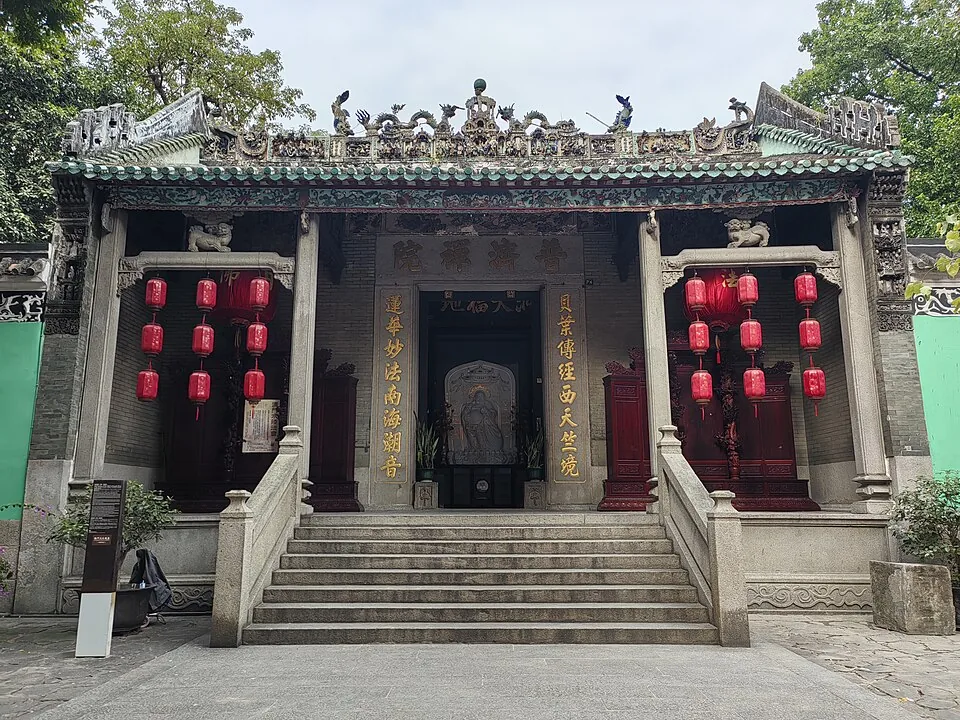
Kun Iam Tchai is the smaller of two neighboring Kun Iam temples along Avenida do Coronel Mesquita. Its modest compound and paired banyan trees distinguish it from the larger Pou Chai temple nearby.
Kurama-dera
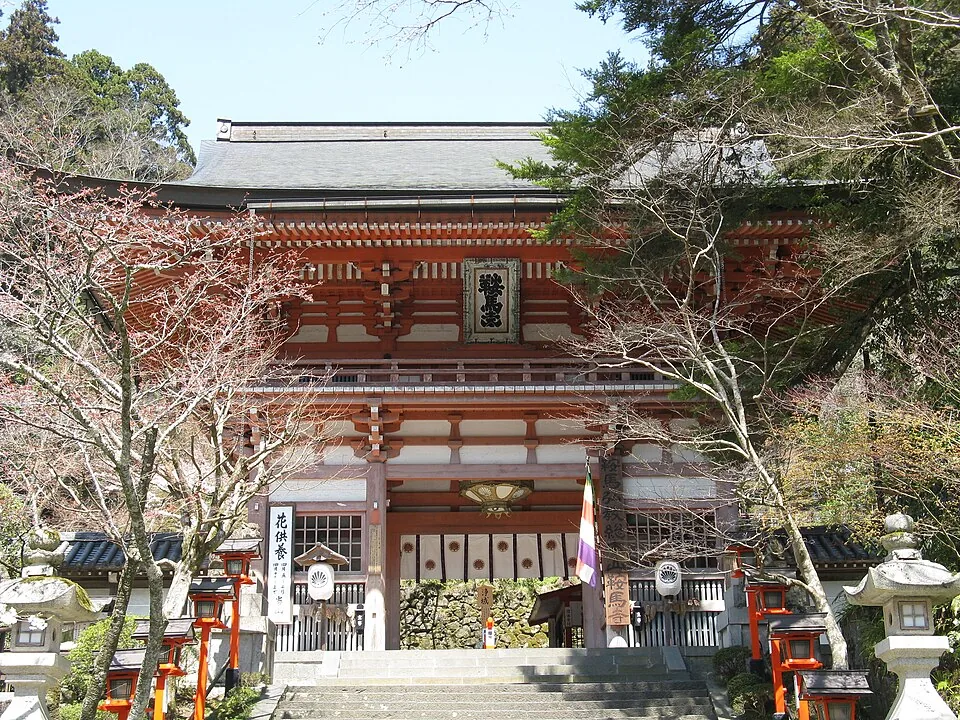
Kurama-dera occupies a mountainside north of Kyoto, where temple halls and forest paths form one continuous setting. The mountain’s cedar groves and changing elevation make the walk itself part of the visit.
Kurfürstendamm
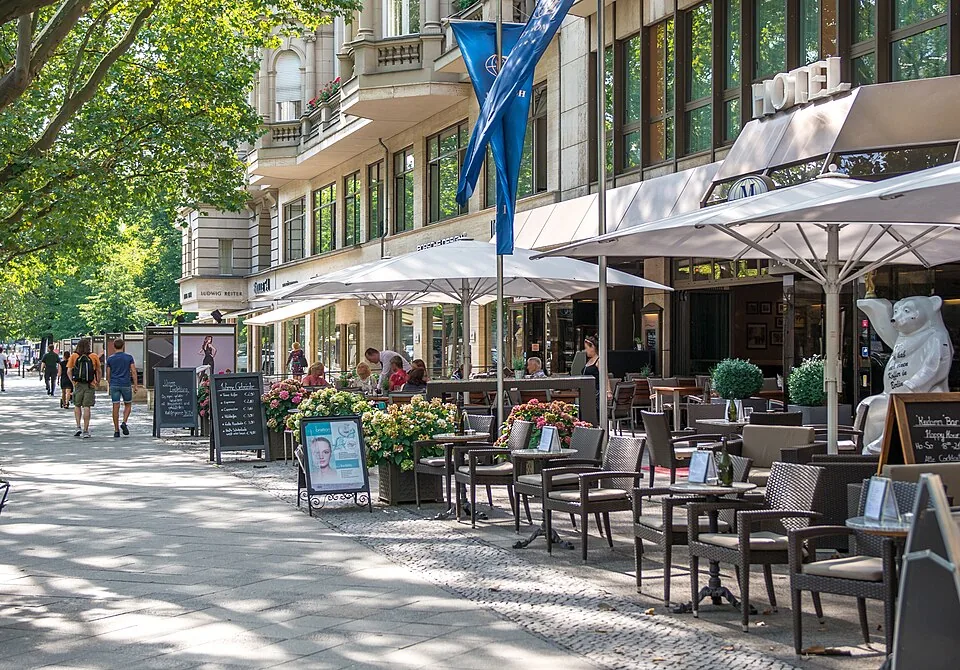
Kurfürstendamm began as a route for electoral riders between Berlin’s palace and a hunting lodge in the Grunewald. Its conversion into a broad boulevard in the nineteenth century created a new western center, and the old travel corridor still shapes the avenue’s length and direction.
Kuromon Ichiba Market
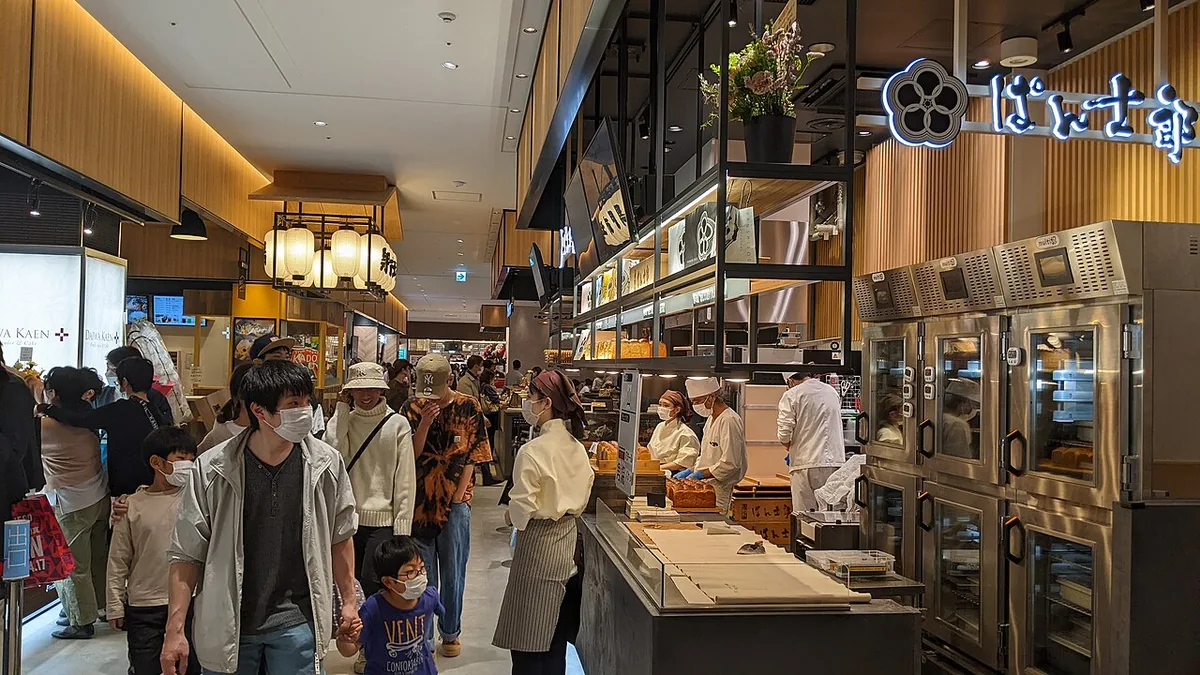
Kuromon Ichiba’s covered market is a narrow corridor of seafood, produce, and everyday food commerce. Its reputation as a source for Osaka’s kitchens grew from a much older fish-trading area near a temple gate, whose name survives in the market’s identity.
Kurşunlu Waterfall
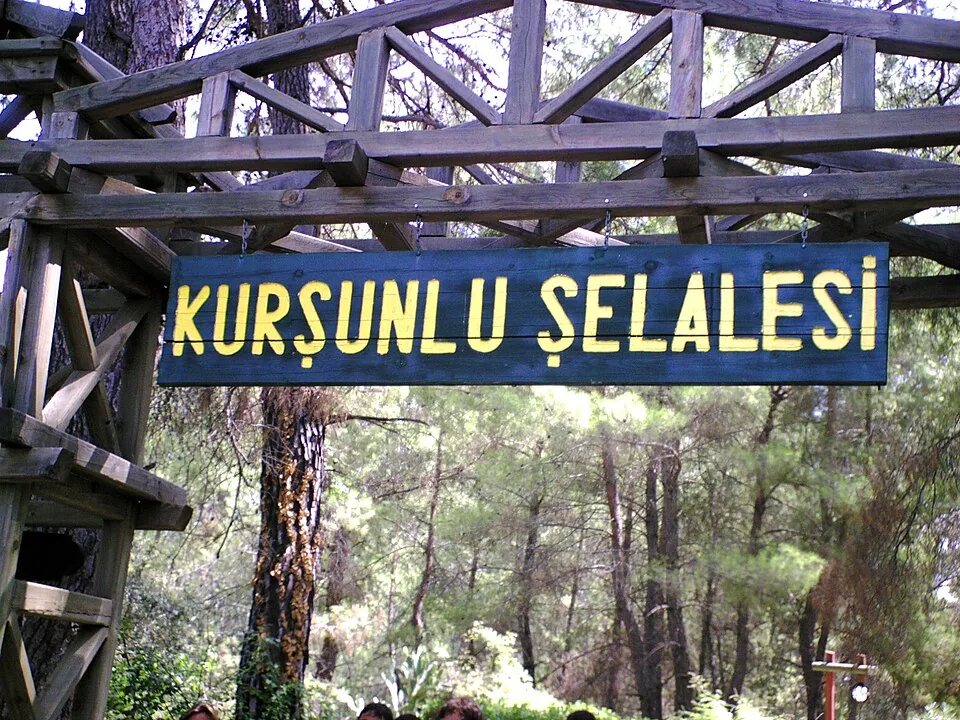
Kurşunlu Waterfall is part of a wooded canyon where the main drop feeds a chain of smaller cascades and pools. The protected landscape is shaped by water as well as forest: damp banks support plant and animal habitats distinct from Antalya’s nearby urban coast.
Kwai Chai Hong
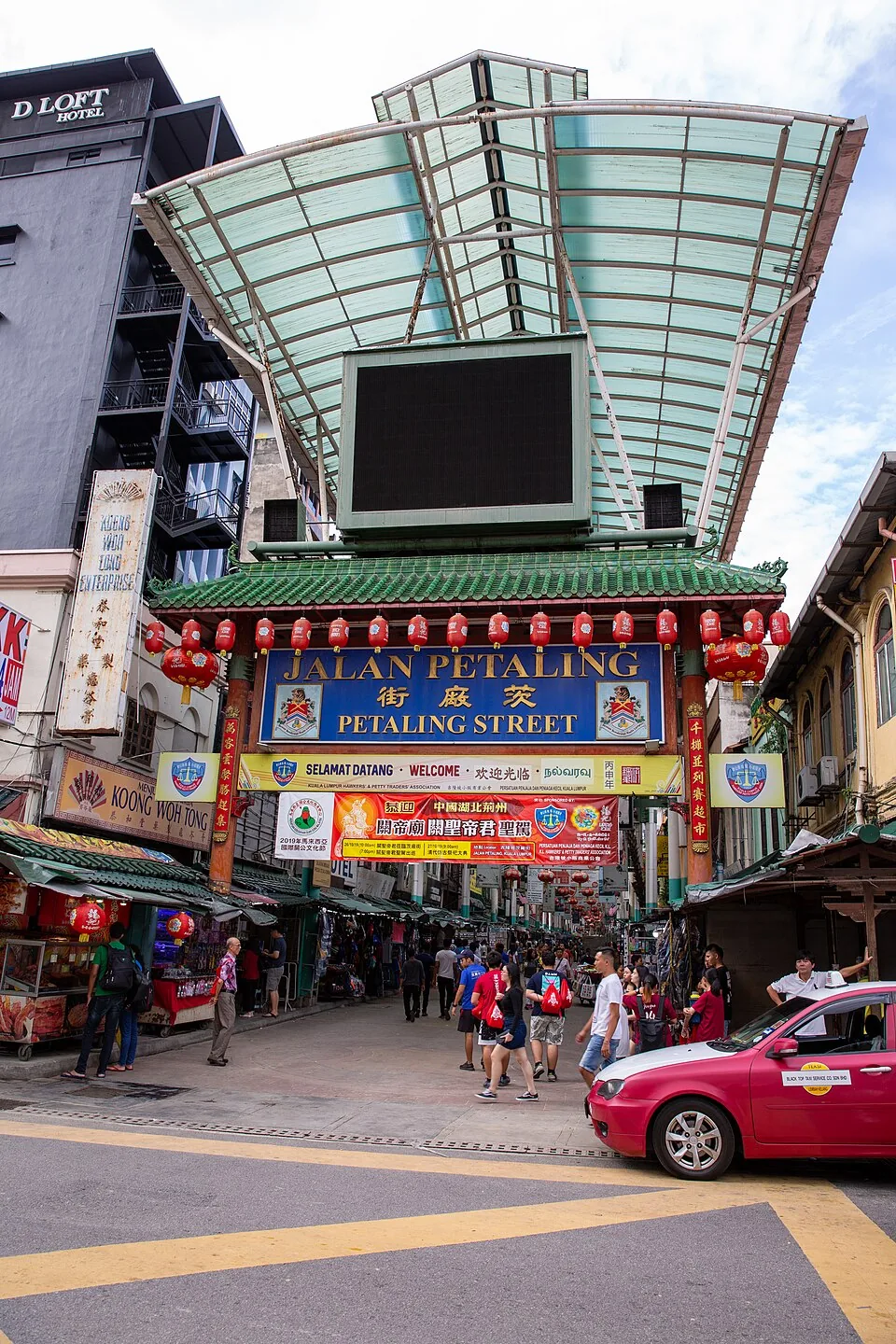
Kwai Chai Hong is a restored Chinatown lane whose murals and reused shophouse details evoke everyday life in an earlier Kuala Lumpur. The project turns a narrow service passage into a shared heritage space without pretending it is an untouched historic scene.
Kyoto Botanical Gardens
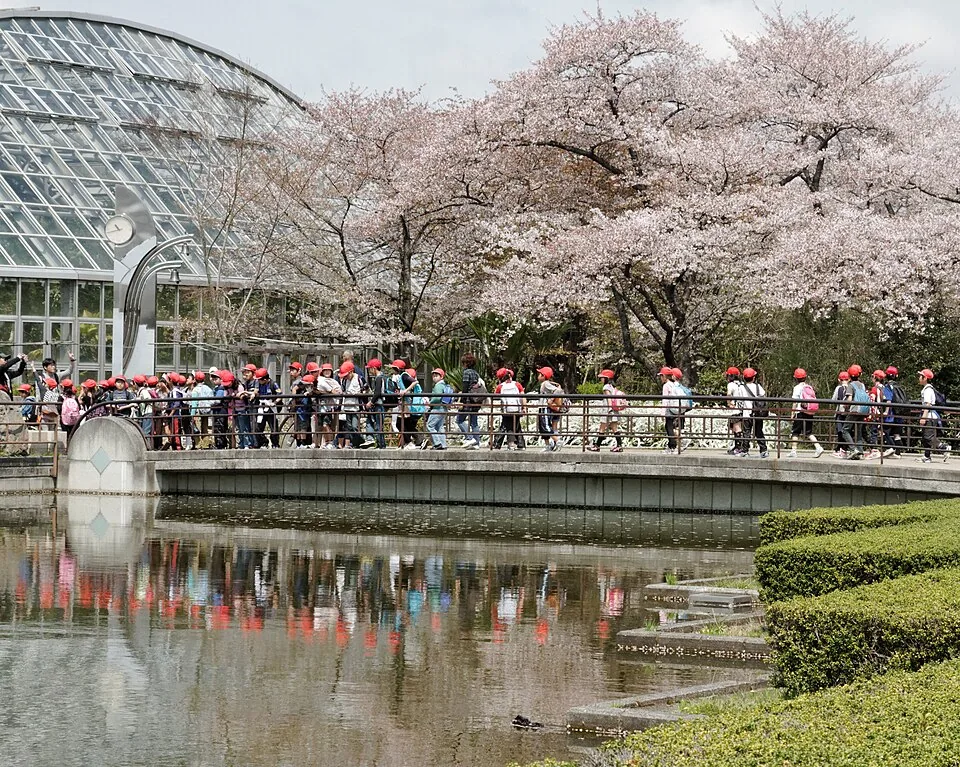
Kyoto Botanical Gardens offer a broad living collection arranged for observation, education, and seasonal change. Established as a public garden in 1924, its greenhouses and outdoor beds place global plant diversity within a carefully designed urban landscape.
Kyoto City KYOCERA Museum of Art
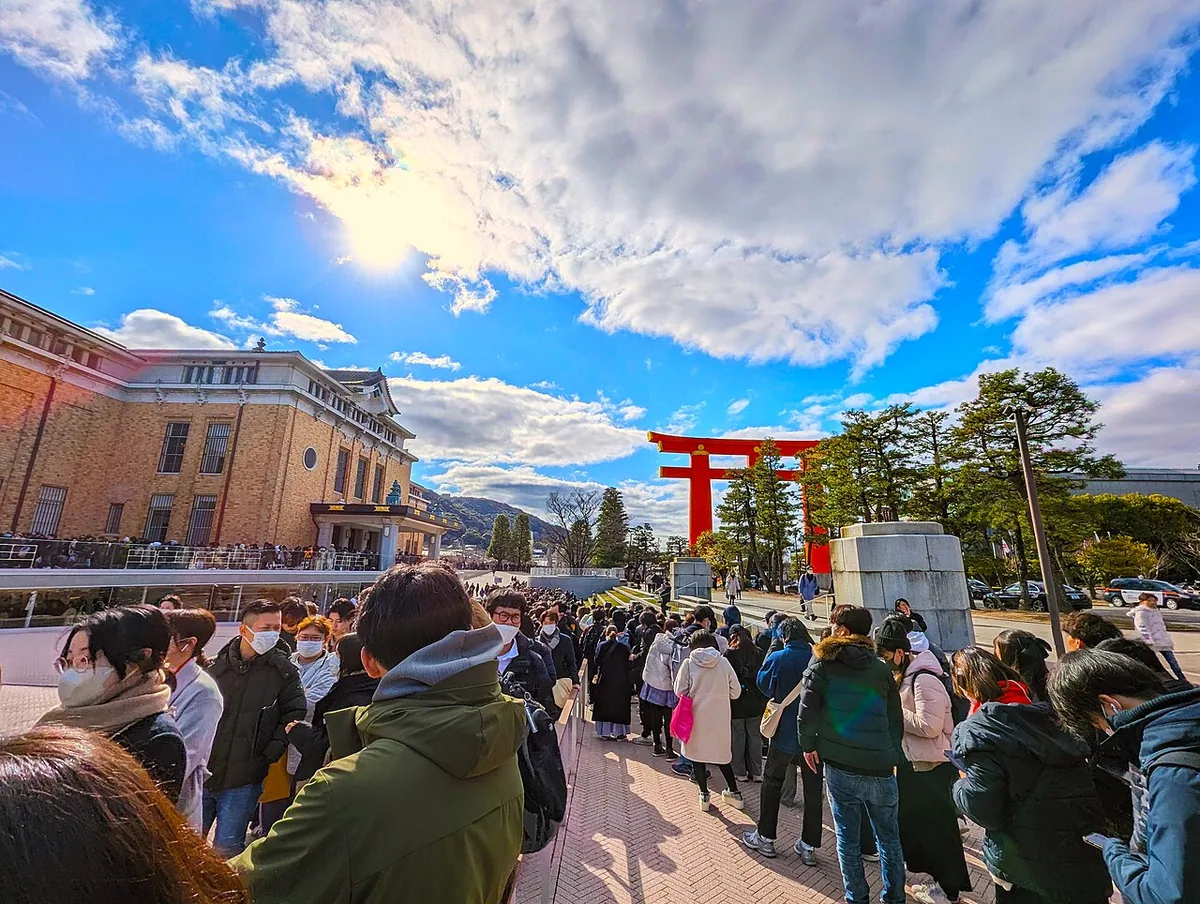
Kyoto City KYOCERA Museum of Art pairs a 1933 Imperial Crown Style building with contemporary additions and renewed public spaces. The museum’s architecture makes its own history visible, setting preservation alongside changing ideas about art and museums.
Kyoto Imperial Palace
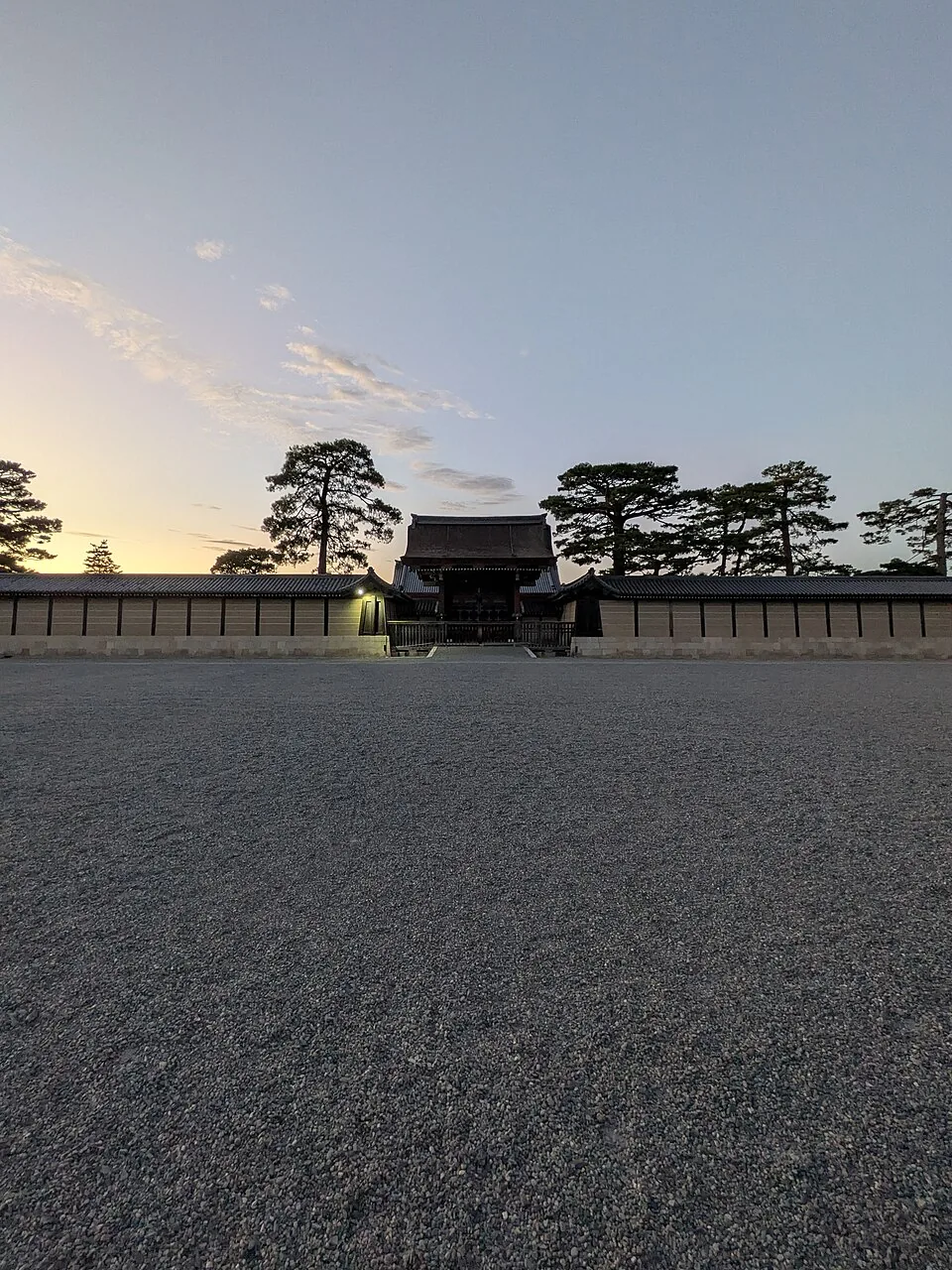
Kyoto Imperial Palace preserves the ceremonial architecture of Japan’s former imperial capital. Rebuilt in 1855, its halls and gardens reflect several eras of court culture, with the Shishinden serving as the most prestigious ceremonial building.
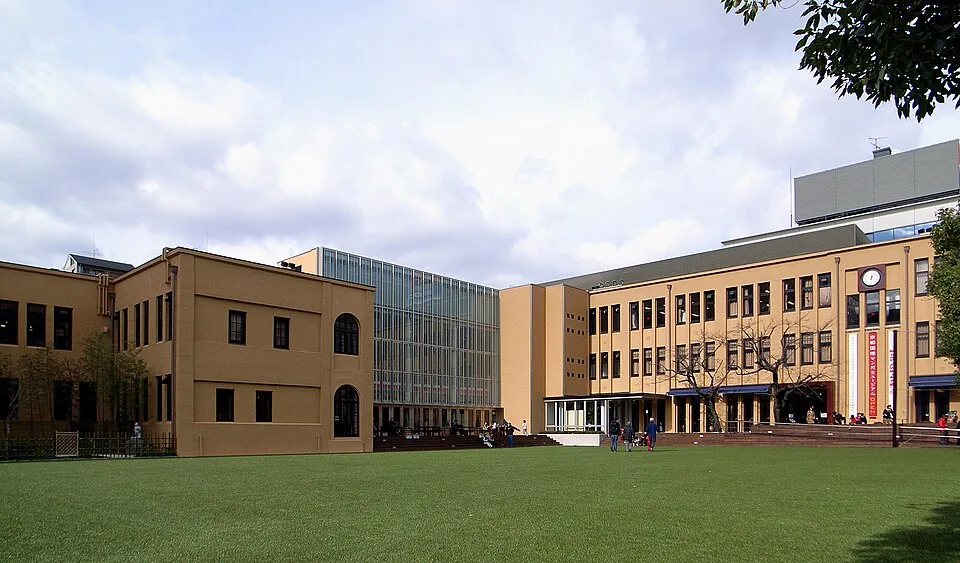
Kyoto International Manga Museum
Kyoto International Manga Museum reuses the former Tatsuike Primary School, preserving school corridors while making room for manga collections and research. The building links a popular art form to the neighborhood’s long investment in public education.
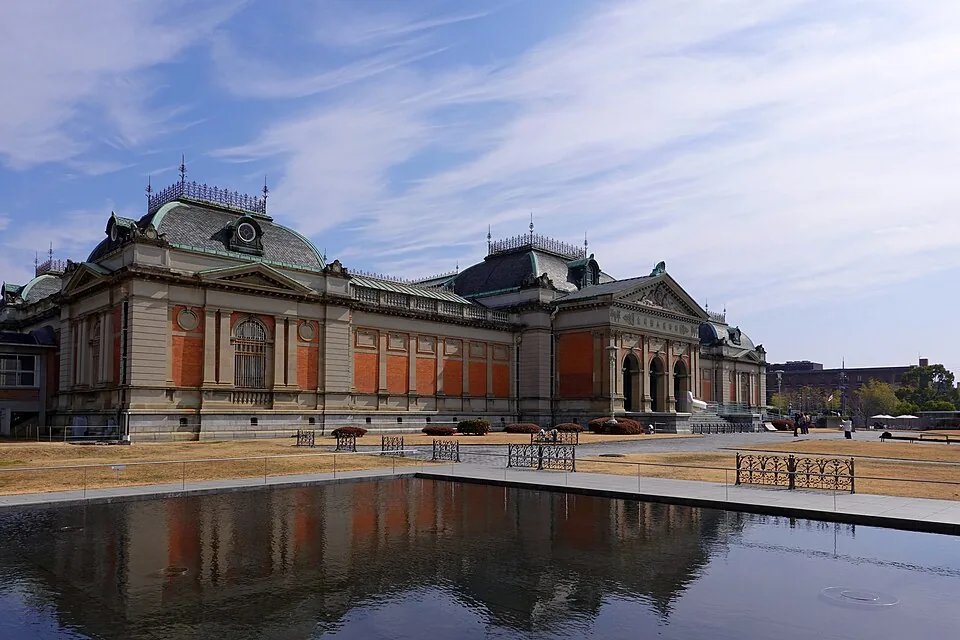
Kyoto National Museum
Kyoto National Museum was founded to collect, preserve, and exhibit Japan’s tangible cultural properties. Its historic Meiji-era main hall and newer galleries make the museum itself a record of changing approaches to heritage and public access.
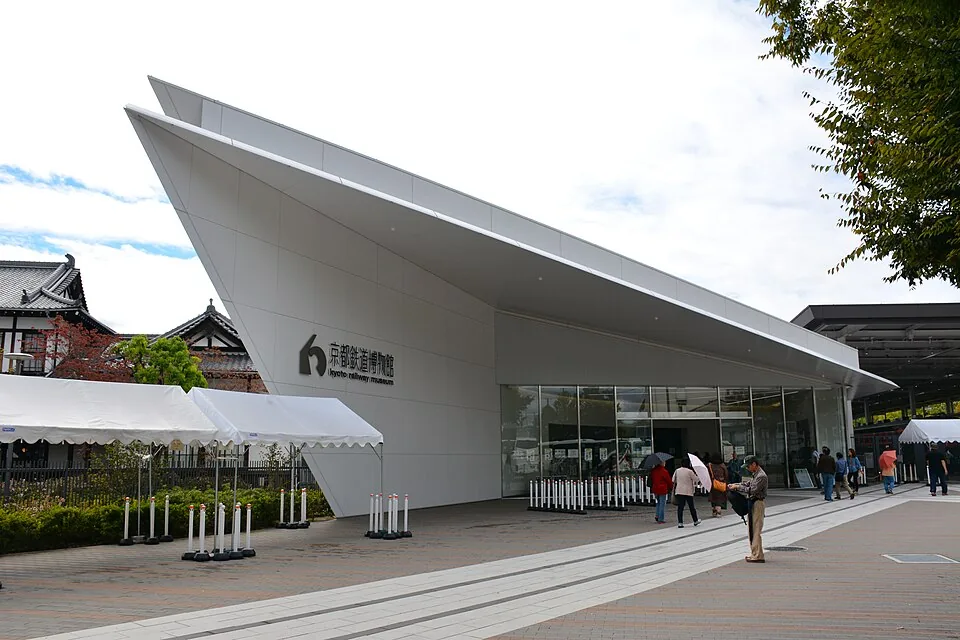
Kyoto Railway Museum
The roundhouse at Kyoto Railway Museum lets visitors see railway history in three dimensions: locomotives sit beneath a broad roof around a central turntable. The collection connects engineering, travel, and the changing shape of Japanese transportation.
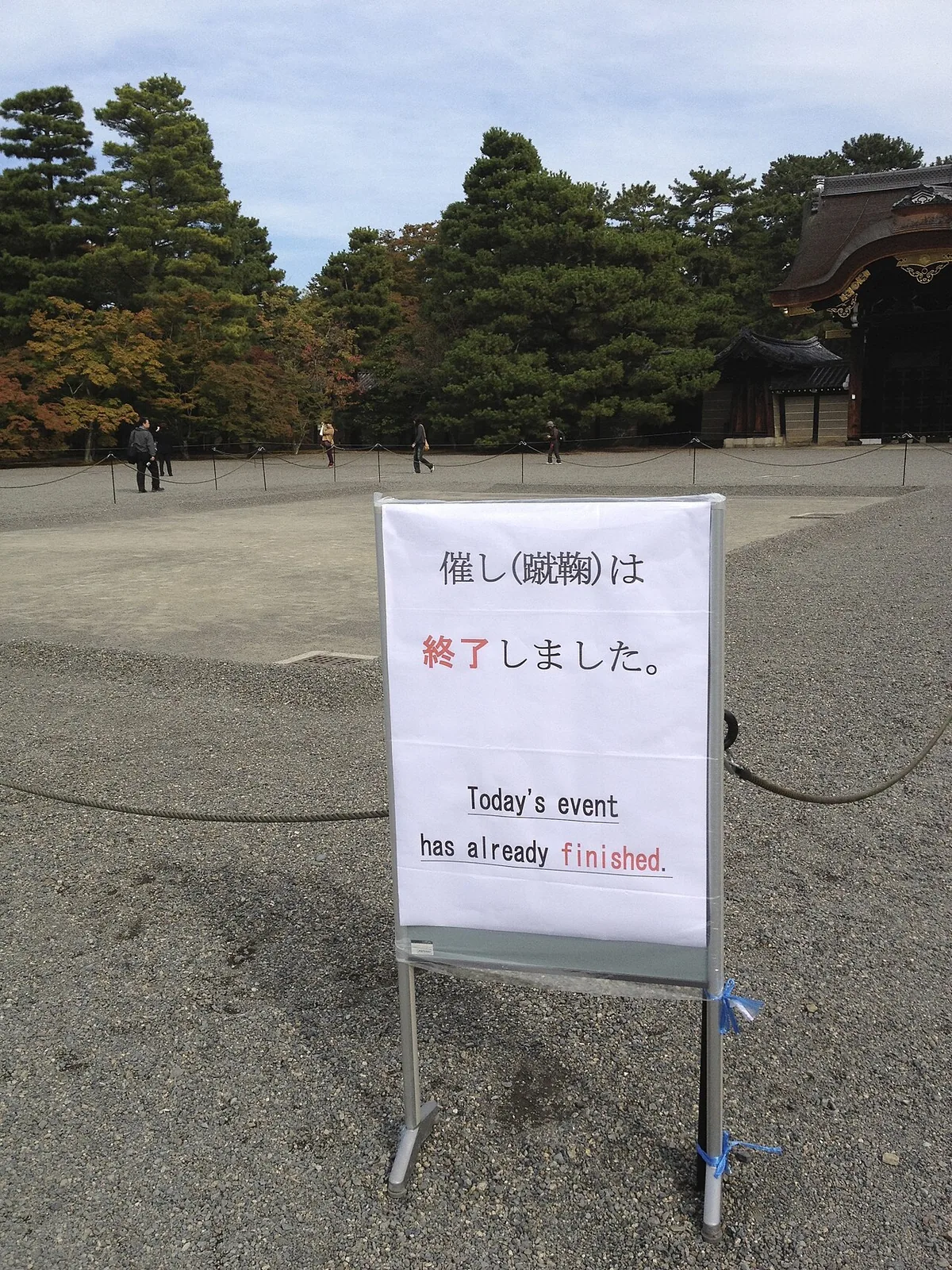
Kyoto Sento Imperial Palace
Kyoto Sento Imperial Palace is now primarily a strolling garden, with ponds, bridges, and tea houses preserving the memory of a residence for retired emperors. The surviving landscape has outlasted most of the palace buildings.
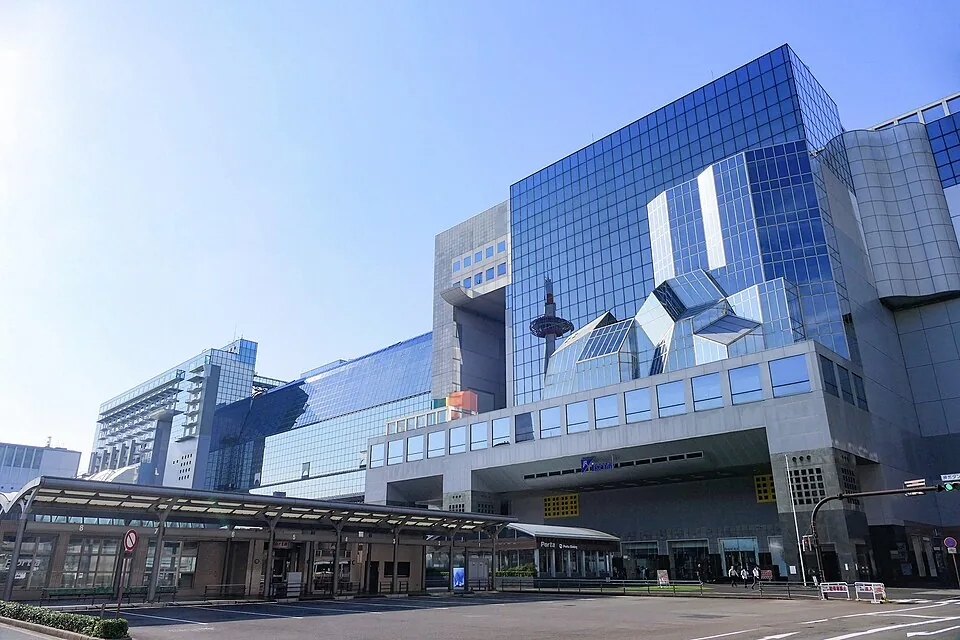
Kyoto Station
Kyoto Station’s vast glass-and-steel atrium places a contemporary public interior at the threshold of an ancient capital. Opened in 1997, the station building draws on Kyoto’s historic grid while embracing a large, modern civic scale.
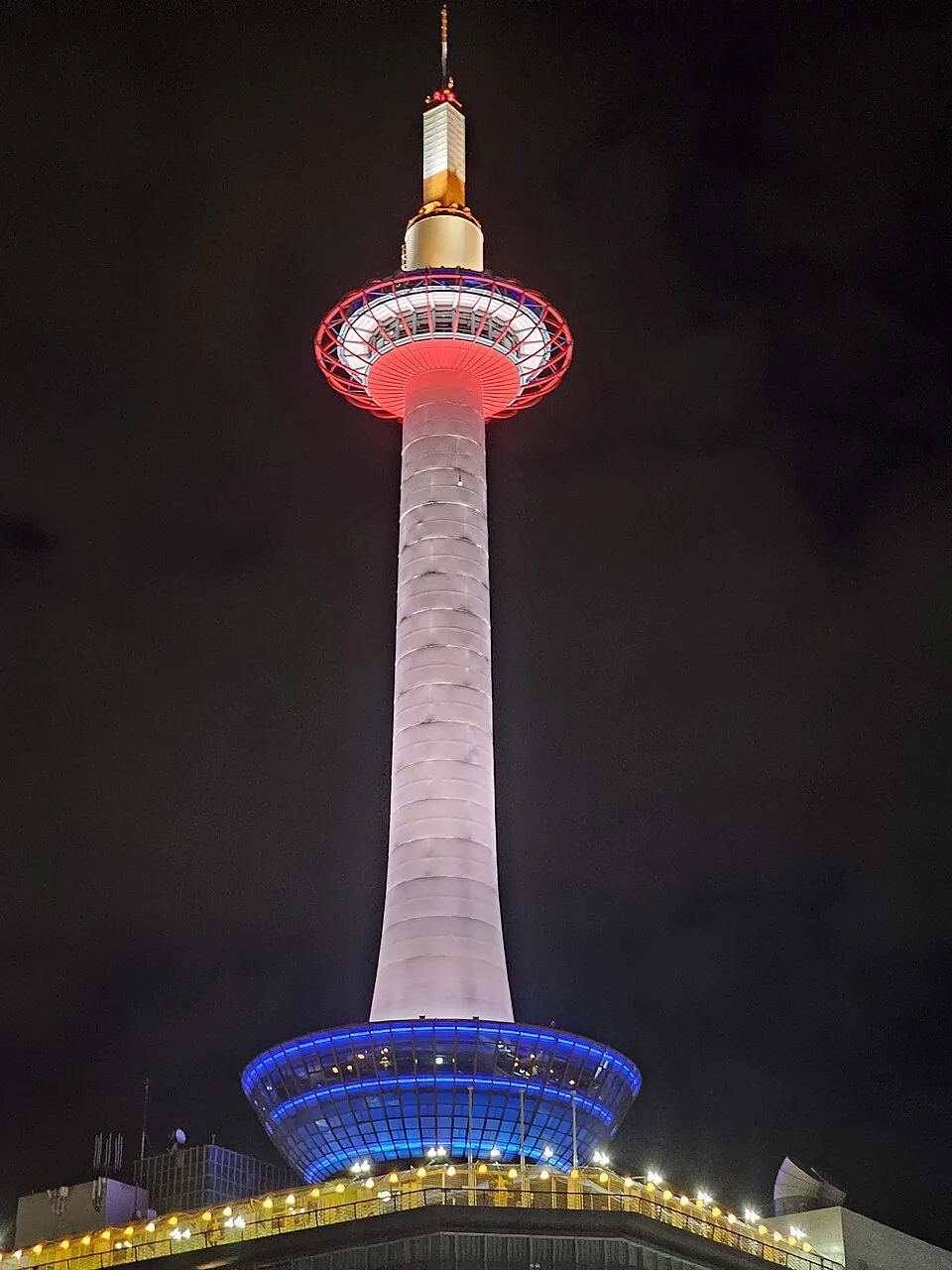
Kyoto Tower
Kyoto Tower rises above the station district as a modern landmark conceived like a lighthouse for a city without a sea. Completed in 1964, its slender form sits atop a low-rise commercial building at the city’s gateway.
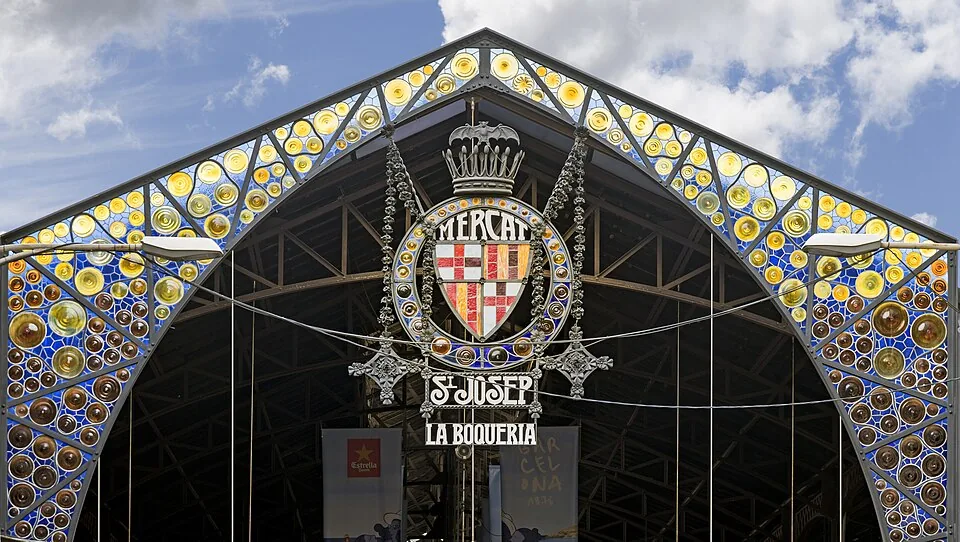
La Boqueria
La Boqueria’s colorful stalls occupy a site where market trading has adapted for centuries. What began as open-air sales beyond Barcelona’s medieval wall developed into a covered municipal market, but its everyday purpose remains the exchange of food and conversation.

La Brea Tar Pits
La Brea Tar Pits preserve Ice Age fossils in the middle of Los Angeles, where natural asphalt seeps trapped plants and animals over thousands of years. Active excavations and bubbling pools make the site’s geology visible within an urban park.