Explore locations
Browse places by name, city, country or category.
All locations
1624 locations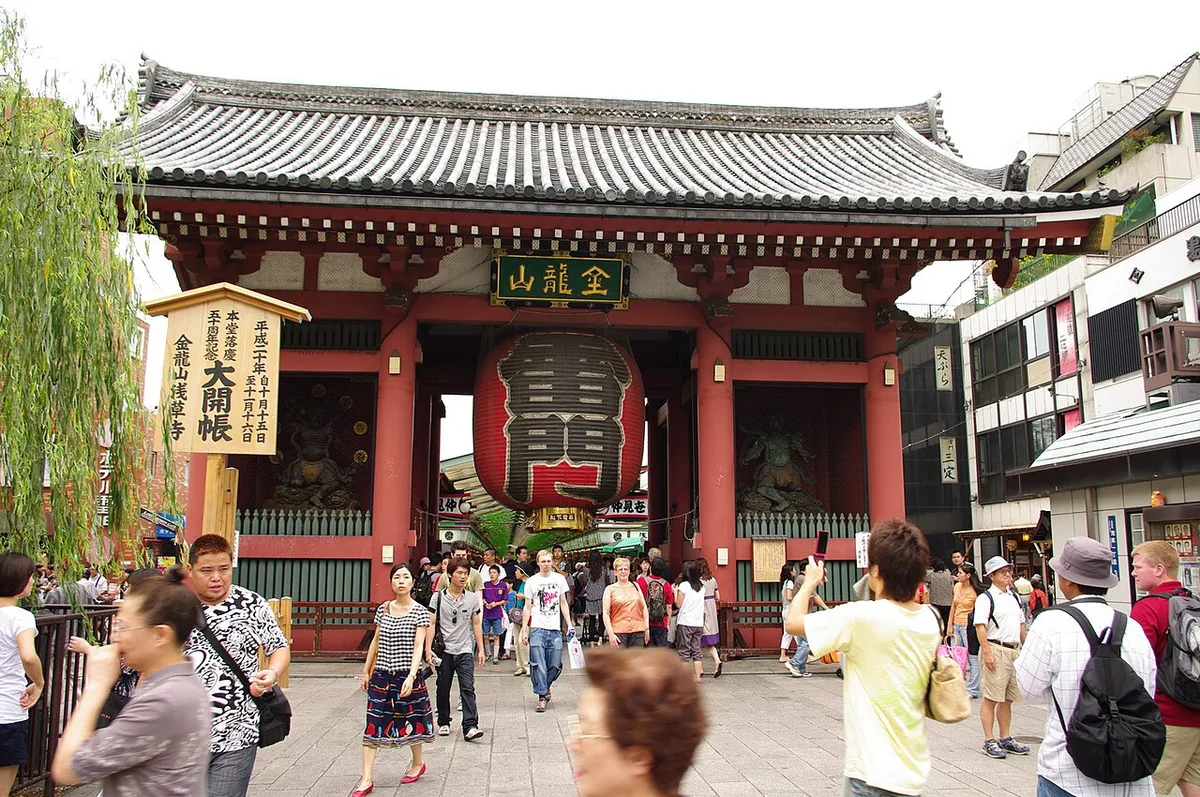
Kaminarimon Gate
The vermilion gate and its enormous lantern mark the ceremonial entrance to Sensō-ji, but the details repay a slower look. Wind and thunder deities flank the passage, while the lantern base carries a carved dragon. The current structure dates to 1960, part of a long cycle of rebuilding after fires.
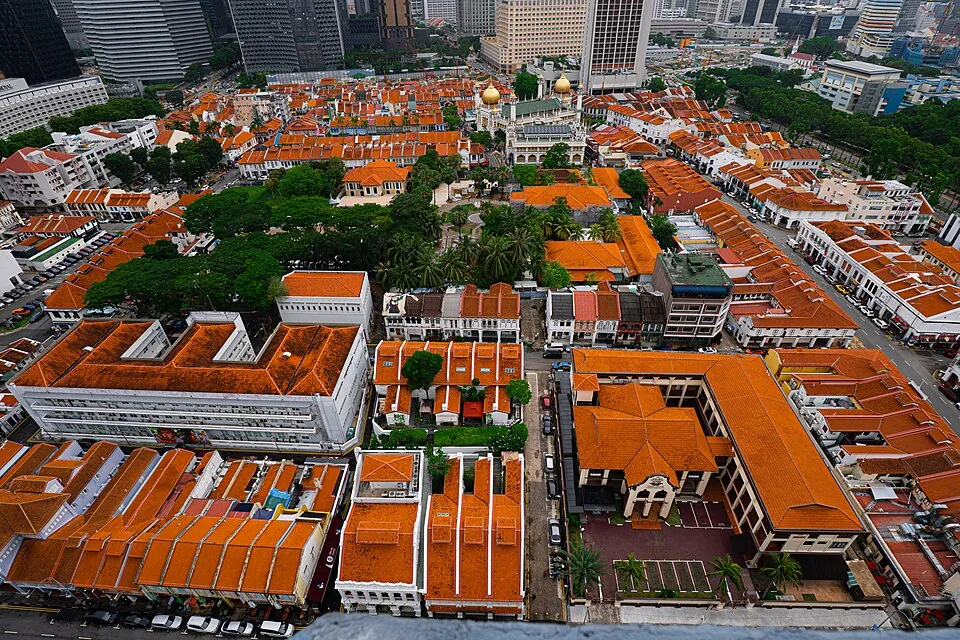
Kampong Glam
Kampong Glam’s low-rise shophouses sit beside the Sultan Mosque and former royal palace grounds, creating a distinctive contrast of street scale and open space. The district’s history includes Malay royalty, Muslim trade networks, and diverse communities who lived and worked here.
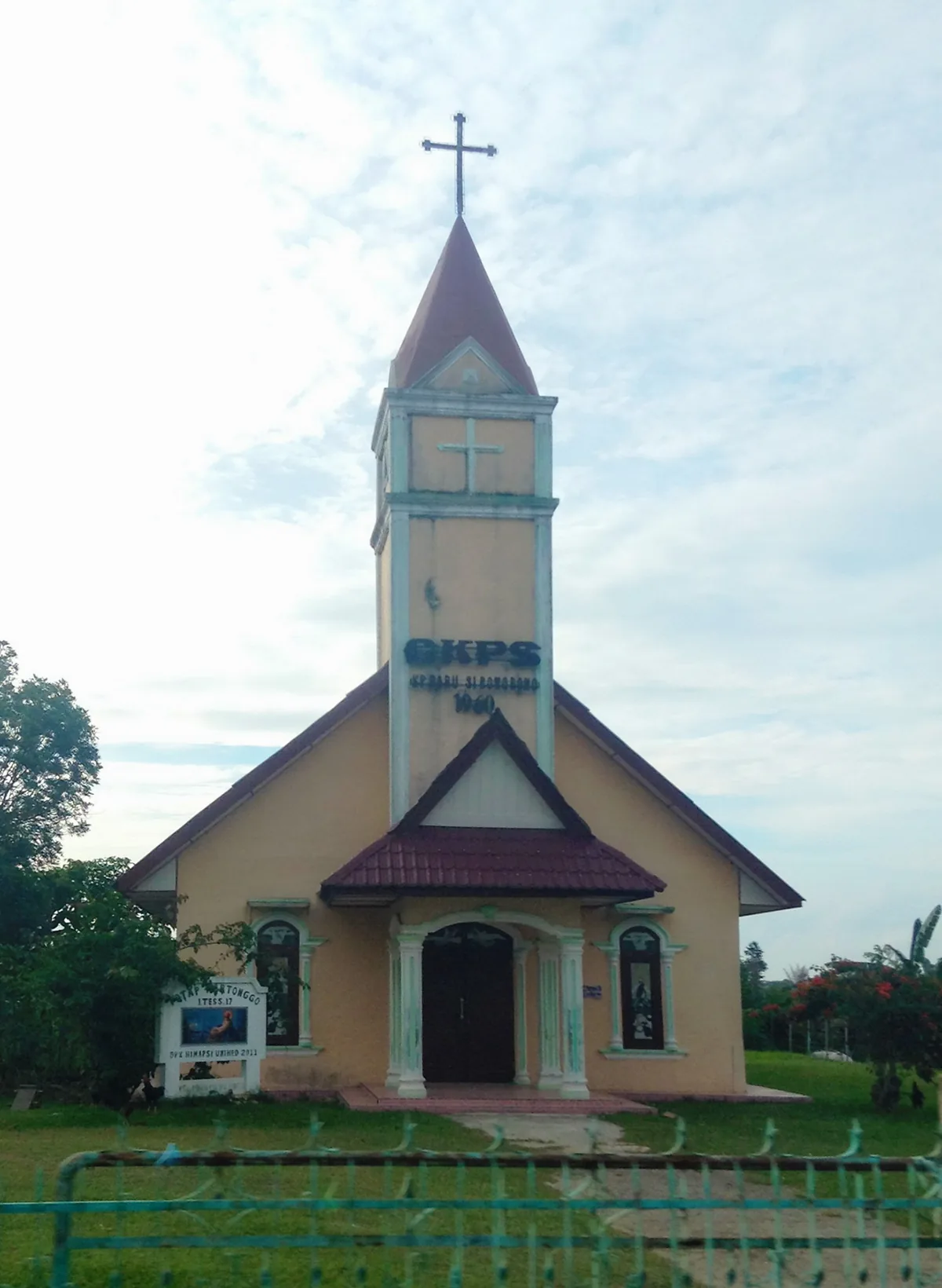
Kampung Baru
Kampung Baru is a Malay settlement district whose low-rise homes, traditional markets, and community spaces sit beside central Kuala Lumpur’s towers. Its history as a Malay Agricultural Settlement makes the neighborhood a living question about land, heritage, and urban change.
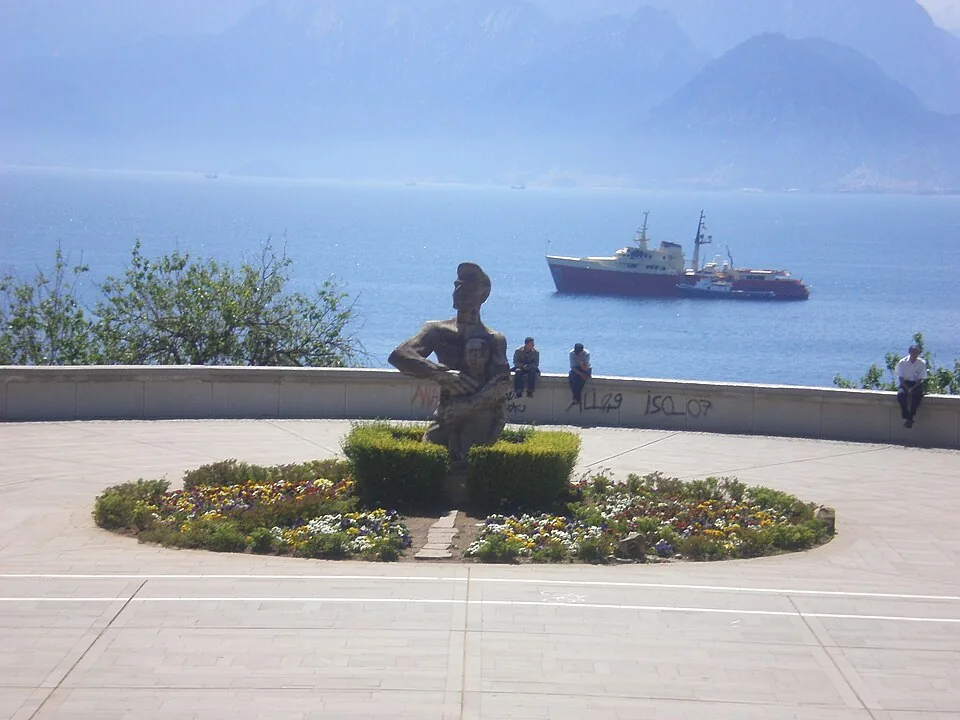
Karaalioğlu Park
Three parallel routes lead through Karaalioğlu Park toward separate sea-facing terraces. Opened as İnönü Park in 1943, the park combines a carefully planned urban landscape with sculptures installed decades later, making its paths a sequence of outlooks over Antalya’s coast.
Karain Cave
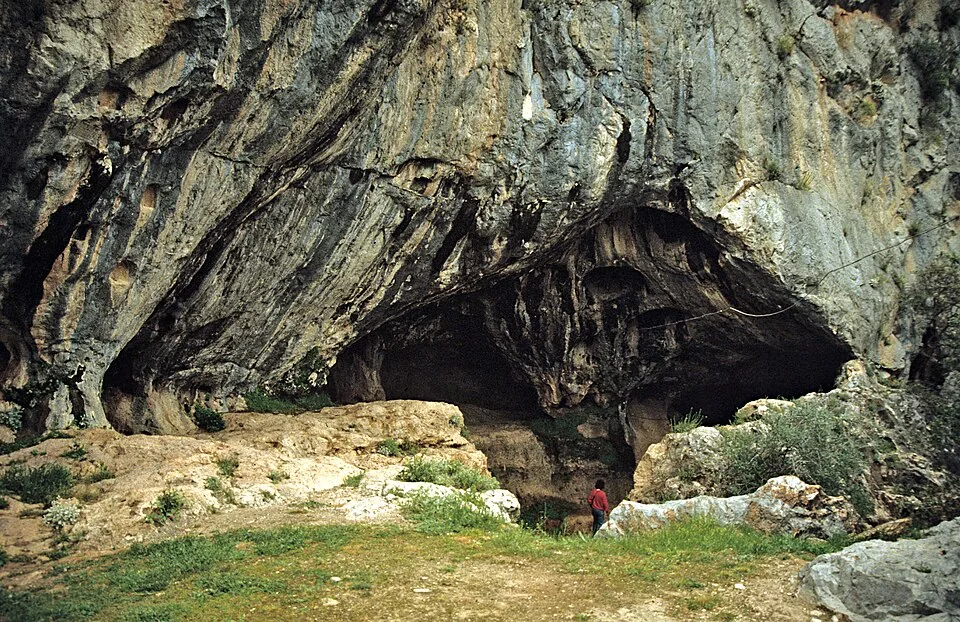
Above the plain northwest of Antalya, Karain Cave opens into a limestone slope that sheltered people for an extraordinarily long span. Archaeological layers record changing lives from the Paleolithic onward, while animal remains preserve a picture of a very different ancient landscape.
Karatay Madrasa
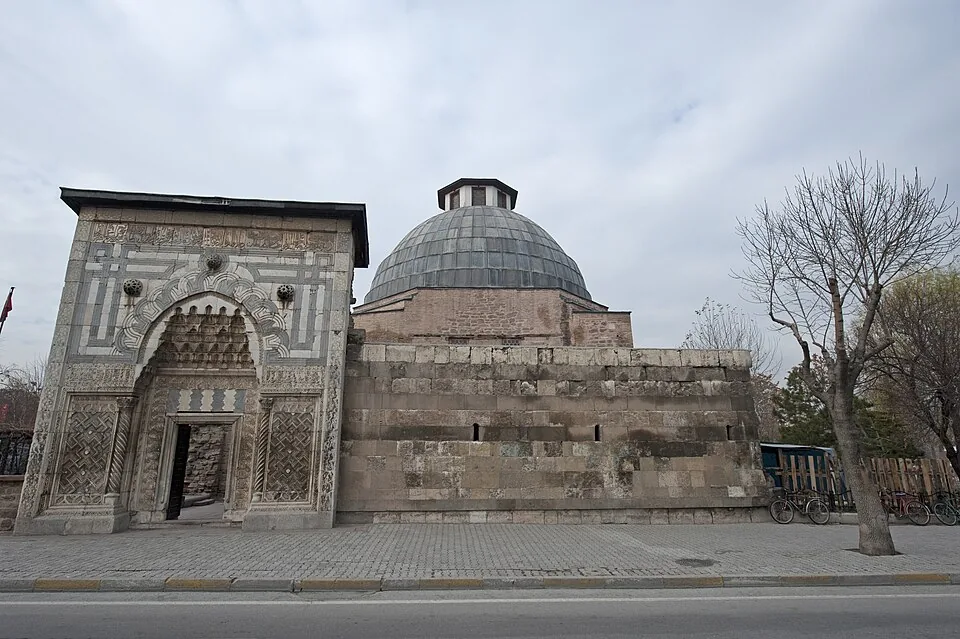
Karatay Madrasa’s monumental portal is the most visible surviving part of a thirteenth-century Seljuk school. Its carved geometric patterns turn the entrance into a crafted threshold, inviting attention to learning and patronage in medieval Antalya.
Katong-Joo Chiat
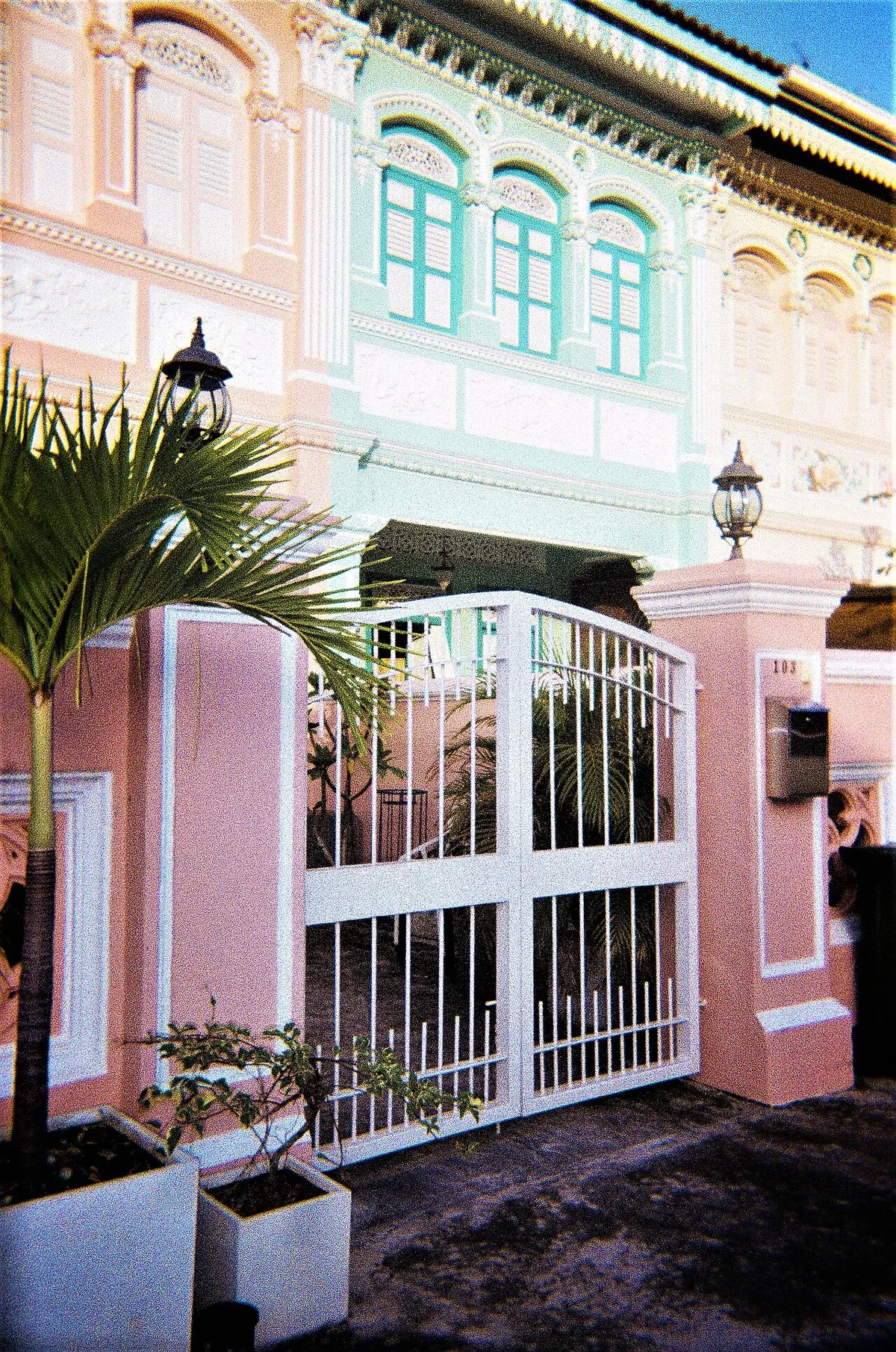
Katong and Joo Chiat combine residential streets, conserved shophouses, and an enduring Peranakan presence. Their varied facades trace the district’s shift from plantations and seaside villas to a growing suburb beyond Singapore’s crowded early city centre.
Katsuoji Temple
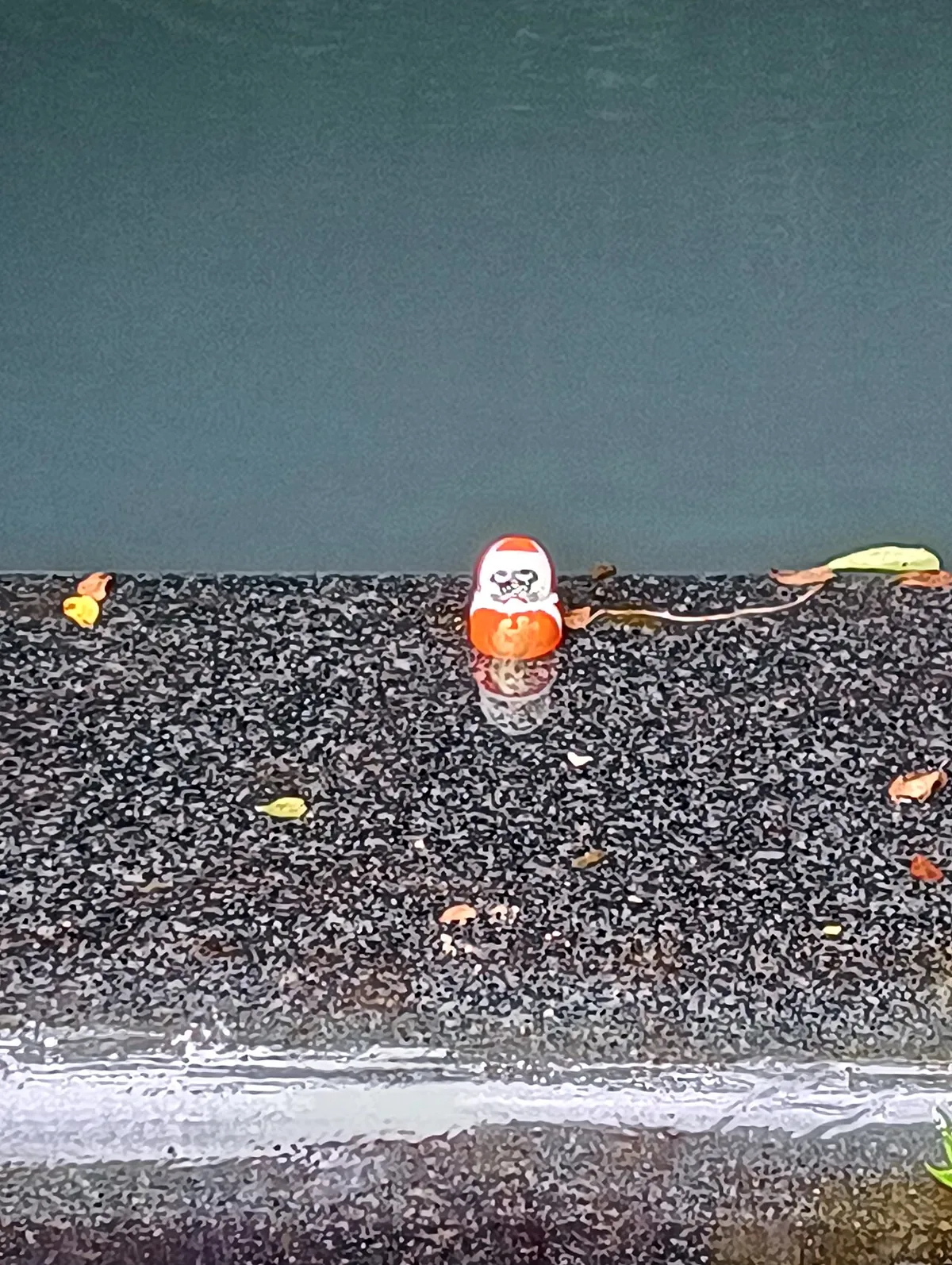
Katsuoji Temple sits among wooded hills in Minoh, known for daruma dolls associated with luck and perseverance. Its broad temple grounds combine Buddhist worship, seasonal gardens, and thousands of small votive figures left by visitors pursuing good fortune.
Katsura Imperial Villa
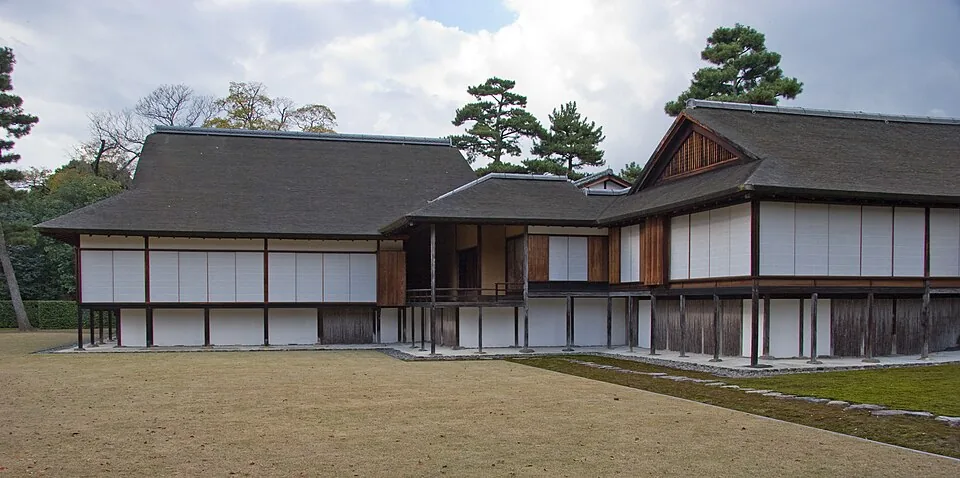
Katsura Imperial Villa arranges shoin buildings, teahouses, and a pond garden in a sequence designed for changing views. Developed over decades in the early Edo period, it is a refined example of architecture opening onto nature.
Keats House
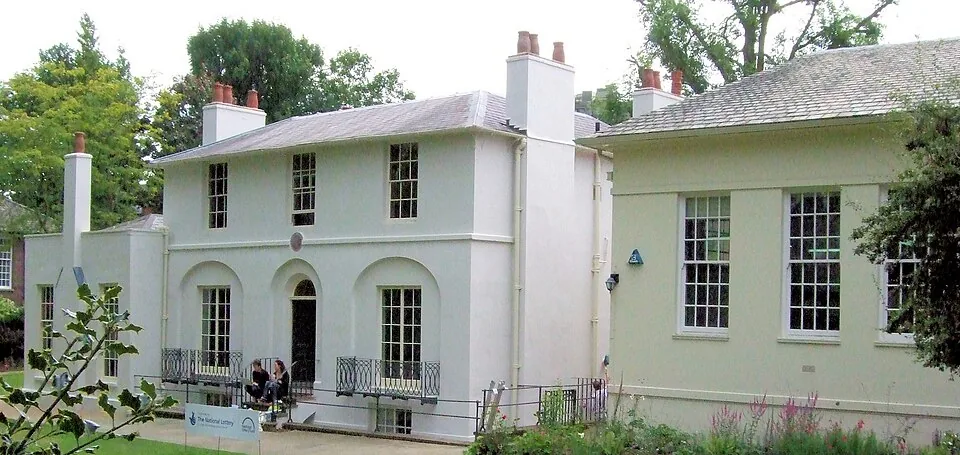
Keats House is the Hampstead home where John Keats wrote several major poems and experienced the final intense years of his life in England. The modest villa was once divided between two households, placing Keats’s writing life beside the ordinary domestic rhythms of his friends and neighbors.
Kecili Park
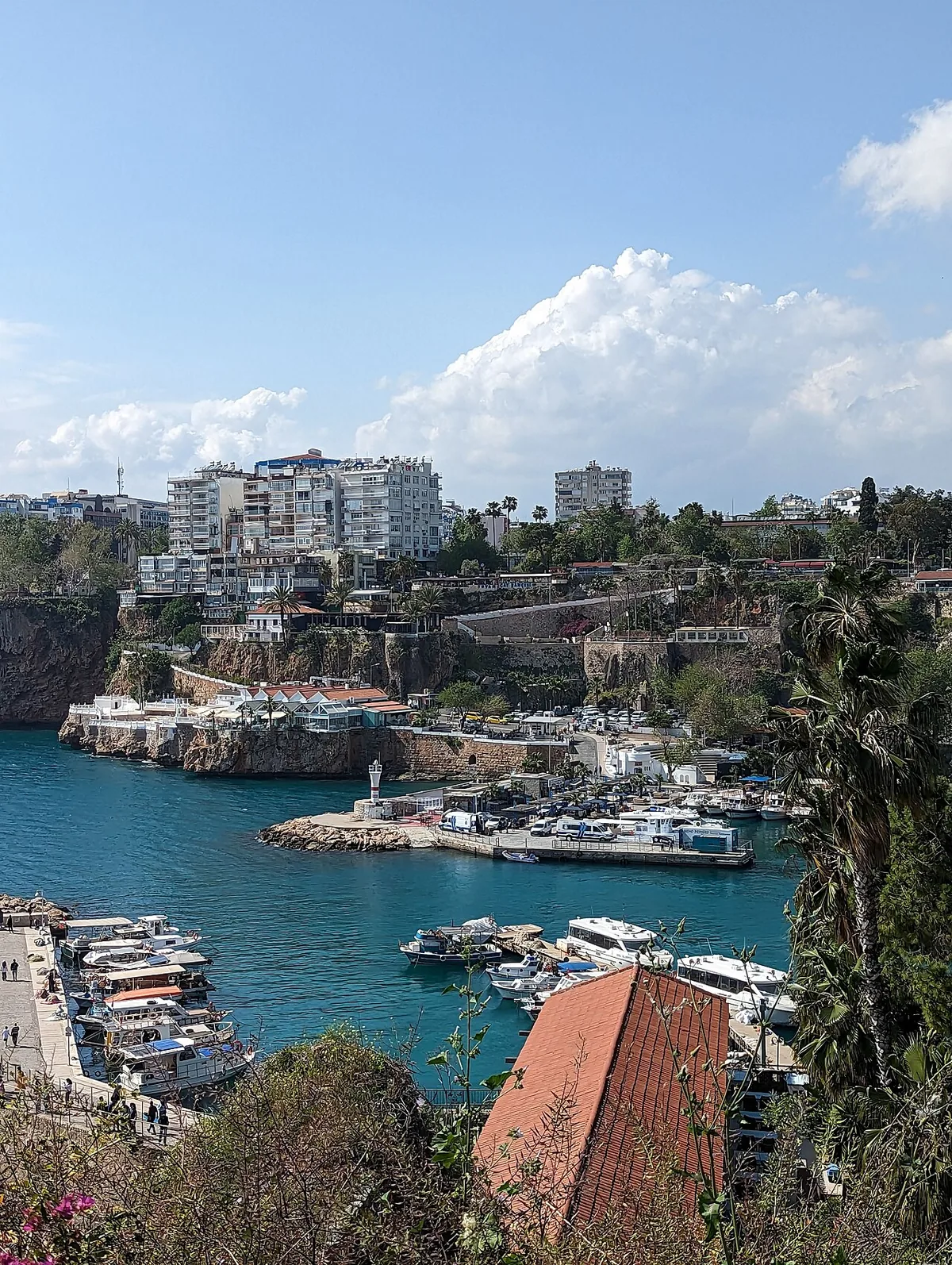
Keçili Park is a small public outlook within Antalya’s Kaleiçi, above the old harbor. Its position links the neighborhood’s lanes with the water below, offering a quiet pause in a historic district shaped by the port.
Keizersgracht
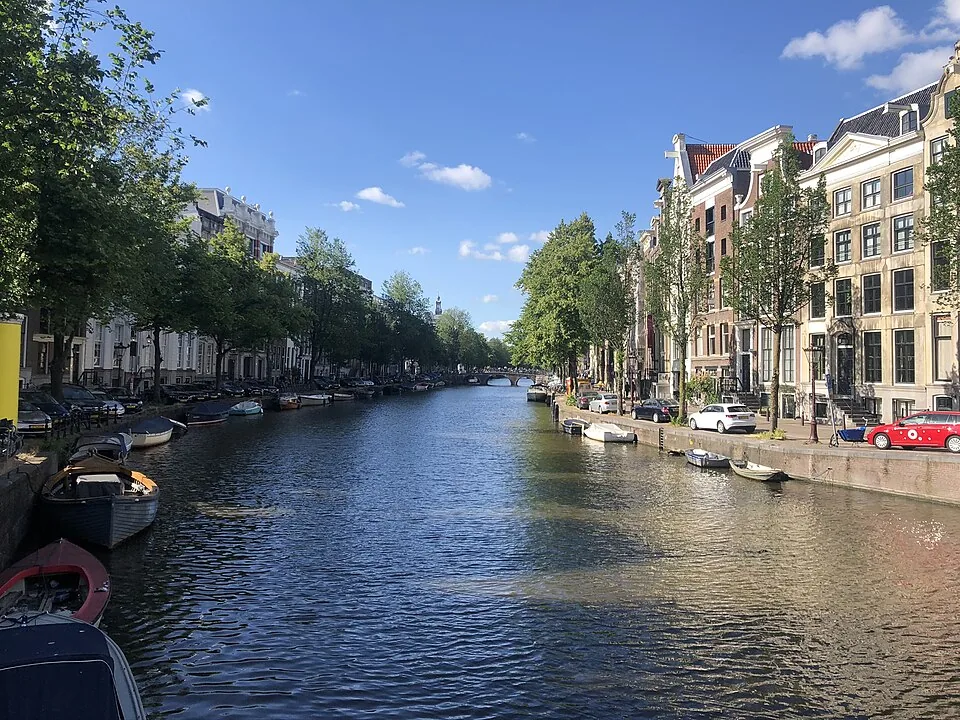
Keizersgracht forms the middle arc of Amsterdam’s historic canal ring. From here, watch how bridges connect its long waterline to side streets and how church towers punctuate the otherwise low roofscape.
Kekova Island
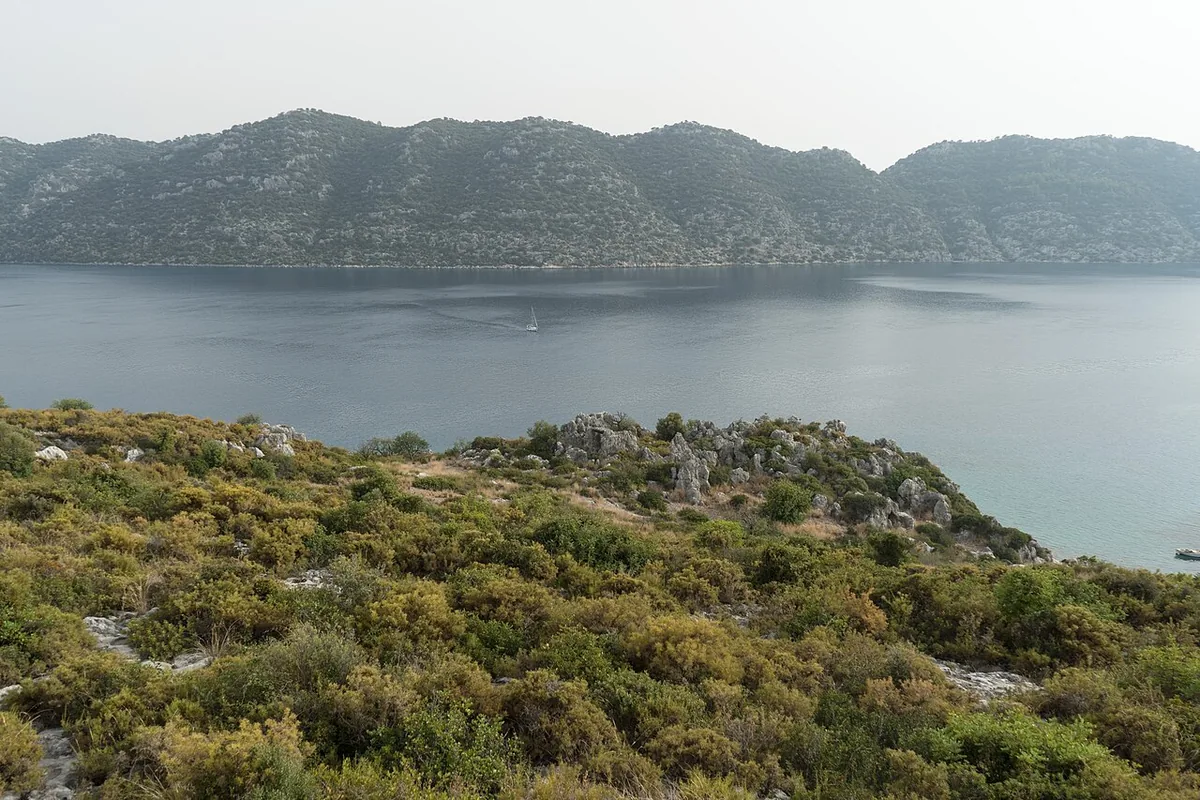
Kekova names a protected coastal landscape as well as its largest island. Along this indented shore, archaeological traces meet clear water and small settlements, making the area’s appeal inseparable from its ecological and historical sensitivity.

Kennedy Space Center Visitor Complex
Kennedy Space Center Visitor Complex interprets America’s space program through rockets, spacecraft and astronaut stories near the launch facilities themselves. The visitor experience links museum exhibits to an active spaceport, where engineering history and future missions share the same landscape
Kennin-ji
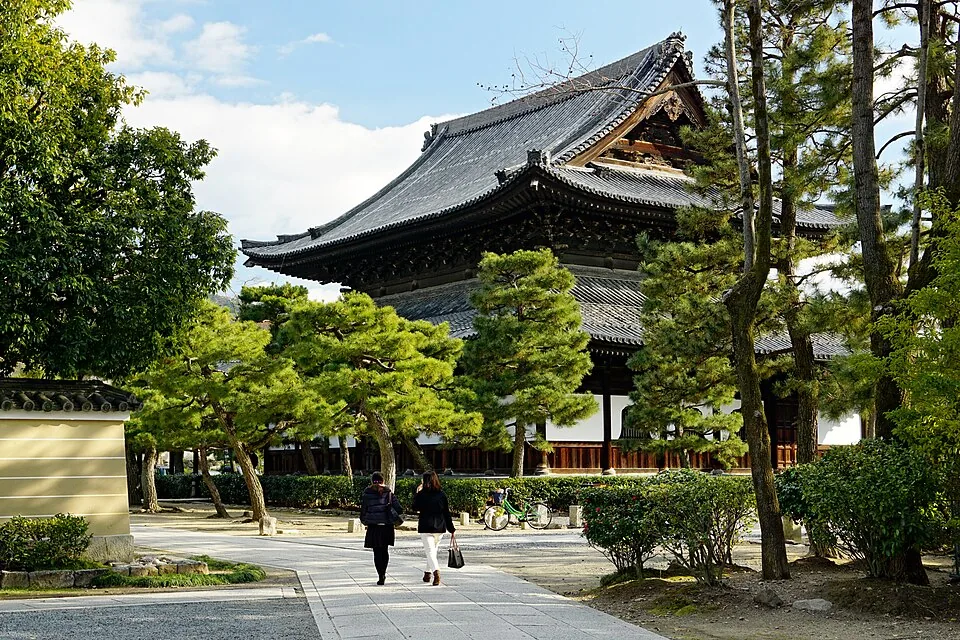
Kennin-ji sits just beyond Gion’s busy streets, with Zen gardens and halls that preserve a long history of religious and artistic exchange. Founded in 1202, it is associated with monk Eisai and the spread of Zen practice and tea culture.
Kensington Palace
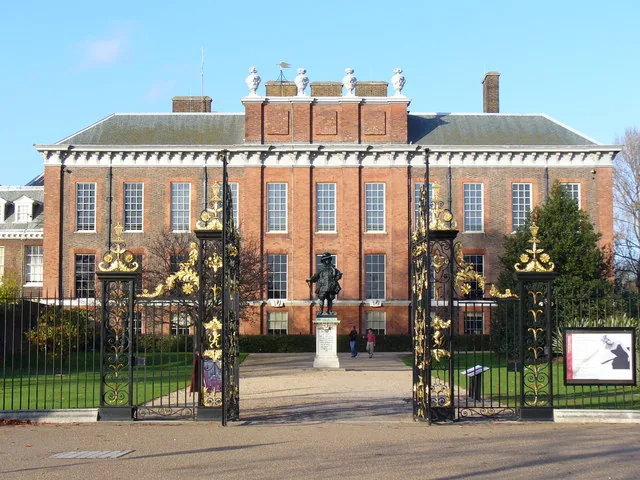
Kensington Palace grew from Nottingham House, a villa chosen by William III and Mary II in 1689 as a country retreat. Successive residents reshaped its rooms and gardens, leaving traces of childhood, court life, and royal privacy.
Kepong Metropolitan Park
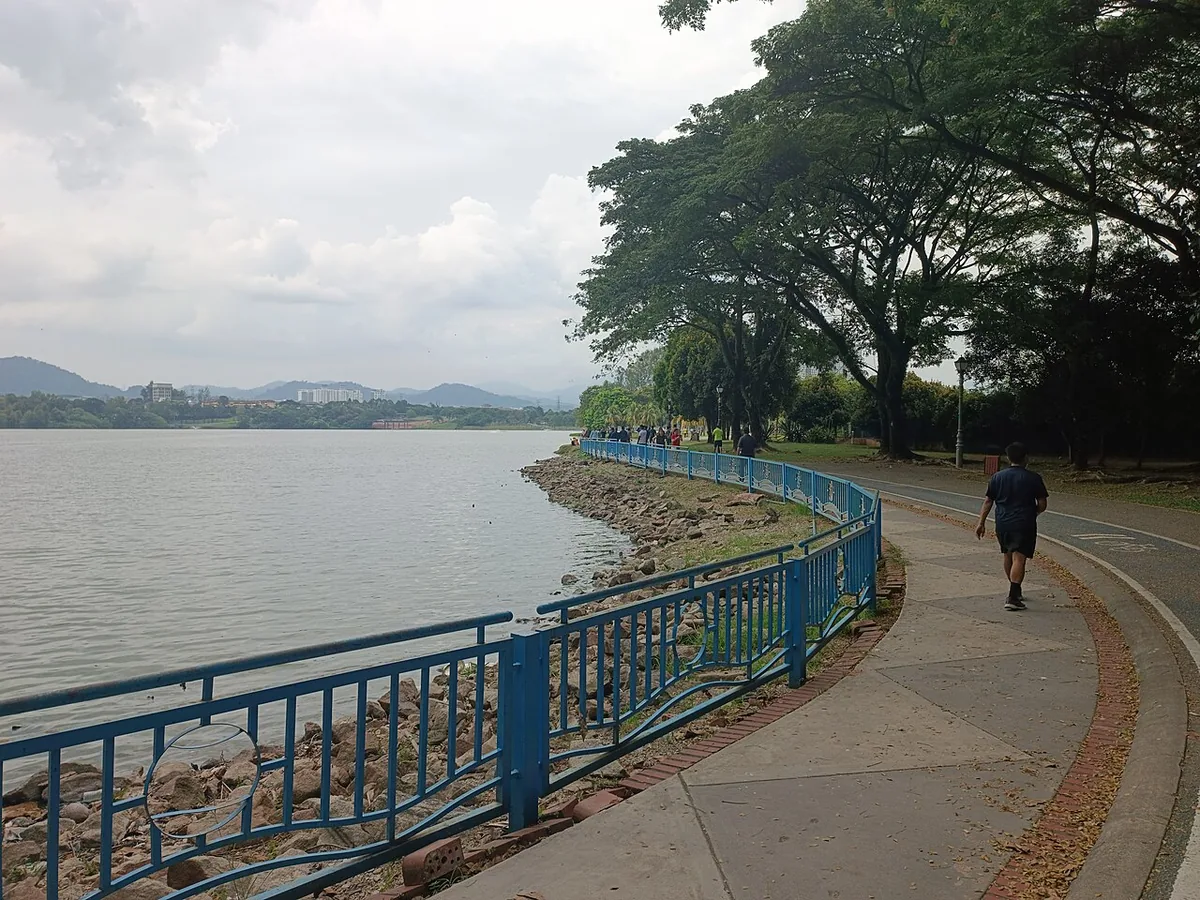
Kepong Metropolitan Park is a large public recreation landscape in northern Kuala Lumpur, arranged around a broad lake and open grounds. Walking and cycling paths, lookout towers and family facilities make it a shared outdoor space for the surrounding city.
Kesik Minare Mosque
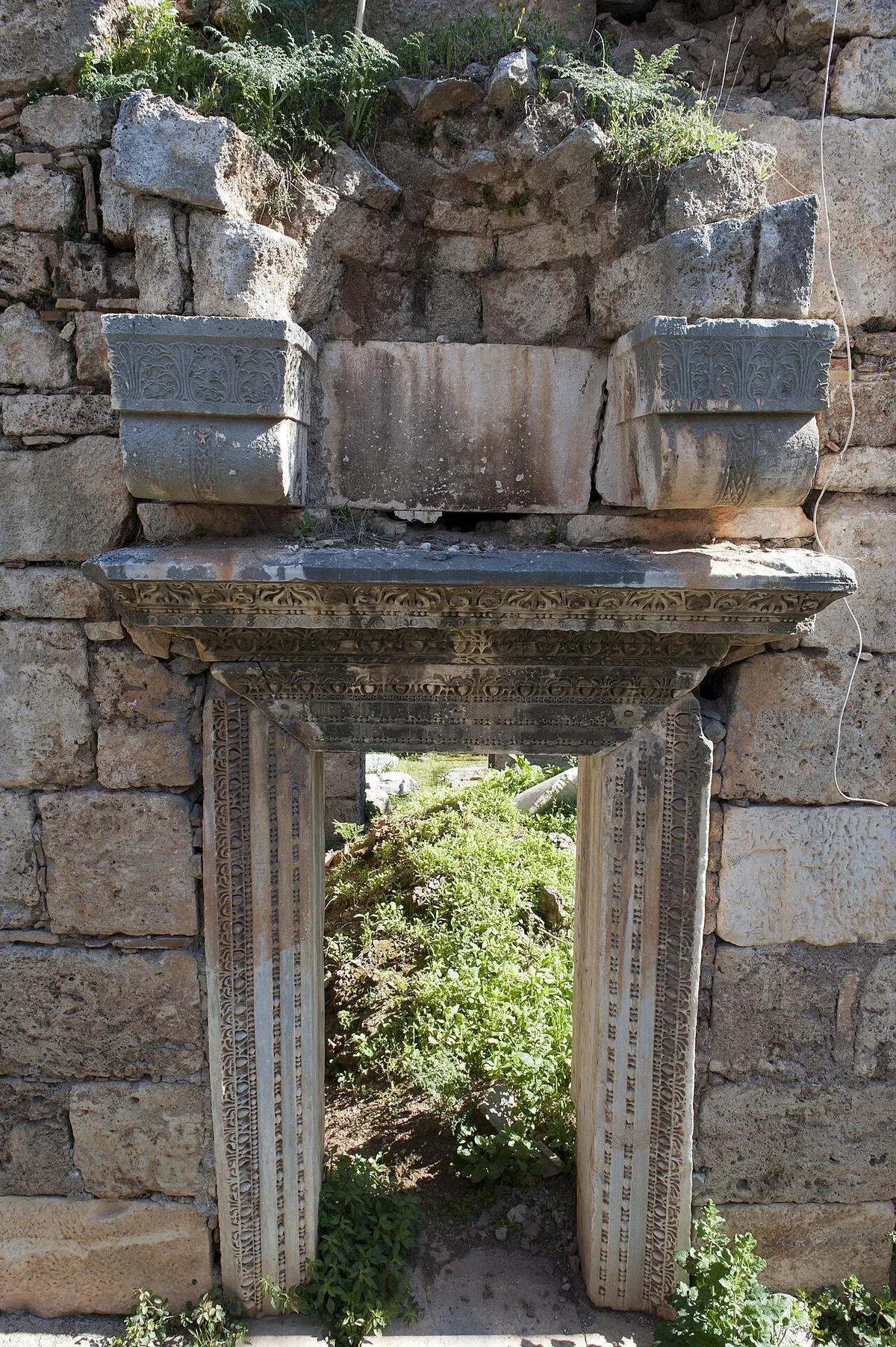
Kesik Minare’s name recalls the damaged minaret, but the building’s history reaches through several religious and civic uses. It began within an ancient agora, became a Byzantine church, and was later converted into a mosque under Şehzade Korkut.
Ketagalan Culture Center
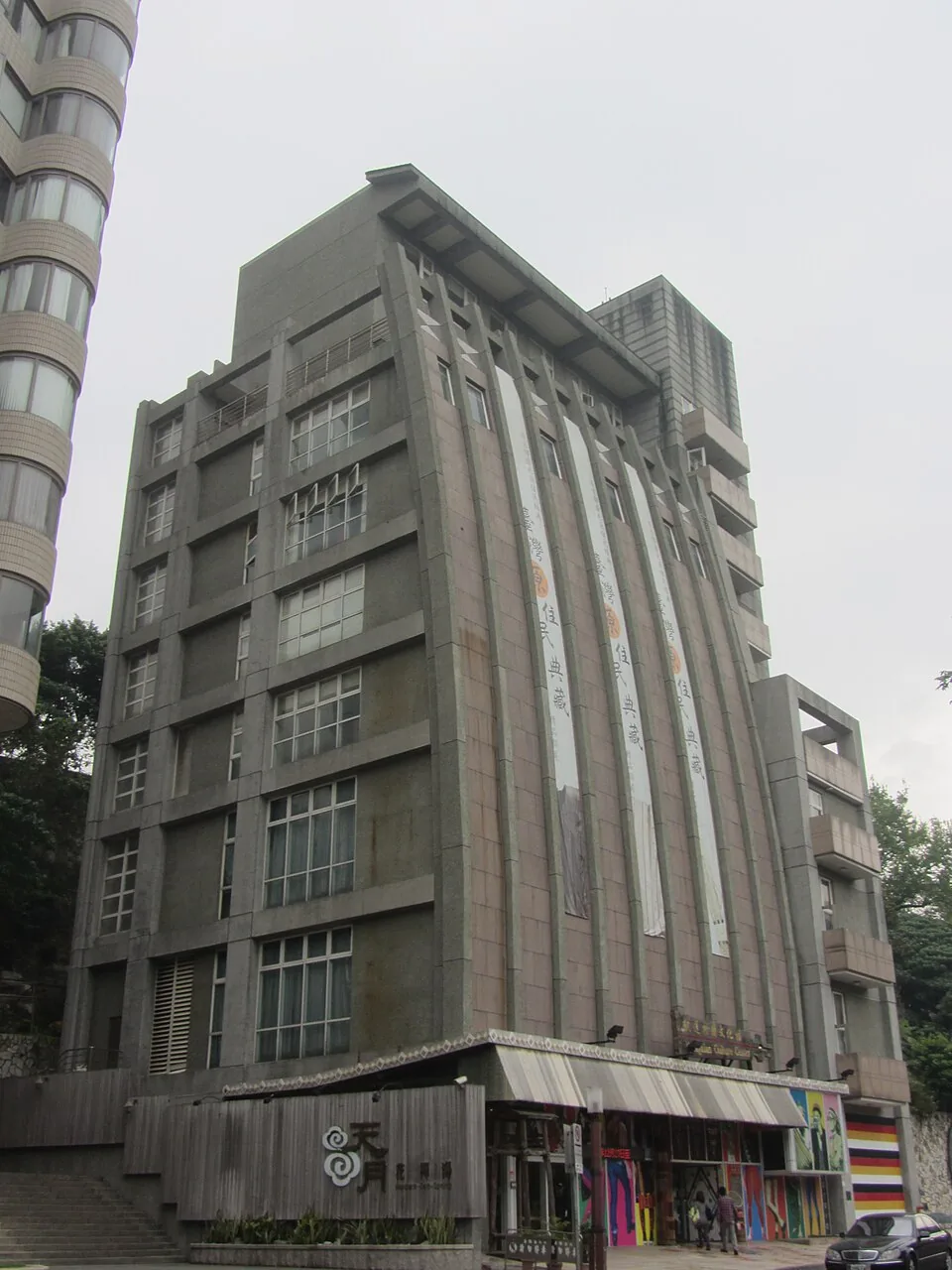
Named for the historical Ketagalan people of northern Taiwan, this Beitou center introduces the cultures of Taiwan’s Indigenous peoples. Its displays connect the Taipei Basin’s earlier human geography with the histories and living traditions of other Indigenous communities.
Kew Gardens
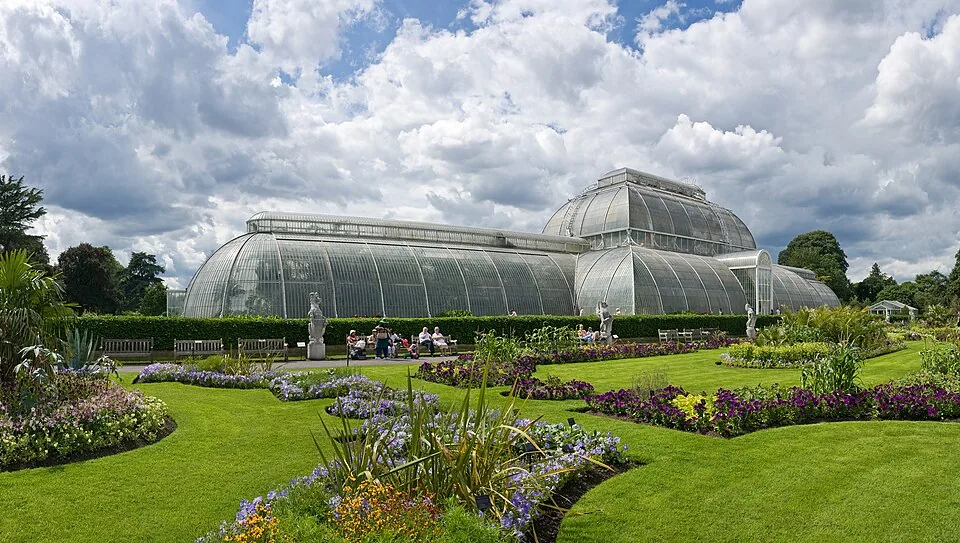
Kew’s glasshouses and garden paths grew from a royal botanic garden into a public scientific institution. Founded by Princess Augusta in 1759, Kew opened to the public in 1840; its collections and architecture now connect plant research with the histories of exploration and global exchange.
Khao San Road
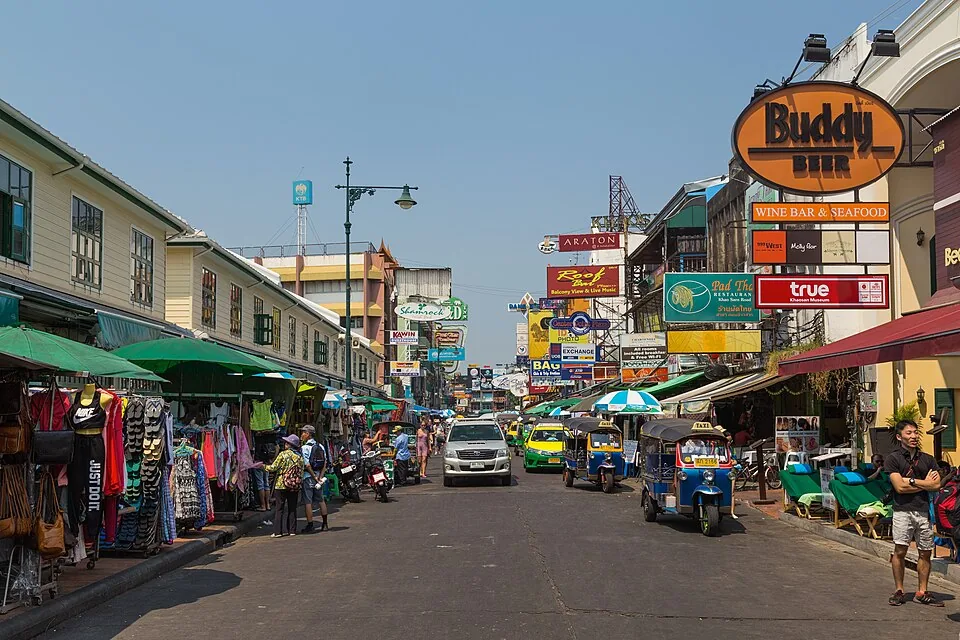
Khao San Road sits in Banglamphu, a historic district near Bangkok’s old royal quarter. Its present identity as a traveler-oriented street overlays an older neighborhood landscape of canals, temples, markets, and local businesses.
Kia Center
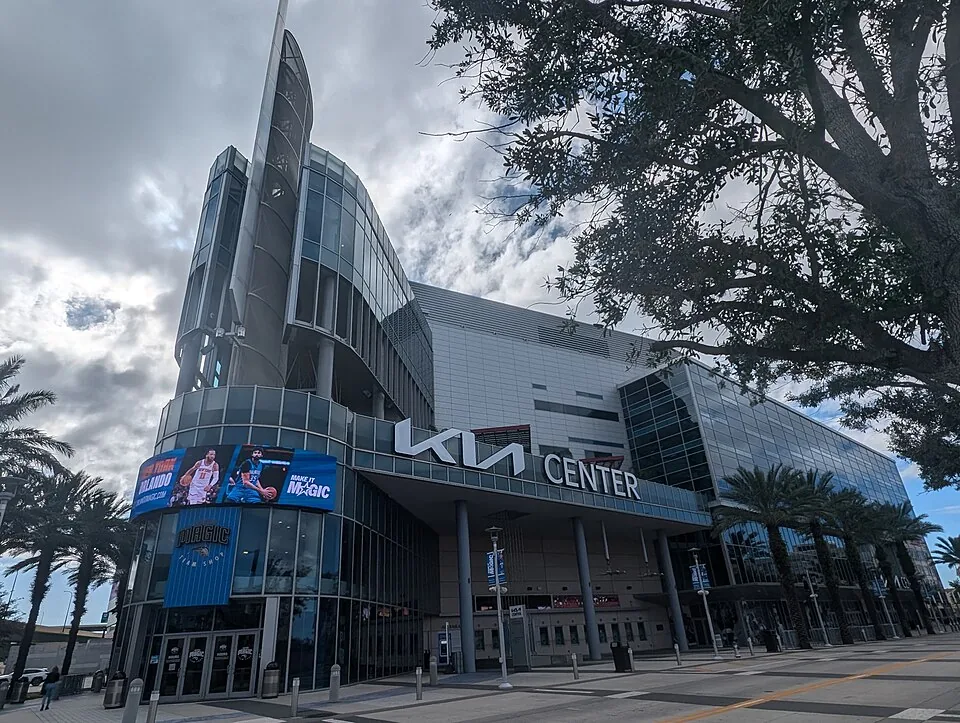
Kia Center is downtown Orlando’s arena for basketball, concerts, and large public events. Its glass-and-metal exterior and tall sign tower make the venue visible in the skyline, while its flexible interior brings audiences together around live performance.
Kia Forum
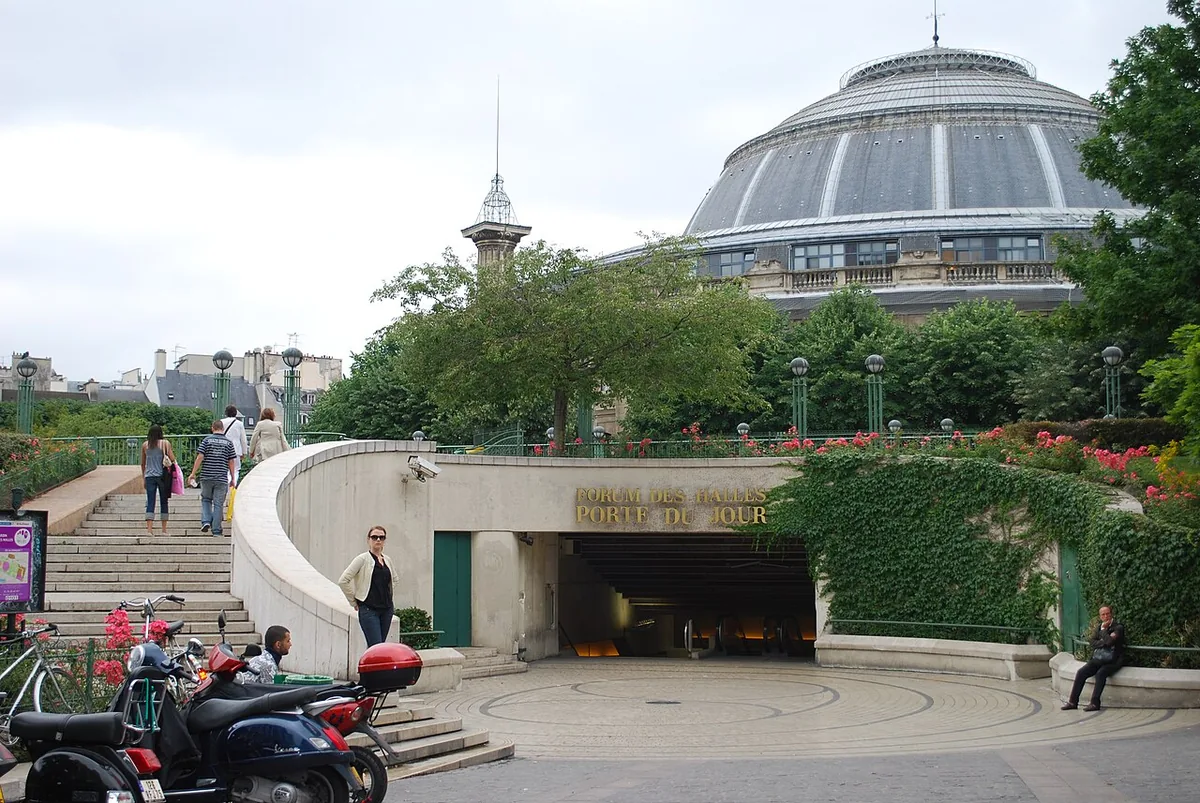
In Inglewood, the Kia Forum’s circular exterior and continuous colonnade make it recognizable from a distance, while its roof structure creates a broad column-free interior. Opened in 1967, the building became an influential arena for sports, concerts, and large public gatherings.
Kian An Keng Shrine
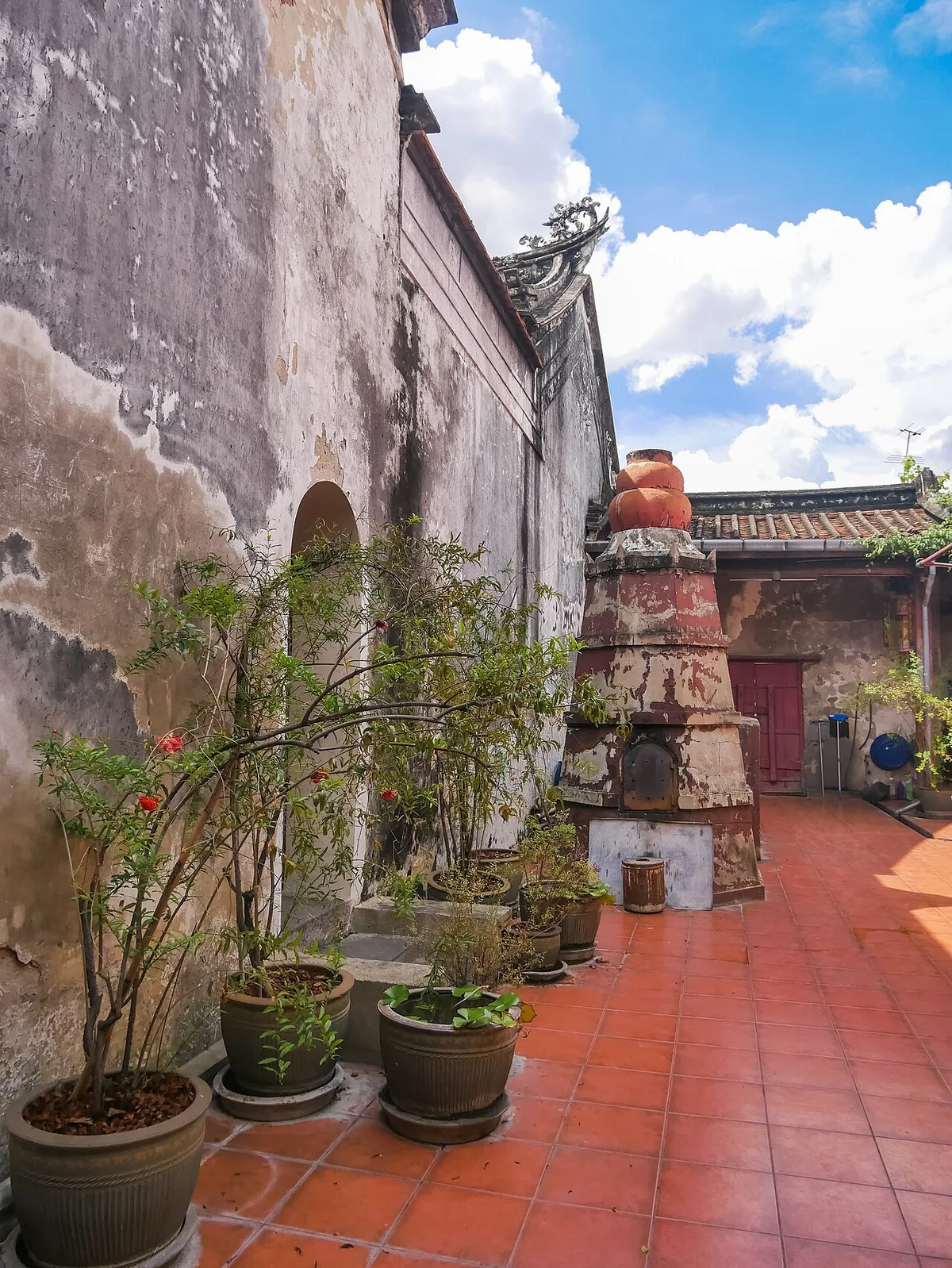
Kian An Keng Shrine is a Chinese religious landmark within the multi-faith neighborhood of Kudi Chin. Richly colored ornament and carved details mark a different visual tradition from nearby churches and temples, while the shrine remains part of a lived local landscape.