Explore locations
Browse places by name, city, country or category.
All locations
1624 locations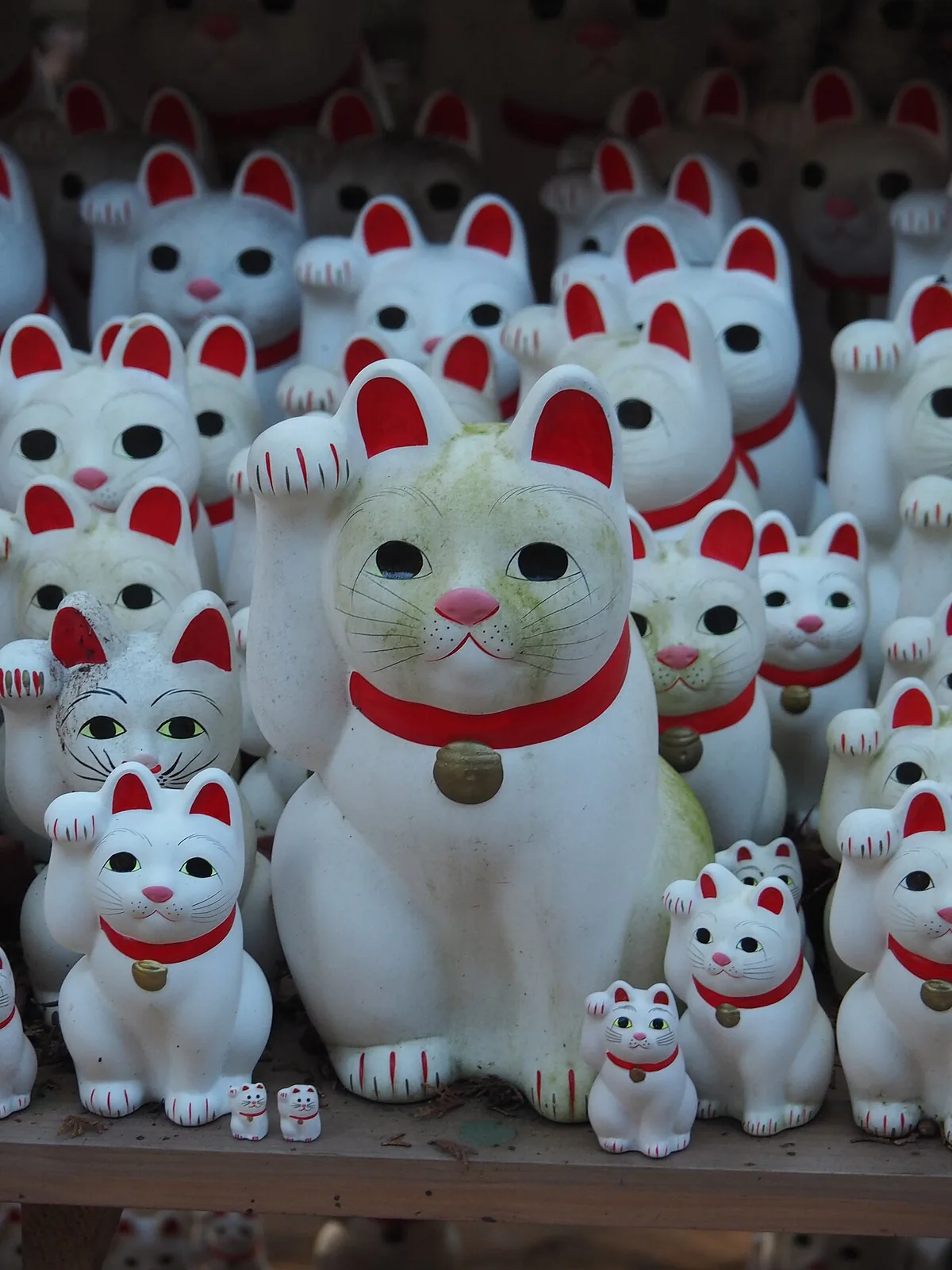
Gotokuji Temple
Gotokuji is a Buddhist temple in Setagaya associated with the maneki-neko, or beckoning cat. Rows of small cat figures gather near the Shofuku-den, where worshippers leave them in connection with prayers for good fortune.
Governors Island
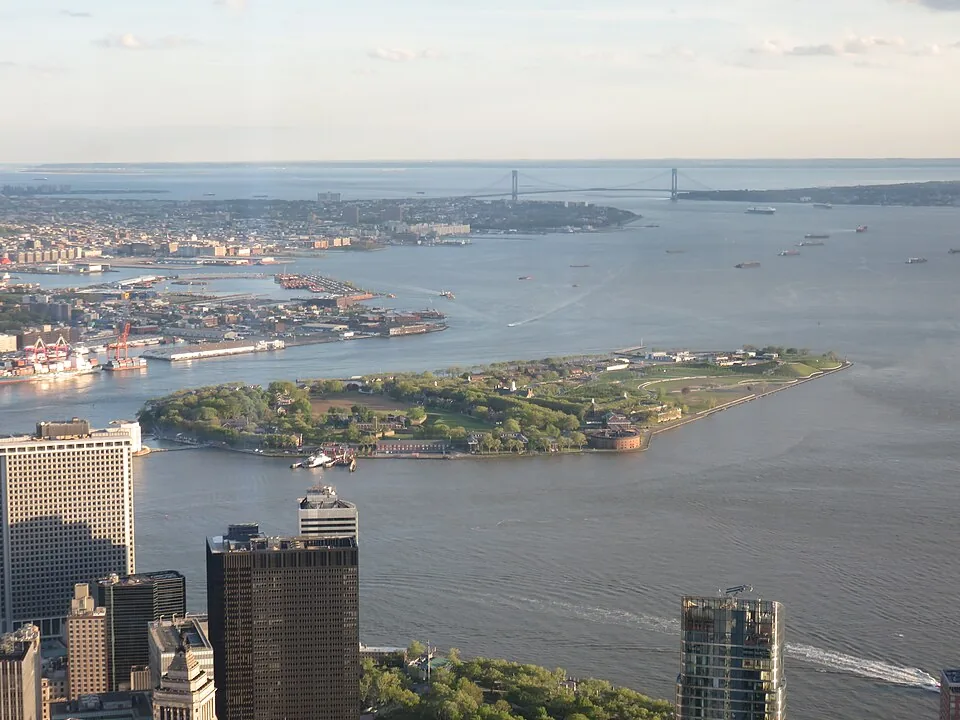
Governors Island is a harbour island of parks, historic military buildings and cultural spaces just south of Manhattan. Its changing uses—from seasonal Lenape fishing ground to military post and public destination—make the island a layered record of New York Harbor.
Gràcia
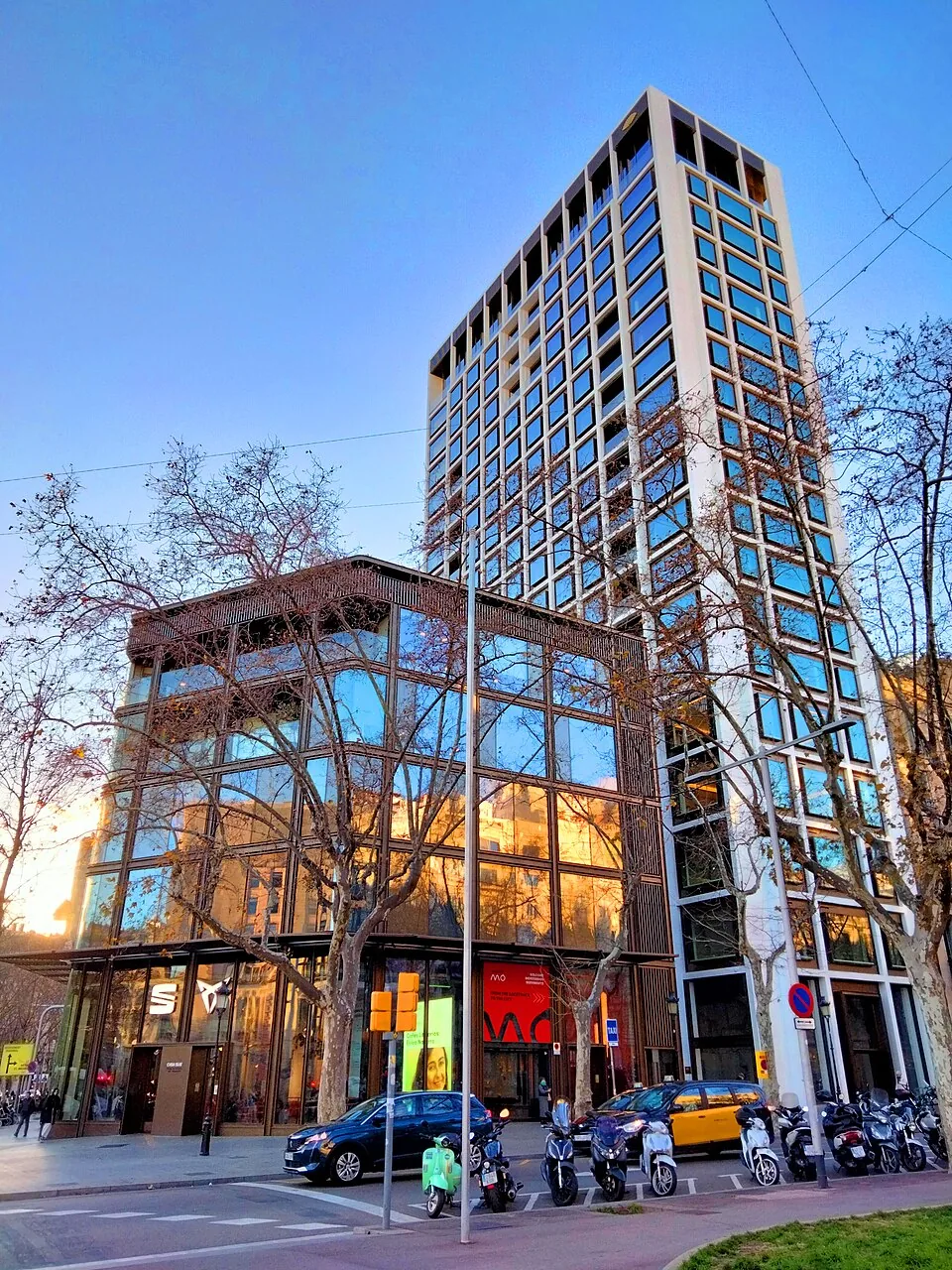
Gràcia’s small squares and narrow streets retain the rhythm of a former town absorbed into Barcelona in 1897. Local festivals and civic institutions help preserve that distinct identity, while its once-rural origins and later industrial growth connect the neighborhood to the city’s expansion beyond
Grand Bazaar
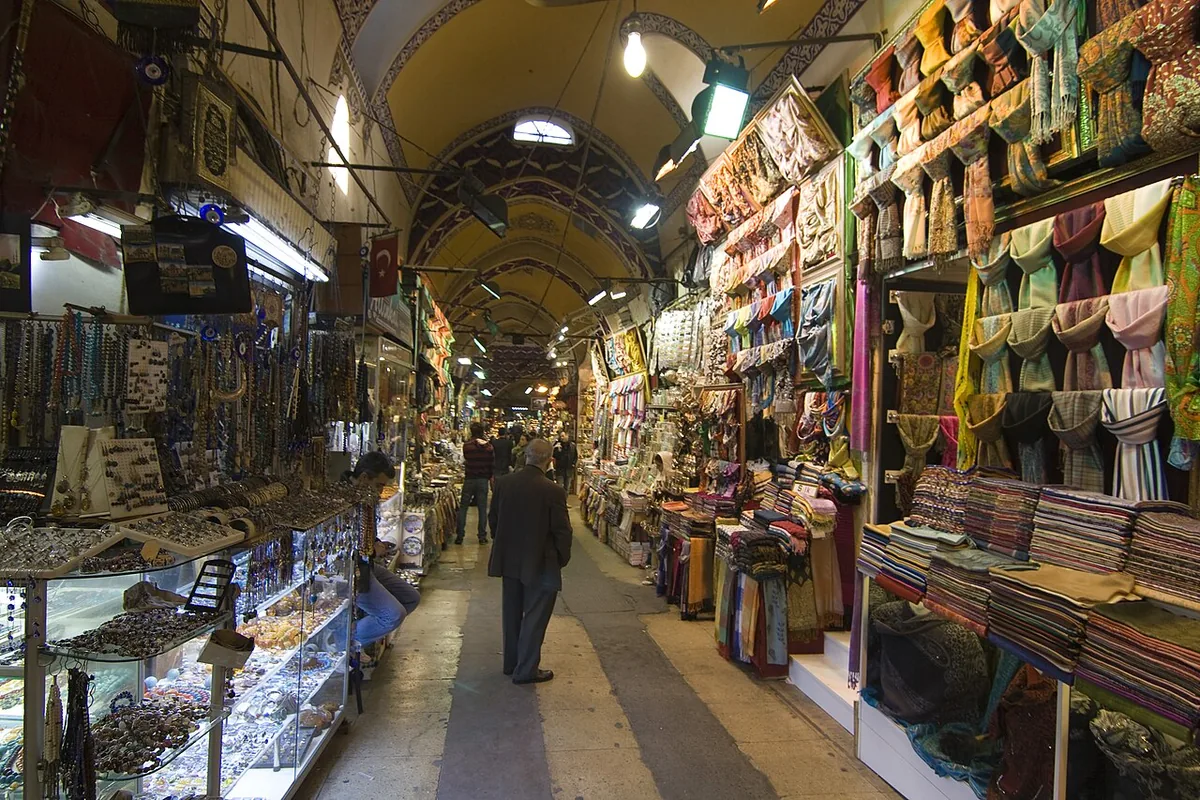
The Grand Bazaar is a network of covered streets, courtyards, and trading spaces that grew around a fifteenth-century bedesten. Its maze-like plan reflects centuries of expansion, turning commerce into one of Istanbul’s defining urban experiences.
Grand Central Market
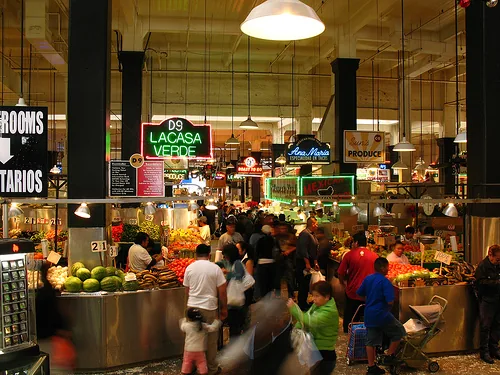
Grand Central Market has served downtown Los Angeles from its Hill Street arcade since 1917. Its food stalls reflect the city’s changing population and tastes, making the market a place where everyday meals and migration histories meet under one roof.
Grand Central Terminal
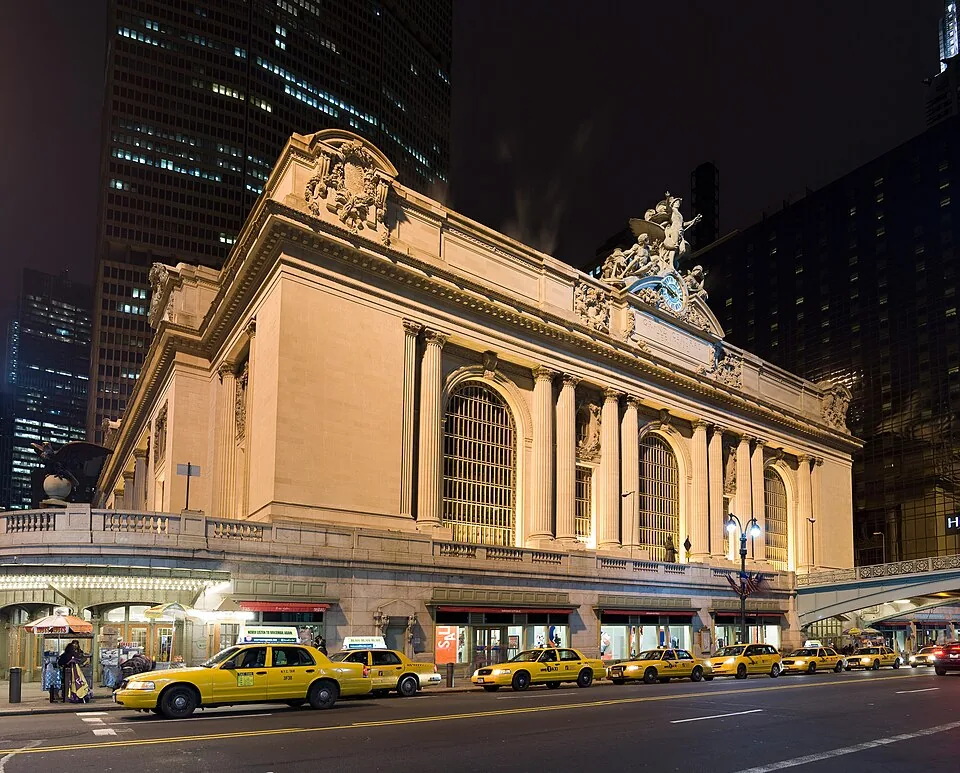
Grand Central Terminal’s celestial ceiling arches above a busy concourse, turning a transportation hub into a monumental public interior. Its 1913 opening reshaped Midtown, while later preservation efforts helped protect the terminal from a proposed tower overhead.
Grande Mosquée de Paris
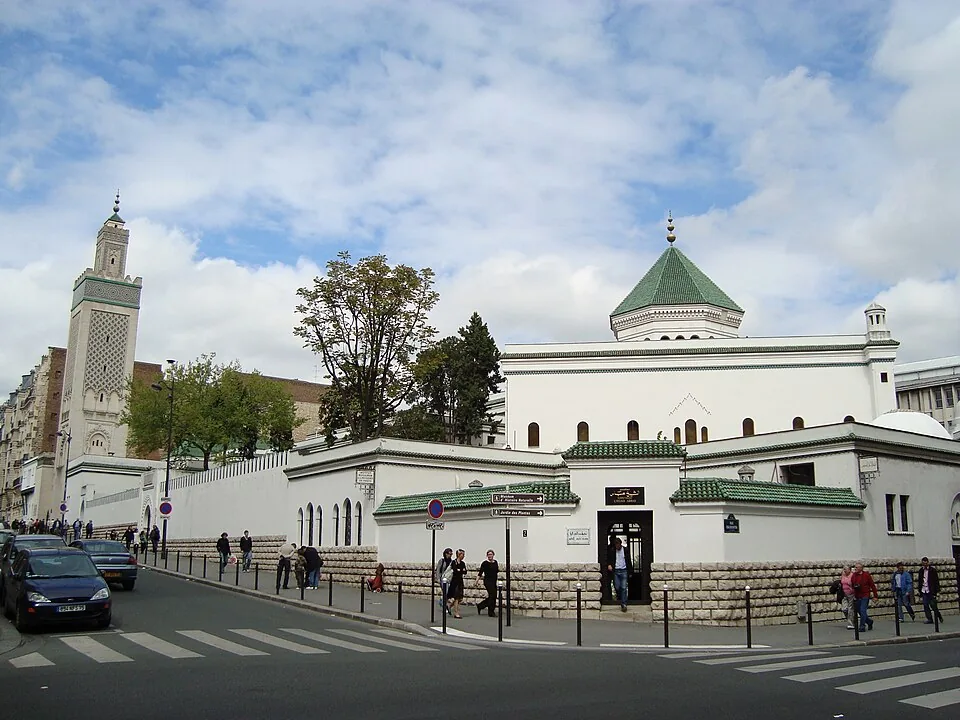
The Grande Mosquée de Paris combines a working place of worship with gardens, fountains, and Hispano-Moorish architectural details. Inaugurated in 1926, it also serves as a memorial to Muslim soldiers who died for France during the First World War.
Grand Front Osaka
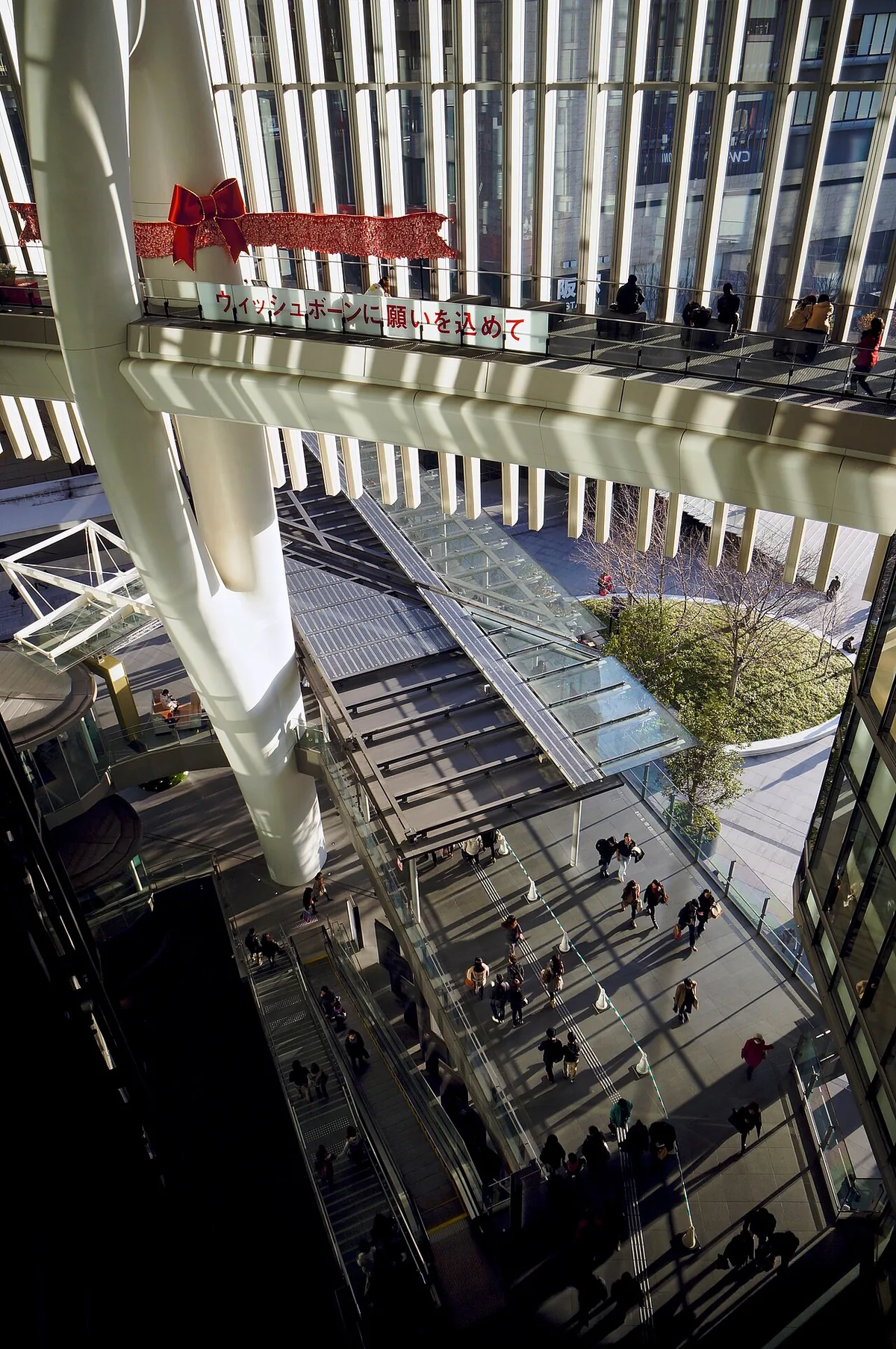
Grand Front Osaka is a mixed-use district at the north side of Osaka Station, where shopping, dining, offices, and the Knowledge Capital research hub meet. Its scale reflects the city’s effort to make a former rail-yard edge a new urban center.
Grand Hotel Tunnel
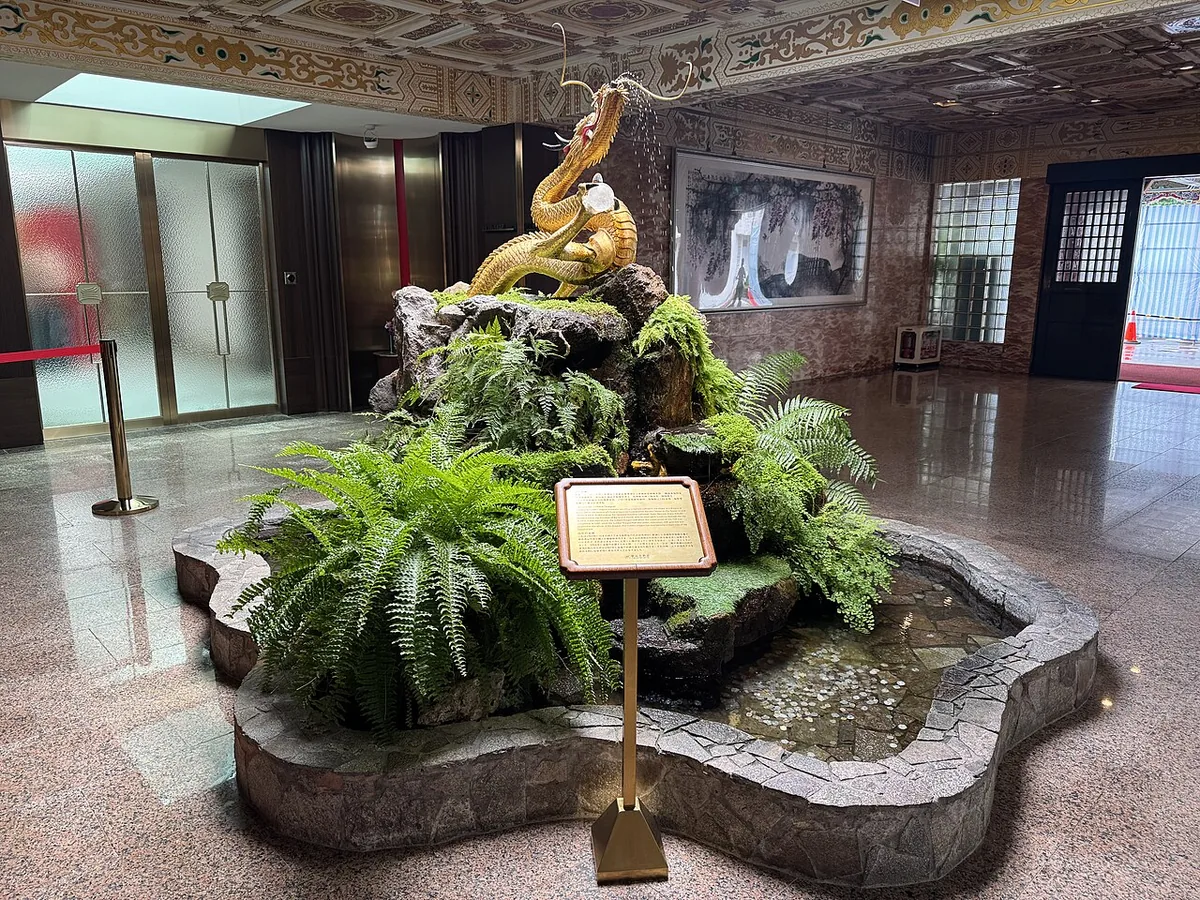
The Grand Hotel’s evacuation tunnels were built into the mountain-side complex during its 1970s reconstruction. Their practical purpose was emergency egress, while later public interpretation has allowed the passages to acquire a second life as heritage spaces.
Grand Mosque Library (Al-Batha)
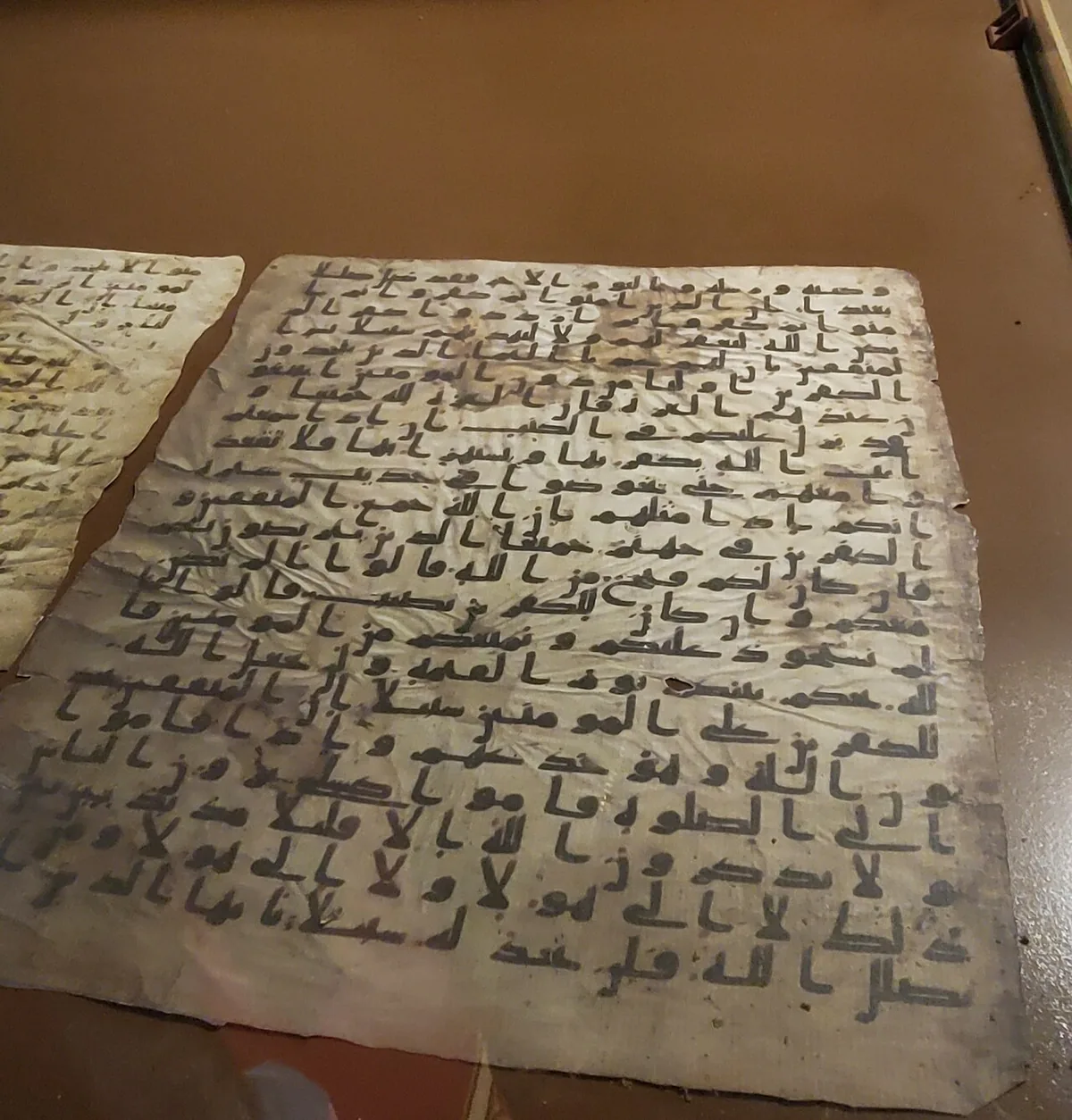
The Al-Batha branch extends the Grand Mosque Library’s work beyond the mosque complex. Its books, manuscripts, and research resources connect visitors with Islamic scholarship, Arabic studies, and the history of Hajj in a purpose-built library setting.
Grand Palace
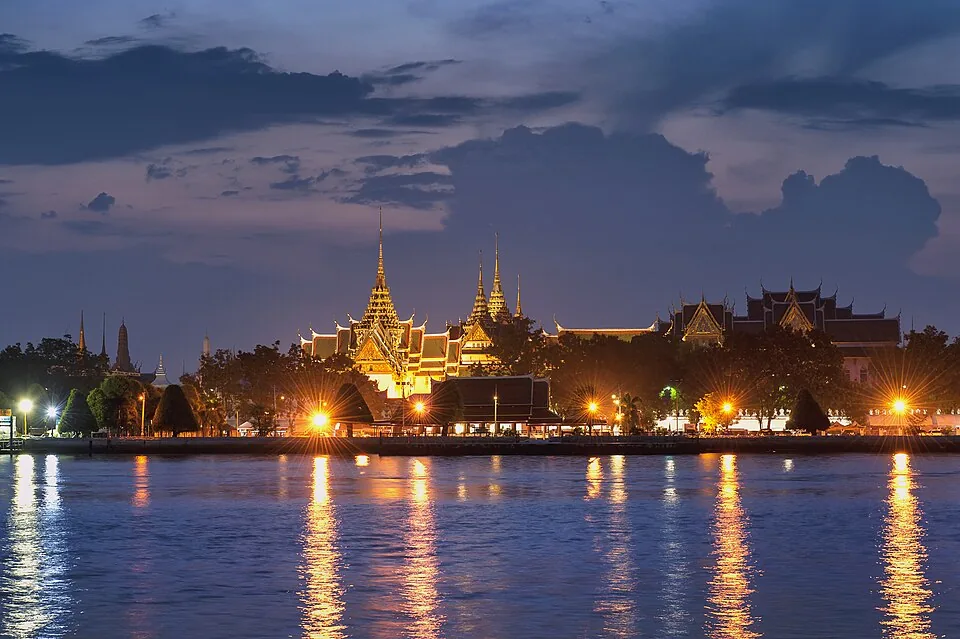
Bangkok’s Grand Palace began in 1782 as both royal residence and administrative center. Its walled compound combines throne halls, residential buildings, offices, and a royal temple, making government and ceremony legible in the site’s layout.
Grand Palais
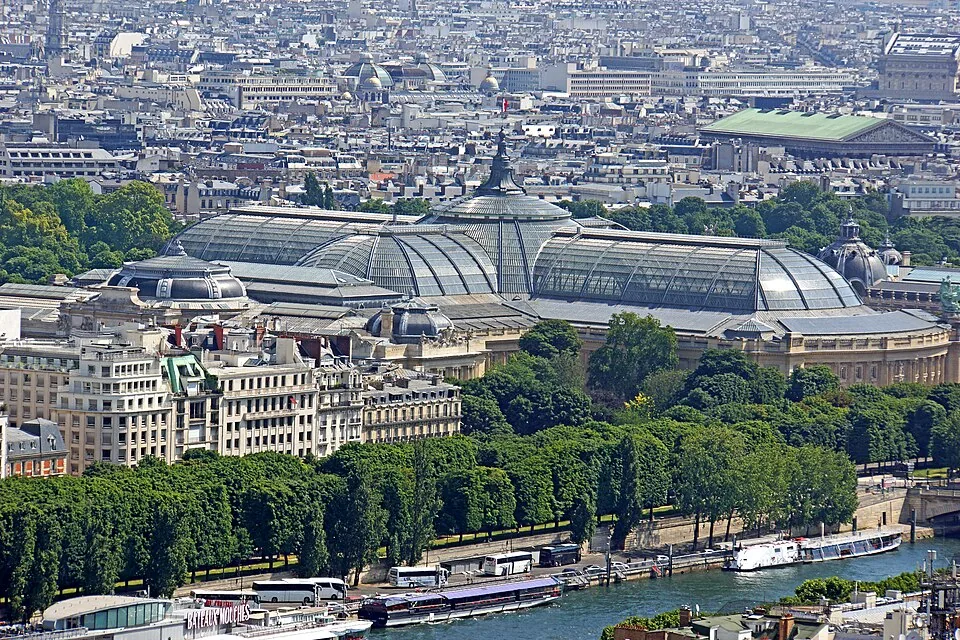
A vast glass roof crowns the Grand Palais, whose steel, stone, and glass were assembled for Paris’s 1900 World’s Fair. The building has repeatedly adapted to new exhibitions and public events, while its monumental nave keeps the original ambition in view.
Grand Prix Museum
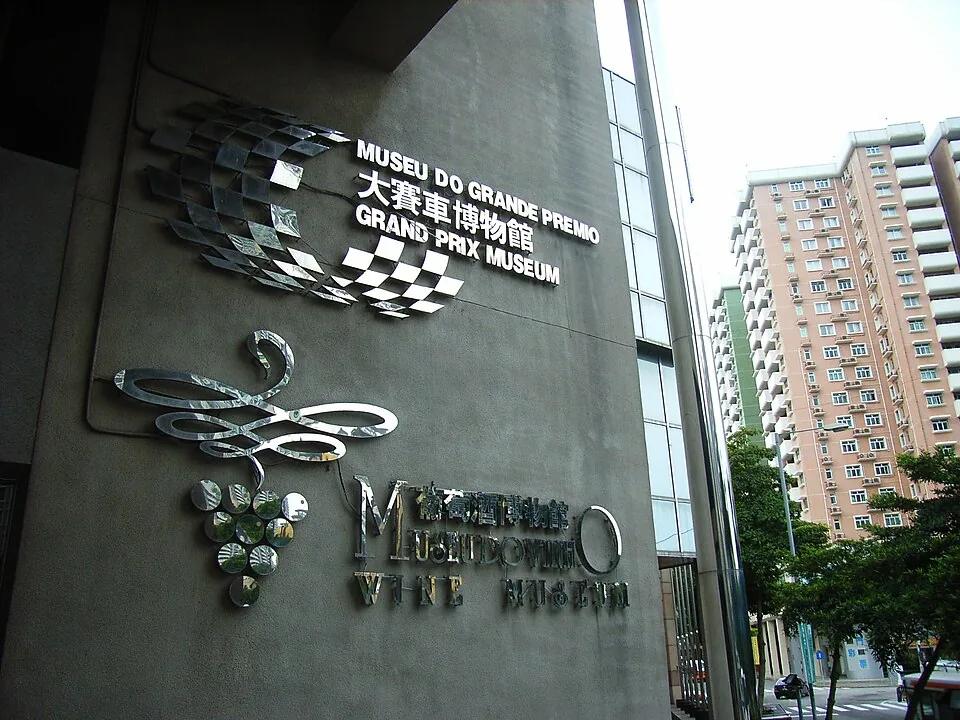
The Grand Prix Museum turns Macao’s street-racing history into a walk through cars, motorcycles, drivers, and race eras. Its exhibits connect individual machines with the Guia circuit, where narrow urban streets make racing a distinctive part of the city’s identity.
Gran Vía
Gran Vía’s broad avenue cuts through Madrid in a line that bends around buildings the planners chose to preserve. Built in stages between 1910 and 1931, it transformed the city center while its changing façades reveal distinct architectural moments along the route.
Great Cemetery
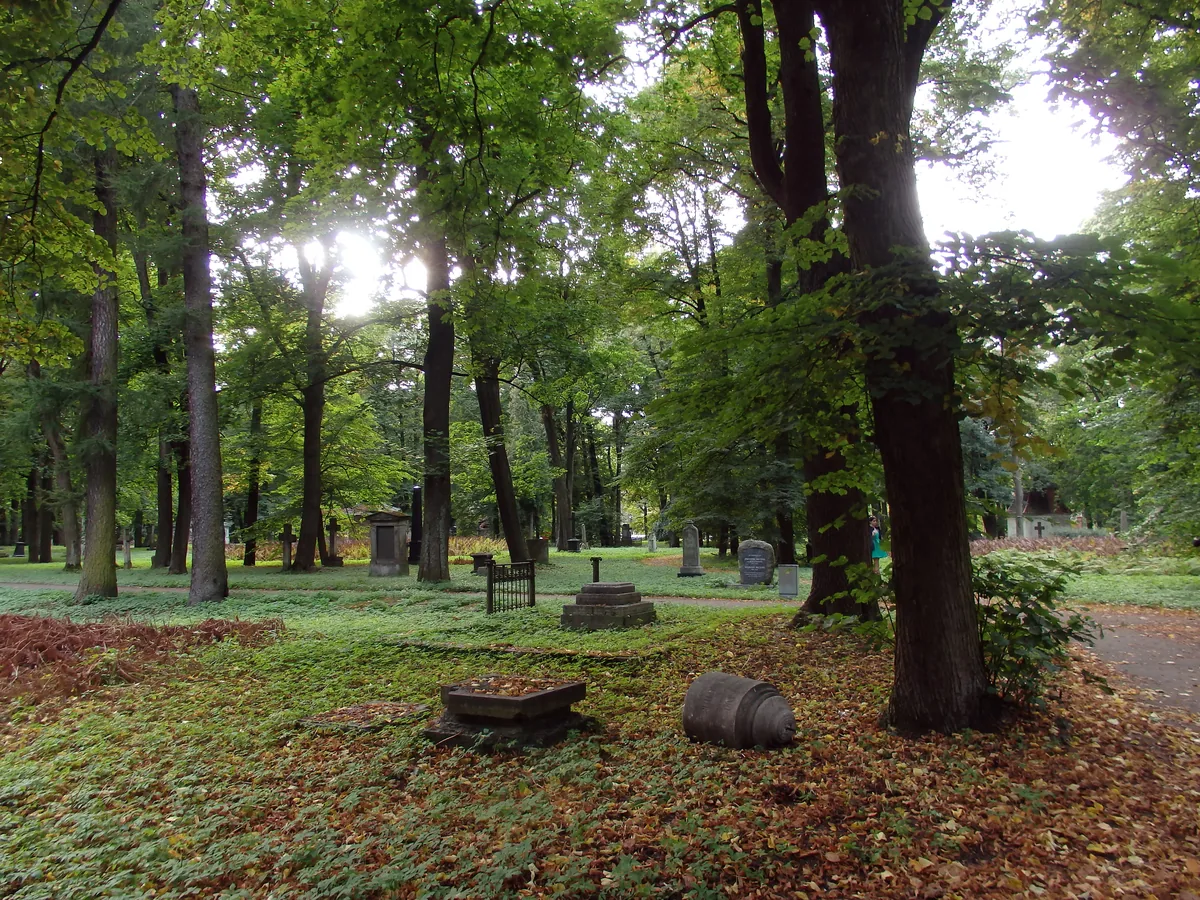
Riga’s Great Cemetery, or Lielie kapi, is a historic burial ground established in 1773. Its surviving graves, chapels and mature trees reflect the lives of generations of city residents and a later history of damage and restoration.
Greenwich Park
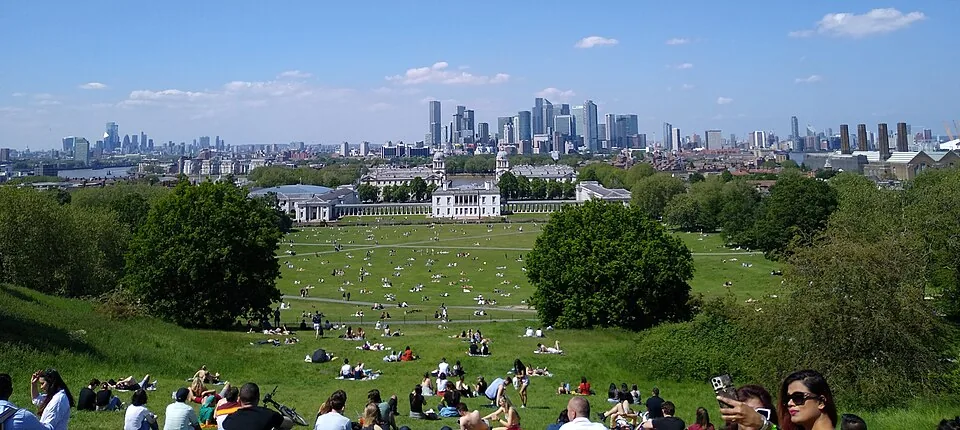
Greenwich Park’s long avenues draw the eye toward the hilltop observatory, while the ground preserves traces of much older settlement. Roman remains, Anglo-Saxon burial mounds, royal hunting history, and a seventeenth-century landscape plan meet within this broad London park.
Griffith Observatory
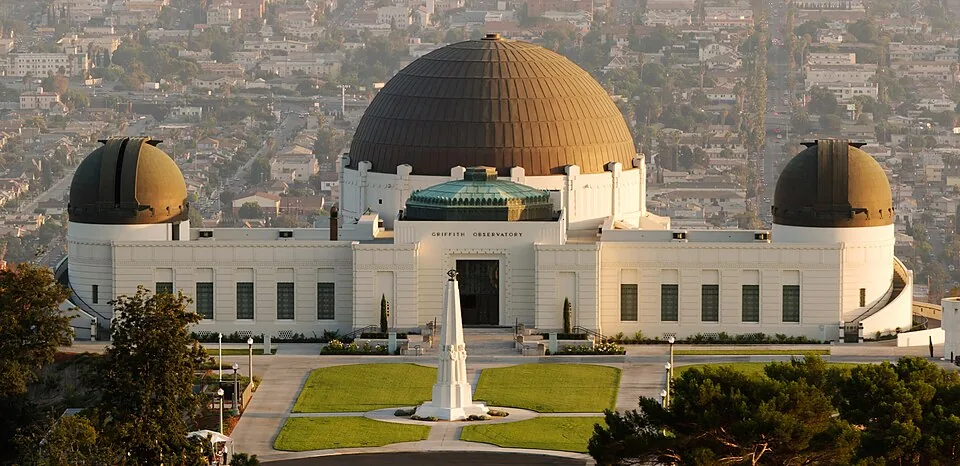
Griffith Observatory crowns a hillside in Griffith Park, pairing a public telescope venue with sweeping views of Los Angeles. Its original mission was to make astronomy accessible to everyone, a civic idea expressed in free exhibits and a prominent setting above the city.
Griffith Park
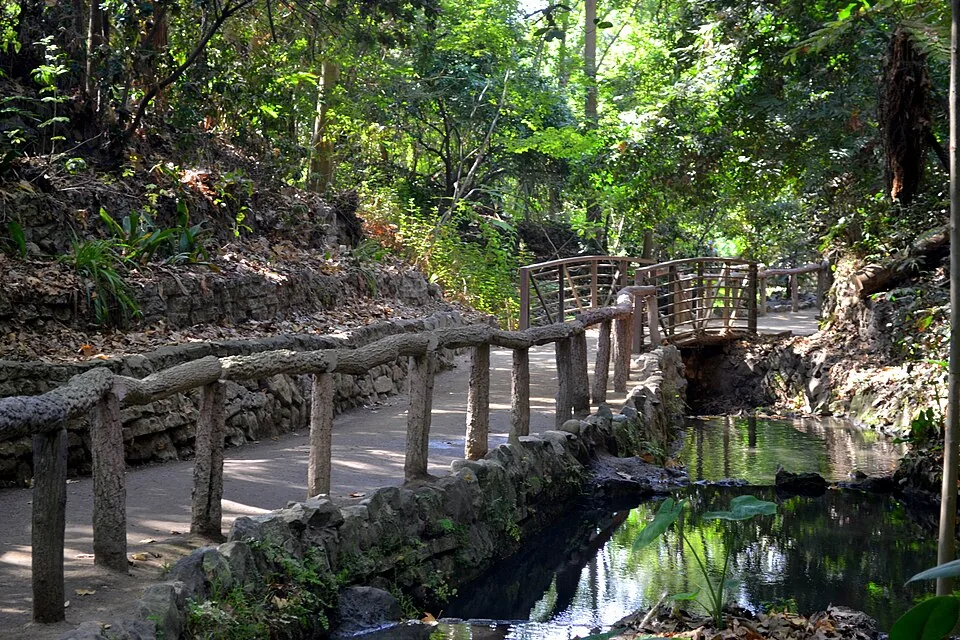
Griffith Park is a vast landscape of trails, chaparral and civic attractions within Los Angeles. Its origins trace to a 1896 land donation intended to create a public park, preserving a large stretch of open terrain as the growing city expanded around it.
Gropius Bau
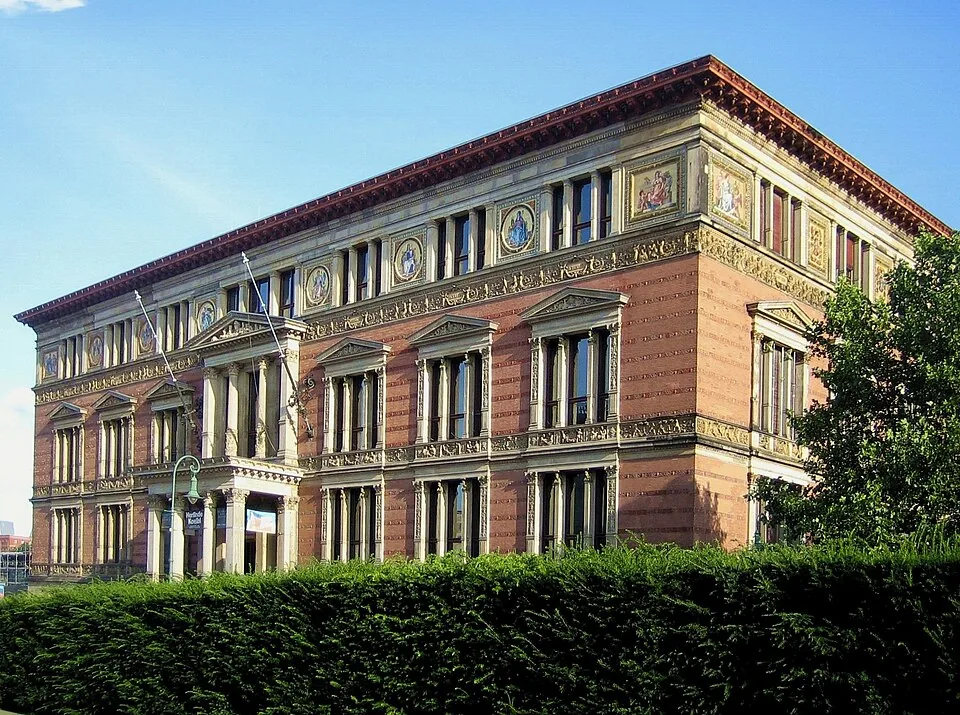
Gropius Bau is a nineteenth-century exhibition building whose ornate historic architecture bears visible traces of war damage and reconstruction. Today it hosts changing exhibitions, bringing contemporary cultural work into a structure that has itself been repeatedly reinterpreted.
Guandu Temple
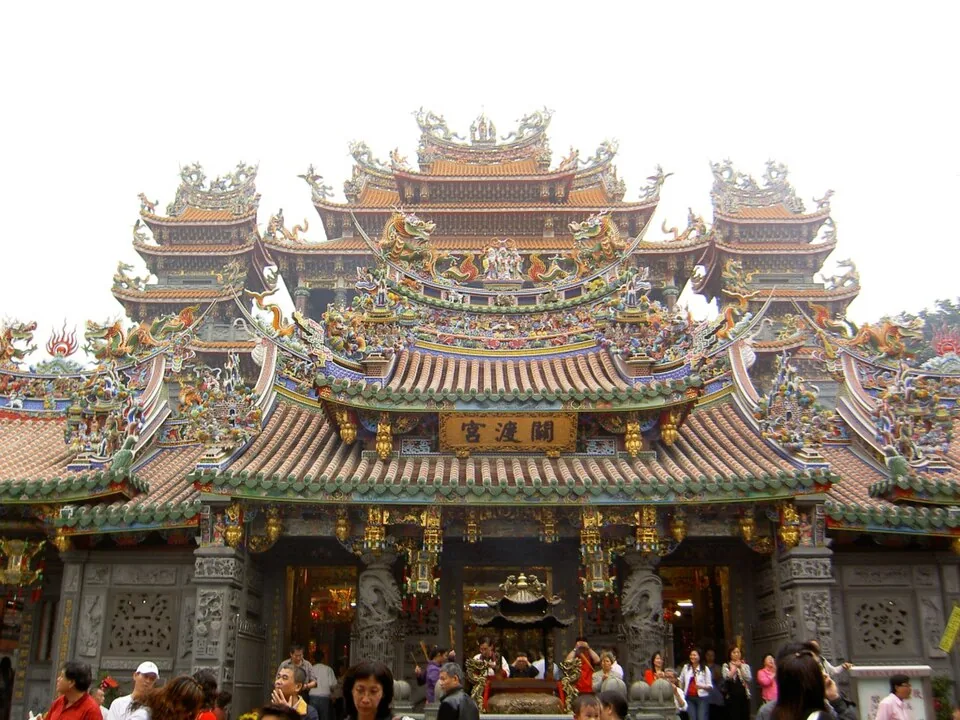
Guandu Temple faces a landscape once shaped by river travel and settlement. Its layered carving, stone lions, and sculpted passage make the building itself a work of devotion, while the temple remains an active sacred place for the community.
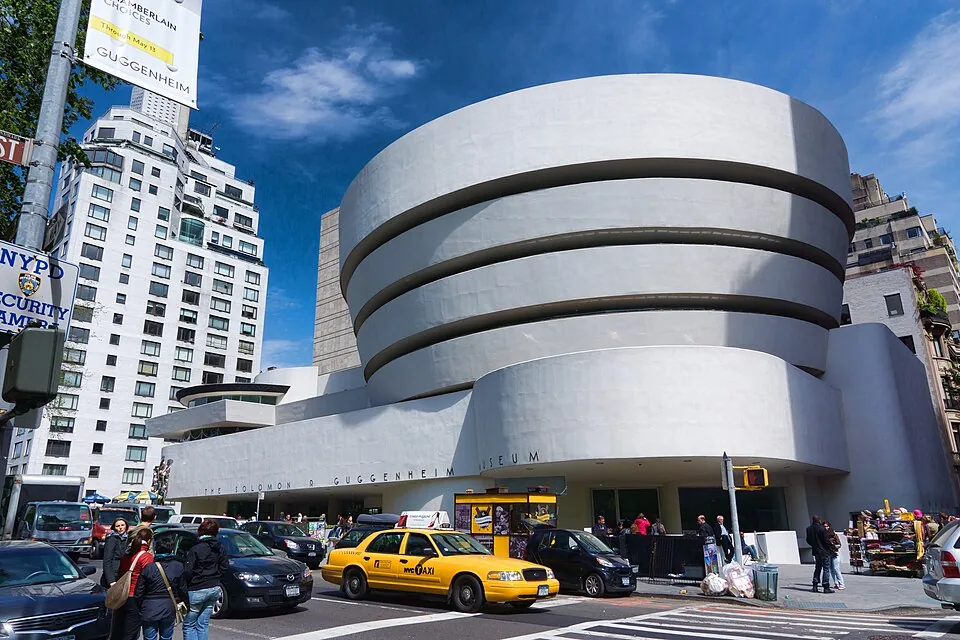
Guggenheim Museum
The Guggenheim’s continuous spiral ramp turns a museum visit into movement around a central void. Frank Lloyd Wright’s building challenged the conventional gallery room, making the architecture part of the experience of viewing modern art.
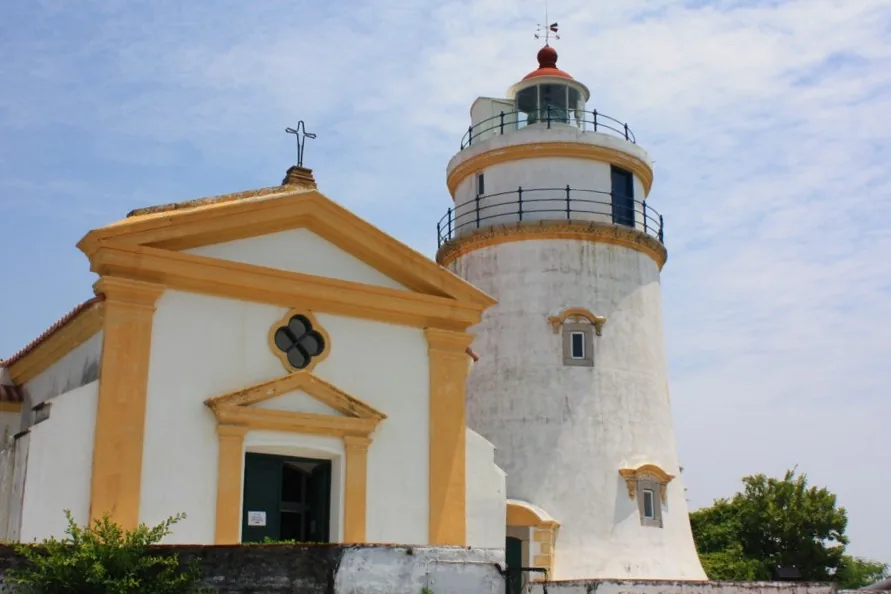
Guia Chapel
Guia Chapel sits within the hilltop fortification, close to Macao’s lighthouse. Inside, restored wall paintings combine Chinese and Western visual traditions, revealing cultural exchange through details meant for contemplation rather than display alone.
Guia Fortress
Guia Fortress shares its hilltop with a chapel and lighthouse, combining military, religious, and maritime functions within a compact enclosure. The lighthouse’s position became a reference point for Macao’s location, linking a local structure to navigation beyond the peninsula.
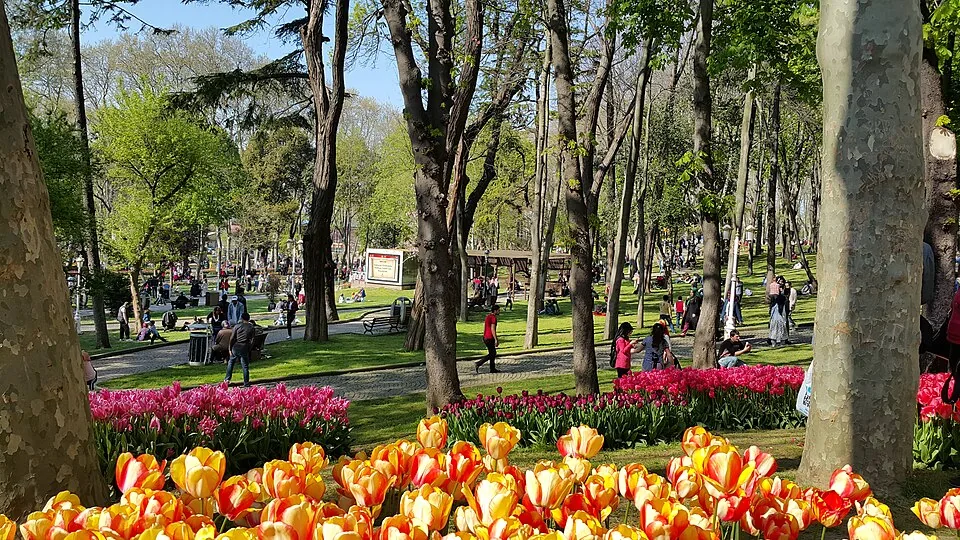
Gülhane Park
Gülhane Park occupies the former outer gardens of Topkapı Palace, now an open public landscape beside the city’s historic core. Its paths connect horticultural calm with political history, including a landmark public reading of the Tanzimat Edict.