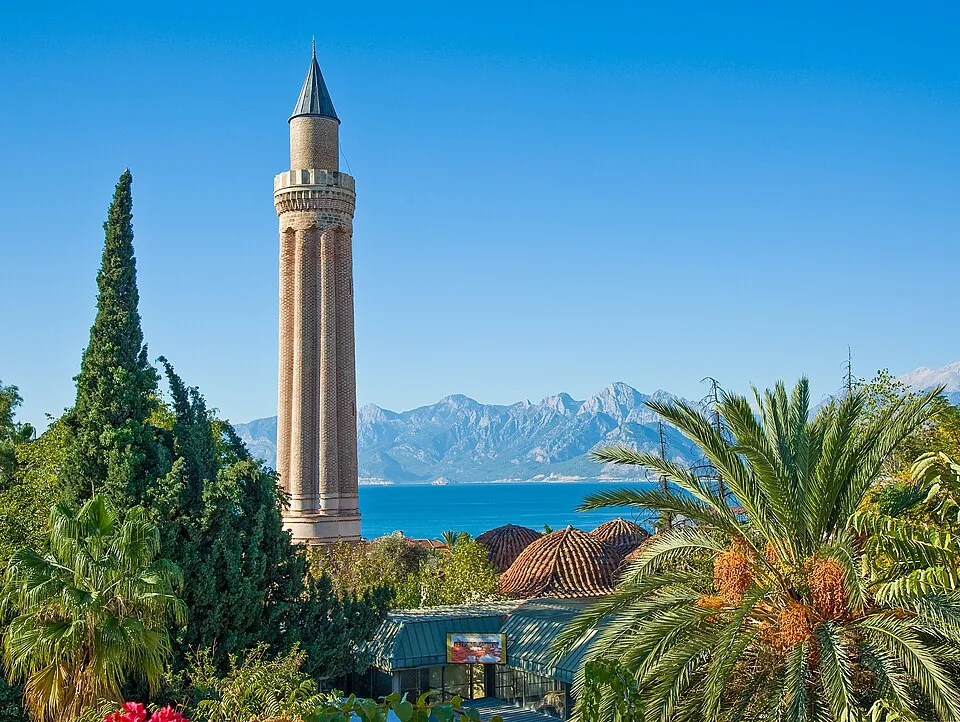
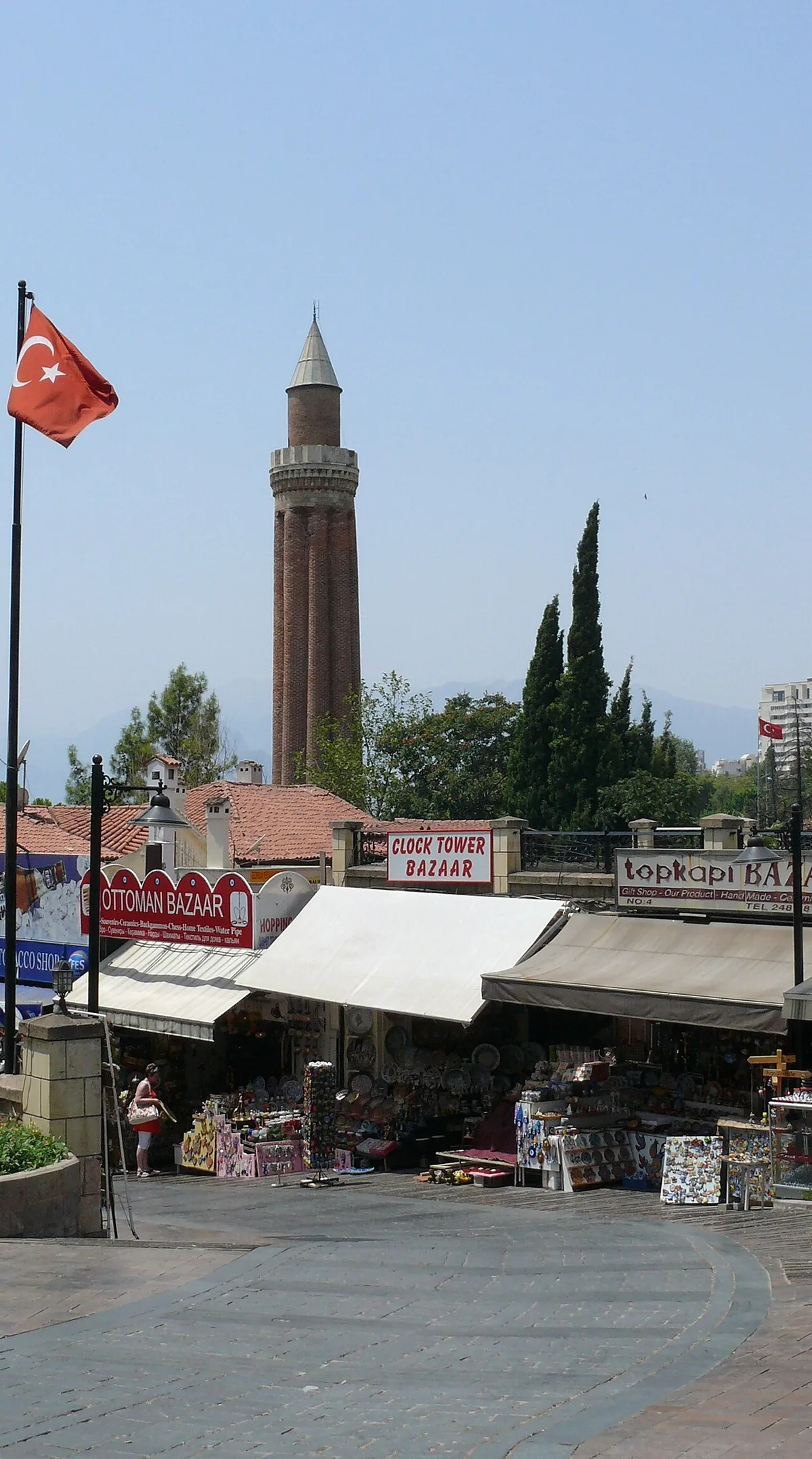
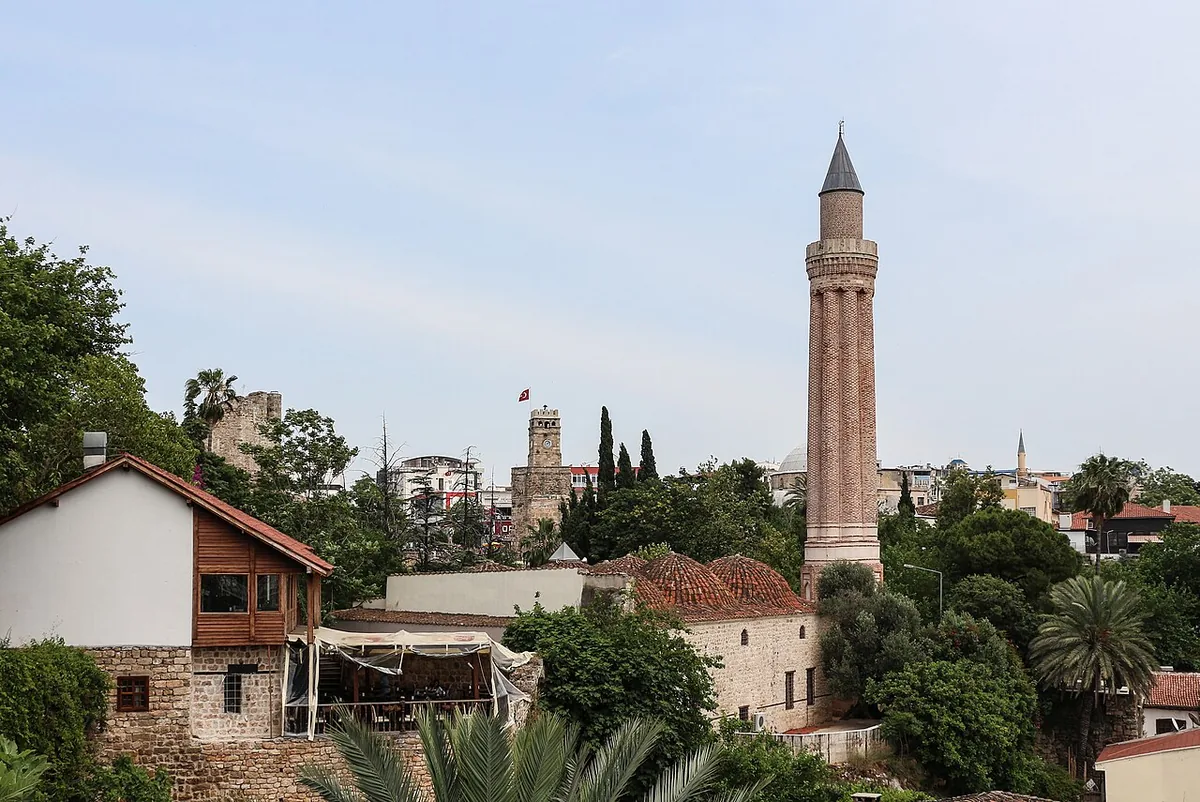
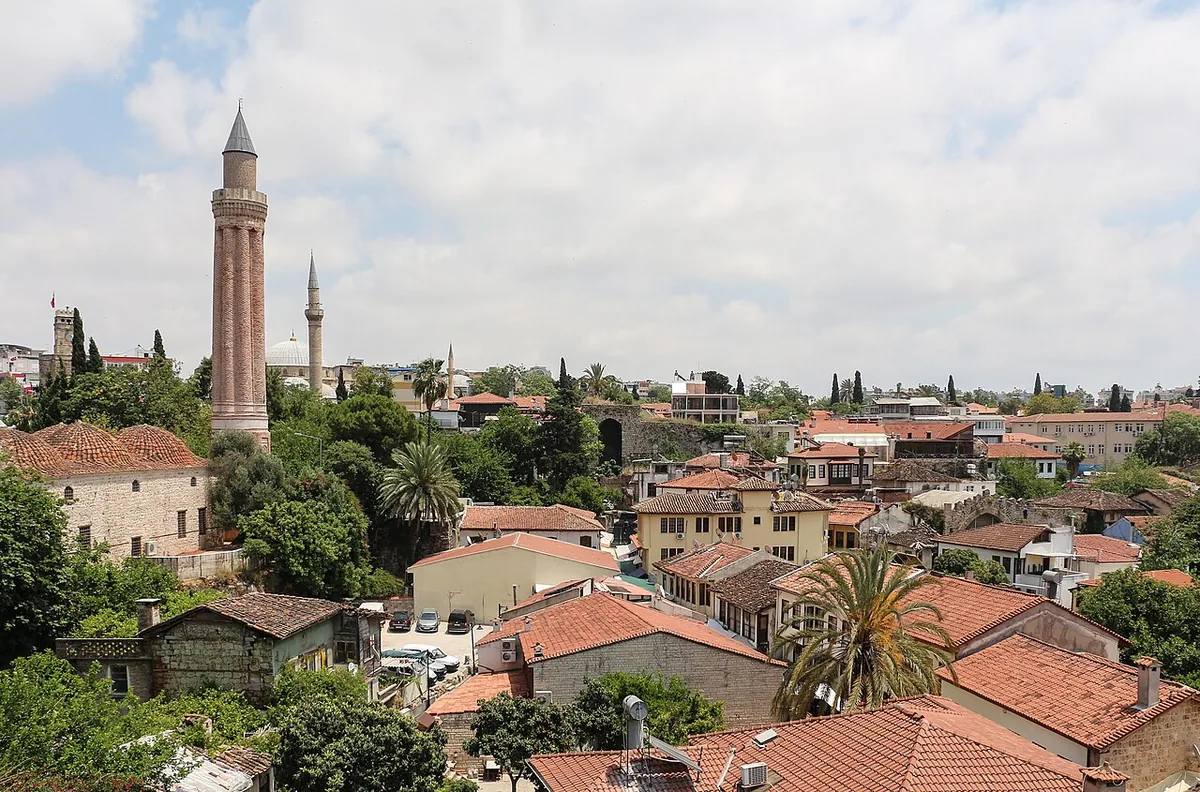
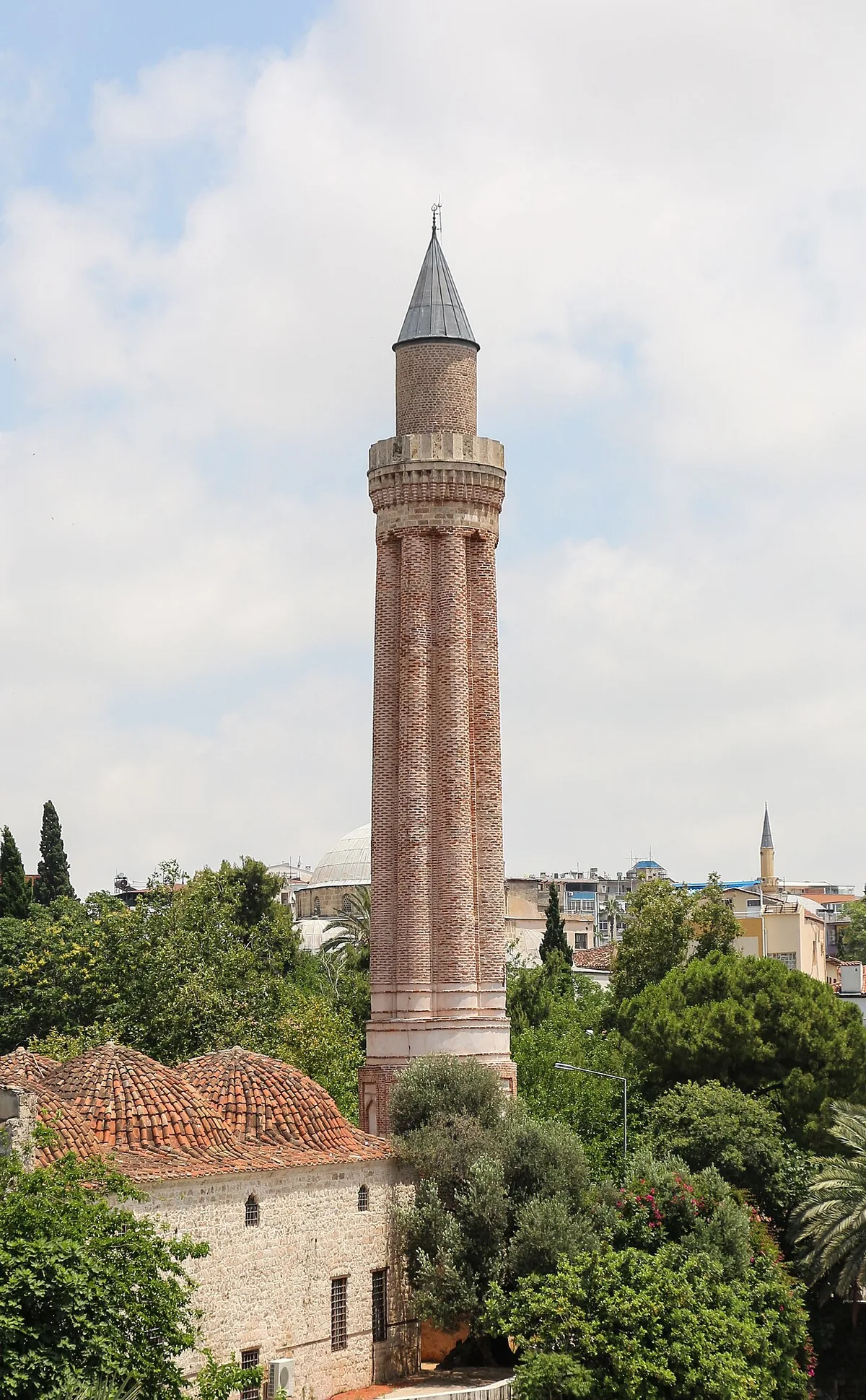
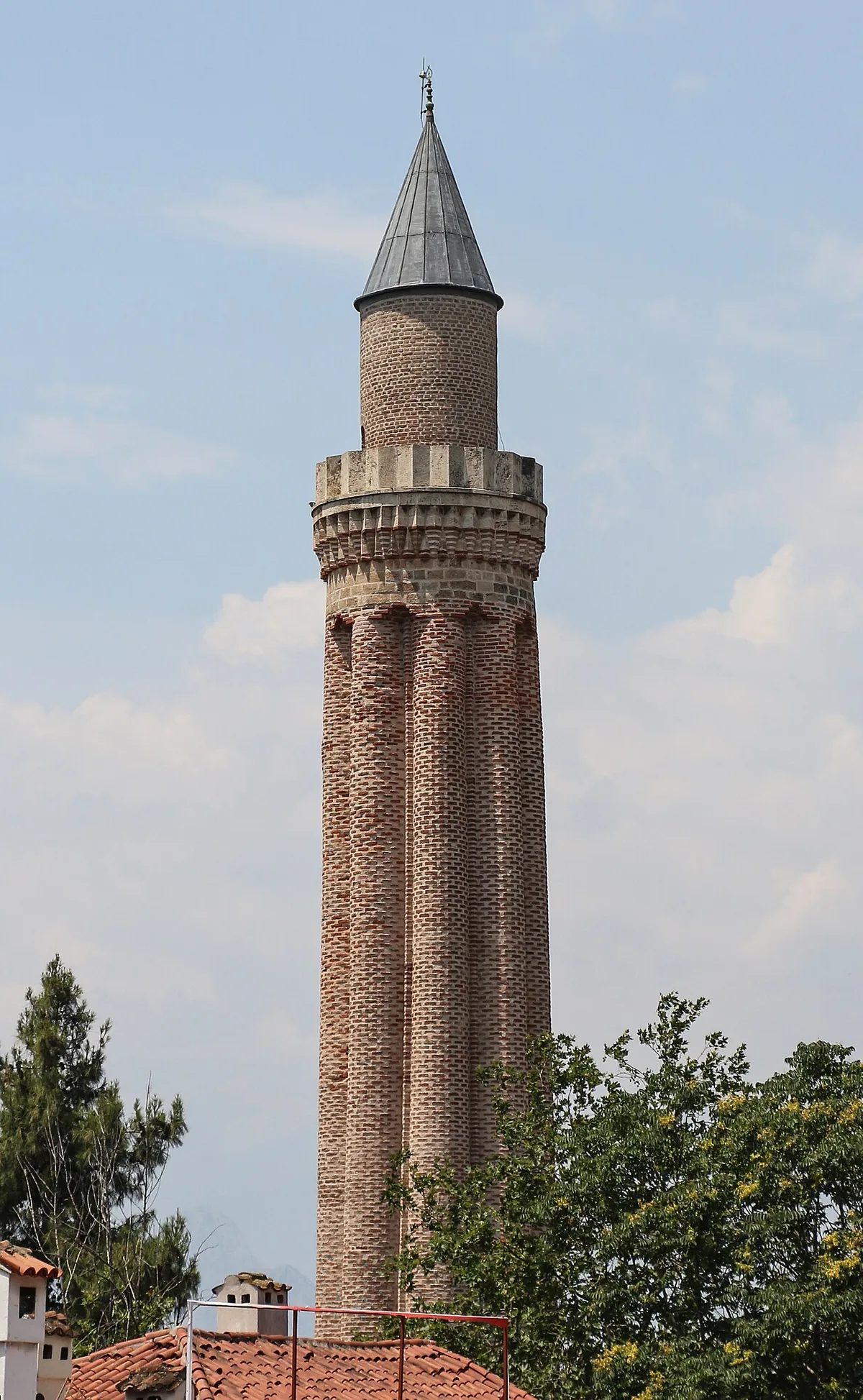
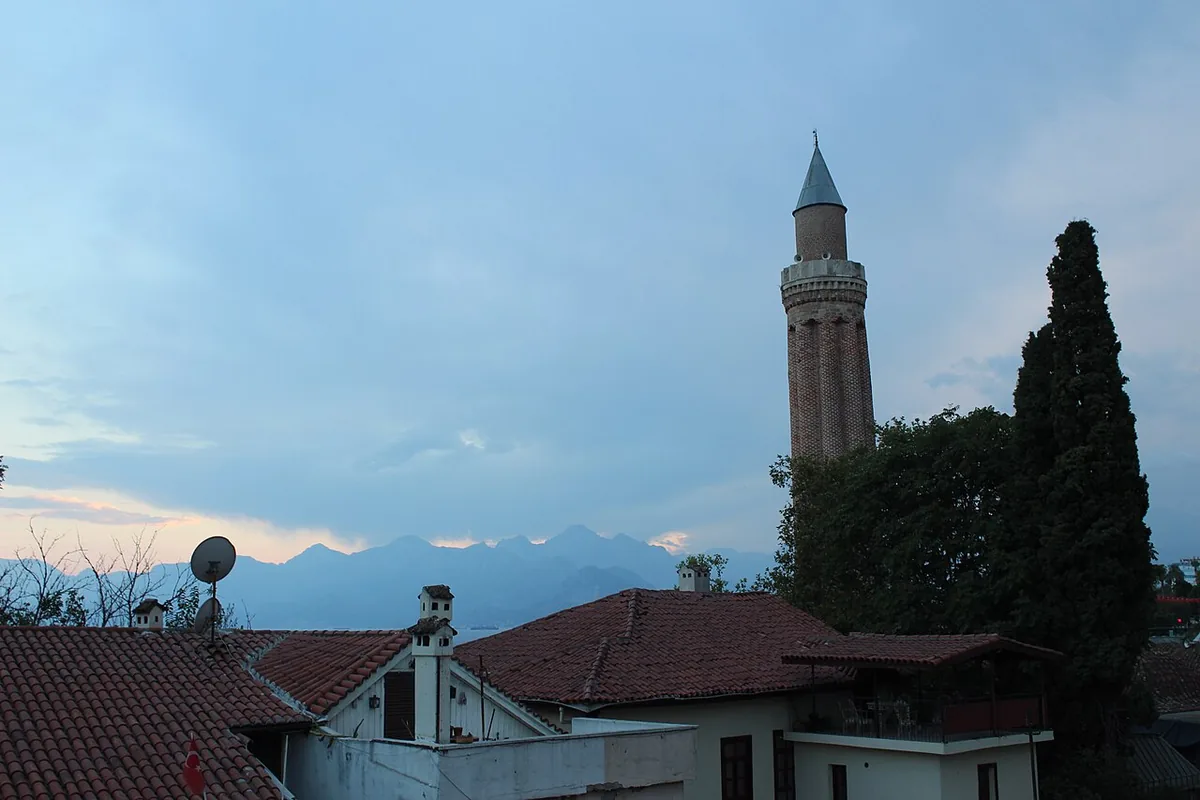
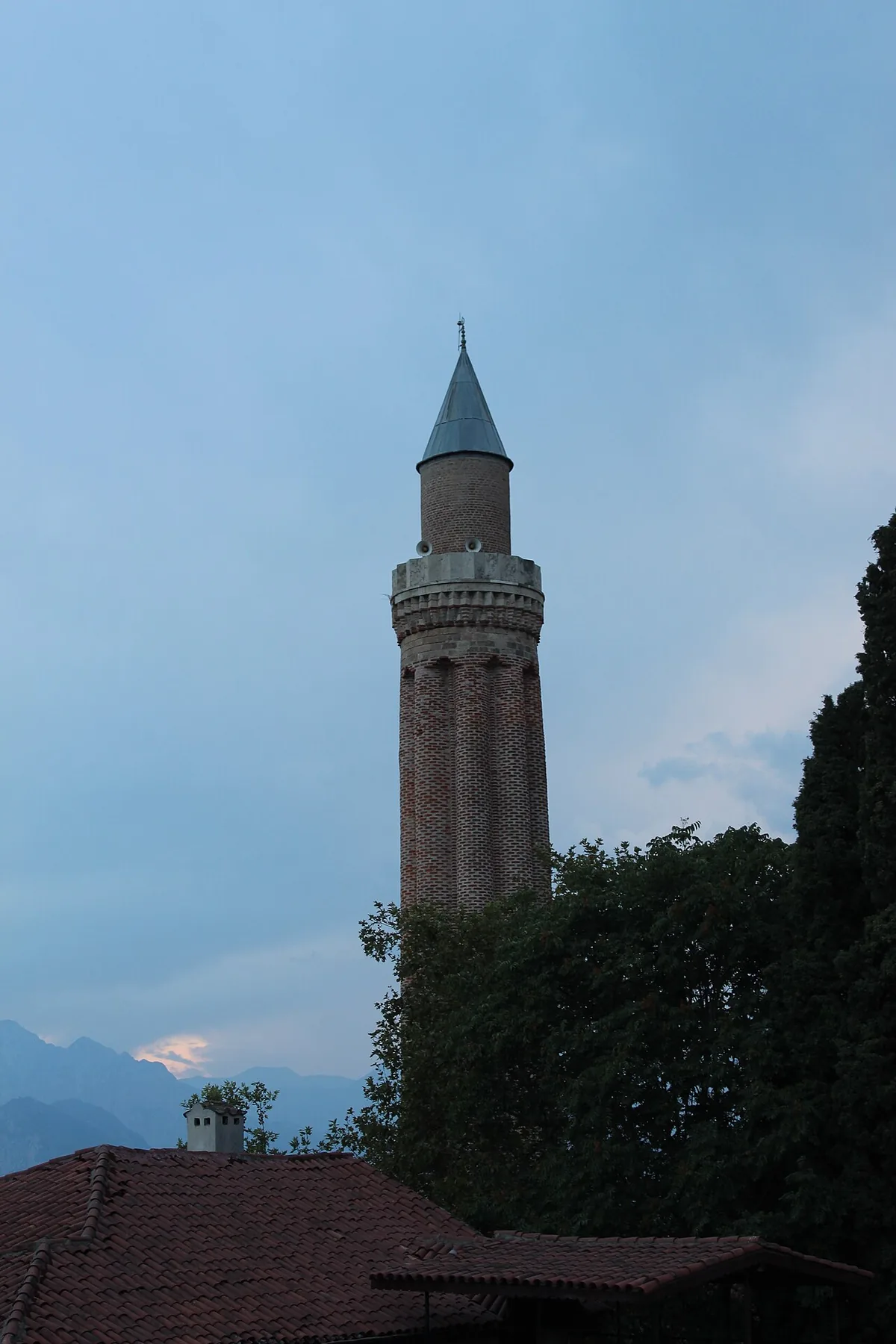
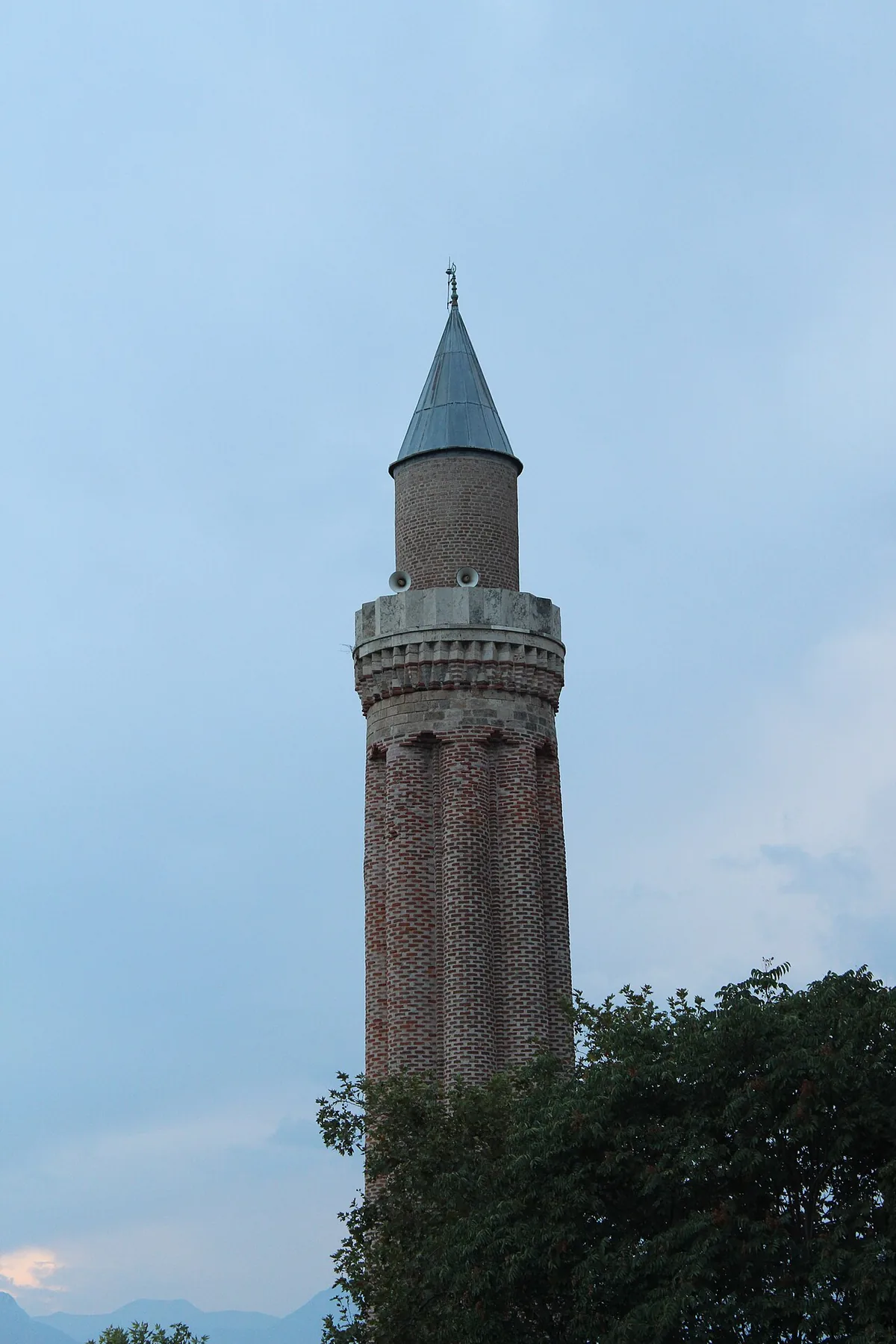
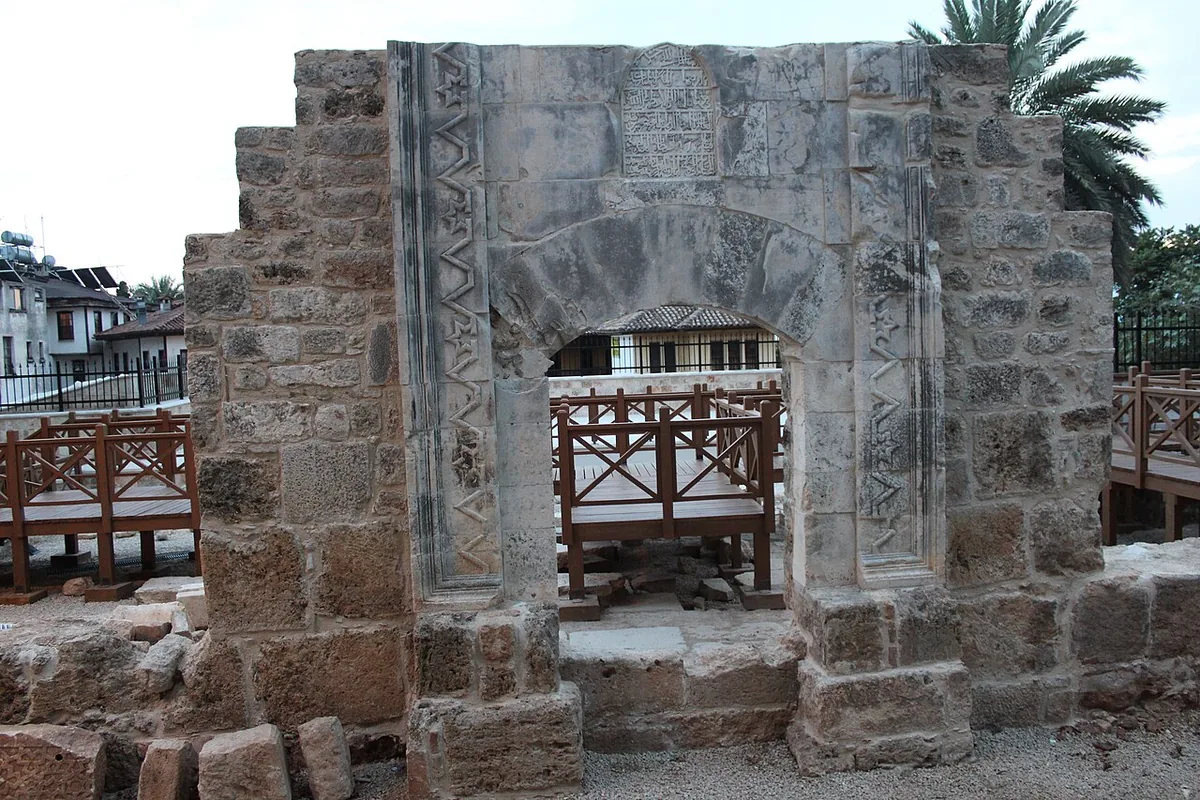
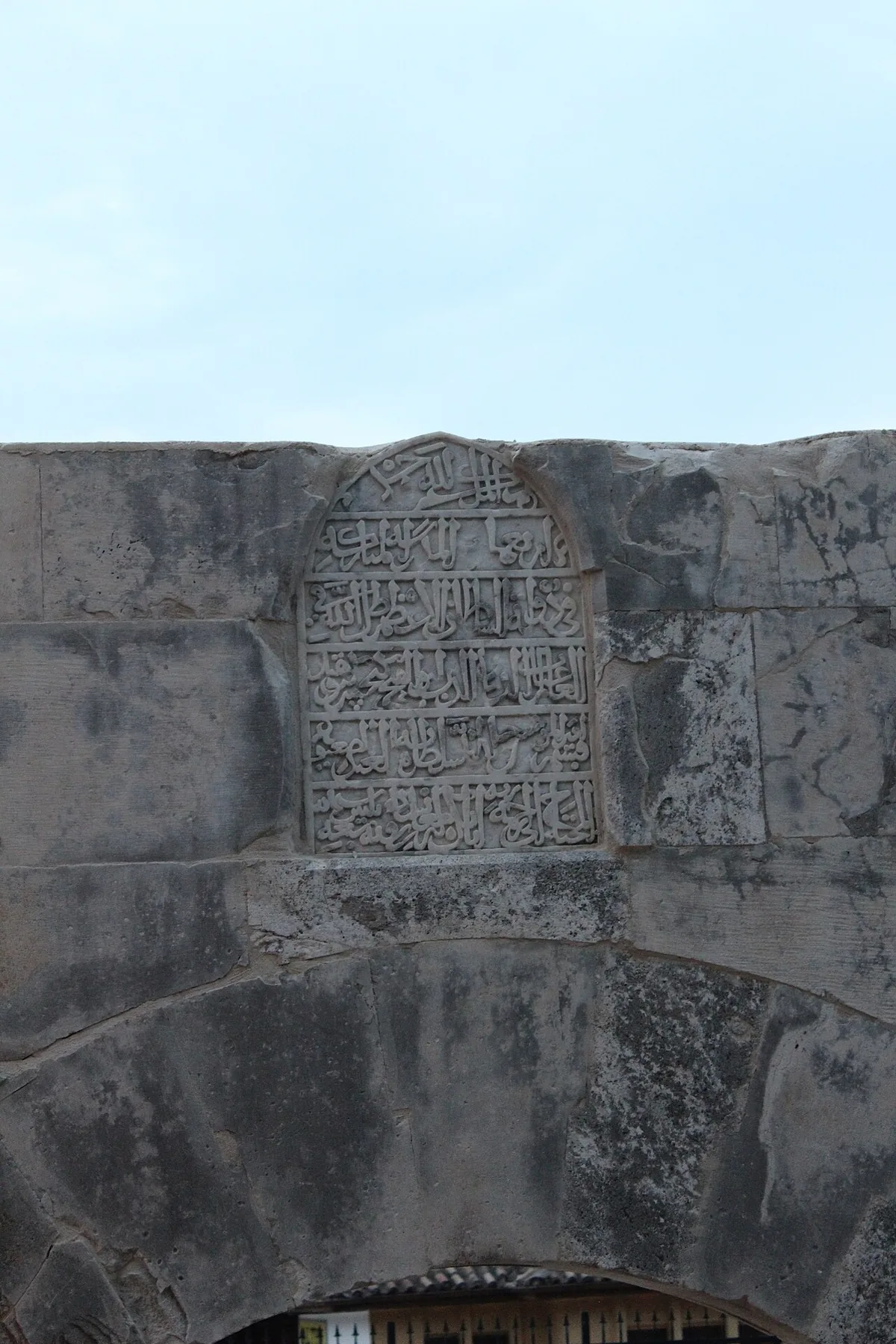
The fluted red-brick minaret rises above Kaleiçi as one of Antalya’s most recognizable silhouettes. Its distinctive grooves explain its name, while the surrounding complex shows that the landmark belonged to a broader Seljuk religious and civic center.
Guide
The minaret’s red brick is divided into vertical flutes, a pattern that gives Yivli Minare its name. The monument dates to the reign of Seljuk ruler Alaeddin Keykubad, between 1220 and 1237, and became the anchor of a larger complex in Antalya’s old center.
Continue exploring
Discover the full story
Keep reading with a travel pass and explore every full guide and tour.
UpgradeQuick facts
- The minaret was built during Alaeddin Keykubad’s reign, 1220–1237.
- Its name refers to the fluted form of its brick shaft.
- The surrounding complex included a mosque, medreses, a lodge, baths, and tombs.
More places in Antalya
Antalya Aquarium
Antalya Aquarium’s long underwater tunnel turns a visitor’s walk into a changing view of marine life overhead and beside you. The venue’s themed tanks build a sequence of habitats, while the tunnel provides a simple, memorable sense of immersion.
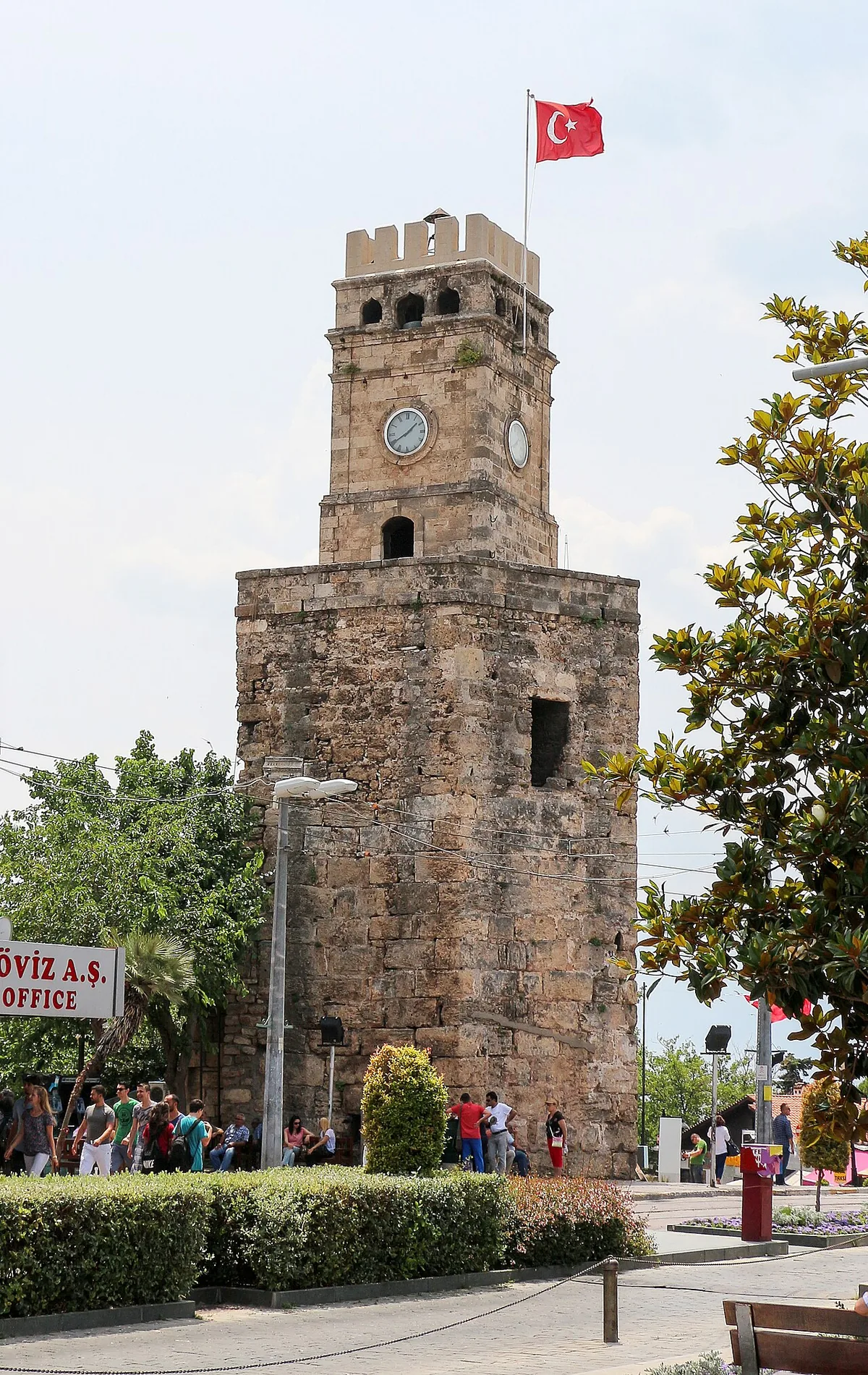
Antalya Clock Tower
The clock faces are set into a tower built on an older fortification at Kale Kapısı. Antalya’s Clock Tower shows how a historic gate bastion became a civic landmark, and how twentieth-century residents reshaped the old town’s entrance.
Antalya Ethnography Museum
Antalya Ethnography Museum occupies two Ottoman-era mansions in Kaleiçi. Their rooms present objects and settings from local domestic life, while the gardens preserve inscriptions and other architectural fragments from earlier periods.
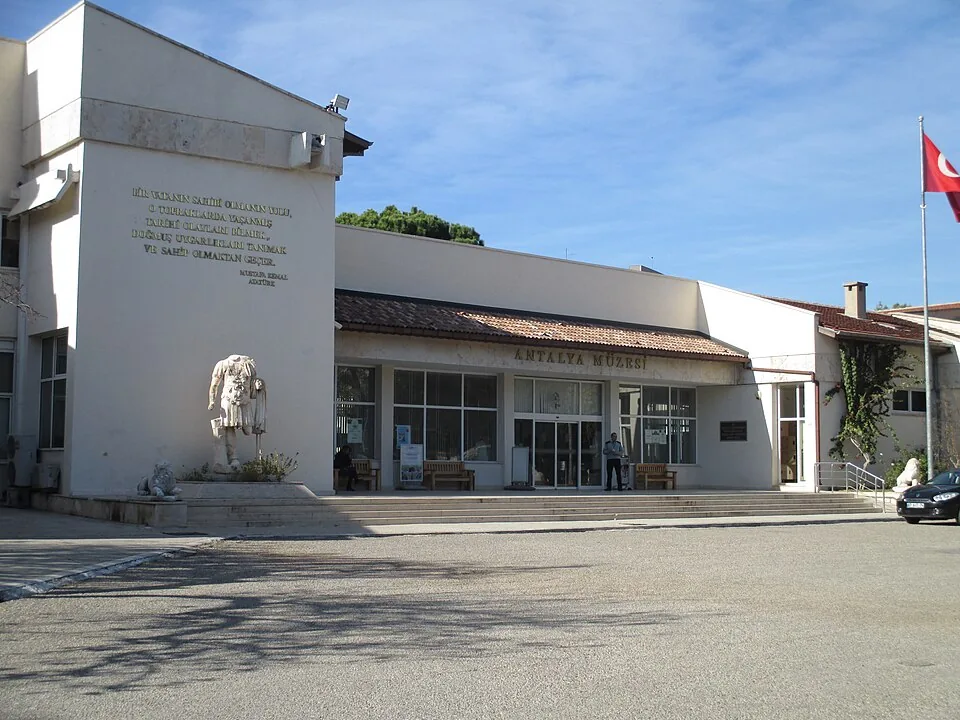
Antalya Museum
Antalya Museum brings together finds from Lycia, Pamphylia, and Pisidia, the ancient regions that surround the modern city. Its galleries connect local archaeological discoveries with a broader story of settlement, worship, trade, and artistic change.
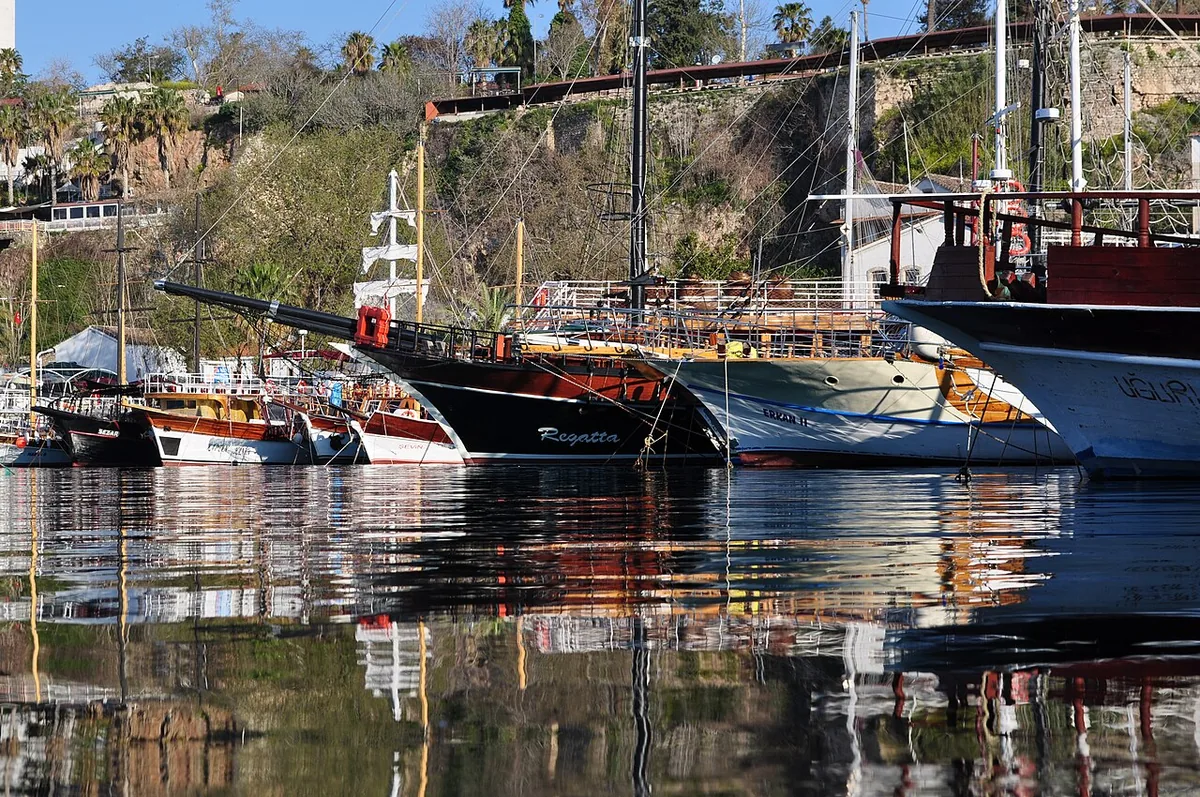
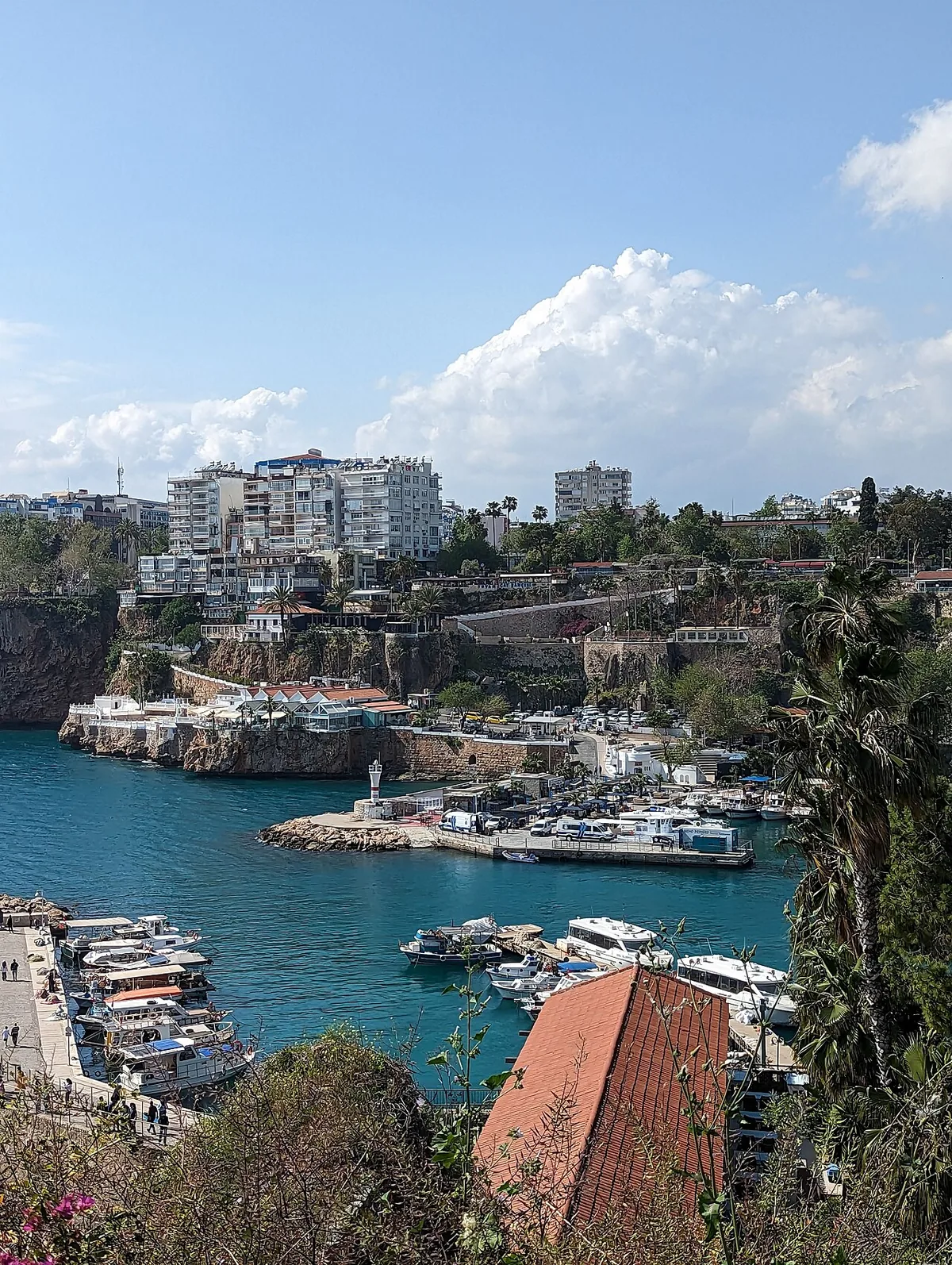
Antalya Old Harbour
Antalya Old Harbour occupies a naturally sheltered inlet below Kaleiçi’s historic walls. Stairs and gates once linked the waterfront with the walled town, making the port both a point of arrival and part of the city’s defensive and commercial life.
Antalya Science Centre
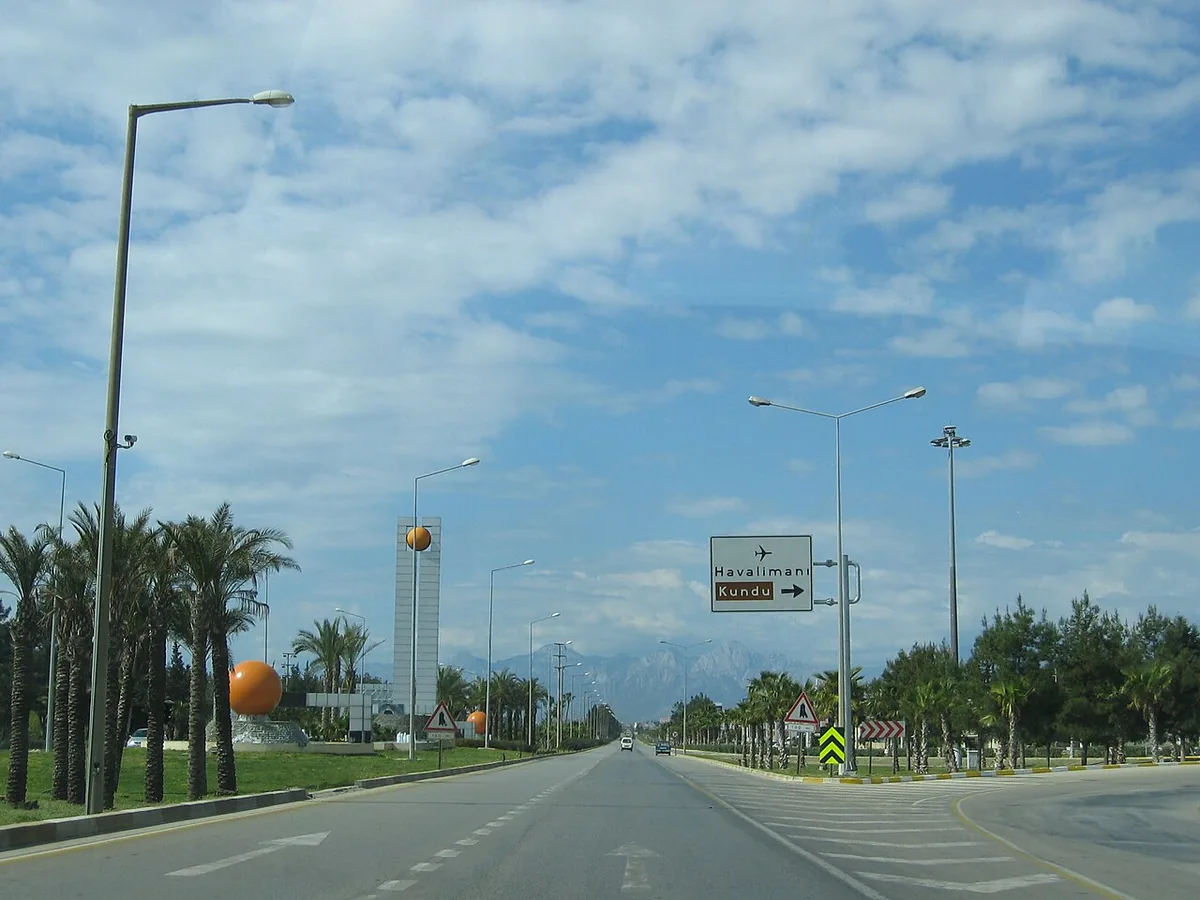
Antalya Science Centre occupies a former textile-factory site at Dokumapark, connecting hands-on science learning with Antalya’s industrial history. Its galleries and workshops invite visitors to test ideas through practical experiments rather than encounter science only as finished information.