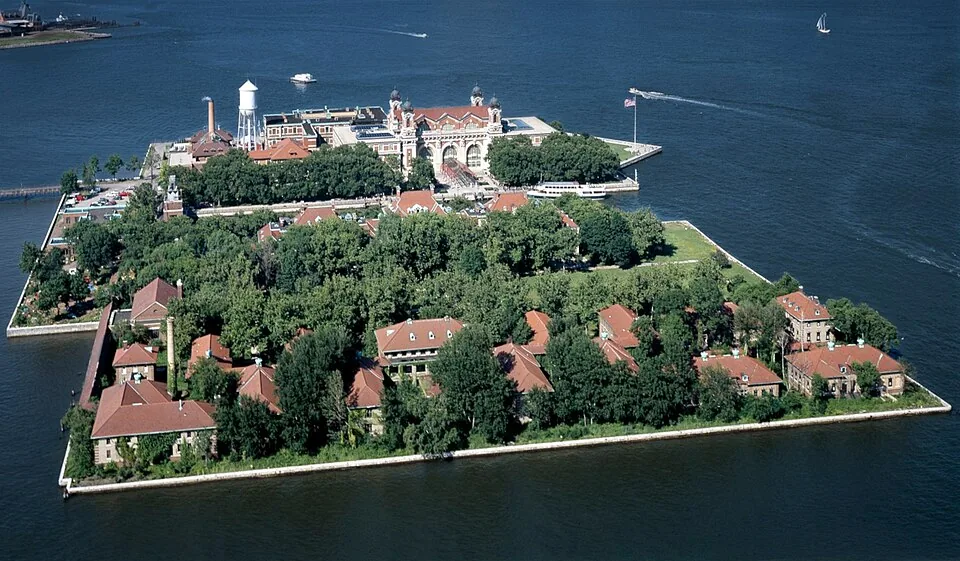
Ellis Island’s Main Immigration Building stands in New York Harbor as a record of arrival, inspection, and waiting. Its Great Hall concentrated millions of individual journeys into a federal process that shaped who could enter the United States.
Guide preview
The huge arched windows and copper-capped towers make this building feel ceremonial, but its central room was built for inspection. Ellis Island became the nation’s principal federal immigration station in 1892; the present Main Building opened in 1900 after a fire destroyed the original wooden station.
Continue exploring
Discover the full story
Keep reading with a travel pass and explore every full guide and tour.
UpgradeQuick facts
- The immigration station opened on Ellis Island in 1892.
- The current Main Immigration Building opened in 1900 after an 1897 fire.
- More than 12 million immigrants were processed on Ellis Island.
More places in New York City
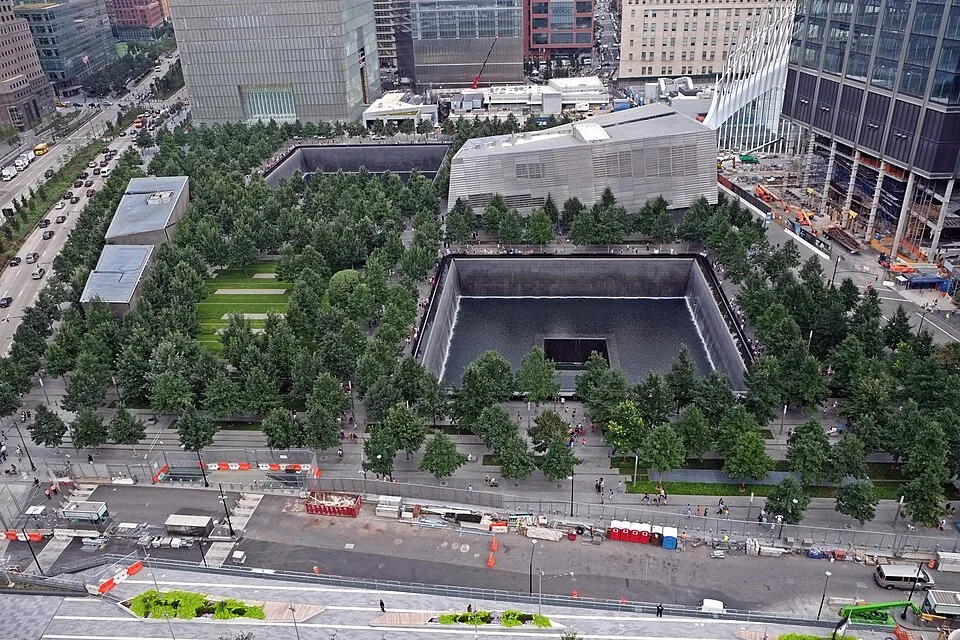
9/11 Memorial
The 9/11 Memorial’s twin pools occupy the footprints of the former World Trade Center towers. Water descends into central voids beside bronze parapets of names, giving absence a physical form within a grove of swamp white oaks.
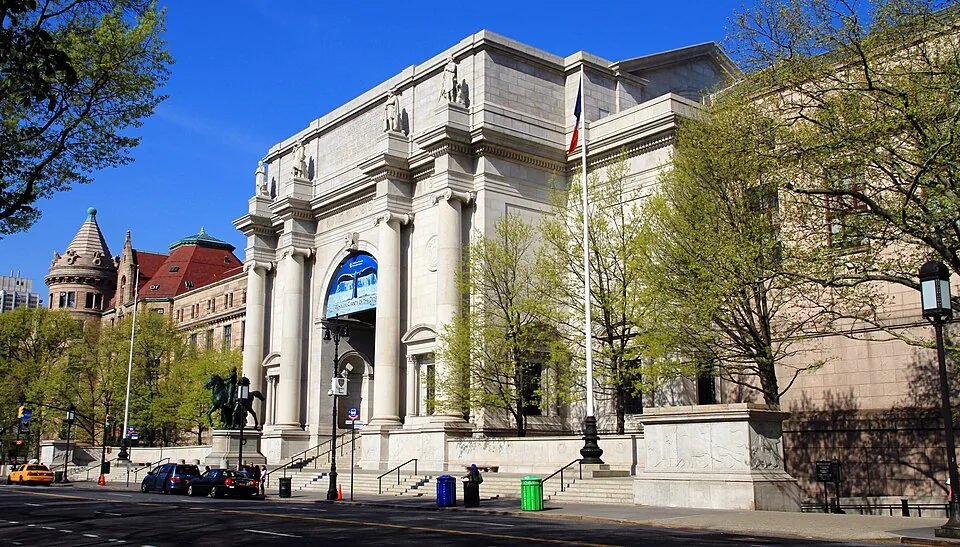
American Museum of Natural History
The American Museum of Natural History occupies a sequence of halls and buildings opposite Central Park, turning scientific collections into public encounters with nature, human cultures, and the universe. Its founding mandate explicitly joined research with accessible instruction.
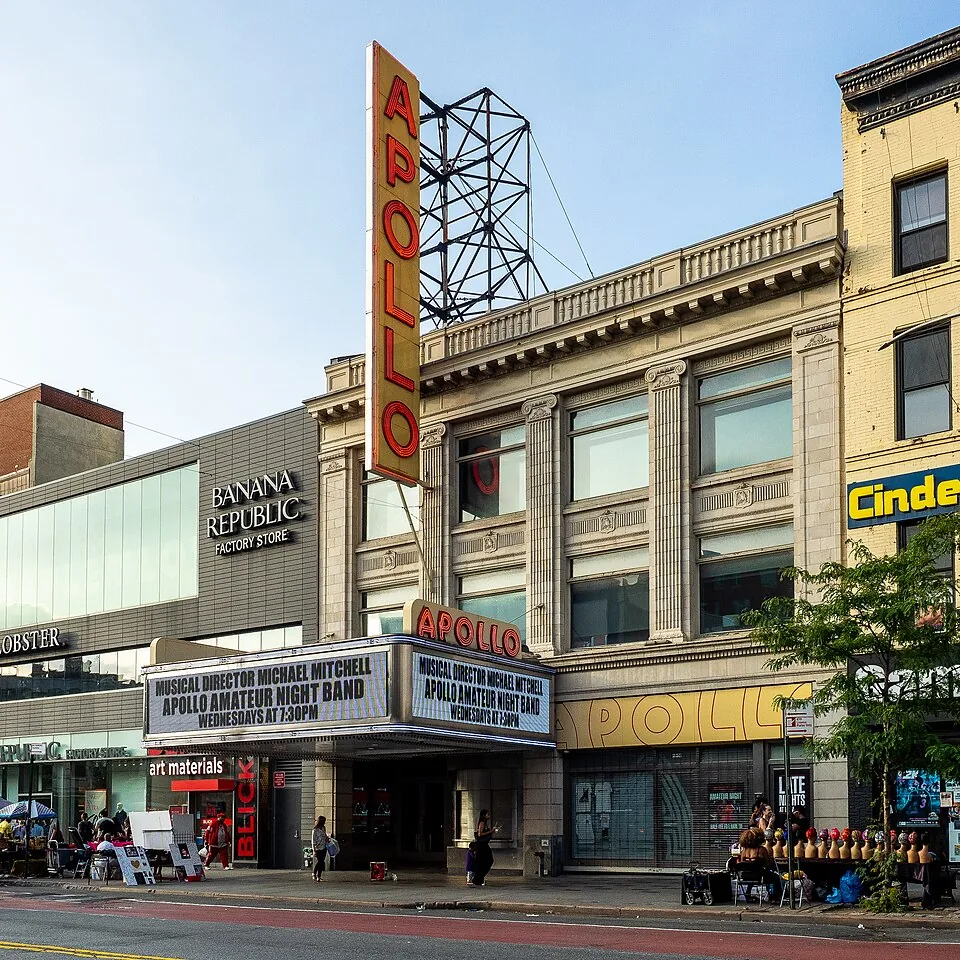
Apollo Theater
The Apollo Theater’s illuminated sign marks a Harlem institution that has shaped American popular music. Amateur Night began here in 1934, giving emerging performers a stage and an audience whose response could help launch remarkable careers.
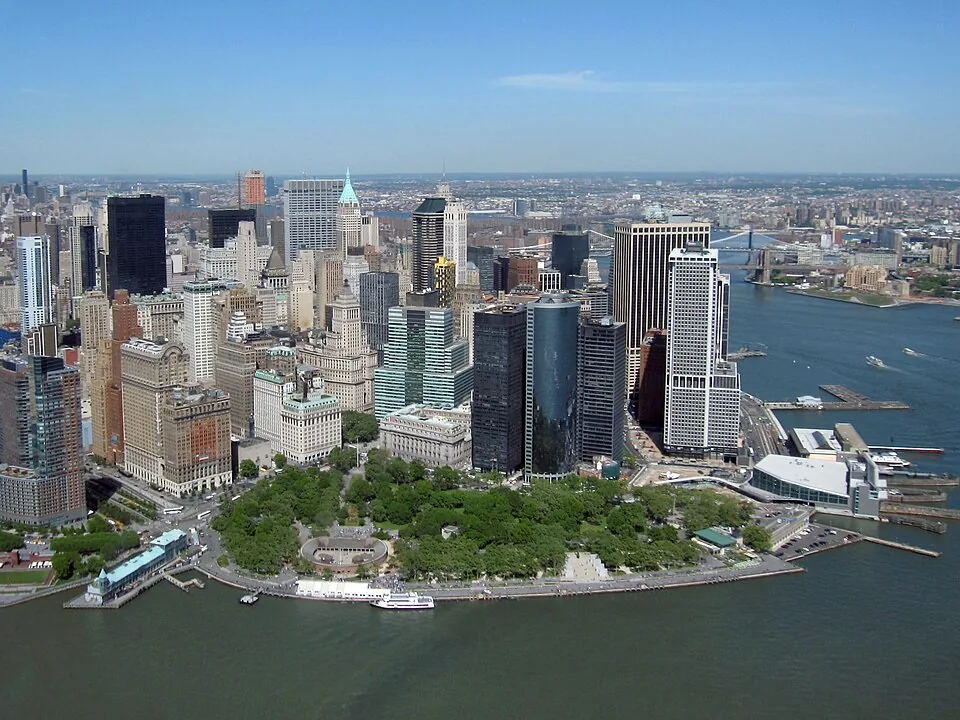
Battery Park
Battery Park, also known as The Battery, occupies Manhattan’s southern tip at the meeting of the Hudson and East Rivers. Its waterfront paths, monuments and Castle Clinton connect the city’s harbor history with today’s public park life.
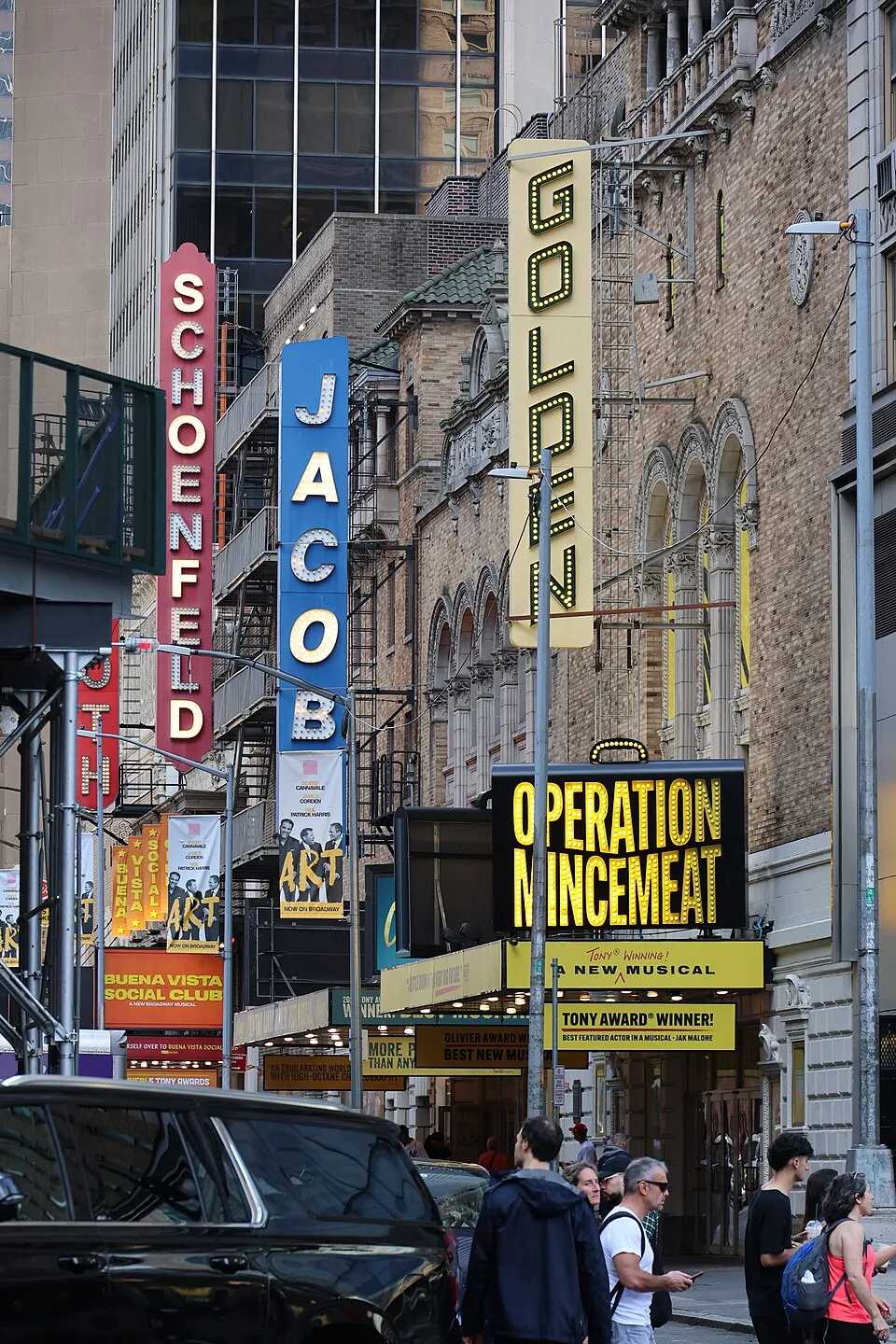
Broadway Theatre District
The Broadway Theatre District concentrates historic playhouses around Times Square, where marquees announce live performance amid a dense transit and commercial hub. The district moved north with Manhattan’s growth and settled here as transportation made audiences easier to gather.
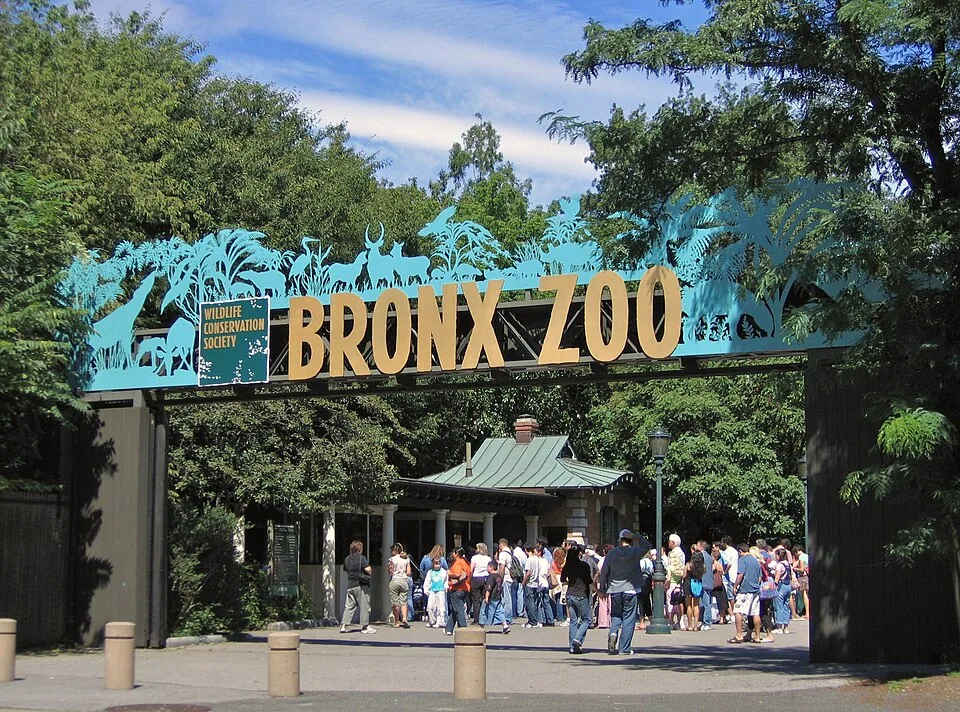
Bronx Zoo
The Bronx Zoo combines a large urban park landscape with animal habitats and conservation work. Its wooded grounds create a surprising sense of distance from city streets, while exhibits connect visitors with wildlife and the ecosystems that need protection.