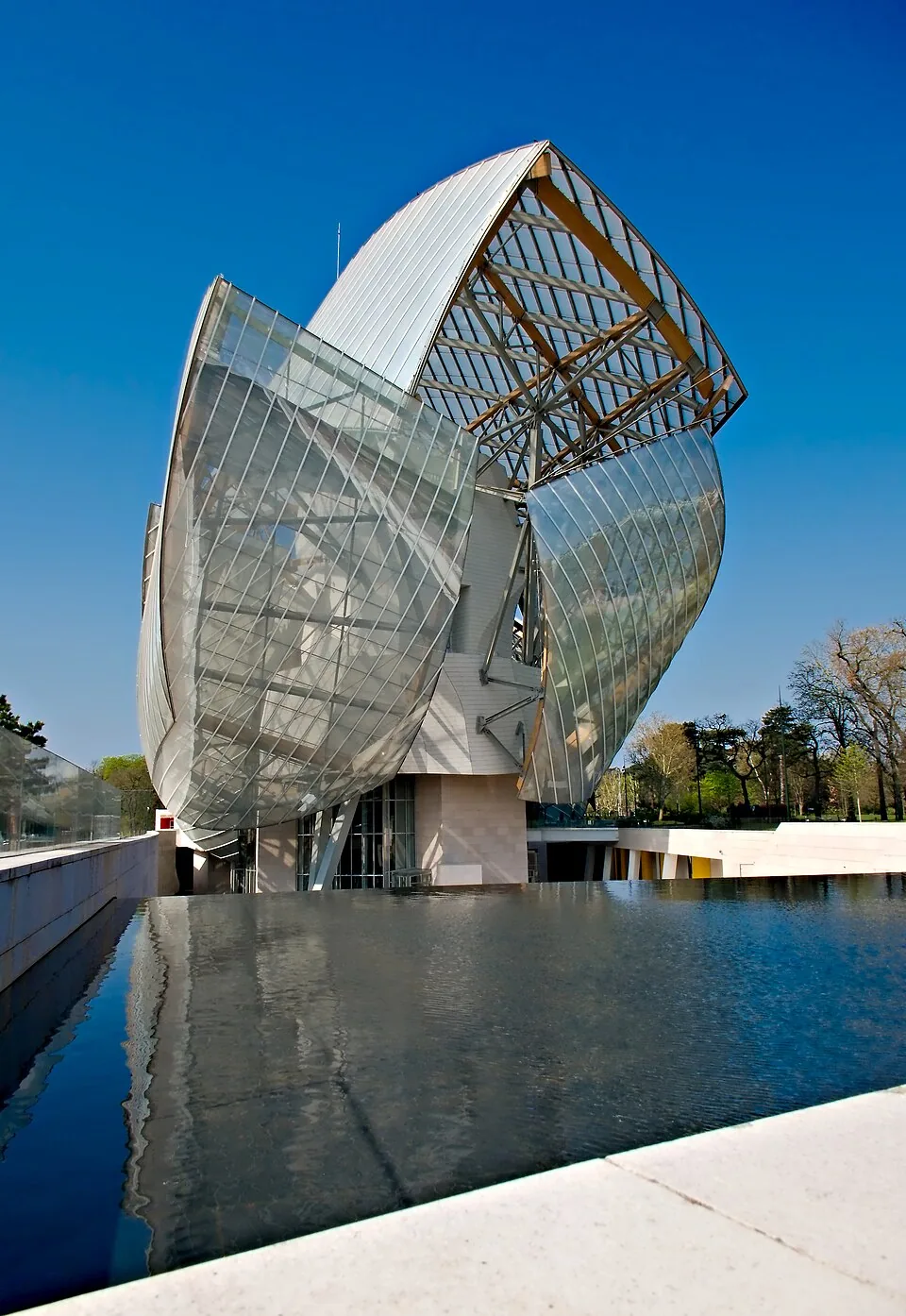
Frank Gehry’s glass sails seem to hover above a white sculptural core at Fondation Louis Vuitton. The building draws on the lightness of nineteenth-century glass garden architecture while using digitally designed forms and custom materials to create a shifting visual presence.
Guide preview
From the edge of the Bois de Boulogne, the building can look like a glass ship or a cloud caught among the trees. Frank Gehry described his aim as creating a vessel for Paris’s cultural vocation, and the Fondation’s architecture turns that metaphor into structure.
Continue exploring
Discover the full story
Keep reading with a travel pass and explore every full guide and tour.
UpgradeQuick facts
- Frank Gehry designed Fondation Louis Vuitton.
- The building opened to the public on October 27, 2014.
- Its exterior uses twelve glass sails and thousands of individually shaped glass panels.
More places in Paris
59 Rivoli
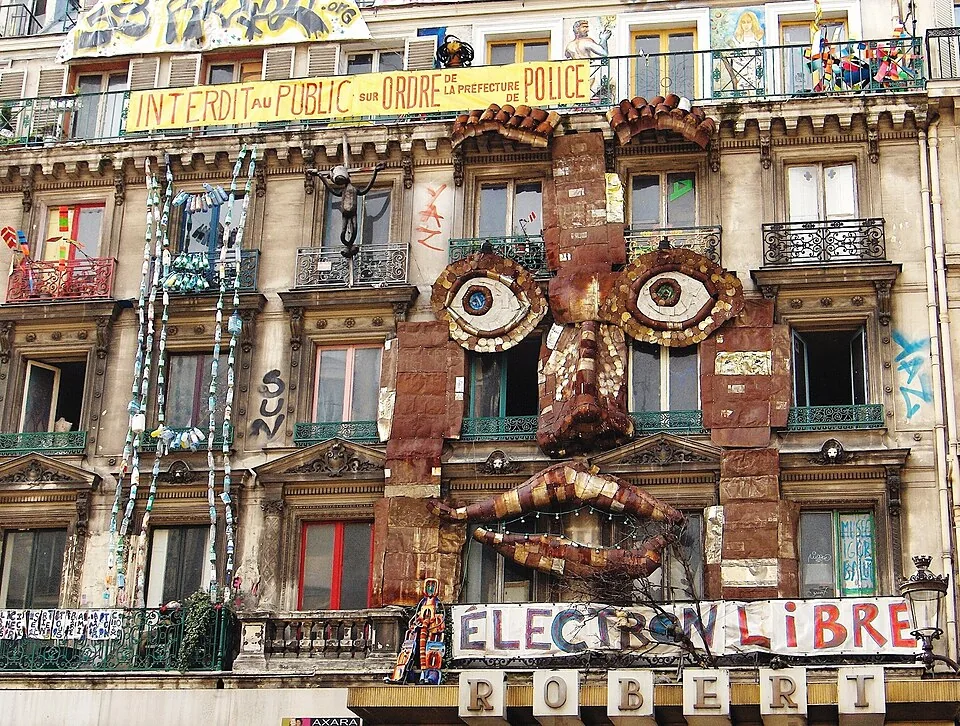
59 Rivoli is an artist-run building on Rue de Rivoli, born from a 1999 occupation of a vacant Haussmann-era property. The City of Paris later secured its artistic use, turning a contested workspace into a public-facing site for studios and exhibitions.
Arc de Triomphe
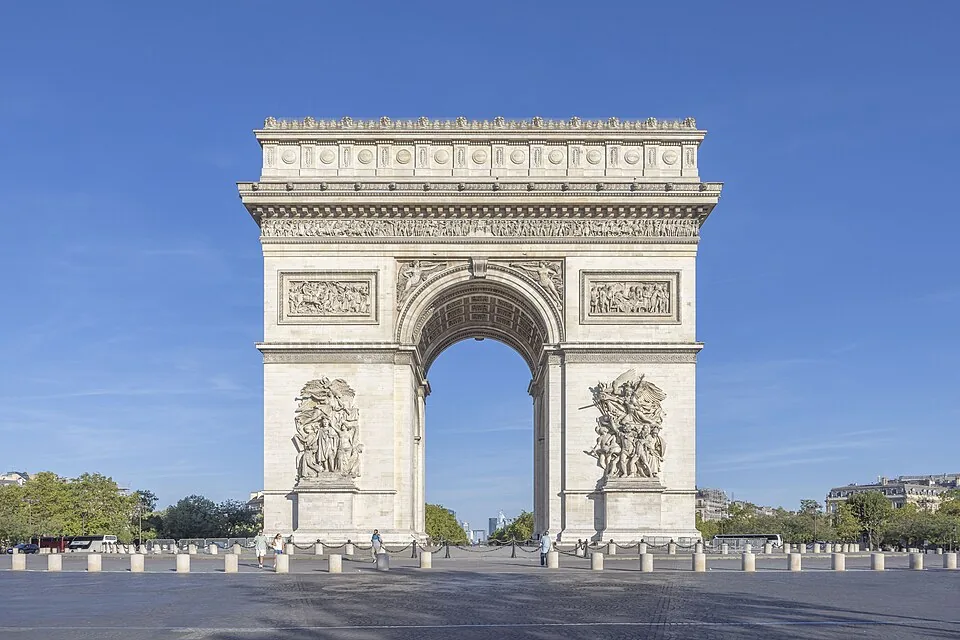
The Arc de Triomphe was commissioned by Napoleon in 1806 to honor the Grande Armée, but political upheaval stretched construction across three decades. Its location makes it a monument and hub of avenues structuring western Paris.
Arènes de Lutèce
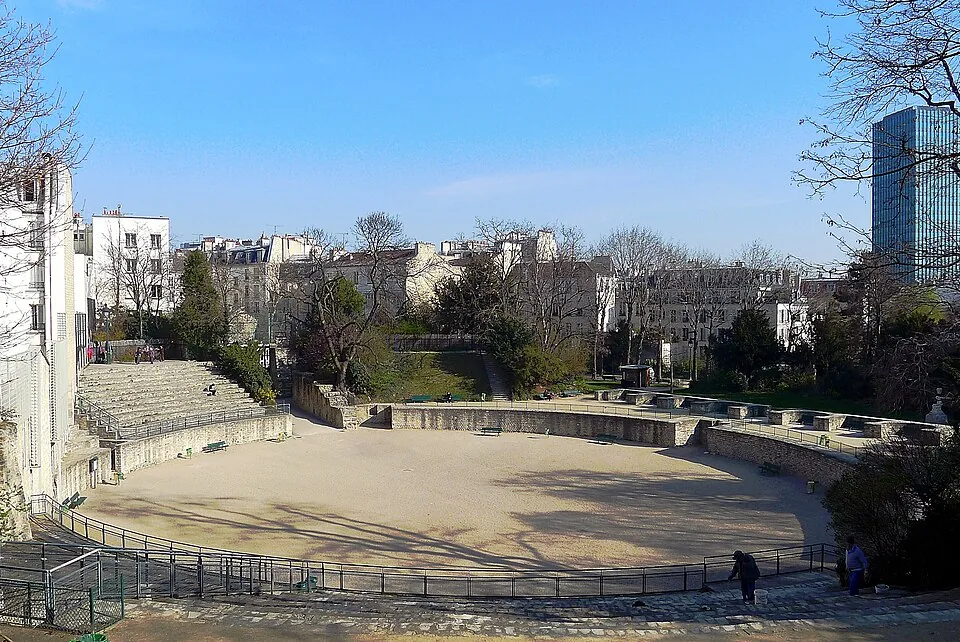
The Arènes de Lutèce is a Gallo-Roman mixed-use amphitheatre with both an arena and a stage. Its unusual layout accommodated different kinds of performance, and its rediscovery during nineteenth-century street works sparked a campaign to preserve the remains.
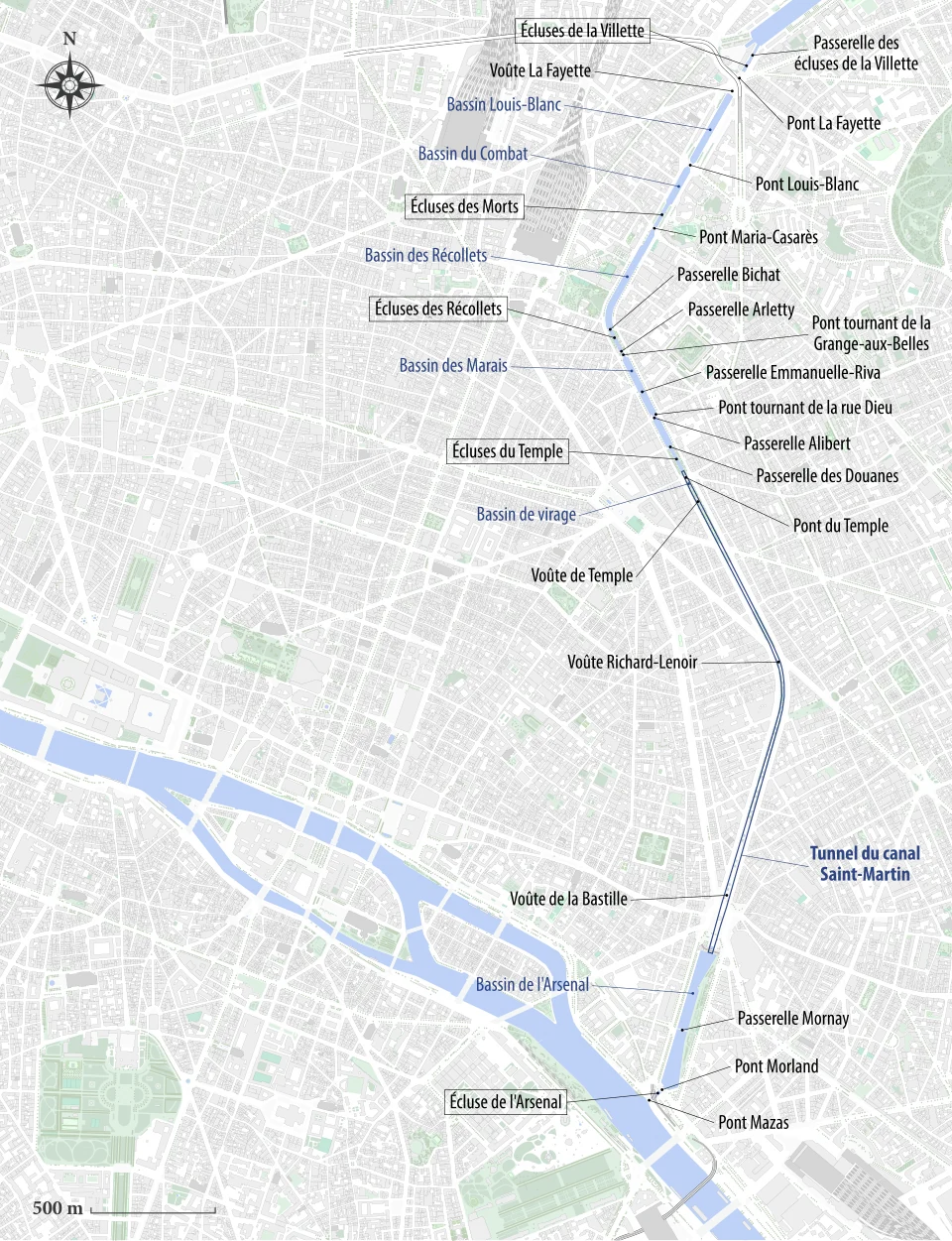
Canal Saint-Martin
Cast-iron footbridges and working locks punctuate this canal’s route through northeastern Paris. Built to improve water supply and navigation, Canal Saint-Martin nearly became an urban expressway in the 1960s, but public opposition helped preserve the waterway.
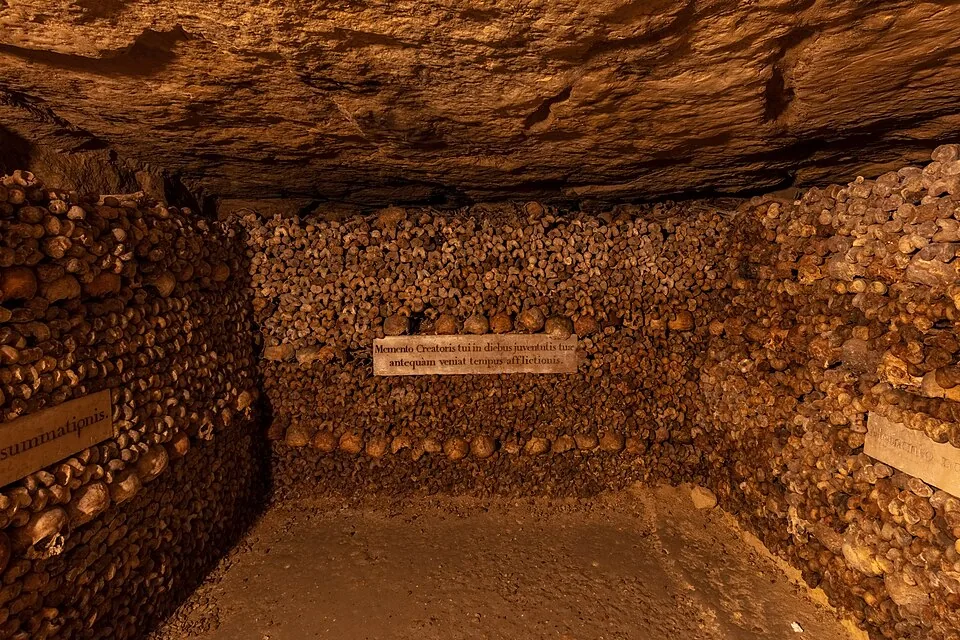
Catacombs of Paris
The Catacombs of Paris are a municipal ossuary inside former limestone quarries beneath the city. Their passages reveal how a public health crisis, urban geology, and changing ideas about death produced one of Paris’s most unusual heritage sites.
Centre Pompidou
Centre Pompidou turns its structure outward, exposing pipes, escalators, and circulation on the façade. Conceived as a multidisciplinary cultural center, it challenged the idea that a museum should hide the systems that make it work.