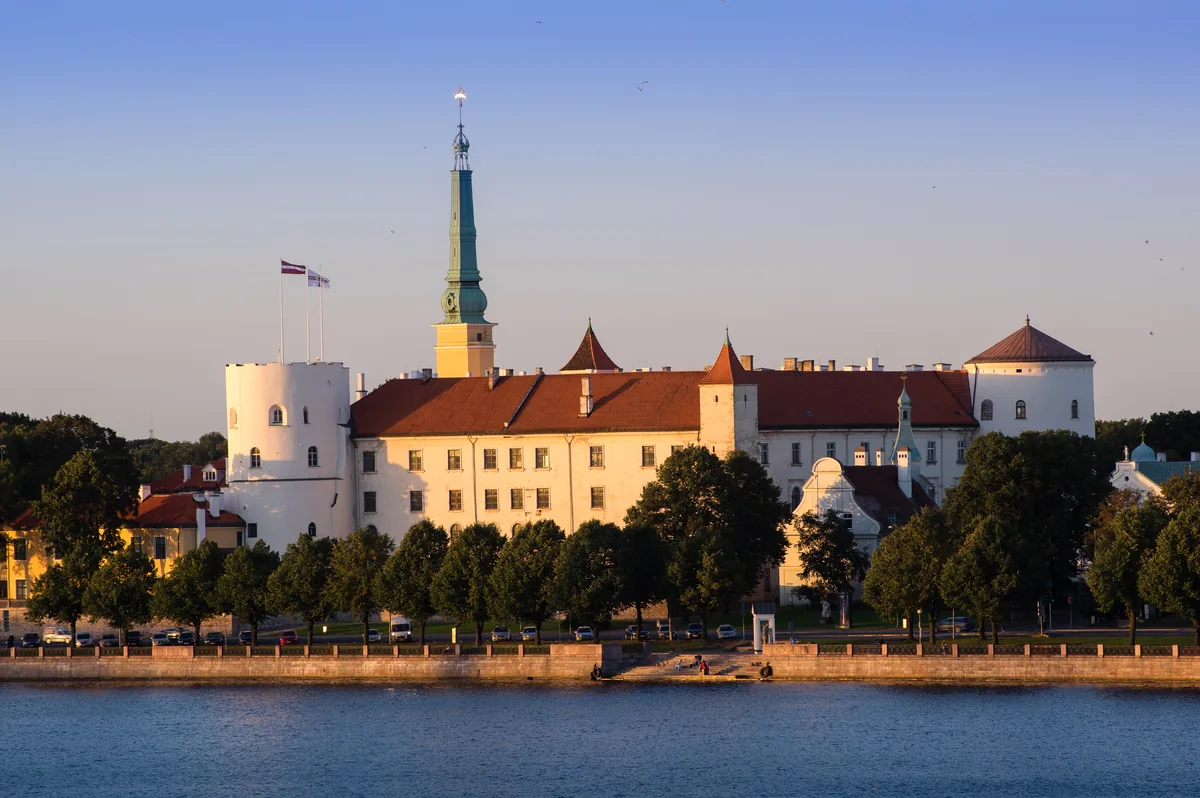
Riga Castle has served as a fortified residence, an administrative centre and the home of Latvia’s presidency. Its medieval core was rebuilt after townspeople destroyed an earlier castle, and its later wings record centuries of changing rulers and uses.
Guide preview
Riga Castle stands beside the Daugava, but its walls tell a story less of a single fortress than of repeated changes in power. The townspeople who destroyed an earlier castle here were later ordered to build its successor. Centuries afterwards, rooms associated with rulers became a Soviet-era children’s centre, and the castle became the home of Latvia’s presidency.
Continue exploring
Discover the full story
Keep reading with a travel pass and explore every full guide and tour.
UpgradeQuick facts
- Construction of the first castle on this site began in 1330 after Riga’s defeat by the Livonian Order.
- Riga’s townspeople destroyed the castle in 1484 and were later required to rebuild it; work continued until 1515.
- The Latvian flag was raised again on the Holy Spirit Tower on 11 November 1988.
More places in Riga
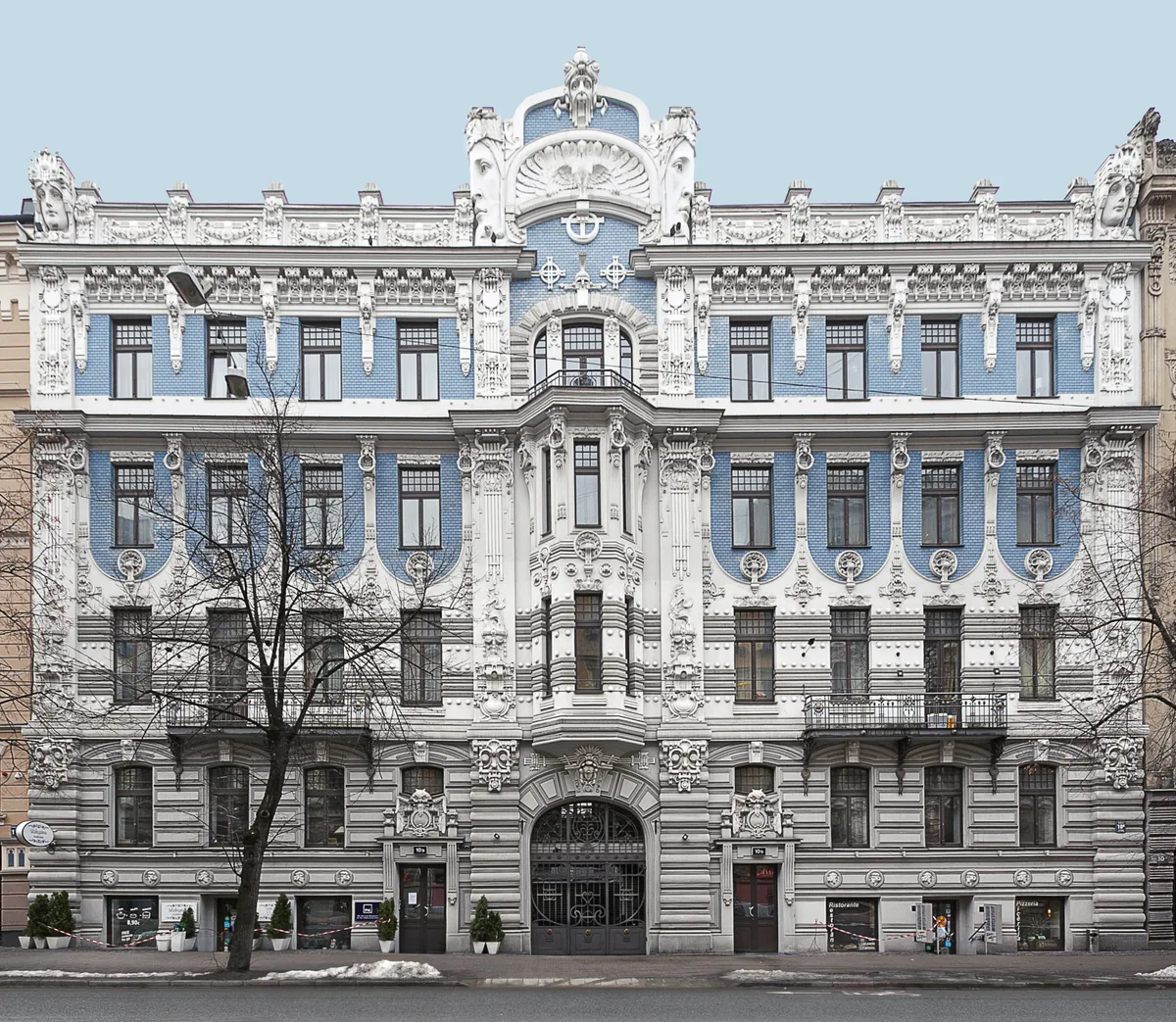
10b Elizabetes Street
Elizabetes iela 10b is a 1903 Riga apartment building designed by Mikhail Eisenstein. Its blue upper façade, enormous sculpted faces and ornamental patterns show how published European design ideas were adapted into a distinctive Art Nouveau street front.
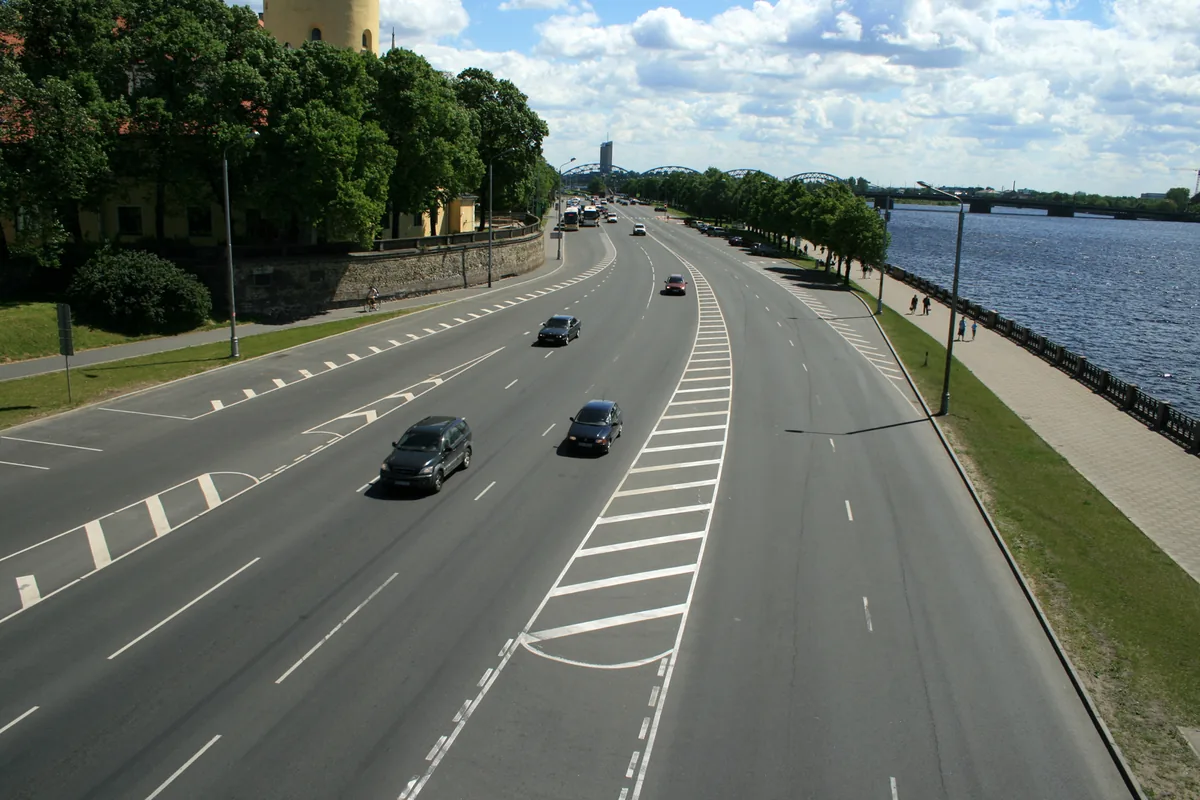
11 November Embankment
Riga’s 11 November Embankment follows the right bank of the Daugava beside Old Riga, combining a busy riverside route with a long history of trade and public gatherings.
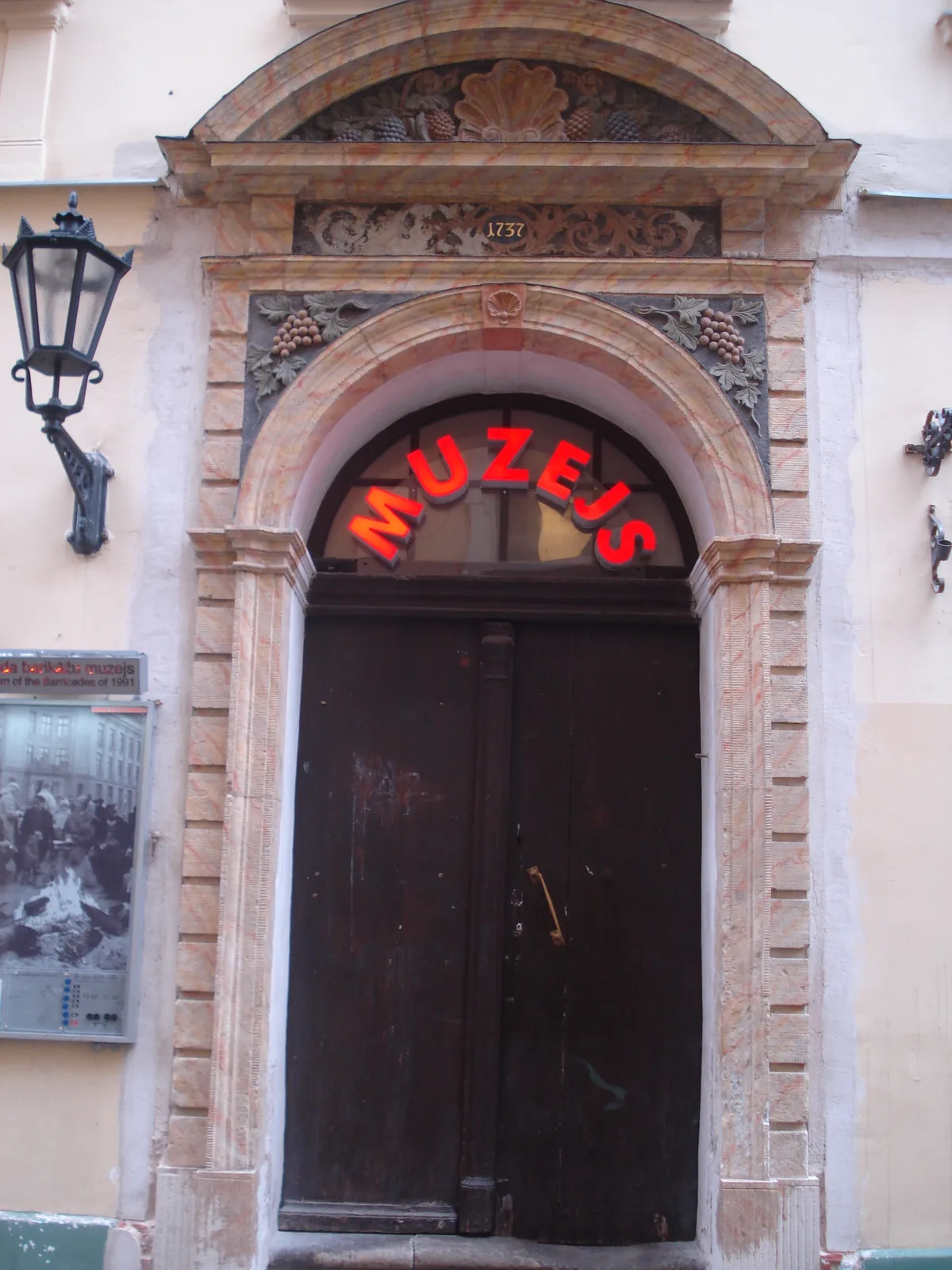
1991 Barricades Museum
The 1991 Barricades Museum preserves objects, photographs and testimony from Latvia’s independence struggle. In Old Riga, its collection traces the volunteers who defended important sites and remembers those killed or injured during the January and August events.
4a Strēlnieku Street
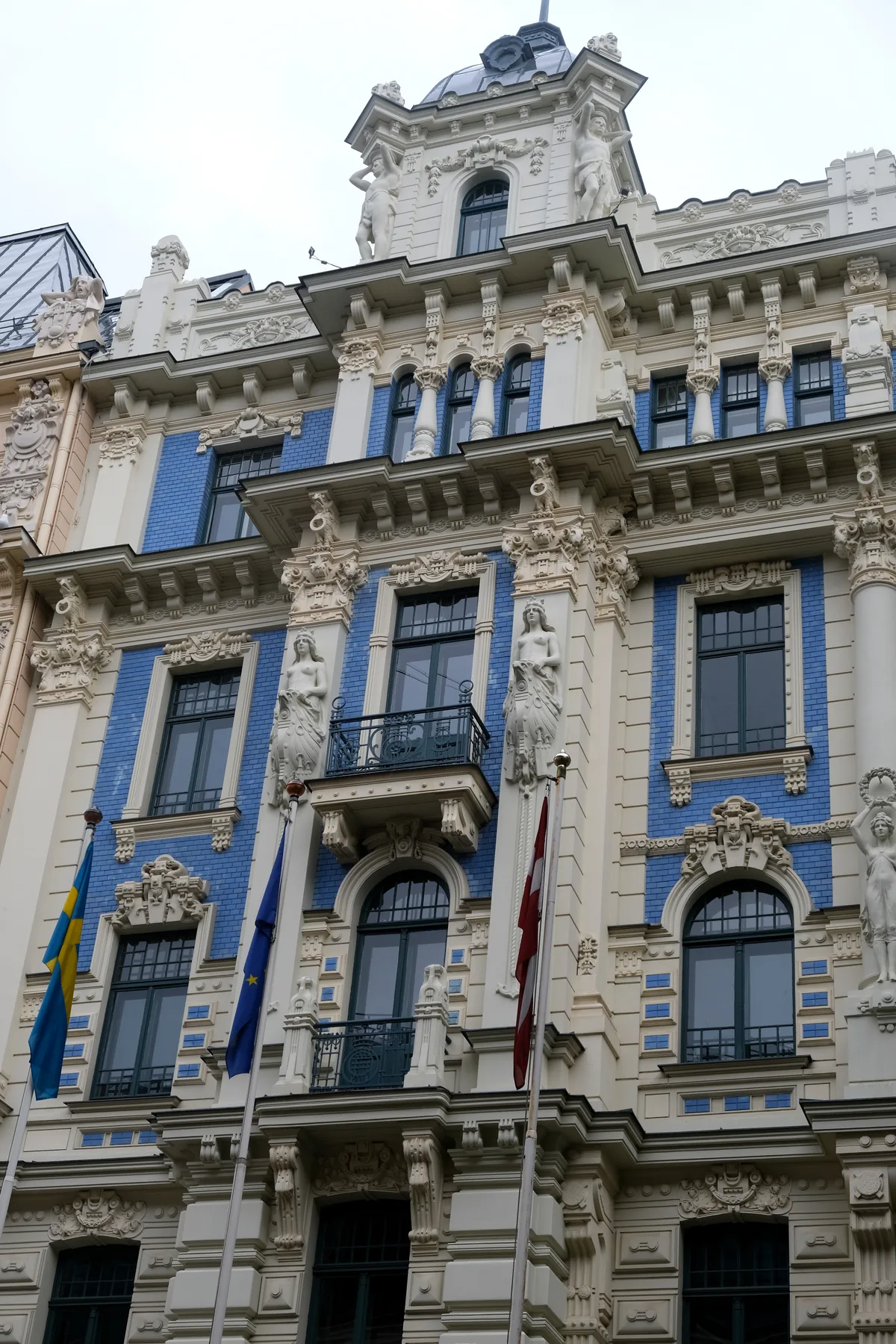
The richly ornamented 1905 design at Strēlnieku iela 4a is associated with architect Mikhail Eisenstein. Originally combining a school and residences, it later housed a dormitory and now serves the Stockholm School of Economics in Riga.
AB Jetty
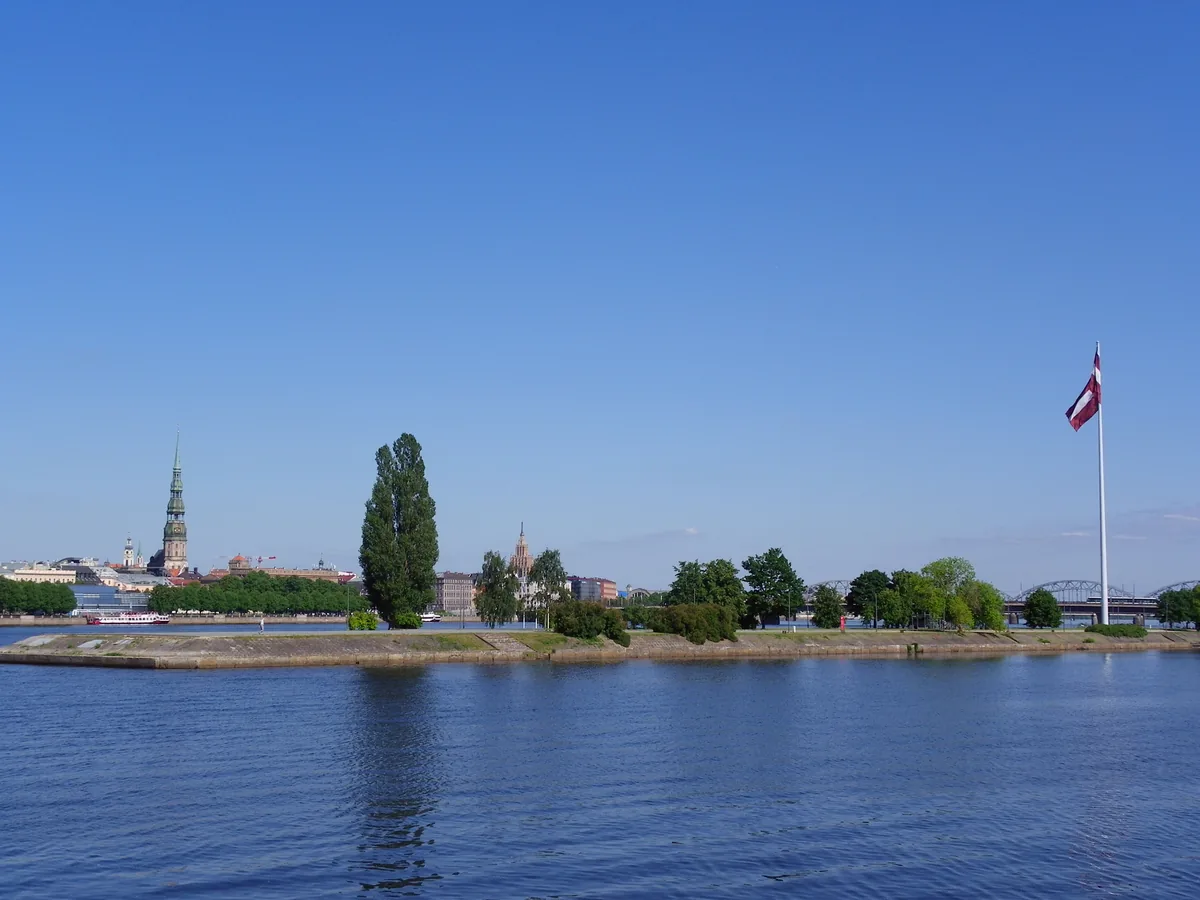
AB Jetty extends from the left bank of the Daugava in Riga, offering a walking route and views across the river towards the towers of the Old Town.
Āgenskalns Market
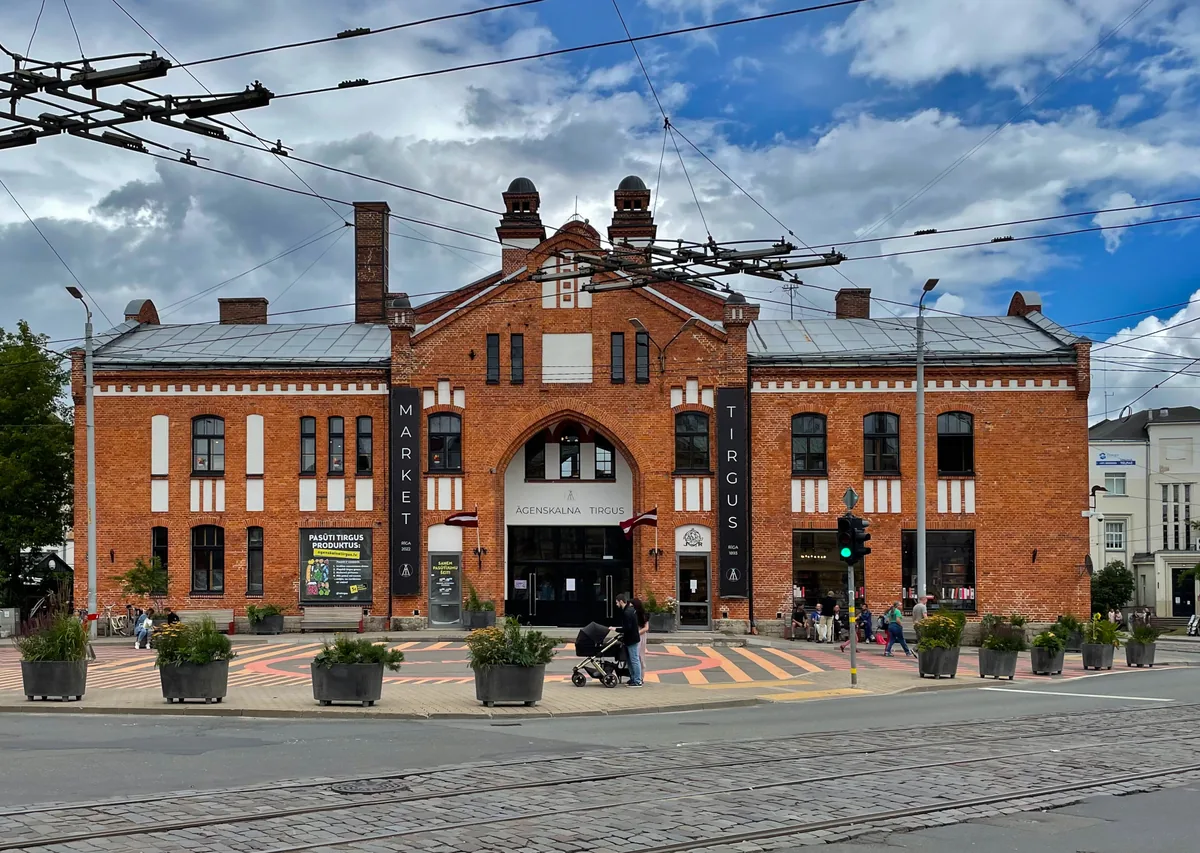
Āgenskalns Market is a neighbourhood food market on Riga’s left bank, centred on a red-brick hall designed by Reinhold Georg Schmaeling. Established at this site in 1898, it reopened its restored pavilion in 2022 with food sellers, cafés and community activities.