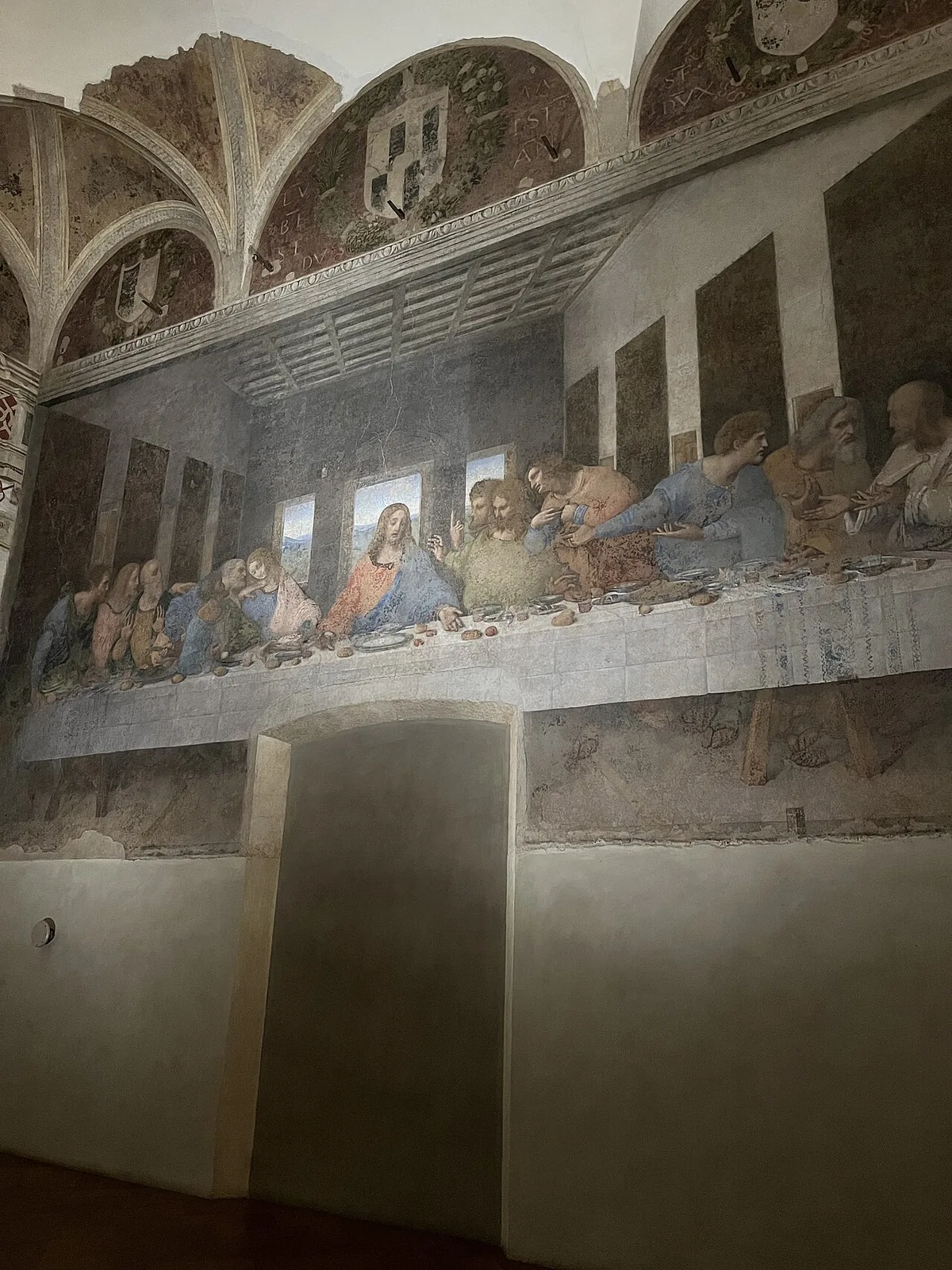
The Last Supper Museum occupies the Dominican refectory where Leonardo painted his mural opposite a Crucifixion by Donato Montorfano. The room’s original function still matters: the artwork remains embedded in the communal life and architecture for which it was made.
Guide preview
Leonardo’s figures fill the far wall, but the room was built for a different daily purpose: Dominican friars ate here together. Leonardo painted The Last Supper on the north wall of the refectory around 1494–1498, opposite Donato Montorfano’s Crucifixion. That placement made the two works part of the dining hall’s environment, not independent pictures in a gallery.
Continue exploring
Discover the full story
Keep reading with a travel pass and explore every full guide and tour.
UpgradeQuick facts
- Leonardo painted The Last Supper around 1494–1498.
- The refectory’s opposite short wall holds Montorfano’s Crucifixion.
- The room was severely damaged by bombing in 1943.
More places in Milan
ADI Design Museum – Compasso d’Oro
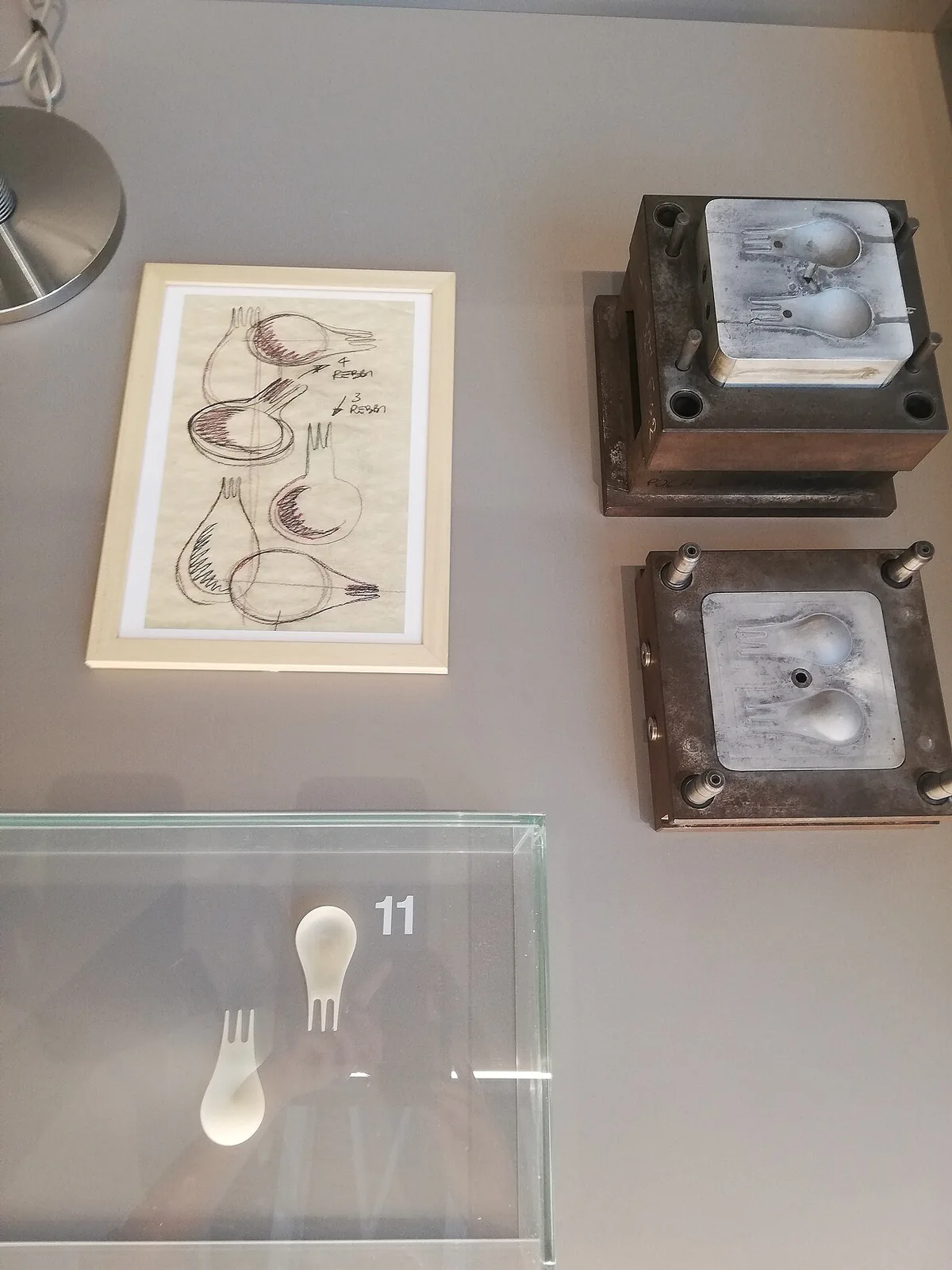
ADI Design Museum presents the Compasso d’Oro design award collection in a converted industrial complex near Milan’s Monumental Cemetery. The museum links celebrated everyday objects with the spaces and processes that brought them into being, making design history a story of use as well as appearanc
Arco della Pace
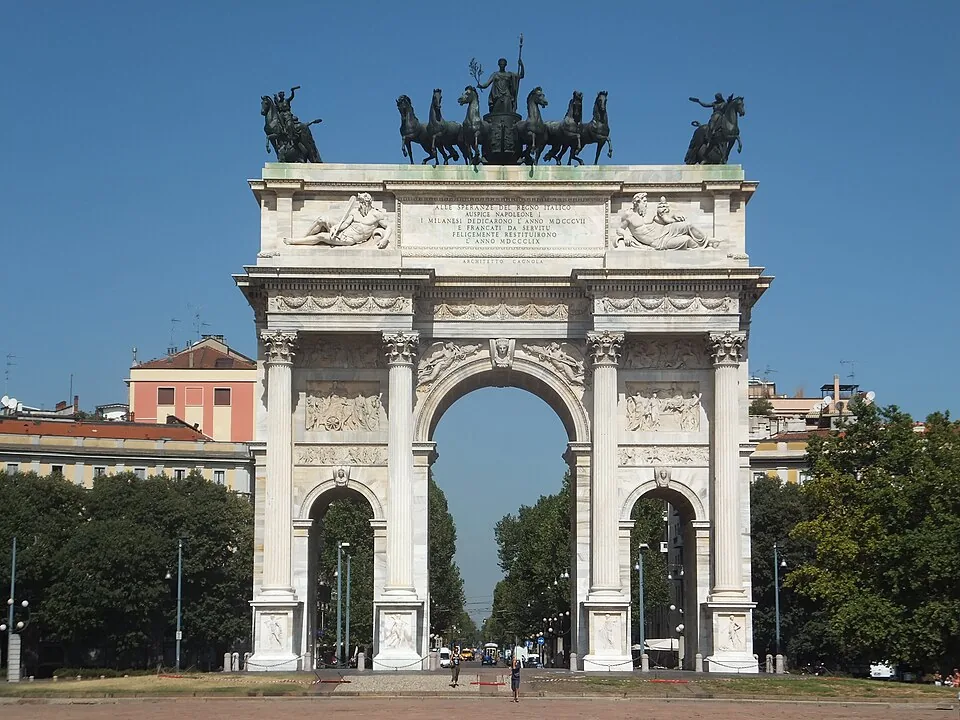
Arco della Pace began as a Napoleonic victory arch, then acquired a new dedication after political power changed hands. Its marble reliefs and bronze chariot preserve that transition from imperial triumph to a monument named for peace.
Armani/Silos
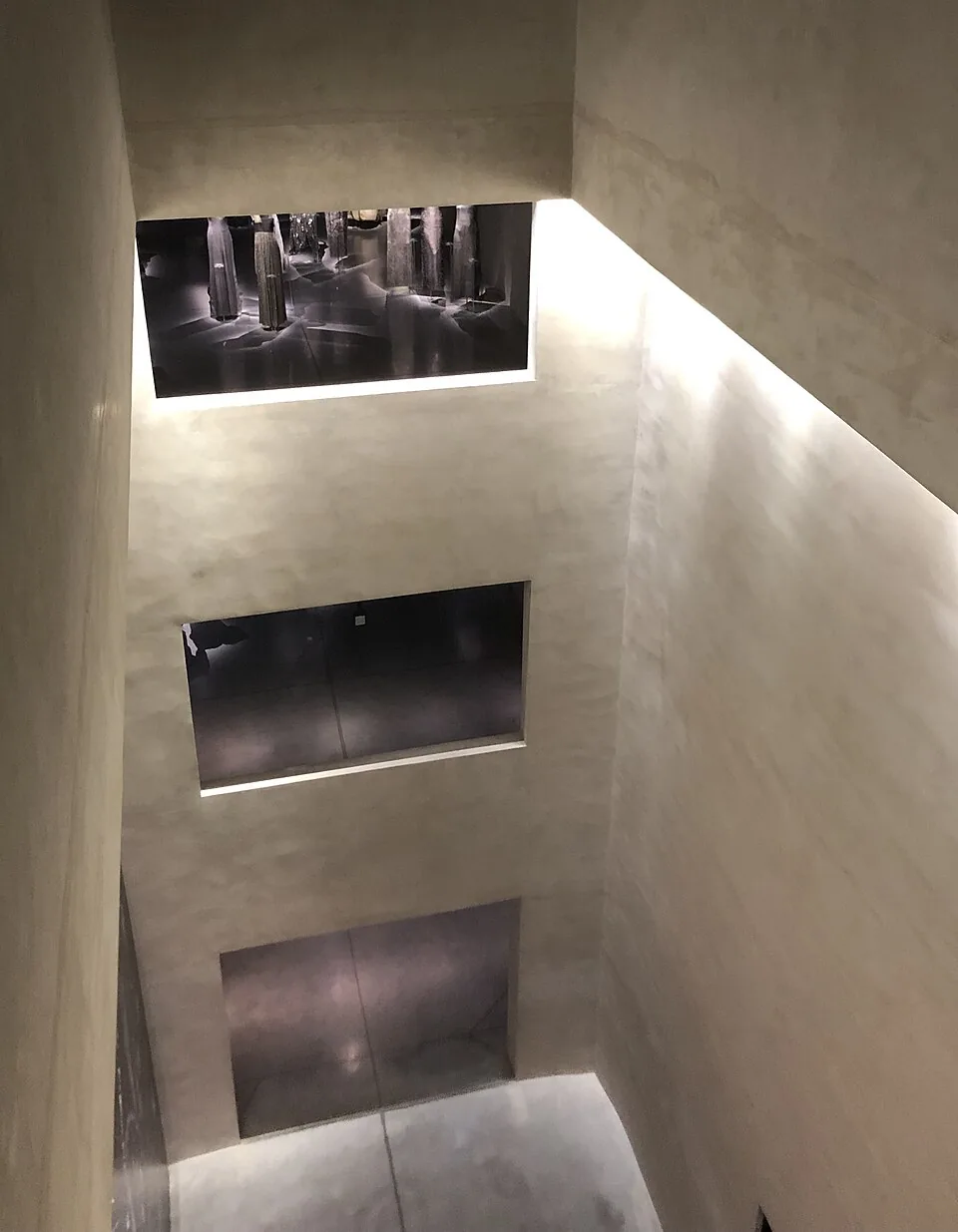
Armani/Silos repurposes a 1950s granary as an exhibition space devoted to Giorgio Armani’s work. Its plain, geometric exterior preserves the logic of industrial storage, giving visitors a building whose form reflects the designer’s preference for order and simplicity.
Backdoor 43
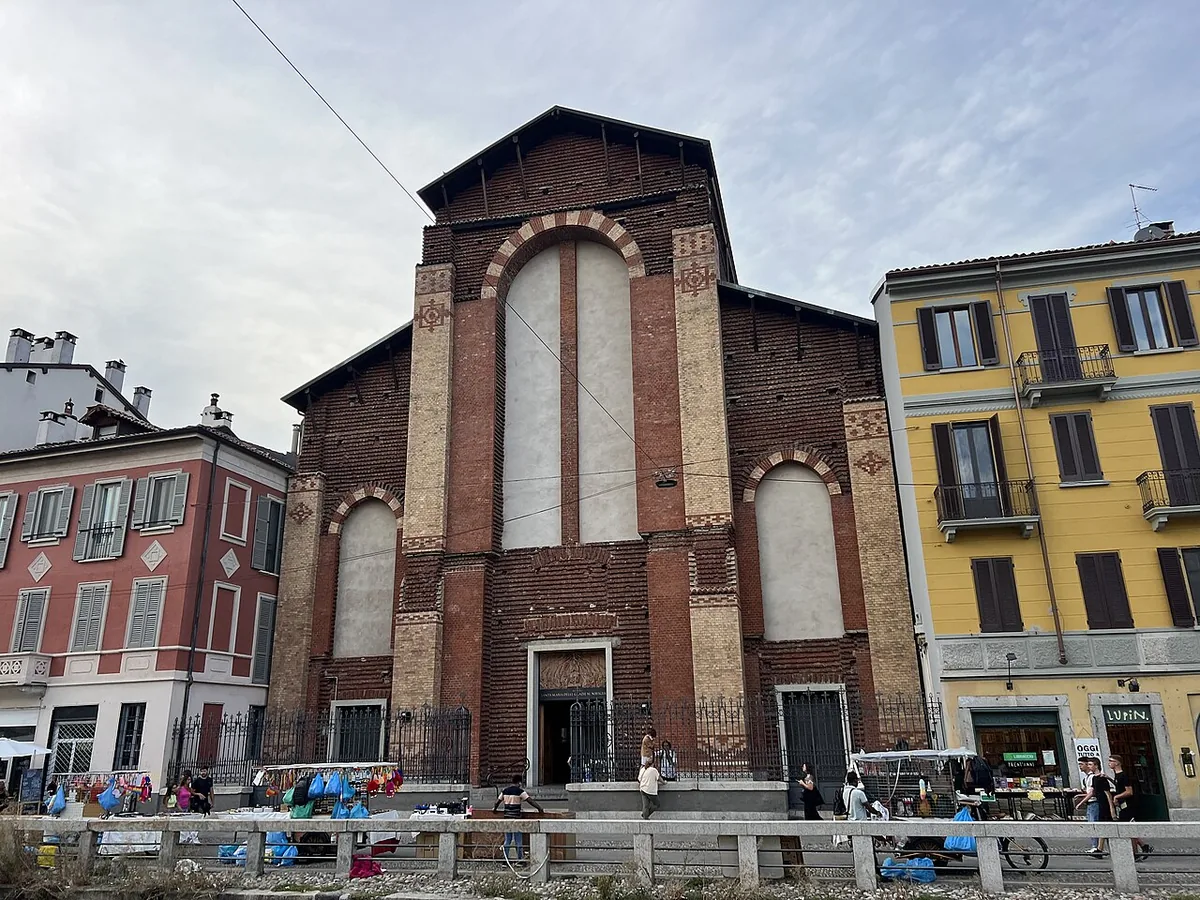
Backdoor 43 compresses a cocktail bar into four square metres, creating an unusually close exchange between bartender and guest. Its tiny footprint is the design story: a conventional bar experience becomes a deliberate exercise in intimacy, scale, and concentrated service.
Bagatti Valsecchi Museum
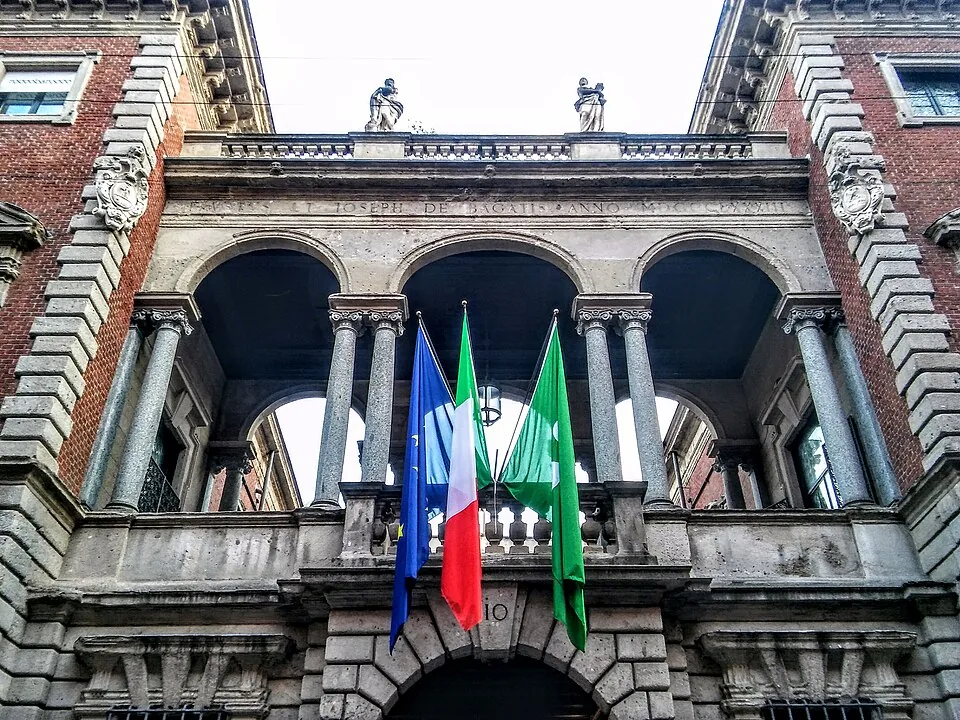
The Bagatti Valsecchi Museum preserves a late nineteenth-century Milanese home arranged in a Renaissance style. Its rooms combine historical art and furnishings with modern comforts that were advanced for the period, revealing how its owners staged domestic life.

BAM Biblioteca degli Alberi
BAM Biblioteca degli Alberi organizes greenery into planted “rooms” and winding paths among Milan’s Porta Nuova towers. Designed as contemporary public landscape, the ten-hectare park joins botanical variety, open space, and a changing city skyline.