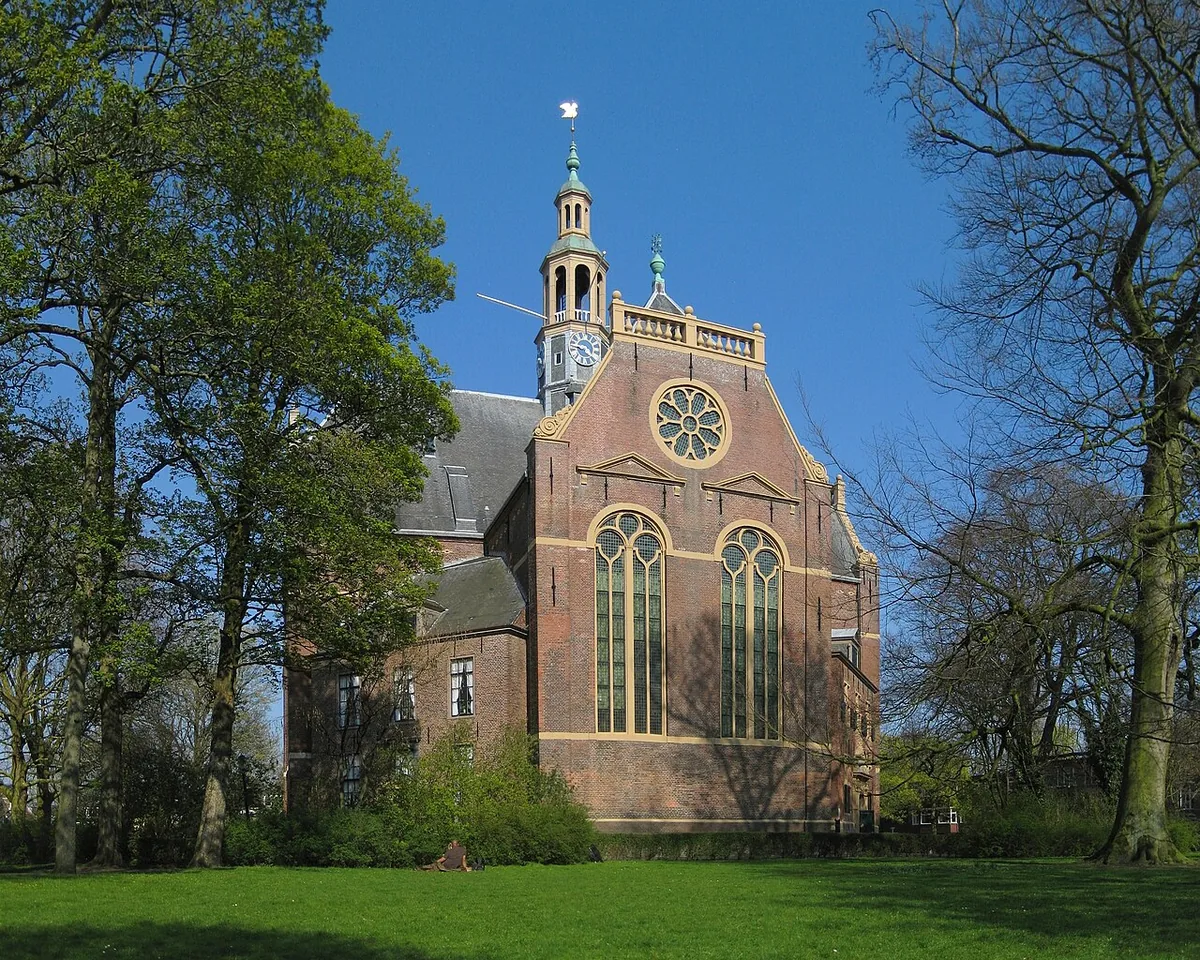
Nieuwe Kerk was “new” when Amsterdam’s growing population needed a second parish church in the early fifteenth century. Beside Dam Square, its Gothic spaces preserve traces of fire, religious upheaval, royal ceremonies, and the elaborate craft of its pulpit and choir screen.
Guide preview
The name “New Church” is relative: this church was approved in 1408 and consecrated to Saint Catherine in 1409, when the older parish church could no longer serve a growing city. Look up at the Gothic lines and imagine how this large building changed the feel of the developing Dam. It was not only a place for worship.
Continue exploring
Discover the full story
Keep reading with a travel pass and explore every full guide and tour.
UpgradeQuick facts
- The church was consecrated in 1409.
- A major fire destroyed its roof in 1645.
- The interior includes the tomb of Admiral Michiel de Ruyter.
More places in Amsterdam
A'DAM Lookout Tower
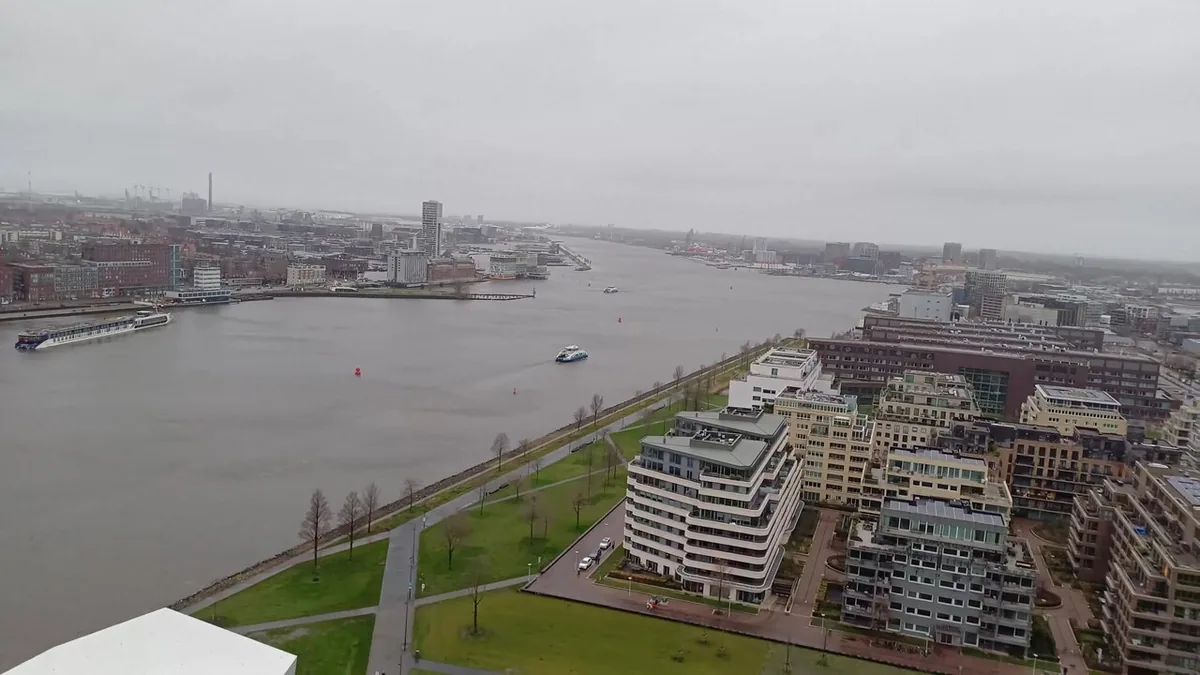
A’DAM Lookout crowns the former Shell tower across the IJ, giving Amsterdam Noord a vertical landmark and visitors a broad view back toward the historic center. From here, the city reads as water, rooftops, bridges, and new development in one panorama.
Albert Cuyp Market
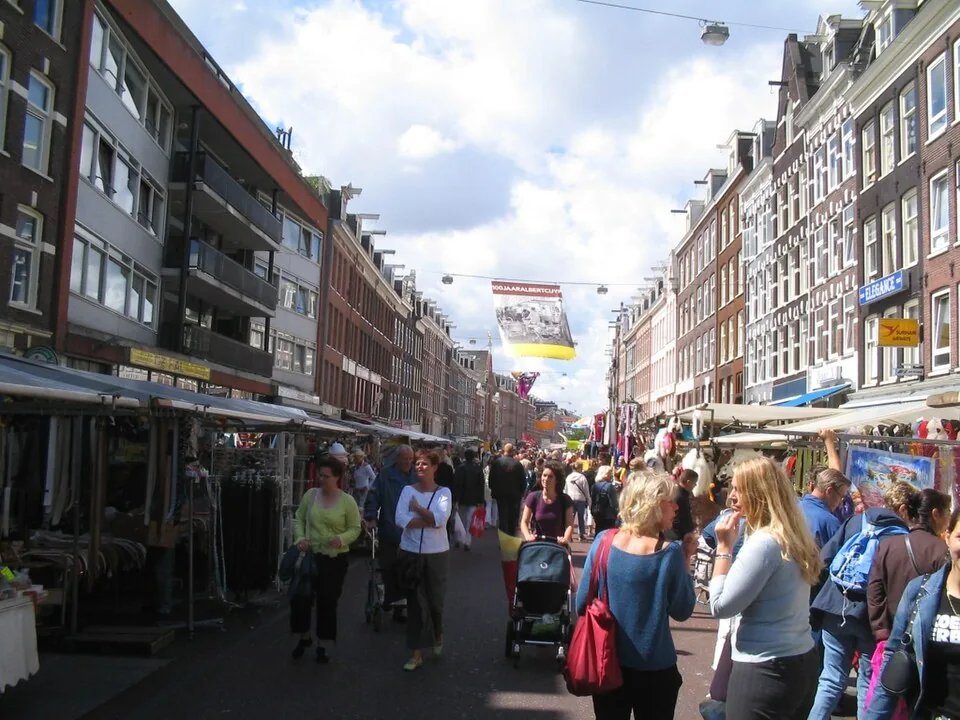
Albert Cuyp Market runs along the busy commercial spine of De Pijp, a neighborhood built during Amsterdam’s nineteenth-century expansion. Its stalls bring food, household goods, and local conversation into the street.
Amsterdam Centraal Station
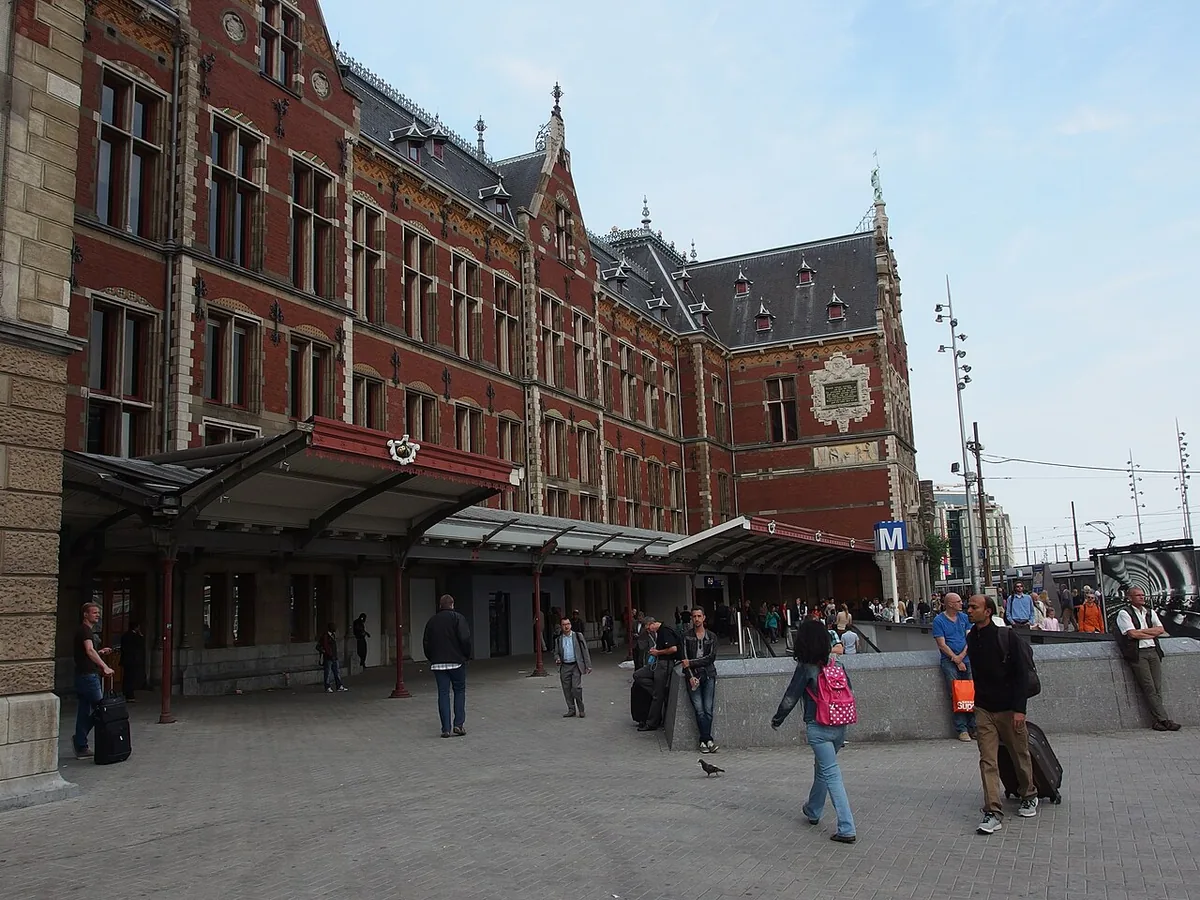
Amsterdam Centraal stands on an artificial island in the IJ, its ornate brick façade by Pierre Cuypers marking the city’s nineteenth-century connection to a national rail network. Watch ferries and trains meet here, where Amsterdam’s historic center faces the water.
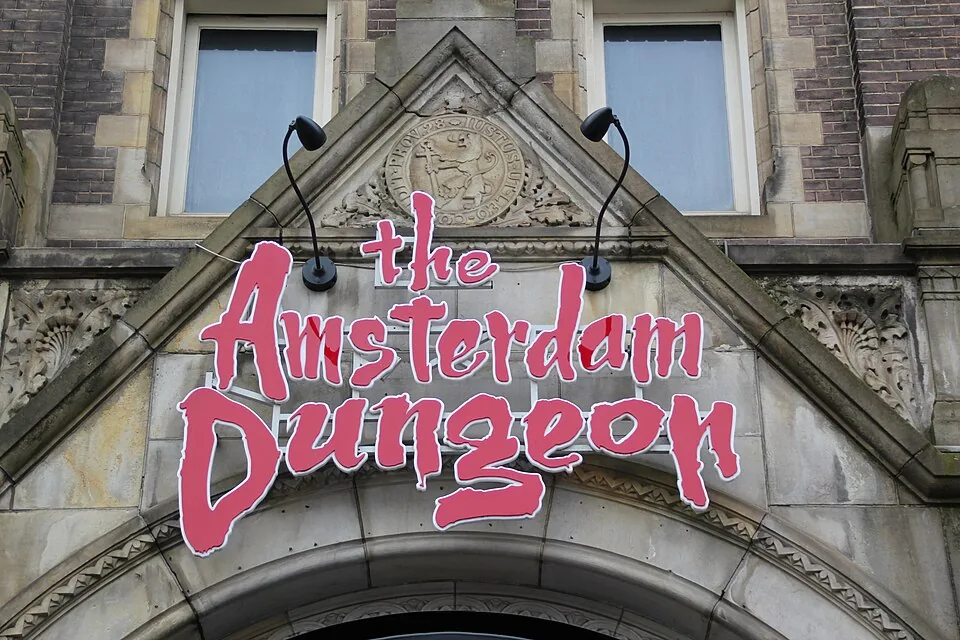
Amsterdam Dungeon
The Amsterdam Dungeon is a theatrical attraction that uses actors and staged scenes to interpret episodes from the city’s past. Its deliberate blend of performance and history makes this a useful place to notice how a story changes when visitors become part of the set.
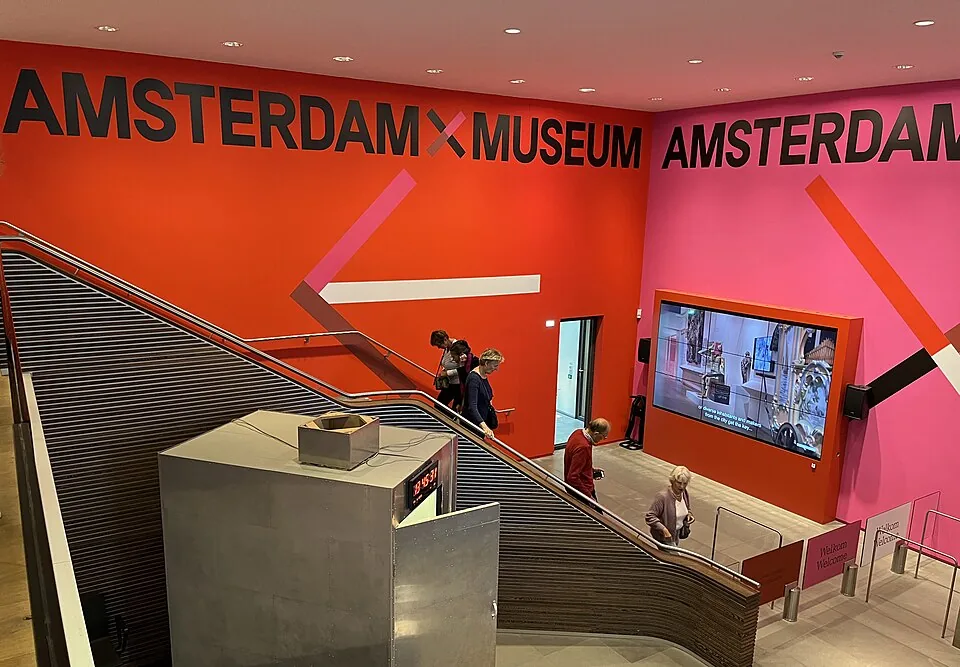
Amsterdam Museum
The Amsterdam Museum tells the city through objects and many voices, linking historic artifacts with stories from residents today. Its collection spans paintings, clothing, photographs, documents, and everyday things, a reminder that a city’s identity keeps changing.
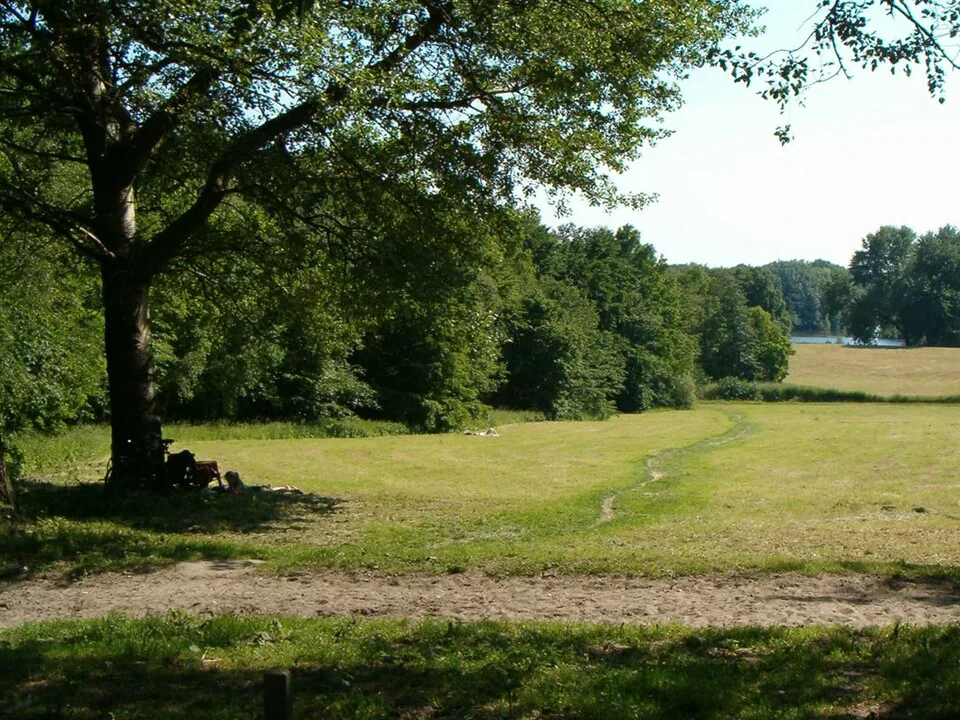
Amsterdamse Bos
Amsterdamse Bos is a hand-planted urban forest created during the economic crisis of the 1930s. Its broad scale, woods, water, and meadows make it feel unlike the compact parks inside Amsterdam’s ring.