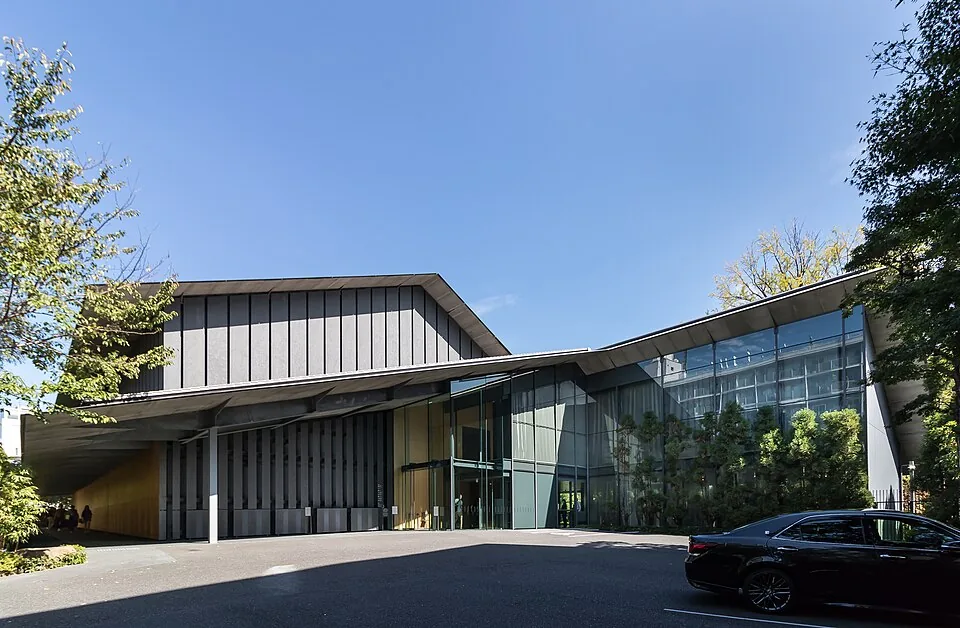
Nezu Museum combines galleries of premodern Japanese and East Asian art with a garden of paths, teahouses, lanterns, and wooded slopes. The collection began with businessman Nezu Kaichirō, who acquired the Aoyama site in 1906 and hoped to share his art with the public.
Guide preview
The garden gives the museum a second kind of gallery, where stone lanterns and winding paths replace labels and frames. Nezu Kaichirō bought this hilly Aoyama land in 1906, drawn to its varied terrain, and the garden’s original design aimed to evoke deep mountains and secluded valleys.
Continue exploring
Discover the full story
Keep reading with a travel pass and explore every full guide and tour.
UpgradeQuick facts
- Nezu Kaichirō purchased the Aoyama site in 1906.
- The garden and residence burned during the 1945 air raids.
- The museum reopened in a new building in 2009.
More places in Tokyo
Akihabara
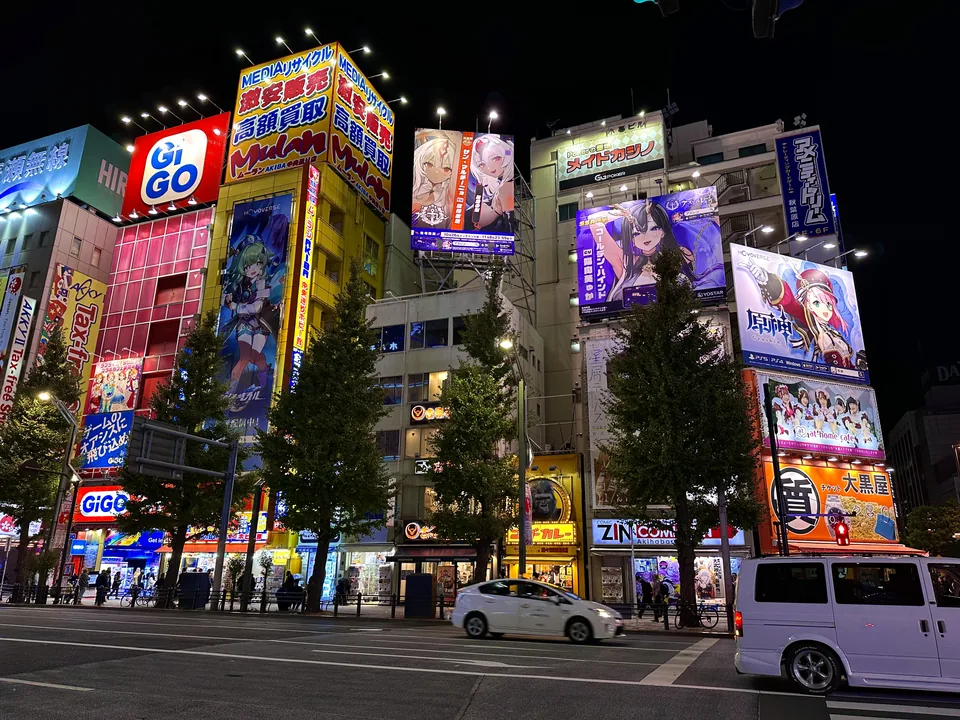
Akihabara’s present anime, game, and electronics shops grew from a postwar trade in electrical parts. The district’s small specialist stores and large retailers preserve traces of a neighborhood that repeatedly reinvented itself alongside Japan’s consumer technology.
Ameya-Yokocho
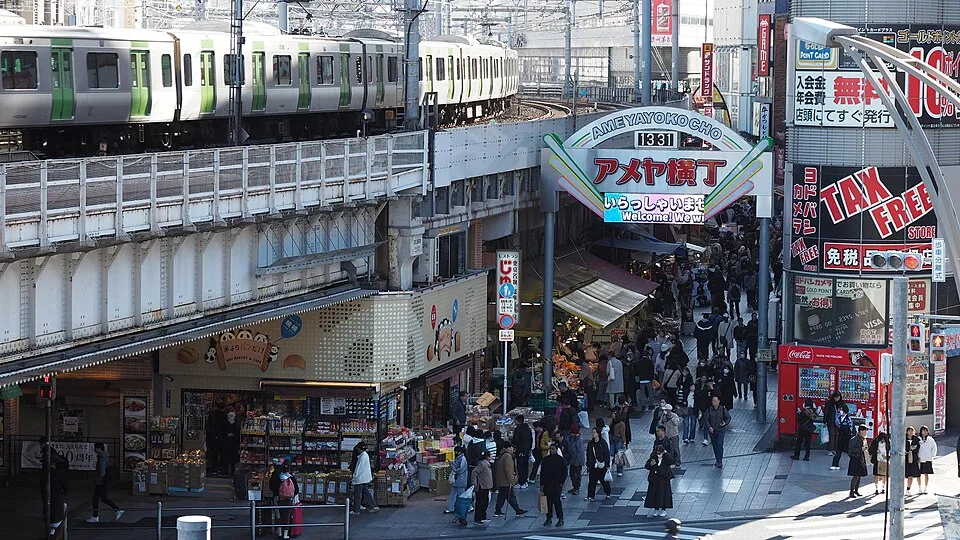
Ameya-Yokocho runs beneath and beside railway lines between Ueno and Okachimachi. The market’s postwar history as a black-market selling American goods helps explain why today’s crowded street still feels international, improvised, and intensely commercial.
Daikanyama
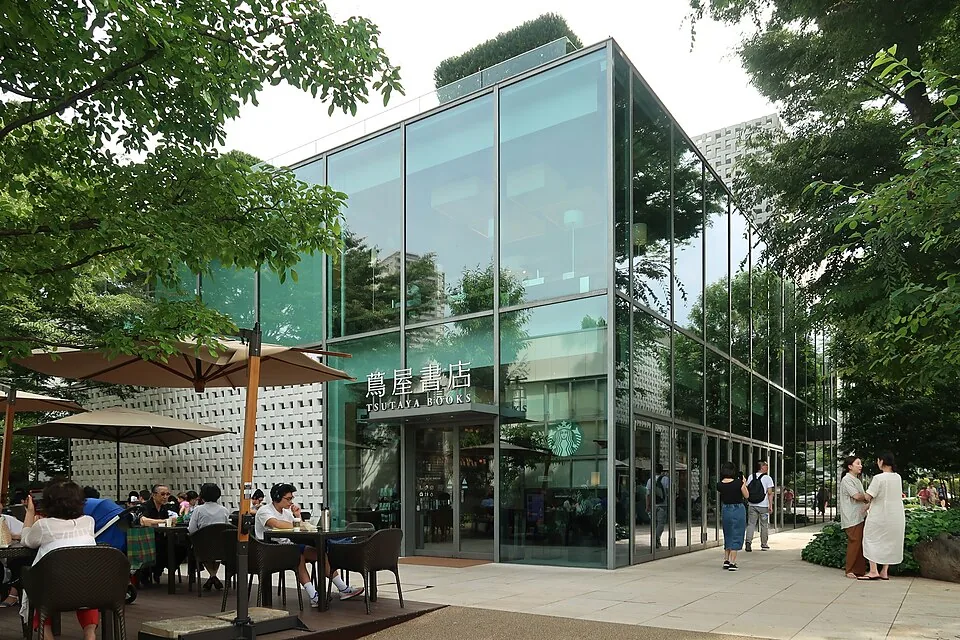
Daikanyama’s low-rise streets make room for a rare long experiment in city building: Hillside Terrace grew in phases over more than two decades, mixing homes, shops, offices, galleries, and small public spaces.
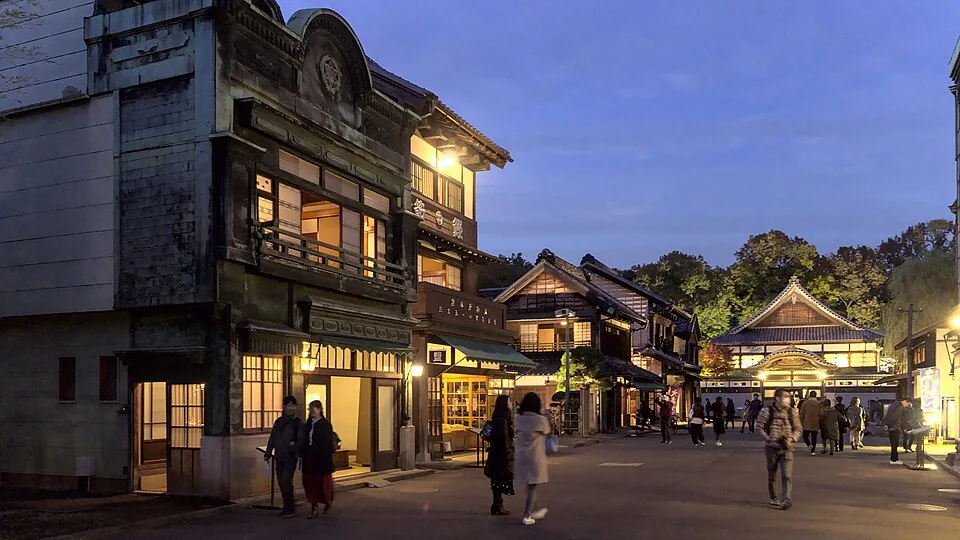
Edo-Tokyo Open Air Architectural Museum
The Edo-Tokyo Open Air Architectural Museum preserves buildings by moving them out of vulnerable original settings and arranging them in walkable groups. Streets, shops, and homes make changes in Tokyo’s everyday architecture visible at human scale.
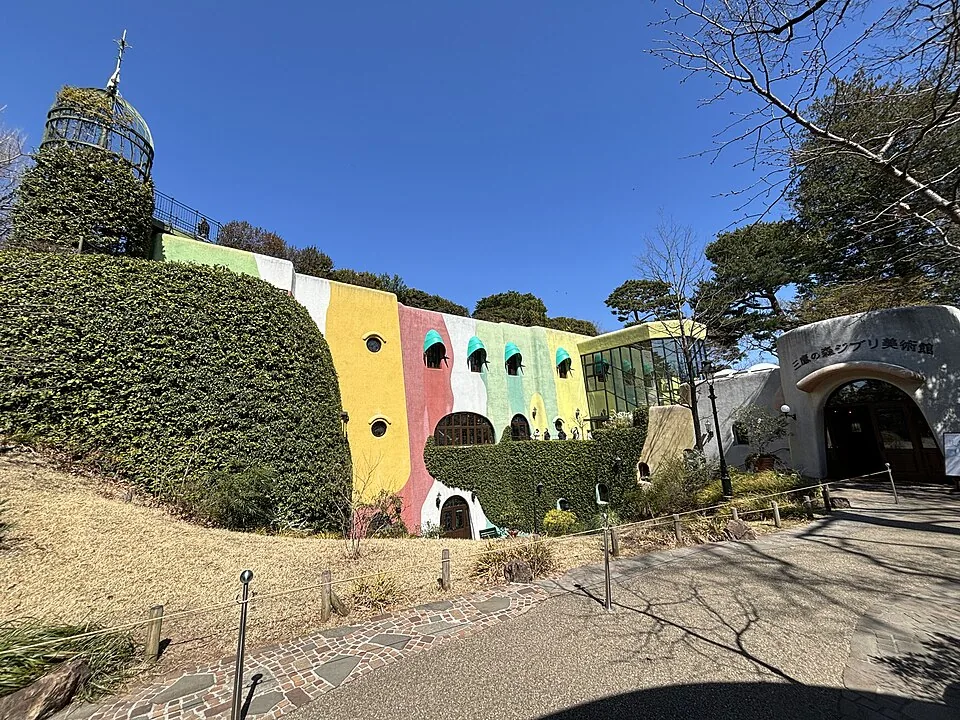
Ghibli Museum
The Ghibli Museum’s compact, garden-set building hides its rooms behind colored glass, curved passageways, and changing levels. Its design asks visitors to discover how a museum works by moving through it rather than following a fixed gallery sequence.
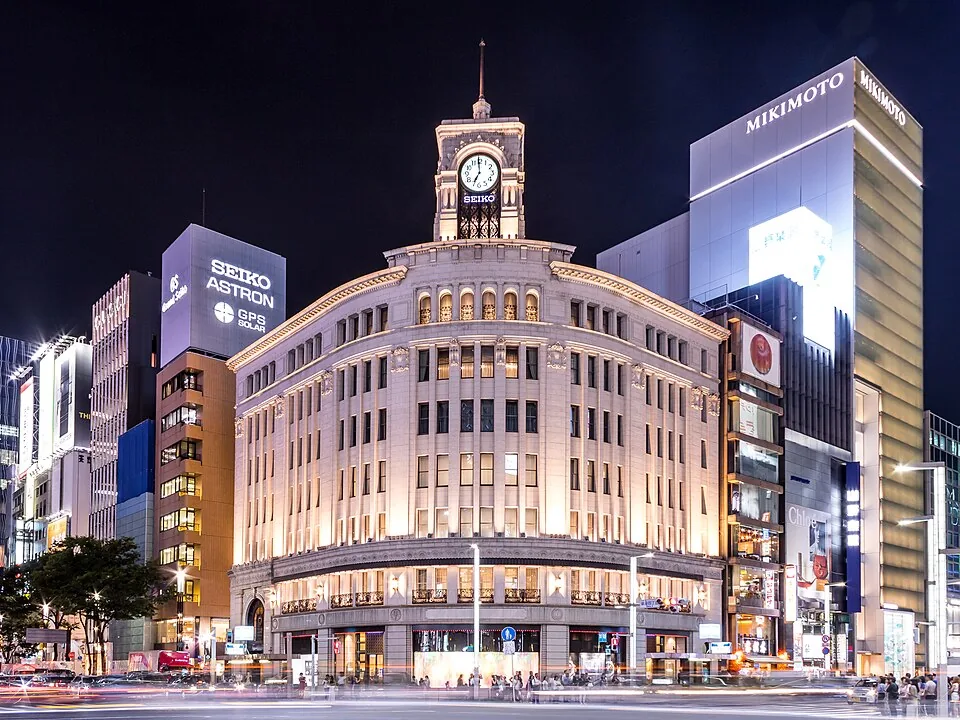
Ginza
Ginza’s broad central streets emerged from an ambitious post-fire rebuilding scheme in the Meiji era. Today’s department stores and historic retailers occupy a district whose grid, sidewalks, and commercial identity were shaped by that nineteenth-century transformation.