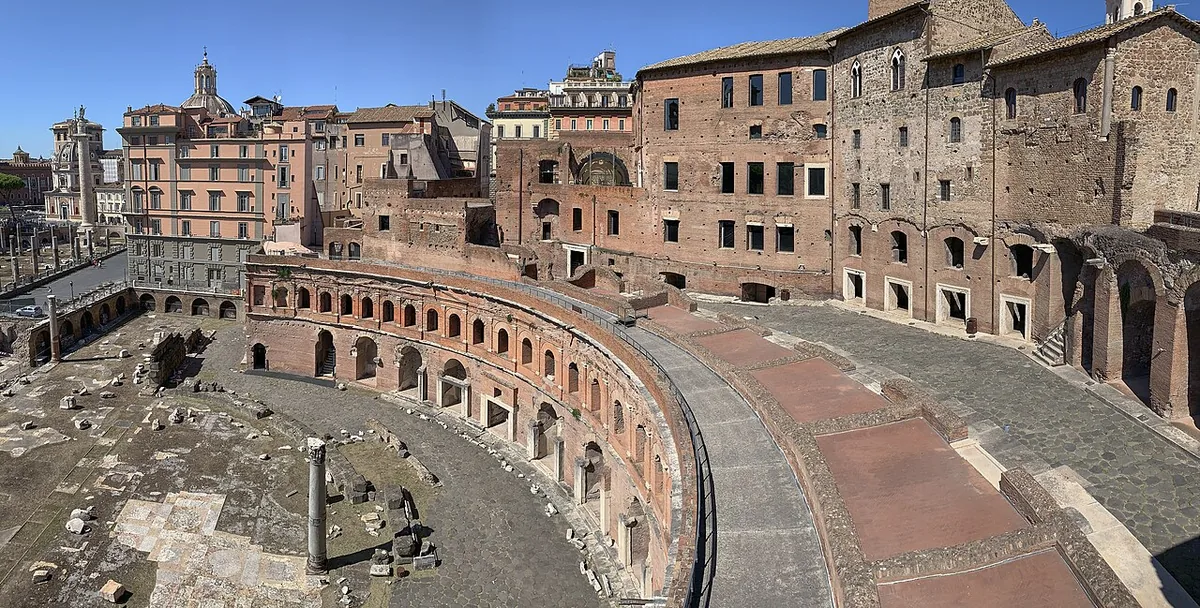
Trajan’s Market is a multi-level brick complex built into the slope of the Quirinal Hill beside Trajan’s Forum. Its stepped streets and rooms show how Roman builders used architecture to manage a steep site and support the operations of an imperial civic center.
Guide preview
The curving brick façade follows the hill instead of cutting across it. Trajan’s Market was built alongside Trajan’s Forum in the early second century CE, with rooms arranged on several levels to support and stabilize the slope of the Quirinal.
Continue exploring
Discover the full story
Keep reading with a travel pass and explore every full guide and tour.
UpgradeQuick facts
- The complex was built with Trajan’s Forum in the early second century CE.
- Its multi-level buildings support the cut slope of the Quirinal Hill.
- Later uses included residence, fortress, convent, and barracks.
More places in Rome
Arch of Constantine
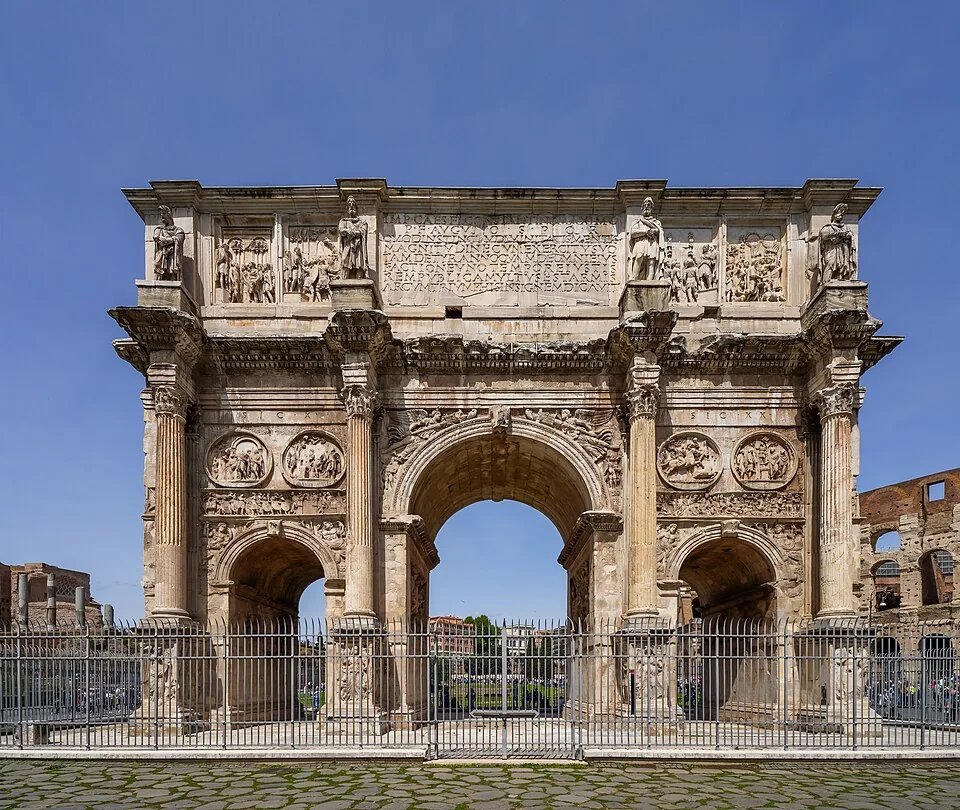
The Arch of Constantine stands beside the Colosseum on the route of Roman triumphal processions. Its reliefs combine newly carved Constantinian scenes with reused panels from earlier emperors, turning the monument into a carefully assembled claim to imperial continuity.
Arch of the Argentarii
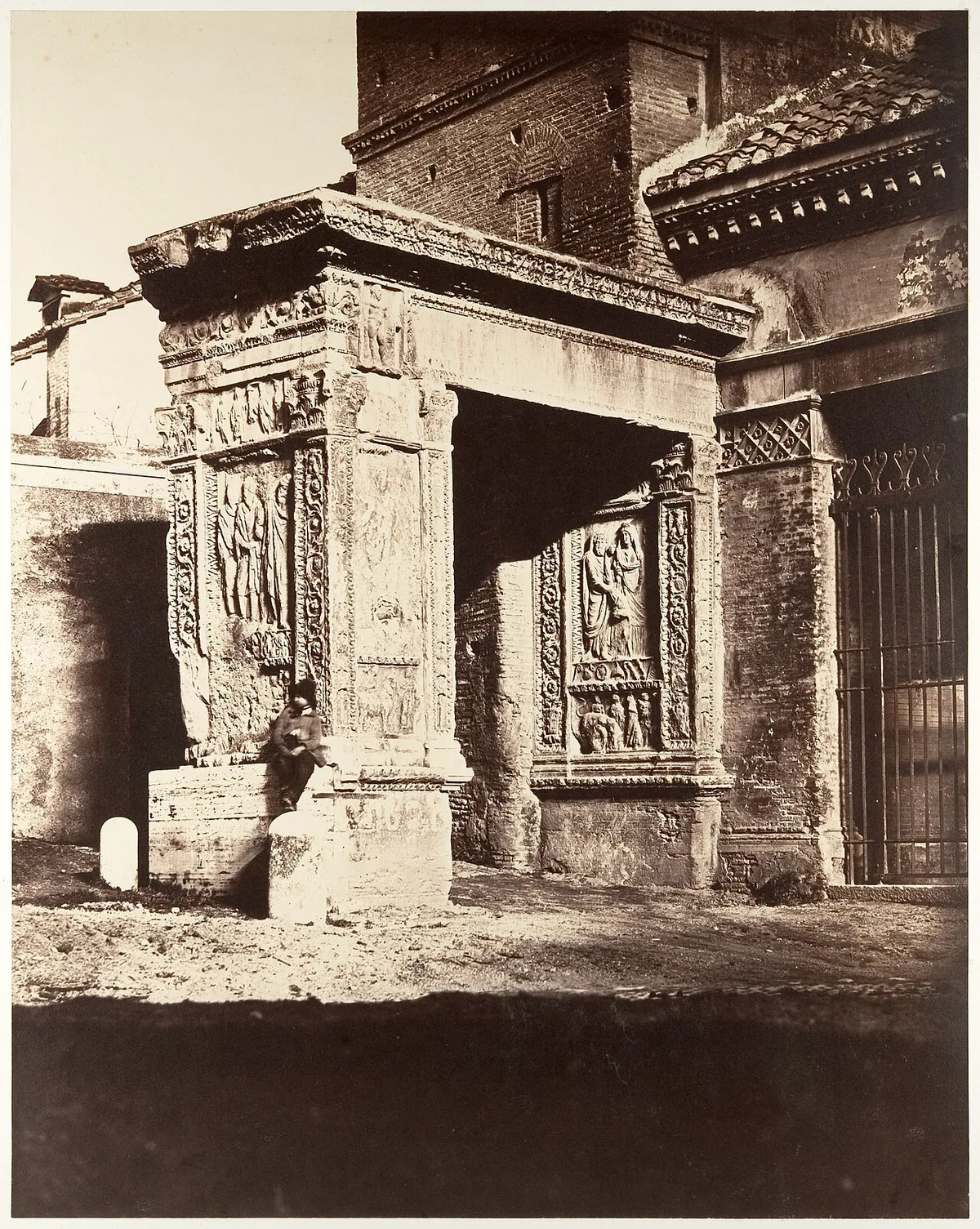
Despite its name, the Arch of the Argentarii is a decorated passage beside San Giorgio al Velabro. Dedicated in 204 CE by money changers and cattle merchants, its marble reliefs record imperial power and the later erasure of disfavored figures.
Aventine Keyhole
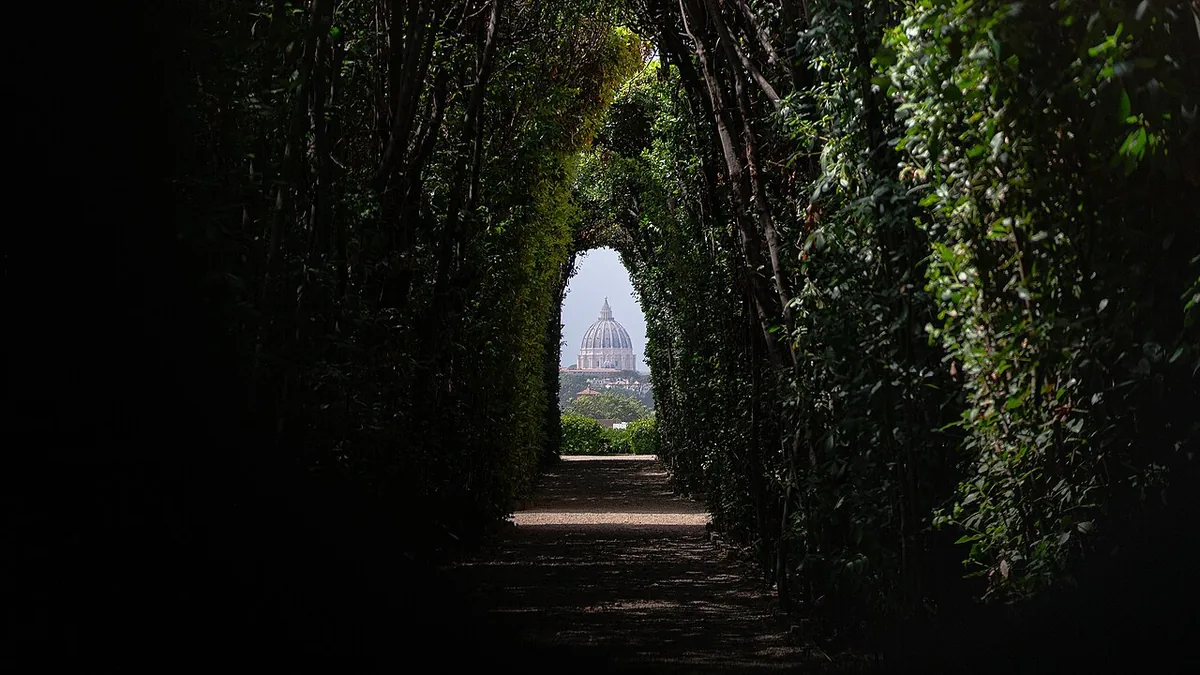
The Aventine Keyhole frames the dome of St Peter’s through the gate of the Order of Malta’s Magistral Villa. The view joins Rome, Vatican City, and the Order’s institutional territory in one carefully aligned sightline.
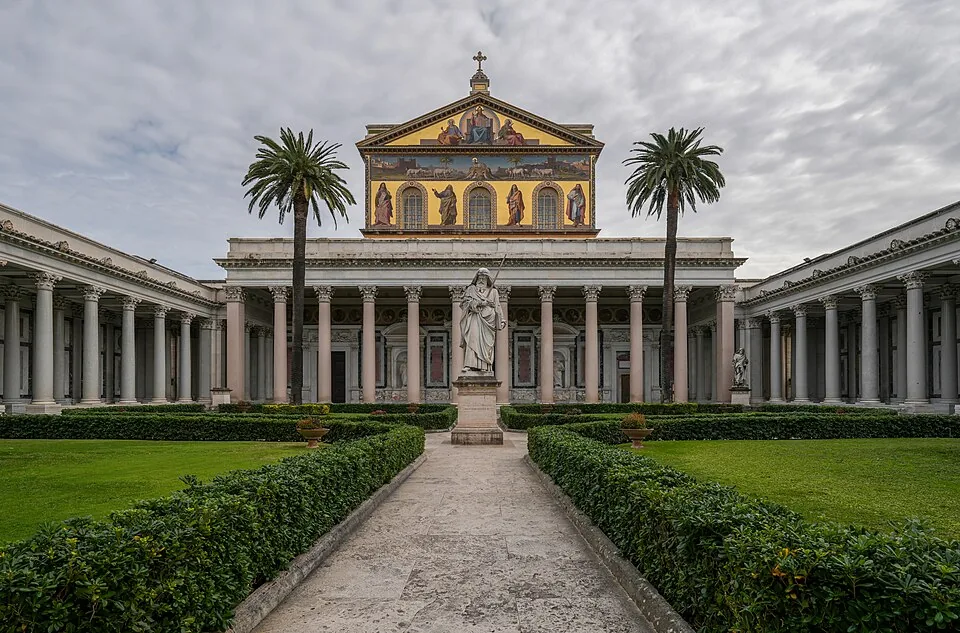
Basilica of Saint Paul Outside the Walls
Saint Paul Outside the Walls stands over the traditional burial place of the apostle beyond ancient Rome’s walls. The present basilica, rebuilt after a devastating nineteenth-century fire, follows the scale of its ancient predecessor and preserves a long tradition of pilgrimage.
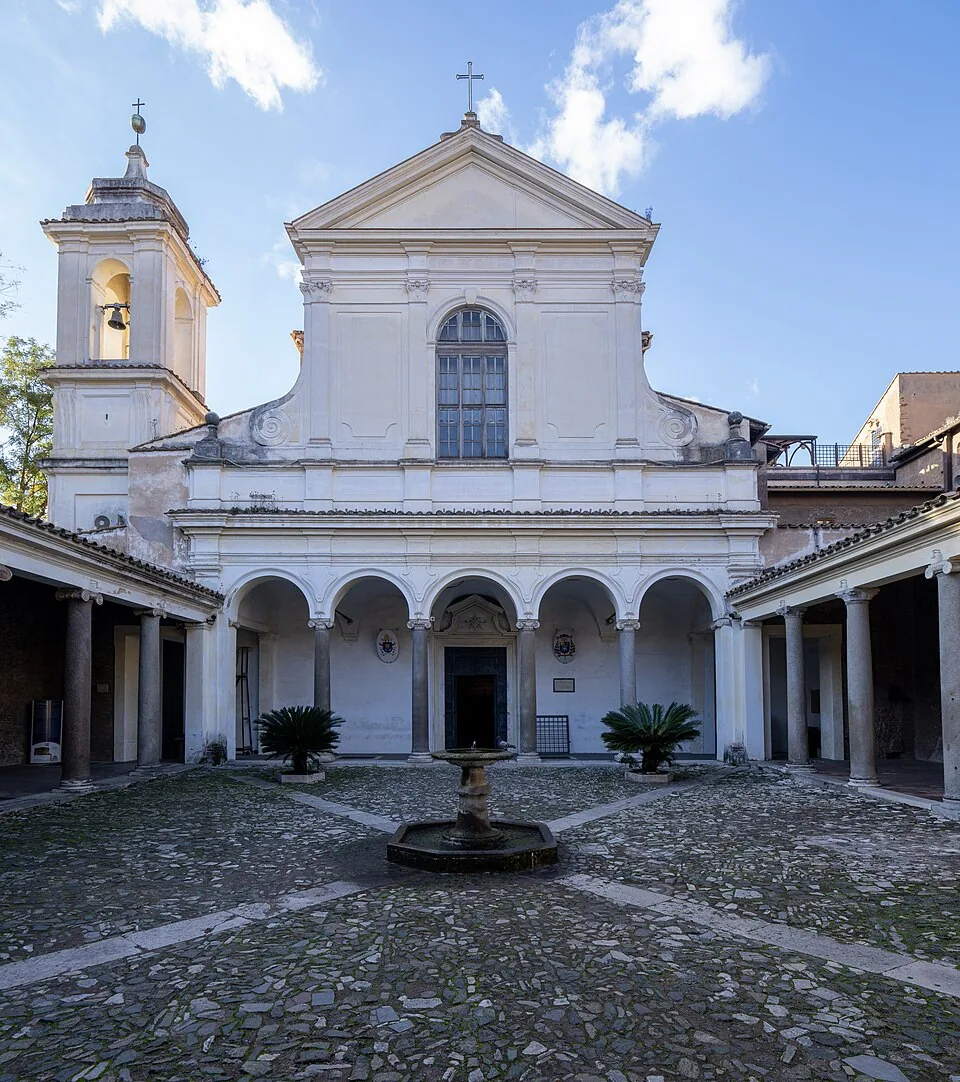
Basilica of San Clemente
San Clemente lets visitors descend through three distinct levels of Rome: a twelfth-century basilica, a fourth-century church, and earlier Roman structures that include a Mithraic temple. The stacked buildings reveal how later communities reused and buried the city beneath them.
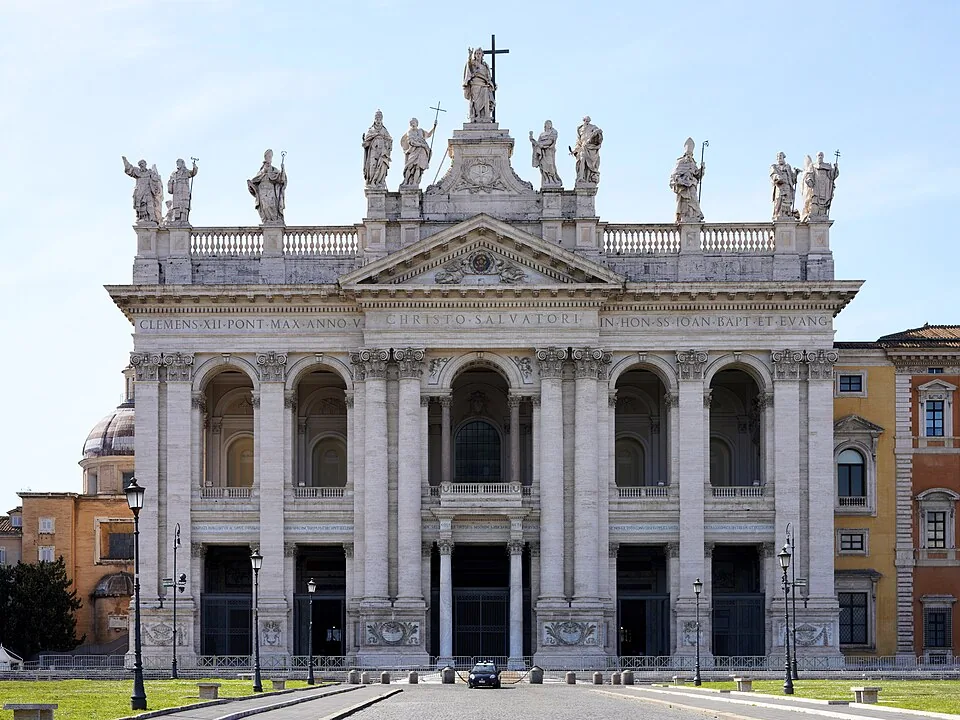
Basilica of San Giovanni in Laterano
San Giovanni in Laterano is Rome’s cathedral, with a baptismal font at the heart of its history. Its vast interior has been repeatedly rebuilt, yet the basilica’s role as the bishop of Rome’s church reaches back to the early Christian period.